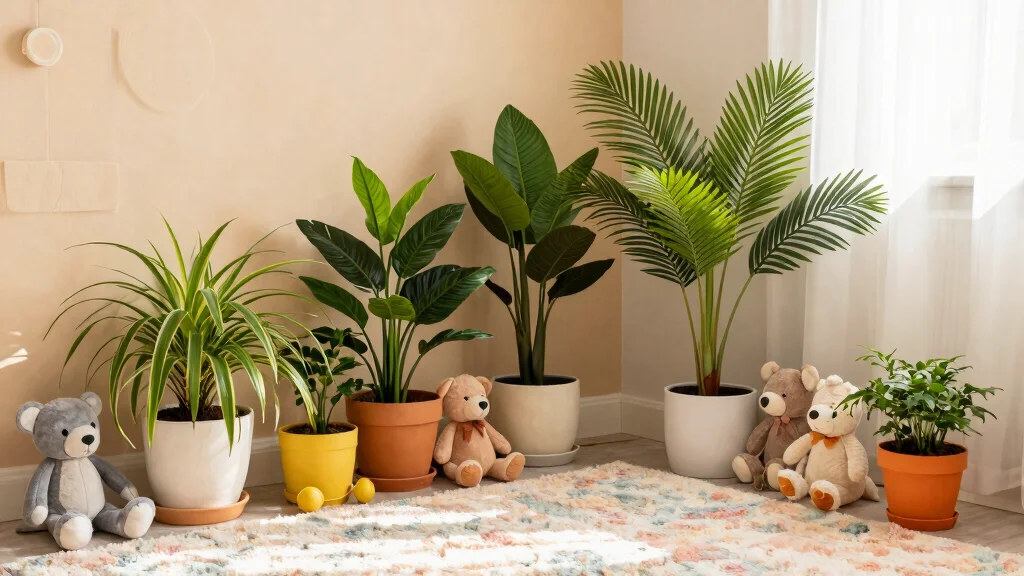
Bringing nature indoors can greatly enhance your child’s space. I’ve been looking for ways to make nurseries feel more inviting and vibrant. In a world full of plastic toys and synthetic materials, introducing child-safe indoor plants feels like a breath of fresh air. These plants not only brighten the room but also promote a sense of calm and connection to nature. Plus, they can be educational tools, helping kids learn about caring for living things.
If you’re a parent, caregiver, or anyone who loves little ones, this post is for you. The safety of children is always a priority, especially when it comes to their environment. That’s why I’ve created this list of eight child-safe indoor plants perfect for nurseries. Each plant is non-toxic, easy to care for, and brings a touch of greenery to small spaces. You’ll find that these child-friendly houseplants can seamlessly blend into your home while keeping your little ones safe.
In this guide, you will discover eight fantastic indoor plant ideas that are not just pretty but also practical. From low-maintenance options to those that thrive in various light conditions, each suggestion comes with tips on care and placement. By the end, you’ll feel empowered to create a nurturing and lively space that both you and your children will love.
Key Takeaways
– Safety First: All the plants featured are non-toxic and safe for children, ensuring a worry-free environment.
– Low Maintenance: Many of the suggested plants are easy to care for, making them perfect for busy parents.
– Variety of Options: The list includes different types of plants that can thrive in various lighting situations, catering to your nursery’s unique conditions.
– Educational Value: Engaging kids in plant care can teach them responsibility and a love for nature.
– Aesthetic Appeal: These plants will enhance the overall look and feel of your child’s room, creating a more inviting atmosphere.
1. Spider Plant (Chlorophytum comosum)
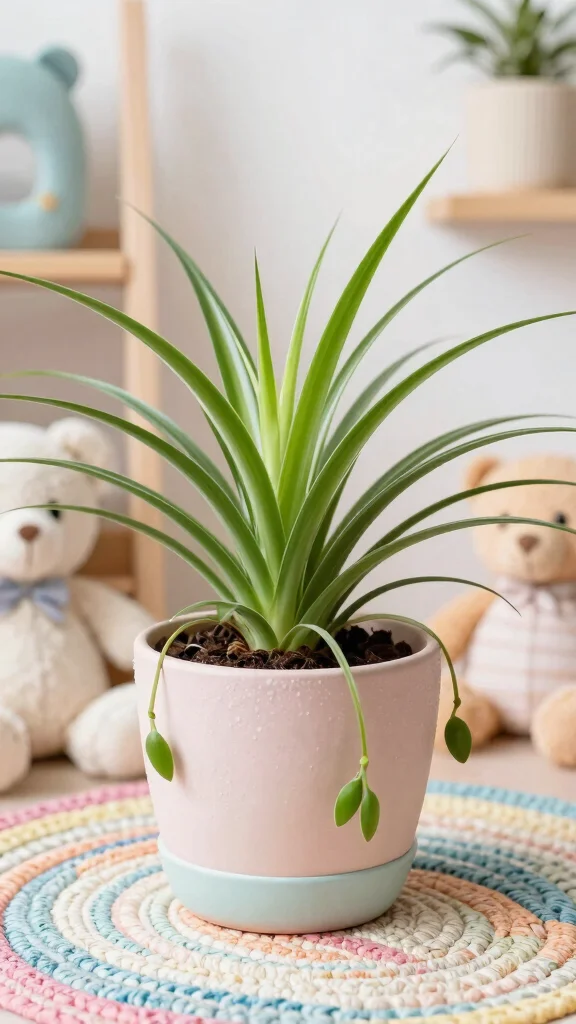
If you’re looking for a plant that adds charm and is easy to care for, the Spider Plant is a fantastic choice. Its long, graceful leaves stretch outward, creating a lively display that kids adore. These resilient plants thrive in various lighting, especially in indirect sunlight, making them perfect for nurseries filled with warmth and light. Plus, they’re known for producing baby spiderettes that dangle beautifully, capturing children’s attention and curiosity.
To keep your Spider Plant happy, check that the top inch of soil is dry before watering. You can also ensure it has well-draining soil and a pot with drainage holes. For the best growth, place it in a spot with bright, indirect sunlight.
Get started with these care tips:
– Water when the top inch of soil feels dry
– Use well-draining soil and pots with holes
– Keep in bright, indirect sunlight for healthy growth
A Spider Plant brings a cheerful vibe to the nursery and encourages little ones to connect with nature.
Spider Plant (Chlorophytum comosum)
Editor’s Choice
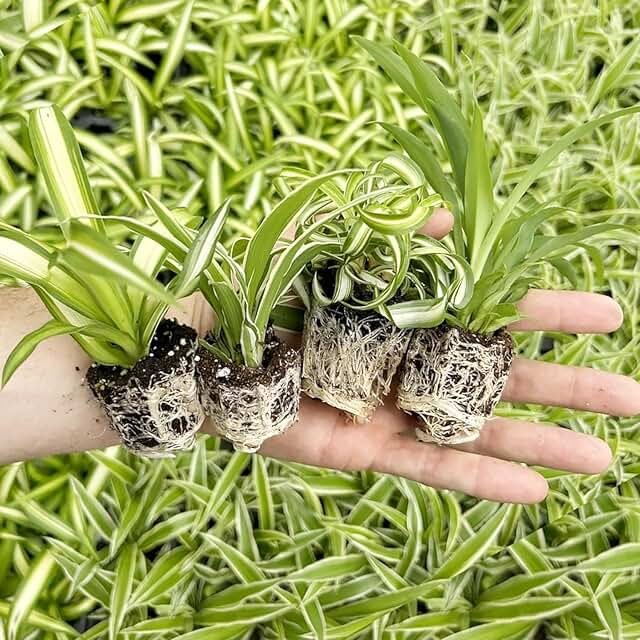
Spider Plant Variety Pack – 4 Spider Plants Live House Plants – Ocean, H…

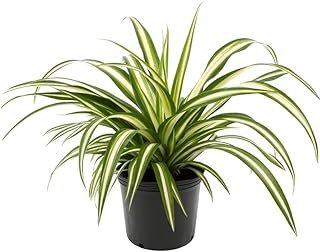
American Plant Exchange Spider Plant – 6-Inch Pot – Live Easy Care Indoo…
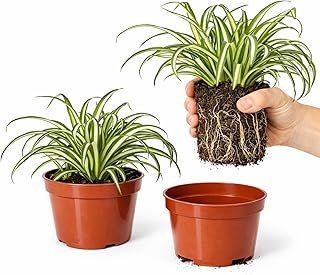
Easy to Grow Spider Plant Variegated 2 Full Size Potted Plants – Large E…
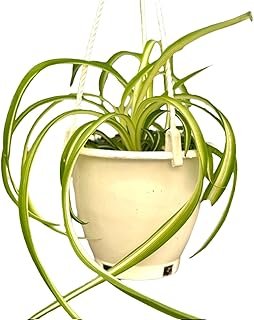
Spider Plant (Chlorophytum comosum) Live Plant in 4-Inch Pot – Easy Care…
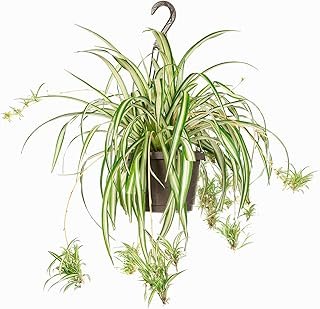
Perfect Plants Spider Plant in 8in. Hanging Basket | Live Houseplant for…
2. Parlor Palm (Chamaedorea elegans)
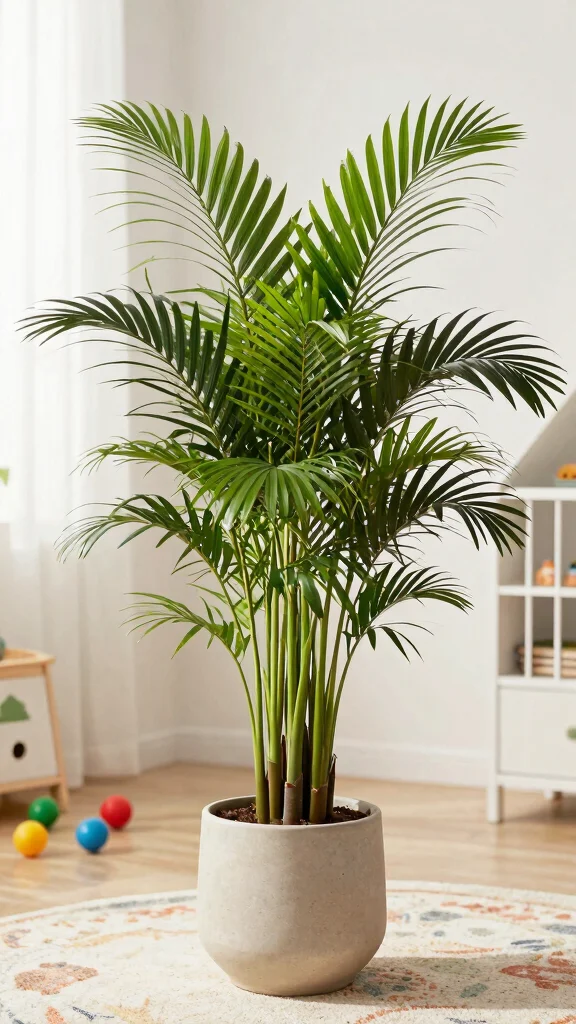
The Parlor Palm is a lovely addition for parents wanting to infuse elegance into their child’s space. With its lush, feathery fronds, this palm can grow tall while still being compact, making it ideal for smaller rooms. It thrives in low light, so even if your nursery doesn’t get direct sunshine, this plant will flourish beautifully. Plus, it’s non-toxic, so you can let your child explore without worry.
For the best results, water the Parlor Palm once the top inch of soil feels dry. It thrives in indirect sunlight or bright light, so find a cozy spot for it. This palm’s forgiving nature makes it easy to care for, perfect for busy parents.
Here are some care instructions:
– Water once the top inch of soil is dry
– Place in indirect sunlight for optimal growth
With its graceful presence, the Parlor Palm not only beautifies the nursery but also inspires children to appreciate the wonders of nature.
Parlor Palm fits perfectly into a child safe indoor plant ideas nursery—it’s elegant, low-light friendly, and non-toxic. Keep it happy with watering when the top inch dries; small spaces feel bigger with a touch of green.
Parlor Palm (Chamaedorea elegans)
Editor’s Choice
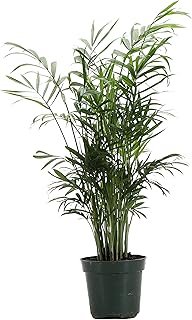
Thorsen’s Greenhouse Parlor Palm Plant, Live Indoor Plant, Neanthe Bella…
Costa Farms Ponytail Palm Live Plant in Decorative Pot, Easy to Maintain…
Costa Farms Snake Plant, Live Sansevieria Indoor Houseplant in 4-Inch De…
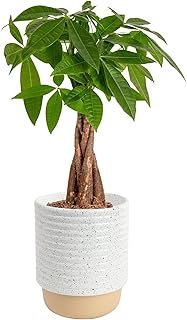
Costa Farms Money Tree (Pachira Aquatica) Live Indoor Bonsai-Style Plant…
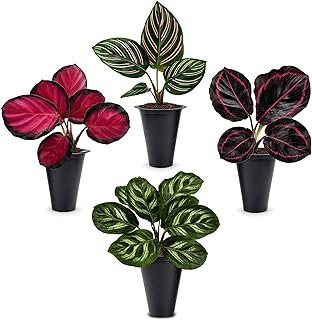
Calathea Collection (4 Pack) Live Plants – Stunning Foliage Prayer Plant…
📹 Related Video: PARLOUR PALM CARE | Chameadorea Elegans Tips & Tricks
3. Friendship Plant (Pilea involucrata)
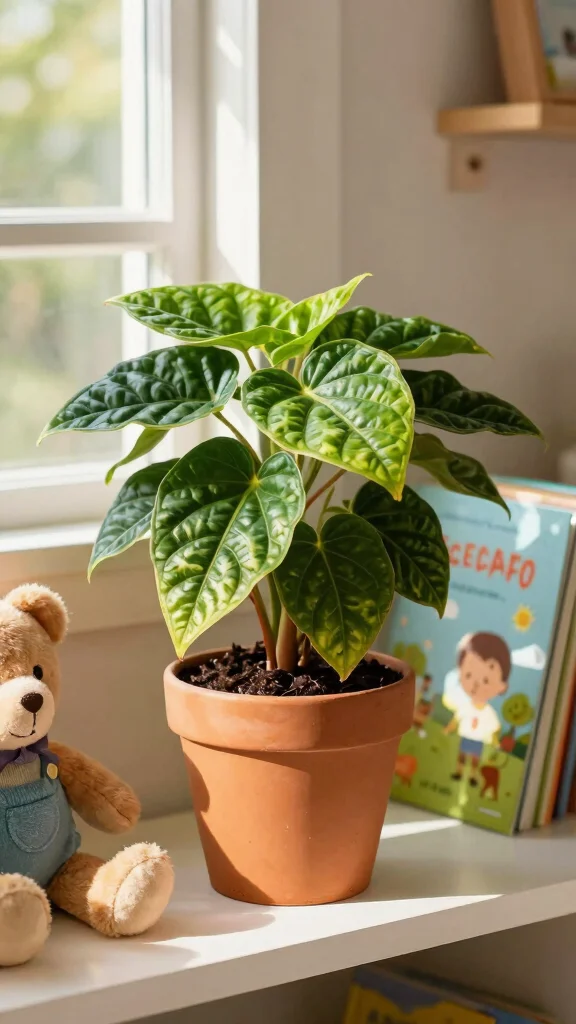
The Friendship Plant is a delightful choice for a nursery, with its soft, textured leaves that invite touch. Its unique quilted appearance features vibrant green leaves with lovely bronze hints, making it visually appealing. Children will enjoy exploring the way its leaves feel, fostering their love for plants. This low-maintenance plant is perfect for teaching kids about nature as they observe its growth over time.
To care for your Friendship Plant, water it when the top inch of soil is dry. Place it in a spot that receives bright, indirect sunlight for optimal growth. Occasional misting will keep its leaves vibrant and healthy.
Follow these care tips:
– Water when the top inch of soil is dry
– Keep it in bright, indirect sunlight
– Mist leaves occasionally to maintain vibrancy
Adding a Friendship Plant not only enhances the nursery’s aesthetics but also teaches kids the joy of nurturing their plant friends.
Fun fact: The Friendship Plant (Pilea involucrata) stays compact in 6–8 inches of space and only needs water when the top inch of soil dries, roughly once a week. It’s a perfect choice for a child safe indoor plant ideas nursery.
Friendship Plant (Pilea involucrata)
Editor’s Choice
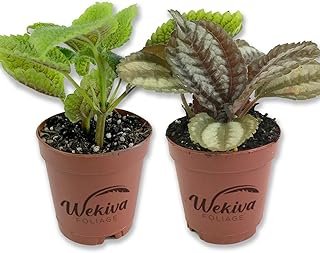
Friendship Plants Duo – 2 Live Starter Plants in 2 Inch Pots – Pilea Inv…

Watering Can for Kids – Play Time or Practical Use – Childs Metal Wateri…
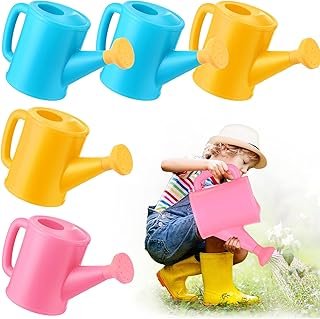
Meooeck 6 Pieces Plastic Watering Can for Kids Small Beach Toy Watering …
FLAIROSOL Botanica Plant Mister Spray Bottle, 24oz / 700 ML Water Spray …
4. Boston Fern (Nephrolepis exaltata)
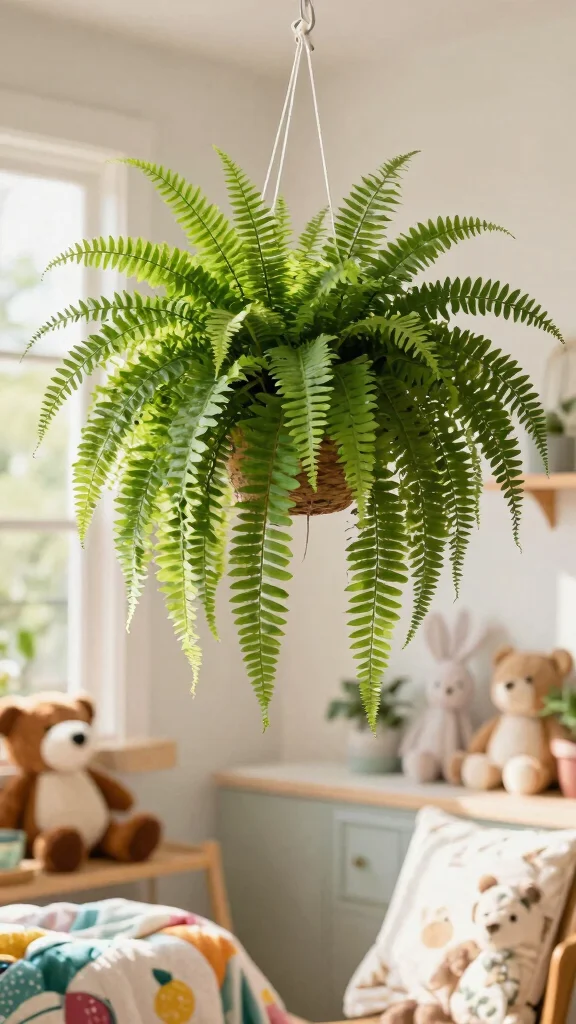
Boston Ferns are wonderful plants that bring a touch of the forest into any nursery. Their delicate fronds create a soft, cascading effect that can transform the room’s ambiance. Renowned for their air-purifying qualities, they help create a healthier space for your child to breathe and thrive. Although they require a bit more care, they’re also a fun project for children to help maintain.
Keep the soil consistently moist but not soggy, and mist the leaves regularly to maintain humidity. Bright, indirect light is ideal for these ferns, ensuring they get the right amount of sunshine.
Here are some maintenance tips:
– Keep the soil moist but not soggy
– Mist leaves regularly to maintain humidity
– Place in bright, indirect lighting for best growth
The Boston Fern serves as a great educational tool, teaching kids the importance of plant care while providing a refreshing green space in their room.
Boston Fern (Nephrolepis exaltata)
Editor’s Choice
The Everyday Houseplant Handbook for Absolute Beginners: A Practical, No…
Houseplants: The Complete Guide to Choosing, Growing, and Caring for Ind…
Kate Spade New York 2.5 Liter Indoor Watering Can, Metal Watering Can fo…
You might also like

5. Calathea (Calathea spp.)
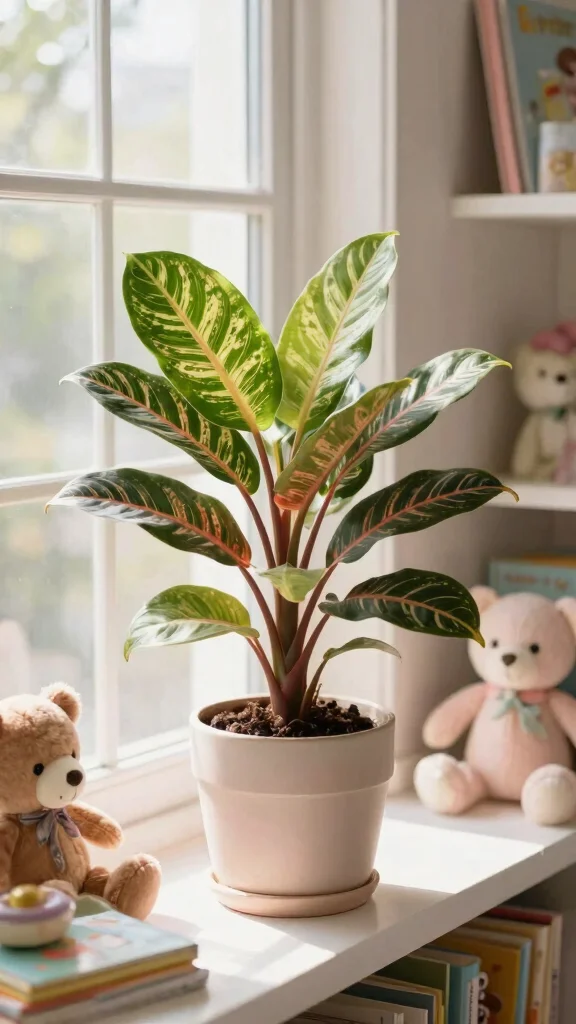
Calathea plants are known for their beautifully patterned leaves that can captivate any child’s attention. Each leaf showcases rich colors and unique designs, resembling living artwork. These plants thrive in indirect light, making them suitable for nurseries that may not get direct sunlight. Plus, they are completely safe for both kids and pets, giving parents peace of mind.
To keep your Calathea happy, water it when the soil feels dry and keep it in bright, filtered light away from harsh sunlight. Regular misting will help maintain the plant’s vibrant leaves.
Use these care suggestions:
– Water when the soil feels dry
– Keep in bright, filtered light
– Mist leaves regularly for optimal health
Incorporating a Calathea not only enhances the nursery’s beauty but also sparks a child’s curiosity about nature and its intricate patterns.
6. Bamboo Palm (Chamaedorea seifrizii)
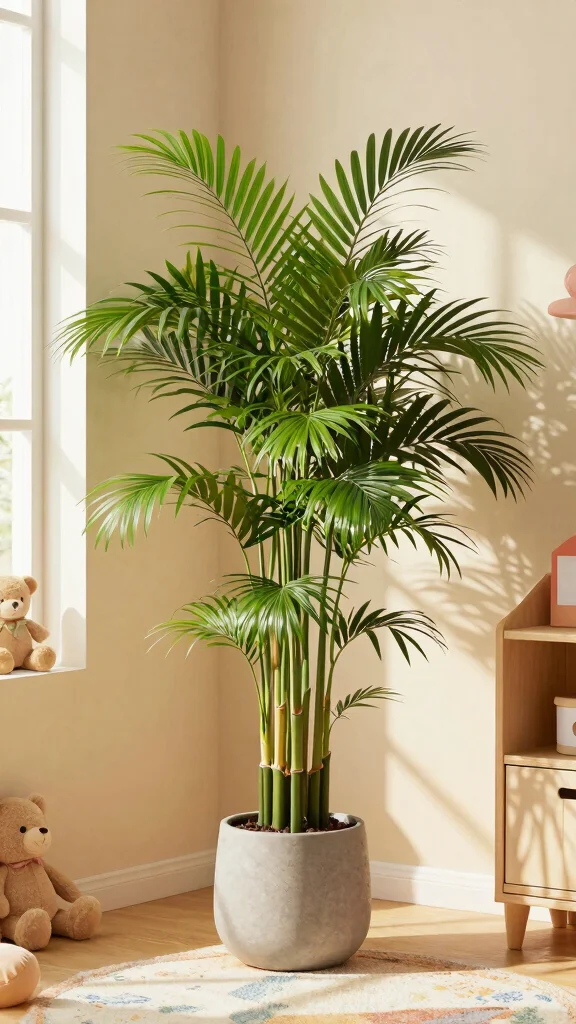
The Bamboo Palm is a stunning choice that adds elegance and tranquility to any nursery. With its slender canes and lush green fronds, it creates a calming tropical atmosphere. Not only is this palm visually appealing, but it’s also great at purifying the air, making it a perfect fit for your baby’s room. Its minimal care requirements make it a favorite among parents.
To care for your Bamboo Palm, water it when the top of the soil feels dry and ensure it has good drainage. Place it in a spot with indirect sunlight for the best growth.
Follow these care tips:
– Water when the top of the soil feels dry
– Ensure good drainage for healthy roots
By adding a Bamboo Palm, you enhance the nursery’s aesthetics while providing a safe, healthy environment for your little one to grow and thrive.
7. African Violet (Saintpaulia)
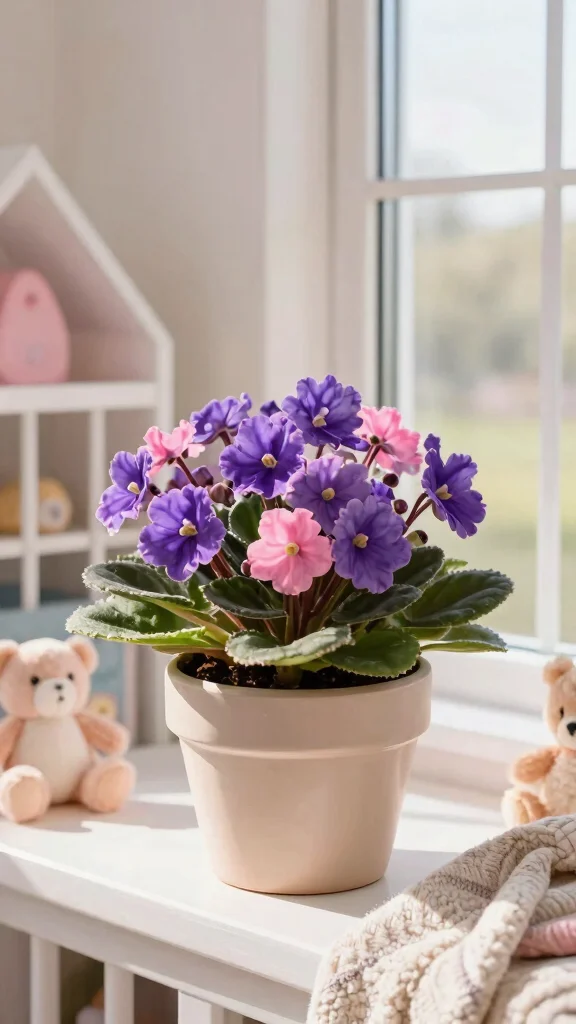
African Violets are beloved for their stunning flowers that add vibrant colors to your child’s nursery. With blooms in purple, pink, and white, they brighten up any space and are safe for little hands. These plants are easy to care for and can flower multiple times a year, creating a delightful experience for children as they help with watering and watching them grow.
For best results, water your African Violets from the bottom to avoid wet leaves, and place them in bright, indirect sunlight. This ensures they thrive and produce beautiful blooms.
Here are some care instructions:
– Water from the bottom to keep leaves dry
– Place in bright, indirect sunlight for optimal growth
Adding African Violets not only enhances the beauty of the nursery but also teaches kids about responsibility and caring for living things.
African Violet (Saintpaulia)
Editor’s Choice
African Violet Pots, Self-Watering Ceramic Planter for Indoor Plants – 6…
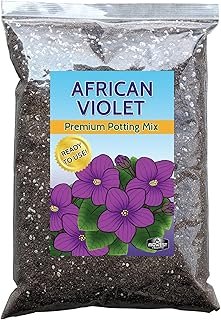


Miracle-Gro African Violet Potting Mix, 8-Quart (currently ships to sele…

Nature’s Way Soil® Orchid & African Violet Potting Mix – Premium Coco Co…
8. Money Tree (Pachira aquatica)
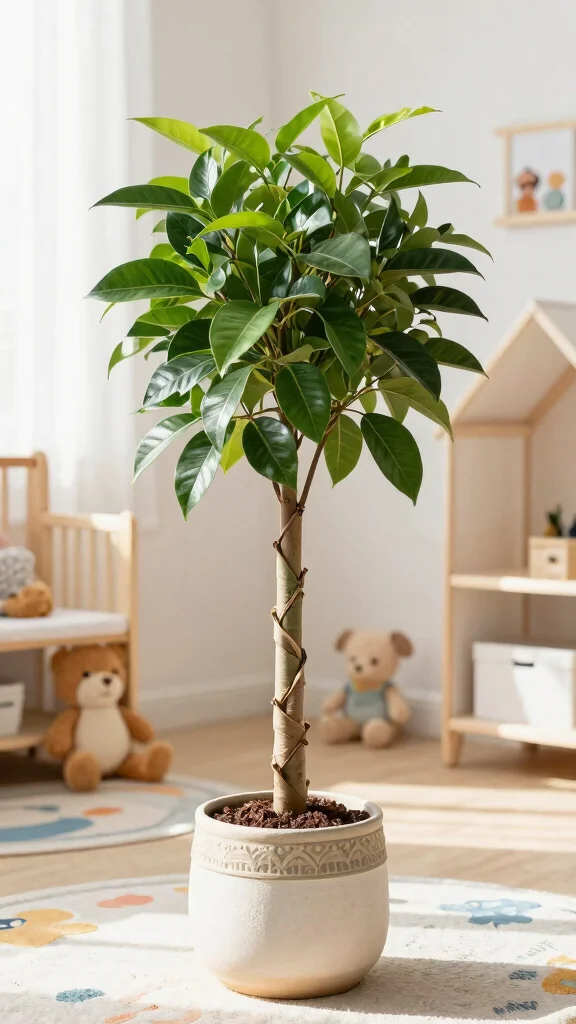
The Money Tree is a unique indoor plant that captures attention with its braided trunk and glossy leaves. Known to symbolize good luck and prosperity, it makes a charming addition to your child’s nursery. This low-maintenance plant thrives in bright, indirect light and requires minimal watering, making it perfect for busy parents. Kids will love the idea of caring for this lucky charm in their room.
To care for your Money Tree, water it when the top inch of soil feels dry and keep it in indirect sunlight, avoiding harsh direct light. This will help maintain its health and beauty.
Use these care tips:
– Water when the top inch of soil becomes dry
– Keep in indirect sunlight for best results
By introducing a Money Tree to the nursery, you’re not just decorating; you’re fostering a sense of wonder and nurturing in your child.
Fun fact: A Money Tree (Pachira aquatica) can thrive in bright, indirect light and only needs water when the top inch of soil dries. In a busy home, it easily grows into a charming, luck-bringing centerpiece for a child safe indoor plant ideas nursery.
Ongoing Maintenance & Care Guide
Maintenance Schedule:
Daily/Weekly Tasks:
– Watering: Check the soil moisture. Water the plants if the top inch feels dry. This usually takes about 5 minutes.
– Dusting Leaves: Wipe the leaves with a damp cloth to remove dust. This should take around 10 minutes per plant.
– Inspecting for Pests: Look closely for any signs of pests like spider mites or aphids. Spend about 5 minutes checking each plant.
– Rotate Plants: Turn your plants every week to ensure they grow evenly. This takes about 2-3 minutes per plant.
Monthly/Seasonal Tasks:
– Fertilizing: Use a balanced, child-safe fertilizer once a month during the growing season (spring and summer). This task takes about 15 minutes.
– Re-potting: Check if your plants are root-bound. If they are, re-pot them in a larger pot every 6-12 months, which could take about 30 minutes.
– Pruning: Trim any dead or yellowing leaves monthly to keep the plants healthy. This should take around 20 minutes.
– Check for Diseases: Examine your plants for any signs of diseases like leaf spots or wilting. Spend about 10 minutes on this task.
– Seasonal Placement: As seasons change, consider moving your plants to optimize light exposure. This can take about 15 minutes.
Maintenance Summary Table:
| Task | Frequency | Difficulty | Time Needed |
|—————————–|—————-|————–|—————|
| Watering | Daily/Weekly | Easy | 5 minutes |
| Dusting Leaves | Daily/Weekly | Easy | 10 minutes |
| Inspecting for Pests | Daily/Weekly | Easy | 5 minutes |
| Rotate Plants | Weekly | Easy | 2-3 minutes |
| Fertilizing | Monthly | Moderate | 15 minutes |
| Re-potting | Every 6-12 months | Moderate | 30 minutes |
| Pruning | Monthly | Easy | 20 minutes |
| Check for Diseases | Monthly | Easy | 10 minutes |
| Seasonal Placement | Seasonal | Easy | 15 minutes |
Common Issues to Watch For:
⚠️ Yellowing Leaves: This can indicate overwatering. Check the soil to see if it’s soggy. If it is, allow the plant to dry out.
⚠️ Wilting: Plants may wilt due to underwatering. Check the soil moisture and water if it’s dry.
⚠️ Sticky Residue: A sign of pests like aphids or mealybugs. Inspect and treat with a child-safe insecticidal soap.
⚠️ Brown Leaf Edges: This could mean low humidity or underwatering. Mist the leaves or adjust your watering schedule.
⚠️ Moldy Soil: Overwatering can lead to mold. Change the soil and adjust your watering habits.
Care Tips:
💡 Use Child-Safe Products: Always choose non-toxic fertilizers and pest control methods to keep your kids safe.
💡 Create a Watering Schedule: Mark your calendar for watering days. This helps you stay on track without forgetting.
💡 Place Plants Wisely: Keep plants out of reach of young children but still within sight. Use high shelves or hanging pots for safety.
💡 Encourage Child Involvement: Teach your kids to help with watering or dusting. It’s a fun way to learn about plants and responsibility.
💡 Monitor Light Conditions: Ensure your plants get the right amount of light. Move them closer to windows or rotate them for even growth.
Following this maintenance and care guide will help you keep your child-safe indoor plants healthy and thriving in your nursery. Happy gardening!
Conclusion
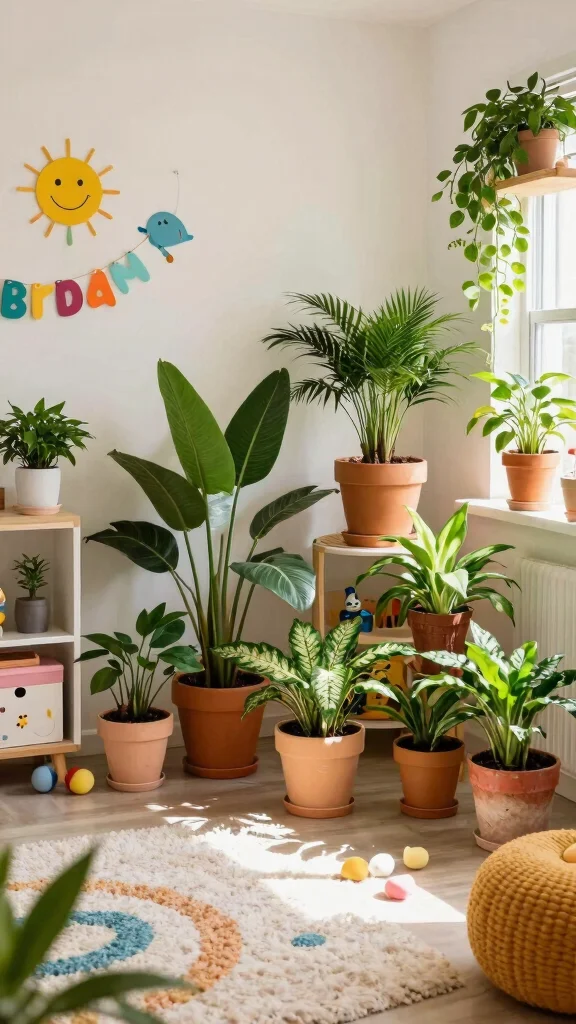
With these eight charming and child-safe indoor plants, you can transform your nursery into a vibrant, green space that not only looks beautiful but also contributes to a healthy environment for your little ones. Encouraging an early interest in plants can spark curiosity and a lifelong appreciation for nature.
Getting kids involved in plant care also teaches responsibility and nurtures a gentle connection with the living world around them. So, start your green journey today—your nursery (and your child) will thank you for it!
Note: We aim to provide accurate product links, but some may occasionally expire or become unavailable. If this happens, please search directly on Amazon for the product or a suitable alternative.
This post contains Amazon affiliate links, meaning we may earn a small commission if you purchase through our links, at no extra cost to you.
Frequently Asked Questions
What are the best child-friendly indoor plant ideas for a small nursery space?
For a compact, safe nursery, start with child-friendly houseplants that are commonly considered non-toxic plants for kids. A dependable trio is Spider Plant, Parlor Palm, and Bird’s Nest Fern, with a splash of color from a (Prayer Plant). Place them on shelves or a tiered stand to maximize vertical space, keep lighting bright but indirect, and water when the top inch of soil dries. These indoor plants for nurseries stay manageable in small spaces and stay kid-friendly when supervised. This approach mirrors the idea behind the child safe indoor plant ideas nursery concept.
How can I choose low-maintenance indoor plants for a busy family while keeping them safe for kids?
Pick 2–4 low-maintenance indoor plants that are widely labeled as non-toxic plants for kids. Great options include Spider Plant, Parlor Palm, Calathea, and Peperomia. Place them in bright, indirect light, water sparingly, and consider self-watering pots to reduce daily tasks. Involve kids in simple routines like misting leaves or wiping dust, and keep care supplies out of reach. This makes the child safe indoor plant ideas nursery approach practical for busy households while staying safe for children.
Which non-toxic plants for kids are best for low-light nurseries?
For dim spaces, choose low-light tolerant options like Spider Plant, Areca Palm, Bird’s Nest Fern, Calathea, and Peperomia. These plants are generally considered safe for kids to handle and stay compact, making them ideal for nurseries or children’s rooms. Place them near east or north-facing windows if possible, avoid harsh direct sun, and water only when the soil is dry to the touch. Regularly dust the leaves to keep them healthy and inviting.
How should I arrange indoor plants for nurseries to keep kids safe and engaged?
Create zones that are kid-friendly and clutter-free. Put taller or heavier pots on sturdy stands or lower shelves to avoid tipping, and keep trailing plants out of reach of active play areas. Label plants with simple care cues and involve kids in routine tasks like watering on designated days and cleaning leaves. Use washable pots and ensure cords, tools, and soil are stored safely. A well-organized setup enhances both safety and curiosity, aligning with the child safe indoor plant ideas nursery concept.
What are common mistakes to avoid when choosing safe plants for children’s rooms?
Common missteps include picking toxic-looking plants for kids, ignoring light and watering needs, and overwatering or underwatering due to busy schedules. Avoid placing delicate or heavy pots in high-traffic zones where they could topple, skip labeling, and neglect leaf cleaning which can harbor dust and allergens. Also be mindful of potential allergens or fragrances; always start with non-toxic plants for kids and supervise children during plant care to keep the experience positive and safe.
Related Topics
child safe plants
indoor gardening
eco-friendly decor
nursery plants
non-toxic houseplants
small space gardening
low-maintenance plants
safe room plants
beginner friendly
green living
plant care tips
kid-friendly greenery