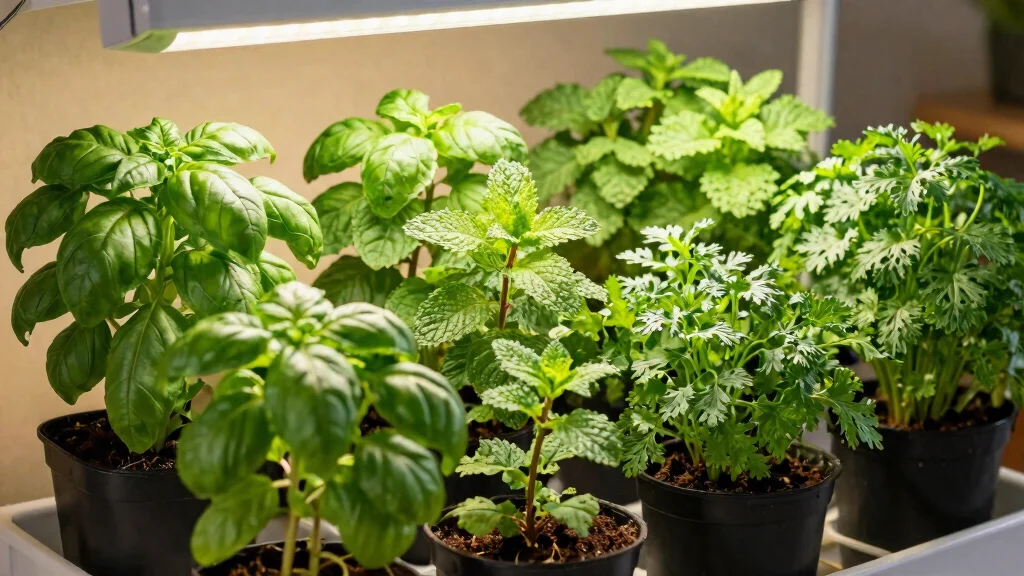
Indoor gardening has become a passion for many, especially those looking to grow fresh herbs at home. If you’re anything like me, you might find yourself craving a touch of green in your life, whether it’s for cooking or simply enjoying nature indoors. That’s why I created this post— to explore the amazing transformations that can occur with the right use of grow lights.
This post is tailored for indoor gardening enthusiasts, from seasoned gardeners to novices just starting their herb collections. If you care about vibrant plant growth and want to see how to elevate your indoor gardening game, you will find this guide invaluable. You’ll learn about the different types of grow lights, witness the incredible before-and-after changes of various herbs, and discover practical tips to achieve lush, healthy plants.
Get ready to see your indoor garden flourish like never before. By the time you finish reading, you’ll have a complete understanding of how grow lights can enhance your indoor herb gardening experience. You’ll not only be inspired by the stunning transformations of plants like basil and mint, but you will also gain actionable insights to replicate these results in your own home.
Key Takeaways
– Discover how different types of grow lights impact plant growth and overall health.
– Learn the specific transformation stories of popular herbs like basil, mint, and thyme.
– Understand the importance of light duration and intensity for maximizing plant wellness.
– Explore practical tips for setting up your grow light system to achieve the best results.
– See the collective benefits of using grow lights to create a thriving indoor herb garden.
1. Basil: From Dull to Dazzling
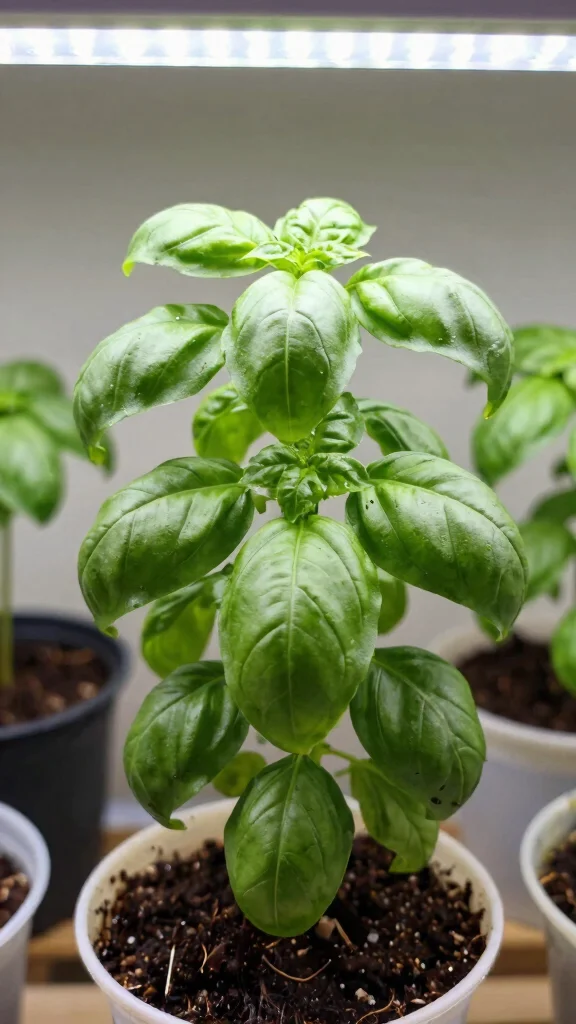
Are you yearning for fresh basil to elevate your dishes? When this herb gets the right amount of light, it transforms from weak and leggy into a lush green delight. Under the glow of cool and warm white LED grow lights, basil can thrive, displaying rich foliage and an enticing aroma that will inspire your culinary creations. You’ll love how easy it is to grow and enjoy this flavorful herb at home!
Ingredients:
– Basil seeds
– Potting soil
– Grow lights (cool and warm white LED)
– Water
– Fertilizer (optional)
Instructions:
1. Fill a pot with potting soil and plant basil seeds according to package instructions.
2. Water the soil gently until moist but not soggy.
3. Position your grow lights 12-18 inches above the pot.
4. Provide 12-16 hours of light daily.
5. Fertilize once a month if desired, and watch your basil grow!
FAQs:
– Can I use store-bought basil seeds? Yes, just ensure they are fresh and high-quality.
– Can I grow basil in a small pot? Absolutely! Just make sure it has drainage holes.
Fun fact: under grow lights, basil can show a dramatic grow lights plant transformation before after—leggy stems become lush, fragrant leaves in just a couple of weeks. Give it 12–14 hours daily of cool and warm white LEDs, and taste the difference.
How To Choose The Right Grow Lights
Choosing the right grow lights can make a big difference in your indoor herb gardening. With so many options available, it’s essential to understand what to look for before making a purchase. Here’s a guide to help you find the perfect grow lights for your plants.
1. Light Type
Different types of grow lights serve various purposes. LED grow lights are popular because they are energy-efficient and emit less heat. Fluorescent lights are great for starting seeds, but they may not provide enough intensity for larger plants. Consider the needs of your herbs when selecting a light type.
2. Size and Coverage
The size of your grow light should match the area you want to cover. Measure your growing space and choose a light that can adequately illuminate the entire area. If you’re growing multiple herbs, a larger light may be necessary to ensure even growth and prevent shadows.
3. Spectrum of Light
Plants need different light spectrums at various growth stages. A full spectrum grow light provides both blue and red wavelengths, which are crucial for photosynthesis and blooming. Make sure to choose lights that cater to the specific growth phase of your herbs for optimal results.
4. Energy Efficiency and Cost
Look for grow lights that are energy efficient to save on electricity bills. LEDs are typically more expensive upfront but last longer and use less power than other types, such as incandescent or halogen bulbs. Calculate the long-term costs to find the best option for your budget.
5. Adjustability and Features
Some grow lights come with adjustable features like brightness levels, timers, and hangers. These can help you customize the light conditions based on your herbs’ needs. If you want more control over your indoor garden, opt for lights with these additional features.
6. Brand Reputation and Reviews
Before making a purchase, research the brands and read reviews from other indoor gardeners. High-quality brands often offer better warranties and customer service. User experiences can provide insight into how effective and reliable the grow lights are.
Pro Tip: Always monitor your plants’ response to the light conditions. If you notice signs of too much or too little light, adjust the distance or duration accordingly. Keeping a close eye on your plants will help you make informed decisions on lighting needs.
By keeping these factors in mind, you can choose the right grow lights that will ensure your indoor herbs thrive. Happy gardening!
Basil: From Dull to Dazzling
Editor’s Choice
HOME GROWN Non GMO Italian Basil Seeds Bulk Pack 1,424 Sweet Large Leaf …

Burpee, 9 Quarts | Premium Organic Potting Natural Soil Mix Food Ideal f…
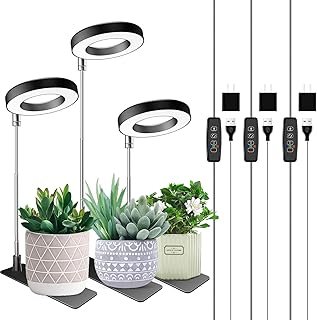
Aokrean Plant Grow Light, 48 LEDs Full Spectrum Grow Lights for Indoor P…
2. Mint: A Refreshing Revival
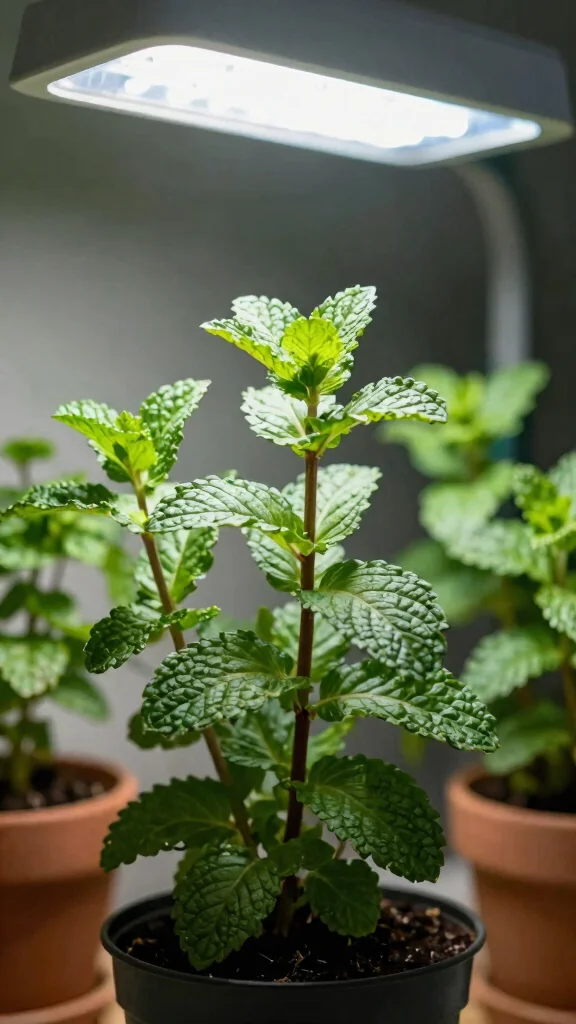
Are you craving fresh mint for your drinks and dishes? With the right care and grow lights, mint can flourish into a vibrant, refreshing herb. Initially, it might seem spindly and weak, but with full-spectrum LED lights, it can grow thick and healthy, ready to enhance your favorite recipes. You’ll be amazed at how easy it is to bring this aromatic herb to life!
Ingredients:
– Mint seeds or cuttings
– Potting mix
– Full-spectrum LED grow lights
– Water
Instructions:
1. Plant mint seeds or cuttings in a pot filled with potting mix.
2. Water them lightly and let the excess drain.
3. Set your grow lights to 14-16 hours of light each day.
4. Keep the soil slightly moist, allowing it to dry between waterings.
5. Watch as your mint becomes bushy and ready for harvest!
FAQs:
– Can I use mint cuttings from the store? Yes, cuttings can root in soil or water!
– Can I grow mint indoors? Definitely! Just ensure it gets enough light.
Fun fact: mint can go from skinny to lush in just a few weeks under full-spectrum grow lights. The grow lights plant transformation before after is real—new greens, stronger stems, and vibrant aroma you can harvest daily.
Mint: A Refreshing Revival
Editor’s Choice
Aokrean Plant Grow Light, 48 LEDs Full Spectrum Grow Lights for Indoor P…
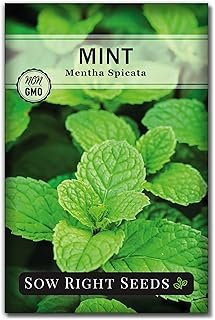
Sow Right Seeds – Mint Seeds for Planting – Non GMO Heirloom Perennial H…
Burpee, 9 Quarts | Premium Organic Potting Natural Soil Mix Food Ideal f…
3. Chives: A Subtle Spectacle
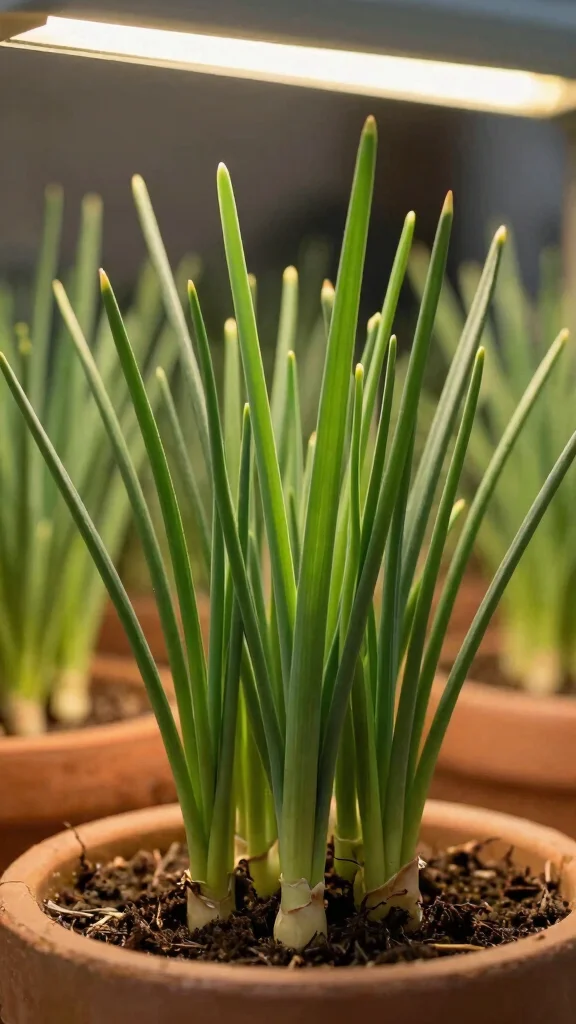
Do you want to add a touch of onion flavor to your dishes? Chives are often underrated but can shine when given the right light. They may start off looking thin, but with full-spectrum grow lights, they can become lush and vibrant, offering a burst of green to your indoor garden. It’s simple to cultivate, making it a great choice for your kitchen!
Ingredients:
– Chive seeds
– Seed starting mix
– Full-spectrum grow lights
– Water
Instructions:
1. Sow chive seeds in seed starting mix in a small pot.
2. Water gently until the soil is moist.
3. Position grow lights 6-12 inches above the plants.
4. Provide 12-14 hours of light daily.
5. Harvest when the chives are at least 6 inches tall!
FAQs:
– Can I grow chives from store-bought ones? Yes, you can root them in water first!
– Can chives grow in low light? They prefer bright light, so use grow lights if possible.
Give chives the right light, and their slender greens turn into a kitchen staple. Under full-spectrum grow lights, aim for 12-16 hours daily and you’ll witness the before-and-after transformation in just a couple of weeks.
📹 Related Video: How To Grow Chives!
Chives: A Subtle Spectacle
Editor’s Choice
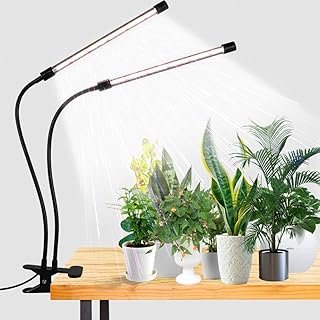
GooingTop LED Grow Light,6000K Full Spectrum Clip Plant Growing Lamp wit…
Miracle-Gro Indoor Potting Mix for Seed Starting, For Starting Vegetable…
The Old Farmer’s Almanac Heirloom Organic Chive Seeds – Approx 250 Seeds
4. Thyme: A Thriving Transformation
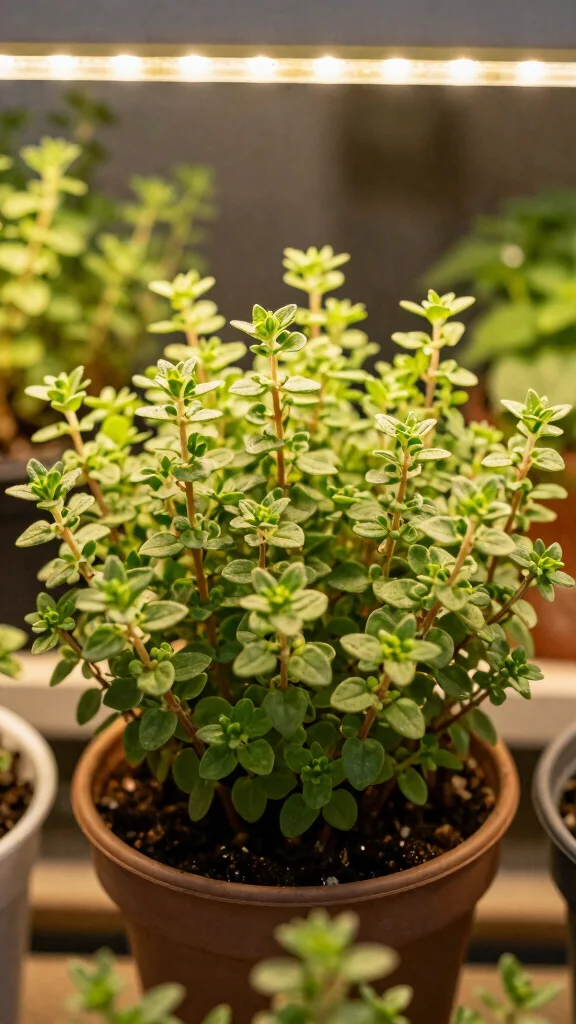
Are you looking for an herb to enhance your cooking? Thyme can easily become a staple in your kitchen, but it often struggles without sufficient light. Initially, it may look weak and leggy, but with proper grow lights, it can thrive into a fragrant and compact plant. You’ll appreciate how simple it is to grow fresh thyme right at home!
Ingredients:
– Thyme seeds
– Potting soil
– Grow lights (red and blue spectrum)
– Water
Instructions:
1. Plant thyme seeds in moist potting soil.
2. Set grow lights about 12-18 inches above.
3. Provide 12-14 hours of light each day.
4. Water when the top inch of soil is dry.
5. Enjoy your fresh thyme in various dishes!
FAQs:
– Can I use fresh thyme from the store? Yes, you can start from fresh cuttings!
– Can thyme grow indoors? Yes, it does well indoors with adequate light.
You might also like
Thyme: A Thriving Transformation
Editor’s Choice
Aokrean Plant Grow Light, 48 LEDs Full Spectrum Grow Lights for Indoor P…
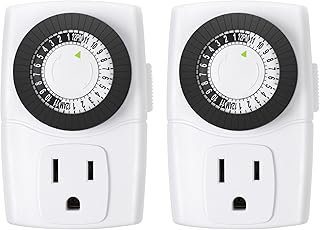
BN-LINK BND-60/U47 Indoor Mini 24-Hour Mechanical Outlet Timer, 3-Prong,…
Burpee, 9 Quarts | Premium Organic Potting Natural Soil Mix Food Ideal f…
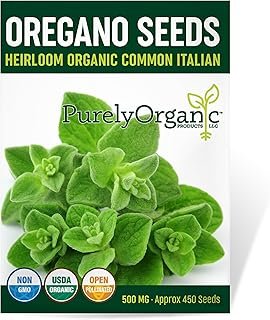
5. Oregano: A Flavorful Growth
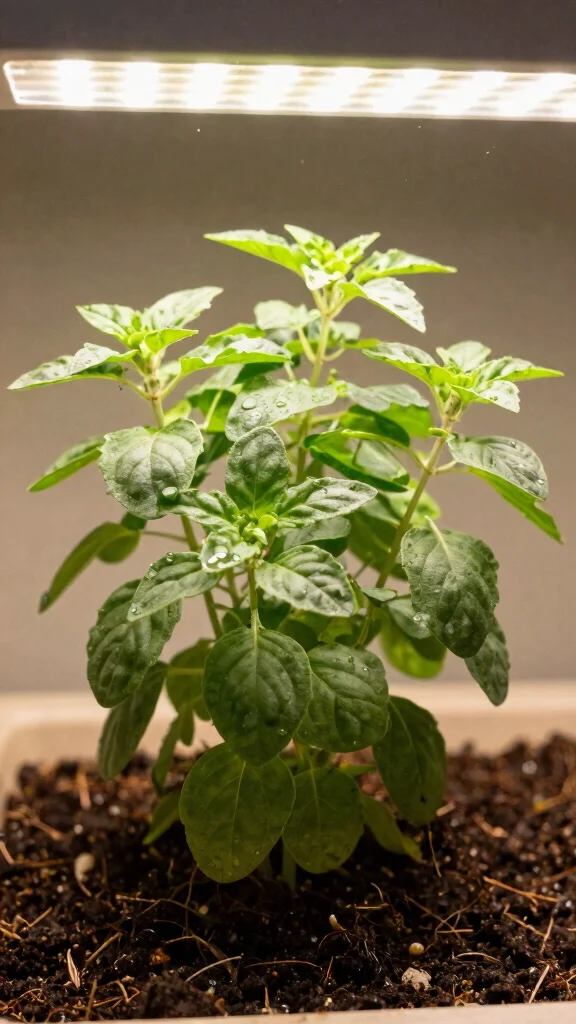
Are you eager for a fragrant herb to spice up your meals? Oregano thrives brilliantly with the right grow lights. Starting off sparse, it can quickly fill out into a lush plant that provides bold flavor. It’s an easy herb to grow, making it perfect for both novice and experienced gardeners alike!
Ingredients:
– Oregano seeds
– Quality potting mix
– Full-spectrum grow lights
– Water
Instructions:
1. Sow oregano seeds in potting mix in a small container.
2. Water well and allow drainage.
3. Set grow lights to mimic natural sunlight for 14-16 hours.
4. Water as needed, allowing the soil to dry slightly between watering.
5. Harvest leaves once the plant is established!
FAQs:
– Can I grow oregano from cuttings? Yes, cuttings rooted in soil can flourish!
– Can oregano survive in low light? It prefers brighter conditions to thrive.
Oregano: A Flavorful Growth
Editor’s Choice
Aokrean Plant Grow Light, 48 LEDs Full Spectrum Grow Lights for Indoor P…
Organic Common Italian Oregano Seeds – USDA Organic, Non-GMO, Open Polli…
Burpee, 9 Quarts | Premium Organic Potting Natural Soil Mix Food Ideal f…
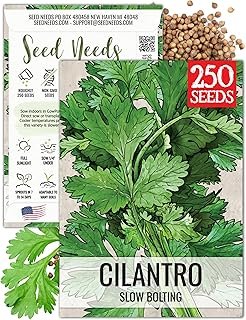
6. Cilantro: Freshness Unleashed
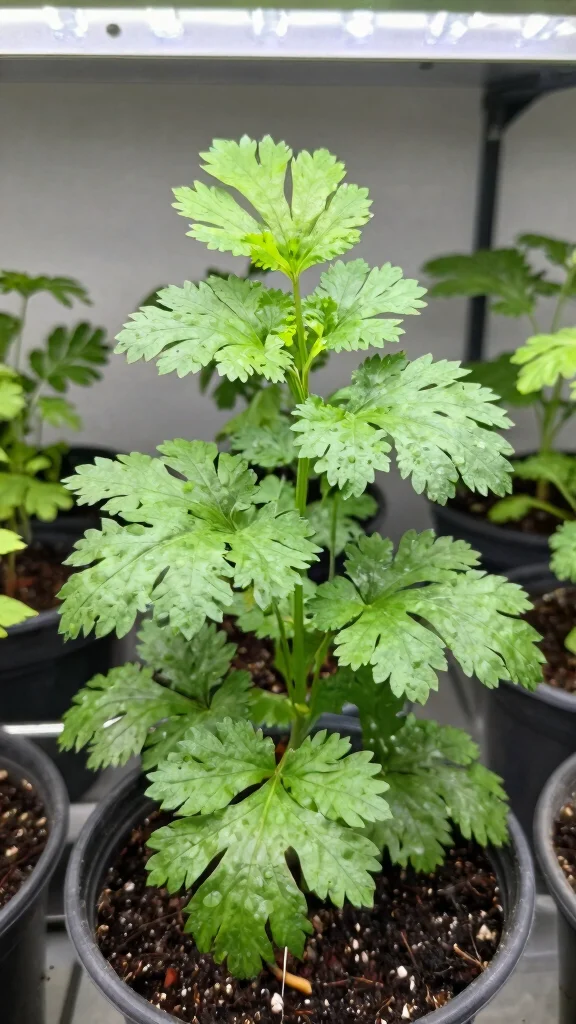
Are you craving the bright taste of fresh cilantro? This herb can flourish beautifully under the right light conditions. It often starts with long, spindly shoots but can transform into a bushy plant full of vibrant leaves. Growing cilantro is rewarding and enhances your favorite dishes, especially salsas and salads!
Ingredients:
– Cilantro seeds
– Potting soil
– Full-spectrum grow lights
– Water
Instructions:
1. Plant cilantro seeds in a pot filled with potting soil.
2. Water lightly and ensure drainage.
3. Position grow lights about 6-12 inches above the plants.
4. Provide 12-14 hours of light each day.
5. Harvest when the leaves are plentiful and vibrant!
FAQs:
– Can I use store-bought cilantro? Yes, you can regrow from fresh stems!
– Can cilantro grow in low light? It prefers bright light for best growth.
Cilantro: Freshness Unleashed
Editor’s Choice
Burpee, 9 Quarts | Premium Organic Potting Natural Soil Mix Food Ideal f…
Seed Needs Cilantro Seeds for Planting Coriander Kitchen Herbs – Non-GMO…
GooingTop LED Grow Light,6000K Full Spectrum Clip Plant Growing Lamp wit…
7. Parsley: A Green Delight
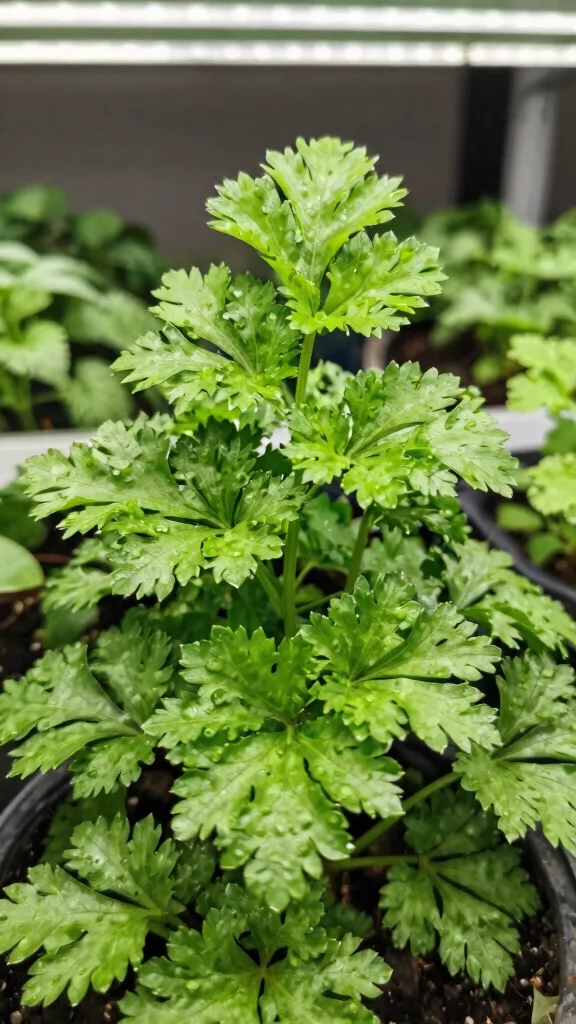
Do you want to add a fresh pop of green to your meals? Parsley can brighten any dish, but without enough light, it can look sad and sparse. With the right grow lights, parsley can flourish into a vibrant, bushy plant that’s easy to care for. You’ll love having this herb on hand for all your cooking needs!
Ingredients:
– Parsley seeds
– Seed starting mix
– Full-spectrum grow lights
– Water
Instructions:
1. Sow parsley seeds in a small pot with seed starting mix.
2. Water gently until moist.
3. Position grow lights 12-18 inches above the pot.
4. Provide 12-14 hours of light each day.
5. Harvest leaves as needed for your dishes!
FAQs:
– Can I grow parsley from store-bought plants? Yes, you can root them in water!
– Can parsley grow indoors? Absolutely! Just ensure it gets enough light.
You Might Also Like
Parsley: A Green Delight
Editor’s Choice
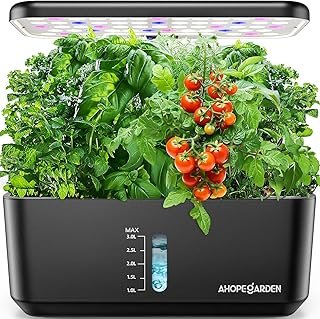
Ahopegarden Indoor Garden Hydroponics Growing System: 10 Pods Plant Germ…
Aokrean Plant Grow Light, 48 LEDs Full Spectrum Grow Lights for Indoor P…
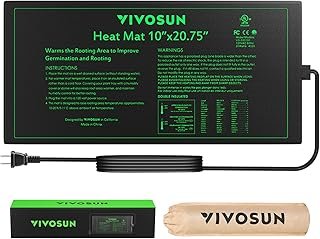
VIVOSUN Durable Waterproof Seedling Heat Mat 10″ x 20.75″ UL & MET-Certi…
8. The Collective Impact of Grow Lights
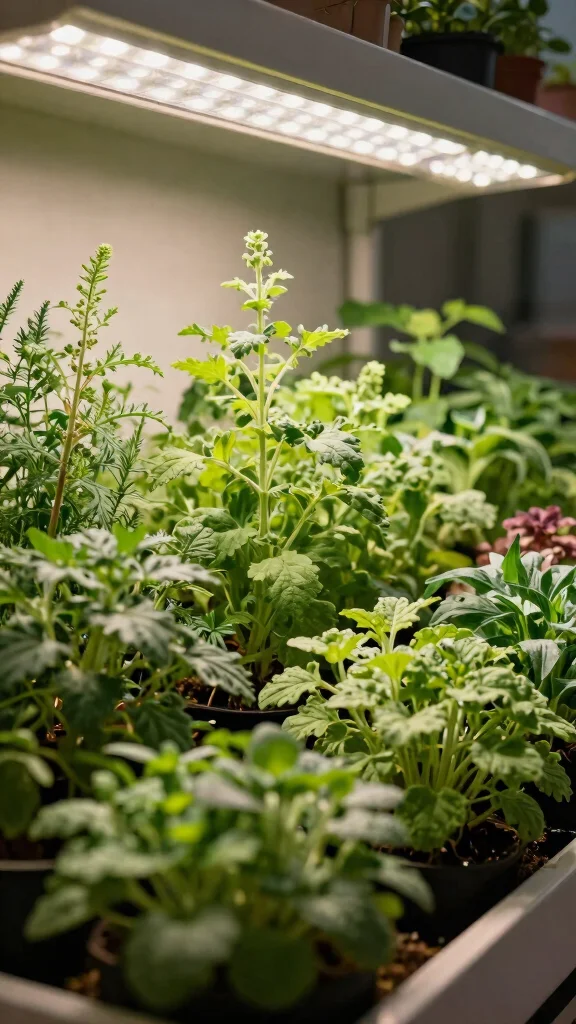
Are you ready to transform your indoor herb garden? The collective impact of using grow lights is truly remarkable. With the right lighting, you can cultivate an entire ecosystem of healthy herbs that not only look beautiful but also thrive. Your indoor space will feel more vibrant and alive as your herbs flourish under the right conditions!
Ingredients:
– Various herb seeds (basil, mint, chives, etc.)
– Potting soil
– LED grow lights
– Water
Instructions:
1. Plant your chosen herb seeds in pots with potting soil.
2. Water each pot adequately, allowing for drainage.
3. Set up LED grow lights to provide even coverage.
4. Maintain a consistent light schedule based on individual needs.
5. Enjoy the beauty and freshness of your thriving herb garden!
FAQs:
– Can I mix different herbs together? Yes, as long as their light and water needs are similar!
– Can I change light types? Yes, experimenting can help optimize growth.
The Collective Impact of Grow Lights
Editor’s Choice
GooingTop LED Grow Light,6000K Full Spectrum Clip Plant Growing Lamp wit…
Ahopegarden Indoor Garden Hydroponics Growing System: 10 Pods Plant Germ…
Burpee, 9 Quarts | Premium Organic Potting Natural Soil Mix Food Ideal f…
Conclusion
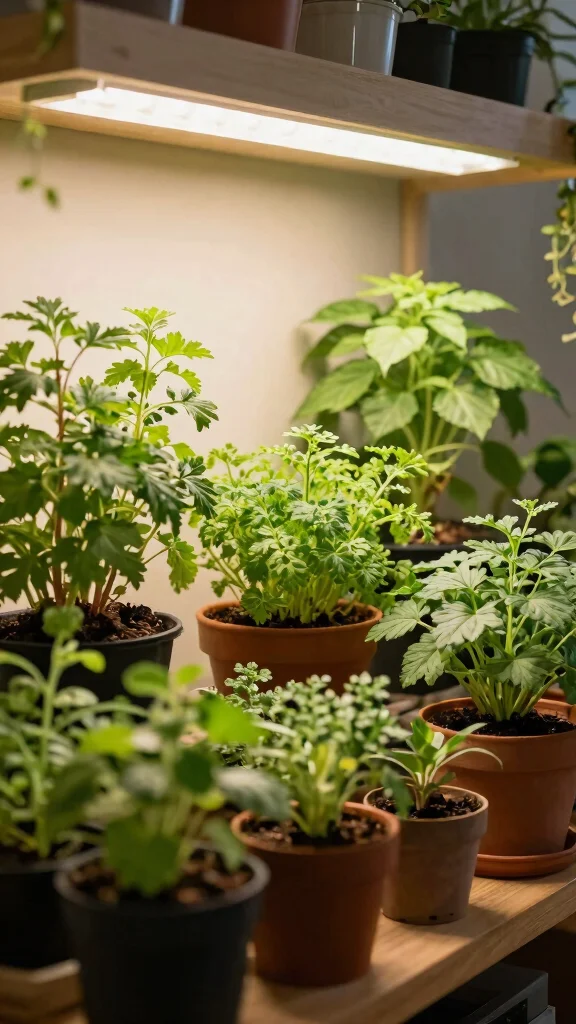
The transformation of plants under grow lights is a revelation for every indoor gardener. From enhancing flavors in your cooking to creating a vibrant atmosphere in your home, the benefits are numerous. Whether you’re a seasoned gardener or just starting out, experimenting with various grow lights can lead to impressive results. Remember, the joy of watching your plants thrive can be a source of endless inspiration and creativity!
So, why not start your journey to a flourishing indoor herb garden today?
Note: We aim to provide accurate product links, but some may occasionally expire or become unavailable. If this happens, please search directly on Amazon for the product or a suitable alternative.
This post contains Amazon affiliate links, meaning we may earn a small commission if you purchase through our links, at no extra cost to you.
Frequently Asked Questions
How can grow lights drive a plant transformation for indoor herbs?
Using full-spectrum LED grow lights, you can drive stronger growth in indoor herbs.
This is what many gardeners call a grow lights plant transformation before after.
To get there: pick a full-spectrum LED with blue and red wavelengths, place lights 6-12 inches above seedlings and 12-18 inches above mature herbs, and run them for 12-16 hours a day with a timer to keep a steady photoperiod.
Also ensure good airflow and consistent watering. Take before and after photos to track progress.
What are the different grow light types best suited for indoor gardening of herbs?
Among grow light types, LED grow lights are usually the best choice for indoor herb gardens because they’re energy-efficient, emit less heat, and come in full-spectrum options.
Fluorescent tubes are affordable for seed starting, but they deliver less intensity and uneven coverage.
HID lights offer high intensity but cost more and produce more heat. For indoor gardening with herbs, go for a full-spectrum LED panel or COB lights, keep them 6-18 inches from the canopy depending on growth stage, and use a timer to mimic natural day length.
How long will it take to see visible plant growth with LED grow lights for herbs?
Typically you’ll see seed germination in 3-10 days for many herbs, fresh leaf growth in 1-2 weeks, and noticeable size and color changes after 3-6 weeks.
Results depend on species and conditions.
Use a consistent photoperiod of 12-16 hours, maintain temperatures around 65-75 F, and keep soil evenly moist but not soggy.
How should I position and schedule my grow lights for maximum herb yields?
Position seedlings 6-12 inches below LEDs; mature herbs 12-18 inches. Use an adjustable light stand or movable fixture, and rotate pots weekly for even exposure.
Schedule 12-16 hours of light per day using a timer, and include a gentle off period to simulate sunset. Keep ambient temperature steady and ensure good air circulation to prevent heat buildup.
What are common mistakes to avoid when growing herbs indoors with grow lights?
Common mistakes include not using a timer or relying on inconsistent light, placing lights too close causing heat stress, using too little light or an irregular photoperiod, and crowding plants without rotating them for even exposure.
Fixes: use a timer, follow distance guidelines, choose full-spectrum LED for herbs, give each plant space, rotate pots for even light, water when the top inch is dry, and ensure good air movement.
Related Topics
grow lights
plant transformation
indoor gardening
LED grow lights
herb gardening
before and after
plant growth
grow light types
beginner friendly
easy gardening
indoor plants
home gardening