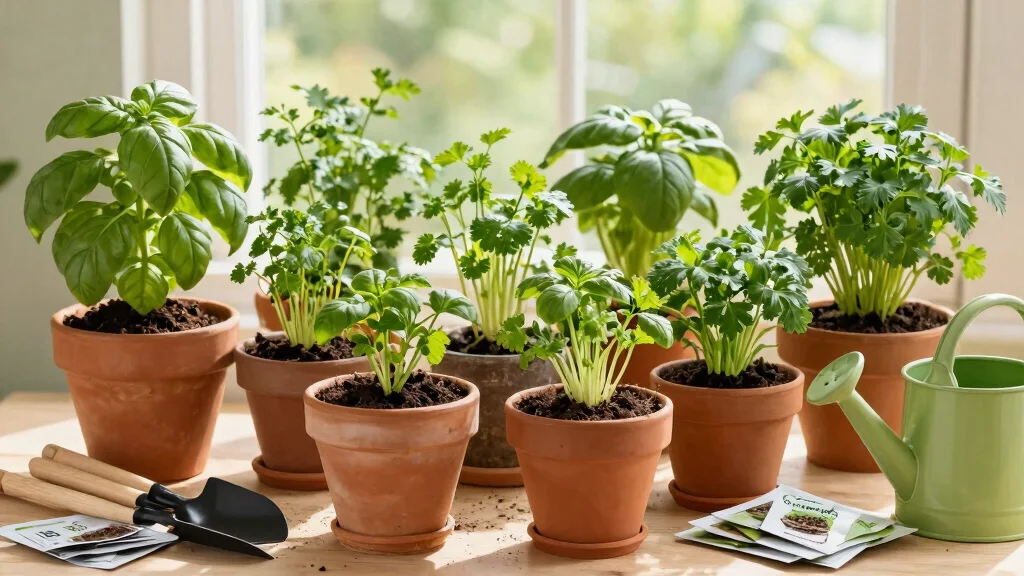
Growing herbs indoors can be a delightful experience, especially when space is limited. The enticing aromas, vibrant colors, and flavors of fresh herbs can make any cooking adventure more enjoyable. In this post, I wanted to explore the comparison between starting herbs from seeds versus using starter plants. Both methods have their unique charms, and understanding them can help you make the best choice for your indoor gardening journey.
If you’re someone who appreciates home-cooked meals and wants to elevate your dishes without stepping outside, this guide is just for you. Whether you’re a novice with little experience or someone who’s dabbled in indoor herb gardening, knowing the pros and cons of these two approaches can save you time and effort. I’ve gathered insights on ten popular herbs, their growing requirements, and how you can thrive with them, whether you choose seeds or starter plants.
By the end of this post, you’ll be equipped with valuable tips on growing herbs from seeds, selecting the best herbs for beginners, and gathering the right indoor gardening supplies. You’ll gain confidence in your abilities and find inspiration to create your own mini herb garden right in your kitchen or living space. Let’s dive in!
Key Takeaways
– Starter Plants vs. Seeds: Starter plants offer a head start, while seeds allow for a wider variety and lower cost, making both options valuable.
– Herb Selection: Some herbs, like basil and chives, thrive well indoors and are perfect for beginners, ensuring a successful gardening experience.
– Growing Requirements: Understanding light, water, and soil needs is crucial for each herb, whether starting from seeds or plants, to promote healthy growth.
– Indoor Gardening Supplies: Essentials like pots, soil, and grow lights can make a big difference in your indoor herb garden’s success, so choose wisely.
– Practical Herb Planting Tips: Regular pruning and monitoring for pests will help maintain healthy herbs, whether you start with seeds or plants, ensuring a bountiful harvest.
Recommended Products

Complete All-In-One Kit - No need to buy separate supplies. This herb starter set comes with 4 plastic planter pots, 4 soil discs, 4 plant markers 4 heirloom herb seed packets, and essential planting tools—everything you need to start your indoor herb garden immediately.

🌿【Complete 9-Herb Starter Kit】- Everything you need to grow a thriving indoor garden! Includes premium seeds (Basil, Rosemary, Thyme, etc.), 9 biodegradable pots, nutrient-rich soil discs, pruning shears, and markers—ready to plant instantly.

All-in-One Package: Our kit includes 5 of the widely loved organic, non-GMO herb seeds—basil, parsley, rosemary, thyme, and mint. The set also comes with 5 burlap bags, 5 coconut soil discs, 5 plant markers, 3 gardening tools, 1 pruning scissors, 1 spray bottle, and an wooden box
1. Basil: The King of Herbs
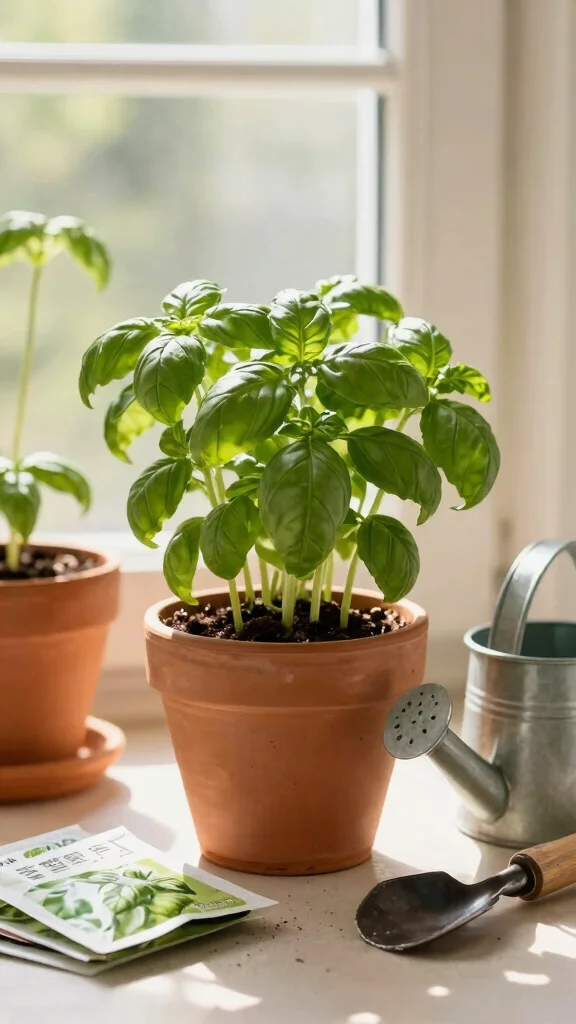
Are you looking to enhance your indoor cooking with a herb that’s bursting with flavor? Basil is an essential addition to any herb garden, offering a rich aroma and a versatility that can elevate countless dishes. It pairs beautifully with pasta, salads, and sauces, making each bite unforgettable. Starting basil from seeds may require a little patience, but the joy of nurturing them into thriving plants is incredibly fulfilling. If you prefer instant gratification, starter plants are the way to go. Just ensure your basil gets plenty of light and consistent watering without drowning its roots. Tips: – Choose a pot with drainage holes to prevent root rot. – Pinch off the top leaves to encourage bushier growth. – Basil thrives in warm conditions, so keep it away from drafts. Whether you opt for seeds or starter plants, both choices bring their own rewards and flavors to your home kitchen!
Starter plants cut your basil journey in half—you’ll harvest leaves in days, not weeks. When you compare herbs starter plants vs seeds indoors, the flavor and aroma instantly fill your small space. Pro tip: pick compact varieties for maximum flavor, minimal fuss.
Basil: The King of Herbs
Editor’s Choice
Bonnie Plants Sweet Basil Live Herb Plants – 4 Pack, Warm Season Annual,…

Ahopegarden Indoor Garden Hydroponics Growing System: 10 Pods Plant Germ…
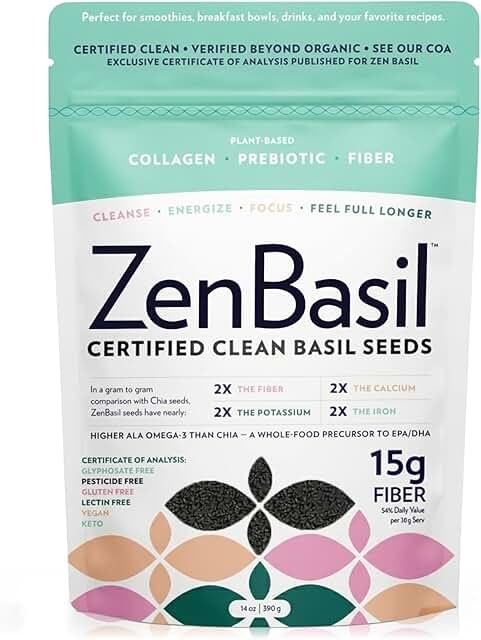
Zen Basil Seeds | edible basil seeds, kosher, non-gmo, lectin free, glut…
2. Chives: A Subtle Flavor Boost
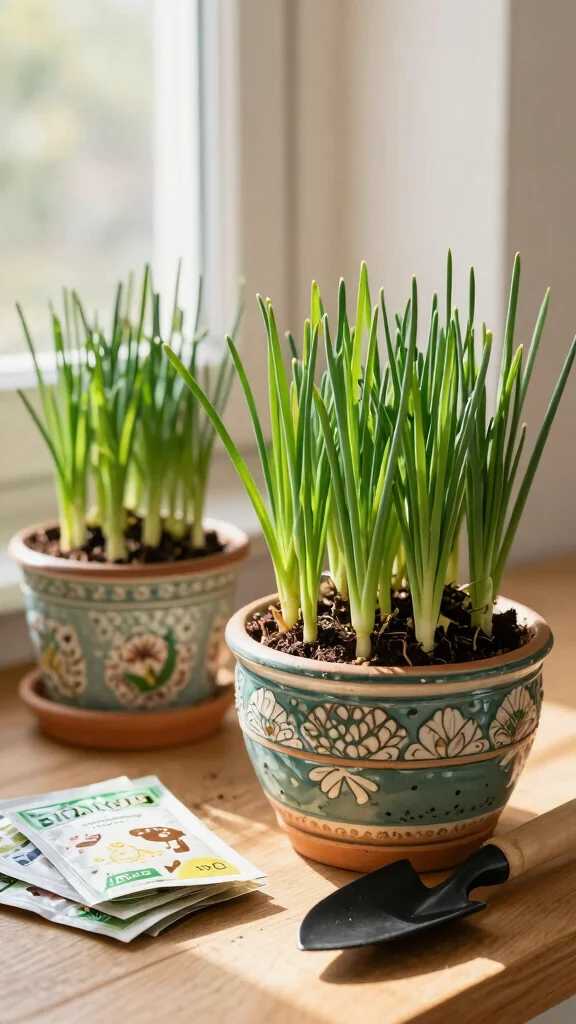
Craving a mild onion flavor to brighten your dishes? Chives are the perfect herb for adding a gentle touch of flavor that enhances a variety of meals. They’re super easy to grow, making them ideal for anyone new to gardening. You can start chives from seeds, which might take a little longer to germinate, but they quickly become low-maintenance once established. Alternatively, starter plants offer immediate access to their fresh taste, perfect for your culinary adventures. Growing Insights: – Chives prefer plenty of sunlight, so place them in a bright spot. – Keep them well-watered, but ensure the soil is not soggy. – Regular trimming encourages new growth and a denser plant. No matter which method you choose, you’ll soon have a delightful herb ready to spice up your meals!
Fun fact: Chives from starter plants are ready to flavor dishes in days, while seeds need about 2–3 weeks to germinate. For herbs starter plants vs seeds indoors, that quick access makes every meal experiment easier in small spaces.
Recommended Products

【All-Inclusive 10-Set Herb Kit】This complete indoor herb garden starter kit has everything you need to build your windowsill garden. It comes with 10 premium popular herb seed varieties, plus 10 reusable starter pots, expandable soil discs, plant markers, a spray bottle, marking pen and full premium gardening tool set. No extra supplies required.

Indoor Herb Garden: Grow your own indoor herb garden with our 12 variety pack of herb seeds. This kit includes homesteading essentials for a prolific kitchen garden.
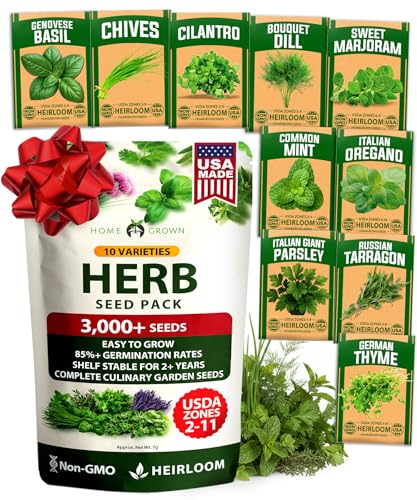
Complete Herb Garden Kit: Premium collection of ten culinary herb seeds for planting; Includes basil, oregano, parsley, mint, thyme and more; Grow your own fresh herbs indoors or outdoors; Perfect for hydroponic systems or traditional gardens
Chives: A Subtle Flavor Boost
Editor’s Choice
HOME GROWN Herb Seeds for Planting 15-Pack Massive Seed Count 4,300+ See…
HOME GROWN Herb Seeds for Planting 15-Pack Massive Seed Count 4,300+ See…
3. Mint: Refreshing and Versatile
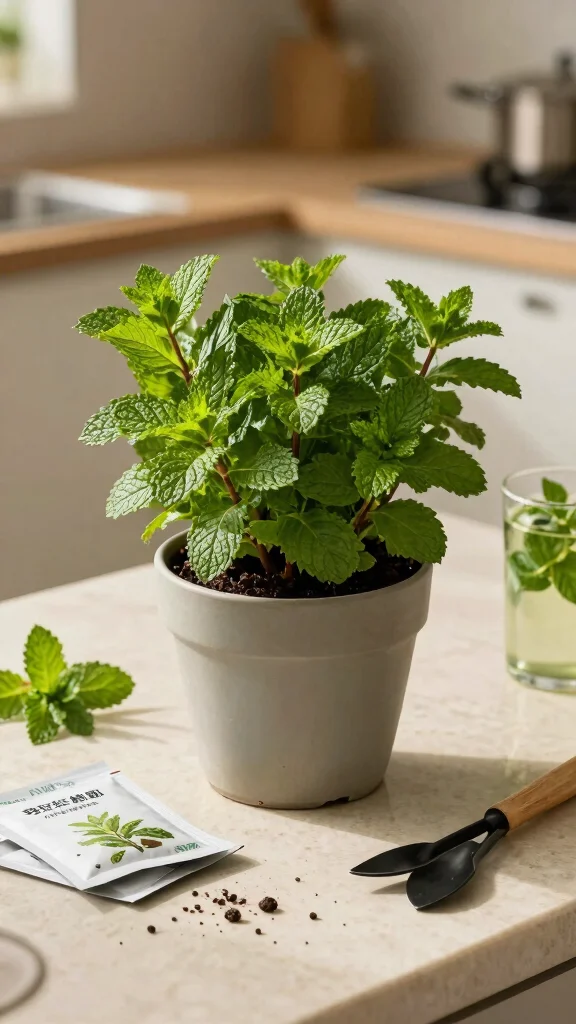
Are you in the mood for a refreshing twist in your culinary creations? Mint is a vibrant herb that adds a burst of flavor to drinks, desserts, and savory dishes alike. Growing mint can be a joyful experience, whether you start from seeds or opt for starter plants. While seeds may take a bit longer to sprout, mint is a fast-growing herb once it gets going. Starter plants are an excellent way to jumpstart your indoor garden and enjoy their refreshing taste quickly. Herb Planting Tips: – Mint loves moisture, so keep the soil consistently damp. – It can spread quickly, so choose a pot that allows for some root space. – Regular pruning will keep the plant healthy and encourage growth. Both options are great, but remember that mint can be a vigorous grower, so keep an eye on its progress!
Fun fact: mint can double its leaf mass in just 7–14 days under good light, making starter plants a smart shortcut for indoor herb gardens. If you’re weighing herbs starter plants vs seeds indoors, go starter plants for a quicker harvest.
Recommended Products

【Has All You’ll Need】This complete 10-set herb starter kit comes with everything you’ll need to kickstart your indoor garden, including 7 premium selections of the most common herbs. Our kit also contains 10 reusable starter sets, soil discs, plant tags, a spray bottle, a market pen, and a premium tool set!

All-in-One Herb Starter Kit – Get everything you need to grow fresh herbs at home. This complete herb kit includes 4 pots, nutrient-rich soil discs, markers, 4 heirloom herb seed packets, and a full gardening tool set (spade, shovel, rake, shears, tweezers, clippers, wire & supports).

ALL-NATURAL MIX: Burpee Organic Premium Potting Mix is formulated with plant food & coconut coir to promote seed & root growth and healthy flower, vegetable & herb plants. OMRI Listed for organic use.
Mint: Refreshing and Versatile
Editor’s Choice
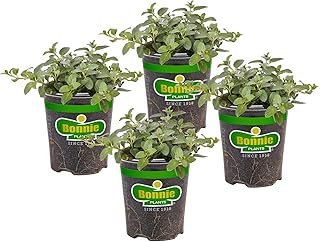
Bonnie Plants Peppermint Live Edible Aromatic Herb Plant – 4 Pack, Pet F…
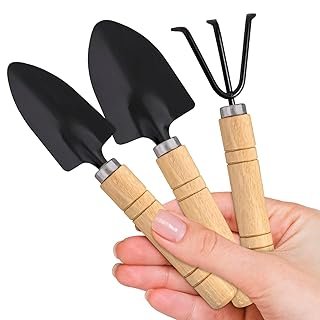
Small Garden Tools – 3 Pcs Mini Garden Tools Set with Small Trowel, Mini…
4. Parsley: The Garnish with Great Potential
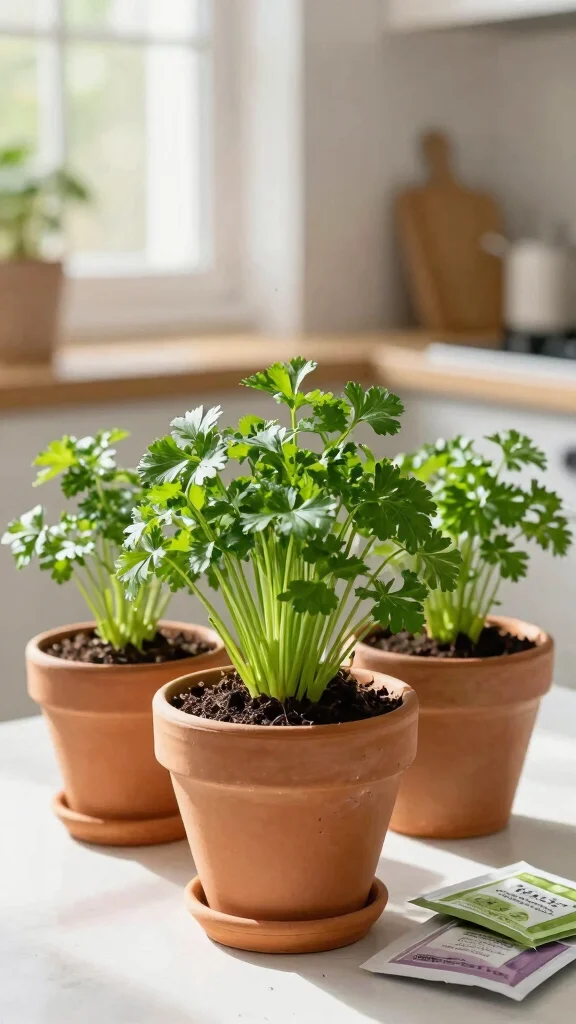
Do you think of parsley only as a garnish? Think again! This adaptable herb brings a fantastic flavor to many dishes and is easy to grow. You can start parsley from seeds or purchase a starter plant for immediate use. While growing from seeds may take some time due to its slow germination, the results are definitely worth the wait. Starter plants, on the other hand, provide quick access to fresh parsley that can enhance your cooking right away. Best Practices: – Parsley needs plenty of light, so aim for at least 6 hours a day. – Water regularly to keep the soil moist but avoid over-watering. – Harvest leaves regularly to encourage new growth and keep plants healthy. Whether you grow from seeds or plants, parsley will thrive in small spaces, making it a great choice for indoor gardening lovers!
Recommended Products

15 Herb Seeds Variety Pack – 4,300 Seeds Included: Start your own herb garden with this all-in-one heirloom herbs seeds kit. Includes Genovese Basil, Sweet Basil, Italian Oregano, Rosemary, Thyme, Cilantro, Dill, Mint, Sage, Lavender, Chives, Garlic Chives, Parsley, Chervil, and Scallions. Each herb seed packet is USA-sourced and tested for high germination. Grow these herb garden seeds in your backyard, windowsill, raised beds, or pots for fresh flavors all season long.

Freshness: All basil seeds are packaged in tear resistant and moisture resistant packaging. This keeps the seeds a whole lot fresher than the competitions selection!

HERBS CULINARY SEED VARIETY PACK: Spice up your kitchen with 10 must-have culinary herbs! From classic Basil and Cilantro to fragrant Lavender and savory Thyme, this pack has everything for cooking, garnishing, and creating fresh flavors.
📹 Related Video: How to Grow Parsley In Pots | Full Guide from Seed to Harvest
Parsley: The Garnish with Great Potential
Editor’s Choice
Ahopegarden Indoor Garden Hydroponics Growing System: 10 Pods Plant Germ…
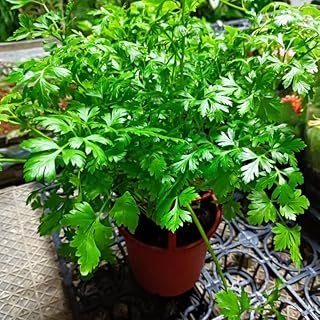
Parsley Plant Live in Pot, Live Parsley Plant, 3.5 Inches Pot, 4 to 6 In…
Sow Right Seeds – Flat Leaf Parsley Seed for Planting – Non-GMO Heirloom…
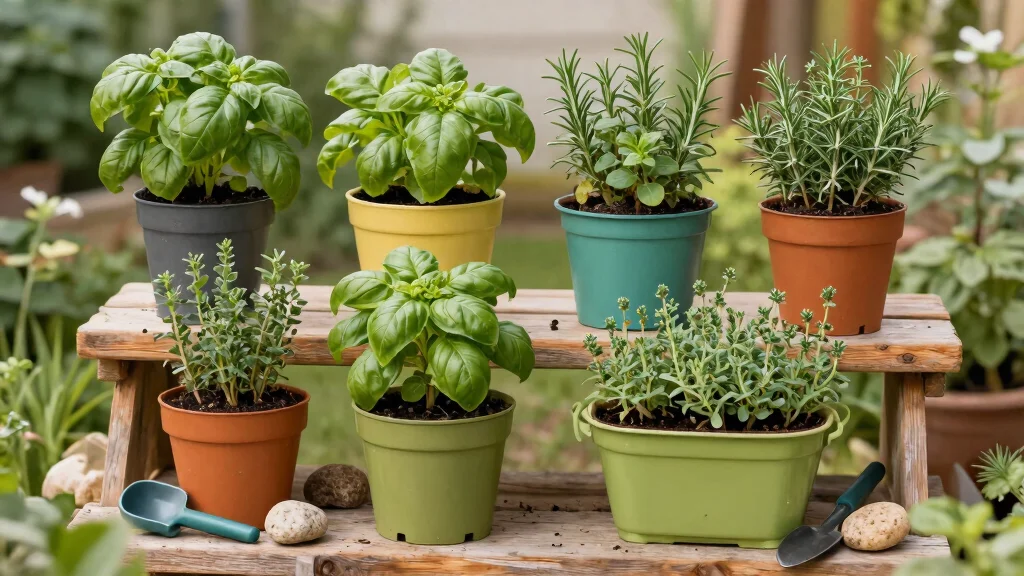
5. Thyme: An Aromatic Addition
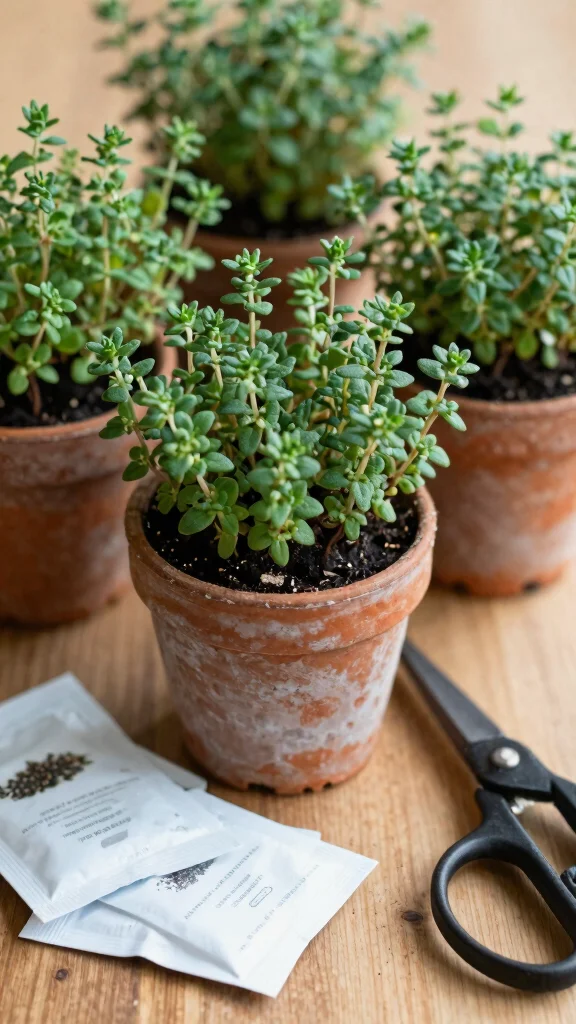
Looking to add depth to your favorite recipes? Thyme is a fantastic herb that brings a rich aroma and flavor to countless dishes. This low-maintenance plant can thrive indoors, making it a great choice for small spaces. When deciding between seeds or starter plants, consider that seeds take time to germinate but provide a rewarding experience. Starter plants allow for immediate enjoyment of fresh thyme in your meals. Pro Tips: – Thyme prefers dry soil, so let the top layer dry out between waterings. – They love sunlight, so place them in a bright location. – Pruning keeps the plant healthy and encourages bushier growth. Whichever option you choose, thyme will enhance your culinary adventures with its delightful flavor!
Recommended Products

10 Most Popular Herb Varieties - Cultivate a complete home herb garden with our curated collection of Heirloom, Non-GMO herb seeds. Includes Genovese Basil, Thai Basil, Cilantro, English Lavender, Italian Giant Parsley, Bouquet Dill, Common Thyme, Common Chives, Italian Oregano, and Broad Leaf Sage.

Complete Herb Growing Kit – Includes 10 popular non-GMO herbs (Basil, Parsley, Cilantro, Chives, Thyme, Oregano, Dill, Sage, Lavender, and Mint), reusable pots, soil discs, tools, and a moisture meter for easy care.

You might also like
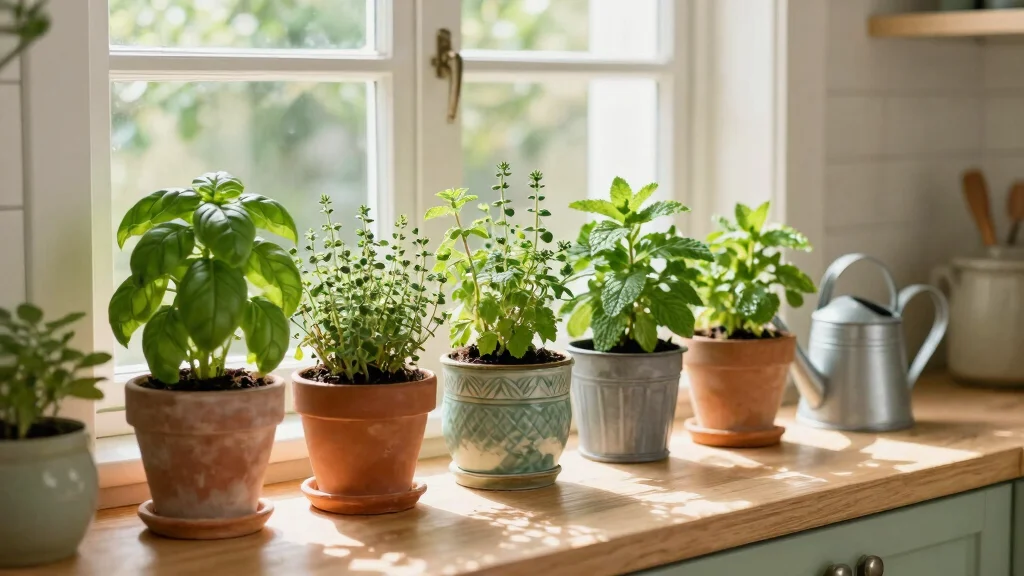
Thyme: An Aromatic Addition
Editor’s Choice
HOME GROWN Herb Seeds for Planting 15-Pack Massive Seed Count 4,300+ See…
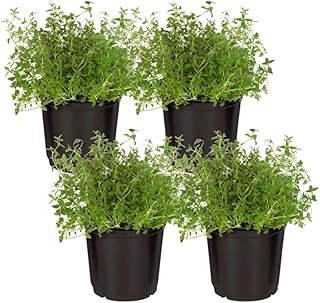
Live Aromatic and Edible Herb – Thyme (4 Per Pack) – Reduces Stress and …
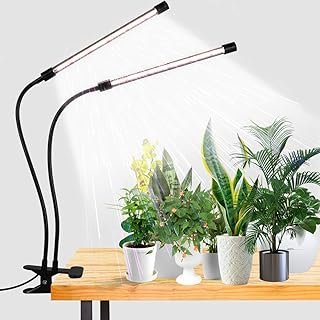
GooingTop LED Grow Light,6000K Full Spectrum Clip Plant Growing Lamp wit…
6. Oregano: A Flavorful Staple
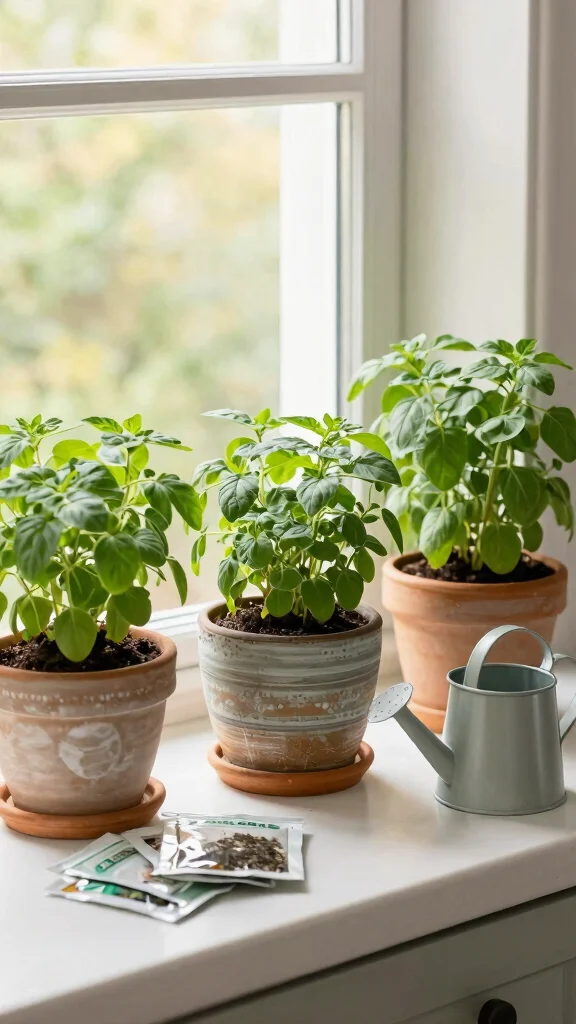
Are you ready to elevate your cooking with a staple herb? Oregano is a must-have in many kitchens, especially for Italian cuisine lovers. It’s easy to grow and can be started from seeds or purchased as a starter plant for instant flavor. Seeds might require a bit of patience, but the satisfaction of growing your own is rewarding. Alternatively, starter plants provide immediate access to fresh oregano for your dishes. Herb Planting Insights: – Oregano prefers well-drained soil, so choose pots with drainage holes. – Water sparingly, letting the soil dry out between waterings. – Position in a sunny spot to encourage healthy growth. No matter how you start, oregano will bring a robust flavor to your meals, enhancing every bite!
Recommended Products

214 Full-Spectrum LEDs: Featuring one light head with 214 high-performance LEDs, this grow light delivers a broad 380–780 nm full spectrum that closely mimics natural sunlight. It provides bright, uniform illumination to support efficient photosynthesis and healthy plant growth. Especially suitable for seed starting and seedling development, it is an ideal supplemental light source for indoor plants.

FULL SPECTRUM & NATURAL LIGHT: A19 full spectrum grow light appears 4000K white to eyes but has a red/blue light spectrum. Same as natural sun shine, perfect for tomatoes, cucumbers, peppers, leafy greens and herbs at all growth stages.

Oregano: A Flavorful Staple
Editor’s Choice
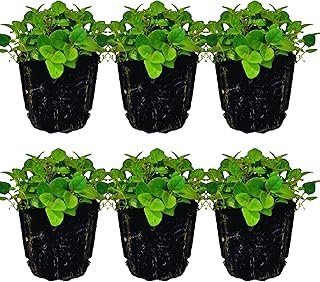
Oregano Seedlings: Ready-to-Plant, Starts, Starters, Plugs, Garden Ready…
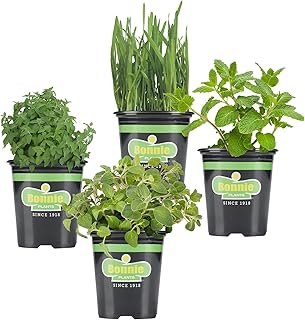
Bonnie Plants Pet Friendly Garden Plants (4-Pack), Live Plants, Cat & Do…
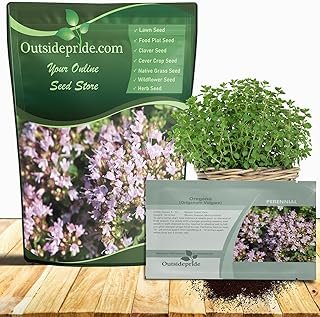
Outsidepride Common Oregano Seeds – 1/4 lb. Perennial, Aromatic Easy to …
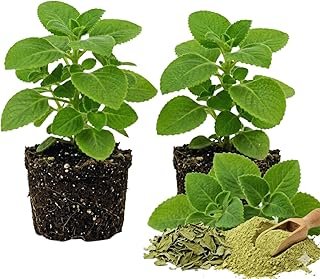
2 Cuban Oregano Live Plant, Oregano Plants Live, Mexican Mint Plant, Spa…
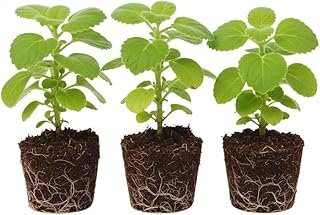
Set 3 Green Cuban Oregano Plants Live Mexican Mint Plant, Spanish Thyme …
7. Cilantro: A Zesty Delight
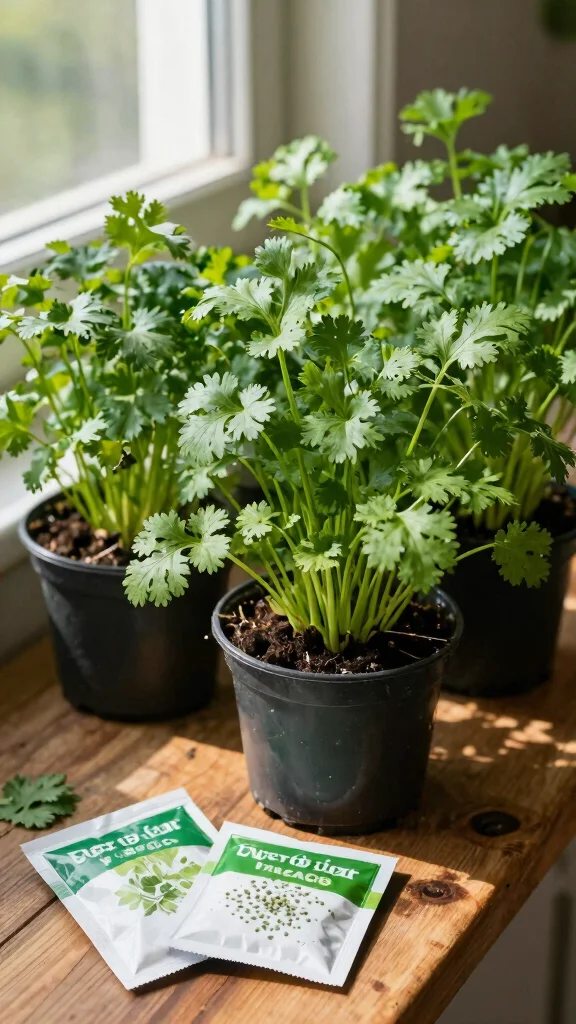
Are you craving vibrant flavors in your dishes? Cilantro is a delightful herb known for its zesty taste, adored in cuisines all around the globe. It’s easy to grow from seeds or can be purchased as a starter plant for more immediate use. While seeds can be a fun choice, starter plants allow you to enjoy fresh cilantro right away, perfect for salsas, salads, or garnishes. Growing Tips: – Cilantro prefers cooler temperatures, so avoid placing it in direct, hot sunlight. – Keep the soil moist but not soggy; overwatering can harm the roots. – Regular harvesting helps promote new growth, which is essential for cilantro. Whichever method you choose, having fresh cilantro at your fingertips will surely enhance your cooking adventures!
Recommended Products

High planting efficiency: Start an indoor herb garden with the Ahopegarden hydroponic growing system, which includes a water reservoir, an overhead LED grow light, and a circulation system that keeps the water fresh. The hydroponic setup and lighting systems allow plants to grow up to faster and healthier in controlled conditions. Simply add plant seeds, water, and nutrients to the reservoir and watch the plants grow
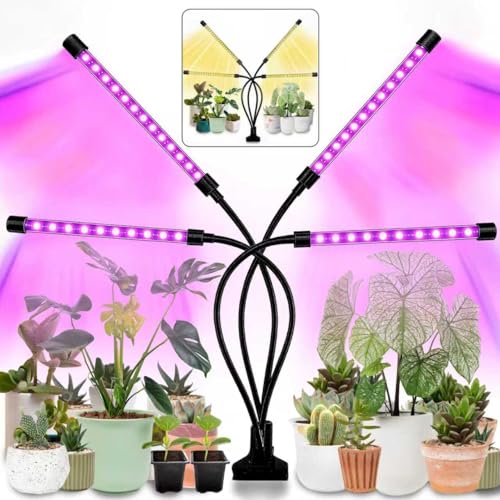
🌻Efficient LED Combination: This LED lamp has grow lights made up of 80 efficient growing LEDs ( 32 red lights, 12 blue lights,20 yellow lights and 16 white lights). It meets the conditions of plant growth without sunlight. 1--Full Spectrum(380nm-800nm): Suitable for all plants to root and sprout. 2--Red(660nm)+BLUE(460nm) Spectrum: for blooming and fruits. 3--Red+Blue+Full Spectrum: A mix of Red+Blue+Warm White is best to fuel the growth of your plants.

Cilantro: A Zesty Delight
Editor’s Choice
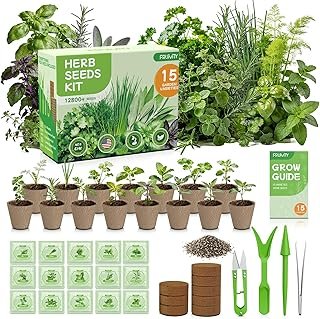
Herb Garden Starter Kit – Fruivity 12800+ 15 in 1 Herb Heirloom Seed K…
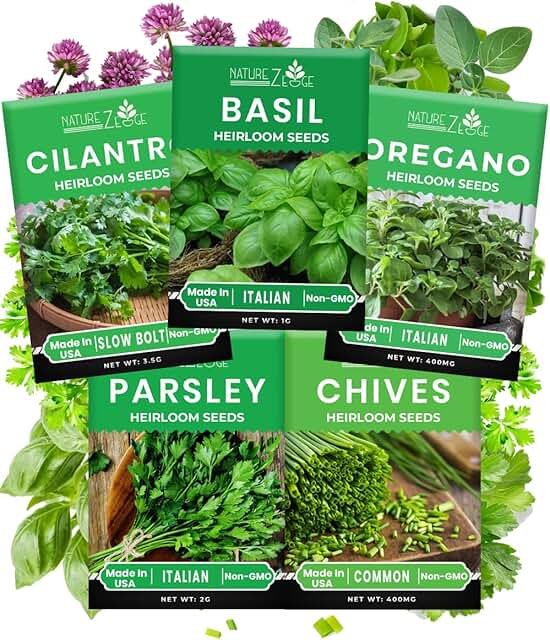
5 Herb Seeds Variety Kit, Oregano, Cilantro, Parsley, Basil, Chives
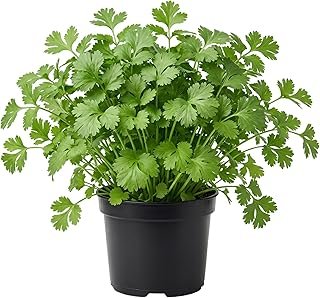
Cilantro Plant Live Heirloom Coriander Herb Seedlings, Tropical Herbs 4-…
8. Dill: A Unique Fresh Flavor
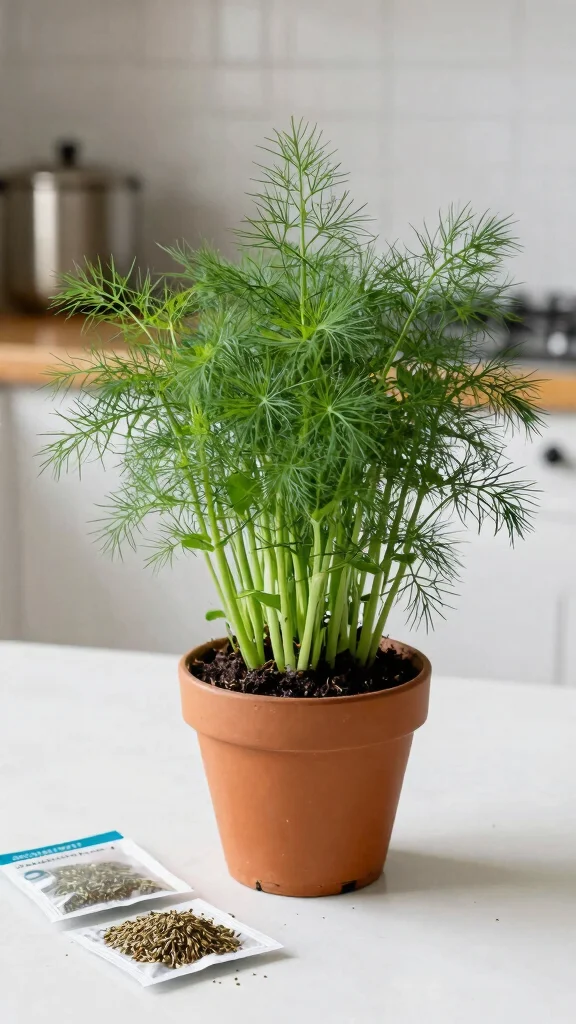
Looking to add a unique flavor to your meals? Dill is a wonderfully aromatic herb, perfect for pickling and complementing fish dishes. You can grow it from seeds or starter plants, but be mindful that dill doesn’t like to be transplanted. Growing from seeds establishes a stronger root system, while starter plants can be a good option if you’re careful during planting. Best Practices: – Dill loves sunlight, so make sure it’s in a bright spot. – Water regularly but avoid overwatering; keep the soil moist. – Use a tall pot to accommodate the plant’s height. Whether you go for seeds or starter plants, dill will add a unique touch to your cooking repertoire!
You Might Also Like
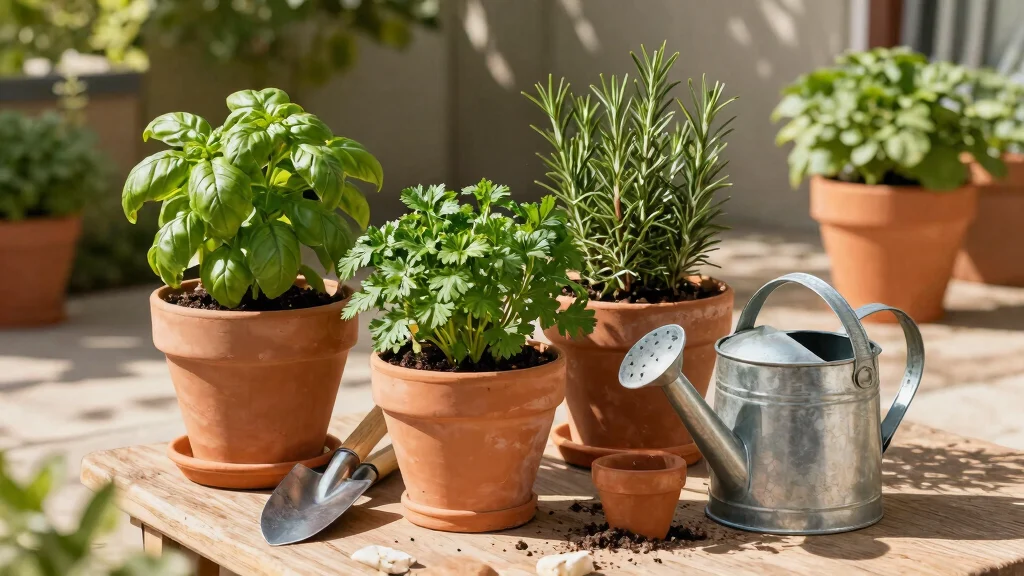
Key Trade-offs & Our Top Pick
Option 1: Starter Plants
– Pros:
✔ You get instant gratification with mature plants.
✔ Less time is needed to see growth; ideal for impatient gardeners.
✔ Starter plants are easier to care for, especially for beginners.
– Cons:
❌ They can be more expensive compared to seeds.
❌ Limited variety; you may not find all herbs as starter plants.
❌ Plants may have pests or diseases from previous handling.
– Best for: Beginners who want to see results quickly.
Option 2: Seeds
– Pros:
✔ Less expensive, allowing you to grow a variety of herbs.
✔ Greater control over the growing process and conditions.
✔ You can grow plants from different regions, expanding your garden.
– Cons:
❌ Requires more time and effort to germinate and nurture.
❌ Higher risk of failure, especially if you’re inexperienced.
❌ You may need more indoor gardening supplies like grow lights or humidity trays.
– Best for: Budget-conscious gardeners willing to invest time.
Option 3: Herb Kits
– Pros:
✔ Kits usually come with everything you need, simplifying the process.
✔ Great for small spaces or apartment living due to compact design.
✔ Often includes instructions tailored to beginners.
– Cons:
❌ May be pricier than buying seeds or starter plants separately.
❌ Limited in types of herbs; you might not find your favorites.
❌ Quality varies by brand; research is essential before purchasing.
– Best for: Those who appreciate convenience and a guided experience.
Option 4: Cuttings from Friends
– Pros:
✔ Free method, perfect for those on a tight budget.
✔ You can get established plants that have already adapted to growing conditions.
✔ Often more hardy than newly-grown seeds.
– Cons:
❌ Takes longer to develop roots and grow into full plants.
❌ There’s no guarantee of success; it can be hit or miss.
❌ You may not have access to the specific herbs you want.
– Best for: Gardeners looking for economical and social options.
Expert Recommendation:
Best Overall: Starter Plants
If you’re new to indoor herb gardening, starter plants are your best bet. They offer instant satisfaction, allowing you to enjoy fresh herbs without the lengthy wait. For beginners, their ease of care and availability make them a practical choice. You’ll find them at most garden stores, providing excellent value for your investment.
Why We Picked This:
While starter plants are ideal for most, seasoned gardeners might prefer seeds for the wider variety and lower cost. Those in search of convenience might gravitate toward herb kits. Lastly, if you have access to cuttings, this can be a fun way to cultivate your garden without spending much. Choose what suits your lifestyle and gardening style best!
Dill: A Unique Fresh Flavor
Editor’s Choice
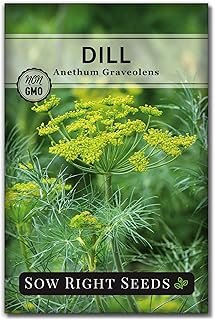
Sow Right Seeds – Dill Seed for Planting – Non-GMO Heirloom Packet with …
GooingTop LED Grow Light,6000K Full Spectrum Clip Plant Growing Lamp wit…
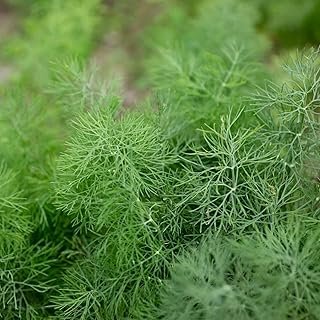
Clovers Garden Fernleaf Dill Herb Plants – Two (2) Live Plants – Non…
9. Sage: Earthy and Flavorful
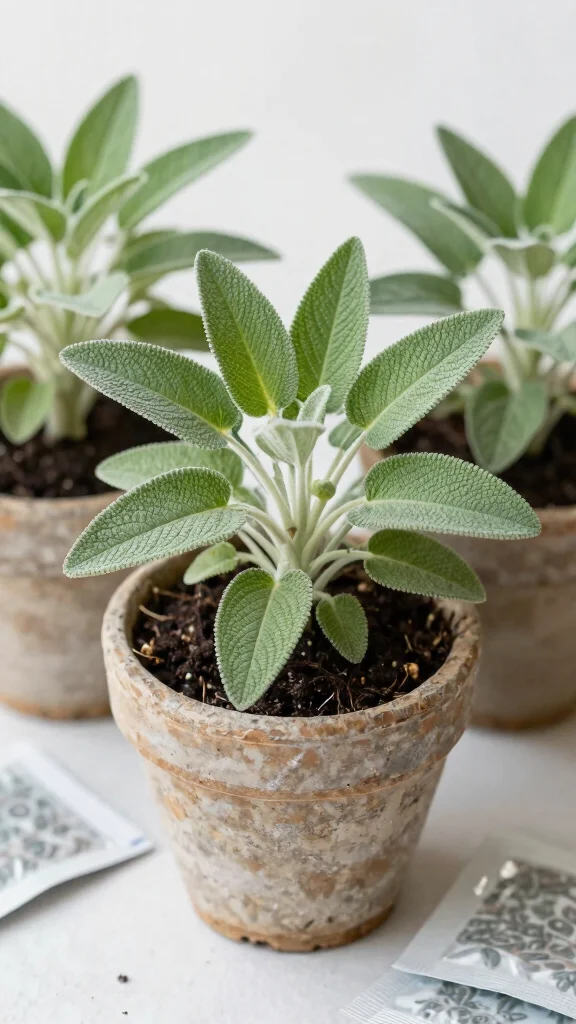
Do you want to explore an earthy herb that enhances many dishes? Sage is relatively easy to grow and can be started from seeds or purchased as a starter plant. Growing from seeds takes a little longer, but it can be a rewarding experience, while starter plants provide a quick option for your garden. Herb Planting Tips: – Sage prefers well-drained soil, so a pot with drainage holes is essential. – Water less frequently; sage thrives in drier conditions. – Pruning encourages bushier growth and a more robust flavor. Both growing methods will lead to delicious results, making sage a wonderful addition to your indoor garden!
Sage: Earthy and Flavorful
Editor’s Choice
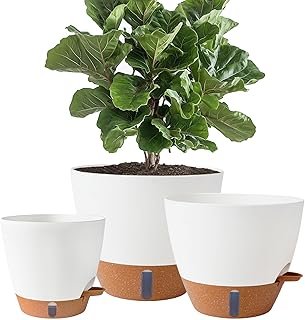
8/10/12 Inch Self Watering Pots for Indoor/Outdoor Plants – Large Plasti…
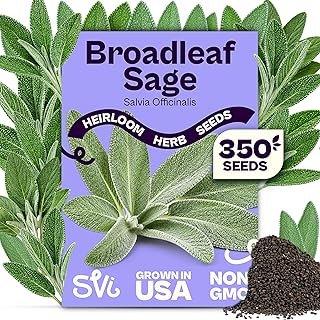
SVI 350 Broadleaf Sage Seeds (Salvia officinalis) – Common Sage, Heirloo…
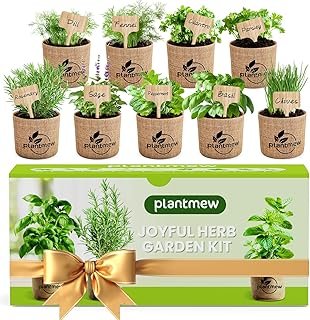
Gift for Women, Mom, Her – 9 Herb Indoor Window Garden Kit | Complete …
10. Rosemary: A Fragrant Final Touch
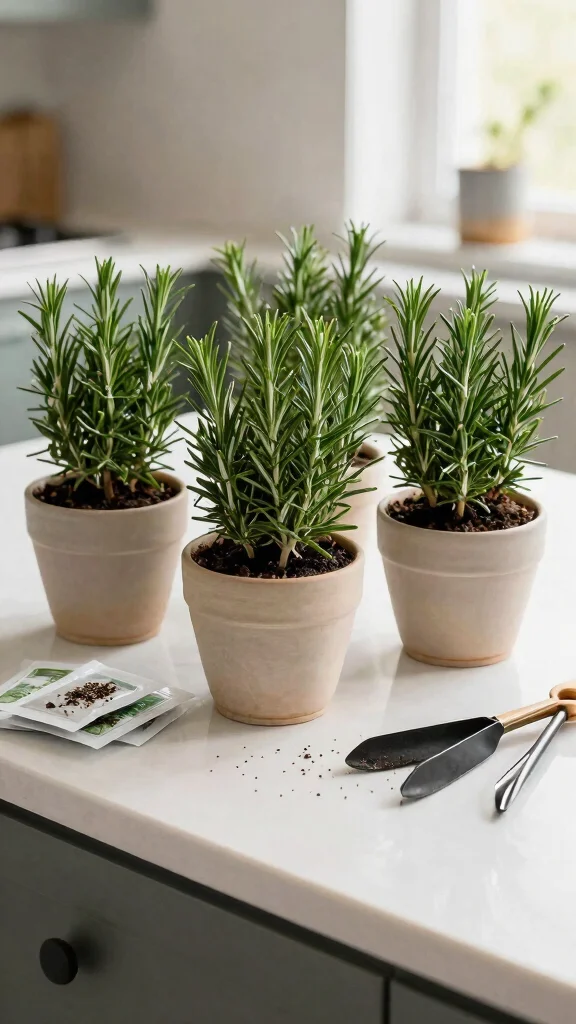
Ready to add a fragrant herb that enhances a variety of dishes? Rosemary is a delightful herb with a distinct flavor that can elevate your cooking. You can easily grow rosemary from seeds or starter plants, but be prepared for a longer germination time with seeds. Starter plants provide instant flavor for your dishes. Growing Insights: – Rosemary enjoys well-drained soil, so make sure your pot has good drainage. – Water thoroughly but allow the topsoil to dry out between waterings. – Position in a sunny spot for best results. Whichever option you choose, rosemary will add an aromatic touch to your kitchen, making it well worth the effort!
Rosemary: A Fragrant Final Touch
Editor’s Choice
Herb Garden Starter Kit – Fruivity 12800+ 15 in 1 Herb Heirloom Seed K…
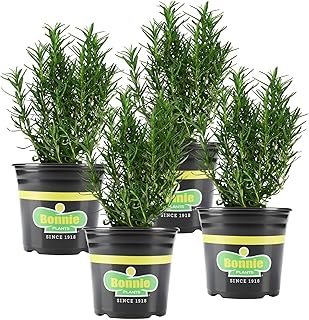
Bonnie Plants Rosemary Live Edible Aromatic Herb Plant – 4 Pack, Perenni…
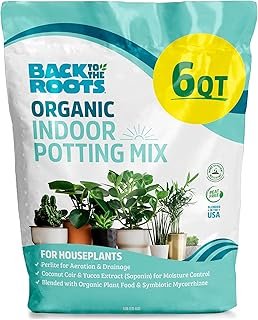
Back to the Roots 100% Organic Indoor Potting Mix (6 Quart), Promotes He…
Conclusion
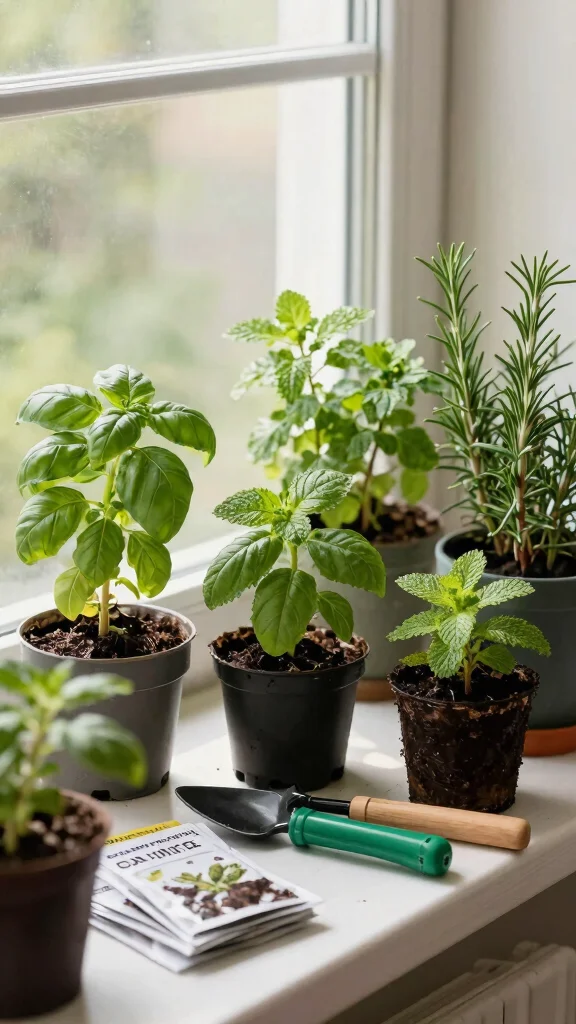
Deciding between starter plants and seeds for your indoor herb garden largely depends on your patience and gardening style. Each has its own charm and benefits, making the journey of growing herbs exciting.
Whether you want the quick gratification of starter plants or the rewarding experience of nurturing seeds, there’s a world of flavor waiting for you. Embrace the joys of indoor herb gardening and enjoy the lush greenery that will beautify your space and enhance your cooking!
Note: We aim to provide accurate product links, but some may occasionally expire or become unavailable. If this happens, please search directly on Amazon for the product or a suitable alternative.
This post contains Amazon affiliate links, meaning we may earn a small commission if you purchase through our links, at no extra cost to you.
Frequently Asked Questions
What are the key differences between starting herbs with starter plants vs seeds indoors?
Choosing between herbs starter plants vs seeds indoors depends on your goals and space. Starter plants give you a quicker harvest and less waiting, but cost and variety are more limited. Seeds offer wide variety and learning, but require more light, warmth, and patience.
Practical tips: for fast, reliable results, start with best herbs for beginners like basil, chives, and parsley as starter plants. For variety or experiments, try growing from seeds of cilantro, dill, and oregano.
Set up a small space with proper containers, drainage, and a good indoor gardening supplies kit. If you go with starter plants, transplant into larger pots or move to a sunny spot as roots fill the pot. If you start from seeds, follow packet directions, keep soil warm and evenly moist, and thin seedlings to avoid crowding.
Which herbs are easiest to grow indoors from seeds or starter plants for beginners?
Here are dependable options for indoor herb gardening and a smooth start: basil, chives, parsley, oregano, thyme, and mint.
Basil and chives perform well from both seeds and starter plants, while parsley, oregano, and thyme are forgiving with steady light and moisture.
For beginners, pick compact varieties and provide good drainage and a bright spot.
If starting from seeds, choose quick germinators like basil or cilantro; if using starter plants, begin with healthy transplants and avoid crowds in small pots.
How can I set up a small indoor space for herb gardening using starter plants or seeds?
A simple, space‑savvy setup works wonders for indoor herb gardening. Choose a sunny south or west window or add a compact grow light for 12–16 hours daily.
Use shallow, well‑draining containers (4–6 inches are great for beginners) and high‑quality potting soil or seed starting mix.
Keep a consistent watering routine and ensure drainage. For seed starting, consider a humidity dome until germination.
Handy indoor gardening supplies include seed trays, grow lights, humidity trays, and small rooting V trays to save space.
What are common mistakes when growing herbs from seeds indoors and how can I avoid them?
Common mistakes include too little light, overwatering, and poor drainage. To avoid them, place plants where they receive bright light or supplement with grow lights, water when the top inch of soil feels dry, and use containers with drainage.
Avoid crowding by thinning seedlings and transplanting healthy sprouts into larger pots.
Rely on a gentle, well‑balanced fertilizer and monitor for pests. Following clear herb planting tips helps you stay on track with growing herbs from seeds indoors.
How do I maintain and harvest herbs indoors, and how do I scale from seeds to starter plants?
Maintenance is simple with a regular harvest schedule. Pinch or cut leaves just above leaf nodes to encourage bushier growth and prevent flowering, which can alter flavor.
Harvest often but leave enough foliage for ongoing growth.
When ready to scale, transplant strong seedlings into larger pots or propagate cuttings to create new starter plants. This approach fits indoor herb gardening and keeps a steady supply of fresh herbs without taking over your space.
For more variety, rotate herbs and refresh containers using fresh indoor gardening supplies as needed.
Recommended Products

🌳 SUPPORT YOUR INDOOR HERB'S GROWTH - Give your indoor herb plants the ideal growing environment with this professional soil mix designed for strong root development and healthy leaf production. This premium ready-to-use potting soil enhances nutrient absorption, supports fertilizer efficiency, and promotes plant stability. Perfect for basil, mint, rosemary, thyme, and other kitchen herbs, helping your plants grow fresh, flavorful, and ready for harvest.

Right Size - The 6-Pack 4-Inch Indoor Plant Pots are ideal for small indoor and outdoor Plants and flowers, such as Orchids, aloe, snake plants, peace lilies, ZZ plants, succulents, mint, cacti, and herbs.
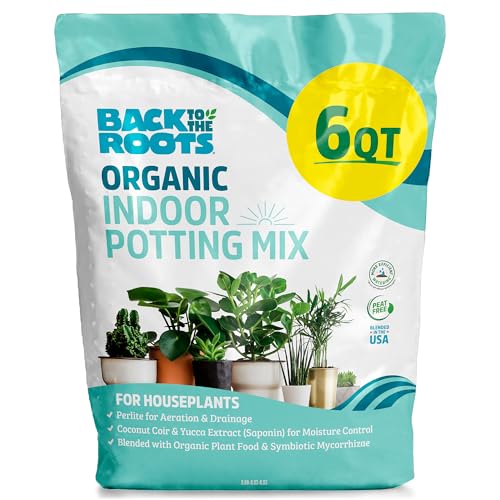
Includes 6qt of Back to the Roots Indoor Potting Mix. Our Potting Mix contains organic yucca extract that aids in retaining moisture in the soil which keeps your indoor plants happy and healthy
Related Topics
indoor herb gardening
starter plants
growing herbs
herb planting tips
best herbs for beginners
small space gardening
easy gardening
herb seeds vs plants
indoor gardening supplies
beginner friendly
container gardening
herb care techniques