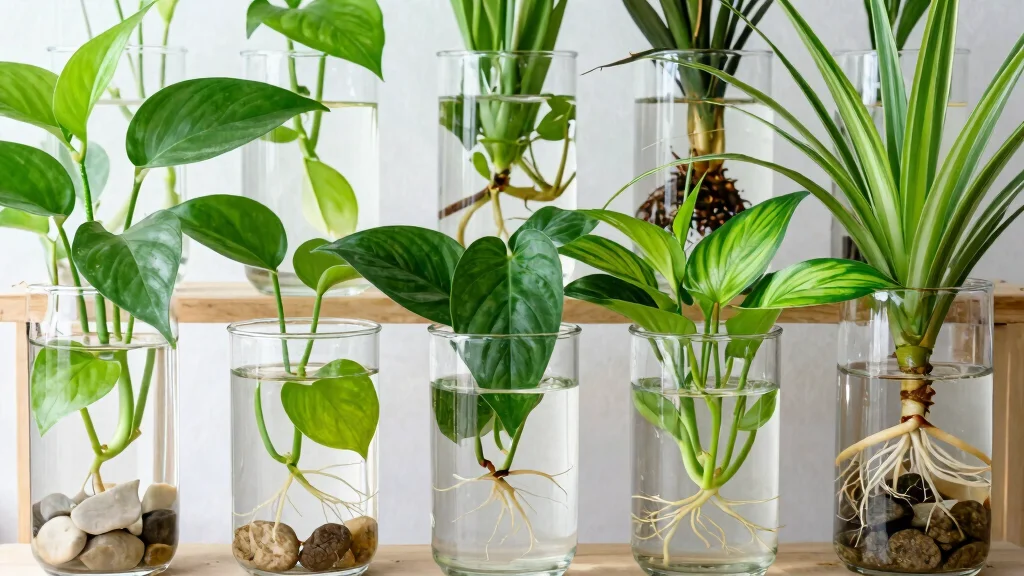
Water propagation has me completely fascinated lately. There’s something so rewarding about watching a plant sprout roots in a clear glass of water, transforming a single cutting into a lush new plant. If you’re into indoor gardening or looking to fill your home with greenery but feel unsure where to start, this post is just for you. It’s perfect for beginners who want to dive into the world of easy-to-propagate houseplants without the need for complicated setups.
In this guide, I pulled together a list of 9 plants that propagate easily in water. Each plant offers a simple and effective way to expand your indoor garden. You will learn about the best plants for water propagation, along with essential tips and techniques to make the process a breeze. Whether you’re a seasoned plant lover or just starting, you’ll find practical insights to elevate your gardening game and enjoy the beauty of indoor plants.
Key Takeaways
– Simple Propagation: Water propagation allows you to easily grow new plants from cuttings, making it accessible for beginners.
– Plant Choices: You’ll discover nine specific plants that thrive in water, ensuring high success rates.
– Techniques Matter: Understanding water propagation techniques is key to promoting healthy root growth and vibrant plants.
– Indoor Gardening Essentials: Gain tips on how to care for your new plants and what indoor gardening essentials you’ll need.
– Grow with Confidence: With these straightforward methods, you can confidently expand your indoor garden and enjoy the benefits of greenery in your home.
1. Pothos (Epipremnum aureum)
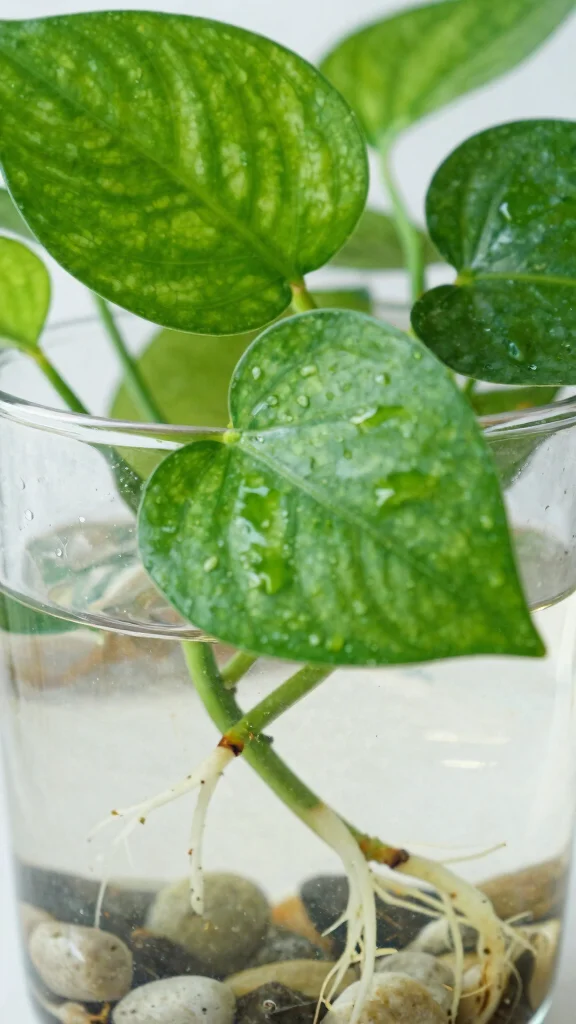
If you’re looking for an easy and rewarding plant to propagate, Pothos is your best friend. With its stunning heart-shaped leaves and vibrant green hue, it’s a visual delight that thrives with minimal care. Perfect for beginners, you can grow Pothos in low light conditions, making it ideal for any room in your home. Just snip a 4-6 inch stem from a healthy plant, ensuring it has at least two leaves, and submerge the nodes in water. In just a week or two, you’ll witness the magic as roots start to appear!
To maximize success, change the water weekly to keep it fresh and oxygenated. Place the cutting in a spot with indirect sunlight to encourage growth. Once the roots reach 2-3 inches, you can either leave it in water or transfer it to soil for a different growth experience.
Simple steps to propagate Pothos:
– Cut a healthy stem with at least two leaves
– Submerge the nodes in water
– Change the water weekly for best results
– Transfer to soil when roots are established
Pothos not only beautifies your space with its trailing vines but also adapts easily to various environments, adding a touch of elegance to your home.
Pothos (Epipremnum aureum)
Editor’s Choice
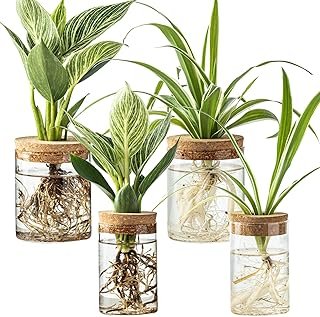
Glass Plant Propagation Stations for Plants – Set of 4(2 Large & 2 Sma…

2. Spider Plant (Chlorophytum comosum)
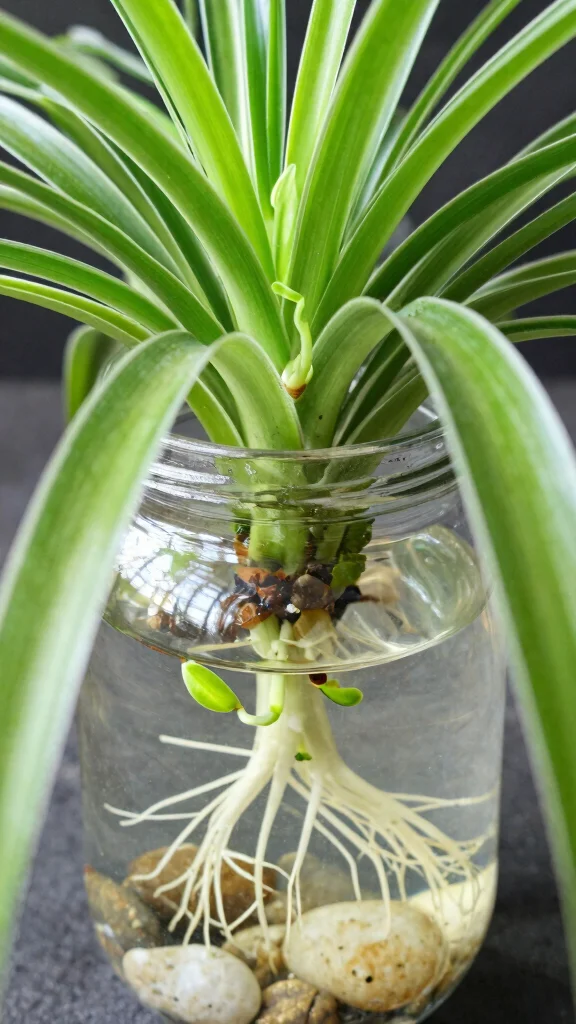
Spider Plants are a fantastic choice for anyone interested in easy propagation. Known for their graceful, arching leaves and adorable ‘baby’ plants that dangle like tiny spiders, they bring charm to any indoor space. These resilient plants thrive in various conditions, making them perfect for beginners. To propagate, simply take a baby plant and place it in water. You’ll see roots forming in just a couple of weeks!
For best results, position the baby in bright, indirect sunlight to encourage healthy growth. If the roots get too long, don’t hesitate to trim them before planting in soil. Plus, Spider Plants are renowned for their air-purifying qualities, making them a healthy addition to your home.
Quick tips for Spider Plant propagation:
– Snip off a baby plant
– Place in water until roots develop
– Keep in bright, indirect light
– Transplant when roots are established
Watching your Spider Plant thrive is rewarding, adding a lovely touch of greenery indoors.
Spider Plant (Chlorophytum comosum)
Editor’s Choice
GooingTop LED Grow Light,6000K Full Spectrum Clip Plant Growing Lamp wit…
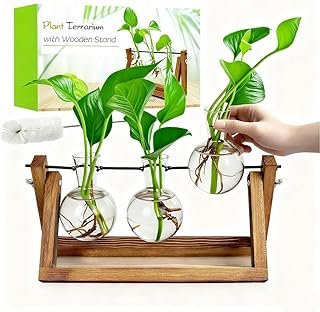
Renmxj Plant Propagation Stations with Wooden Stand & 3 Glass Bulb Vases…
3. Philodendron (Philodendron spp.)
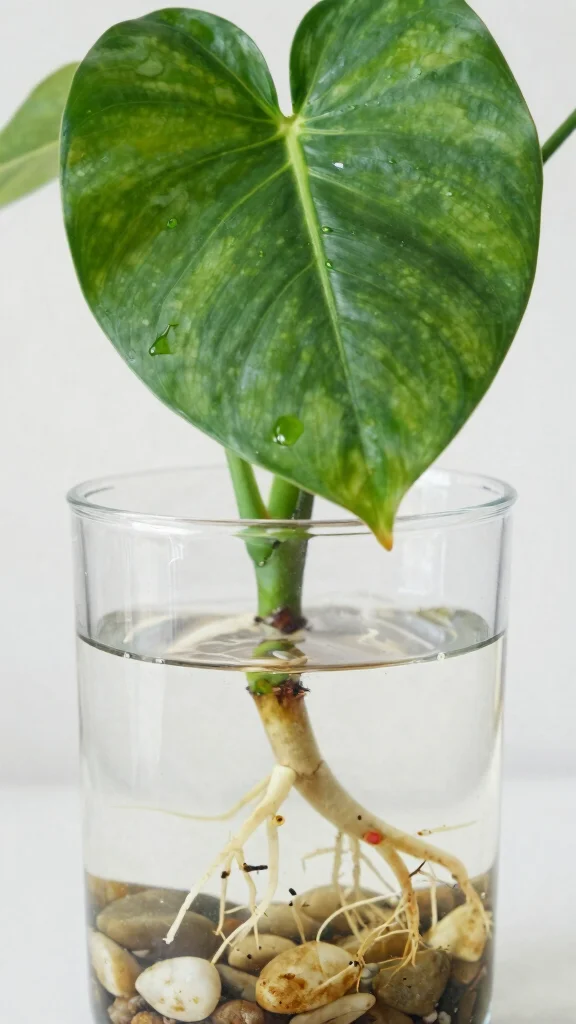
If you want a low-maintenance indoor plant, Philodendrons are your perfect match. Their large, glossy leaves and trailing vines not only look stunning but also make propagation a breeze. Simply cut a stem with at least two leaves and a node, then immerse it in water. Soon, you’ll have a lush new plant to enjoy!
For effective propagation, use a clear container to observe root development. Make sure the node is submerged while keeping the leaves above water to avoid rot. Once the roots are a few inches long, you can either plant them in soil or keep them in water for a unique look.
Steps to propagate Philodendrons:
– Cut a stem with leaves and a node
– Submerge the node in water
– Monitor root growth in a clear container
– Transfer to soil when roots are sufficient
Philodendrons add an exotic flair to any space, whether they cascade down from a shelf or climb a trellis.
Fun fact: Philodendrons can root in water in as little as 7-14 days. They’re perfect for beginners among plants that propagate easily in water—just submerge the node, keep leaves above, and watch new roots appear.
📹 Related Video: How to PROPAGATE PHILODENDRON Brasil in WATER | Heartleaf Philodendron | Philodendron hederaceum
Philodendron (Philodendron spp.)
Editor’s Choice
Bonide Bontone II Rooting Powder, 1.25 oz Ready-to-Use Dust for Housepla…
Renmxj Plant Propagation Stations with Wooden Stand & 3 Glass Bulb Vases…
4. Mint (Mentha spp.)
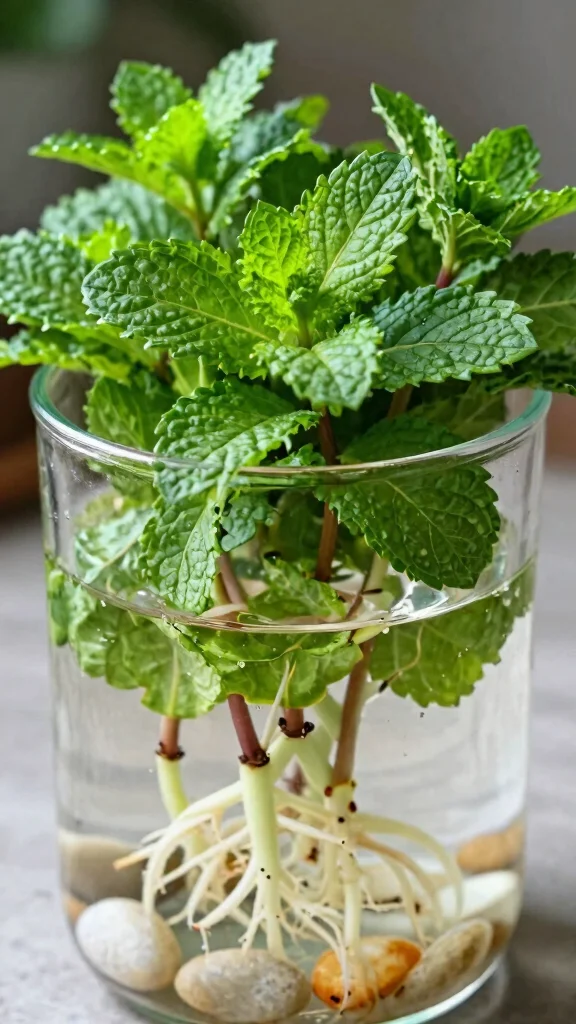
Mint is a delightful kitchen herb that’s equally fun to propagate in water! Not only does it grow quickly, but its refreshing aroma can enhance your indoor space. To start, take a cutting with several leaves and place it in water. Before long, you’ll have a fresh mint plant ready for culinary use!
To ensure success, change the water weekly to prevent stagnation. Position it in bright, indirect sunlight for the best growth results. Once the roots are well-established, you can choose to keep it in water or transfer it to soil for a more robust plant.
Essential mint propagation steps:
– Take a cutting with leaves
– Submerge in water until roots grow
– Change water weekly for freshness
– Transfer to soil for stronger growth
With its lush, fragrant leaves, mint plants not only look beautiful but also provide you with fresh herbs right from your own kitchen.
How To Choose The Right Plants for Water Propagation
Choosing the best plants that propagate easily in water can be a fun and rewarding task. Whether you’re just starting out in indoor hydroponic gardening or looking to expand your collection, knowing what to consider will make your experience smoother. Here are some key criteria to keep in mind:
1. Growth Habit
Select plants with a trailing or bushy growth habit. These types often produce multiple stems, making them ideal for water propagation. For instance, Pothos and Philodendrons grow vigorously, providing plenty of cuttings to root without needing much space. Look for plants that naturally thrive in humid environments, as they will adapt well to water propagation.
2. Leaf Structure
Consider the size and shape of the leaves. Plants with thicker, fleshy leaves, like Geraniums and Mint, tend to store more moisture. This helps them survive longer in water while developing roots. Meanwhile, plants with delicate leaves may not thrive as well in water, so be mindful of your choices.
3. Rooting Time
Some plants root faster than others. For instance, Spider Plants can develop roots in just a couple of weeks, while others may take a month or longer. If you’re eager to see results, prioritize these quick-rooting species. Research the average rooting times for your chosen plants to manage your expectations.
4. Water Quality
The quality of water plays a significant role in successful propagation. Use filtered water to avoid chemicals often found in tap water, which can harm your plants. If you do use tap water, let it sit out for 24 hours to allow chlorine to dissipate. Clean, fresh water promotes healthy root growth and minimizes the risk of rot.
5. Light Requirements
Different plants have varying light needs. While some thrive in bright, indirect sunlight, others prefer low-light conditions. Assess the light available in your home and select plants accordingly. For example, Scindapsus does well in low light, making it a perfect choice for darker corners.
6. Plant Health
Always choose healthy, disease-free plants for propagation. Inspect for yellowing leaves or signs of pests before making your selection. Healthy cuttings have a better chance of rooting successfully. If possible, take your own cuttings from existing plants, ensuring you start with the best material.
Pro Tip: Keep a propagation journal to track which plants do well in water. Note the time it takes for roots to develop and any care tips that work best. This will help you refine your choices for future propagations and improve your success rate over time. 🚀
Mint (Mentha spp.)
Editor’s Choice
Renmxj Plant Propagation Stations with Wooden Stand & 3 Glass Bulb Vases…
Aokrean Plant Grow Light, 48 LEDs Full Spectrum Grow Lights for Indoor P…
5. Bamboo (Bambusoideae)
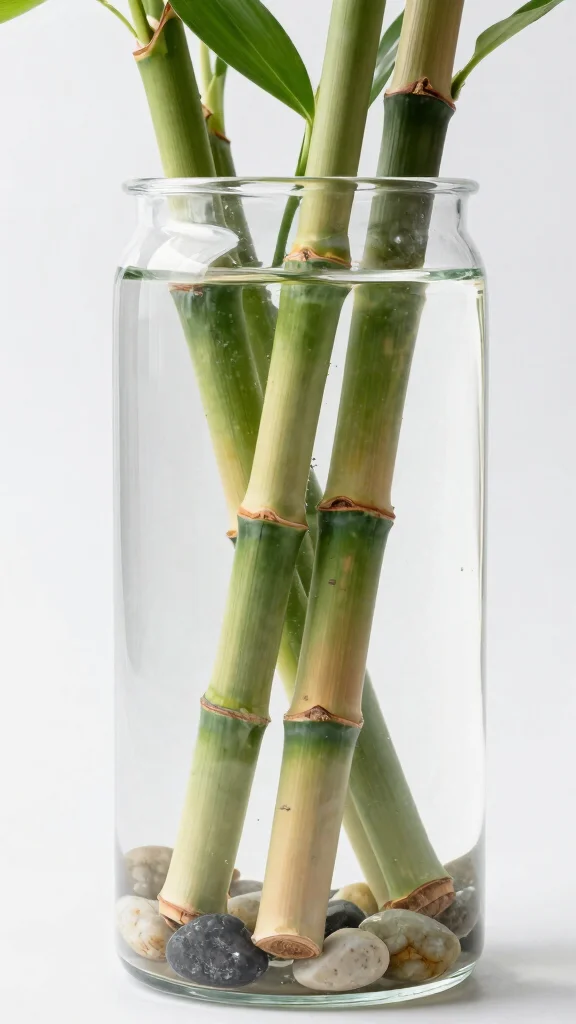
Bamboo is not just a symbol of luck; it’s also incredibly easy to propagate in water! Simply cut a stalk to your desired height, place it in a jar of water, and watch it flourish. Bamboo thrives in low light conditions, making it suitable for nearly any indoor environment.
To propagate successfully, ensure the water level is high enough to cover the base of the stalk without submerging the leaves. Change the water every couple of weeks to keep it fresh. For added style, consider pairing bamboo with decorative stones.
Steps to propagate bamboo:
– Cut a stalk to your preferred height
– Place it in a jar of water
– Change water regularly to maintain freshness
– Enhance with decorative stones for style
The calming presence of bamboo can effortlessly transform your space into a tranquil oasis.
Fun fact: Bamboo is one of the plants that propagate easily in water—rooting can start in as little as 1–2 weeks. Keep the base covered with water and change it every couple of weeks; it thrives in low light.
You might also like
Bamboo (Bambusoideae)
Editor’s Choice

8 inch Clear Glass Flower Vases for Centerpiece Table Home Indoor Desk D…
6. Geranium (Pelargonium spp.)
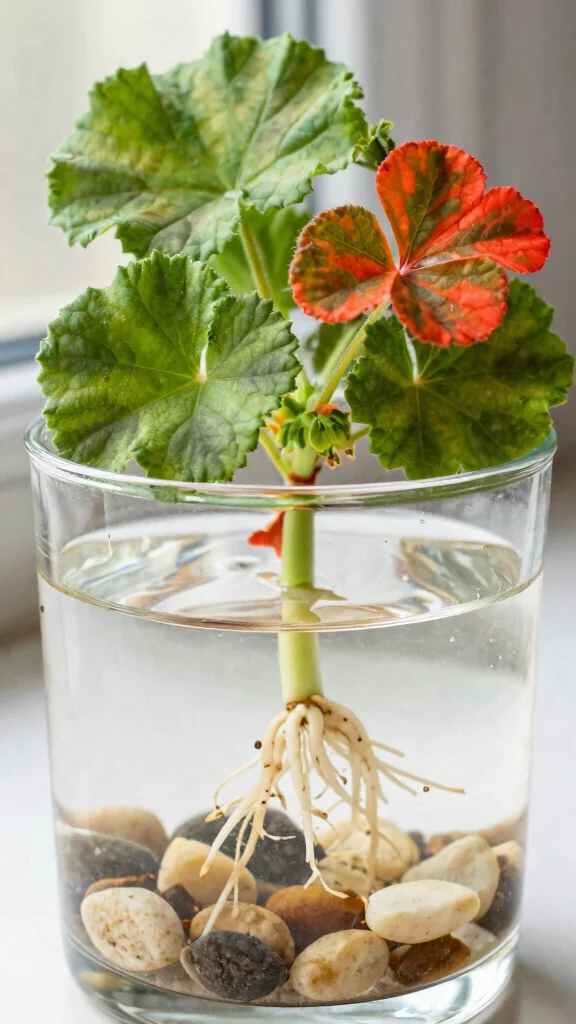
Geraniums are cherished for their vibrant blooms and aromatic leaves, making them a joy to propagate in water. To start, take a stem cutting just below a leaf node and place it in a glass of water. Before long, roots will sprout, and you’ll be on your way to growing beautiful flowers!
For best results, change the water weekly to encourage healthy root growth. Once the roots reach about 2-3 inches, transplant them into soil for a burst of color in your home. These plants not only beautify your space but also add a lovely fragrance.
Simple propagation techniques for Geraniums:
– Cut a stem just below a node
– Place in water until roots form
– Change water weekly for healthy growth
– Transplant when roots are established
Watching these cheerful blooms grow brings joy and makes for wonderful gifts for loved ones!
7. Sweet Potato (Ipomoea batatas)
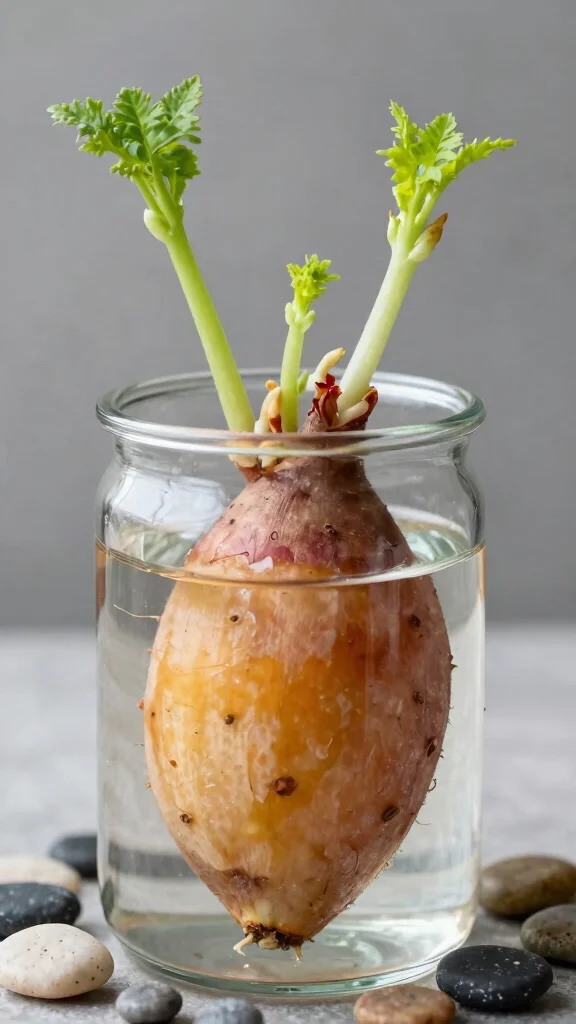
Sweet potatoes are not just delicious; they also make extraordinary indoor plants! When propagated in water, they produce stunning vines that can create a beautiful display in your home. To start, simply submerge half of the sweet potato in water, and soon you’ll see shoots sprouting from the top.
For successful propagation, use a wide jar to accommodate the potato comfortably. Change the water regularly to keep it fresh and mold-free. You can either continue growing it in water or transfer it to soil once it’s established.
Quick steps for sweet potato propagation:
– Submerge half of the sweet potato in water
– Use a wide jar for stability
– Change water regularly for cleanliness
– Transfer to soil for more robust growth
Sweet potato vines not only look fantastic but also add a refreshing touch of green to your indoor environment.
Sweet Potato (Ipomoea batatas)
Editor’s Choice

North Mountain Supply 1/2 Gallon Glass Wide-Mouth 110 CT Fermentation/Ca…
8. Coleus (Solenostemon scutellarioides)
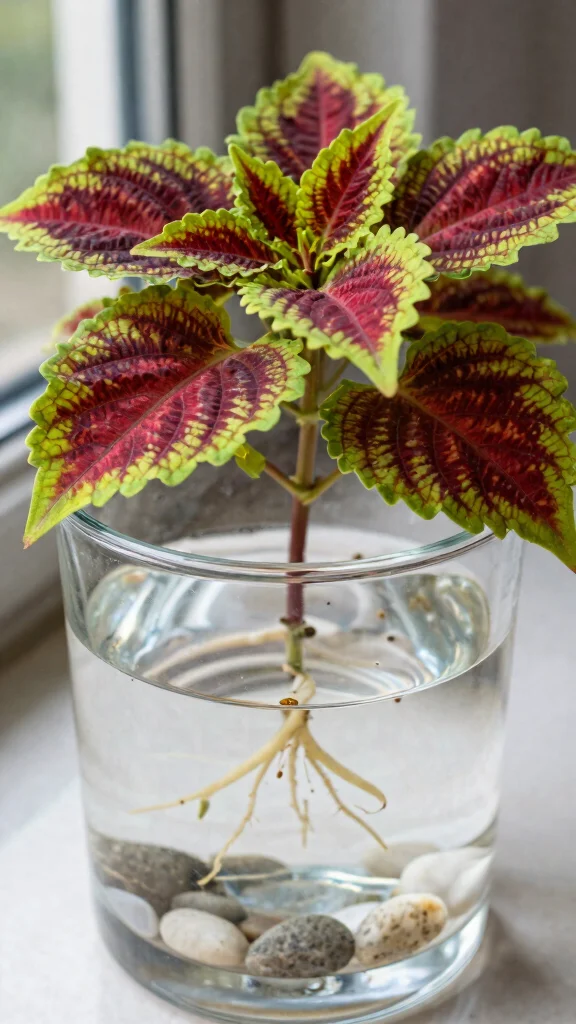
Coleus plants are celebrated for their vibrant, multicolored leaves, which can brighten up any indoor garden. Propagating Coleus in water is both simple and enjoyable! Just cut a stem with several leaves and place it in water. In a few weeks, you’ll see roots emerge, allowing you to plant it in soil or keep it in water for a lively touch.
For effective growth, keep the cutting in a spot with bright, indirect light. Change the water regularly to foster healthy root development. Coleus can also thrive in soil, giving you flexibility in your indoor gardening setup.
Steps to propagate Coleus:
– Cut a stem with multiple leaves
– Place it in water until roots develop
– Keep in bright, indirect light
– Change water regularly for optimum growth
With their stunning colors and easy propagation, Coleus can transform your indoor space into a vibrant oasis.
Fun fact: Coleus cuttings in water can develop visible roots in as little as 7–14 days. Keep them in bright, indirect light and refresh the water weekly for robust growth—perfect for gardeners embracing plants that propagate easily in water.
Coleus (Solenostemon scutellarioides)
Editor’s Choice

Plant Propagation Buddy, Plant Support Structures, Set of 6, Gifts for P…
Garden Safe Brand TakeRoot Rooting Hormone, 2 Count, Powder Helps Grow N…
9. Scindapsus (Scindapsus aureus)
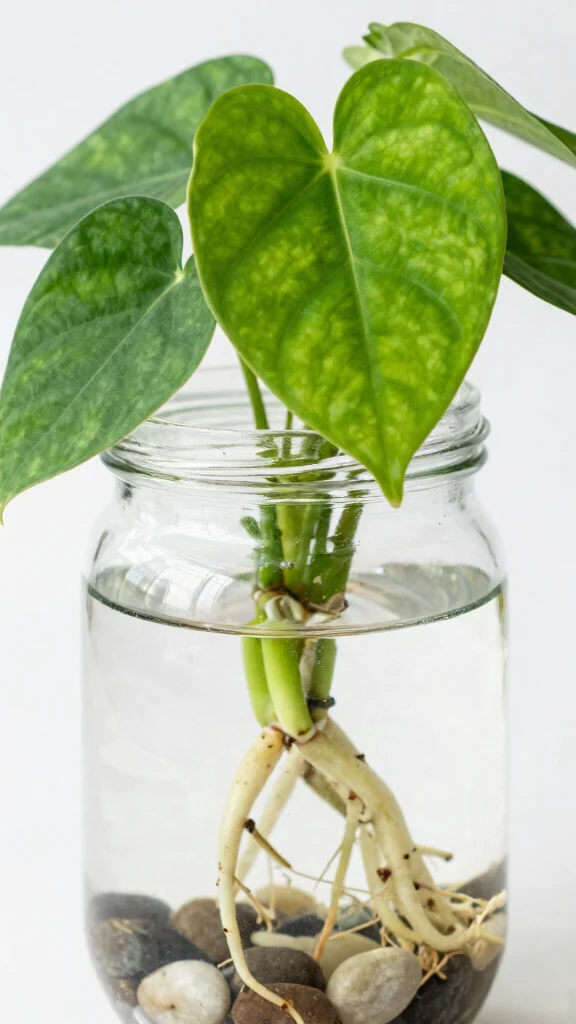
Scindapsus, often called Devil’s Ivy, is a popular choice for indoor propagation due to its heart-shaped leaves and ability to thrive in various lighting conditions. To propagate, take a cutting with a few leaves and a node, then place it in water. You’ll soon see roots forming, and this resilient plant will continue to grow!
For best results, use a clear container to monitor root growth. Ensure the node is submerged while keeping the leaves above water to prevent rot. Once the roots are a few inches long, you can either plant it in soil or keep it in water for a stylish look.
Key steps for Scindapsus propagation:
– Cut a stem with a node and leaves
– Submerge the node in water
– Monitor root growth in a clear container
– Transfer to soil when roots are sufficient
This elegant plant enhances any space with its trailing vines, perfect for hanging planters or shelves.
Scindapsus (Scindapsus aureus)
Editor’s Choice
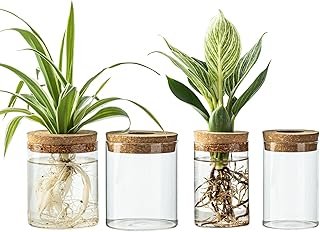
Glass Propagation Stations for Plants -Desktop Flower Vases,Propagation …
Conclusion
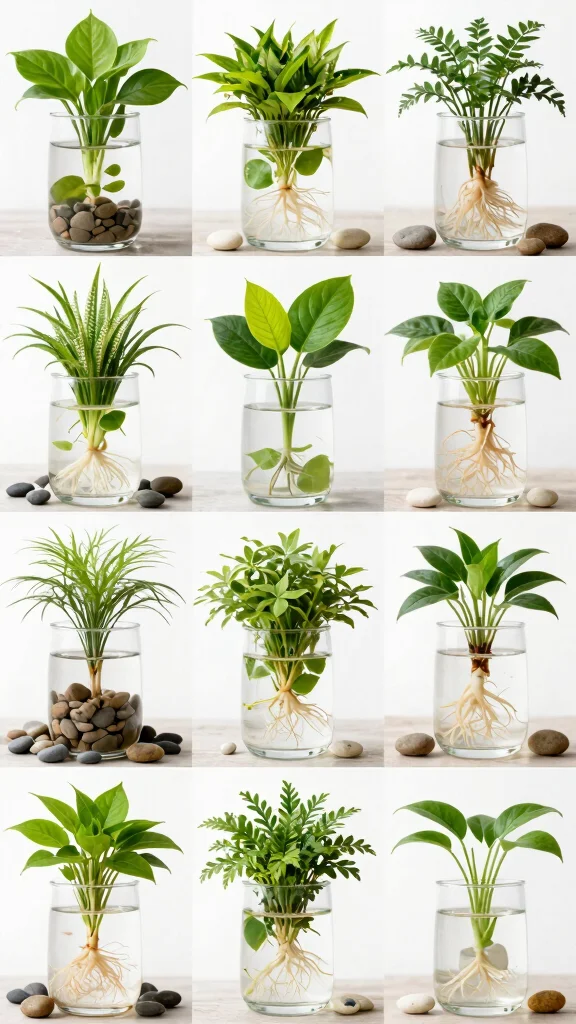
Water propagation opens up a world of opportunities for plant lovers, especially those just starting on their indoor gardening journey. With these nine plants that propagate easily in water, you can grow a collection of beautiful greenery without the fuss of soil. Each plant not only enhances your indoor space but also offers an engaging way to connect with nature. So grab your scissors, some jars, and let the propagation begin!
Happy gardening, and remember to check in regularly on your new green companions as they grow!
Note: We aim to provide accurate product links, but some may occasionally expire or become unavailable. If this happens, please search directly on Amazon for the product or a suitable alternative.
This post contains Amazon affiliate links, meaning we may earn a small commission if you purchase through our links, at no extra cost to you.
Frequently Asked Questions
Which plants are the best for water propagation for beginners?
For beginners, start with plants that propagate easily in water—these are often the best plants for water propagation. Classic easy-to-propagate houseplants include pothos, philodendron, and spider plant. To start rooting: take a healthy cutting with at least one node, trim just below the node, remove leaves on the lower half, and place in a clean jar with room-temperature water. Keep it in bright, indirect light and expect roots in about 1–3 weeks for pothos/philodendron (slightly longer for others). Refresh the water weekly and use filtered water if your tap is very chlorinated. With patience, you’ll turn a simple cutting into a thriving watering plant using plant propagation tips you can apply to many species.
What are the essential water propagation techniques I should know for indoor hydroponic gardening beginners?
There are a few solid water propagation techniques that work well for beginners. First, the straight-water method: cut below a node, remove lower leaves, and submerge the node in clear water so roots can form while leaves stay mostly dry. Second, use a transparent jar or vase so you can monitor root growth. Third, keep containers clean and out of direct sun to avoid algae and overheating. Optional but helpful: a very dilute nutrient solution or a pinch of rooting hormone can speed up rooting for some plants. Finally: change the water regularly and avoid overwatering leaves that are still in air. These steps make propagation approachable and effective for indoor gardening essentials and your home setup.
How often should I change the water and how can I keep water quality high during propagation?
Aim to change the water every 4–7 days, or sooner if it becomes cloudy or develops an odd odor. Use room-temperature water and avoid overly chlorinated tap water when possible (let it sit 24 hours or use filtered water). Rinse the container if it has settled algae, and keep the cuttings with nodes submerged while keeping any crowded leaves out of the water. Clean water supports healthier roots and faster growth, making your plants that propagate easily in water happier and more resilient during the propagation process.
Can I propagate multiple plants in the same container, and how should I organize them?
You can propagate multiple cuttings together, but it’s usually best to use separate jars or clearly labeled containers to avoid root crowding and mix-ups. Stick to cuttings with their own nodes and keep similar plants together to simplify care. If you do group them, give each cutting enough space and keep an eye on root growth so none start to foul the water. This approach aligns with practical water propagation techniques and helps you build a collection of easy-to-propagate houseplants without chaos.
Do I need nutrients for water propagation and when should I transplant to soil?
For most cuttings, plain water works to start roots. If you want to give growth a nudge, use a very dilute nutrient solution or a seaweed extract at low strength every couple of weeks. Transplant to soil once the roots are healthy and about 1–2 inches long. This is typically after 2–6 weeks, depending on the plant. Gradually acclimate the cutting to soil by starting with a moist potting mix and reducing water levels to encourage rooting in soil. This practical approach stays true to plant propagation tips and helps you move from plants that propagate easily in water to thriving potted plants in your indoor garden.
Related Topics
indoor gardening
water propagation
easy houseplants
beginner friendly
fast propagation
hydroponic tips
plant care
home decor plants
best plants
plant propagation
simple techniques
low maintenance