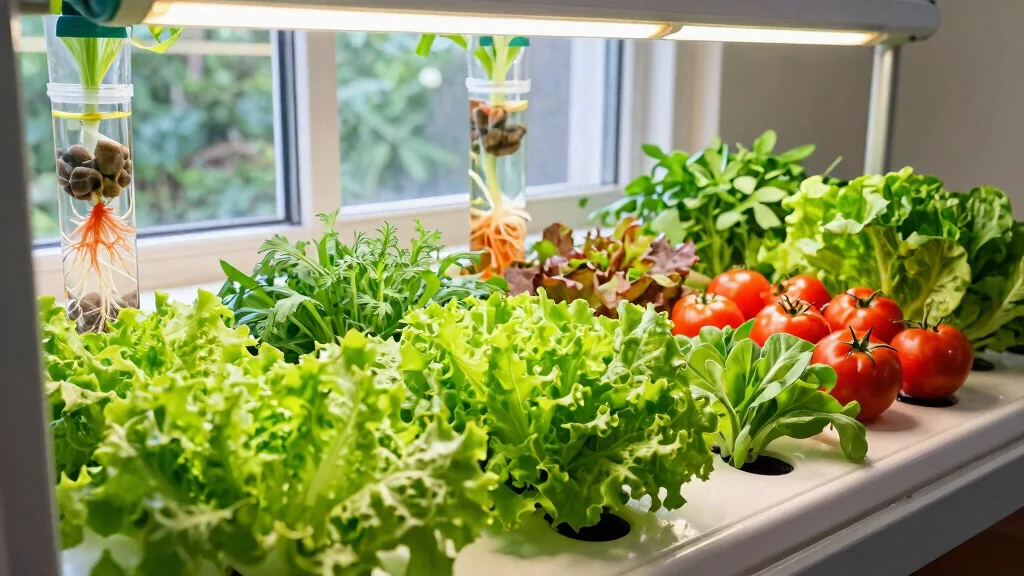
If you’ve ever found yourself wishing for fresh vegetables to enhance your meals, you’re not alone. The idea of growing your own food right in your home can be incredibly appealing, especially when you’re limited by space or weather conditions. That’s why I created this post—to help you discover the best vegetables to grow indoors year-round. Whether you’re a seasoned gardener or just starting out, this guide has something for everyone who wants to bring a bit of greenery into their living space.
If you’re passionate about indoor gardening and looking for ways to cultivate fresh produce without stepping outside, you’re in the right place. This post is tailored for urban dwellers, apartment residents, or anyone wanting to embrace the joys of indoor vegetable gardening. You’ll find practical tips and ideas that fit your lifestyle and living conditions.
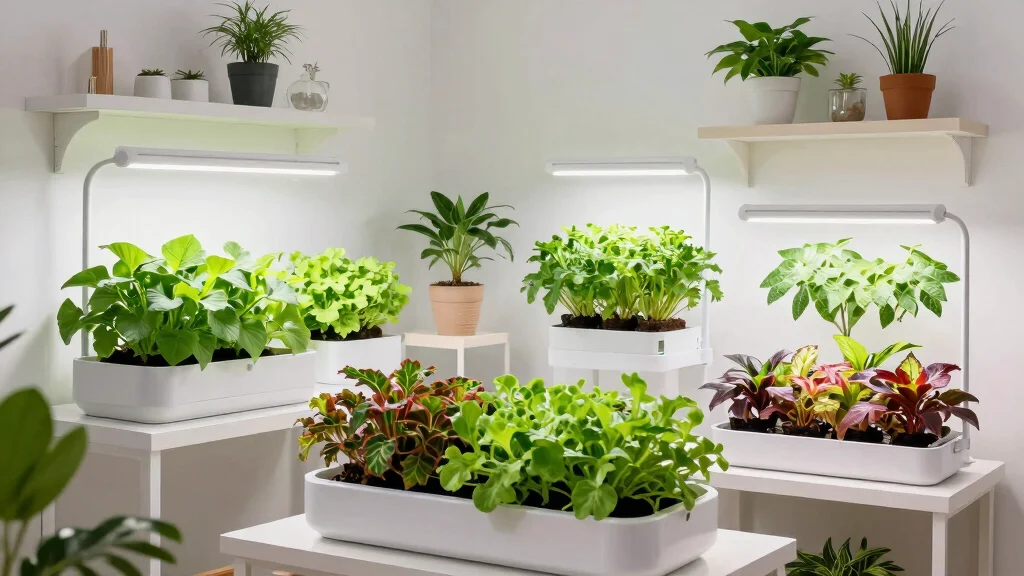
Get ready to explore nine fantastic vegetables that thrive indoors throughout the year. From leafy greens that grow quickly to herbs that add flavor to your dishes, you’ll gain insights into how to set up your indoor garden effectively. Whether you’re an expert or a beginner, you’ll walk away with the knowledge to cultivate your indoor garden and enjoy fresh produce from the comfort of your home.
Key Takeaways
– Leafy Greens: These vegetables are among the easiest to grow indoors, providing plenty of fresh options like spinach and kale with minimal maintenance.
– Fresh Herbs: Growing herbs like basil and parsley can enhance your cooking and are perfect for small spaces. They thrive in pots and require a little light.
– Cherry Tomatoes: Small and sweet, cherry tomatoes do well in containers and bring a pop of color to your indoor garden while rewarding you with delicious fruit.
– Peppers: Whether you prefer sweet or spicy, peppers can adapt well to indoor conditions and add vibrant flavor to your dishes.
– Regrowing Scraps: You can save money and reduce waste by regrowing vegetables from kitchen scraps, like green onions and beets, right in your home.
1. Leafy Greens: The Indoor Superstars
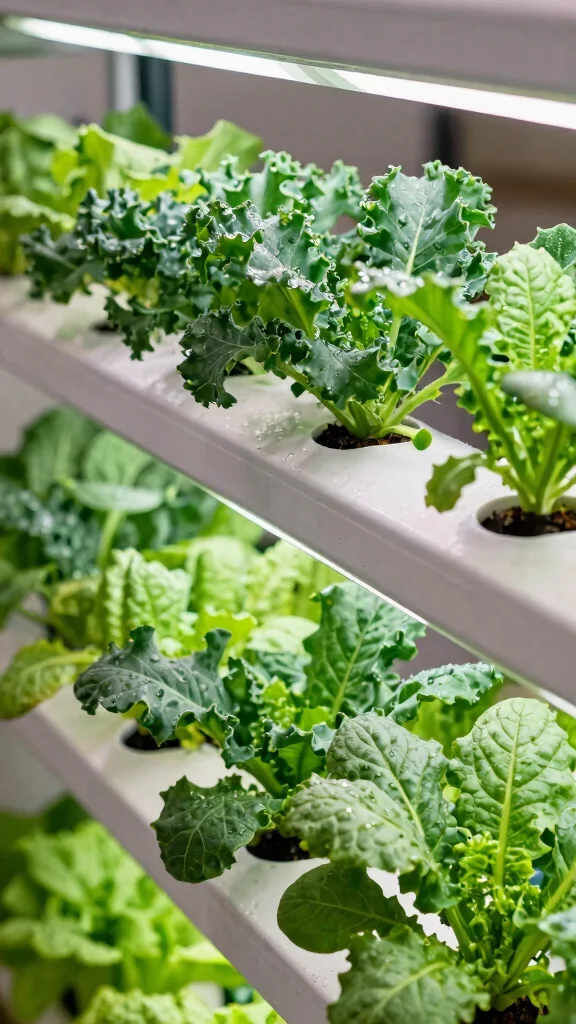
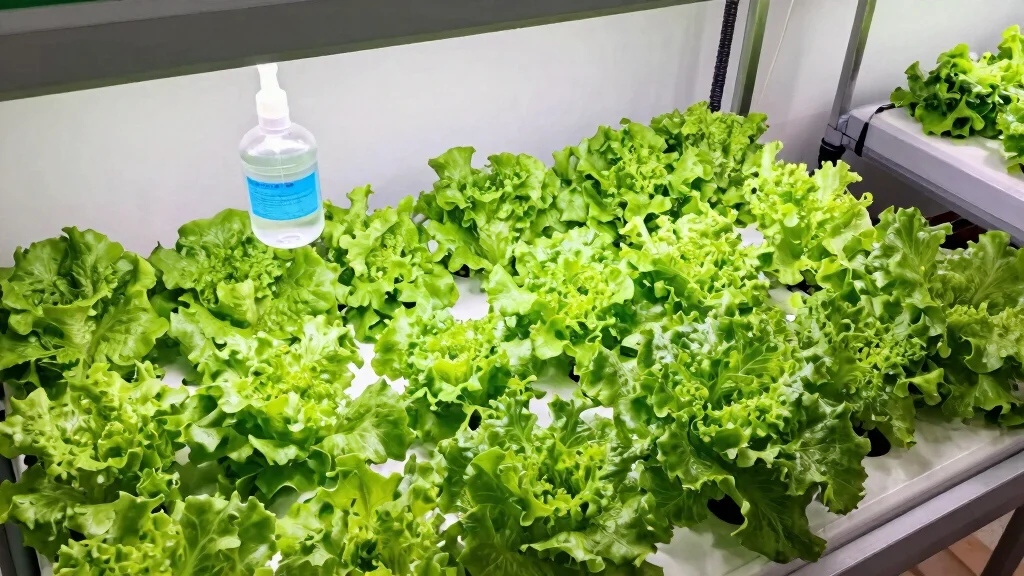
Are you looking to add some vibrant greens to your meals without stepping outside? Leafy greens like spinach, kale, and Swiss chard are perfect for indoor gardening, sprouting quickly and producing bountiful yields. Not only do they thrive in less-than-ideal light conditions, but they also pack a nutritional punch, giving you essential vitamins and minerals in every bite!
Growing these greens is straightforward and rewarding. With just a few simple tips, you can enjoy fresh salads and smoothies right from your kitchen.
Ingredients:
– Seeds of spinach, kale, or Swiss chard
– Potting soil
– Containers with drainage holes
– Water
– Balanced organic fertilizer (optional)
Instructions:
1. Fill your containers with potting soil, leaving some space at the top.
2. Scatter seeds evenly on the surface and lightly cover them with soil.
3. Water gently to avoid displacing the seeds.
4. Place containers in a bright, indirect light area.
5. Keep the soil moist but not soggy, watering as needed.
6. After 3 weeks, begin harvesting leaves by snipping them off at the base.
FAQs:
– Can I grow these greens without special lights? Yes, as long as they receive enough bright, indirect sunlight.
– Can I keep them growing year-round? Absolutely! With proper care, you can have a continuous supply.
Did you know leafy greens can yield fresh greens in as little as 4 weeks from a compact indoor setup? In hydroponics, a 2×2 ft space can produce several pounds per month, enough for daily salads.
Leafy Greens: The Indoor Superstars
Editor’s Choice
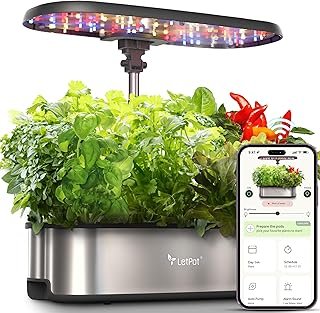
LETPOT LPH-SE Hydroponics Growing System, 12 Pods Smart Herb Garden Kit …

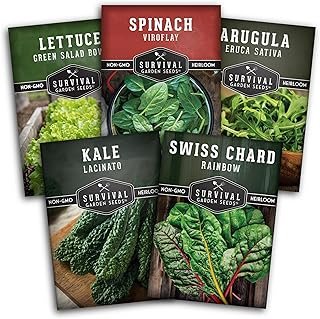
Leafy Greens Seeds Variety Pack – 5 Heirlooms: Viroflay Spinach, Arugu…
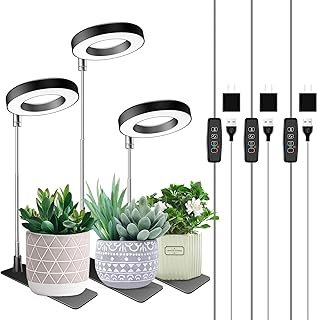
Aokrean Plant Grow Light, 48 LEDs Full Spectrum Grow Lights for Indoor P…
2. Fresh Herbs: Flavor Boosters
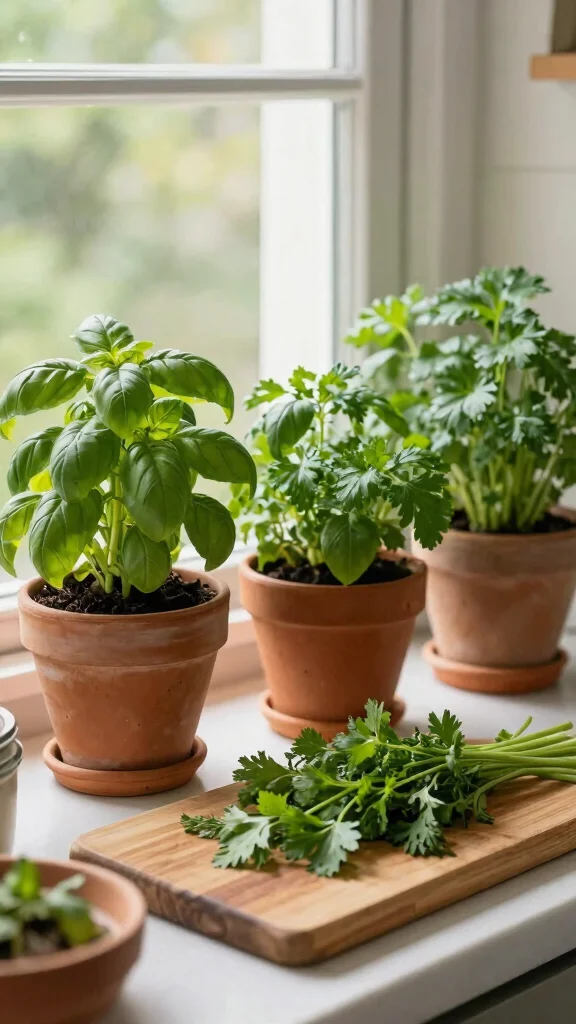
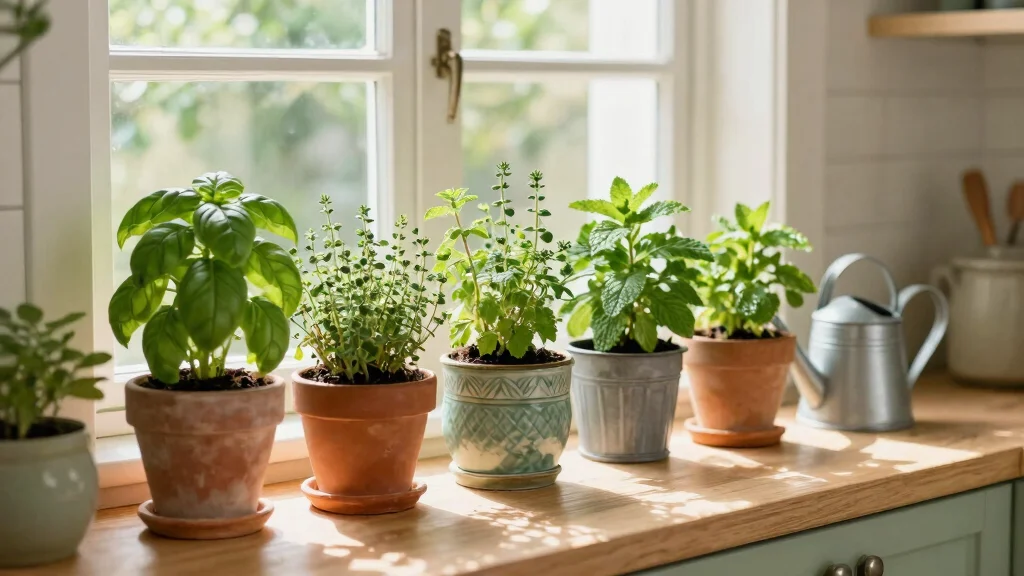
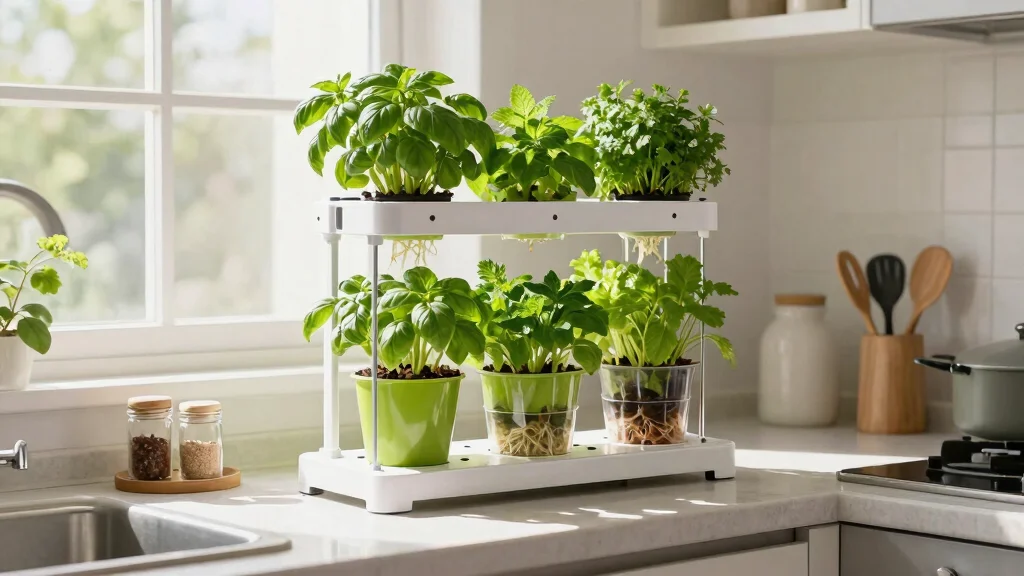
Do you want to elevate your home cooking with fresh flavors? Growing herbs like basil, cilantro, and parsley indoors is a fantastic way to add aromatic accents to your meals. These herbs are compact and can thrive in small spaces, making them perfect for windowsills or any nook in your kitchen.
Not only do they enhance your dishes, but they also provide numerous health benefits. With just a little care, you can enjoy fresh herbs at your fingertips all year!
Ingredients:
– Seeds of basil, cilantro, or parsley
– Potting soil
– Small pots or trays
– Water
Instructions:
1. Fill pots with potting soil and moisten slightly.
2. Plant seeds according to the package instructions, usually about 1/4 inch deep.
3. Place in a sunny spot, preferably a south-facing window.
4. Water regularly, allowing the top inch of soil to dry out between waterings.
5. Trim leaves regularly to encourage bushy growth.
FAQs:
– Can I grow herbs without sunlight? You can use grow lights if sunlight is limited.
– Can I plant herbs with vegetables? Yes, many herbs can help repel pests and benefit nearby plants.
Fresh Herbs: Flavor Boosters
Editor’s Choice
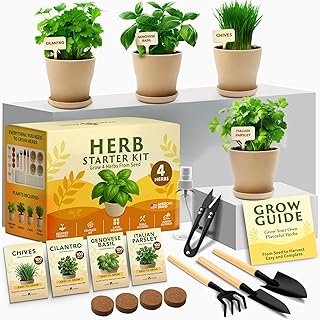
HOME GROWN Herb Garden Planter Indoor Kit – Unique Christmas Gift for …
Aokrean Plant Grow Light, 48 LEDs Full Spectrum Grow Lights for Indoor P…
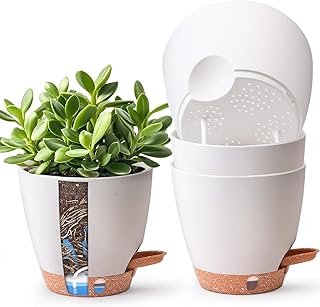
T4U 4 Pack 6 Inch Self Watering Pots – Water Level Indicator & Deep Rese…
3. Cherry Tomatoes: Sweet and Compact
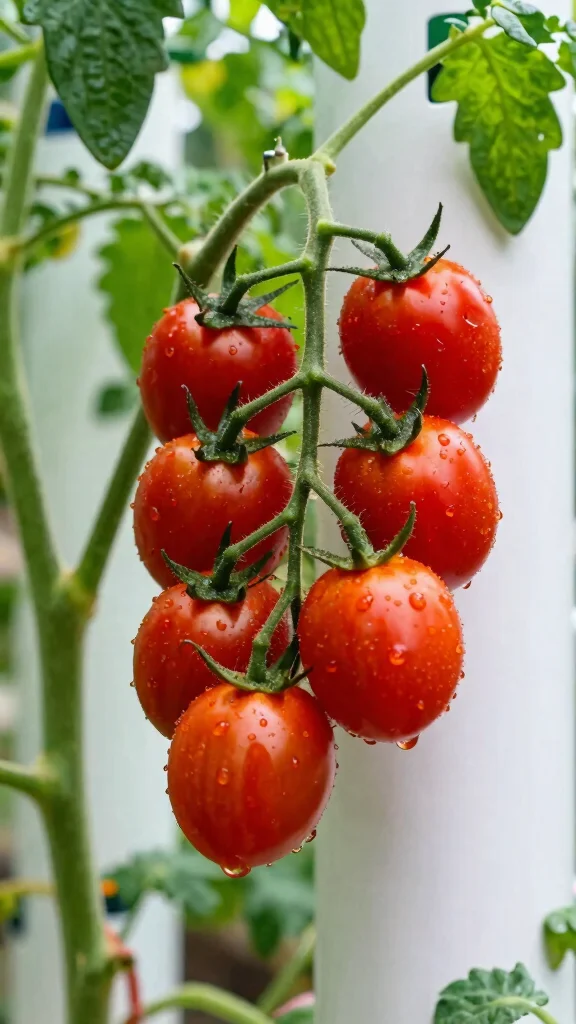
Craving a burst of sweetness in your indoor garden? Cherry tomatoes are the answer! These little gems are easy to grow and bring vibrant colors to your space. They thrive in bright conditions and can be grown vertically, making them a fantastic choice for small areas.
The satisfaction of plucking fresh tomatoes from your own plants is unmatched and adds a fresh flavor to your salads and snacks.
Ingredients:
– Cherry tomato seeds
– Potting mix
– Containers with drainage
– Water
– Plant stakes or cages
Instructions:
1. Fill your containers with potting mix, leaving a bit of space at the top.
2. Sow seeds about 1/4 inch deep and cover lightly.
3. Water gently and place in a sunny location.
4. Provide support with stakes or cages as they grow.
5. Pollinate by gently shaking the plants or using a brush.
6. Harvest when the tomatoes are bright red and firm.
FAQs:
– Can I grow these tomatoes in low light? They need bright light, ideally 14-18 hours daily.
– Can I grow them without support? It’s best to use stakes or cages to prevent breakage.
Cherry Tomatoes: Sweet and Compact
Editor’s Choice
Aokrean Plant Grow Light, 48 LEDs Full Spectrum Grow Lights for Indoor P…
Burpee, 9 Quarts | Premium Organic Potting Natural Soil Mix Food Ideal f…
HOME GROWN Large Red Cherry Tomato Seeds 500+ Heirloom Non GMO Seeds for…
4. Peppers: Spice Up Your Space
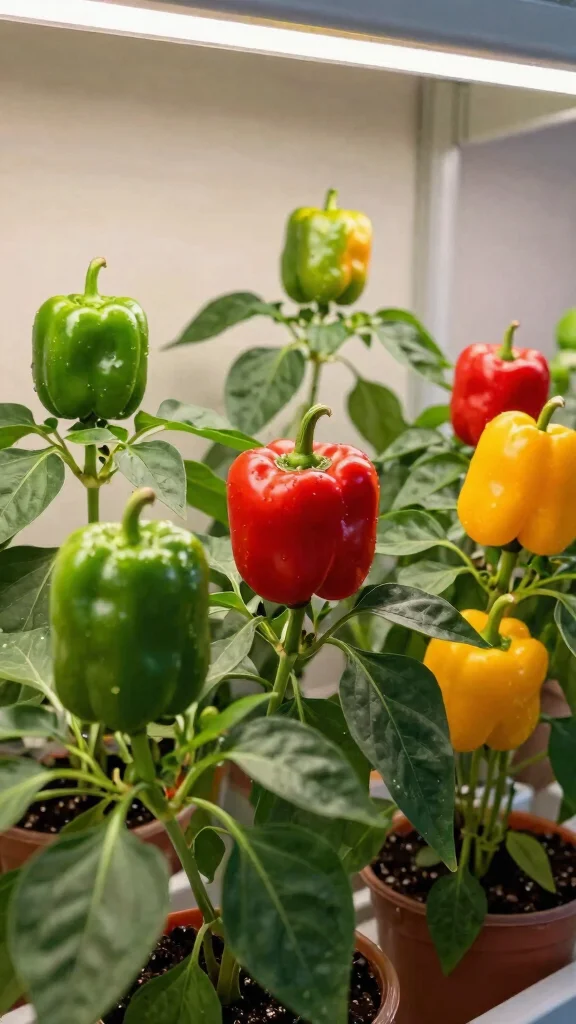
Want to add some zing to your indoor garden? Peppers, whether sweet or spicy, are a colorful and flavorful choice! Varieties like bell peppers and jalapeños thrive indoors and can be grown in pots, offering a stunning pop of color to your decor.
These vibrant vegetables are not only visually appealing but also provide essential nutrients. With a little attention, you can enjoy fresh peppers all year round!
Ingredients:
– Pepper seeds (bell or jalapeño)
– Potting soil
– Containers with drainage
– Water
Instructions:
1. Fill containers with potting soil and moisten it.
2. Plant seeds about 1/4 inch deep and cover lightly with soil.
3. Place in a warm spot with plenty of bright light.
4. Water regularly to keep the soil moist but not soggy.
5. Provide support as the plants grow taller.
6. Harvest when the peppers reach full color and size.
FAQs:
– Can I grow peppers in cooler temperatures? They prefer warmth, so keep the temp between 70-85°F.
– Can I grow them without sunlight? You may need to use grow lights to supplement their light needs.
Peppers: Spice Up Your Space
Editor’s Choice
GooingTop LED Grow Light,6000K Full Spectrum Clip Plant Growing Lamp wit…
Patio Snack Mix Mini Sweet Pepper Seeds for Planting | Compact Lunchbox-…
Burpee, 9 Quarts | Premium Organic Potting Natural Soil Mix Food Ideal f…
5. Radishes: Quick and Crunchy
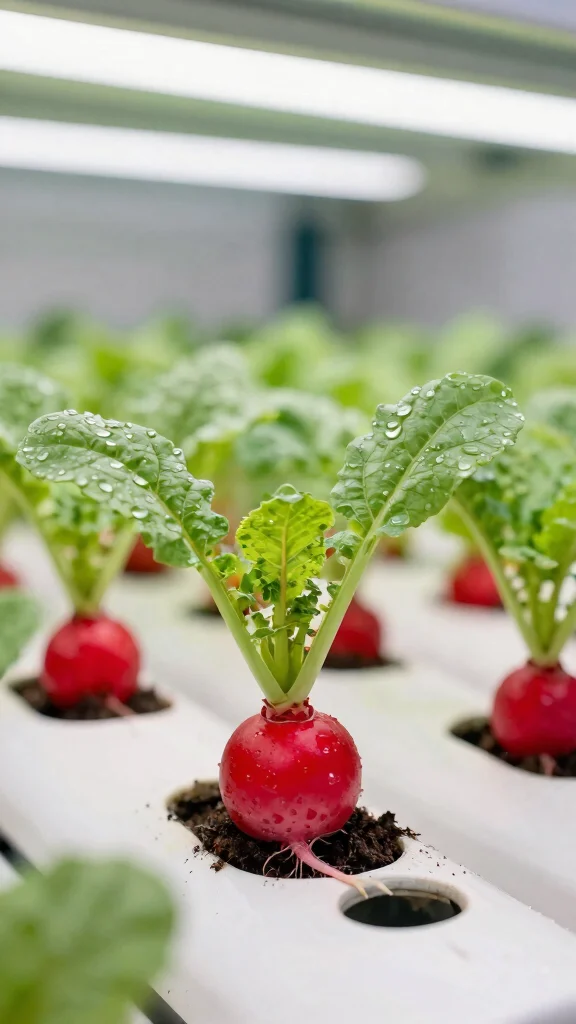
Looking for fast-growing veggies to satisfy your gardening itch? Radishes are a perfect choice! They sprout in as little as 3-4 weeks and are ideal for small spaces. With their crisp texture and peppery flavor, they can add a refreshing crunch to your salads.
These little gems are low-maintenance and can brighten up your indoor garden in no time!
Ingredients:
– Radish seeds
– Potting soil
– Containers with drainage
– Water
Instructions:
1. Fill containers with potting soil, keeping it moist but not soggy.
2. Plant seeds in rows, spacing them about an inch apart.
3. Water gently to avoid washing away the seeds.
4. Place in a well-lit area, ideally with 12 hours of light daily.
5. Harvest when radishes are about the size of a marble.
FAQs:
– Can I grow radishes in smaller pots? Yes, they require minimal space and can thrive in compact containers.
– Can I plant them with other vegetables? Yes, they work well with many other plants, helping to maximize your space.
You might also like
Radishes: Quick and Crunchy
Editor’s Choice
Utopia Home Plant Pots Indoor with Drainage Holes – Set of 5 White Pla…
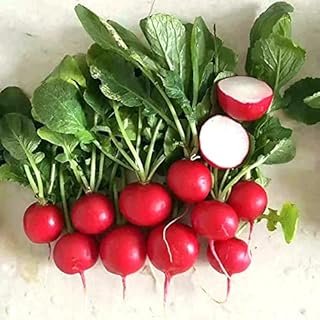
Cherry Belle Radish Seeds – 500+ Non-GMO Heirloom, Fast Growing, Round, …
Miracle-Gro Indoor Potting Mix for All Plants, Use with Houseplants and …
6. Green Onions: Regrow Your Scraps
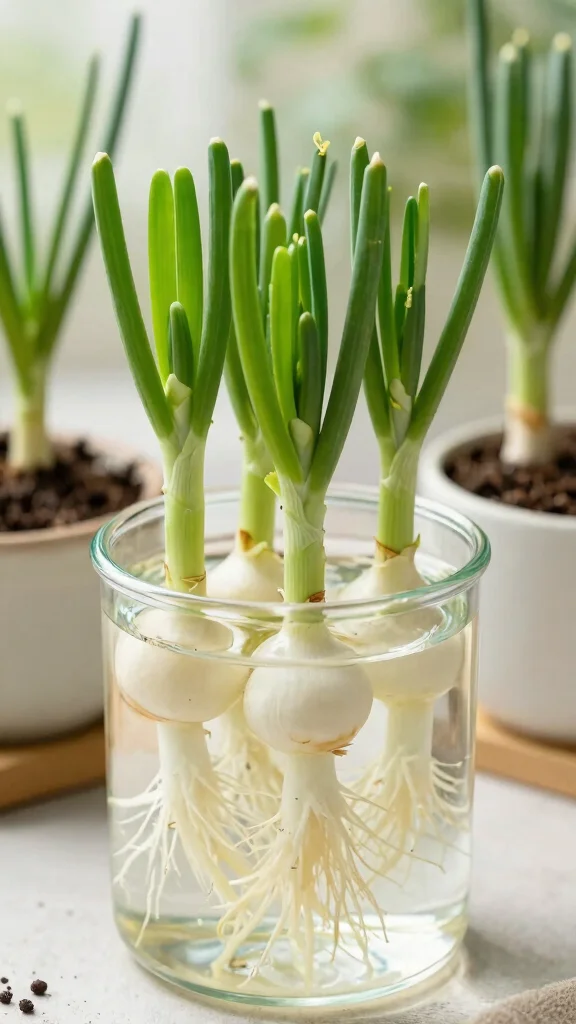
Have leftover green onions from your last meal? You can easily regrow them from scraps! Just place the white roots in water, and watch them sprout new green tops in no time. It’s a fun and sustainable way to have a fresh supply on hand!
You can also grow them in soil if you prefer. Either way, they require minimal effort and space, making them perfect for any indoor gardener.
Ingredients:
– White roots of green onions
– Water (for regrowing)
– Potting soil (if planting)
Instructions:
1. Place the white roots in a glass of water, submerging the roots but not the green parts.
2. Change the water every few days to keep it fresh.
3. If planting, place the roots in moist potting soil.
4. Provide bright, indirect sunlight for best growth.
5. Snip off the green tops as needed, allowing them to regrow continuously.
FAQs:
– Can I grow them without soil? Yes, they thrive well in just water.
– Can I use store-bought green onions? Absolutely! Just ensure they have roots attached.
Did you know you can regrow green onions from scraps in as little as 7–10 days indoors year round? Just place the white roots in water and watch new green tops surge up—fresh supply right at home, with virtually zero waste.
📹 Related Video: How To Regrow Green Onions…And Beyond!
Green Onions: Regrow Your Scraps
Editor’s Choice
Miracle-Gro Indoor Potting Mix for All Plants, Use with Houseplants and …
Ahopegarden Indoor Garden Hydroponics Growing System: 10 Pods Plant Germ…
10 Plant Growing Trays,Plant Tray, Seed Tray, Seedling Tray, Propagation…
7. Beets: A Colorful Addition
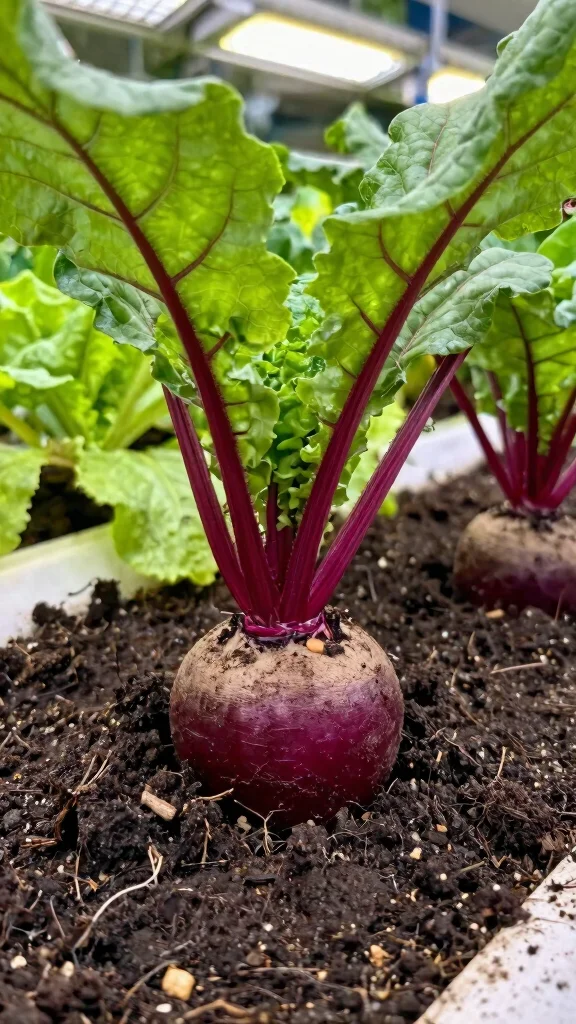
Want to add a splash of color to your indoor garden? Beets are not only visually stunning with their deep purple-red hue, but they also offer a wealth of nutrients. These root vegetables can thrive indoors, given the right space and light conditions.
Plus, both the root and the greens are edible, giving you double the harvest!
Ingredients:
– Beet seeds
– Potting soil
– Containers with drainage
– Water
Instructions:
1. Fill containers with loose, well-draining potting soil.
2. Plant seeds about 2-3 inches apart and cover lightly with soil.
3. Water gently to moisten the soil without flooding it.
4. Place in a sunny spot with at least 6 hours of sunlight.
5. Harvest when beets are about the size of a golf ball, and enjoy the greens as well.
FAQs:
– Can I grow beets in shallow containers? Yes, just ensure they have enough space to develop.
– Can I eat the greens? Yes, beet greens are nutritious and delicious!
Fun fact: beets are among the best vegetables to grow indoors year round, delivering a double harvest of roots and nutrient-packed greens. When you give them enough light and a roomy container, beets thrive indoors in hydroponics, adding color and nutrition to every meal.
Beets: A Colorful Addition
Editor’s Choice
HOME GROWN Detroit Dark Red Beet Seeds 500+ Heirloom Non GMO Seeds for P…
YNNICO Indoor Self Watering Planters with Drainage Holes and Saucers, 8,…
Burpee, 9 Quarts | Premium Organic Potting Natural Soil Mix Food Ideal f…
8. Sprouts: Nutritional Powerhouses
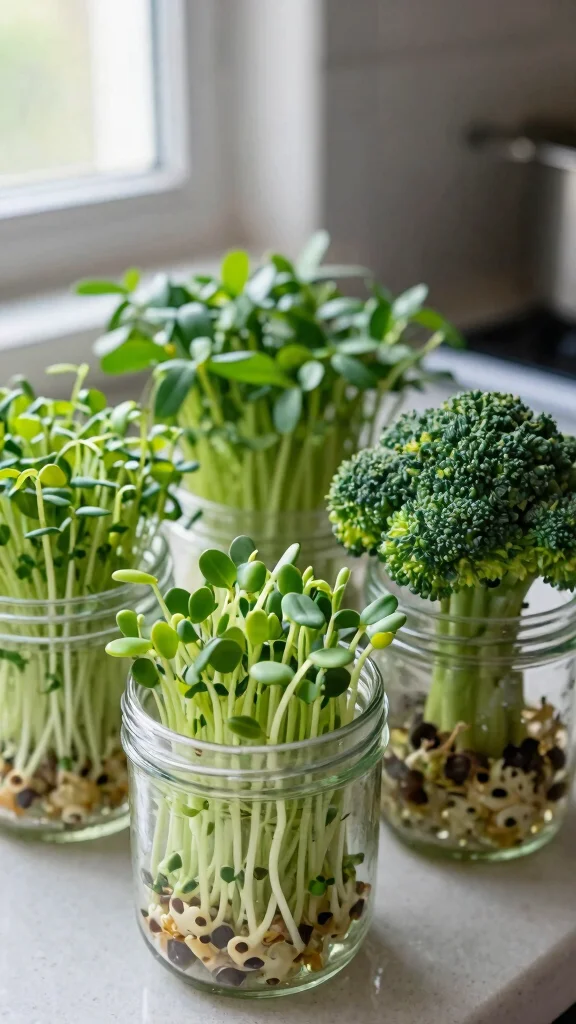
Looking for a quick and nutritious addition to your meals? Sprouts are packed with vitamins and can be grown in just days! Varieties like alfalfa and broccoli sprouts are easy to cultivate indoors, making them a perfect choice for any kitchen.
They add a crunchy texture to salads, sandwiches, and smoothies, bringing freshness to your dishes.
Ingredients:
– Seeds of alfalfa or broccoli
– Jars or sprouting trays
– Water
Instructions:
1. Rinse seeds before placing them in jars or trays.
2. Cover with a breathable lid or cheesecloth.
3. Rinse and drain the seeds 2-3 times a day to keep them moist.
4. Keep them in a dark area until they sprout, then move them to indirect light.
5. Harvest when they reach your desired length, usually within a week.
FAQs:
– Can I grow sprouts without special equipment? Yes, jars work perfectly fine for sprouting.
– Can I eat them raw? Yes, they are safe to eat raw and add great flavor!
You Might Also Like
Sprouts: Nutritional Powerhouses
Editor’s Choice
NOW Foods, Organic Alfalfa Seeds For Sprouting, Grown in the USA, Certif…
Seed Sprouting Jar Kit – 2 Wide Mouth Mason Jars with 316 Stainless Stee…
Legigo 5 Pack Seed Sprouter Trays with Lids- Soil-Free Cultivation Germi…
9. Cucumbers: Refreshing and Crisp
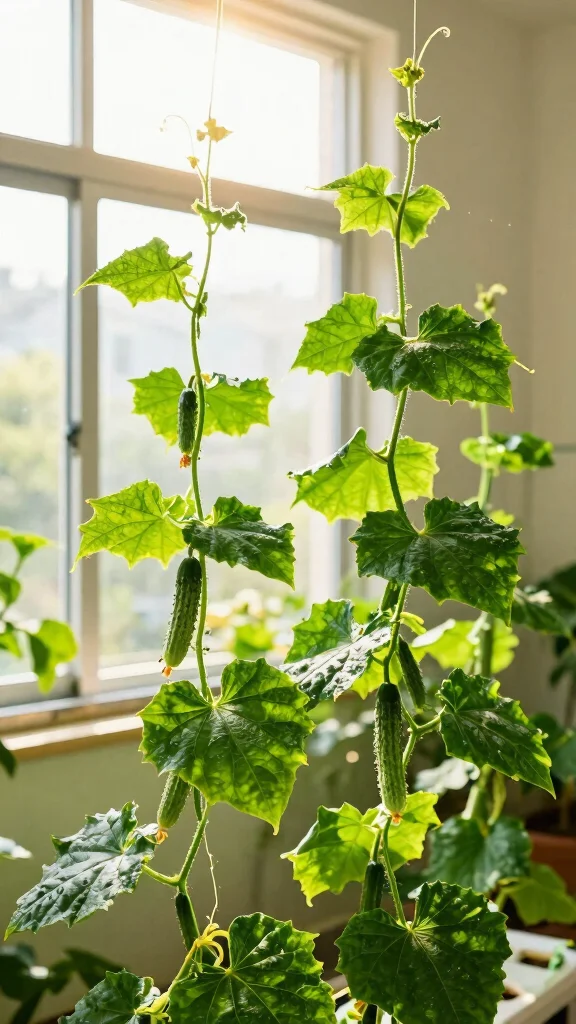
Do you love the taste of fresh cucumbers? Growing them indoors can be a rewarding project! These refreshing veggies thrive in warm conditions and plenty of light, making them a delightful addition to your indoor garden.
With the right care, you’ll be enjoying crisp cucumbers in your salads and snacks all year long!
Ingredients:
– Cucumber seeds
– Potting soil
– Containers with drainage
– Trellis or cage for support
– Water
Instructions:
1. Fill containers with potting soil and plant seeds about 1 inch deep.
2. Water gently and place in a warm, well-lit area.
3. Use a trellis or cage for support as they grow.
4. Keep the soil evenly moist without waterlogging.
5. Harvest when cucumbers are small and firm for the best flavor.
FAQs:
– Can I grow cucumbers in small pots? Yes, just ensure they have enough support.
– Can I use store-bought cucumbers for seeds? It’s best to use seeds specifically for planting to ensure successful growth.
Ongoing Maintenance & Care Guide
Maintenance Schedule:
Daily/Weekly Tasks:
– Check Light Levels: Ensure your indoor garden gets 12-16 hours of light daily. Adjust grow lights if needed. ⏱ Estimate: 10 minutes
– Watering: Water your plants when the top inch of soil feels dry. Overwatering can harm roots. ⏱ Estimate: 15 minutes
– Observe Plant Health: Look for pests or yellowing leaves. Early detection is key. ⏱ Estimate: 5 minutes
– Rotate Plants: Rotate pots every week to ensure even light distribution. 🌞 ⏱ Estimate: 10 minutes
Monthly/Seasonal Tasks:
– Fertilizing: Use a balanced liquid fertilizer every month to enrich your soil. Follow instructions on the bottle. ⏱ Estimate: 20 minutes
– Pruning: Trim dead or yellow leaves and check for overcrowding. This encourages healthy growth. ✂️ ⏱ Estimate: 30 minutes
– Refresh Soil: Replace the top inch of soil every few months to boost nutrients. Use fresh, organic soil for best results. ⏱ Estimate: 45 minutes
– Deep Cleaning: Wipe down pots and surfaces to prevent mold and pests. Clean your tools as well. 🧼 ⏱ Estimate: 30 minutes
– Check Water Levels in Hydroponic Systems: If you’re using hydroponics, monitor water levels and replace it monthly. ⏱ Estimate: 15 minutes
Maintenance Summary Table:
| Task | Frequency | Difficulty | Time Needed |
|—————————–|—————–|————-|—————|
| Check Light Levels | Daily | Easy | 10 minutes |
| Watering | Weekly | Easy | 15 minutes |
| Observe Plant Health | Daily | Easy | 5 minutes |
| Rotate Plants | Weekly | Easy | 10 minutes |
| Fertilizing | Monthly | Easy | 20 minutes |
| Pruning | Monthly | Moderate | 30 minutes |
| Refresh Soil | Every 3 months | Moderate | 45 minutes |
| Deep Cleaning | Monthly | Easy | 30 minutes |
| Check Water Levels | Monthly | Easy | 15 minutes |
Common Issues to Watch For:
⚠️ Yellow Leaves: This can indicate overwatering or a lack of nutrients. Check soil moisture and consider adding fertilizer.
⚠️ Wilting Plants: If leaves droop or wilt, your plants might need more water. Make sure they are hydrated!
⚠️ Pest Infestation: Look for tiny bugs or webs. Use insecticidal soap immediately if you notice any pests. Treating early prevents bigger problems.
⚠️ Mold Growth: If you see fuzzy white spots, it may be mold from excess moisture. Improve air circulation and reduce watering.
⚠️ Slow Growth: If your plants aren’t thriving, check light levels and nutrients. They may need more light or fertilizer.
Care Tips:
💡 Group Plants Together: This helps maintain humidity. Some plants thrive better in a mini ecosystem.
💡 Choose the Right Containers: Make sure pots have drainage holes. This prevents water from sitting, which can lead to root rot.
💡 Use Quality Grow Lights: Invest in full-spectrum LED lights. They mimic sunlight and help your plants grow better indoors. 🌟
💡 Watch Humidity Levels: Most indoor veggies prefer humidity levels around 40-60%. A small humidifier can help in dry environments.
💡 Keep Records: Track your watering and fertilizing schedule. This helps you remember what works best for your plants.
With this ongoing maintenance and care guide, you’re well-equipped to keep your indoor vegetable garden thriving year-round. Happy gardening! 🌱
Cucumbers: Refreshing and Crisp
Editor’s Choice
Wooden Ladder Plant Trellis for Climbing Plants – 6ft Extra Tall Indoo…
HOME GROWN Organic Marketmore Cucumber Seeds 200+ Heirloom Non-GMO Seeds…
Miracle-Gro Indoor Potting Mix for All Plants, Use with Houseplants and …
Conclusion
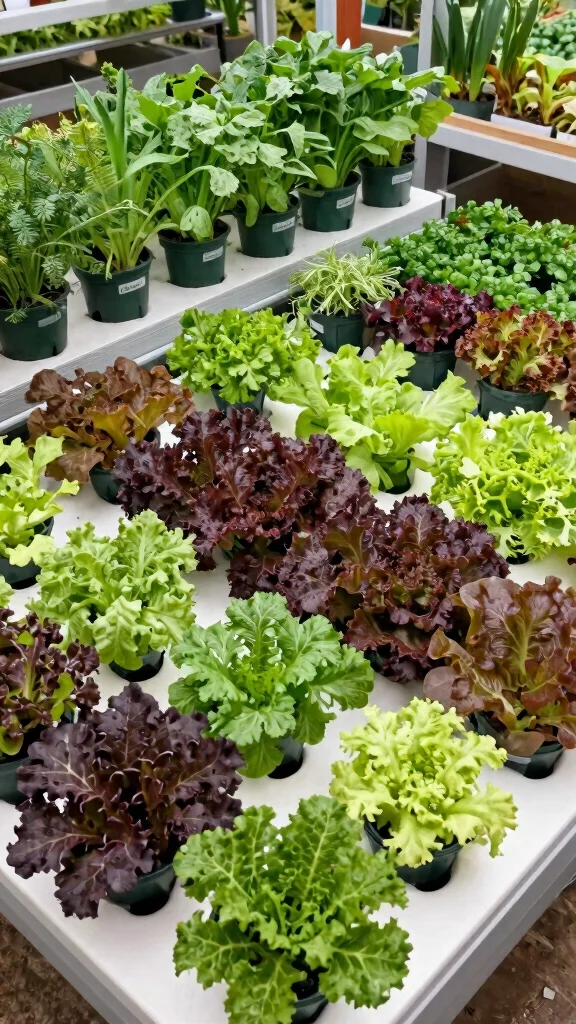
Indoor vegetable gardening opens up new possibilities for fresh produce, no matter the season. From leafy greens to vibrant peppers, you can cultivate a variety of vegetables right at home. With a little creativity and the right setup, your indoor garden can be a source of joy, beauty, and nourishment.
So, what are you waiting for? Start your gardening journey today and enjoy the many benefits of fresh, home-grown vegetables year-round!
Note: We aim to provide accurate product links, but some may occasionally expire or become unavailable. If this happens, please search directly on Amazon for the product or a suitable alternative.
This post contains Amazon affiliate links, meaning we may earn a small commission if you purchase through our links, at no extra cost to you.
Frequently Asked Questions
What are the best vegetables to grow indoors year round in a hydroponic system?
For year round indoor hydroponics, choose crops that are compact, fast growing, and tolerant of controlled conditions. The best vegetables to grow indoors year round include leafy greens like lettuce, spinach, kale, and Swiss chard; herbs such as basil, cilantro, and parsley; quick turnover root crops like radishes and green onions; plus compact fruiting varieties like cherry tomatoes and small peppers or cucumbers trained on a trellis. These crops fit well with indoor vegetable gardening and offer practical year-round gardening tips for steady harvests. To succeed, start with a simple system, provide strong full-spectrum grow lights, keep temperatures around 65-75°F, and regularly monitor pH and nutrients in your hydroponic reservoir.
How do I set up an indoor hydroponic garden for year-round vegetable growing?
Begin with a plan: decide on your space, choose a system type (deep water culture, NFT, or drip in ebb and flow), and pick a reliable grow light with full-spectrum output. Set a timer for 12-16 hours of light daily, and choose a growing medium (rockwool, coco coir, or clay pebbles) plus a reservoir with a balanced nutrient mix. Ensure good air circulation with a small fan, keep daytime temps around 65-75°F and humidity roughly 40-60%, and maintain pH about 5.5-6.5 with appropriate EC levels. Regularly sanitize the reservoir and refresh nutrients, then transplant seedlings or seeds into your system and train vines as needed. With careful planning, you can build an effective indoor garden setup for year-round harvests of best indoor vegetables.
Which vegetables are easiest for beginners in indoor vegetable gardening and why?
Start with forgiving, fast-growing crops: leafy greens like lettuce, spinach, kale, and Swiss chard; herbs such as basil, cilantro, and parsley; quick-to-harvest roots like radishes and green onions; and compact fruiting plants like cherry tomatoes or small peppers if you have enough light. These crops are well-suited to indoor environments, adapt well to indoor vegetable gardening, and align with practical year-round gardening tips for beginners. They provide rapid feedback, helping new growers build confidence while learning to manage light, nutrients, and environmental control.
What lighting and environmental conditions do I need for successful year-round indoor gardening?
Prioritize a full-spectrum LED grow light system that covers the canopy evenly. Most leafy greens and herbs do best with 12-16 hours of light per day; fruiting crops may need the upper end of that range. Keep daytime temperatures around 65-75°F (18-24°C) and nights a bit cooler. Humidity around 40-60% works for most vegetables, with good air movement to prevent mold and mildew. Check light intensity and adjust height as plants grow, and monitor nutrient delivery and pH regularly to maintain steady growth in your indoor garden setup.
What common mistakes should I avoid when growing vegetables indoors year round?
Avoid underestimating light or overwatering. Don’t ignore pH and nutrient monitoring, as improper balance can lock out nutrients. Ensure good air circulation to prevent mold, pests, and root issues, and keep reservoirs clean with regular nutrient refreshes. Don’t mix soil-based practices with hydroponics unless you’re prepared for different nutrient needs. Plan for succession planting and crop rotation to keep a steady supply of greens and others, and keep a neat, labeled space so you can scale your indoor vegetable gardening effort without confusion.
Related Topics
indoor vegetable gardening
hydroponic setup
best indoor vegetables
year-round gardening
beginner friendly
easy care plants
space-saving gardening
container gardening
sustainable living
growing vegetables indoors
home gardening tips
indoor garden design