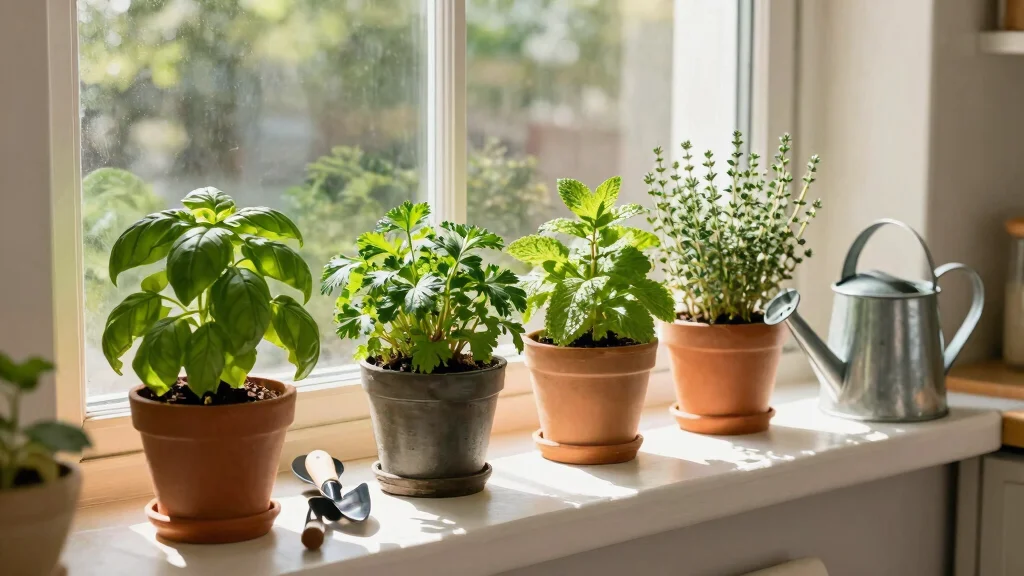
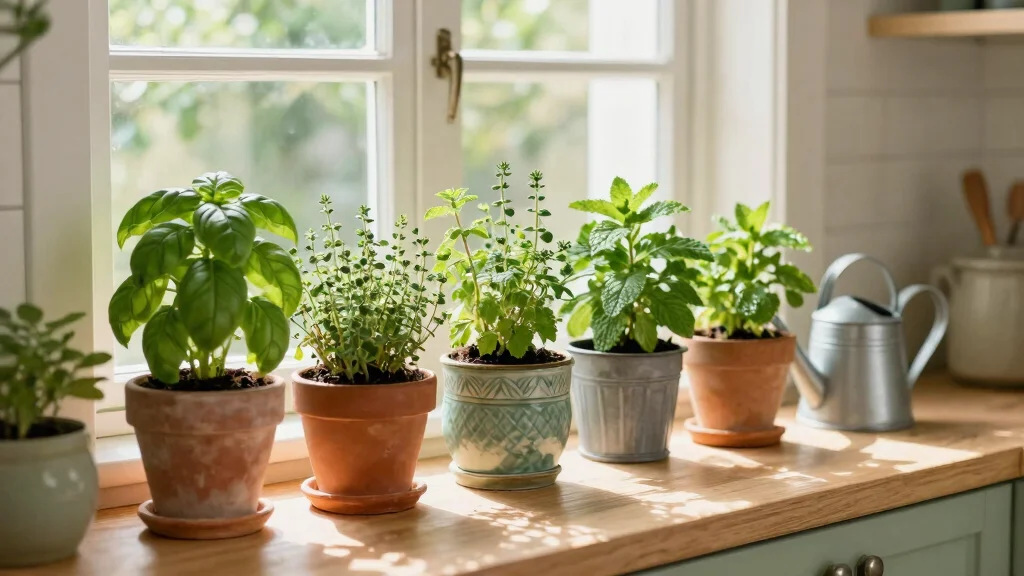
If you’ve been longing for fresh flavors in your cooking, you’re not alone. The idea of growing your own herbs on a windowsill has been on my mind lately. There’s something truly satisfying about snipping a few leaves from a vibrant plant and adding them to your dish. Plus, who wouldn’t want the convenience of fresh ingredients at their fingertips, right?
This post is for anyone who loves to cook or wants to start incorporating more fresh herbs into their meals. Whether you’re a seasoned chef or a kitchen novice, having herbs on hand can elevate your dishes without much effort. If you’re interested in indoor herb gardening or looking for easy herbs to grow, you’re in the right place.
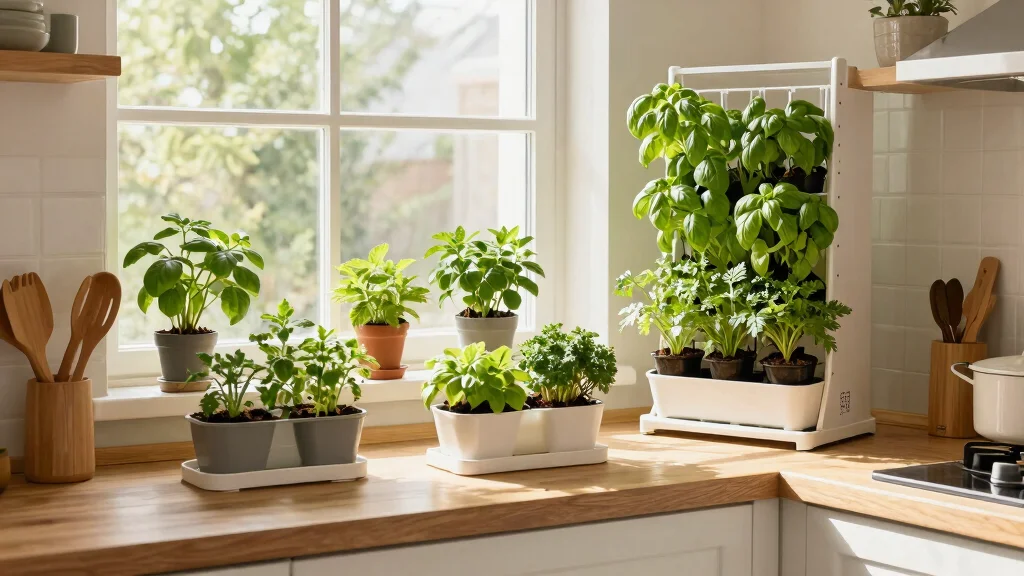
In this guide, I’ve gathered 9 herbs to grow on a windowsill year-round. These plants are not only easy to care for but also pack a punch of flavor. You’ll discover practical tips and insights that will help you create a mini herb garden in your home, no matter how small your space is. Let’s dive in and explore how to bring freshness right to your kitchen!
Key Takeaways
– Growing herbs on your windowsill is a great way to have fresh flavors available whenever you need them.
– The herbs listed are easy to care for, making them perfect for beginners in indoor herb gardening.
– Many of these herbs thrive in small containers, maximizing your kitchen space.
– Regularly harvesting herbs encourages healthy growth, so don’t hesitate to use them!
– You can enjoy these herbs year-round, ensuring that your cooking remains flavorful no matter the season.
1. Basil – The Culinary Star
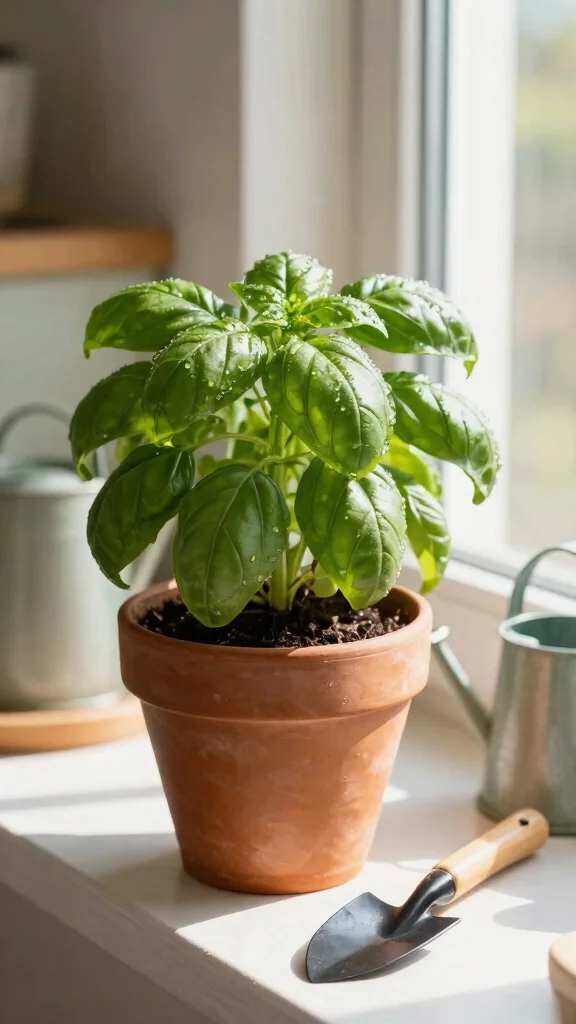
Are you dreaming of that fresh, aromatic flavor in your dishes? Basil is your go-to herb! Its sweet and slightly peppery taste makes it a staple in Italian cuisine, and it’s incredibly easy to grow on your windowsill with just a little sunlight.
To thrive, basil needs well-drained soil and plenty of light—aim for at least 6 hours on a south-facing windowsill. Regular pruning will keep your basil bushy and flavorful, while also preventing it from flowering, which can make the leaves bitter. You’ll love how simple it is to snip off fresh leaves whenever you need them.
Here are some tips for growing basil successfully:
– Water when the top inch of soil feels dry.
– Pair it with tomatoes for an excellent companion planting.
– Use fresh basil in salads, sauces, and pizzas to enhance flavors.
Not only is basil easy to care for, but its vibrant green leaves will also brighten up your kitchen!
Ongoing Maintenance & Care Guide
Maintenance Schedule:
Daily/Weekly Tasks:
– Check Moisture Levels: Feel the soil. If it’s dry to the touch, it’s time to water. This takes about 5 minutes.
– Rotate Pots: Turn your pots every week to ensure even sunlight exposure. This takes about 2 minutes.
– Prune Leaves: Remove any dead or yellowing leaves to promote healthy growth. This can take about 10 minutes.
Monthly/Seasonal Tasks:
– Fertilize Plants: Use a balanced liquid fertilizer every month during the growing season. This usually takes about 15 minutes.
– Repot as Needed: Check for root crowding and repot if necessary, typically every 6 months. This task can take about 30 minutes.
– Pest Inspection: Look for signs of pests like aphids or spider mites. This inspection can take about 10 minutes.
– Deep Watering: Water deeply once a month to encourage strong roots. This requires about 20 minutes.
– Clean Containers: Wipe down pots to prevent mold and bacteria build-up. This takes about 15 minutes.
Maintenance Summary Table:
| Task | Frequency | Difficulty | Time Needed |
|————————–|—————-|——————|————–|
| Check Moisture Levels | Daily/Weekly | Easy | 5 minutes |
| Rotate Pots | Weekly | Easy | 2 minutes |
| Prune Leaves | Weekly | Easy | 10 minutes |
| Fertilize Plants | Monthly | Moderate | 15 minutes |
| Repot as Needed | Every 6 months | Moderate | 30 minutes |
| Pest Inspection | Monthly | Moderate | 10 minutes |
| Deep Watering | Monthly | Moderate | 20 minutes |
| Clean Containers | Monthly | Easy | 15 minutes |
Common Issues to Watch For:
⚠️ Yellowing Leaves: This can indicate overwatering or lack of nutrients. Check soil moisture and consider fertilizing.
⚠️ Wilting Plants: If leaves are drooping, the plant may be underwatered. Check soil; if it’s dry, give it a good drink.
⚠️ Pest Infestation: Look for visible pests like aphids or webbing. Remove pests by rinsing plants with water or using insecticidal soap.
⚠️ Slow Growth: If your herbs aren’t thriving, check light exposure and consider moving them to a sunnier spot.
⚠️ Mold or Fungal Growth: This suggests overwatering or poor air circulation. Allow soil to dry out and improve airflow around plants.
Care Tips:
💡 Use Good Soil: Choose well-draining soil designed for herbs. This helps prevent root rot and promotes healthy growth.
💡 Maintain Ideal Light: Most herbs need at least 6 hours of sunlight daily. Place your herbs on the sunniest windowsill. If sunlight is limited, consider grow lights.
💡 Water Wisely: Water when the top inch of soil feels dry. It’s better to underwater than overwater your herbs.
💡 Harvest Regularly: Pick leaves regularly to encourage new growth. This keeps your herbs bushy and productive. Don’t hesitate to use them in your cooking!
💡 Group Plants Together: Placing your herbs close can create a humid microclimate that benefits their growth. Just ensure they all have similar light and water needs.
By following this ongoing maintenance and care guide, you’ll keep your indoor herb garden thriving year-round. Enjoy the fresh flavors and aromas of your homegrown herbs right from your windowsill!
Basil – The Culinary Star
Editor’s Choice
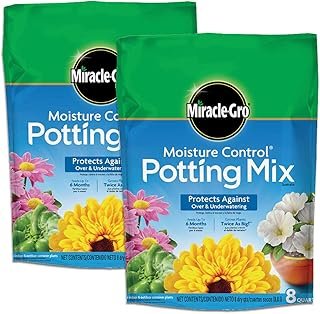
Miracle-Gro Moisture Control Potting Mix – Plant Soil For Container Plan…

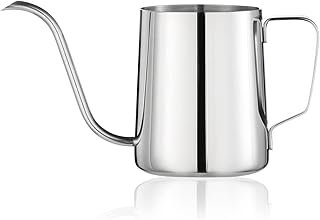
Small Watering Can for Indoor Plants, Mini Indoor Watering Can with Long…
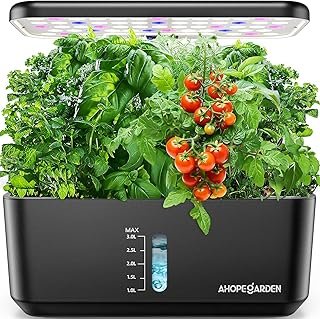
Ahopegarden Indoor Garden Hydroponics Growing System: 10 Pods Plant Germ…
2. Parsley – The Versatile Garnish
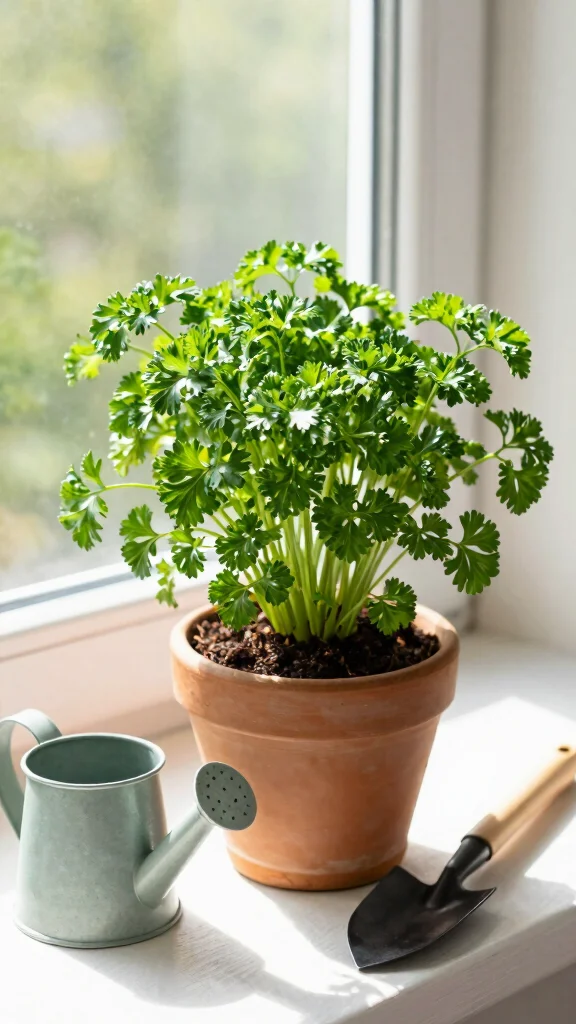
Do you want to add a burst of freshness to your meals? Parsley is the herb you need! This versatile ingredient elevates everything from soups to salads, making it a flavor powerhouse in your kitchen.
It thrives in partial shade, so even if your windowsill doesn’t get full sun, parsley can flourish. Ensure it’s planted in well-draining soil and water it regularly, allowing the top layer to dry out between watering. You can easily harvest the outer leaves as needed, and it will keep growing back for you.
Maximize your parsley use with these tips:
– Grow both curly and flat-leaf varieties for different tastes.
– Enjoy its rich vitamins A, C, and K benefits.
– Sprinkle freshly chopped parsley on nearly any dish for added flavor.
Growing parsley is rewarding and adds a lovely touch of green to your indoor herb garden!
Parsley proves you don’t need full sun to flavor every dish—just a little care. Keep well-draining soil, water when the top dries, and snip outer leaves as needed for salads and soups. With this easy herb, your windowsill becomes a flavor powerhouse year-round.
Parsley – The Versatile Garnish
Editor’s Choice
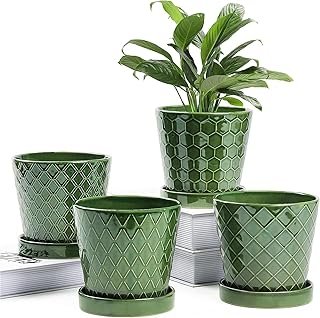
BUYMAX Plant Pots Indoor –5 inch Ceramic Flower Pot with Drainage Hole…
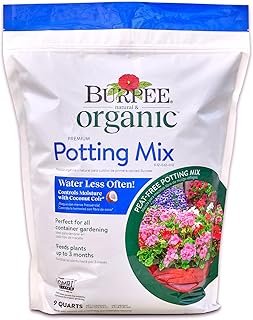
Burpee, 9 Quarts | Premium Organic Potting Natural Soil Mix Food Ideal f…
Ahopegarden Indoor Garden Hydroponics Growing System: 10 Pods Plant Germ…
3. Mint – Refreshing and Fragrant
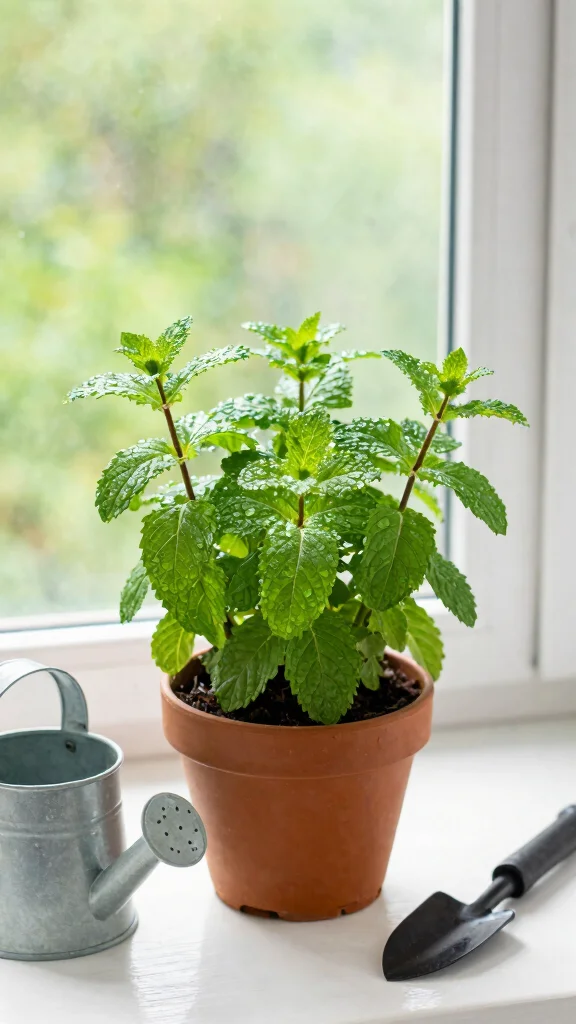
Craving a refreshing burst of flavor in your drinks and dishes? Mint is the perfect herb for you! Its distinctive aroma and taste can elevate everything from iced tea to savory meals.
Mint grows best in a pot since it can spread quickly if planted in the ground. Place your mint where it gets 4-6 hours of sunlight and keep the soil moist to maintain its fragrance. Regular pruning helps it stay bushy and flavorful.
Here are some ways to enjoy mint:
– Fresh mint enhances mojitos, smoothies, and salads.
– Brew it into soothing mint tea after a long day.
– Keep it in a pot to manage its growth easily.
With its vibrant green leaves, mint not only enriches your culinary creations but also adds a refreshing touch to your windowsill garden.
Mint – Refreshing and Fragrant
Editor’s Choice
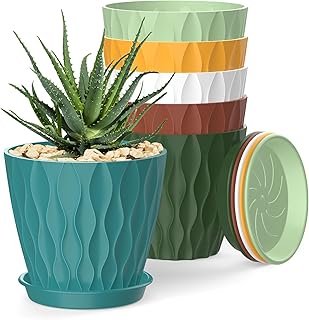
4 Inch Plant Pots, 6 Pack Indoor Flower Pots, Planters with Drainage Hol…
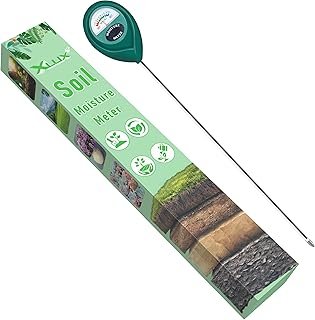
XLUX Long Probe Deep Use Soil Moisture Meter, Water Monitor Indicator Se…
LIVINGO Precision Garden Pruning Shears – Straight Blade Floral Scissors…
4. Thyme – The Aromatic Essential
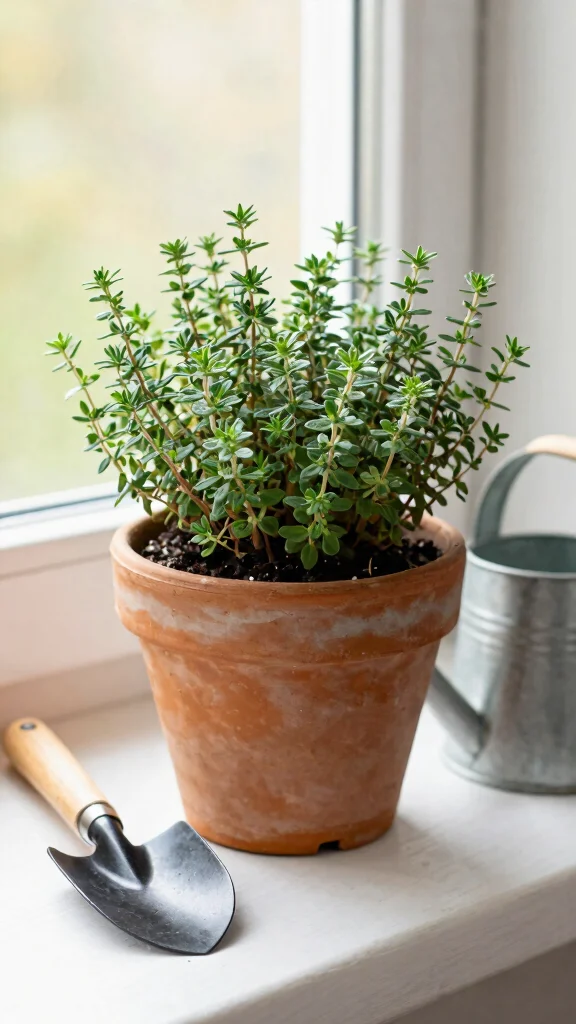
Looking to add a rich, earthy flavor to your meals? Thyme is the herb you need! It’s easy to grow indoors and can thrive in various lighting conditions, making it perfect for less sunny windows.
Thyme prefers well-draining soil and should be watered when it feels dry to the touch. This low-maintenance plant doesn’t require much care—just trim it back regularly for new growth.
To enjoy thyme, try these tips:
– Add it to roasted vegetables, meats, or soups for depth.
– Let some leaves dry on the plant for a lovely dried herb.
– Its compact nature makes it ideal for small spaces.
Thyme not only enhances your culinary dishes but also brings a charming aesthetic to your indoor garden!
Thyme – The Aromatic Essential
Editor’s Choice
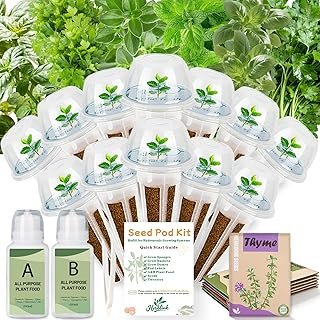
Herb Seed Pods Kit Hydroponic -12 Refill Grow Pods with 6-Packet Seeds o…
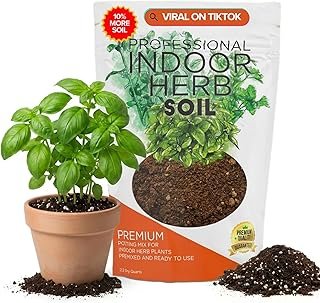
Professional Indoor Herb Soil Mix Large 2.2 Quarts Ready to Use, Premium…
Small Watering Can for Indoor Plants, Mini Indoor Watering Can with Long…
5. Chives – The Onion Alternative

Want a mild onion flavor to enrich your meals? Chives are the perfect indoor herb! They thrive in sunny spots and are incredibly forgiving in terms of care.
Chives prefer slightly drier soil, so let the top layer dry out between waterings. Regular trimming encourages fresh growth, keeping your plant looking tidy.
Here’s how to make the most of your chives:
– Use chopped chives in salads, omelets, and soups.
– They make a colorful garnish for your dishes.
– Chives do well in small pots, perfect for your windowsill.
With their vibrant green color and delicate flowers, chives not only provide flavor but also add beauty to your indoor herb garden!
Fun fact: Chives can be harvested as early as 3 weeks after planting when grown on a windowsill. They thrive in sunny spots and, with a dry-to-moist cycle, keep coming back. For herbs to grow on a windowsill, chopped chives brighten salads, omelets, and soups.
📹 Related Video: How to Grow Chives On A Windowsill From Seed (With Time lapse)
You might also like
Chives – The Onion Alternative
Editor’s Choice
2026 Upgraded Herb Scissors, Effortless Herb Shears Cutter Tool with Sha…
XLUX Long Probe Deep Use Soil Moisture Meter, Water Monitor Indicator Se…
PERFNIQUE Indoor Herb Garden, Herb Planter Set with Tray, Farmhouse Indo…
6. Oregano – The Mediterranean Favorite
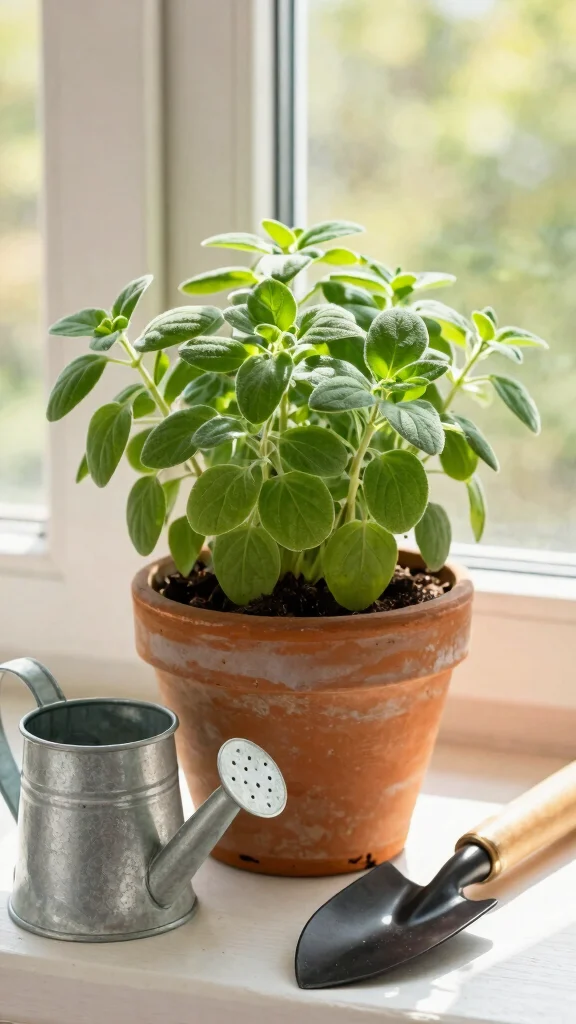
Are you ready to bring the Mediterranean flavor into your home? Oregano is a must-have for your indoor herb garden! Known for its strong, aromatic taste, it’s a staple in many Mediterranean dishes.
This hardy herb thrives in sunny conditions, so find a spot with plenty of light. Oregano prefers to dry out between waterings, so be cautious not to overwater. Harvesting is simple—just clip the stems as needed, and it will continue to grow.
Consider these tips for using oregano:
– Add it fresh to pasta sauces, pizzas, and grilled meats.
– Dried oregano serves as a great seasoning too.
– It can attract beneficial insects if grown outdoors.
Oregano not only enriches your meals but also brings a Mediterranean vibe to your kitchen!
Oregano – The Mediterranean Favorite
Editor’s Choice
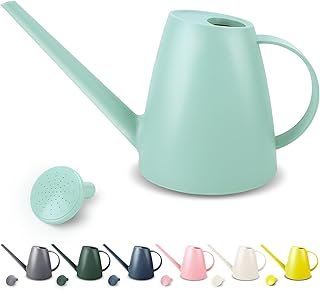
Watering Can for Indoor and Outdoor Plants – Long Spout Water Can for Ga…
7. Cilantro – The Flavorful Herb
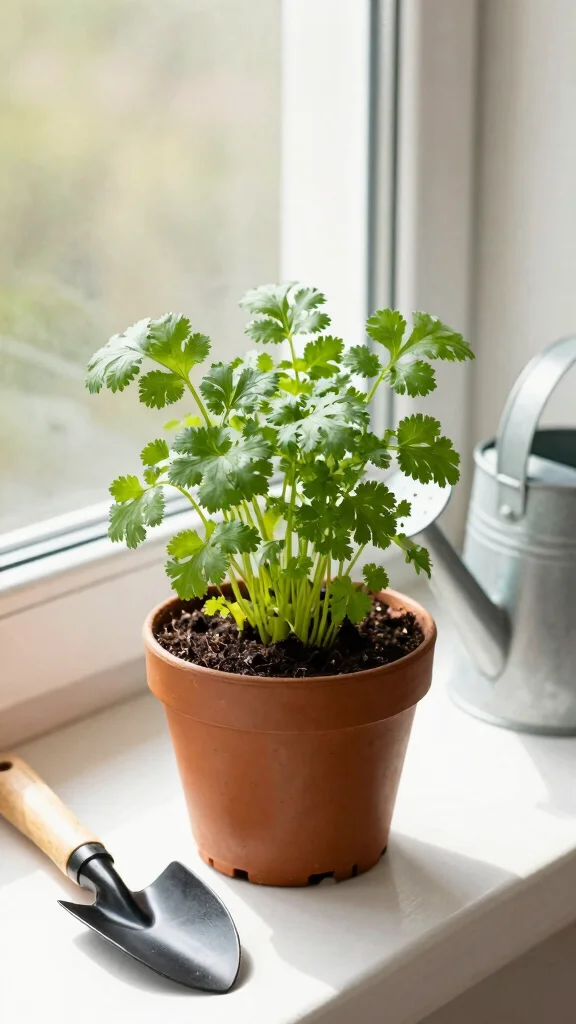
Do you love a burst of flavor in your dishes? Cilantro is the herb for you! Also known as coriander, it thrives in cooler temperatures, making it perfect for windowsills.
Cilantro needs about 4-5 hours of sunlight daily, but be cautious with direct heat. Water regularly to keep the soil moist but not soggy, and start harvesting once the leaves are large enough.
Here are some helpful tips for growing cilantro:
– Use it in salsas, salads, and as a garnish for Mexican dishes.
– Plant multiple pots for a continuous supply.
– Cilantro bolts quickly, so enjoy it while it lasts and replant as needed.
With its vibrant green leaves, cilantro adds an exotic flair to your indoor herb garden, transforming simple meals into culinary delights.
Fun Fact: Cilantro loves cool temps and is one of the easiest herbs to grow on a windowsill, needing just 4-5 hours of sun each day. Harvest leaves when they’re large enough for salsa, salads, or garnish.
Cilantro – The Flavorful Herb
Editor’s Choice
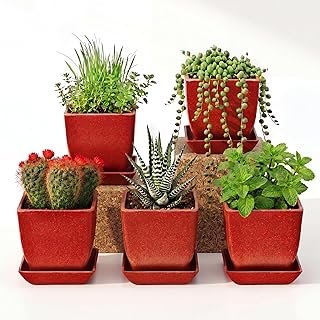
5 Pack 3.5 Inch Small Planter Pots with Drainage Holes and Saucers, Matt…
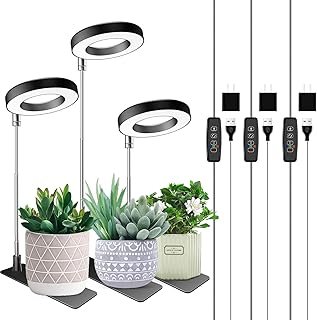
Aokrean Plant Grow Light, 48 LEDs Full Spectrum Grow Lights for Indoor P…
XLUX Long Probe Deep Use Soil Moisture Meter, Water Monitor Indicator Se…
8. Sage – The Hearty Herb
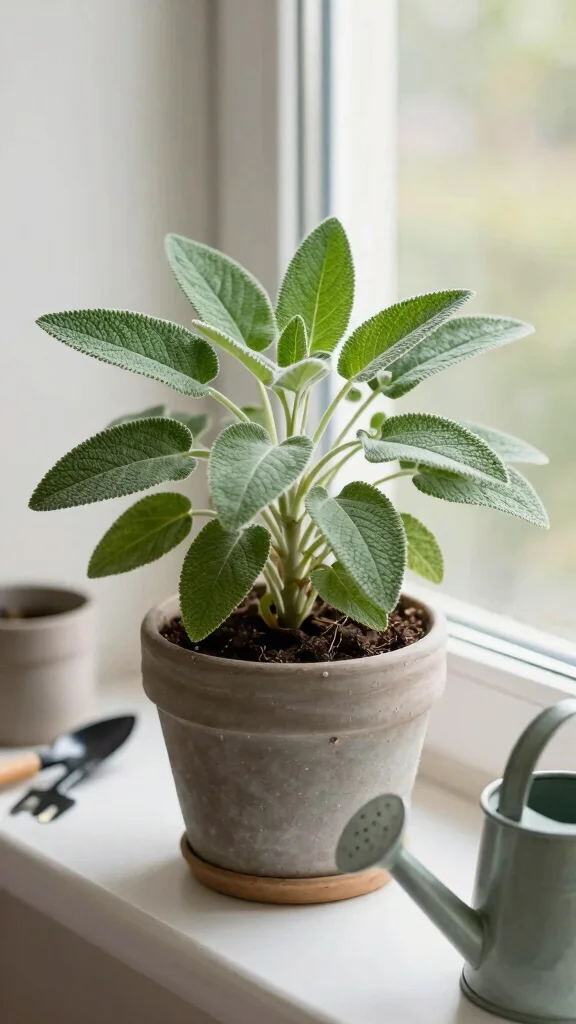
Craving an earthy flavor that enhances your cooking? Sage is an excellent choice! This hardy herb is easy to grow indoors and prefers bright, indirect light.
Sage enjoys dry conditions, so let the top layer of soil dry out before watering. If cared for properly, it can last for years.
To maximize your sage use, try these tips:
– Pair it with butternut squash and other root vegetables for a delightful dish.
– Dry it for later use, keeping its aromatic properties.
– Sage’s fuzzy leaves add unique texture to your indoor garden.
Sage not only enhances your culinary experience but also brings a rustic charm to your kitchen!
You Might Also Like
Sage – The Hearty Herb
Editor’s Choice
Gift for Women, Mom, Her – 9 Herb Indoor Window Garden Kit | Complete …
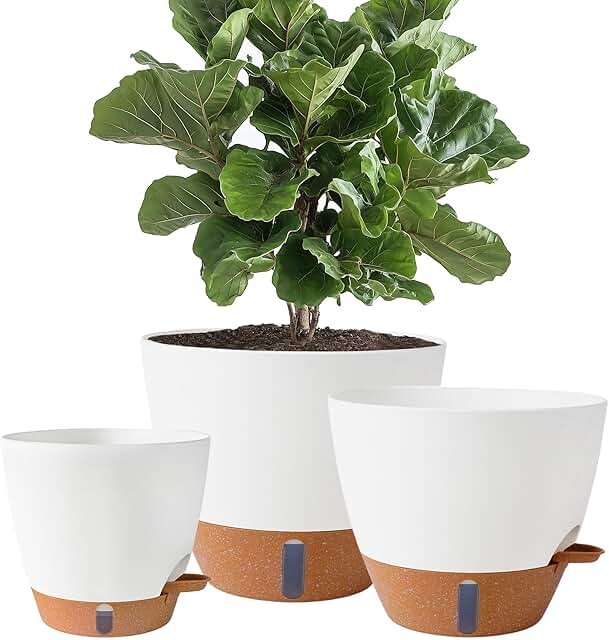
8/10/12 Inch Self Watering Pots for Indoor/Outdoor Plants – Large Plasti…
SNTD Dish Drying Rack, Expandable Dish Rack for Kitchen Counter, Stainle…
9. Lemon Balm – The Calming Herb
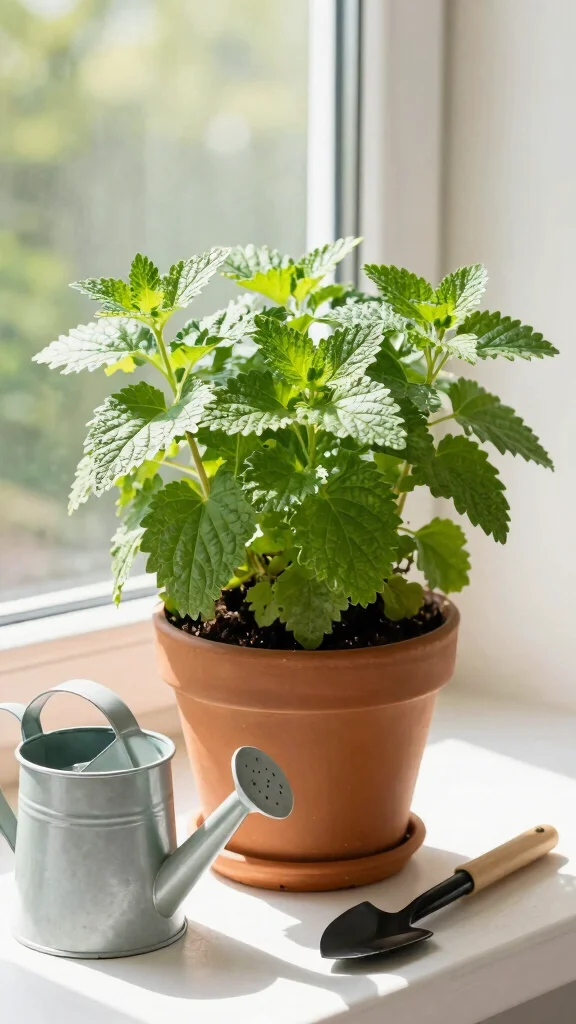
Looking for a herb that soothes and refreshes? Lemon balm is the perfect choice! Its delightful lemony aroma not only smells amazing but also has calming properties, making it ideal for tea and various dishes.
This herb loves bright light, so place it in a sunny spot on your windowsill. Keep the soil moist but well-drained, and be sure to trim it back regularly to promote fuller growth.
Here’s how to enjoy lemon balm:
– Steep it in hot water for a refreshing tea.
– Add it to salads or as a garnish for desserts.
– Incorporate it into homemade sauces for an extra flavor boost.
With its lovely aroma and lush greenery, lemon balm not only enhances your culinary adventures but also adds a soothing presence to your indoor garden!
Lemon Balm – The Calming Herb
Editor’s Choice
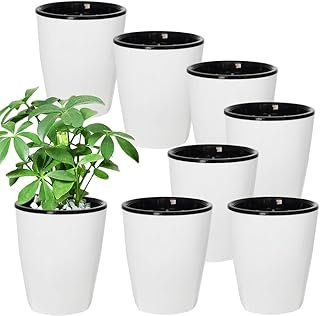
OJYUDD 8 Pack 4 Inch Self Watering Plastic Planter with Inner Pot White …
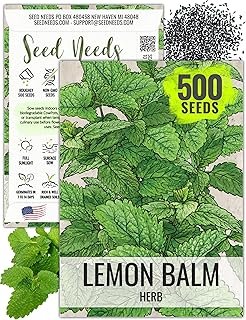
Seed Needs Lemon Balm Seeds for Planting – Non-GMO, Heirloom & Untreated…
Ahopegarden Indoor Garden Hydroponics Growing System: 10 Pods Plant Germ…
Conclusion
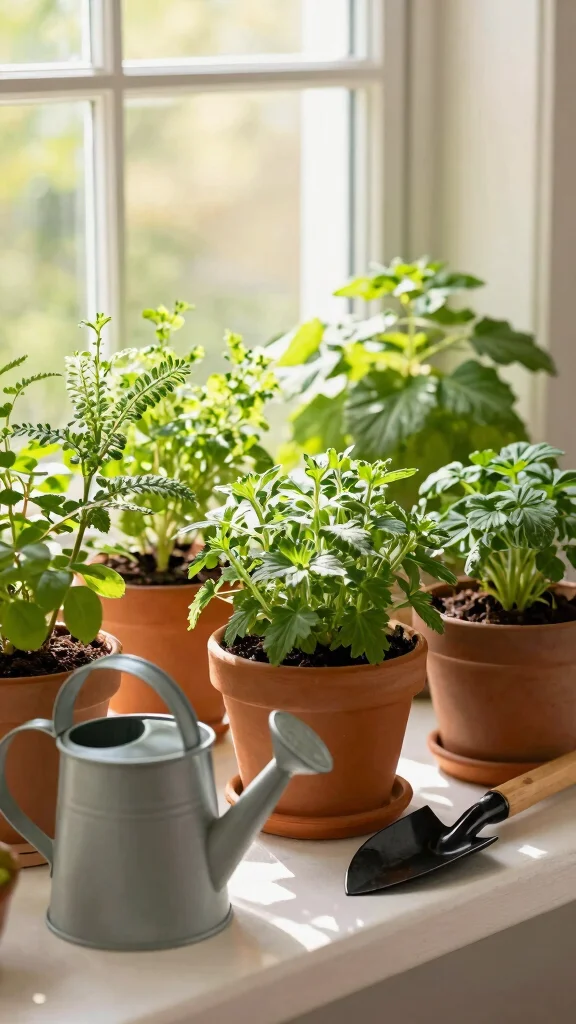
Growing herbs on your windowsill is not only a way to elevate your cooking but also adds life and greenery to your space. The beauty of indoor herb gardening lies in its simplicity and the joy it brings to your culinary endeavors.
From the aromatic basil to the refreshing mint, each herb has its unique qualities that can enhance dishes while brightening your kitchen. So gather your pots, find a sunny spot, and start your indoor herb garden today!
Happy gardening!
Note: We aim to provide accurate product links, but some may occasionally expire or become unavailable. If this happens, please search directly on Amazon for the product or a suitable alternative.
This post contains Amazon affiliate links, meaning we may earn a small commission if you purchase through our links, at no extra cost to you.
Frequently Asked Questions
Question: What are the best herbs to grow on a windowsill year round?
For a reliable year-round windowsill garden, start with these easy herbs to grow on a windowsill: basil, chives, parsley, cilantro, thyme, oregano, mint, dill, and sage. They fit well with container gardening herbs and are perfect for indoor herb gardening in small spaces. Place pots in a sunny spot that gets about 6–8 hours of light, or add a compact grow light.
Use a light, well-draining potting mix and containers with drainage. Water when the top inch of soil dries, and harvest regularly to keep plants compact. With routine care, your herbs to grow on a windowsill can flavor meals all year long.
Question: How much light do windowsill herbs need and how can I optimize light if my sun exposure is limited?
Most culinary herbs thrive with bright light. Aim for about 6–8 hours of direct or bright indirect light daily to grow year-round herbs on a windowsill. If your windowsill is dim, add a small LED grow light on a timer placed close to the herbs, and rotate plants to maximize exposure.
Group sun-loving varieties near the light source and place those that tolerate lower light slightly farther away. Regular rotation keeps growth even and helps maintain healthy windowsill plants in any season.
Question: What containers and soil are best for growing herbs on a windowsill?
Choose containers with drainage holes that fit your space. For most herbs, 6–8 inch pots work well, while shallow, wide containers are great for trailing varieties. Use a light, fluffy potting soil or a mix of quality potting soil with perlite or vermiculite for drainage. Avoid garden soil. Consider self-watering pots or trays with drainage to reduce daily maintenance, especially in indoor herb gardening setups. Regular feeding with a balanced fertilizer every 4–6 weeks helps container gardening herbs stay strong year round.
Question: Can I grow year-round herbs in a small space with little sun or water and still get a good harvest?
Yes. Choose hardy year-round herbs that tolerate indoor conditions, like mint, oregano, thyme, chives, and rosemary. Place them in the sunniest corner you have (ideally a south or east window) and supplement with a grow light if needed. Water consistently but avoid soggy soil; a drip tray helps prevent standing water. In indoor herb gardening, group plants with similar water needs, prune regularly to keep plants compact, and harvest often to ensure a steady supply via windowsill plants.
Question: How do I maintain a continuous harvest and prevent bolting or leggy growth on a windowsill?
Regular harvesting is your friend. Pinch or trim stems before they get too long, taking outer leaves first and never removing more than a third at a time. This keeps herbs like basil bushier and stops them from flowering too soon. Provide consistent light (rotate weekly), avoid overwatering, and give herbs some extra airflow. With good light and careful pruning, you’ll enjoy a steady supply of herbs to grow on a windowsill and other year-round herbs in your indoor herb gardening setup.
Related Topics
indoor herb gardening
windowsill plants
year-round herbs
easy herbs to grow
container gardening herbs
small space gardening
herb care tips
kitchen gardening
beginner friendly
sustainable gardening
culinary herbs
herb garden ideas