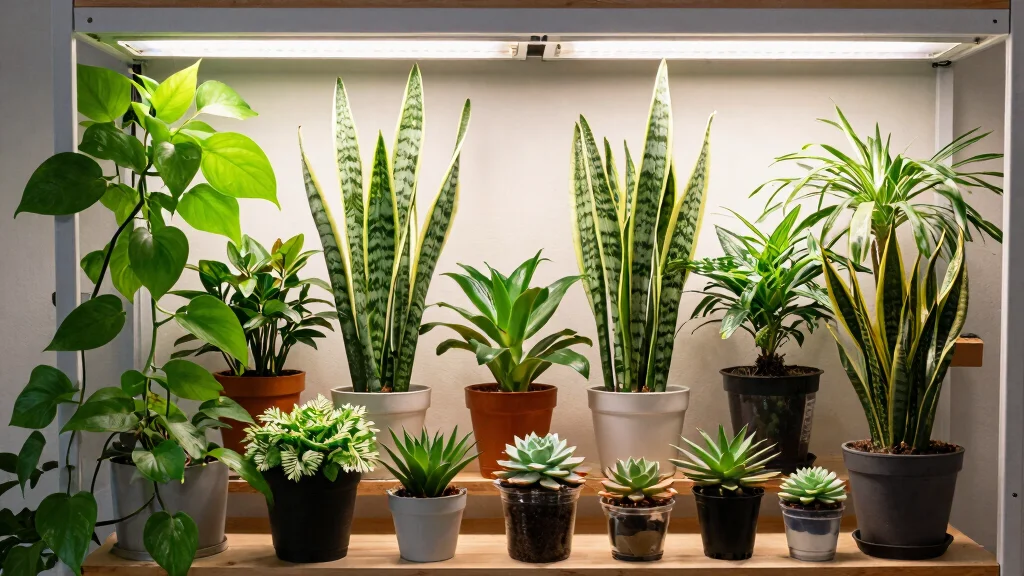
The idea of filling your home with lush greenery can be tempting, especially when the sunlight is scarce. If you’ve been dreaming of a vibrant indoor garden while grappling with low light conditions, you’re in the right place. This post is for anyone who wants to grow houseplants using grow lights, and I created it to help you navigate the world of indoor gardening with ease.
Whether you’re a seasoned plant parent or just starting your journey, you’ll find something valuable here. I’ve compiled a list of the 7 best houseplants for grow light growing that thrive even in less-than-ideal light situations. You’ll discover plants that are low-maintenance, resilient, and perfect for your indoor environment. This guide will also arm you with tips on optimal light conditions and houseplant care, making your indoor gardening experience enjoyable and successful.
So, roll up your sleeves and get ready to bring some life into your home. With these easy-to-care-for plants, you’ll transform your space into a refreshing oasis, even if natural light is hard to come by. Let’s dive into the world of grow lights and the best plants to grow under their glow.
Key Takeaways
– Discover the top 7 houseplants that thrive under grow lights, perfect for any indoor gardener.
– Learn indoor gardening tips that help plants flourish in low-light conditions.
– Understand the benefits of grow lights and how they can enhance your plant care routine.
– Get a comprehensive houseplant care guide that simplifies maintaining your indoor plants.
– Explore optimal light conditions for different plant types, ensuring they thrive in your home.
Recommended Products

NOTE: The product stand needs to be pressed down by the flower pot to be stable. Not wireless style. 2 Installation Methods: Specially designed plant light for indoor plants, which can be inserted in the soil or stand for lighting.Unique and easy to assemble and disassemble.

6000K White Circle Lights---Equipped with super bright 6 Red+6 Blue+36 White LED beads, this indoor seedling light provides a full spectrum like sunlight to promote plant growth, that is professionally designed for indoor garden potted plants.
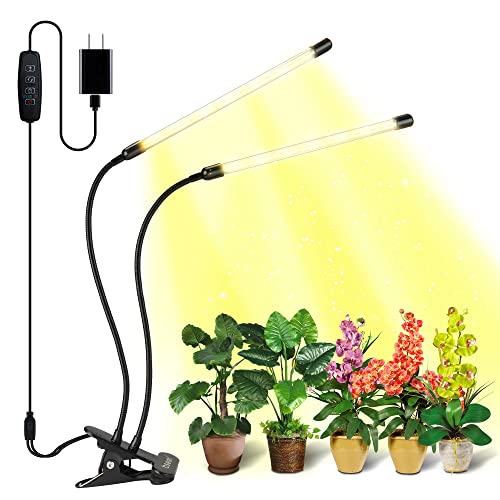
Full Spectrum LED with Yellow and White Combination: Bseah led grow light can promote photosynthesis, germination, growth, flowering and fruiting of plants.
1. Pothos (Epipremnum aureum)
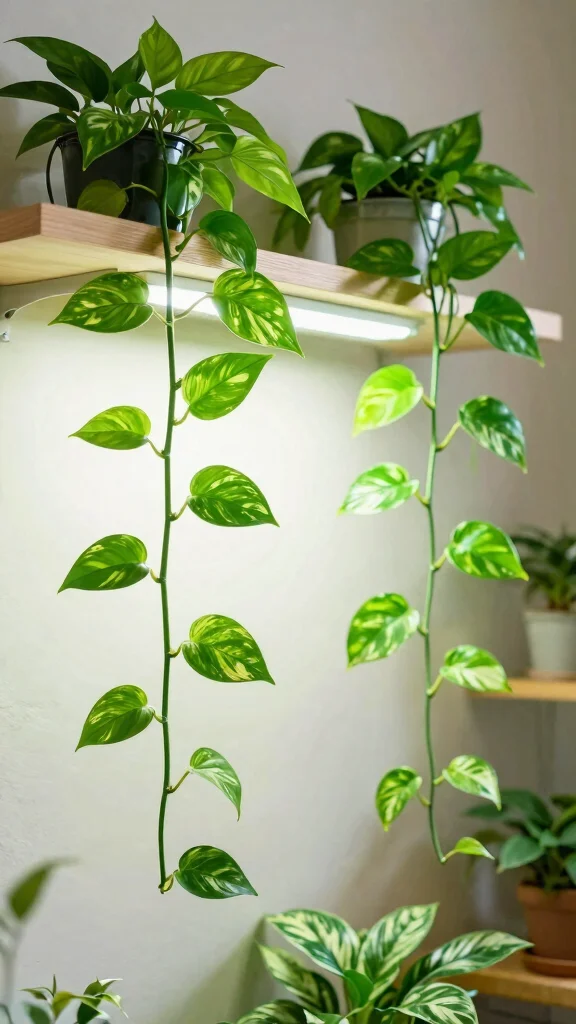
If you’re looking for a plant that’s easy to care for and adds charm, Pothos is the perfect choice. This beautiful trailing vine thrives even in low light, making it ideal for grow light setups. With its heart-shaped leaves and eye-catching variegation, it brings a vibrant touch to any room.
To keep your pothos happy, provide it with 12-16 hours of full-spectrum light each day. Water it regularly, but don’t drown it; these plants prefer their soil to dry out a bit between waterings. Plus, if you want more plants, pothos is easy to propagate in water!
Key benefits of growing pothos:
– Purifies the air by eliminating toxins
– Adapts well to various light conditions
– Creates a lush, cascading effect in your space
– Requires minimal maintenance for busy lifestyles
With just a bit of care, your pothos will flourish, adding a stunning green display to your home.
Recommended Products
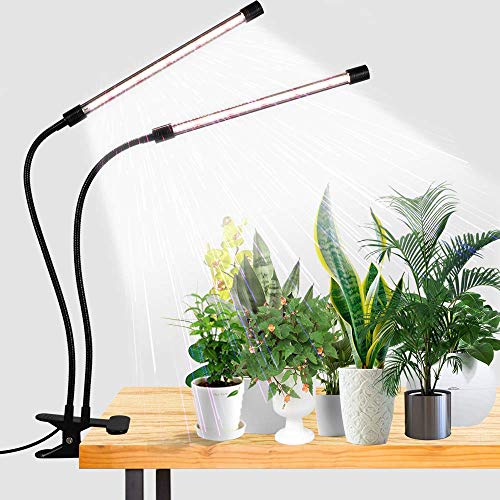
6000K White Light - equipped with 10 Red + 74 White LEDs, this growing Lamp is similar to the full-spectrum sunlight at noon,that is professionally designed for indoor garden plants.Moreover, its color rendering index is as high as 95, the light is soft and flicker-free, which is very suitable for reading lamp


FULL SPECTRUM & NATURAL LIGHT: A19 full spectrum grow light appears 4000K white to eyes but has a red/blue light spectrum. Same as natural sun shine, perfect for tomatoes, cucumbers, peppers, leafy greens and herbs at all growth stages.
Pothos (Epipremnum aureum)
Editor’s Choice

XLUX Soil Moisture Meter (Since 2015) – Durable 304 Stainless Steel Prob…

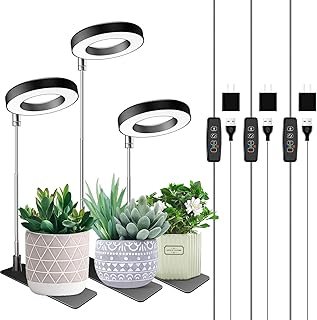
Aokrean Plant Grow Light, 48 LEDs Full Spectrum Grow Lights for Indoor P…
Miracle-Gro Indoor Potting Mix for All Plants, Use with Houseplants and …
2. Snake Plant (Sansevieria trifasciata)
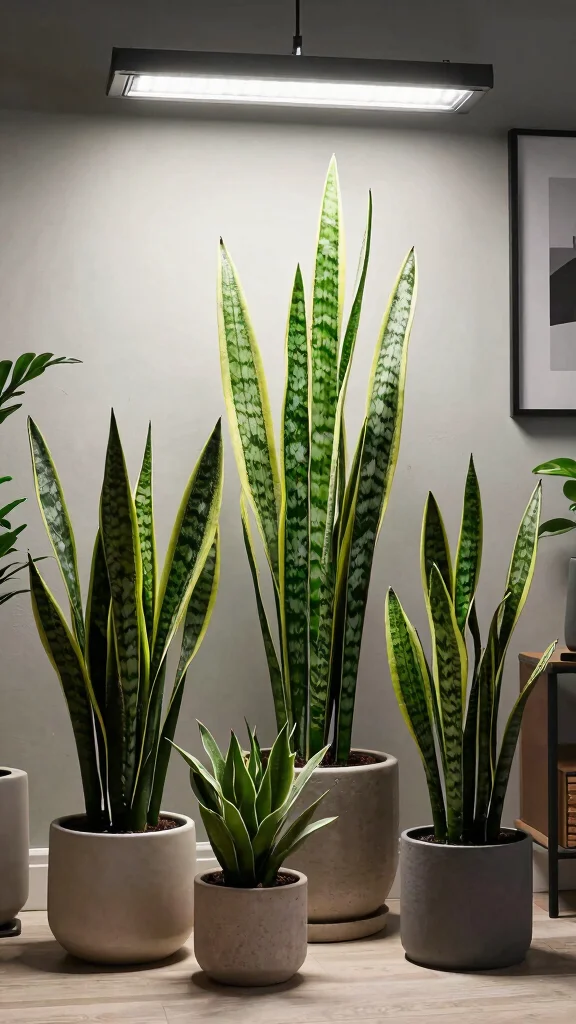
Snake plants are the perfect solution for those who want a striking yet low-maintenance plant. Known for their tall, sword-like leaves, they can thrive in low light but also excel under grow lights. Their unique appearance adds an architectural flair to any indoor setting.
Care for a snake plant is as simple as it gets—just water when the soil is dry. If you provide it with 10-14 hours of grow light, you might even see new growth year-round! This plant is also a champion air purifier, helping you breathe easier at home.
Start enjoying snake plants today:
– Position them close to grow lights for optimal growth
– Choose pots that match your decor style
– Allow soil to dry out completely between waterings
With minimal effort, you’ll have a stunning plant that enhances your indoor air quality.
Snake plants are among the best houseplants for grow light growing — tough, low-maintenance, and forgiving of busy days. With 10-14 hours of grow light, you can see new growth year-round. Water only when the soil is dry and watch your space come alive.
Recommended Products

Unique Exterior Design: This led grow light strip 1ft made in a black casing with aluminum instead of white casing. Make it look even better and more integrated into your fine home furnishings. Dark cords instead of white so as to minimize the observance of cords running through your plant displays

5000K White Full Spectrum Light: Barrina T5 grow lights 1ft provide indoor plants with full-spectrum sunlight replacement. We provide the most reasonable grow light wave based on the ratio of the absorption of the plant
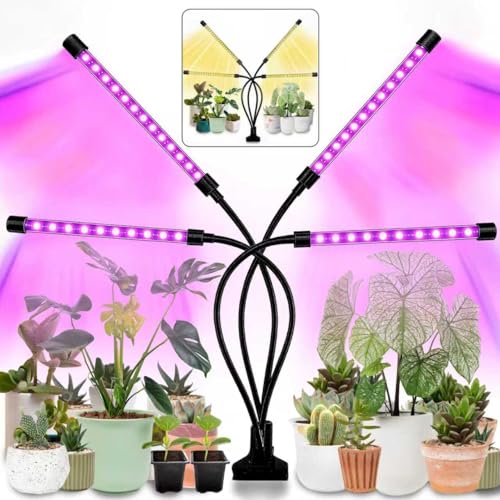
🌻Efficient LED Combination: This LED lamp has grow lights made up of 80 efficient growing LEDs ( 32 red lights, 12 blue lights,20 yellow lights and 16 white lights). It meets the conditions of plant growth without sunlight. 1--Full Spectrum(380nm-800nm): Suitable for all plants to root and sprout. 2--Red(660nm)+BLUE(460nm) Spectrum: for blooming and fruits. 3--Red+Blue+Full Spectrum: A mix of Red+Blue+Warm White is best to fuel the growth of your plants.
Snake Plant (Sansevieria trifasciata)
Editor’s Choice
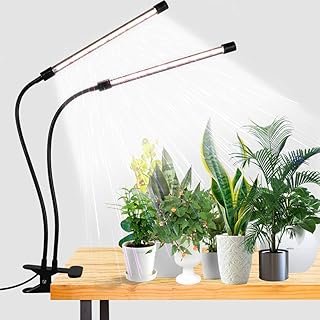
GooingTop LED Grow Light,6000K Full Spectrum Clip Plant Growing Lamp wit…
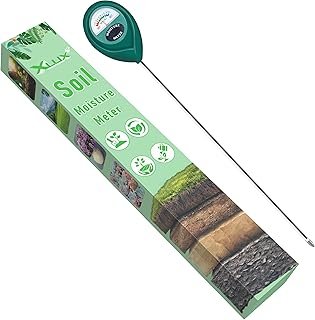
XLUX Long Probe Deep Use Soil Moisture Meter, Water Monitor Indicator Se…
3. ZZ Plant (Zamioculcas zamiifolia)
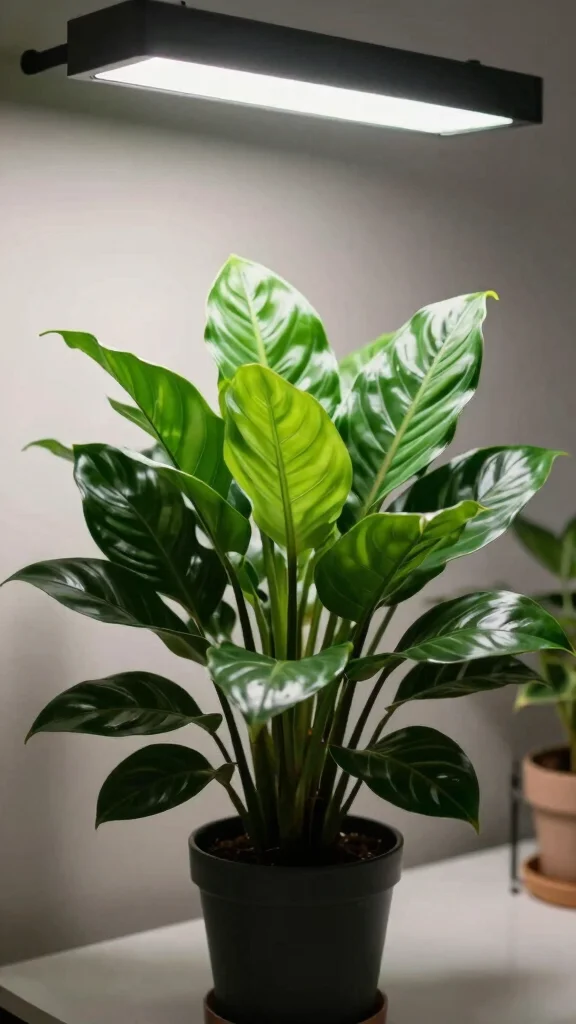
If you’re after a truly hassle-free houseplant, the ZZ plant is your best bet. Its glossy, dark green leaves are not only attractive, but they also thrive in a range of lighting conditions, including grow lights. This plant is perfect for busy lives, requiring very little attention.
To keep your ZZ plant thriving, aim for 12-14 hours of grow light daily. It only needs watering when the soil is completely dry, making it ideal for those who travel or have hectic schedules. Plus, it can grow up to three feet tall, making a striking statement in any room.
Discover the benefits of the ZZ plant:
– Survives well on minimal water
– Adapts to various light levels easily
– Enhances indoor decor with elegant foliage
Add a ZZ plant to your collection and enjoy its beauty while breathing cleaner air.
Recommended Products

【Grow Lights for Indoor Plants】LBW grow light is tailored to meet the unique needs of plant lovers, this light offers 6/8/12/16H auto timer settings and 5 adjustable brightness levels for optimal growth. Its unique design, easy assembly, and space-saving base make it a perfect fit for any home decor, is perfect for various indoor plants, including succulents, herbs, and orchids etc. NOTE: The product stand needs to be pressed down by the flower pot to be stable

🌿 Perfect for Small Potted Plants - Designed specifically for indoor greens like succulents, herbs, and foliage, these grow lights for indoor plants deliver balanced 380nm-800nm full-spectrum light to revive leggy stems and boost compact growth

𝐓𝐰𝐨 𝐈𝐧𝐬𝐭𝐚𝐥𝐥𝐚𝐭𝐢𝐨𝐧 𝐎𝐩𝐭𝐢𝐨𝐧𝐬: This grow light can be clamped on the pot or inserted into the soil, allowing for flexible usage without limitations on the scene.
ZZ Plant (Zamioculcas zamiifolia)
Editor’s Choice
Miracle-Gro Indoor Potting Mix for All Plants, Use with Houseplants and …
BKSAI Hanging Plant Plant Watering Bottle Update Multifunction Watering …
Aokrean Plant Grow Light, 48 LEDs Full Spectrum Grow Lights for Indoor P…
4. Spider Plant (Chlorophytum comosum)
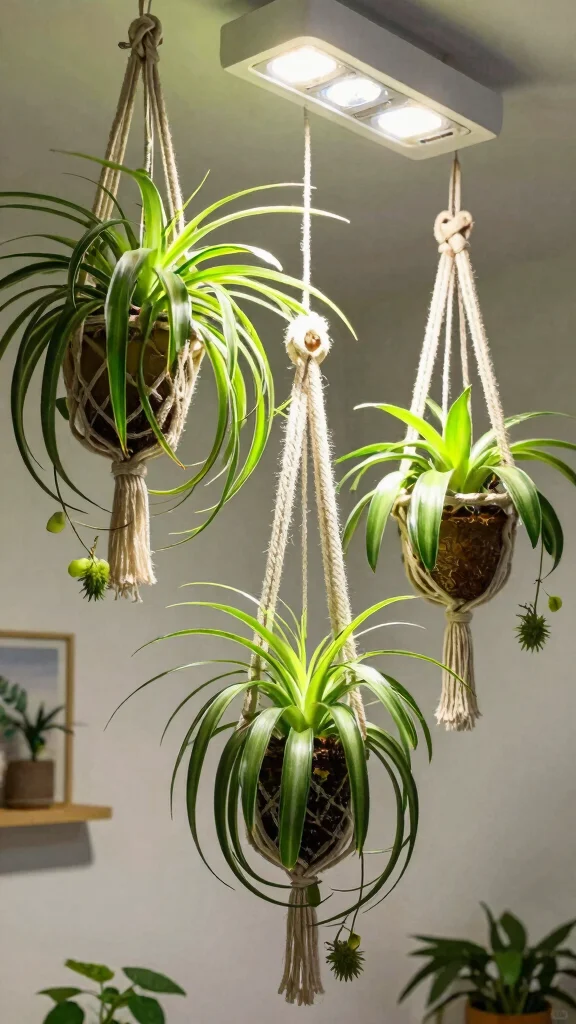
Spider plants are a fun and lively addition to any indoor garden! Known for their long, arching leaves and playful baby plants, they flourish under grow lights, making them a go-to for brightening your home. These plants are incredibly forgiving, making them perfect for beginners.
To keep your spider plant healthy, provide around 12 hours of grow light each day. They thrive in well-draining soil, and a little fertilizer during the growing season will help them thrive. Plus, their ability to produce baby plants makes propagation easy and rewarding!
Enjoy the perks of spider plants:
– Cleanse the air effectively
– Adapt well to various indoor conditions
– Create delightful displays with little effort
With their cheerful appearance, spider plants are perfect for anyone looking to add vibrant greenery to their living space.
Did you know a Spider Plant can produce up to 10 offshoots per season? It’s perfect for beginner houseplants at garden center shoppers—easy to propagate, thrives in low light, and grows a little plant family fast.
Recommended Products

Designed for Large & Tall Indoor Plants:Designed specifically for large indoor plants and tall plants that need stronger and wider light coverage. Helps big plants thrive even in low-light areas like living rooms, corners, or offices.Provides full spectrum light (380nm–800nm) to support every stage of plant growth. A perfect sunlight replacement for indoor plants.


☀ High Performance & Energy Saving: LED Grow Light Bulb A19 Bulbs deliver 150-degree light output.Used High Lumen Led Chips replace to 100w traditional light bulb, and power consumption, energy saving over 85%.
You might also like
Spider Plant (Chlorophytum comosum)
Editor’s Choice
Miracle-Gro Moisture Control Potting Mix – Plant Soil For Container Plan…
Miracle-Gro Indoor Plant Food for All Plants, Liquid Plant Food for Hous…
GooingTop LED Grow Light,6000K Full Spectrum Clip Plant Growing Lamp wit…
5. Peace Lily (Spathiphyllum)
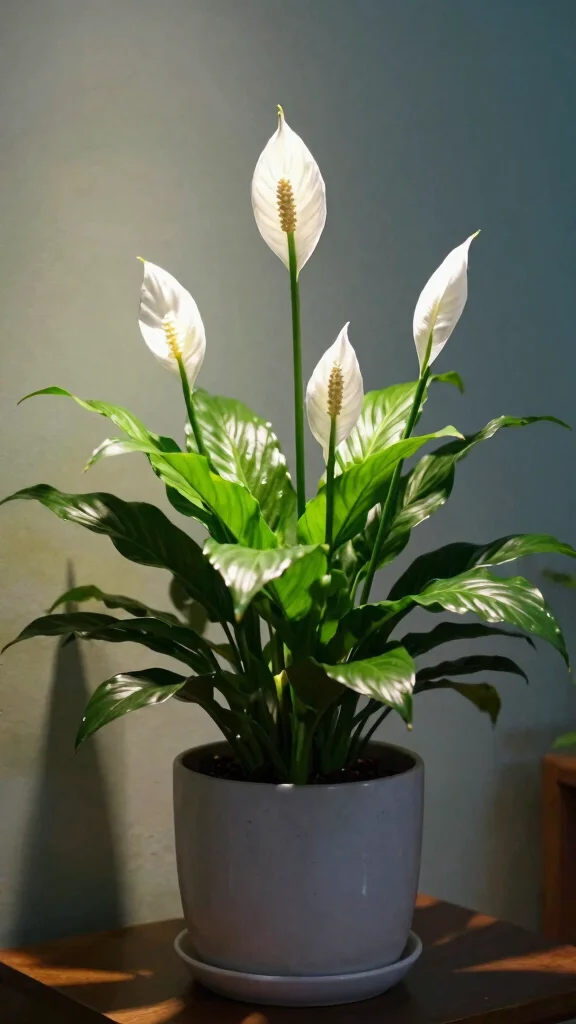
Looking for a plant that combines elegance with ease? Peace lilies are a fantastic choice! With their beautiful white flowers and glossy leaves, they thrive under grow lights, adding charm to any room. These plants prefer indirect light but adapt well to grow lights, making them versatile for different environments.
To encourage blooming and healthy growth, provide peace lilies with 10-12 hours of bright light daily. They love humidity, so misting them occasionally helps keep them looking their best. Just remember to keep the soil evenly moist, but avoid overwatering.
Benefits of peace lilies include:
– Stunning floral display adds beauty
– Excellent air purifier for improved air quality
– Requires minimal care for busy lifestyles
Add a peace lily to your home and enjoy both its beauty and air-purifying benefits.
Recommended Products

✓ SIMPLE TO USE: Pins UP means timer is OFF. Pins DOWN means timer is ON. Please note that your timer’s pins will come pressed DOWN new of the box. Pull the pins UP to begin setting your timer

FULL SPECTRUM HIGH EFFICIENCY GROW LIGHTS: SANSI grow light emits all wavelengths from 380nm to 800nm - just like natural sunlight. With white light efficient LED diodes and higher PAR output, grow lights greatly promote indoor growth by accelerating photosynthesis, ideal for all growth stages and a variety of plants such as herbs, succulents, orchids, cherry tomatoes, monstera, etc

Easy to Use: Pins UP mean the timer is OFF, and Pins DOWN mean the timer is ON. Note that all pins will be pressed DOWN when you first open the box. Pull the pins UP to start setting your timer.
📹 Related Video: Top 5 Peace Lily Care Tips You Need to Know
Peace Lily (Spathiphyllum)
Editor’s Choice
GooingTop LED Grow Light,6000K Full Spectrum Clip Plant Growing Lamp wit…
DREO Humidifiers for Bedroom, 3L Top Fill 30H & 26dB Quiet Runtime for L…
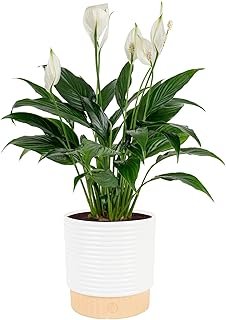
Costa Farms Peace Lily Live Plant in Decorative Pot, Air Purifying Flowe…
6. Calathea (Calathea spp.)
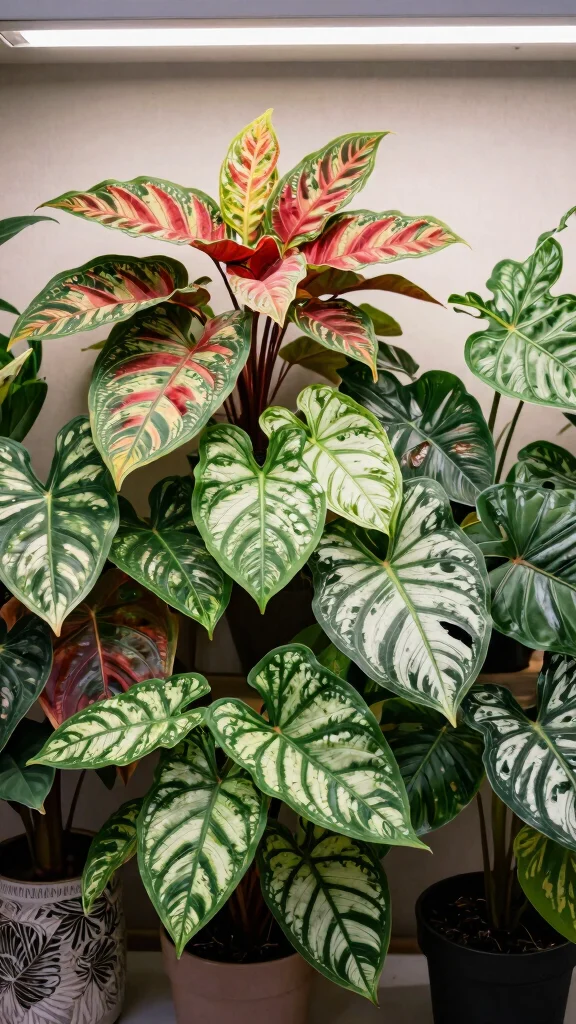
If you’re drawn to dramatic foliage, you must consider Calathea plants! Known for their eye-catching patterns and vibrant colors, they bring a tropical feel to your indoor space. Calatheas thrive under grow lights, requiring about 12-14 hours of bright, indirect light daily.
While they prefer humidity, calatheas can adapt to various indoor conditions. Regular misting keeps their soil moist and their leaves healthy. Their stunning leaf patterns vary widely, making each plant unique.
Explore the wonders of calatheas:
– Brighten up your home with colorful foliage
– Safe for pets, so no worries with furry friends
– Create a striking centerpiece in your decor
With a little care, your calathea will flourish and become a visual highlight in your indoor garden.
Recommended Products

214 Full-Spectrum LEDs: Featuring one light head with 214 high-performance LEDs, this grow light delivers a broad 380–780 nm full spectrum that closely mimics natural sunlight. It provides bright, uniform illumination to support efficient photosynthesis and healthy plant growth. Especially suitable for seed starting and seedling development, it is an ideal supplemental light source for indoor plants.

The Cultivator FX2 grow room glasses are designed for working under bright white, full spectrum LED grow lights or CMH lights, including lights with red and blue chip sets that produce intense light and energy.

6500K Full SPECTRUM LAMP: The grow light with 74 White LEDs + 10 Red LEDs, it's similar to the natural daylight at noon, professionally designed for indoor plants, flowers, herbs and so on. Moreover, the light is soft and flicker-free, which is very suitable for reading lamp.
You Might Also Like
Calathea (Calathea spp.)
Editor’s Choice
XLUX Long Probe Deep Use Soil Moisture Meter, Water Monitor Indicator Se…
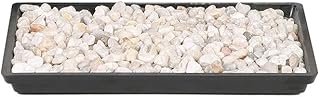
Brussel’s 8″ Humidity Tray with Decorative Rocks
7. Succulents (Various Species)
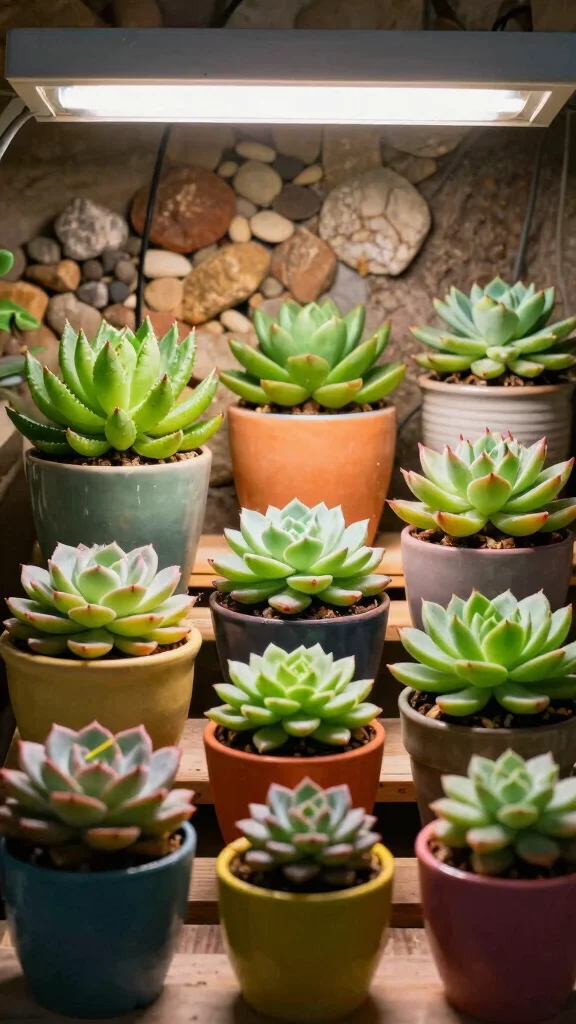
Let’s not forget about succulents! These charming, water-storing plants are available in a wide variety of colors, shapes, and sizes, making them a fantastic addition to your indoor garden. They thrive under grow lights, especially with 12-16 hours of bright exposure each day.
Succulents are perfect for those who want low-maintenance greenery; just make sure their soil dries out completely between waterings to prevent rot. A well-draining potting mix is essential for their health.
Get started with succulents:
– Create stunning arrangements with different types
– Choose colorful pots to add flair
– Enjoy their hardy nature, perfect for gifts
Whether displayed in a terrarium or as standalone pieces, succulents will bring joy and beauty to your home gardening experience.
Fun fact: Succulents thrive under grow lights, proving they’re among the best houseplants for grow light growing. Water only when the soil dries completely—overwatering is the biggest risk. With 12-16 hours of bright exposure, you’ll enjoy low-maintenance greenery all season.
Recommended Products

✓ NO LOOSE PARTS: Unlike classic timers with removable pins, BN-LINK 3 prong plug in timers for electrical outlets features an easy to use, built-in pin dial that allows you to set your outlet timer indoor by pressing the toggle pins down for ON, or keeping them up for OFF.

✓ VERSATILE & CUSTOMIZABLE: Easily set up to 8 on/off programs for the timer’s two grounded outlets. Outlets are controlled simultaneously, and settings can be as short as one minute.
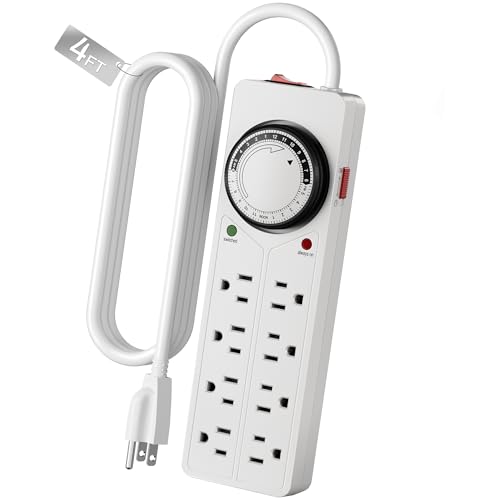
✓ WITH UPDATED BLACK PINS: We've made the pin dial easier on the eyes! The power cord measures 3 feet.
Ongoing Maintenance & Care Guide
Maintenance Schedule:
Daily/Weekly Tasks:
– Check the moisture level of the soil. Stick your finger about an inch deep to see if it feels dry. This should take about 1 minute.
– Rotate your plants if they are sitting under a grow light. This ensures even light exposure and should take around 2 minutes.
– Wipe down the leaves with a damp cloth to remove dust. This helps the plant absorb light better and takes about 5 minutes.
– Observe for pests or any unusual changes. This quick check should take around 3 minutes.
Monthly/Seasonal Tasks:
– Fertilize your houseplants with a balanced liquid fertilizer. Follow the package instructions; this task will take about 10 minutes.
– Prune any dead or yellowing leaves to encourage new growth. This can take around 15 minutes depending on the size of your plant.
– Check for root crowding. If roots are growing out of the pot, repot into a larger container. This may take about 30 minutes.
– Clean the grow light fixtures and bulbs to ensure optimal light conditions. This should take around 10 minutes.
– Assess the grow light settings and adjust if necessary, especially during seasonal changes. This task should take about 5 minutes.
Maintenance Summary Table:
| Task | Frequency | Difficulty | Time Needed |
|—————————|—————|————|————-|
| Check moisture level | Daily | Easy | 1 minute |
| Rotate plants | Weekly | Easy | 2 minutes |
| Wipe down leaves | Weekly | Easy | 5 minutes |
| Check for pests | Weekly | Easy | 3 minutes |
| Fertilize | Monthly | Medium | 10 minutes |
| Prune | Monthly | Medium | 15 minutes |
| Check root crowding | Seasonal | Medium | 30 minutes |
| Clean grow lights | Monthly | Easy | 10 minutes |
| Adjust grow light settings | Seasonal | Easy | 5 minutes |
Common Issues to Watch For:
⚠️ Yellowing leaves: This often means overwatering. Check the soil moisture level to ensure it’s not too wet.
⚠️ Wilting or drooping leaves: Lack of water can be a cause. Check the soil moisture and adjust your watering schedule if needed.
⚠️ Brown tips on leaves: This could indicate underwatering or low humidity. Ensure that you’re watering adequately and consider misting your plants.
⚠️ Pest infestations: Look for small insects or webs on your plants. If found, treat with insecticidal soap or neem oil immediately.
⚠️ Stunted growth: This can result from insufficient light or poor soil nutrients. Ensure your grow lights are optimal and fertilize as needed.
Care Tips:
💡 Use a moisture meter: This device helps you easily gauge when to water without second-guessing. It’s a great investment for houseplant beginners.
💡 Maintain consistent humidity: Most houseplants prefer humidity levels above 40%. You can use a humidifier or place water trays near your plants.
💡 Keep a plant journal: Document your watering schedule, pruning dates, and any changes you notice. This helps you track what works and what doesn’t.
💡 Choose the right grow light: Ensure that your grow light mimics natural sunlight. Full-spectrum lights are ideal for most houseplants.
💡 Stay educated: Regularly read articles or watch videos about houseplant care. This keeps you informed on the best practices and new tips for success.
Succulents (Various Species)
Editor’s Choice
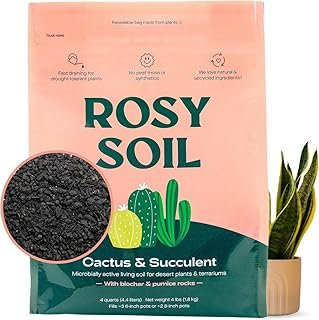
Rosy Soil Cactus Soil – Organic Succulent Potting Mix, Chunky Fast Dra…
Conclusion
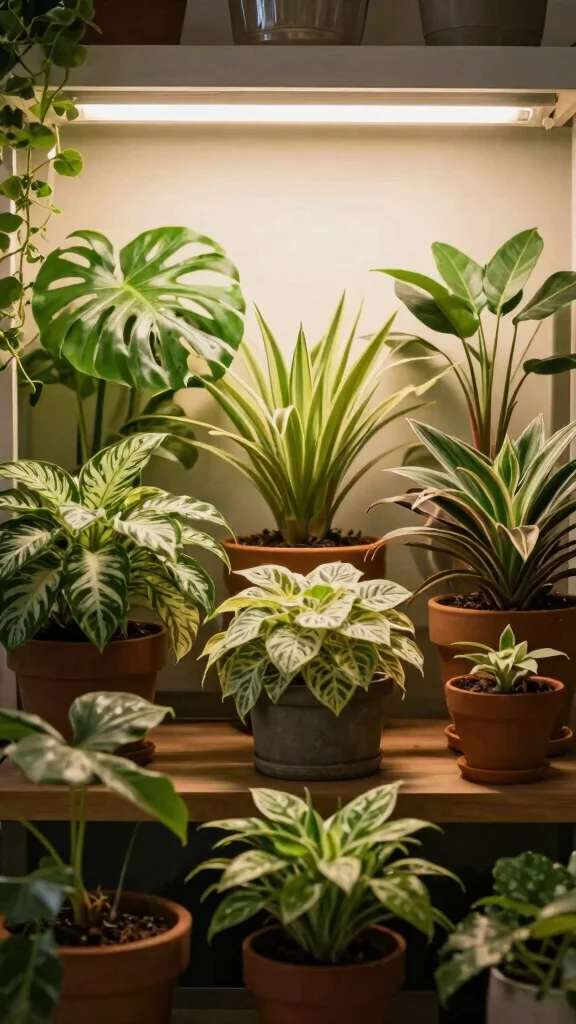
Incorporating houseplants into your indoor space can elevate your living environment, and choosing plants that thrive under grow lights opens up a world of possibilities.
From the lush pothos to the colorful succulents, these seven low-maintenance plants are perfect for any indoor gardener looking to enhance their home. Each plant offers its unique charm and benefits, proving that with just a little light and care, you can create your very own green oasis.
So, grab those grow lights, pick your favorites, and enjoy the beauty and tranquility that houseplants bring to your life!
Note: We aim to provide accurate product links, but some may occasionally expire or become unavailable. If this happens, please search directly on Amazon for the product or a suitable alternative.
This post contains Amazon affiliate links, meaning we may earn a small commission if you purchase through our links, at no extra cost to you.
Frequently Asked Questions
What are the best houseplants for grow light growing for beginners?
These are among the best houseplants for grow light growing because they tolerate bright artificial light and stay forgiving even if your watering routine isn’t perfect. Examples include pothos, snake plant, ZZ plant, peace lily, and cast iron plant. For best results, pair them with a simple houseplant care guide: aim for a steady 12–14 hour light cycle each day, water when the top inch of soil dries, and rotate plants every couple of weeks for even growth.
With consistent light and basic care, you’ll enjoy vibrant foliage and fewer plant-care headaches.
How do I set up grow lights to achieve optimal light conditions for indoor plants?
Start with a full‑spectrum LED grow light placed about 6–12 inches above small plants or 12–18 inches above larger ones. Use a timer to provide 12–14 hours of light per day to mimic natural daylight. Keep the light intensity moderate and avoid letting leaves touch the bulbs. Use a reflective tray or white walls to maximize coverage, and adjust distance as plants grow to prevent heat stress and leaf burn.
These steps help you create optimal light conditions for steady growth.
Which low-maintenance houseplants thrive under grow lights and how much care do they need?
Low‑maintenance options that do well with grow lights include pothos, snake plant, ZZ plant, philodendron, and peace lily. They stay resilient with minimal fuss: water when the top inch of soil is dry, wipe leaves occasionally to keep them photosynthesizing well, and fertilize lightly every 6–8 weeks during the growing season. Under a good grow light setup, these low-light houseplants can still thrive, making indoor gardening approachable and rewarding.
What indoor gardening tips help maximize the benefits of grow light growing?
Maximize results by covering the entire canopy with even light: space plants so they’re not competing for light, use reflective surfaces, and rotate weekly for uniform growth. Keep bulbs clean and replace them as needed to maintain light quality. Use a timer, monitor temperature (ideally around 65–75°F / 18–24°C), and follow a simple indoor gardening tips routine for consistent watering and feeding. These practical steps keep your plants healthy and productive under grow lights.
How can I tell if my plant is getting the right amount of light under grow lights, and what signs indicate too much or too little light?
Watch growth cues: if new growth is long and leggy with sparse leaves, light is likely too dim. If leaves scorch, turn brown at edges, or you see leaf bleaching, the light is too intense or too close. Healthy plants under proper light stay compact with rich color. Start with a moderate distance and a 12–14 hour photoperiod, then adjust every 1–2 weeks as the plant grows. By balancing light with depth of color and growth form, you’ll maintain optimal light conditions for your indoor garden.
Recommended Products
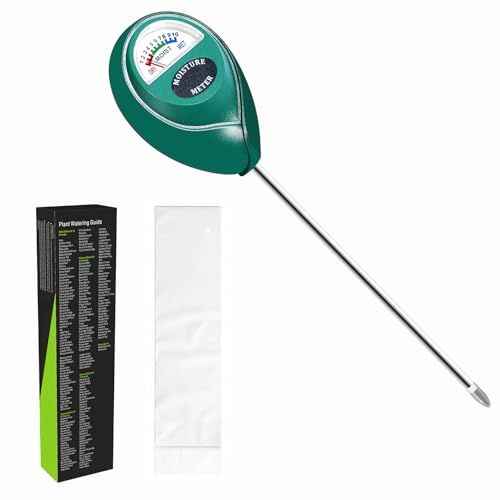
Trusted Since 2015: Become one of the many plant lovers who rely on the proven accuracy of XLUX. Established in 2015, our soil moisture meter has earned over 60,000+ verified ratings for its consistent performance. While many many newer brands come and go, we provide the long-term reliability and quality that American households have trusted for over a decade.

Accurate Soil Moisture Detection: The XLUX Soil Moisture Meter can tell you if the soil deep inside your pot or garden is dry, moist or wet; whereas your eyes and fingers can only determine the moisture level of the soil surface. The probe is 5.5 inches (14 cm) longer than regular styles, allowing it to measure the soil moisture at the bottom of larger and deeper flower pots.
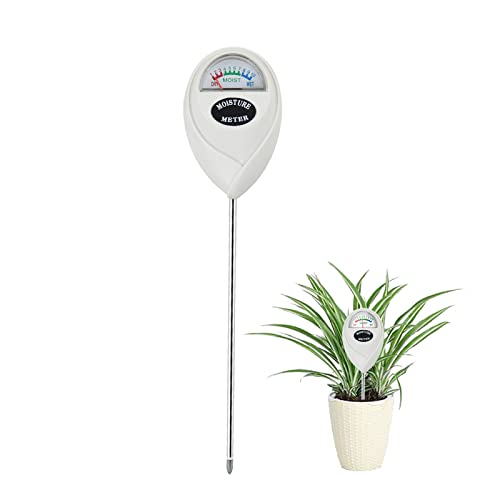
【SAVE YOUR PLANTS】: Over watering can cause problems with your plants or even kill them. This soil moisture meter helps you know the soil is dry, moist or wet.No more over watering!
Related Topics
best houseplants
grow light tips
low-maintenance plants
indoor gardening
houseplant care
optimal lighting
easy care plants
grow light benefits
beginner friendly
low-light houseplants
indoor plant guide
plant growth conditions