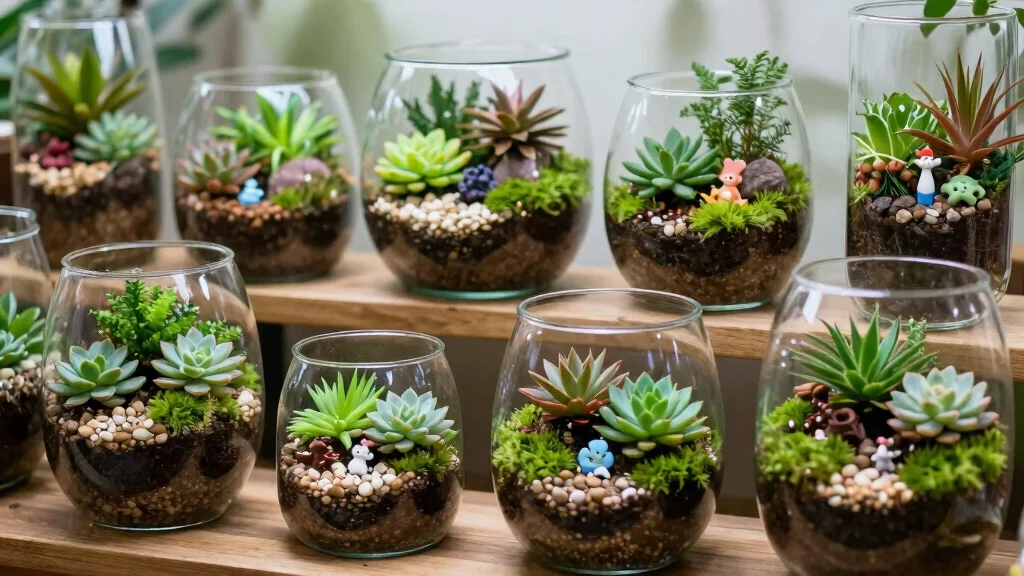
Creating a terrarium has me daydreaming about tiny worlds tucked away in glass. There’s something magical about crafting these mini ecosystems, especially when you’re a beginner. If you’re looking to bring a touch of nature indoors without a lot of fuss, you’re in the right place. This post is all about DIY terrarium ideas for beginners that will inspire you to get your hands dirty and dive into this rewarding hobby.
If you enjoy gardening, art, or simply love the idea of having a living piece of décor, this guide is perfect for you. You might be wondering what supplies you need or how to create those stunning succulent terrarium designs. Don’t worry! I’ve pulled together eight fun and easy terrarium projects that are perfect for beginners. Each idea is designed to be simple, enjoyable, and satisfying, helping you bring a bit of greenery into your life.
Get ready to explore a variety of styles, from classic succulent designs to whimsical fairy gardens. You’ll also discover practical indoor gardening tips and essential terrarium supplies that will make your project a breeze. Whether you’re planning to create a calming Zen garden or an edible herb terrarium, you’ll find step-by-step instructions that make it easy to create your own miniature paradise.
Key Takeaways
– Discover various DIY terrarium ideas that are perfect for beginners, including classic succulent terrariums and unique fairy garden designs.
– Learn about essential terrarium supplies and how to choose the right glass containers for your projects.
– Get handy indoor gardening tips to keep your terrarium thriving and looking beautiful year-round.
– Explore different themes and styles, like seasonal terrariums and edible herb gardens, that add a personal touch to your creations.
– Enjoy a step-by-step guide for each terrarium idea, making it easy to follow along and create your own unique designs.
1. The Classic Succulent Terrarium
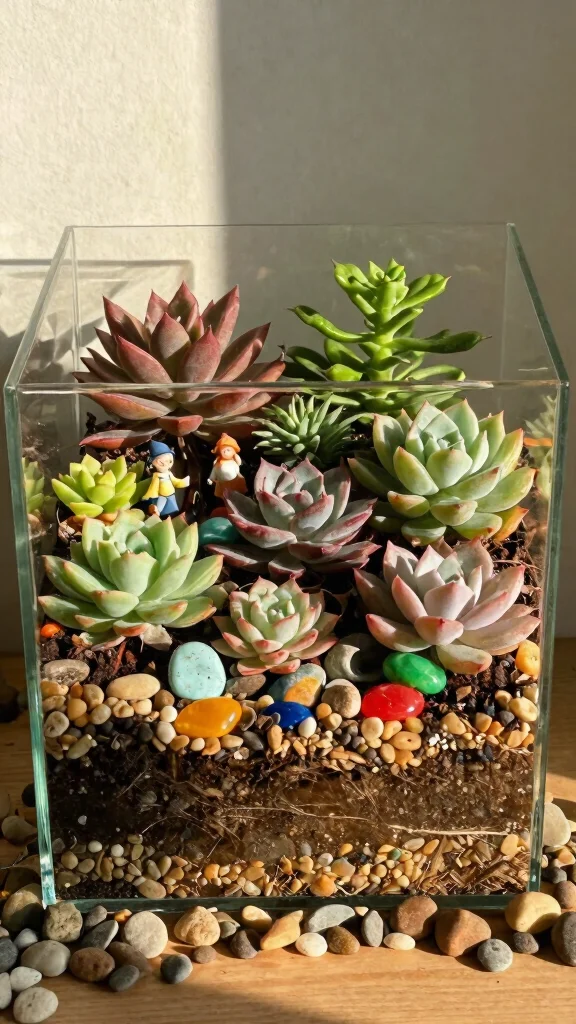
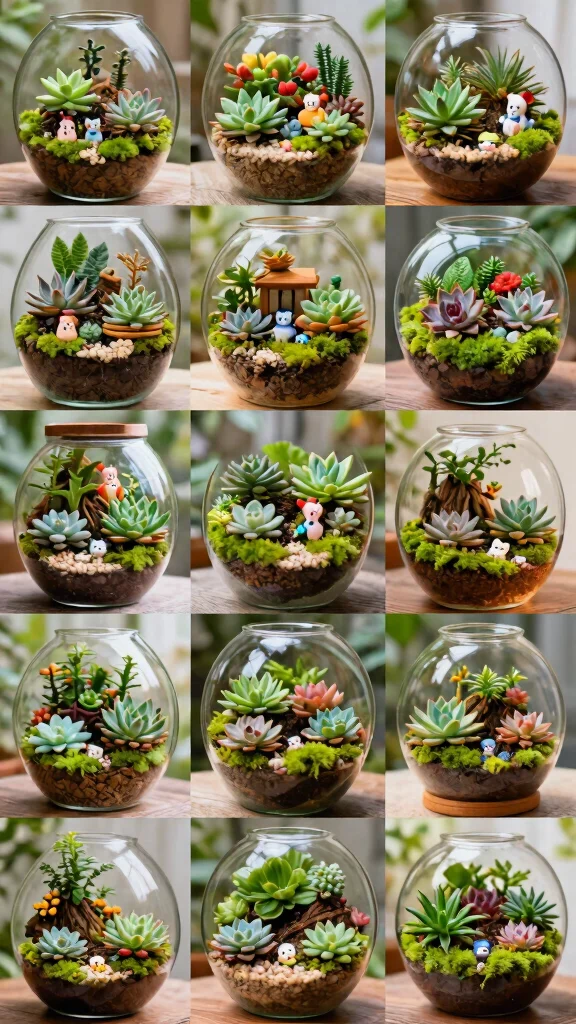
Are you ready to dive into the world of terrariums? The classic succulent terrarium is an excellent choice for newcomers. Succulents are not only resilient but also come in an array of stunning shapes and colors. Starting with a clear glass container, preferably one that’s open at the top, allows for proper air circulation while showcasing your plants beautifully.
Begin by layering small pebbles at the bottom for drainage, then add activated charcoal to keep the soil fresh. Top it off with potting soil, and arrange your succulents in a creative design. You can even sprinkle tiny fairy figurines or colorful stones to enhance the charm of your terrarium.
Tips for success:
– Select a variety of shapes and colors for a vibrant display.
– Water sparingly; succulents thrive in dry conditions.
– Position your terrarium in indirect sunlight for best growth.
With just a little care, your succulent terrarium will flourish and bring a burst of life to your home!
The Classic Succulent Terrarium
Editor’s Choice
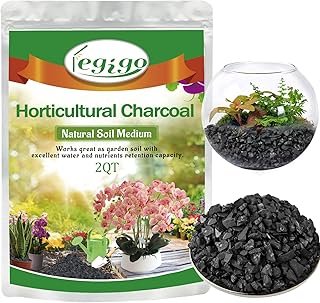
Legigo 2 QT Horticultural Charcoal- Natural Charcoal for Plants, Biochar…

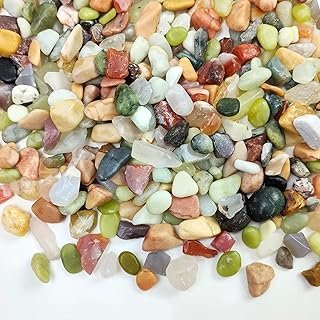
FANTIAN Succulent Rocks, 3/8 Inch Polished Pebbles for Indoor Plants, De…
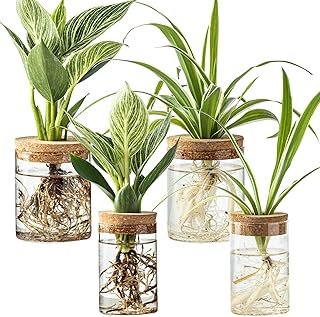
Glass Plant Propagation Stations for Plants – Set of 4(2 Large & 2 Sma…
2. Moss and Stone Haven
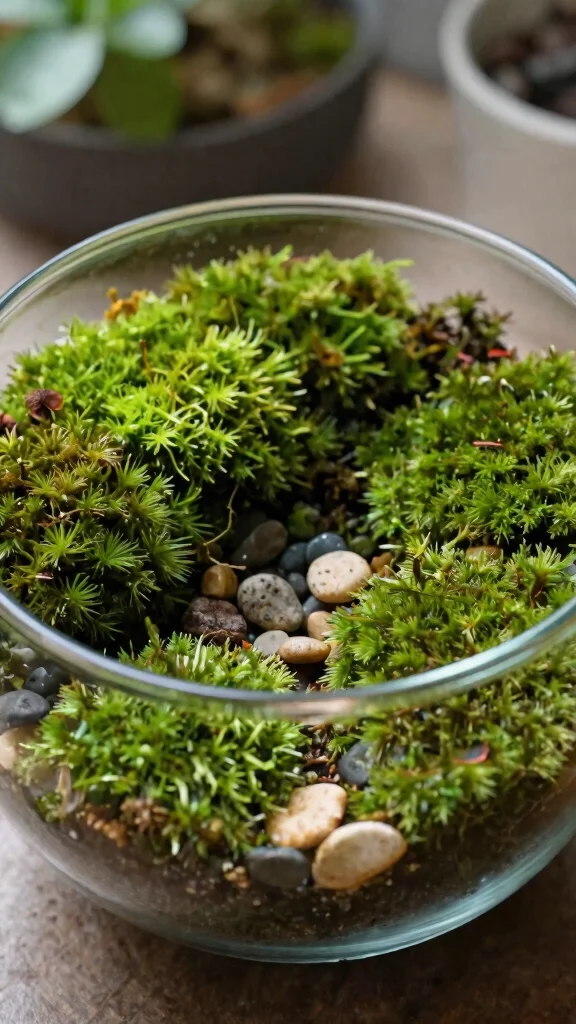
Looking for a tranquil touch to your decor? Transform a simple glass bowl into a serene moss garden! Moss is incredibly forgiving and requires minimal maintenance, making it ideal for beginners. Start by adding a layer of pebbles for drainage in your bowl, followed by a thin layer of activated charcoal, and then a generous amount of potting soil.
Finally, arrange different types of moss to create a lush, inviting atmosphere. You can also introduce small stones for added texture and contrast, enhancing the overall look of your terrarium.
Indoor Gardening Tips:
– Keep the moss moist without letting it become soggy.
– Mist your terrarium regularly to maintain humidity.
– Position it away from direct sunlight to avoid drying out.
This moss terrarium will transport you to a peaceful woodland oasis every time you take a glance at it.
DIY terrarium ideas for beginners are all about small, calm wins. Moss is forgiving, and a simple bowl with pebbles, charcoal, soil, and moss creates a tranquil treasure you can tweak every week.
Moss and Stone Haven
Editor’s Choice
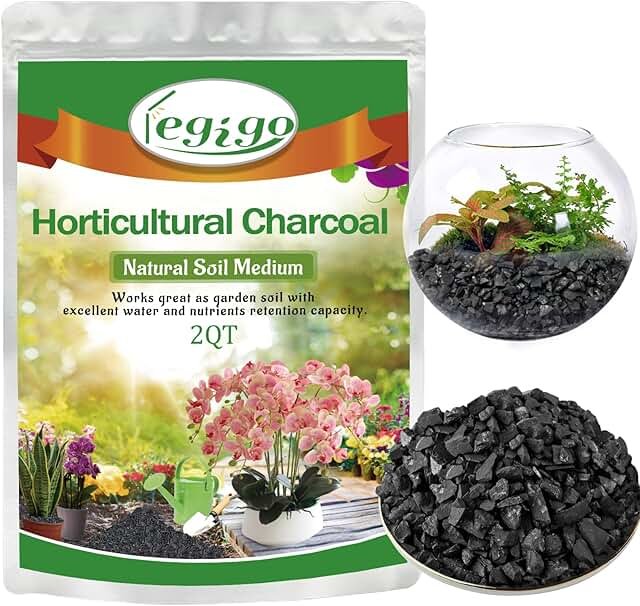
Legigo 2 QT Horticultural Charcoal- Natural Charcoal for Plants, Biochar…
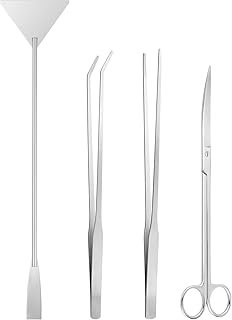
Ohtomber Aquascape Tools Aquarium Kit – 4PCS Terrarium Supplies Include …
FANTIAN Succulent Rocks, 3/8 Inch Polished Pebbles for Indoor Plants, De…
3. Fairy Garden Delight
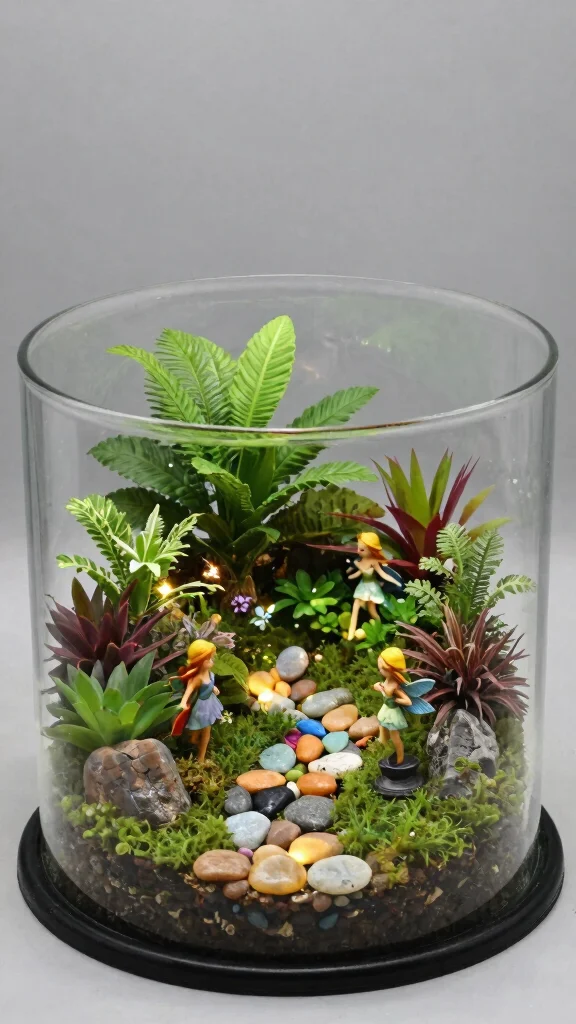
Want to add a touch of magic to your space? Creating a fairy garden terrarium invites whimsy into your home. Choose a glass container with a wide opening so you can easily arrange the plants inside. Begin with a layer of pebbles, followed by charcoal, and then potting soil.
Select small plants such as ferns, tiny flowers, or succulents, and arrange them to create charming pathways or hideaways for fairies. Incorporate miniature furniture or figures to enhance the enchanting theme.
Creative suggestions:
– Use colorful stones to craft a delightful fairy pathway.
– Add tiny lights for a magical evening glow.
– Change decorations seasonally for an ever-fresh look.
This terrarium will inspire joy and spark stories of magical adventures for all who see it.
Fun fact: Studies show small green spaces boost mood by up to 20% in just 5 minutes of daily care. With DIY terrarium ideas for beginners, a glass fairy garden can transform a corner in under 15 minutes—pebbles, charcoal, soil, and tiny furniture included.
Fairy Garden Delight
Editor’s Choice
Handmade Tiffany Style Stained Glass Iris Planter, Decorative Succulent …
Inspirational Gifts for Women, Cute Succulent Plant Pot, Cactus Flower P…
4. Edible Herb Terrarium
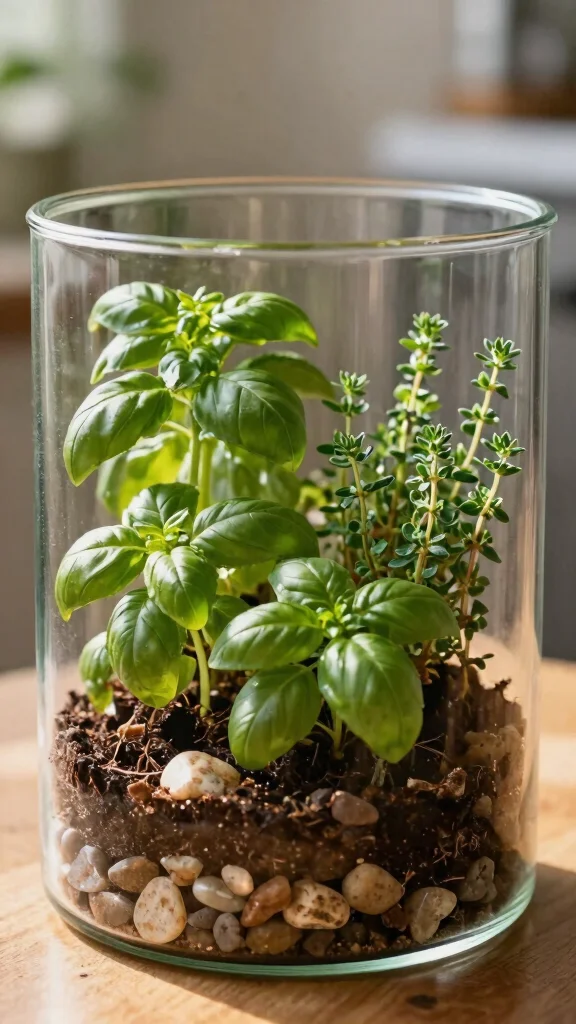
Why not grow your own fresh herbs right at home? An herb terrarium is a fantastic way to enjoy cooking with fresh flavors. Start with a clear glass container and layer pebbles at the bottom for drainage, followed by charcoal and potting soil. Choose small herb plants like basil, thyme, or oregano, and arrange them to make a visually pleasing display.
This terrarium is not only attractive but also practical, allowing you to snip fresh herbs whenever you need them in the kitchen.
Indoor Gardening Tips:
– Ensure adequate light, as herbs thrive in sunlight.
– Water based on individual herb needs; some may need more moisture than others.
– Rotate the container for balanced growth if light comes from one direction.
Your herb terrarium can be both a decorative and functional addition to your kitchen or dining area.
You might also like

Edible Herb Terrarium
Editor’s Choice
Burpee, 9 Quarts | Premium Organic Potting Natural Soil Mix Food Ideal f…
Mini Fern Plants (6 Plants) (2″ Pots) Terrariums | Fairy Gardens | Assor…
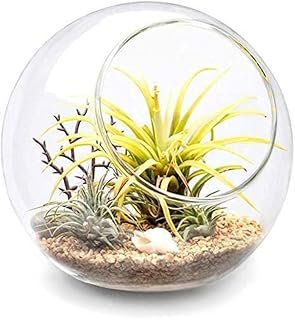
Mkono Plant Terrarium Display Glass Tabletop Succulent Air Plant Planter…
5. Terrarium with Air Plants
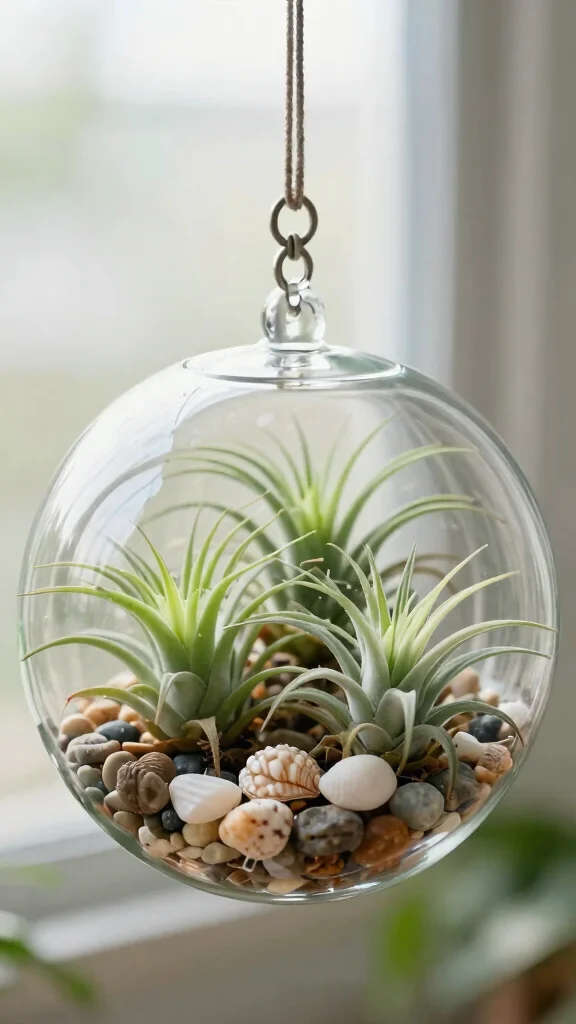
Discover the unique beauty of air plants, which thrive without soil! Using a hanging glass orb or terrarium, you can create a captivating display. Simply arrange the air plants within the glass container, and feel free to add pebbles, seashells, or other decorative elements for a beach-inspired look.
These plants require minimal care and adapt well to various environments, making them perfect for beginners.
Care Tips:
– Mist once a week or soak for 30 minutes every two weeks.
– Place in bright, indirect sunlight for the best results.
– Use decorative elements like colored sand for added flair.
An air plant terrarium will be a striking conversation starter in any room.
Terrarium with Air Plants
Editor’s Choice
Aquarium Gravel,Rocks for Plants Indoor,0.44lb Fluorite Aquarium Gravel …
6. Desert Landscape Terrarium
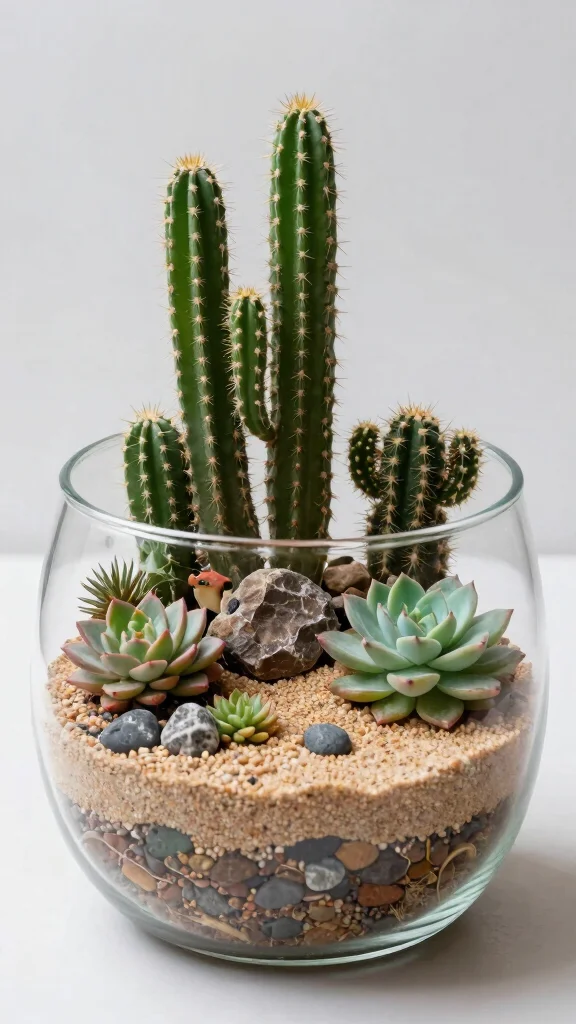
Are you drawn to the beauty of arid landscapes? A desert-themed terrarium could be your perfect project! Choose a clear glass container and start with a layer of sand at the bottom, followed by pebbles for drainage. Add potting soil and plant a mix of cacti and succulents to recreate a desert environment.
You can also integrate decorative elements like small rocks or even miniature desert animals to enhance the theme.
Key points to remember:
– Cacti need direct sunlight; place them in a bright spot.
– Water infrequently, as these plants are adapted to drought.
– Consider the size of your cacti to ensure they have enough room to flourish.
This terrarium will transport you to a sunny desert oasis right in your own home.
📹 Related Video: Building a Realistic Desert Terrarium – Full Step by Step Guide
Desert Landscape Terrarium
Editor’s Choice
Miracle-Gro Indoor Potting Mix for Cactus and Succulent, Fast-Draining C…
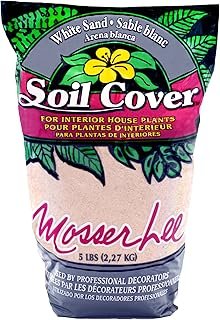
Mosser Lee ML1111 White Sand Soil Cover, 5 lb.
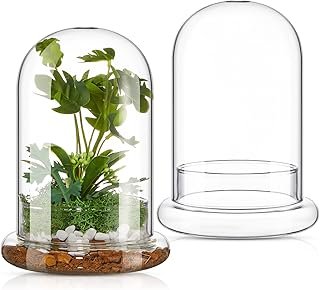
2 Pcs 5.9 x 7.9 Inch Glass Terrarium Clear Terrarium Planter Container G…
7. Seasonal Theme Terrarium
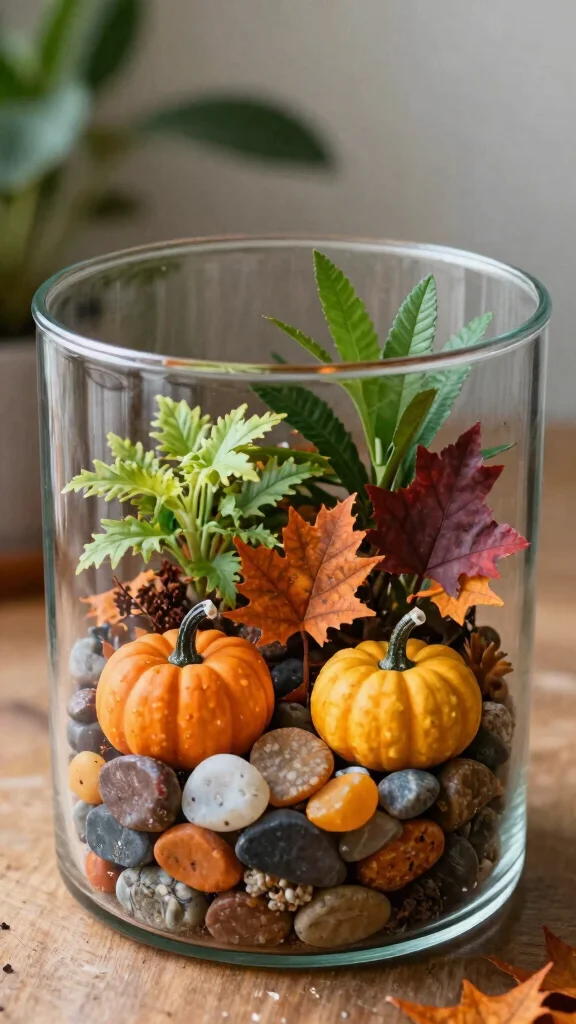
How about celebrating the seasons with a themed terrarium? This project can change throughout the year! Start with a glass container and select plants that fit the season. For spring, use small flowers and bright greens; for autumn, incorporate colorful leaves and rustic accents.
You can swap out decorations and plants as the seasons change, keeping this project dynamic and exciting.
Creative Ideas:
– Add miniature pumpkins for fall or snowflakes for winter.
– Use seasonal colors for stones or decorative elements.
– Involve children in decorating for a fun family activity.
A seasonal terrarium keeps your indoor garden fresh and captivating all year round.
Fun fact: Among moss terrarium ideas, a single seasonal setup can showcase four distinct looks—spring blooms, summer greens, autumn leaves, and winter textures—by rotating 1–2 elements each month. Keep a clear container so colors shine and moss thrives year-round.
Difficulty Rating & Requirements
Overall Difficulty Rating: Easy
Creating a DIY terrarium is rated as easy, making it perfect for beginners. You don’t need advanced gardening skills to get started, just a bit of creativity and patience. This project is suitable for anyone looking to explore indoor gardening or create a fun decorative piece.
Time Estimate:
⏱ Estimated time: 2-4 hours
– Planning and gathering supplies: 1 hour
– Assembly: 1-2 hours (depending on complexity)
– Final touches and maintenance setup: 30 minutes
Skill Requirements:
– Required skills: Basic crafting skills and a little knowledge about plants
– Beginner-friendly: Yes! This project is approachable even if you have no gardening experience. You can learn how to care for plants as you go.
– Skills that can be learned: Plant care basics, arranging plants aesthetically, and maintaining humidity levels.
– Skills requiring experience: None. All skills needed can be picked up during the process.
Tools & Materials Needed:
🧰 Essential items checklist:
– Glass container (required): Choose a size that fits your desired design.
– Potting soil (required): Select soil that matches your plant types (succulent mix for succulents, etc.).
– Plants (required): Pick your favorites; consider succulents or air plants for ease.
– Decorative stones or gravel (optional): Adds visual appeal and aids drainage.
– Activated charcoal (optional): Keeps the terrarium fresh by filtering water.
– Small tools (optional): Tweezers or chopsticks can help with precise planting.
– Moisture meter (optional): Helps ensure you’re watering correctly.
– Decorative elements (optional): Fairy figurines or pebbles for a personalized touch.
Step-by-Step Overview:
1. Planning and Gathering Supplies (1 hour): Take time to choose the right plants and gather all your materials. This step is crucial for a successful terrarium.
2. Setting Up the Terrarium (1-2 hours): Start by layering the bottom of your glass container with gravel for drainage, followed by activated charcoal if desired. Add the potting soil and carefully plant your chosen greenery.
3. Decorating the Terrarium (30 minutes): Add stones, figurines, or other decorative elements to bring your terrarium to life. Arrange them in a way that makes the most of your space and plants.
4. Maintenance Setup (30 minutes): After assembling your terrarium, learn about watering and light requirements for your plants. This setup ensures your terrarium thrives for weeks to come.
Professional vs DIY:
Creating a DIY terrarium can cost you between $20 to $60, depending on your choice of materials and plants. In contrast, purchasing a pre-made terrarium could run you $50 to $150 or more. If you enjoy gardening and crafting, going the DIY route is a fun and economical choice. However, if you’re short on time or want a high-end look, consider hiring a professional or purchasing a ready-made option.
With this detailed assessment, you’re ready to dive into the world of terrariums. Embrace the process, and enjoy your journey into indoor gardening! Happy crafting! 🌿
Seasonal Theme Terrarium
Editor’s Choice
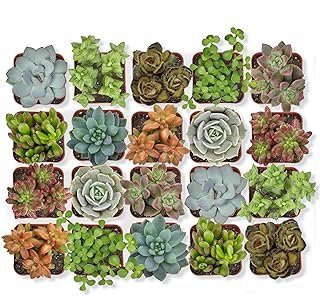
Altman Plants, Live Succulent Plants (20 Pack) Assorted Potted Succulent…
Jansun 45pcs Halloween Resin Pumpkin, Miniature Pumpkin Decorations for …
WHJY 6 inches Glass Cloche for Indoor Plants Small Terrarium Glass Cloch…
8. Ultimate Zen Garden Terrarium
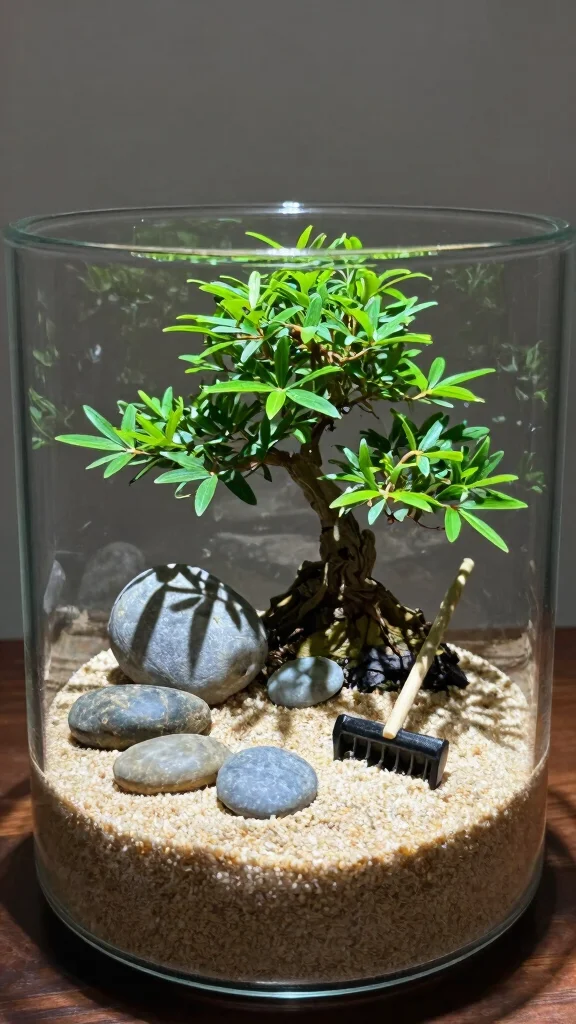
Looking for a calming atmosphere? Consider creating a Zen garden terrarium. Use a clear glass container and start with a layer of sand or fine gravel. Incorporate smooth stones, small bonsai plants, and miniature rakes for that classic Zen aesthetic.
This terrarium emphasizes simplicity and mindfulness, making it a perfect project to bring peace into your space.
Mindfulness Tips:
– Take your time arranging stones and plants, focusing on the process.
– Use it as a centerpiece for meditation or relaxation.
– Incorporate soft lighting to enhance the tranquil effect.
Your Zen garden terrarium could serve as a beautiful reminder to slow down and appreciate the little things in life.
Ultimate Zen Garden Terrarium
Editor’s Choice
Mosser Lee ML1111 White Sand Soil Cover, 5 lb.
Andiker Mini Gardening Tools, 3pcs Portable Garden Hand Tools Set, Minia…
Glass Plant Propagation Stations for Plants – Set of 4(2 Large & 2 Sma…
Conclusion
Creating your own terrarium is a rewarding journey that allows you to express your creativity and connect with nature.
Each of these DIY terrarium ideas for beginners serves as a canvas for your personal touch.
Whether you opt for a classic succulent arrangement or a whimsical fairy garden, the possibilities are endless.
Get started today, and turn your indoor space into a lush paradise!
Note: We aim to provide accurate product links, but some may occasionally expire or become unavailable. If this happens, please search directly on Amazon for the product or a suitable alternative.
This post contains Amazon affiliate links, meaning we may earn a small commission if you purchase through our links, at no extra cost to you.
Frequently Asked Questions
What are the essential supplies for DIY terrarium ideas for beginners and how do I choose the right glass container?
Here’s a friendly starter guide for DIY terrarium ideas for beginners and how to pick the perfect glass container:
Terrarium supplies: a clear glass container (open tops are easiest for beginners), a shallow drainage layer of small pebbles, a thin layer of activated charcoal, and a well-draining soil mix (cactus/succulent mix works well for succulents and moss).
Plants: start with tiny, slow-growing varieties like small succulents, moss, or air plants; for a fairy garden vibe, add dwarf ferns or grasses.
Tools and extras: a spray bottle for gentle watering, long tweezers or chopsticks for placement, a small scoop for soil, and optional fairy garden minis or decorative stones.
Container tips: choose an open-top container for easier watering and airflow, or a small bell jar if you enjoy a closed terrarium but be prepared to open it occasionally to prevent excessive humidity. Size matters—start with about 6–8 inches in diameter and place it somewhere with bright, indirect light. Maintain by misting when the soil is dry and watching for signs of overwatering or mold over the next week.
How can I start a beginner-friendly succulent terrarium design step by step?
Great question! Here’s a simple step-by-step for a beginner-friendly succulent terrarium designs project that fits well with beginner gardening projects:
1) Pick a glass container and plan your layout on paper; decide if you’ll have vertical height or a low, sprawling look.
2) Layer basics: a small amount of rocks or pebbles for drainage, a thin layer of activated charcoal, then a well-draining soil mix (cactus/succulent soil).
3) Plant placement: start with the largest succulent in the center or at the back, then add smaller companions around it, leaving space for growth.
4) Add texture: tuck in a patch of moss or airy filler to soften edges, and add tiny fairy garden accents sparingly so they don’t crowd the plants.
5) Water and light: water sparingly with a spray bottle, allow soil to dry between waterings, and give it bright indirect light. If you’re using a closed terrarium, open it occasionally to vent humidity.
6) Maintenance: remove any dead leaves, wipe the glass, and check soil moisture weekly.
What indoor gardening tips can help terrariums thrive in low light or small spaces?
Here are practical indoor gardening tips for thriving terrariums in compact areas:
Light: place in bright, indirect light or use a compact grow light for 10–12 hours daily; rotate weekly for even growth.
Soil and watering: choose a well-draining soil mix and water sparingly—mist or add just a splash of water when the top layer is dry; never let water pool at roots.
Ventilation: open closed terrariums every week or two to prevent mold; wipe condensation from the glass to keep light shining through.
Humidity and temperature: most beginner terrariums do well at room temperatures (65–75°F / 18–24°C) with moderate humidity; avoid placing near heating vents.
Maintenance: clean the glass for better light, prune yellowing leaves, and refresh moss or fairy elements as needed.
Is a miniature fairy garden compatible with DIY terrarium ideas for beginners, and how do I set it up?
Yes—tiny fairy gardens are a charming addition to DIY terrarium ideas for beginners. Here’s how to blend them smoothly:
Plan scale and container: choose a container with enough depth to hold tiny furniture and plants without crowding them.
Base and plants: start with a mossy carpet or cushion, add dwarf plants, and place miniature furniture and decorative stones sparingly so they don’t shade the plants.
Humidity and care: fairy elements like wooden furniture can rot; keep humidity balanced by avoiding overwatering and ensuring good drainage.
Placement and upkeep: position your fairy garden where it gets bright indirect light, wipe the glass for crystal clarity, and prune plants as needed to maintain a neat scene.
Tip: use glass container gardening principles to keep a long-lasting, enchanting miniature scene.
How do I maintain my beginner terrarium and troubleshoot common problems like mold, drainage, or overwatering?
Maintenance tips for a thriving terrarium life:
Watering routine: start with tiny amounts and wait for the top inch of soil to dry before watering again; for closed terrariums, air out occasionally to prevent dampness.
Drainage and soil: ensure a proper drainage layer (rocks or pebbles) and activated charcoal to prevent odors; if you see standing water, remove it and allow to dry.
Problem-solving: mold or mushy plants means overwatering or too much humidity—open the container, remove affected soil, and add more airflow; consider a light dusting of activated charcoal if odor appears.
Pruning and cleaning: trim dead leaves to prevent decay and wipe the glass regularly to maximize light.
Routine check: monitor plant health weekly and adjust light, water, and airflow as needed to keep your beginner gardening projects thriving.
Related Topics
DIY terrarium
beginner gardening
fairy garden
indoor plants
succulent designs
glass container
easy projects
terrarium supplies
miniature gardening
step by step
home decor
creative crafts