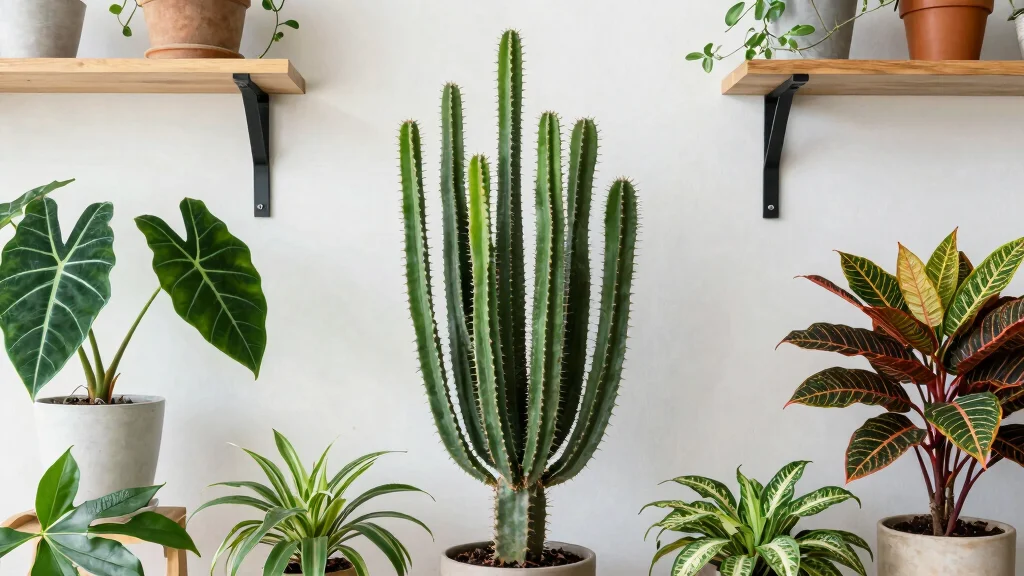
Are you tired of the same old indoor plants? Have you been searching for something to make your space feel fresh and unique? This post is for those who crave a bit of green but want to stray from the ordinary. I created this list of unusual indoor plants you’ve never seen to help you discover rare and exotic houseplants that will not only beautify your home but also improve your air quality.
If you’re a plant enthusiast or just starting your indoor garden journey, you will appreciate what these rare indoor plants can bring to your space. They add character and invite a sense of wonder into your home. Whether you want something striking to impress guests or simply a companion that’s a little different, this guide has you covered. From the playful Rhipsalis to the stunning Alocasia Zebrina, these plants will definitely catch your eye.
Get ready to explore seven unique houseplants that are perfect for jazzing up your indoor garden. You’ll find care tips, visual appeal, and insights into each exotic indoor greenery. By the end of this post, you’ll have plenty of ideas for adding these unusual houseplant varieties to your collection.
Key Takeaways
– Discover seven rare indoor plants that stand out for their unique appearance and charm.
– Learn about the Rhipsalis, a hanging cactus that adds a whimsical touch to any room.
– Explore the Alocasia Zebrina, known for its striking zebra-like stems that bring a bold statement to your decor.
– Understand the care requirements for each of these exotic indoor plants to keep them thriving in your home.
– Find inspiration to transform your indoor garden with unusual houseplant varieties that improve air quality and elevate your living space.
Recommended Products

Easy Care & Low Maintenance – These houseplants are perfect for beginners or busy individuals who want to add greenery to their home without the stress of constant care. Requires minimal watering and can thrive in low-light environments, making them ideal for apartments, offices, or any space with limited sunlight.

Prefers a sunny location or very bright, indirect ligh

LICENSED GREENHOUSE GROWN PLANTS: Have confidence in ordering from a CA Licensed greenhouse succulent and cactus Nursery. Succulents bring a colorful addition to your home with the benefits of minimal watering and low maintenance to fit your busy lifestyle.
1. Rhipsalis: The Cactus that Hangs Out
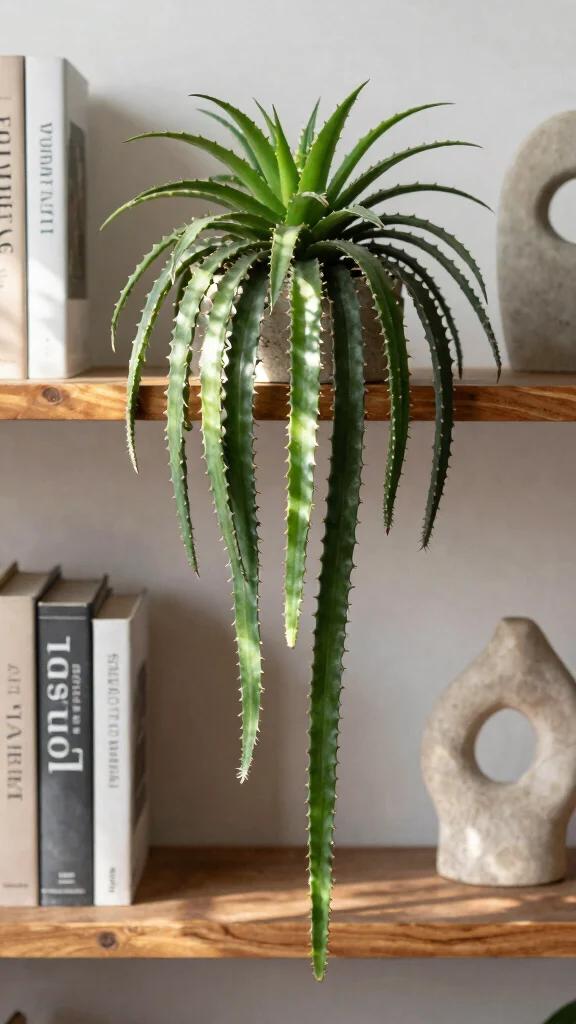
If you’re searching for a unique indoor plant, the Rhipsalis might be just what you need. Unlike traditional cacti, this fascinating plant features long, cascading stems that can create a stunning visual display. Its delicate green tendrils thrive in low light, making it an ideal choice for indoor spaces where other plants may struggle. Plus, the tiny white flowers that occasionally bloom add a charming touch to your decor.
To keep your Rhipsalis happy, monitor the soil moisture and water only when it feels dry to the touch. Place it in a bright area with indirect sunlight, as direct rays can be too harsh. Creating a humid environment, either through misting or by positioning it near other plants, will help it flourish.
Key care tips for Rhipsalis:
– Check soil moisture before watering
– Position in bright, indirect light
– Mist regularly to maintain humidity
This captivating plant not only enhances your indoor aesthetic but also offers a low-maintenance option for both novice and experienced plant enthusiasts.
Rhipsalis proves that unusual indoor plants you’ve never seen can thrive in humble light. Its cascading stems vibe like a living waterfall, with tiny white blooms that show rarely but charm daily. Water when the top inch dries and enjoy the easy care.
Recommended Products

Supports Bold Leaves & Strong Stems – Helps encourage vibrant foliage and sturdy plant structure.

Tradescantia Zebrina in a 6" Nursery Pot: Introduce the vibrant charm of our Tradescantia Zebrina to your indoor space, flourishing in a practical 6" nursery pot. Also known as the Wandering Jew, this delightful houseplant with its trailing vines and distinctive striped leaves brings a touch of natural elegance and air-purifying benefits to your home or office.

MATURE SIZE & CARE GUIDE: The Frydek Elephant Ear (Alocasia micholitziana) matures to a striking 24-36 inches, adding elegance to indoor and outdoor spaces. Thrives in USDA Hardiness Zones 9-11, with partial to full shade. Prefers moderately moist, well-drained soil for optimal growth, adding a lush, tropical feel to any environment.
Rhipsalis: The Cactus that Hangs Out
Editor’s Choice
XLUX Long Probe Deep Use Soil Moisture Meter, Water Monitor Indicator Se…

Gynura aurantiaca – Purple Passion Plant – Live Indoor Houseplant – …
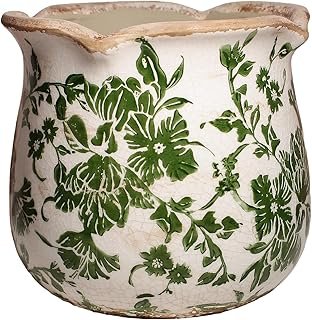
Xiaan Jiaju Tuscan Ceramic Plant Pots, 6.11 Inch Vintage Planters with D…
2. Alocasia Zebrina: The Zebra Plant
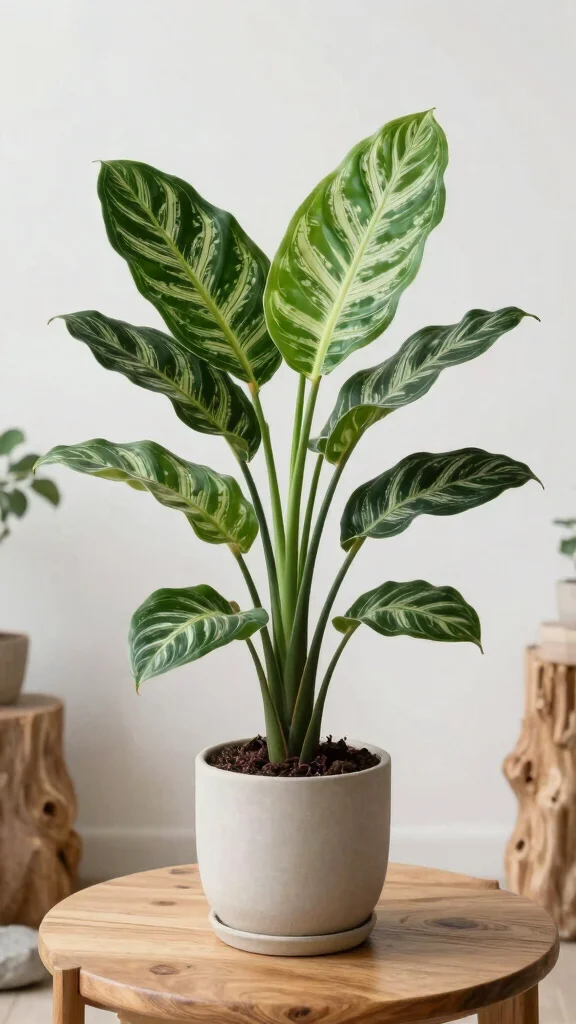
Meet the Alocasia Zebrina, a striking plant that commands attention with its zebra-striped stems and large, heart-shaped leaves. This eye-catching beauty not only serves as a visual centerpiece but also contributes to improved air quality in your home. Its lush, deep green foliage brings a tropical vibe to any indoor space, making it a perfect addition to your plant collection.
For optimal growth, keep the soil moist but not overly saturated, and choose filtered water to avoid any potential leaf damage. Provide bright, indirect light and be cautious of direct sun exposure, which can scorch those beautiful leaves. Regular feeding with balanced fertilizer during the growing season will promote vibrant growth.
Care instructions for Alocasia Zebrina:
– Maintain consistent soil moisture
– Offer bright, indirect lighting
– Fertilize during active growing months
Incorporating this stunning plant into your home not only enhances its beauty but also provides a fantastic conversation starter for your guests.
Recommended Products

[Material Safety] Considering that outdoor lanterns need to be more durable, we use selected polyethylene plastic to replace the glass surface. It is not easy to damage and maintain its beauty while ensuring that it has sufficient light transmission effect, allowing the light to emit a soft and comfortable light.

Features:3.3m/10.8ft 20 LEDs on a flexible Silver Wire Wrap, Warm White, Lovely Cactus Appearance.Green Cactus size:6.7cm*4.3cm/2.64"*1.69".cactus icon with natural green light
An ideal neon light to your bedroom or office desk. With either comfortable warm light or beautiful bright light, it can meet your needs of lighting and decoration.
Alocasia Zebrina: The Zebra Plant
Editor’s Choice
Chapin 47998 Watering Can, 2 Gallon, Indoor and Outdoor Plants, Lawn, Ga…
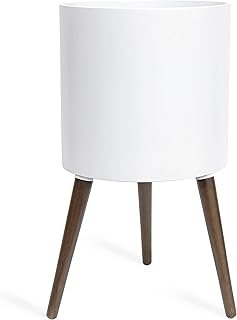
D’vine Dev 14 Inch Planter Pot with Stand, Mid-Century Tall Plant Pot wi…
XLUX Long Probe Deep Use Soil Moisture Meter, Water Monitor Indicator Se…
3. Calathea Orbifolia: The Underrated Beauty
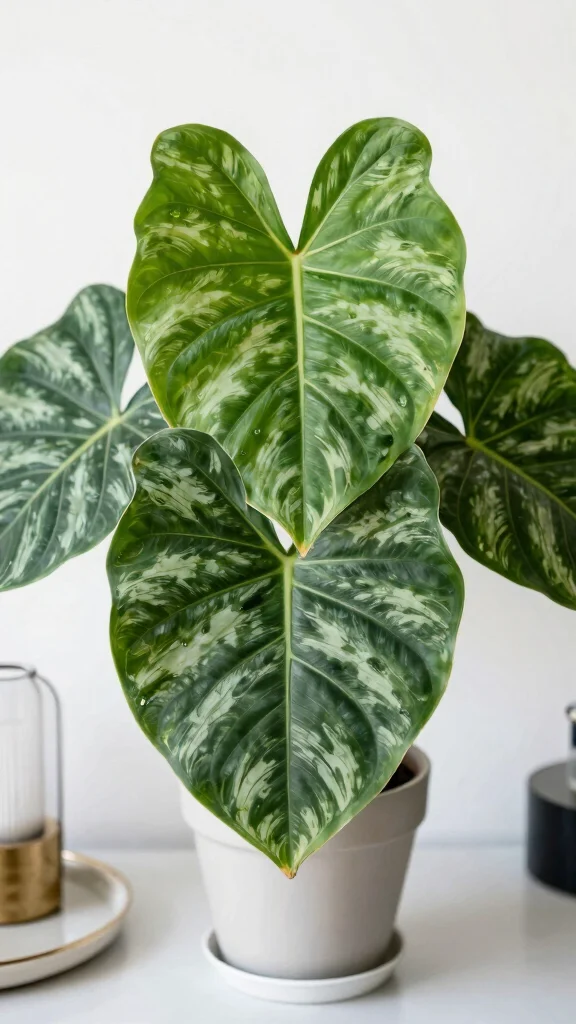
The Calathea Orbifolia is a true gem, renowned for its wide, rounded leaves that feature mesmerizing striped patterns. This rare beauty not only elevates your decor but also plays a role in purifying the air, making it a smart choice for any indoor environment. Its lush green foliage creates a serene atmosphere, perfect for relaxation and rejuvenation.
Keep your Calathea’s soil lightly moist, and opt for distilled water to prevent unsightly leaf spots. It thrives in bright, indirect sunlight, so avoid placing it in direct light that could dull its colors. To maintain its happiness, consider using a humidifier or occasionally misting the leaves.
Essential care tips for Calathea Orbifolia:
– Maintain slightly moist soil
– Provide bright, indirect sunlight
– Use humidity to enhance growth
This stunning plant not only adds a bold visual element to your home but also contributes to a healthier indoor environment.
Recommended Products

Prefers a sunny location or very bright indirect light

CURATED SUCCULENT ASSORTMENT: Our Succulent Hanging Plant Starter Pack is thoughtfully curated, featuring a handpicked assortment of succulent varieties. Each pack is designed to offer a diverse selection of hanging starter plants, ensuring a visually appealing and well-balanced arrangement that captures the essence of succulent beauty.

HANGING SUCCULENT PACK: Features a rotating assortment of 3 plants grown in 3.5 inch hanging baskets
📹 Related Video: Calathea Orbifolia Care Tips
Calathea Orbifolia: The Underrated Beauty
Editor’s Choice

smartwater vapor distilled premium water bottles, 16.9 fl oz, 6 Pack

Klein Tools ET140 Pinless Moisture Meter for Non-Destructive Moisture De…
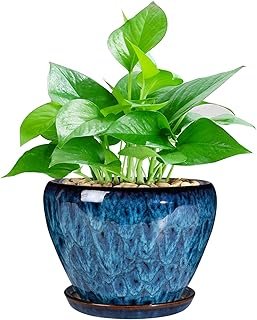
Ceramic Modern Glaze Succulent Planter Pot with Drainage Hole and Saucer…
4. Monstera Adansonii: The Swiss Cheese Plant
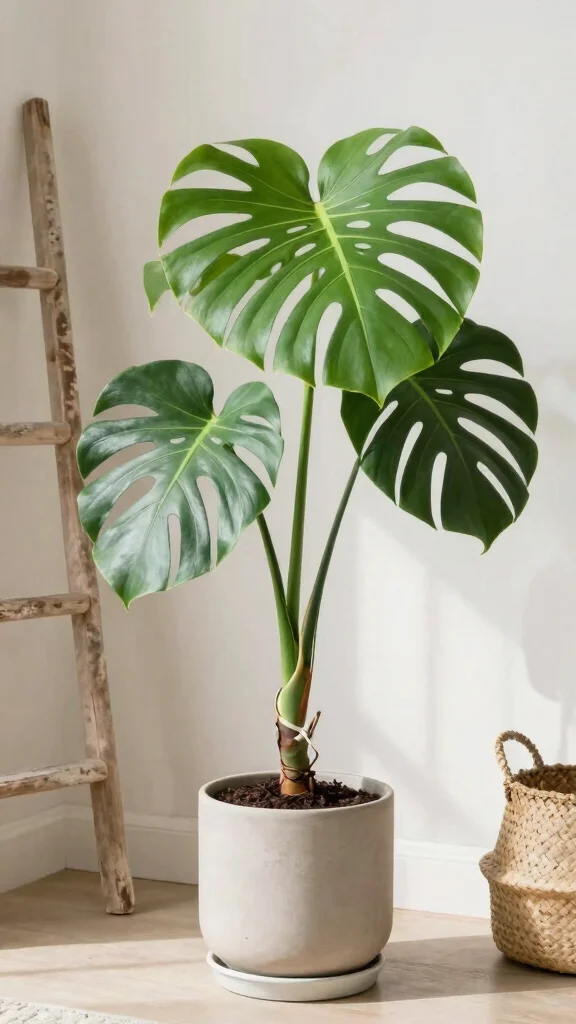
The Monstera Adansonii, affectionately known as the Swiss Cheese plant, brings a playful touch to your indoor garden with its unique leaf perforations. This tropical beauty easily adapts to various indoor conditions and can grow tall, making it an eye-catching statement piece. Beyond its aesthetic appeal, it also helps improve air quality, creating a healthier living space.
When caring for your Monstera, allow the top inch of soil to dry out before watering to avoid overwatering issues. While it prefers bright, indirect light, it can handle lower light conditions as well. As it grows, consider providing a moss pole or trellis for support, encouraging its natural climbing habit.
Key care tips for Monstera Adansonii:
– Water when top inch of soil is dry
– Position in bright, indirect light
– Support growth with a climbing structure
This plant not only enhances your decor but also acts as a natural air purifier, making it a wonderful addition to your indoor space.
If you’re chasing unusual indoor plants you’ve never seen, Monstera Adansonii brings playful Swiss Cheese leaves to life indoors. Keep care simple: let the top inch of soil dry out before watering and give it bright, indirect light. It silently cleans the air while you enjoy its quirky perforations.
Recommended Products
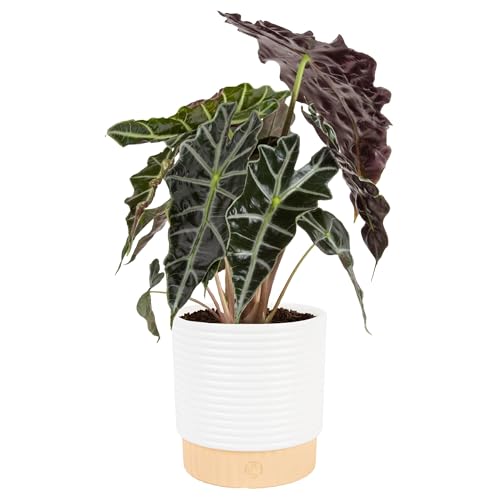
STYLISH ROOM DÉCOR UPGRADE: The Alocasia Polly is a striking choice for boho, modern, or farmouse décor. Its beauty and compact size make this real house plant Ideal for any plant shelf, desk, kitchen countertop, or surface

PREMIUM ALOCASIA PLANT: Alocasia are eye-catching house plants and decorative office plants
We CANNOT ship this item to California, Arizona, Hawaii and Alaska
You might also like
Monstera Adansonii: The Swiss Cheese Plant
Editor’s Choice
12″ 10″ 9″ 8″ Self Watering Pots with Water Level Indicator, Large Plast…
Miracle-Gro Indoor Plant Food for All Plants, Liquid Plant Food for Hous…
XLUX Long Probe Deep Use Soil Moisture Meter, Water Monitor Indicator Se…
5. Hoya Kerrii: The Sweetheart Plant
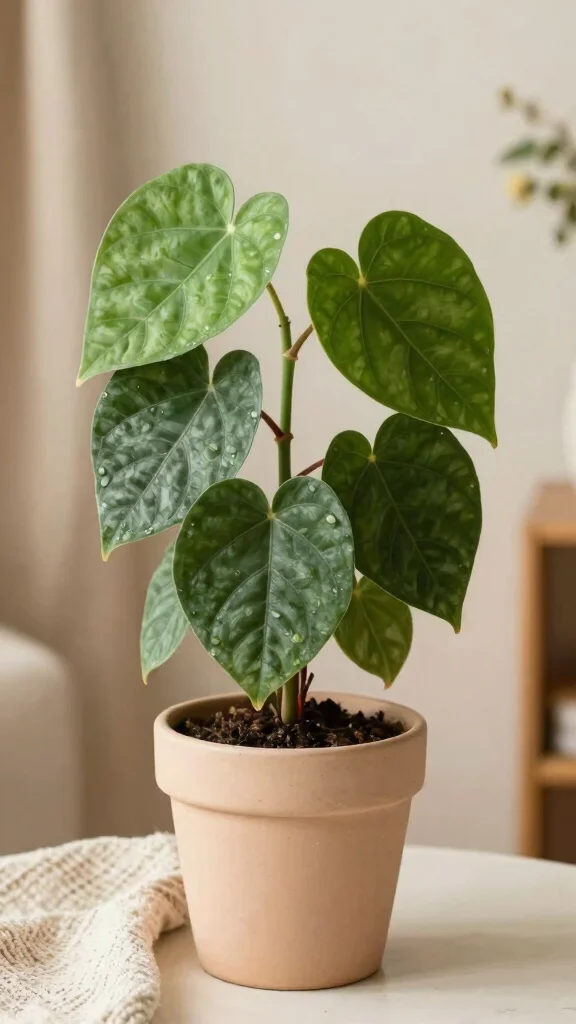
Looking for a truly special plant? The Hoya Kerrii, also known as the sweetheart plant, features thick, heart-shaped leaves that are both delightful and easy to care for. This charming plant is often given as a symbol of love, making it a sweet gift or a lovely addition to your own collection. Its unique shape and low maintenance requirements make it a favorite among plant enthusiasts.
Allow the soil to dry out between waterings, as overwatering can lead to root rot. While it enjoys bright, indirect light, it can also tolerate some low-light areas. During the growing season, a balanced liquid fertilizer will help boost its leaf growth.
Care tips for Hoya Kerrii:
– Allow soil to dry between waterings
– Enjoy bright, indirect light
– Fertilize during the growing season
The Hoya Kerrii’s whimsical leaves infuse any indoor space with a touch of charm, making it a perfect addition for plant lovers.
Recommended Products

LIVE INDOOR PLANT -Bring home the stunning Lemon Lime Maranta Prayer Plant and enjoy a touch of tropical calm. With its vivid green leaves brushed with yellow and dark-green veins, this houseplant brings instant warmth and charm to any room. Watch as its leaves fold upward at night like praying hands — a living rhythm of peace and nature.

🌿 Striking Silvery Foliage – The Moonshine Snake Plant features elegant, upright leaves in a soft silvery-green tone that adds a modern, minimalist touch to any space.

Triostar stromanthe (Stromanthe sanguinea) is a tropical leafy pet friendly and it purifying plant.
Hoya Kerrii: The Sweetheart Plant
Editor’s Choice
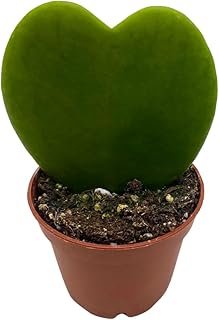
BubbleBlooms Green Hoya Kerrii Heart in a 2 inch Pot Sweetheart Mother’s…

A Woman’s Garden: Grow Beautiful Plants and Make Useful Things – Plants …
Cute Body Shaped Planter Fun Resin Plant Pots Indoor with Drainage Hole …
6. Anthurium Clarinervium: The Velvet Touch
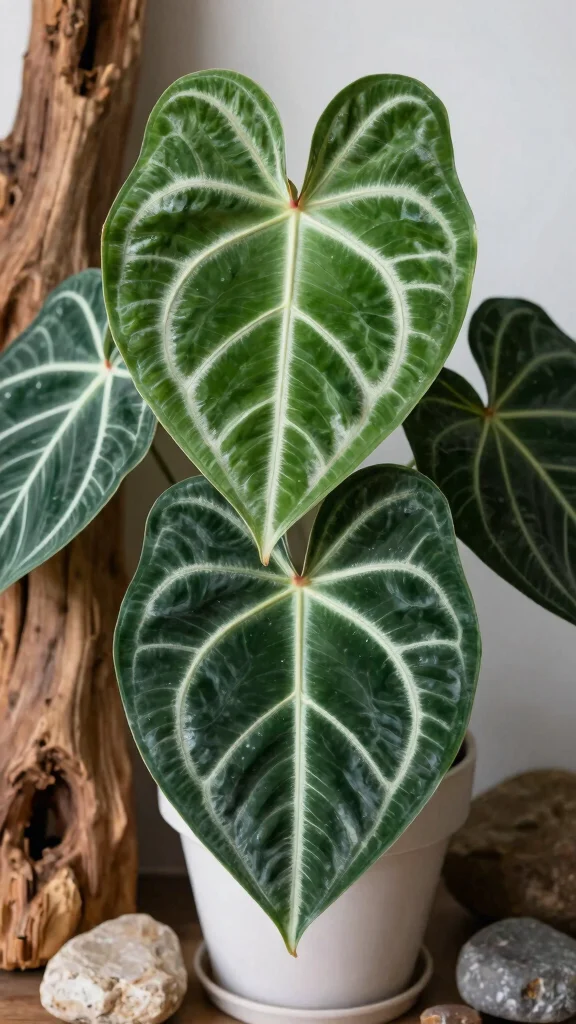
The Anthurium Clarinervium stands out as an indoor plant rock star, showcasing stunning velvety leaves with striking white veins. Not only does it capture attention, but it also acts as an excellent air purifier, enhancing the quality of your indoor air. Each leaf features a unique pattern, offering a one-of-a-kind aesthetic for your space.
To care for your Anthurium, keep the soil consistently moist but avoid sogginess by watering with distilled water. Place it in bright, indirect light to prevent leaf scorching from direct sunlight. A humid environment is ideal, so regular misting will keep it thriving.
Care instructions for Anthurium Clarinervium:
– Maintain consistent moisture without sogginess
– Provide bright, indirect sunlight
– Ensure a humid environment through misting
This extraordinary plant not only serves as a stunning focal point but also contributes to a fresher, healthier indoor atmosphere.
Fun fact: Anthurium Clarinervium is one of the unusual indoor plants you’ve never seen, with velvet leaves and striking white veins. To keep it thriving and doing its air-purifying job, water with distilled water to keep soil consistently moist (not soggy) and place it in bright, indirect light.
Recommended Products
10 Count; Battery Operated; Features Cactus Light Covers

MILLTOWN MERCHANTS CHRISTMAS CLASSICS - The Milltown Merchants Christmas Classics line is a contemporary take on nostalgic ceramic Christmas decor that has been popular for generations.

Cactus string lights with 40 warm white LEDs and green acrylic cacti for a charming desert-inspired glow, perfect for summer nights or Cinco de Mayo decor.
Anthurium Clarinervium: The Velvet Touch
Editor’s Choice
Xiaan Jiaju Tuscan Ceramic Plant Pots, 6.11 Inch Vintage Planters with D…
Southside Plants Tap Water Conditioner for Houseplants & Hydroponics – R…
XLUX Long Probe Deep Use Soil Moisture Meter, Water Monitor Indicator Se…
7. Cryptanthus: The Earth Star
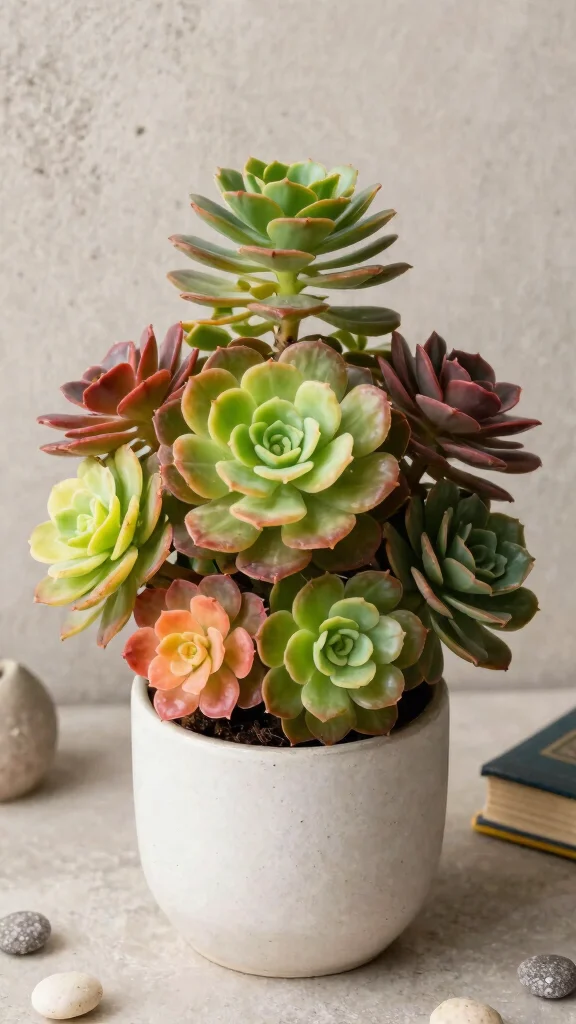
The Cryptanthus, also known as the Earth Star, features rosette-shaped leaves that come in vibrant colors, injecting life into your indoor garden. These low-maintenance plants thrive under various indoor conditions, making them perfect for busy plant owners. Besides their beauty, they also help purify the air, adding to their charm and appeal.
Allow the soil to dry out between waterings to prevent root rot, and ensure proper drainage. While they prefer bright, indirect light, these resilient plants can adapt to different lighting conditions. Using a well-draining soil mix is essential for keeping their roots healthy.
Key care tips for Cryptanthus:
– Allow soil to dry between waterings
– Enjoy bright, indirect light
– Use well-draining soil for optimal health
The Cryptanthus not only enhances your plant collection with its vibrant colors but also provides air-improving benefits, making it a delightful addition to any home.
Recommended Products

Air Purifying Rattlesnake Calathea: Perfect addition to your living room decor, office decor, or garden decor. This live Calathea Rattlesnake plant not only brings color but also acts as an air purifier.
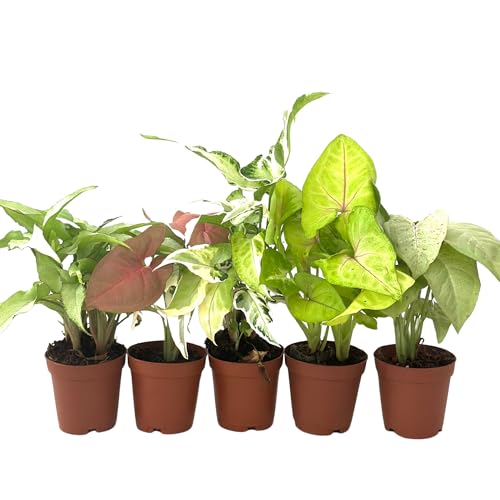
【Rare and Affordable】- Acquire the coveted Syngonium live for your plant collection without breaking the bank—elevate your indoor spaces with its striking presence. Includes a required winter heat pack for safe cold-weather shipping.

LIVE INDOOR HOUSEPLANTS: Includes a rotating assortment of 6 popular indoor plants in 2 in. grower pots, ranging in height by variety - approximately 4 - 6 in. tall
Ongoing Maintenance & Care Guide
Maintenance Schedule:
Daily/Weekly Tasks:
– Watering: Check soil moisture every 3-7 days. Water when the top inch feels dry. ⏱ (5-10 minutes)
– Dusting Leaves: Wipe down leaves with a damp cloth to keep them clean and maximize photosynthesis. ✔ (5 minutes)
– Check for Pests: Look for any signs of insects, like webs or discoloration. Act quickly if you spot anything. 🚨 (5 minutes)
Monthly/Seasonal Tasks:
– Fertilizing: Use a balanced houseplant fertilizer during the growing season (spring and summer). Apply every 4-6 weeks. 💪 (10-15 minutes)
– Repotting: Check root growth. If roots are coming out of the drainage holes, it’s time to repot into a larger container. 🌱 (20-30 minutes)
– Pruning: Trim off any dead or yellowing leaves to keep the plant healthy. This helps improve air circulation. ✂️ (10 minutes)
– Rotation: Rotate your plant every month to ensure even light exposure on all sides. 🌞 (5 minutes)
– Humidity Check: If you have a humidifier, ensure it’s functioning well, especially in winter months. 🌬️ (5 minutes)
Maintenance Summary Table:
| Task | Frequency | Difficulty | Time Needed |
|————————-|—————-|—————-|————–|
| Watering | Daily/Weekly | Easy | 5-10 mins |
| Dusting Leaves | Weekly | Easy | 5 mins |
| Check for Pests | Weekly | Easy | 5 mins |
| Fertilizing | Monthly | Moderate | 10-15 mins |
| Repotting | As Needed | Moderate | 20-30 mins |
| Pruning | Monthly | Easy | 10 mins |
| Rotation | Monthly | Easy | 5 mins |
| Humidity Check | Monthly | Easy | 5 mins |
Common Issues to Watch For:
⚠️ Yellowing Leaves: This might indicate overwatering or nutrient deficiency. Check the soil moisture and consider fertilizing.
⚠️ Brown Leaf Tips: This often means low humidity or underwatering. Increase humidity or adjust your watering routine.
⚠️ Wilting: If your plant is wilting, it could be underwatered or root-bound. Check both soil and pot size.
⚠️ Sticky Leaves: This can be a sign of pests like aphids or spider mites. Inspect your plant closely for any critters.
⚠️ Slow Growth: If your plant isn’t growing, it may need more light or a nutrient boost. Evaluate its growing conditions.
Care Tips:
💡 Use Quality Soil: Invest in well-draining potting mix to avoid root rot. This is crucial for all unusual indoor plants.
💡 Temperature Awareness: Keep your plants away from drafts or heating vents. Most prefer temperatures between 65°F and 75°F (18°C to 24°C).
💡 Group Plants Together: Placing plants close can boost humidity. This is especially helpful for tropical varieties.
💡 Monitor Light Levels: Use a light meter or a simple app to check if your plant gets enough light. Adjust its position as needed.
💡 Be Patient: Growing unusual indoor plants takes time. Monitor their health and adjust care as needed, but don’t rush.
By following these ongoing care tips and guidelines, you’ll keep your unusual indoor plants thriving and enhance air quality in your home. Happy gardening!
Cryptanthus: The Earth Star
Editor’s Choice
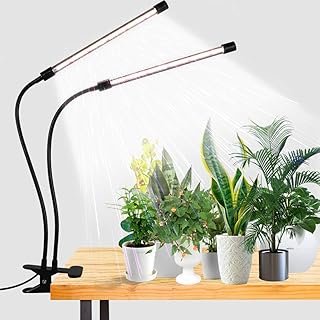
GooingTop LED Grow Light,6000K Full Spectrum Clip Plant Growing Lamp wit…
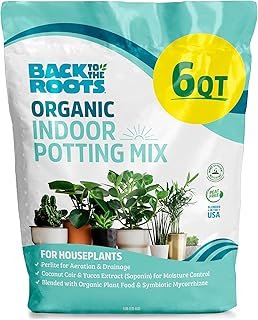
Back to the Roots 100% Organic Indoor Potting Mix (6 Quart), Promotes He…
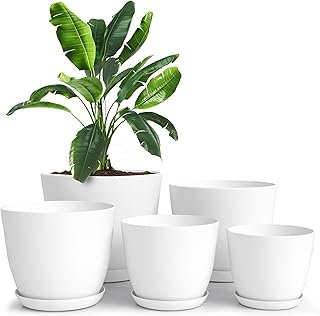
Utopia Home Plant Pots Indoor with Drainage Holes – Set of 5 White Pla…
Conclusion
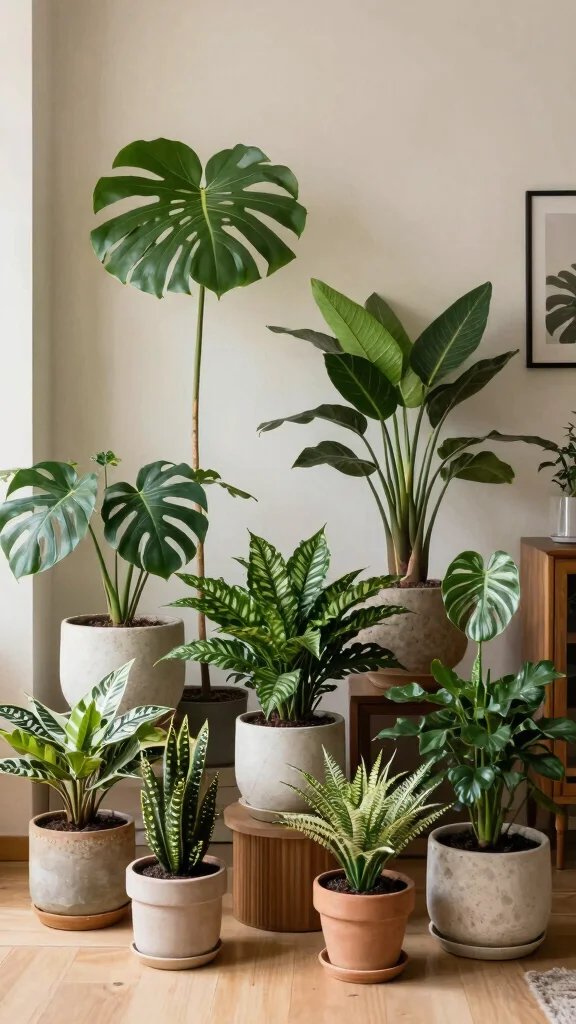
Incorporating unusual indoor plants into your home is about more than just aesthetics; it’s also a step toward better air quality and a greener living space. From the striking Rhipsalis to the vibrant Cryptanthus, these unique houseplants offer a chance to express your style while enhancing your environment.
So why not take a chance on these rare indoor plants? They’re sure to add life, color, and a little bit of the exotic to your indoor garden!
Note: We aim to provide accurate product links, but some may occasionally expire or become unavailable. If this happens, please search directly on Amazon for the product or a suitable alternative.
This post contains Amazon affiliate links, meaning we may earn a small commission if you purchase through our links, at no extra cost to you.
Frequently Asked Questions
What makes these unusual indoor plants you’ve never seen before stand out for air quality?
These unusual indoor plants you’ve never seen before often double as natural air purifiers. While no plant can perfectly sanitize your air, many exotic species help remove common indoor pollutants such as formaldehyde, benzene, and xylene. For best results, group a few together near a bright window and wipe leaves occasionally to keep photosynthesis humming.
Practical care tips include using a well-draining potting mix, letting the top inch dry before watering, and avoiding soggy roots. If you’re new to rare indoor plants, start with a couple of beginner-friendly options and gradually add more as your indoor plant care tips knowledge grows.
How do I care for rare indoor plants and keep them thriving without too much fuss?
Most rare indoor plants thrive with bright indirect light, careful watering, and steady humidity. Check each plant’s specific needs—some tolerate lower light, others crave higher humidity. Use a breathable potting mix, provide a light feeding during the growing season, and let the soil dry slightly between waterings to avoid root rot.
For beginners, start with two or three that tolerate average household conditions and practice the basics of indoor plant care tips.
Where can I find rare indoor plants or unique houseplants without overspending?
Begin with local nurseries and plant swaps to see rare indoor plants in person and verify their health. Online shops can expand your options, but read seller reviews, check shipping policies, and look for clear photos of leaves and roots to avoid surprises with unusual houseplant varieties.
Tip: watch for seasonal sales, propagate from friends, and consider exchanges to grow your collection of exotic greenery without breaking the bank.
Are these exotic indoor greenery safe for pets or kids?
Not all exotic indoor greenery is safe; many unusual houseplants can be toxic to curious pets and children. Always check each plant’s safety profile before bringing it home, and keep risky specimens out of reach or choose non-toxic alternatives when possible.
If you already own pets or little ones, place the most hazardous plants in rooms they don’t access and label pots so everyone stays informed.
Which of these unusual houseplant varieties are best for small spaces and beginner growers?
For compact spaces, pick plants that stay tidy with minimal growth, or vines/extensions that can drape from shelves. Many unusual houseplant varieties respond well to pruning and repotting, making them friendly for beginners. Use vertical space with wall shelves or hanging planters to showcase several plants without crowding surfaces.
Maintain a simple routine, start with easy-care options, and gradually explore more exotic indoor greenery as your confidence grows.
Recommended Products

💧 PRECISE PLANT PAMPERING - Our fine mist technology ensures optimal hydration for your leafy friends. Perfect for delicate houseplants, seedlings, and young sprouts. Witness your plants thrive with just the right amount of moisture!

FAST CHARGING & POWERFUL BATTERY: This powerful battery sprayer features a 2000mAh battery for long-lasting use and smooth operation. With fast charging, it’s always ready for watering, making plant care effortless without frequent recharging.

LIVE PLANT: Includes 2 Tillandsia Streptophylla approximately 5-9 inches in size with a ragnaroc Care card. Add the Tillandsia Streptophylla to your collection of live plants and air plants live. Its curly, flowing leaves and compact shape make it a standout, adding a touch of elegance to any room in your home.
Related Topics
unusual indoor plants
rare houseplants
exotic greenery
unique plant care
indoor air quality
beginner friendly plants
low maintenance indoor
indoor gardening tips
trending houseplants
plant aesthetics
indoor plant varieties
home decor plants