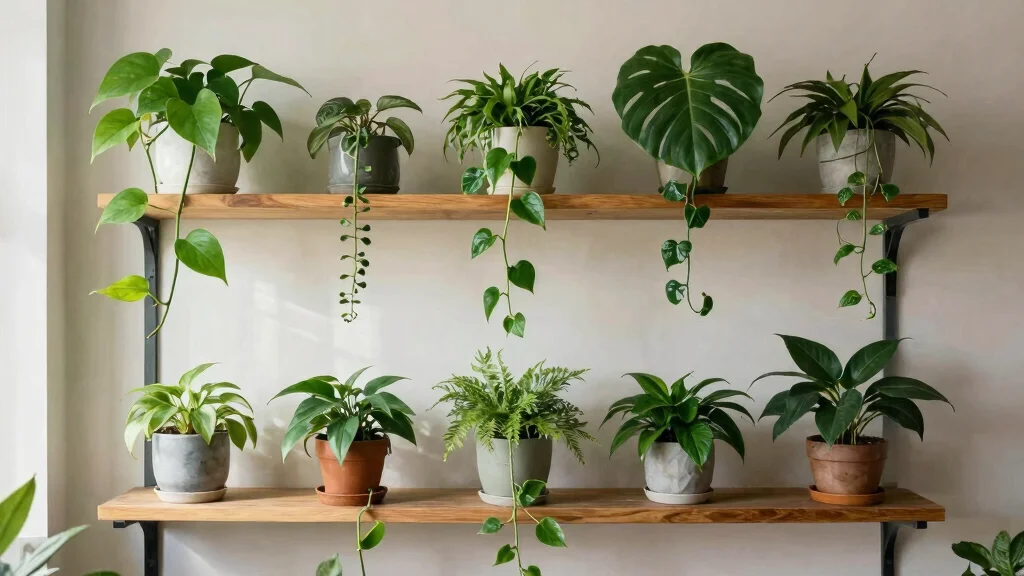
Indoor gardening has become a beloved pastime, especially when you’re looking to spruce up your living space. If you’re craving some greenery but feel limited by your small area, you’re in good company. Trailing houseplants are the perfect solution to add life and style to shelves and hanging spaces. These plants not only save space but also lend a warm and inviting touch to your home decor. From the classic Pothos to the charming String of Hearts, trailing houseplants can transform any dull corner into a lush sanctuary.
This guide is crafted for anyone who loves indoor plants but doesn’t have the largest living area. If you’re an apartment dweller, a busy professional, or just someone looking to enhance their home with low-maintenance greenery, this post is for you. You’ll discover a curated list of nine trailing houseplants that thrive indoors, even in low light. Each plant offers easy care and can be stylishly displayed on shelves or hung from the ceiling, giving you creative shelf decor ideas.
With this collection, you’ll learn which trailing plants are best suited for your space, their specific care requirements, and how they can highlight your decor. Whether you’re a seasoned plant parent or a beginner just starting out, you’ll find tips to help you choose the right plants for your home. Get ready to embrace the beauty of indoor trailing houseplants and elevate your space effortlessly.
Key Takeaways
– Discover nine stunning trailing houseplants that are perfect for shelves and hanging displays, including favorites like Pothos and String of Hearts.
– Learn about the specific needs of each plant, including light requirements, watering schedules, and overall care tips.
– Find practical advice on how to incorporate these plants into your existing decor, enhancing your living space without taking up valuable floor space.
– Understand why trailing houseplants are ideal for small areas, providing lush greenery without overwhelming your environment.
– Get inspired with creative shelf decor ideas that showcase your plants while adding charm and style to any room.
1. Pothos: The Classic Trailing Favorite
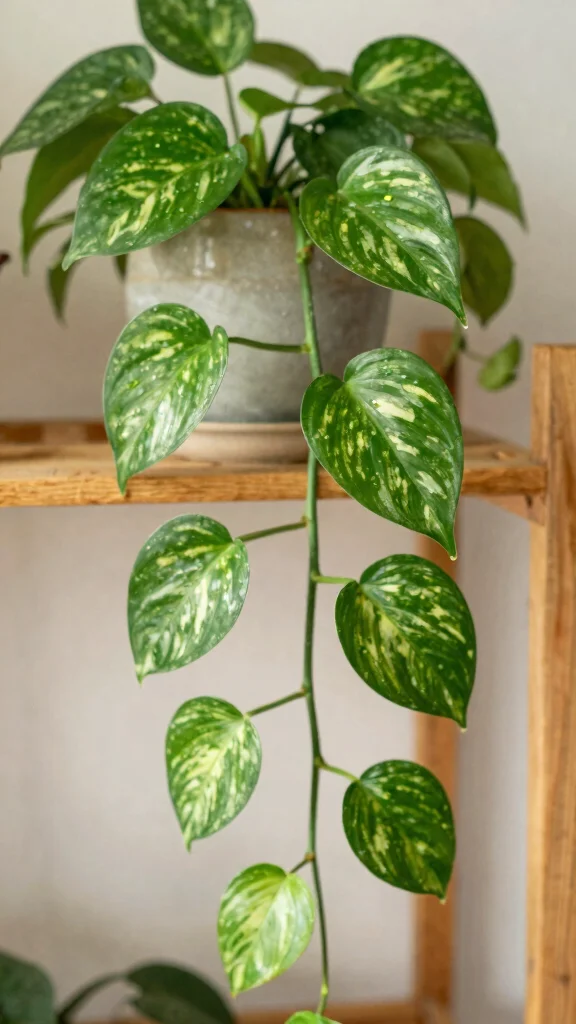
Pothos, often called devil’s ivy, is a favorite among indoor plant enthusiasts, and it’s easy to see why! This resilient plant flourishes in varying light conditions, from dim corners to bright spaces. With its lush, trailing vines that can stretch several feet, it adds a striking touch to any display. You can let it spill over a shelf or hang it in a basket for a stunning visual treat.
To keep your pothos happy, water when the top inch of soil is dry. Regular pruning encourages fuller growth, and a light fertilization every few months will keep its leaves looking vibrant. It’s also available in gorgeous varieties like golden pothos and marble queen, each bringing a unique flair to your home.
Key care tips:
– Water when the top inch of soil is dry.
– Prune regularly for bushier growth.
– Fertilize every few months during growth season.
Pothos not only enhances your decor but also purifies the air, making your home a healthier place. You’ll love the beauty and ease of caring for this classic plant!
Fun fact: Pothos vines can grow 10–12 feet long indoors under the right light, turning shelves into living waterfalls—one of the best examples of trailing houseplants for shelves. Even in low light, regular pruning encourages denser growth and fuller trails. Water when the top inch dries.
Pothos: The Classic Trailing Favorite
Editor’s Choice
Fasmov 1-Gallon Plastic Watering Can with Comfortable Handle, Garden Wat…


VIVOSUN 6.5 Inch Gardening Scissors Hand Pruner Pruning Shear with Strai…
ZMTECH 2 Pack 8 Inch Hanging Baskets for Plants Outdoor Indoor, Modern B…
2. String of Hearts: A Charming Trailing Gem
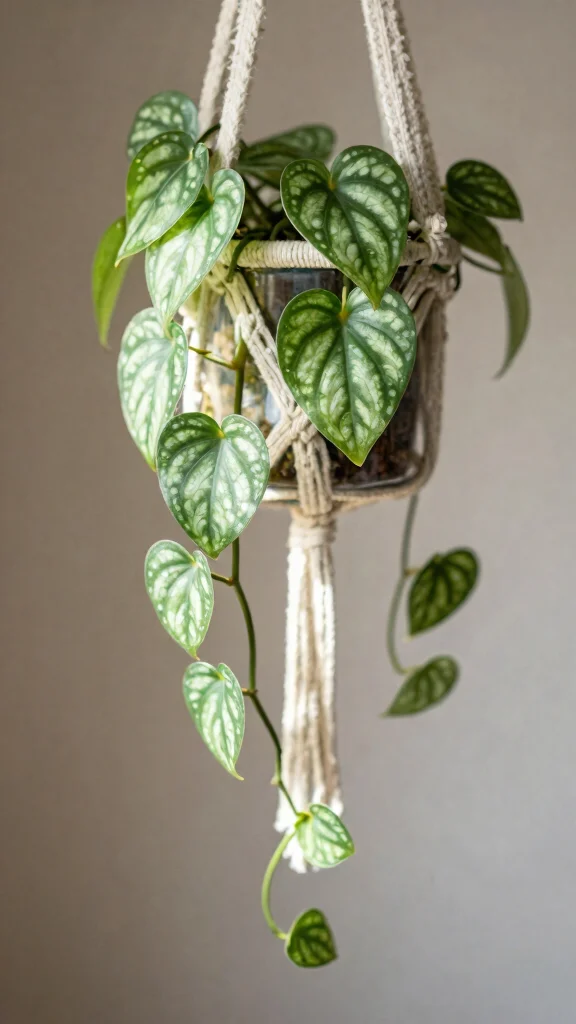
If you appreciate delicate beauty, the string of hearts (Ceropegia woodii) should definitely be on your list! This lovely trailing succulent features tiny, heart-shaped leaves adorned with a lovely dotted pattern that brings a whimsical charm to your space. Thriving in bright, indirect sunlight, it can also handle some low-light conditions, making it ideal for various indoor settings. The long, whimsical vines create a gorgeous cascading effect, perfect for hanging pots or elevated shelves.
To care for your string of hearts, let the soil dry out completely between waterings. A well-draining potting mix prevents root rot, and fertilizing once during the growing season can support healthy growth. Its unique ability to produce small heart-shaped flowers adds an extra layer of enchantment to your collection.
Key care tips:
– Allow soil to dry completely before watering.
– Use a well-draining mix to prevent root issues.
– Fertilize once during the growing season.
This plant is perfect for small spaces, providing striking visual appeal without overwhelming your decor. Its charming presence will surely capture attention in your indoor garden!
❝ Fun fact: String of Hearts can trail up to 2 feet long, turning shelves into a living display. As one of the perfect trailing houseplants for shelves, it thrives in bright indirect light and tolerates a little neglect. ❞
📹 Related Video: How to Grow Long, Full and Lush String of Hearts | Indoor Plant Care Tips
String of Hearts: A Charming Trailing Gem
Editor’s Choice

Hanging Moon Planter – Moms Day Gifts for Women – Moon Room Decor – Uniq…
Cute Body Shaped Planter Fun Resin Plant Pots Indoor with Drainage Hole …
3. Trailing Jade: A Unique and Resilient Succulent
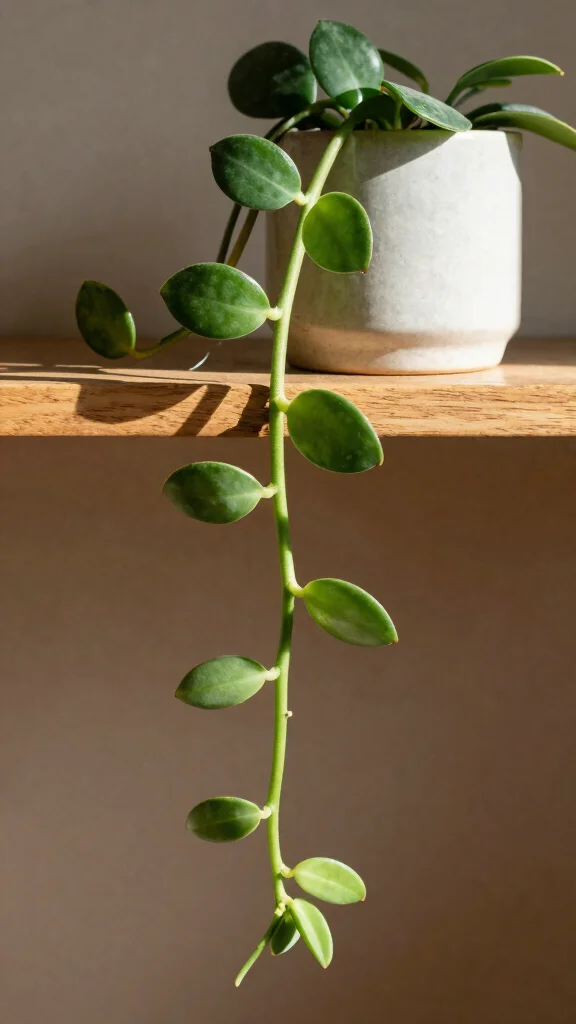
The trailing jade (Crassula perfoliata) is a captivating succulent that adds a unique flair to your indoor garden. Known for its thick, fleshy leaves that shimmer in rich green with subtle red edges, this plant is an eye-catching choice. Ideal for hanging pots or shelves, its vines can tumble dramatically, creating a beautiful display. This resilient plant thrives in bright light but can adapt to lower light levels, making it easy to care for.
Water your trailing jade only when the soil feels completely dry to the touch. Using a cactus mix or well-draining potting soil will help it thrive, and be cautious not to over-fertilize, as this can harm the plant. Its drought tolerance is a bonus for busy plant lovers who want beauty without the hassle.
Key care tips:
– Water only when soil is completely dry.
– Use a cactus mix for healthy growth.
– Fertilize sparingly to avoid harming the plant.
With its sculptural quality, trailing jade makes a stunning statement on any shelf or hanging display, enhancing your space effortlessly!
Trailing Jade: A Unique and Resilient Succulent
Editor’s Choice
Aokrean Plant Grow Light, 48 LEDs Full Spectrum Grow Lights for Indoor P…
Soil Sunrise Christmas Cactus Potting Soil Mix (8 Quarts) Custom Blend f…
Set of 2-10 Inch Hanging Planters for Indoor Plants with Self-Watering I…
4. English Ivy: The Classic Climber
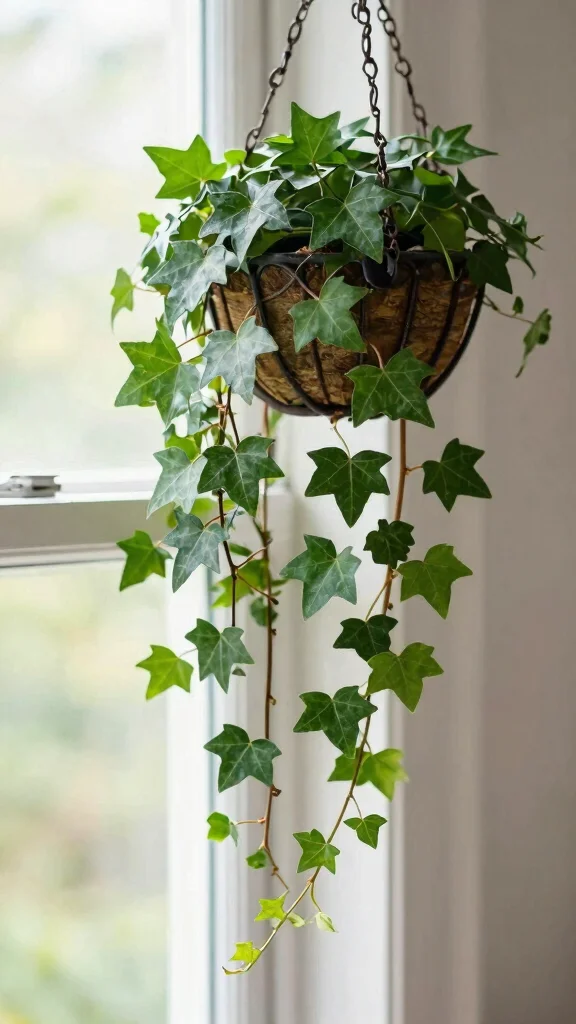
English ivy (Hedera helix) is a timeless trailing houseplant that effortlessly enhances your indoor spaces. With its classic green leaves and versatile growth patterns, this plant can climb, cascade, or trail, making it an ideal choice for any arrangement. It thrives in moderate to bright indirect light but can adapt to lower light conditions, ensuring it fits well in various settings. Regular watering is essential, but be sure not to let it sit in soggy soil for optimal health.
Water your English ivy when the top inch of soil feels dry, and mist its leaves occasionally to boost humidity. Fertilizing every few weeks during the growing season supports robust growth. This plant also acts as a natural air purifier, helping to improve your home’s environment.
Key care tips:
– Water when the top inch of soil is dry.
– Mist leaves for added humidity.
– Fertilize every few weeks during growth.
With its lush vines and vibrant green color, English ivy makes a delightful addition to any shelf or hanging arrangement, bringing life to your decor!
English Ivy: The Classic Climber
Editor’s Choice
Aokrean Plant Grow Light, 48 LEDs Full Spectrum Grow Lights for Indoor P…
Melphoe 25Pcs Mini Garden Hand Transplanting Succulent Tools Set, 39.4″ …
Hanging Planter for Indoor Plants, Black Plant Hanger Indoor with Sturdy…
5. Heartleaf Philodendron: A Heartfelt Choice
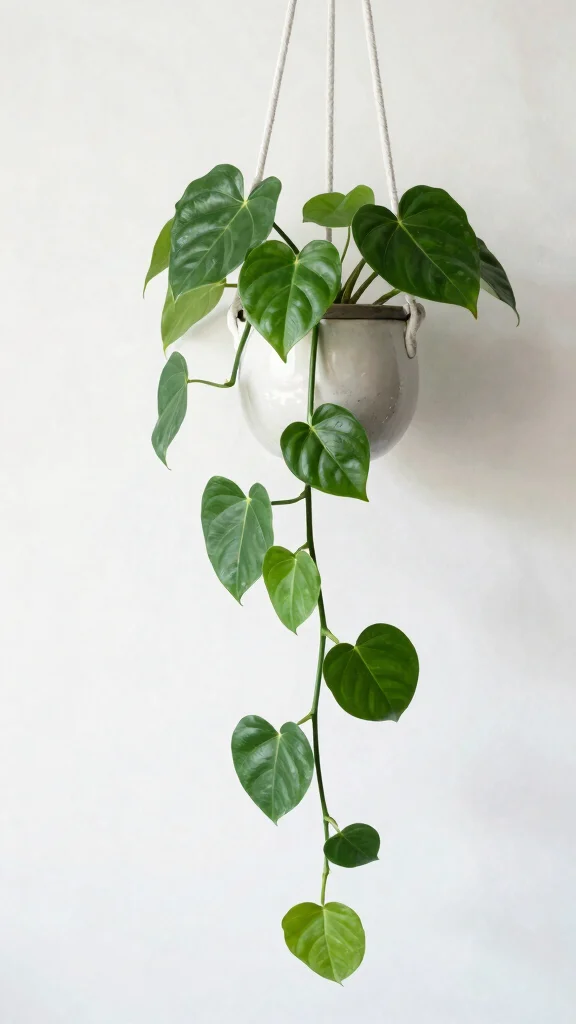
Heartleaf philodendron (Philodendron hederaceum) is a stunning addition to any indoor trailing plant collection. With its heart-shaped leaves and quick-growing vines, it creates a charming presence in your home. This versatile plant flourishes in various lighting conditions, thriving in both low and bright indirect light. Its forgiving nature makes it one of the best choices for beginners seeking easy-care options.
Water when the top layer of soil begins to dry, and regular pruning of stems encourages fuller growth. Fertilizing every 4-6 weeks during spring and summer promotes optimal development. The trailing vines can extend impressively, making it perfect for hanging pots where it can truly shine.
Key care tips:
– Water when the top layer of soil is dry.
– Prune stems for fuller growth.
– Fertilize every 4-6 weeks during spring and summer.
With its wide, green leaves and simple care routine, this plant is sure to become a beloved addition to your indoor garden!
Heartleaf Philodendron: A Heartfelt Choice
Editor’s Choice
Watering Can for Indoor and Outdoor Plants – Long Spout Water Can for Ga…

Houseplant Care for Beginners: The Complete Guide to Selecting, Growing,…
Mkono Ceramic Hanging Planter of Shallow 8 Inch and Deep 6 Inch for Indo…
6. Hoya: The Wax Plant Wonder
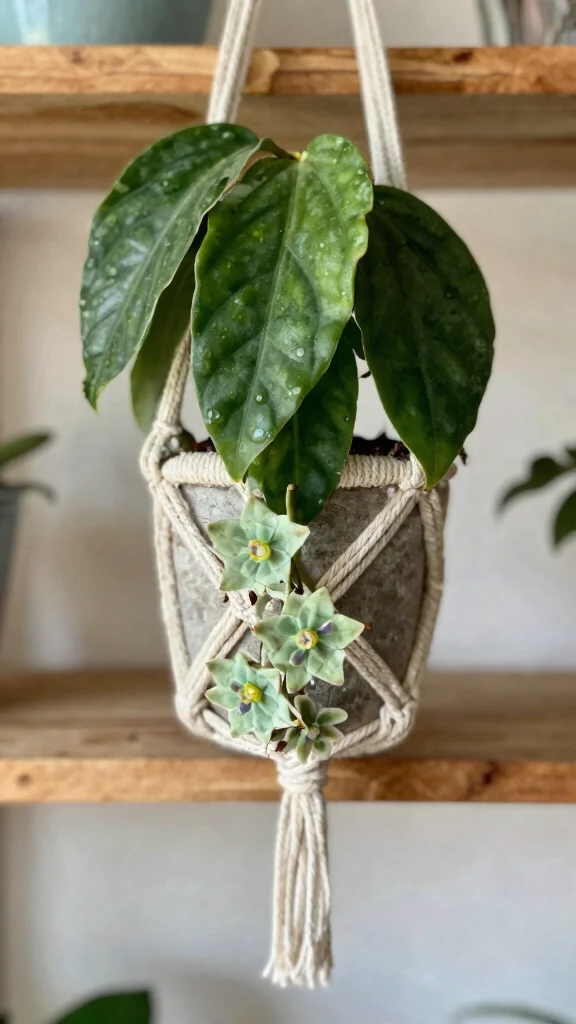
Hoyas, commonly known as wax plants, are cherished for their thick, waxy leaves and stunning star-shaped flowers. This delightful plant is a fantastic option when you’re looking for a trailing variety that captures attention! Hoyas thrive in bright, indirect light but can also tolerate lower lighting, which makes them suitable for various indoor environments. Plus, they require minimal maintenance, needing infrequent watering.
Allow the soil to dry out between waterings for optimal growth. Using a well-draining potting mix is essential, and fertilizing during the growing season supports blooming. The real highlight is their striking flowers that can bloom in clusters, often exuding a sweet scent that adds charm to your space.
Key care tips:
– Allow soil to dry out between waterings.
– Use a well-draining mix for healthy growth.
– Fertilize during the growing season for blooms.
Perfect for hanging pots, their trailing vines create a whimsical atmosphere, brightening any shelf with their beauty!
Ongoing Maintenance & Care Guide
Maintenance Schedule:
Daily/Weekly Tasks:
– Check soil moisture: Stick your finger into the soil about an inch deep. If it feels dry, it’s time to water. This task takes about 5 minutes.
– Rotate plants: Turn your trailing houseplants every couple of weeks to ensure even growth and exposure to light. This should take about 5 minutes.
– Dust leaves: Wipe down the leaves with a damp cloth weekly to remove dust. This helps the plant breathe and look its best. Expect to spend 10 minutes on this.
– Inspect for pests: Look for tiny bugs or webs—especially under leaves. If you spot any, treat them promptly. This will take around 5 minutes.
Monthly/Seasonal Tasks:
– Fertilize: Use a balanced, liquid fertilizer diluted to half strength once a month during the growing season (spring and summer). This task will take about 10 minutes.
– Prune and trim: Cut back any overgrown stems to encourage bushier growth. This can take around 15 minutes, depending on the plant.
– Repot if needed: If your plant has outgrown its pot (roots are growing through the drainage holes), it’s time to upgrade to a larger pot. This could take about 30 minutes.
– Change the watering schedule: During winter, your plants may need less frequent watering. Adjust accordingly. This may take around 5 minutes each time you reassess.
– Check for root rot: If your plants aren’t thriving, gently pull them out of their pots to check for healthy roots. This can take about 10 minutes.
Maintenance Summary Table:
| Task | Frequency | Difficulty | Time Needed |
|—————————-|——————|————|————–|
| Check soil moisture | Daily/Weekly | Easy | 5 minutes |
| Rotate plants | Every 2 weeks | Easy | 5 minutes |
| Dust leaves | Weekly | Easy | 10 minutes |
| Inspect for pests | Weekly | Easy | 5 minutes |
| Fertilize | Monthly | Easy | 10 minutes |
| Prune and trim | Monthly | Easy | 15 minutes |
| Repot if needed | As needed | Moderate | 30 minutes |
| Change watering schedule | Seasonally | Easy | 5 minutes |
| Check for root rot | As needed | Moderate | 10 minutes |
Common Issues to Watch For:
⚠️ Yellowing leaves: This often indicates overwatering. Check the soil moisture and adjust your watering schedule.
⚠️ Brown leaf tips: This can mean your plant is underwatered or experiencing low humidity. Increase watering and consider misting your plants.
⚠️ Wilting leaves: This may suggest that the plant is thirsty or suffering from root rot. Check soil moisture and inspect the roots.
⚠️ Pest infestations: Look for small bugs or webbing on leaves. Use insecticidal soap or neem oil to treat.
⚠️ Slow growth or leggy stems: This indicates your plant may not be getting enough light. Move it closer to a light source.
Care Tips:
💡 Choose the right spot: Place your trailing houseplants in bright, indirect light. This promotes healthy growth and vibrant color.
💡 Water correctly: Always water until water drains out of the bottom. This ensures the roots get the moisture they need.
💡 Humidity matters: Many trailing houseplants thrive in higher humidity. Consider using a pebble tray with water or a humidifier if your home is dry.
💡 Be mindful of seasons: During winter, reduce watering and hold off on fertilizing. Plants enter dormancy and require less care.
💡 Listen to your plants: Pay attention to how your plants react to their environment. Adjust care based on their needs for optimal growth.
By following these maintenance steps, you’ll keep your trailing houseplants thriving on your shelves and in your hanging displays. Happy gardening!
Hoya: The Wax Plant Wonder
Editor’s Choice
MIPON 3 Pack Macrame Plant Hangers with Hooks – 3 Sizes (34″/41″/46″) Ha…
7. Burros Tail: A Succulent Showstopper
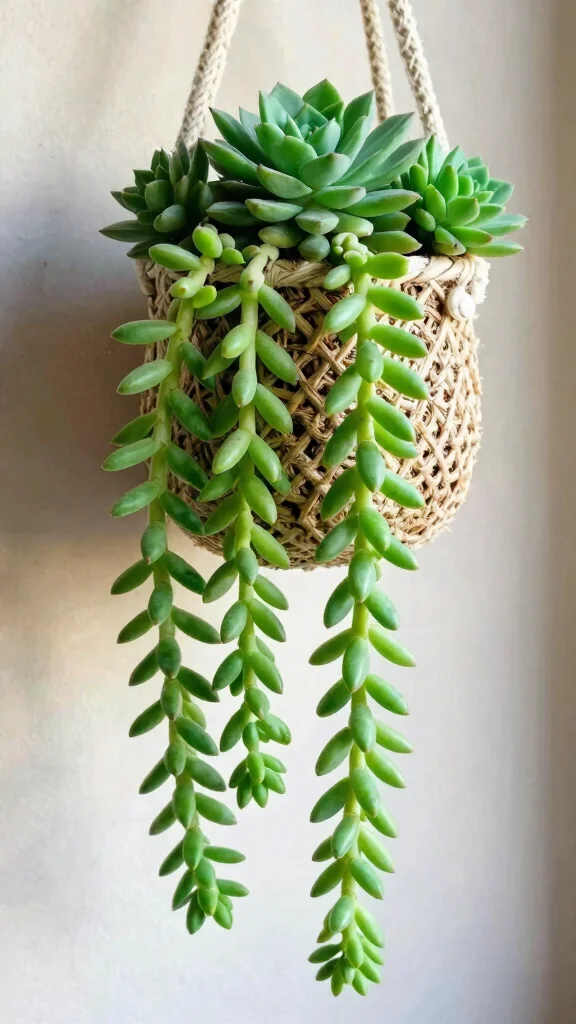
Burros tail (Sedum morganianum) is a captivating succulent known for its charming trailing growth. Its long, cascading stems are adorned with plump, blue-green leaves, adding a playful touch to your indoor decor. This plant thrives in bright light and prefers to dry out completely between waterings, making it an easy-care choice for busy plant enthusiasts. Its delightful appearance makes it perfect for hanging baskets, where its lovely stems can dangle freely.
Water thoroughly, allowing it to dry completely before the next watering. Avoid overwatering to prevent root rot, and fertilize sparingly during the growing season. This plant’s unique look is sure to be a conversation starter!
Key care tips:
– Water thoroughly but allow to dry completely.
– Avoid overwatering to prevent rot.
– Fertilize sparingly during growing season.
With its trailing nature and low maintenance needs, burros tail is an excellent choice for enhancing your plant collection without the fuss!
Fun fact: Burros Tail is a star among trailing houseplants for shelves—its cascading stems bring drama with almost zero effort. Water thoroughly, then let the soil dry completely. Bright light keeps those plump leaves happy.
Burros Tail: A Succulent Showstopper
Editor’s Choice
Miracle-Gro Moisture Control Potting Mix – Plant Soil For Container Plan…

Watering Can Indoor, Small Watering Cans for House Plants, Succulents an…
ZeeDix 2 Pack 14 Inch Hanging Baskets for Plants Outdoor, Metal Wire Rou…
8. Rattlesnake Plant: A Unique Patterned Beauty
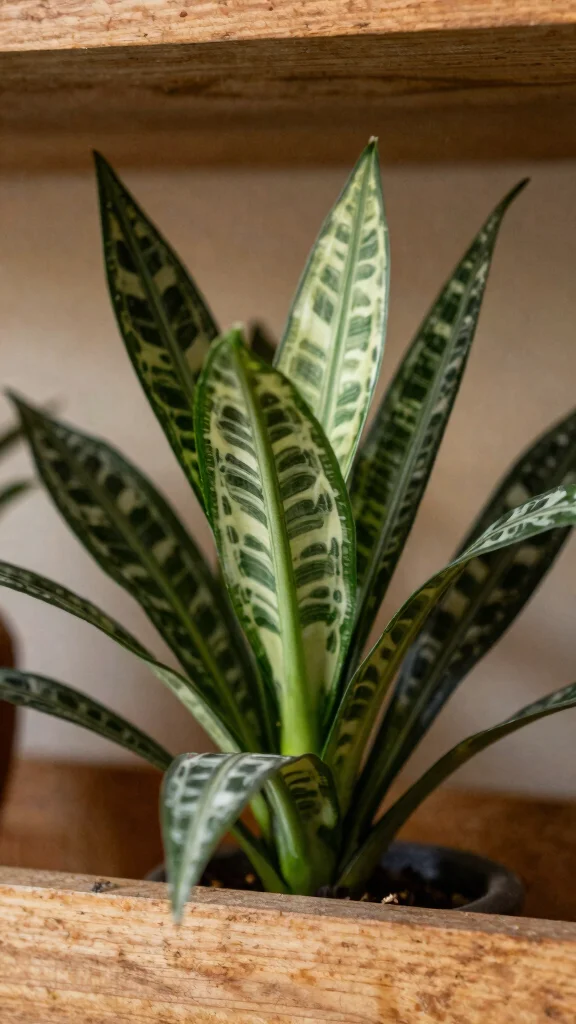
The rattlesnake plant (Calathea lancifolia) is a striking indoor plant that stands out with its stunning, patterned leaves. It’s perfect for adding a splash of color and texture to your indoor environment! While it doesn’t trail in the traditional sense, its long leaves can create a cascading effect when placed on a shelf or in a hanging pot, giving a unique perspective. Preferring indirect light and high humidity, this plant is a great choice for kitchens or other humid areas.
Keep the soil consistently moist but not soggy, and mist regularly to maintain humidity. Fertilizing every few weeks during the growing season encourages healthy leaf growth. With its beautiful, wavy leaves that boast a reptile-like pattern, this plant introduces whimsy and drama to your decor.
Key care tips:
– Keep soil consistently moist but not soggy.
– Mist regularly to maintain humidity levels.
– Fertilize every few weeks during growth.
Place it on a shelf near a window to let its lovely leaves shine!
Rattlesnake Plant: A Unique Patterned Beauty
Editor’s Choice
Vanslogreen 2 Pack Hanging Planters for Indoor Outdoor Plants, 10 Inch H…

Coolfiqu 6L Humidifiers for Bedroom Large Room Home,Cool and Warm Humidi…

Miracle-Gro Liquid All Purpose Plant Food, Concentrate, Feeds Plants Ins…
9. Neon Pothos: A Bright Touch to Your Decor
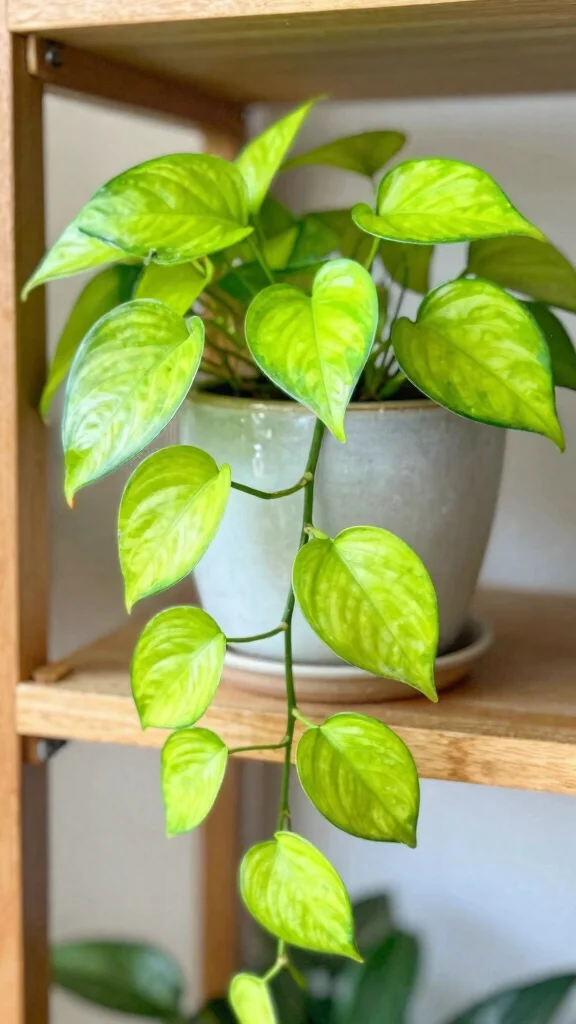
If you’re looking to add a vibrant touch to your indoor garden, neon pothos (Epipremnum aureum) is the perfect choice! This striking variety features bright, chartreuse leaves that illuminate any space, making it a stunning addition to your decor. Thriving in various light conditions, it particularly flourishes in bright, indirect light. Its trailing vines will quickly brighten up any shelf or hanging planter, adding a lively flair.
Water when the soil feels dry to the touch, just like standard pothos care. Pruning back will encourage bushiness and fuller growth, while fertilizing during the growing season ensures optimal leaf color. This plant not only enhances your decor but also purifies the air in your home.
Key care tips:
– Water when the soil feels dry to the touch.
– Prune back for bushiness and fuller growth.
– Fertilize during the growing season for vibrant color.
Neon pothos is a delightful way to infuse flair and life into your space, making it a fantastic choice for any shelf or hanging arrangement!
Neon Pothos: A Bright Touch to Your Decor
Editor’s Choice

Miracle-Gro Indoor Plant Food for All Plants, Liquid Plant Food for Hous…
Watering Can for Indoor and Outdoor Plants – Long Spout Water Can for Ga…

UBEE Ceramic Hanging Planters Indoor Outdoor, 7.5 Inch + 6.5 Inch Hangin…
Conclusion
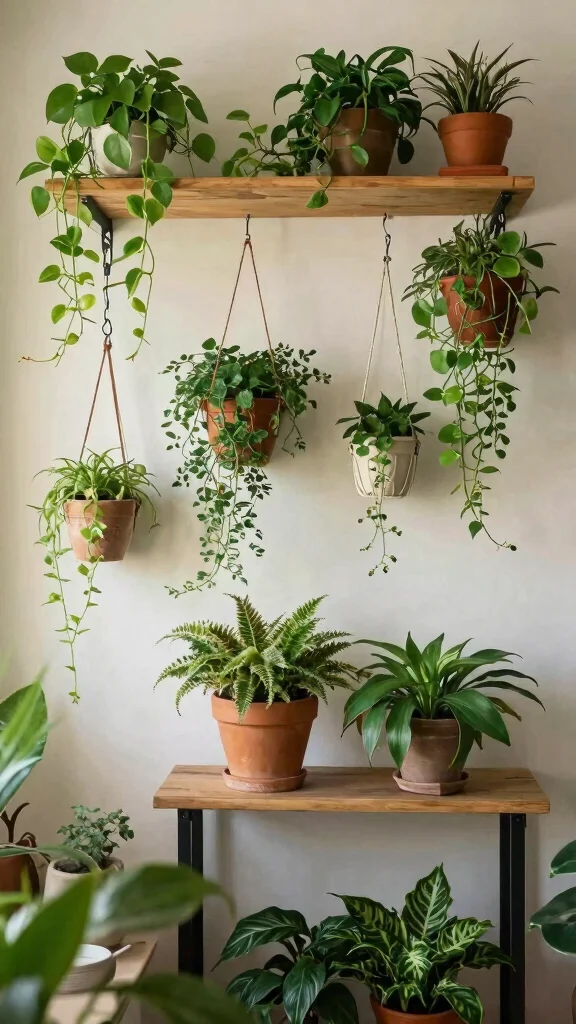
Incorporating trailing houseplants into your home decor not only enhances the beauty of your space but also improves the air quality and adds a sense of tranquility.
With options like pothos, string of hearts, and hoya, there’s a trailing plant to fit every aesthetic and light condition. Remember, these plants are not just visual delights; they offer easy care and adaptability, making them perfect companions for busy lives. So, why not bring home one or a few of these gorgeous trailing houseplants to decorate your shelves and hanging spaces? Your indoor jungle awaits!
Note: We aim to provide accurate product links, but some may occasionally expire or become unavailable. If this happens, please search directly on Amazon for the product or a suitable alternative.
This post contains Amazon affiliate links, meaning we may earn a small commission if you purchase through our links, at no extra cost to you.
Frequently Asked Questions
Which trailing houseplants are best for shelves and hanging in small spaces?
For shelves and hanging in small spaces, these trailing plants are ideal because they’re forgiving, easy to grow, and adapt well to shelves and hanging setups.
– Pothos (Epipremnum aureum) — thrives in low to bright indirect light; easy to propagate from cuttings, perfect for shelves.
– Heartleaf Philodendron (Philodendron hederaceum) — classic, resilient, tolerates lower light, wildly forgiving for beginners.
– Hoya carnosa — waxy leaves, drought-tolerant, ideal for neglect-prone spaces and bookshelves; let it dry between waterings.
– String of Hearts (Ceropegia woodii) — delicate trailing vines; loves bright indirect light; good for hangers near windows.
– String of Pearls (Senecio rowleyanus) — dramatic, bead-like vines; requires bright light and well-draining soil; great for sunny shelves or hanging baskets.
How can I care for trailing houseplants on shelves when light is limited?
When light is limited, start with low-light houseplants that tolerate shade, like Pothos and Heartleaf Philodendron, placed on shelves near a window or under a lightweight grow light. Use indirect light to avoid scorching leaves.
Watering should be modest: keep soil evenly moist but not soggy; check weekly and adjust for seasonal changes. Clean leaves to maximize photosynthesis and dust control. Rotate plants every few weeks so all get light. If natural light remains scarce, consider a small grow light to supplement a few hours daily.
What easy-care trailing plants tolerate neglect and still look great on shelves?
For easy-care, forgiving trailing plants, start with Pothos and Heartleaf Philodendron, which bounce back easily after missed water.
Hoya species are drought-tolerant and great for busy homes; let the soil dry between waterings.
If you want a dramatic look, try String of Hearts or String of Pearls, but keep in mind they prefer brighter light and well-draining soil.
These choices keep shelves looking lush with minimal fuss.
How can I style shelves with trailing plants to create a beautiful indoor display?
Think layers and textures. Start by placing taller vines at the ends and letting them cascade down. Use a mix of hanging planters and decorative pots to add visual interest. Create varying heights by placing a few trailing stems on the top shelf and letting others spill over the edge. Use shelf decor ideas by pairing green with neutral pots, adding natural accents like wood, stone, or macramé hangers, and rotate plants every month to refresh the look.
How often should I water trailing houseplants on shelves, and how can I avoid overwatering?
Watering wisely is the key. Most trailing houseplants prefer to dry slightly between waterings. Check the top inch of soil; if it’s dry, water until water drains from the pot; empty any excess water from saucers to avoid root rot. In warm months, this may be about every 5–7 days; in cooler months, every 7–14 days. Use pots with drainage holes and consider self-watering pots or a consistent watering schedule. Always observe signs of overwatering: yellow leaves, mushy stems. On shelves, ensure good drainage and avoid leaving plants sitting in water.
Related Topics
trailing houseplants
indoor gardening
small spaces
easy care plants
low light plants
shelf decor
hanging plants
beginner friendly
houseplant care
home decor
urban jungle
plant styling