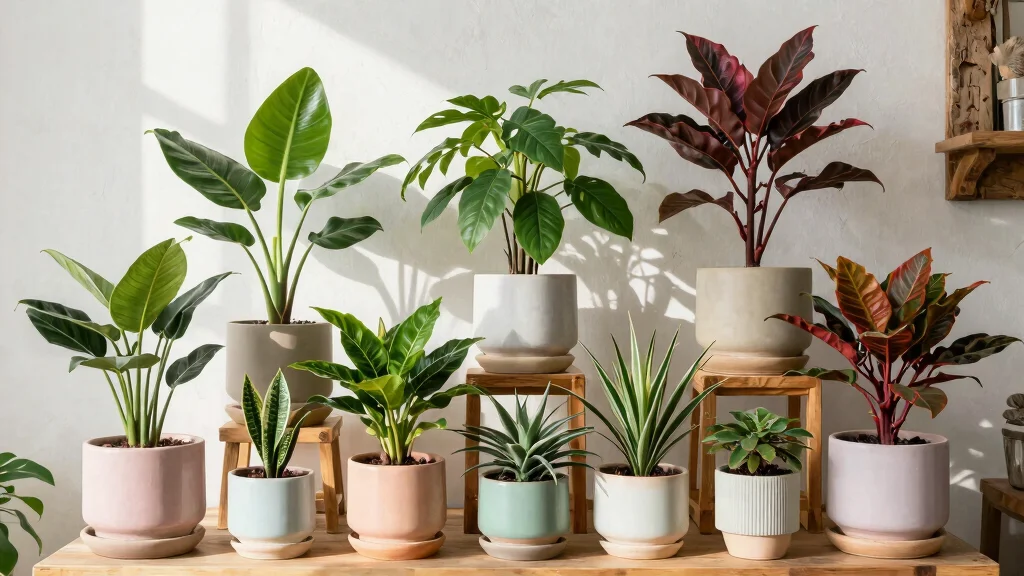
If you’ve been scrolling through social media lately, chances are you’ve seen stunning photos of rare houseplants that have caught your eye. It seems everyone is on the hunt for unique indoor plants that can transform their living spaces into tropical oases. I created this post to share some of the most sought-after houseplants worth collecting in 2026. Whether you are a seasoned collector or just starting your plant journey, these rare plant species are sure to pique your interest.
If you love gardening or just enjoy having greenery in your home, you’re in for a treat. This guide is perfect for you if you want to elevate your plant game and impress your friends with your exotic houseplants. You’ll discover nine rare houseplants that not only look beautiful but also bring personality and charm to any room. Plus, I’ll offer some handy houseplant collecting tips to help you care for these treasures and make the most of your collection.
Get ready to dive into the world of rare houseplants. You’ll learn about their unique characteristics, care requirements, and why they’re worth the effort. By the end, you’ll be inspired to add a few of these stunning plants to your home!
Key Takeaways
– Discover nine rare houseplants that are trending in 2026, perfect for both novice and expert collectors.
– Learn about the unique features of each plant and why they are sought after.
– Get valuable care tips to help you maintain these exotic houseplants in your home.
– Understand the market demand for rare plant species and how to find them.
– Find out how these plants can enhance your indoor space, making it more vibrant and inviting.
1. Monstera Obliqua
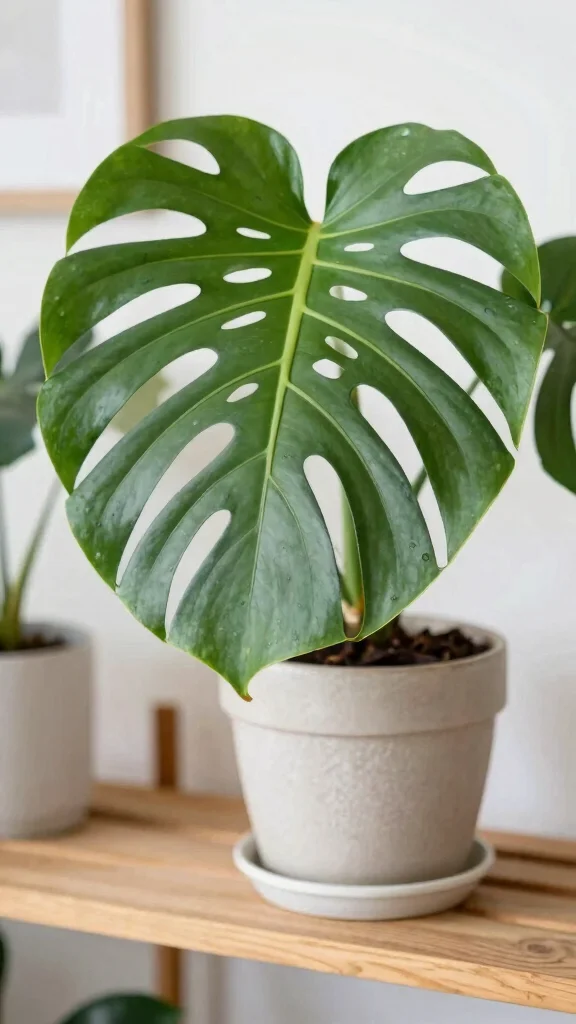
If you’re looking for a plant that turns heads, the Monstera Obliqua is a must-have. This rare beauty features delicate, lacy leaves with stunning perforations, making it a standout in any collection. With its exotic allure, it thrives in bright, indirect light and loves a humid atmosphere, making it perfect for a bathroom or a cozy kitchen nook.
To keep your Monstera Obliqua happy, ensure the soil stays moist but not soggy. Regular misting mimics its natural habitat and helps it flourish. Pair it with a charming pot that complements its whimsical foliage, and let it cascade down a bookshelf or hang elegantly in a macramé holder.
Key features to explore:
– Leaves have larger, more intricate holes than the Deliciosa.
– Highly coveted by collectors for its rarity.
– Requires high humidity and indirect light for best growth.
This beautiful plant not only elevates your space but also brings a touch of the rainforest into your home.
Monstera Obliqua
Editor’s Choice

Spray Bottle for Plants 2 Pack, 16oz – Ultra Fine Mist, Plant Mister Emp…

TempPro TP50 Digital Hygrometer Indoor Thermometer Room Thermometer and …
7-in-1 Soil Test Kit, Soil Moisture Meter/pH Meter/Light Intensity/Ferti…
2. Alocasia Zebrina
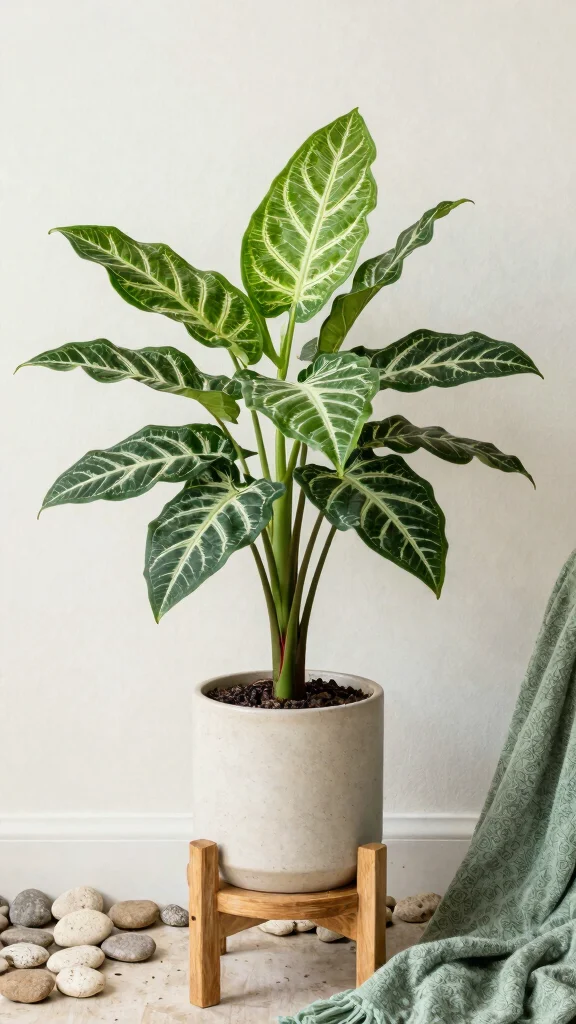
The Alocasia Zebrina is sure to catch your eye with its stunning zebra-like stems. The striking combination of dark green leaves and bright yellow stripes creates a captivating display. This plant thrives in humid environments, making it an excellent choice for kitchens or bathrooms where moisture is abundant.
When caring for your Alocasia Zebrina, let the topsoil dry out slightly between waterings to prevent root rot. Good drainage is essential, so consider a decorative pot that complements its unique look. Elevate it on a chic plant stand to showcase its beauty in your living room.
Highlights of this plant:
– Striped stems resemble a zebra’s coat, adding flair.
– Ideal for adding height to your indoor displays.
– Prefers bright, indirect sunlight and high humidity.
Adding this striking plant to your collection will not only enhance your decor but also bring a fresh energy into your home.
Alocasia Zebrina
Editor’s Choice
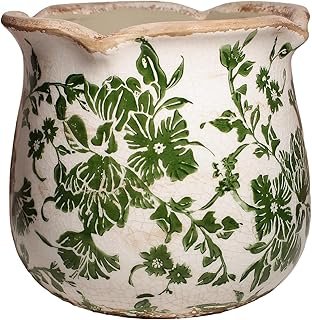
Xiaan Jiaju Tuscan Ceramic Plant Pots, 6.11 Inch Vintage Planters with D…
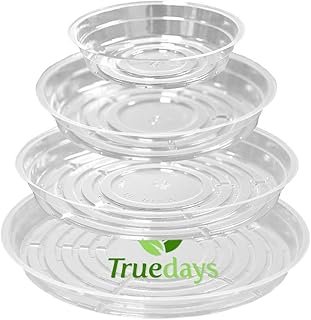
TRUEDAYS 20 Pack Plant Saucers (6 inch / 8inch / 10inch / 12inch) Clear …
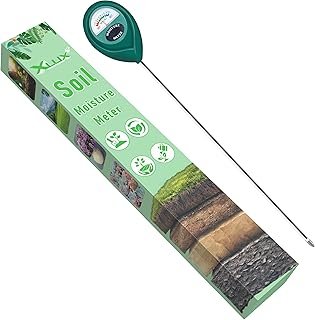
XLUX Long Probe Deep Use Soil Moisture Meter, Water Monitor Indicator Se…
3. Pink Princess Philodendron
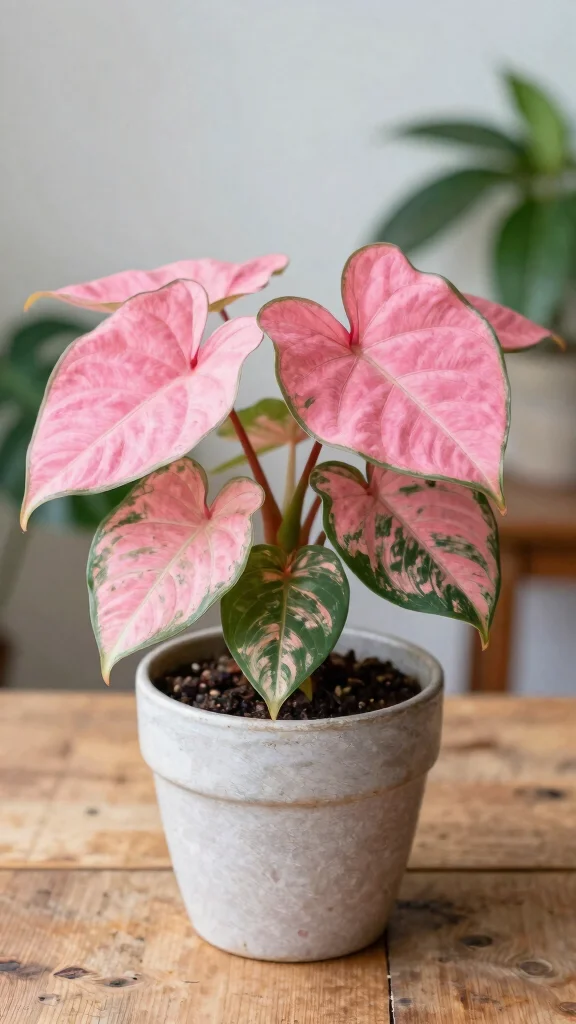
The Pink Princess Philodendron is a favorite among plant enthusiasts for its vibrant pink and green marbled leaves. This eye-catching plant not only stands out but is also relatively easy to care for. Its bold colors can brighten up any space, making it a perfect addition to your collection.
To keep your Pink Princess thriving, place it in bright, indirect light to avoid leaf burn from direct sun. Water it when the top few inches of soil feel dry, ensuring it has good drainage. Choose a decorative pot that highlights its pink hues for an attractive display.
Key features to note:
– Leaf variegation showcases a beautiful pink and green mix.
– Highly desired for its rarity and striking appearance.
– Requires bright, indirect light and regular watering.
Incorporating this plant will not only enhance your space but also create a lively atmosphere that draws attention.
Caring for a Pink Princess Philodendron isn’t just about pretty pink leaves—it’s proof that rare houseplants worth collecting can be surprisingly forgiving. Keep it in bright, indirect light and water when the topsoil dries; your vibrant marbling will reward you with consistent color.
📹 Related Video: Pink Princess Philodendron ~ How to Grow and Care for Your Pink Princess
Ongoing Maintenance & Care Guide
Maintenance Schedule:
Daily/Weekly Tasks:
– Check soil moisture for each rare houseplant. Water if the top 1-2 inches feels dry. (Time estimate: 5-10 minutes)
– Dust leaves gently with a damp cloth. This helps plants absorb light better. (Time estimate: 10 minutes)
– Rotate your plants weekly for even growth and better light exposure. (Time estimate: 5 minutes)
– Look for any signs of pests, such as webs or tiny bugs. Early detection is key! (Time estimate: 5 minutes)
Monthly/Seasonal Tasks:
– Fertilize your rare houseplants with a balanced liquid fertilizer during the growing season (spring and summer). Dilute according to package instructions. (Time estimate: 15-20 minutes)
– Repot any plants that have outgrown their containers. This usually happens every 1-2 years. Choose a pot one size larger. (Time estimate: 30-45 minutes)
– Clean pots and trays to prevent algae buildup. Use a mild soap and water solution. (Time estimate: 15 minutes)
– Monitor humidity levels. For tropical plants, aim for 40-60%. Use a humidifier if necessary. (Time estimate: 10 minutes)
– Prune dead or yellowing leaves to keep plants healthy and promote new growth. (Time estimate: 15 minutes)
Maintenance Summary Table:
| Task | Frequency | Difficulty | Time Needed |
|—————————–|—————|————|————–|
| Check soil moisture | Daily/Weekly | Easy | 5-10 min |
| Dust leaves | Weekly | Easy | 10 min |
| Rotate plants | Weekly | Easy | 5 min |
| Pest inspection | Weekly | Easy | 5 min |
| Fertilize | Monthly | Moderate | 15-20 min |
| Repotting | Seasonal | Moderate | 30-45 min |
| Clean pots and trays | Monthly | Easy | 15 min |
| Monitor humidity | Monthly | Easy | 10 min |
| Prune leaves | Monthly | Easy | 15 min |
Common Issues to Watch For:
⚠️ Yellowing Leaves: This usually indicates overwatering. Check the soil; if it’s soggy, let it dry before watering again.
⚠️ Wilting: If your plant looks droopy, it might need water or more humidity. Check the soil moisture and adjust accordingly.
⚠️ Brown Leaf Tips: This often means low humidity. Increase humidity or mist the leaves to help your tropical plants thrive.
⚠️ Sticky Residue: If you notice a sticky substance on leaves, it might be pests. Inspect your plants closely to identify and treat the problem.
⚠️ Fast Growth with Sparse Leaves: This suggests low light conditions. Move your plants to a brighter location to encourage bushier growth.
Care Tips:
💡 Group Similar Plants: Keep your tropical plants together. This boosts the humidity levels, creating a microclimate they love.
💡 Use Quality Soil: Invest in potting soil designed for tropical plants. This ensures good drainage and nutrients for your rare houseplants.
💡 Avoid Direct Sun: Many rare houseplants prefer bright, indirect light. Too much direct sunlight can scorch their leaves.
💡 Keep an Eye on Temperature: Most tropical plants thrive in temperatures between 65°F and 85°F. Avoid placing them near drafts or heating vents.
💡 Be Consistent: Establish a routine for watering and care. Consistency is key to keeping your rare houseplants healthy and thriving.
Pink Princess Philodendron
Editor’s Choice
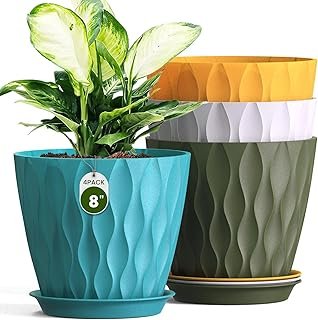
8 Inch Wave Plant Pots with Drainage Holes & Saucers, 4 Pack Modern Text…
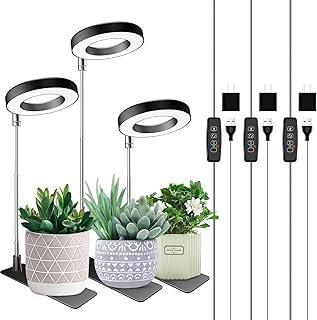
Aokrean Plant Grow Light, 48 LEDs Full Spectrum Grow Lights for Indoor P…
THIRDREALITY Smart Soil Moisture Sensor Gen2 3Pack,Zigbee hub Needed, nh…
4. Hoya Kerrii
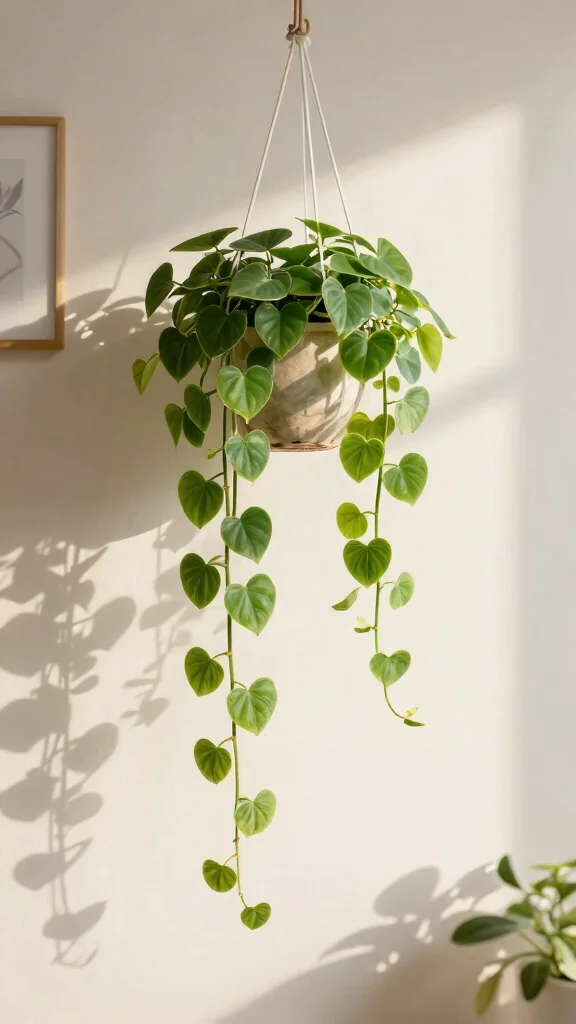
Known as the sweetheart plant, Hoya Kerrii is adored for its heart-shaped leaves, making it a lovely gift choice. Its charming trailing vines add a romantic touch to any room. This low-maintenance plant is perfect for beginners who want to start their collection without too much hassle.
Hoya Kerrii prefers bright, indirect light but can adapt to lower light conditions. Water it only when the soil is completely dry, avoiding overwatering. Consider a hanging basket to create a beautiful cascading effect, enhancing your living space.
Features to appreciate:
– Heart-shaped leaves symbolize love, perfect for gifts.
– Ideal for beginners and those who prefer low-maintenance plants.
– Great for hanging planters or shelves.
Adding this delightful plant to your home will not only beautify your space but also express affection and warmth.
Fun fact: Hoya Kerrii’s heart-shaped leaves store water, so you can let the soil dry out—think every 1–2 weeks in bright indirect light. It’s low-maintenance and perfect for beginners who want a romantic, easy-care plant with trailing vines.
5. Philodendron Gloriosum

The Philodendron Gloriosum is a stunning tropical plant featuring large, heart-shaped leaves that exude elegance. Its velvety texture and rich green color make it a luxurious addition to any indoor garden. This plant thrives in warm, humid conditions, perfect for those wanting to create a mini jungle at home.
To care for your Gloriosum, provide bright, indirect light and keep the soil moist but not soggy. A chunky potting mix that allows for good drainage is ideal. Choose a statement pot that showcases its dramatic foliage, transforming any corner into an exotic retreat.
Highlights include:
– Large, velvety leaves that command attention.
– Thrives in humid conditions and grows rapidly.
– Perfect for creating a lush, jungle-themed indoor space.
Incorporating this plant will elevate your home decor and invite a sense of tranquility with its lush presence.
You might also like
Philodendron Gloriosum
Editor’s Choice

Craft Aroid Potting Mix- Elite Organic Alocasia, Philodendron, Monstera …
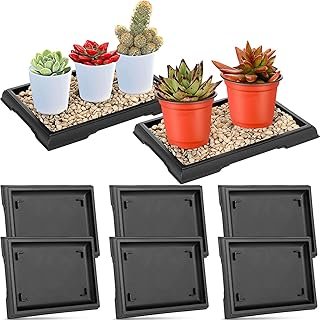
Pinkunn 2 Pcs Bonsai Humidity Tray Rectangular Drip Tray Plastic Plant W…
LORDEM Grow Light, Full Spectrum LED Plant Light for Indoor Plants, Heig…
6. Rhipsalis
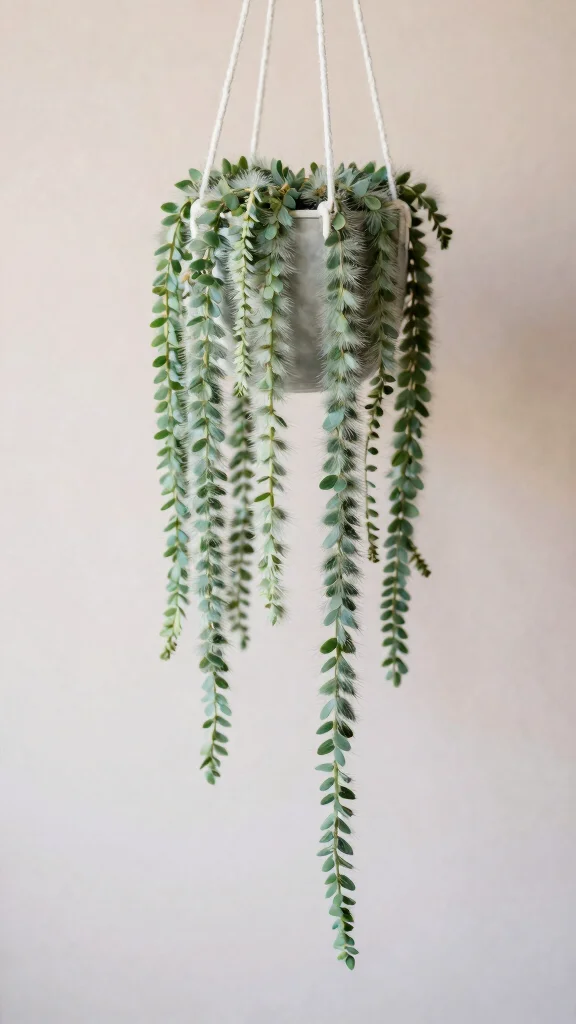
Rhipsalis is a unique cactus variety that thrives in tropical climates, distinguished by its long, cascading stems. Unlike typical cacti, its fluffy, cloud-like appearance is perfect for those seeking something different and captivating. This plant is ideal for adding a whimsical touch to your indoor collection.
Rhipsalis prefers bright, indirect light and requires more frequent watering than traditional cacti. A hanging planter allows its stems to dangle beautifully, making it a stunning focal point in any room.
Key features to enjoy:
– Trailing stems give it a unique, playful look.
– Best suited for bright, indirect light and regular watering.
– Creates an eye-catching hanging display in your home.
Adding Rhipsalis to your collection will not only enhance your space but also introduce a playful element to your indoor garden.
Rhipsalis
Editor’s Choice
UOUZ 13 Inch 2 Pack Large Self Watering Hanging Planters for Indoor Outd…
GooingTop LED Grow Light,6000K Full Spectrum Clip Plant Growing Lamp wit…
7. Anthurium Clarinervium
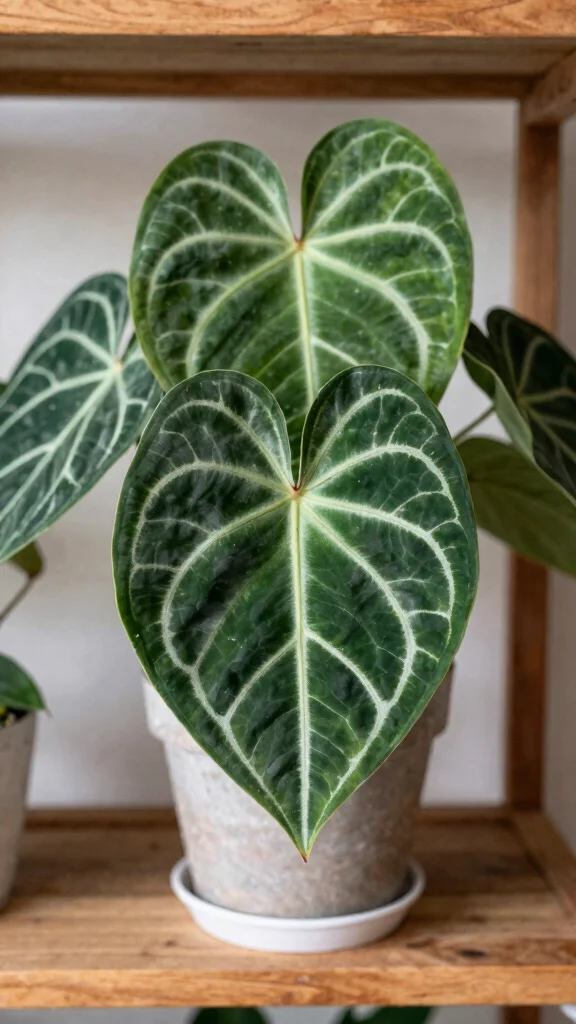
Anthurium Clarinervium is a striking plant with heart-shaped leaves and bold white veins that bring tropical vibes into your home. Its unique leaf structure creates a captivating visual that enhances any decor style. This exotic beauty is perfect for collectors wanting to add something truly special to their collection.
To care for this plant, provide bright, indirect light and maintain high humidity through regular misting or a pebble tray filled with water. A decorative pot that emphasizes its vibrant leaves will transform any area into a lush sanctuary.
Features to admire:
– Bold leaf veins create a mesmerizing pattern.
– Enjoys a humid environment, ideal for kitchens or bathrooms.
– An eye-catching addition that serves as a conversation starter.
Incorporating this stunning plant will not only elevate your indoor space but also create a tropical oasis in your home.
Fun fact: Anthurium clarinervium tops many lists of rare houseplants worth collecting because its heart-shaped leaves glow with bold white veins. Keep it happy with bright, indirect light and higher humidity—mist regularly or place a pebble tray beneath. This tropical beauty is truly collectible.
Anthurium Clarinervium
Editor’s Choice
Spray Bottle for Plants 2 Pack, 16oz – Ultra Fine Mist, Plant Mister Emp…
Pinkunn 2 Pcs Bonsai Humidity Tray Rectangular Drip Tray Plastic Plant W…
Gepege 6 Inch Beaded Ceramic Planter Set of 2 with Drainage Hole and Sau…
8. Calathea Orbifolia
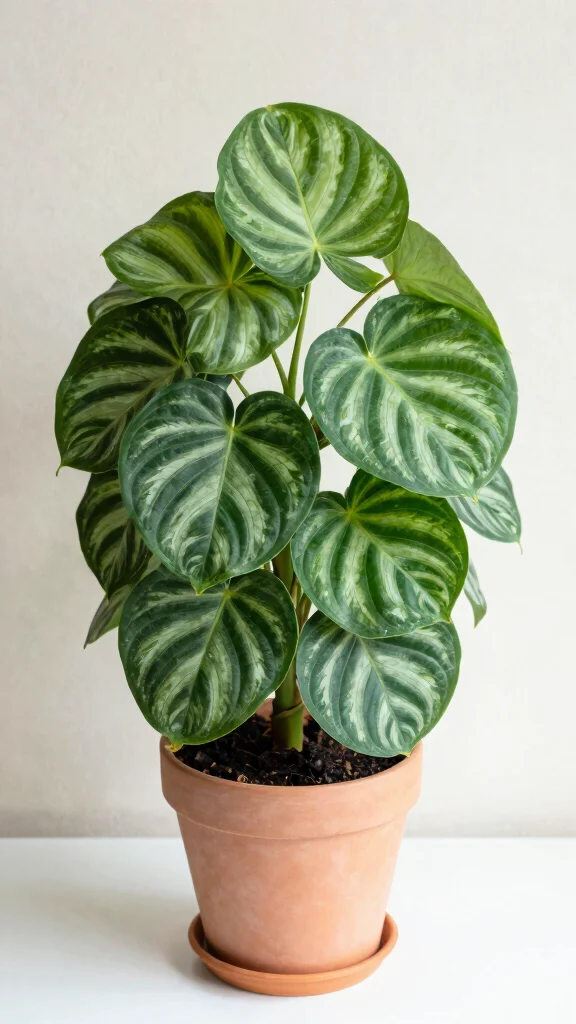
Calathea Orbifolia is a gorgeous tropical plant with large, round leaves that feature stunning stripe patterns. This unique foliage brings a soothing green hue to your indoor spaces, perfect for those who appreciate natural beauty and want to cultivate a calming atmosphere.
Caring for Calathea requires a bit more attention, as it thrives in low to bright indirect light but should be shielded from direct sunlight. Keep the soil consistently moist and avoid using fluoride in your water, as this plant is sensitive to chemicals. Enhance its delicate foliage with a colorful pot that can create a vibrant contrast in your space.
Key features to consider:
– Large, round leaves offer an intriguing aesthetic.
– Prefers higher humidity and moist soil conditions.
– A stunning centerpiece for any plant display.
Adding Calathea to your collection will create a serene oasis in your home that invites relaxation.
You Might Also Like
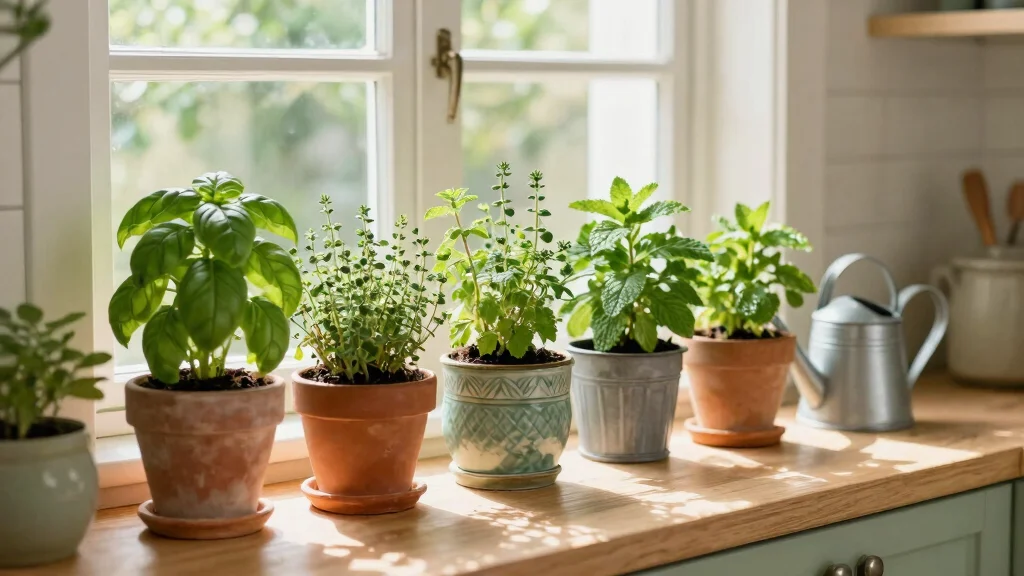
Calathea Orbifolia
Editor’s Choice

Watering Can for Indoor and Outdoor Plants – Long Spout Water Can for Ga…
XLUX Long Probe Deep Use Soil Moisture Meter, Water Monitor Indicator Se…
2026 Professional Grow Lights for Indoor Plants Growing, 162 LEDs 6000K …
9. Begonia Maculata
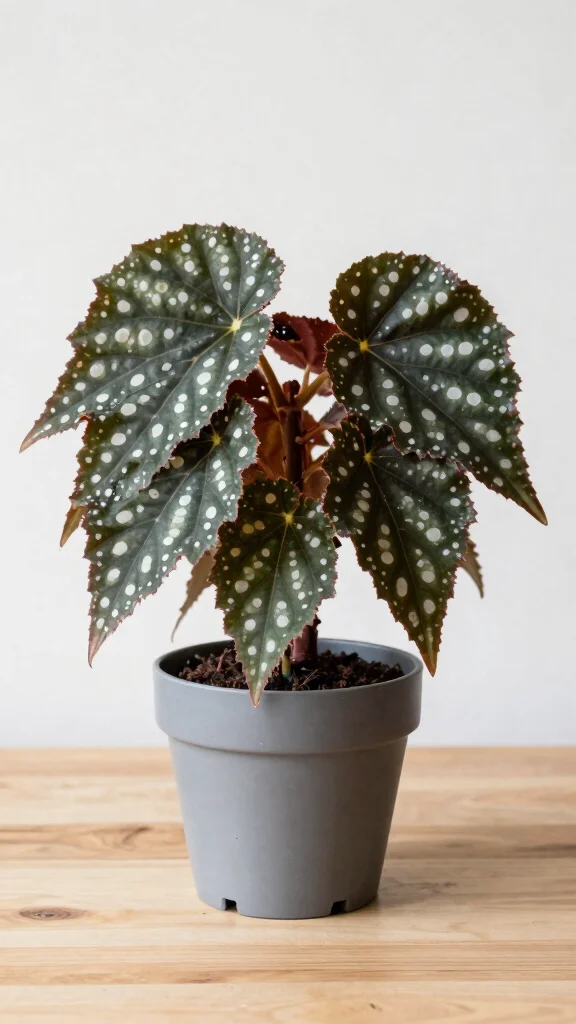
Begonia Maculata, often called the polka dot begonia, is a charming houseplant known for its unique spotted leaves. The combination of deep green and silver spots creates a striking visual that captures the hearts of plant lovers everywhere. Its compact size makes it perfect for tabletops or windowsills, adding character to any space.
To keep your Begonia Maculata thriving, provide bright, indirect light and water it when the top inch of soil feels dry. This plant loves humidity, making it a great choice for kitchen windows or near indoor fountains. Select a modern decorative pot that complements its vibrant leaves and playful nature.
Key features to highlight:
– Polka dot pattern adds a whimsical touch to your decor.
– Compact size ideal for small spaces or tabletops.
– Prefers bright, indirect light and consistent humidity.
Incorporating this delightful plant will bring charm and personality into your home, making it a favorite among guests.
Begonia Maculata
Editor’s Choice
Pinkunn 2 Pcs Bonsai Humidity Tray Rectangular Drip Tray Plastic Plant W…
XLUX Long Probe Deep Use Soil Moisture Meter, Water Monitor Indicator Se…
GooingTop LED Grow Light,6000K Full Spectrum Clip Plant Growing Lamp wit…
Conclusion
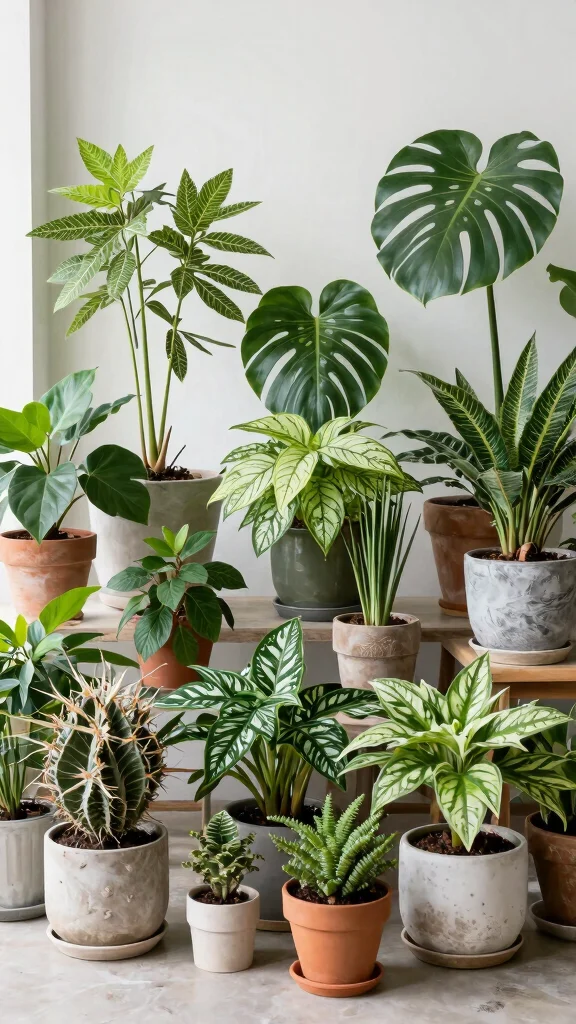
In the ever-evolving world of houseplant collecting, these nine rare houseplants stand out for their beauty and uniqueness. Each plant offers its charm and personality, making them worthy additions to your indoor garden. Whether you’re a seasoned collector or just starting, bringing these exotic tropical plants into your home can transform your space into a lush paradise. Embrace the joy of houseplant collecting, explore new varieties, and enjoy the vibrant energy they bring to your life!
Note: We aim to provide accurate product links, but some may occasionally expire or become unavailable. If this happens, please search directly on Amazon for the product or a suitable alternative.
This post contains Amazon affiliate links, meaning we may earn a small commission if you purchase through our links, at no extra cost to you.
Frequently Asked Questions
What qualifies as a rare houseplant worth collecting in 2026?
In 2026, a plant earns the badge rare houseplants worth collecting if it blends scarcity with reliable care and captivating beauty. Look for plants with limited availability, exotic houseplants appeal, and distinct features like unusual variegation, leaf shape, or growth habit.
Check provenance to avoid wild-sourced specimens and ensure you can provide the right humidity and light. Before buying, confirm growth expectations and propagation options so it fits your space and budget. If it checks these boxes, it’s a strong candidate for your collection of unique indoor plants and other sought-after houseplants.
Which rare plant species are the most beginner-friendly for new collectors?
Several plants in the roundup are surprisingly forgiving for beginners. Look for species that tolerate average indoor light, moderate humidity, and consistent but not perfect watering schedules.
Tips: start with one plant to learn its pattern, quarantine new arrivals, use a well-draining soil mix, and water only when the top inch dries. With patience, these easy starts become a foundation for your growing collection of rare plant species, exotic houseplants, and other sought-after houseplants.
How can I care for and propagate exotic houseplants to keep them thriving at home?
Begin with a steady routine: provide bright, indirect light; maintain humidity around 40–60%; water when the top inch of soil dries, avoiding both soggy soil and drought stress. For propagation, you can take stem cuttings or use air layering for larger specimens, then root in a clean, well-draining mix or water until roots form.
Always inspect for pests, quarantine new plants, and label samples. This practical approach helps you build a healthy collection of exotic houseplants and increases your success with houseplant collecting tips.
Where can I source these sought-after houseplants and avoid fakes or overpriced specimens?
Shop from reputable sources like established specialty nurseries, plant shows, and trusted plant clubs. Ask for provenance, request recent photos, and compare prices to gauge fair market value for sought-after houseplants. Be cautious of overly cheap specimens or vague origins, and prefer retailers who offer care guidance and pest-free guarantees.
Joining local plant swaps or community groups can also help you find authentic rare houseplants worth collecting at reasonable prices while supporting ethical sourcing of rare plant species.
What practical tips can help me build a cohesive collection of rare houseplants without breaking the budget?
Start with a plan: pick a unifying theme or color story, then choose 1–2 centerpiece plants and a few companions. Propagate from healthy cuttings to grow your collection cheaply, and rescue plants with minor quirks that respond well to care improvements.
Take part in plant swaps, watch for seasonal sales, and document care routines to reduce losses. This houseplant collecting tips approach helps you curate a cohesive group of rare houseplants worth collecting without blowing your budget.
Related Topics
rare houseplants
exotic houseplants
unique indoor plants
houseplant collecting
rare plant species
sought-after houseplants
2026 gardening trends
advanced plant care
indoor gardening tips
tropical plants
plant collector's guide
rare plant investment