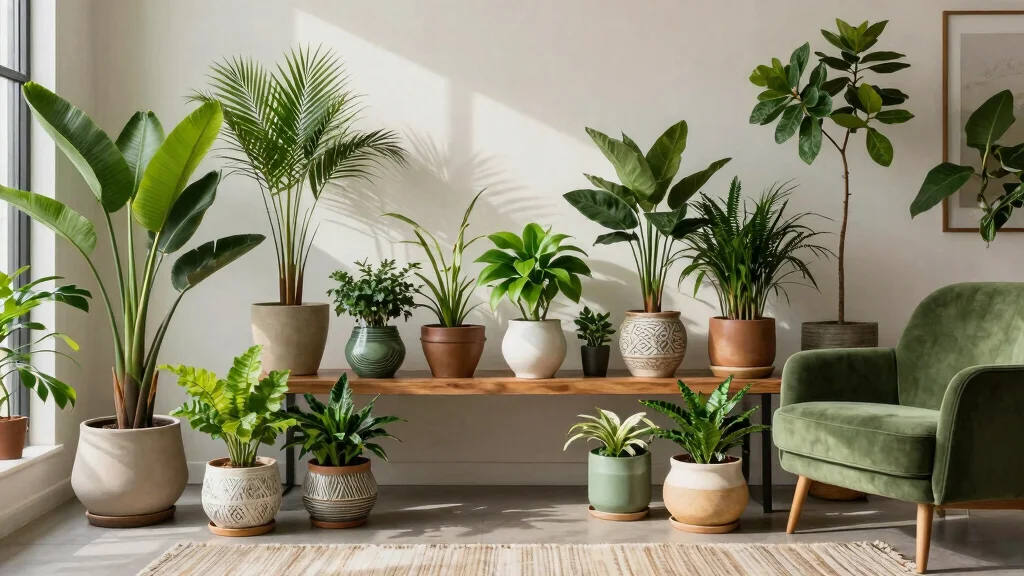
If you’ve been daydreaming about transforming your home into a lush oasis, you’re not alone. The charm of bringing nature indoors has many of us craving unique and beautiful greenery. While common houseplants are lovely, there’s something truly special about collecting the most beautiful rare houseplants. These exotic varieties add a touch of the extraordinary to your space and become conversation starters that reflect your personal style.
This post is for anyone who loves plants, whether you’re a seasoned gardener or just starting your collection. If you’re searching for impressive indoor plants, you’ll find joy in the stunning beauty of rare indoor plants. Each of these selections offers unique features and requires care that can be both a challenge and a rewarding experience. By exploring the enchanting world of these exotic houseplant varieties, you’ll discover new favorites and learn how to nurture them so they thrive in your home.
Throughout this post, I’ve gathered ten of the most beautiful rare houseplants for you to consider adding to your collection. You’ll not only get a glimpse of their stunning features but also practical insights on how to care for them. So, grab your gardening gloves and let’s dive into the vibrant realm of unique houseplants that can bring life and beauty to any corner of your home.
Key Takeaways
– Discover the allure of the most beautiful rare houseplants and how they can enhance your home decor.
– Learn about unique houseplants like the Monstera Albo, Philodendron Pink Princess, and more, each with their own stunning characteristics.
– Gain insights into rare plant care, including light, water, and soil requirements to help your plants thrive.
– Explore practical tips on how to incorporate these exotic houseplant varieties into your living space for maximum effect.
– Understand the benefits of collecting rare indoor plants, from improving air quality to boosting your mood with beautiful indoor greenery.
1. Monstera Albo
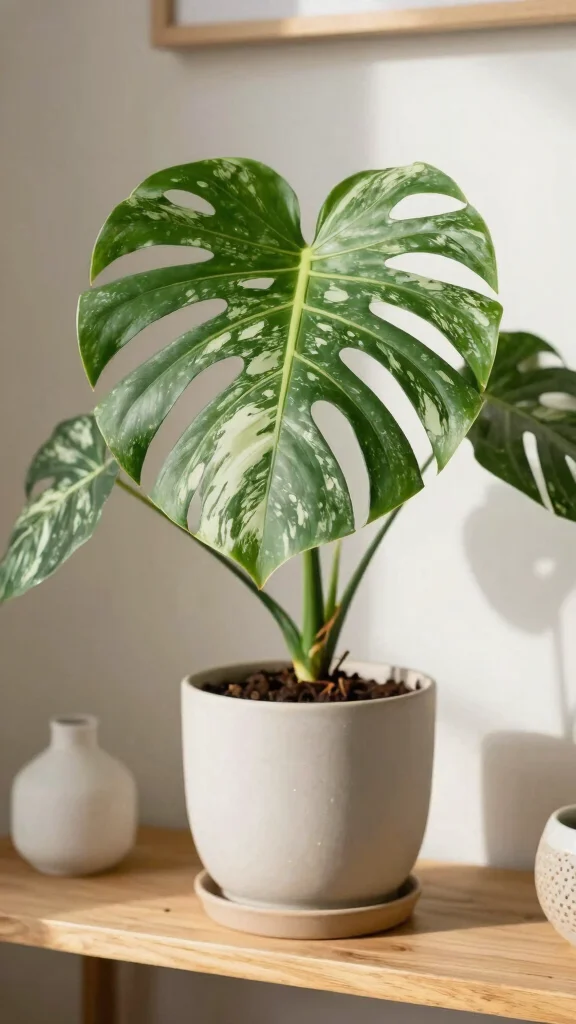
Looking to elevate your indoor garden? The Monstera Albo is a stunning choice, featuring striking variegated leaves with beautiful white patterns against deep green. This tropical beauty thrives indoors, making it a favorite for collectors and plant lovers alike. With the right conditions—bright, indirect light and a well-draining potting mix—you’ll see it flourish beautifully in your home.To keep your Monstera Albo thriving, focus on a few key care tips. Ensure it receives plenty of bright, indirect sunlight to enhance its gorgeous variegation. Water when the top inch of soil feels dry, as overwatering can lead to root rot. Consider misting its leaves regularly to maintain humidity, which it loves.Key care tips:
– Provide bright, indirect light for vibrant leaves
– Water only when the top inch of soil is dry
– Maintain humidity by misting leaves regularly
– Use a pot with drainage holes to prevent excess moisture
With its lavish appearance, the Monstera Albo transforms any space into a sophisticated oasis.
Monstera Albo
Editor’s Choice
Aokrean Plant Grow Light, 48 LEDs Full Spectrum Grow Lights for Indoor P…

Ceramic Modern Glaze Succulent Planter Pot with Drainage Hole and Saucer…
Miracle-Gro Indoor Potting Mix for All Plants, Use with Houseplants and …
2. Variegated String of Hearts
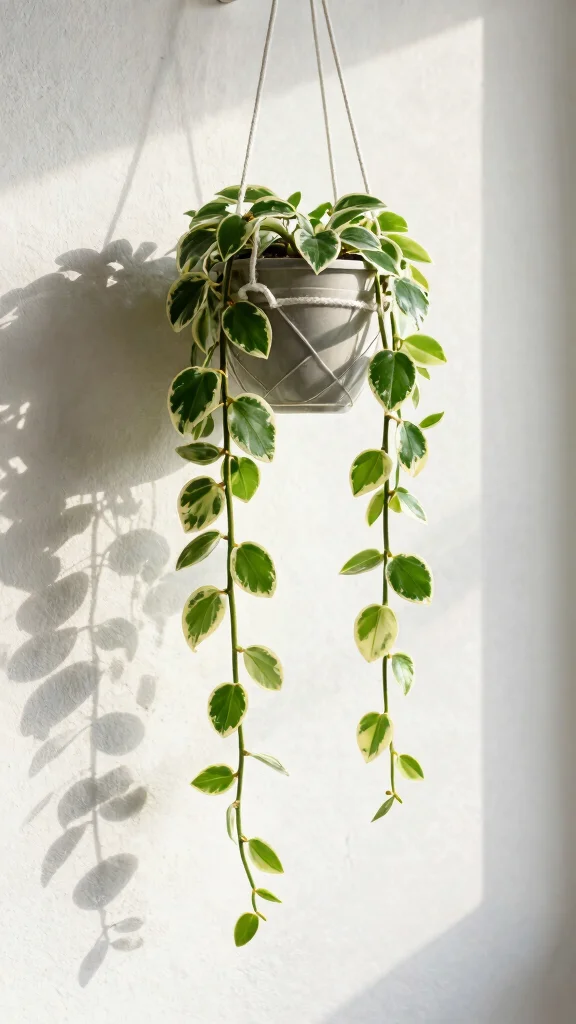
If you’re searching for a charming addition to your plant collection, look no further than the Variegated String of Hearts. With its delicate heart-shaped leaves cascading from long vines, this succulent brings a whimsical touch to your home. It thrives in bright, indirect light, making it a perfect choice for hanging pots or as a trailing accent on shelves.To ensure your String of Hearts stays healthy, remember to let the soil dry completely between waterings. While it enjoys bright light, it can also tolerate lower light conditions. Use a fast-draining succulent mix to prevent overwatering and consider propagating through stem cuttings for more plants.Care tips to keep it thriving:
– Provide bright, indirect sunlight; tolerates low light
– Allow soil to dry completely between waterings
– Use a fast-draining soil mix to avoid root rot
– Easily propagate through stem cuttings for new plants
With its playful elegance, the Variegated String of Hearts is sure to brighten any room.
Variegated String of Hearts
Editor’s Choice

Metal Plant Hangers Indoor and Outdoor: Easter Gifts for Mom Women Her W…
Small Indoor Watering Can – Gardening Gifts for Women -Sometimes I Wet M…
Miracle-Gro Indoor Plant Food for Cactus and Succulent, Liquid Plant Foo…
3. Alocasia Frydek
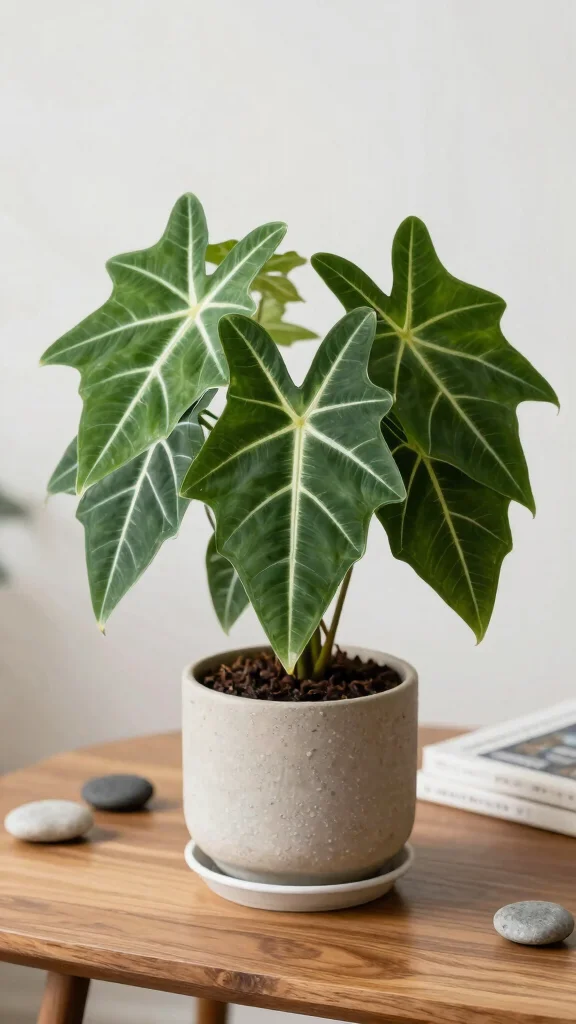
The Alocasia Frydek is a breathtaking houseplant known for its arrow-shaped leaves and striking white veins. This exotic plant is a rewarding challenge for enthusiasts who appreciate its dramatic flair. It flourishes in bright, indirect light and requires consistent moisture, but be careful not to let it sit in water.When caring for your Alocasia Frydek, focus on providing bright, indirect sunlight to avoid leaf scorch. Ensure the soil remains consistently moist, and enjoy warm temperatures ideally between 60-85°F (16-29°C). Regular feeding with a balanced fertilizer during the growing season keeps it healthy and vibrant.Essential care tips:
– Provide bright, indirect sunlight; avoid direct sun exposure
– Keep soil consistently moist, but well-draining
– Maintain warm temperatures between 60-85°F
– Feed with balanced fertilizer during the growing season
As a true statement plant, the Alocasia Frydek will command attention in any setting.
❝ Fact: Alocasia Frydek can reach up to two feet tall indoors, with bold arrow-shaped leaves and white veins. Give it bright, indirect light and steady moisture—avoid soggy soil, or leaf scorch will strike. It’s one of the most beautiful rare houseplants worth the care. ❞
Alocasia Frydek
Editor’s Choice

Klein Tools ET140 Pinless Moisture Meter for Non-Destructive Moisture De…
Aokrean Plant Grow Light, 48 LEDs Full Spectrum Grow Lights for Indoor P…
YNNICO Indoor Self Watering Planters with Drainage Holes and Saucers, 8,…
4. Philodendron Pink Princess
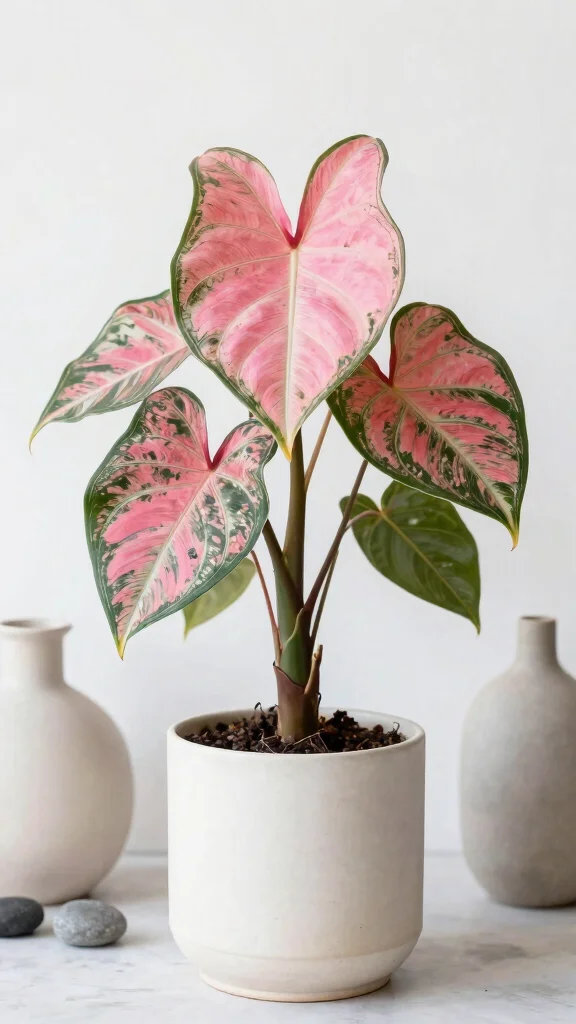
Meet the eye-catching Philodendron Pink Princess, a standout in the plant world with its stunning pink and green variegated leaves. This rare beauty captivates many plant lovers and can thrive beautifully with the right care. While it does require a bit more attention than standard philodendrons, the rewards are worth it as it flourishes in the right conditions.For optimal growth, provide bright, indirect light to enhance its pink hues. Allow the topsoil to dry out before watering again to prevent overwatering. It appreciates a humid environment, so consider using a humidity tray or misting its leaves regularly. Feeding it with a balanced fertilizer during the growing season promotes vibrant growth.Key care tips:
– Thrive in bright, indirect light to enhance pink coloration
– Let topsoil dry out before watering again
– Maintain humidity with a tray or regular misting
– Use a balanced fertilizer during the growing season
Your Philodendron Pink Princess will become a stunning focal point in your plant collection.
Philodendron Pink Princess
Editor’s Choice

A Woman’s Garden: Grow Beautiful Plants and Make Useful Things – Plants …
Cute Body Shaped Planter Fun Resin Plant Pots Indoor with Drainage Hole …
Miracle-Gro Blooming Houseplant Food – Fertilizer for Indoor Plants, 8 f…
5. Hoya Kerrii
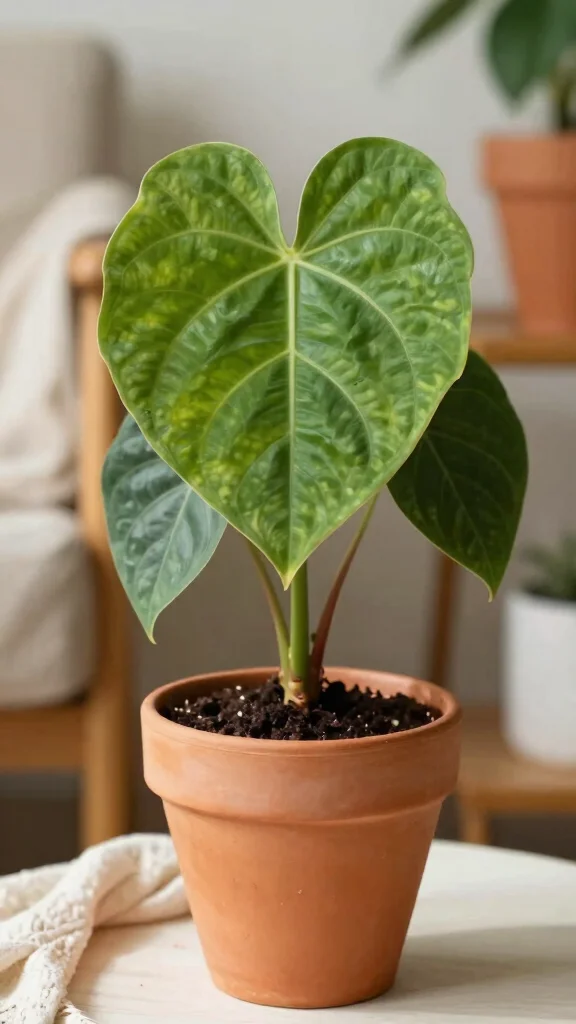
Looking for a plant that symbolizes love? The Hoya Kerrii, often called the ‘Sweetheart Plant,’ features adorable heart-shaped leaves that make it a delightful choice for any plant enthusiast. This low-maintenance gem is perfect for both beginners and seasoned collectors, thriving in bright, indirect light and a well-draining soil mix.To keep your Hoya Kerrii happy, provide bright, indirect sunlight while protecting it from harsh direct rays. Water thoroughly, allowing the soil to dry between waterings. While it enjoys higher humidity, it can adapt to average household levels, and it’s easy to propagate from leaf cuttings for even more plants.Care tips to keep it thriving:
– Prefers bright, indirect sunlight; avoid direct sun
– Water thoroughly, letting the soil dry out in between
– Adapts well to average humidity levels
– Easily propagate from leaf cuttings for more plants
With its charming shape and easy care, the Hoya Kerrii adds a touch of love to your indoor garden.
Fun fact: Hoya Kerrii leaves can store water for weeks—up to 2-3 weeks between waterings. This makes it one of the most beautiful rare houseplants to collect; with bright indirect light, even beginners can keep its heart-shaped leaves thriving.
Hoya Kerrii
Editor’s Choice
Burpee, 9 Quarts | Premium Organic Potting Natural Soil Mix Food Ideal f…
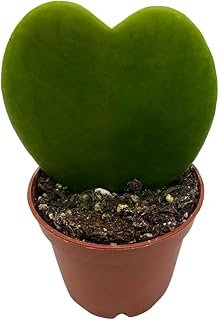
BubbleBlooms Green Hoya Kerrii Heart in a 2 inch Pot Sweetheart Mother’s…
Cute Body Shaped Planter Fun Resin Plant Pots Indoor with Drainage Hole …
6. Fiddle Leaf Fig
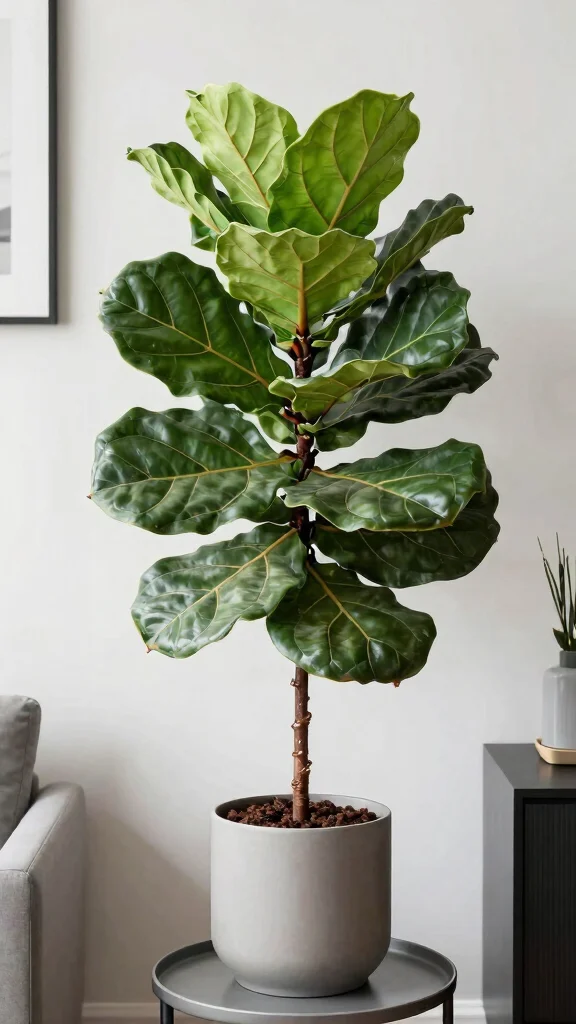
The Fiddle Leaf Fig (Ficus lyrata) is a striking houseplant known for its large, glossy leaves that resemble fiddles. This iconic plant has become a staple in home decor, adding a stylish touch to any space. However, to truly thrive, it requires specific care and attention.Ensure your Fiddle Leaf Fig receives bright, indirect light to maintain its health and vibrant foliage. Water it when the top few inches of soil are dry, and avoid letting it sit in water. Regularly dust the leaves to keep them clean for optimal photosynthesis, and feed it with a balanced fertilizer during the growing season to encourage growth.Key care tips:
– Enjoys bright, indirect light for healthy foliage
– Water when top few inches of soil are dry
– Dust leaves regularly to promote photosynthesis
– Feed with balanced fertilizer during the growing season
The Fiddle Leaf Fig makes a bold statement that elevates your home’s decor effortlessly.
📹 Related Video: Fiddle Leaf Fig – The Ultimate Guide | The Plant Doctor | Apartment Therapy
Fiddle Leaf Fig
Editor’s Choice
XLUX Long Probe Deep Use Soil Moisture Meter, Water Monitor Indicator Se…
Miracle-Gro Indoor Plant Food for All Plants, Liquid Plant Food for Hous…
Aokrean Plant Grow Light, 48 LEDs Full Spectrum Grow Lights for Indoor P…
7. Ruffled Fan Plant
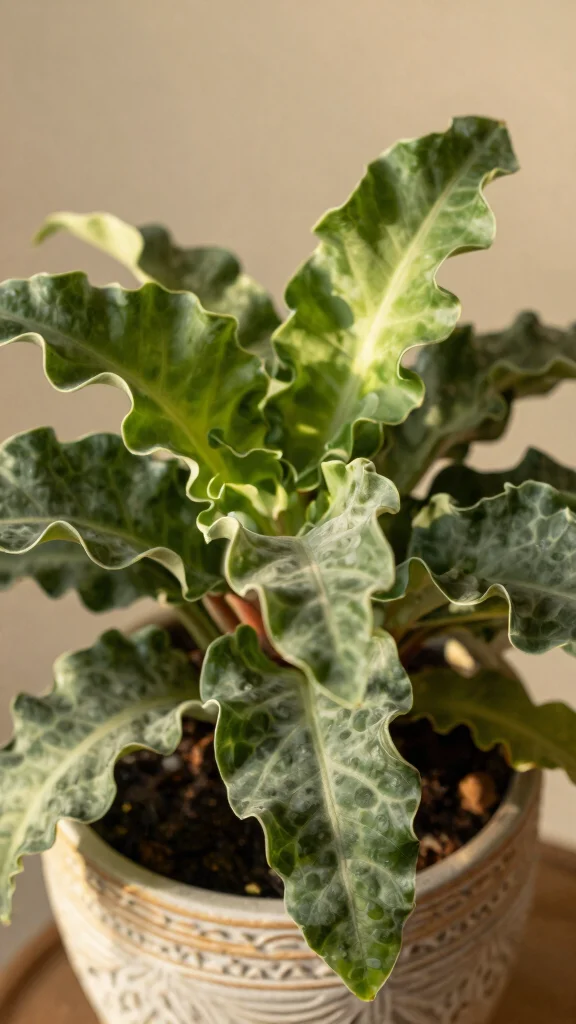
The Ruffled Fan Plant (Anthurium clarinervium) is a captivating houseplant with ruffled leaves and striking dark green color. Increasingly popular among collectors, its unique leaf texture and exotic look make it a fantastic choice. This plant thrives in bright, indirect light and requires well-draining soil to truly flourish.To care for your Ruffled Fan Plant, provide plenty of bright, indirect light to maintain its vibrant foliage. Water when the top inch of soil dries out, taking care to avoid overwatering. It enjoys warmth, ideally between 65-85°F (18-29°C), and benefits from regular misting to maintain high humidity.Essential care tips:
– Prefers bright, indirect light for vibrant foliage
– Water when the top inch of soil dries out
– Thrives in warm temperatures of 65-85°F
– Mist regularly for high humidity
With its stunning ruffled appearance, this plant is sure to draw admiration in any collection.
Ruffled Fan Plant
Editor’s Choice

Miracle-Gro Moisture Control Potting Mix – Plant Soil For Container Plan…
Aokrean Plant Grow Light, 48 LEDs Full Spectrum Grow Lights for Indoor P…
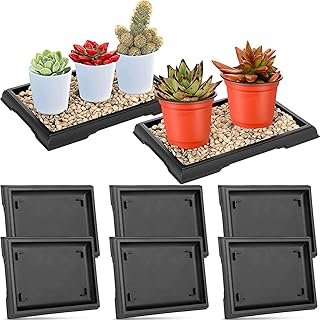
Pinkunn 2 Pcs Bonsai Humidity Tray Rectangular Drip Tray Plastic Plant W…
8. Cactus Flowering Plant
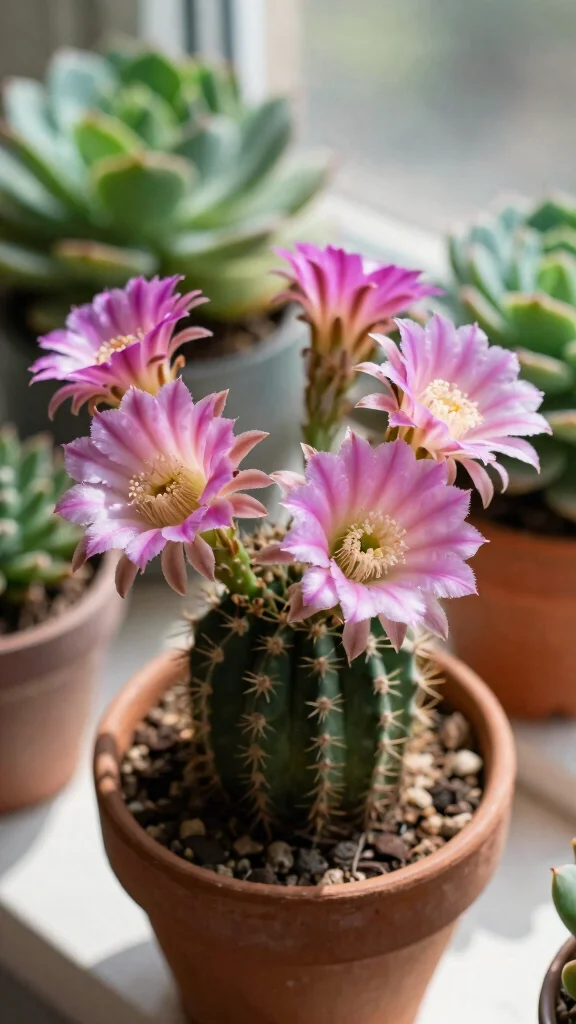
Cactus flowering plants, like the Easter Cactus (Hatiora gaertneri), are a stunning addition to any indoor garden. When in bloom, these rare houseplants surprise with vibrant flowers, providing a unique touch to your plant collection. They thrive in bright light and require minimal watering, making them ideal for those who enjoy low-maintenance options.To care for your flowering cactus, ensure it gets bright, indirect sunlight for optimal blooming. Allow the soil to dry out completely between waterings to prevent root rot, and keep it in warm conditions between 60-70°F (15-21°C). A diluted cactus fertilizer during the growing season encourages better flowering.Care tips to consider:
– Provide bright, indirect sunlight for blooming
– Allow soil to dry out completely between waterings
– Maintain warm temperatures of 60-70°F
– Use diluted cactus fertilizer during the growing season
Cactus flowering plants add vibrant color and interest to your space, perfect for any plant lover.
Cactus Flowering Plant
Editor’s Choice
D’vine Dev 8.2 Inch Ceramic Planter Pot with Drainage Hole and Saucer, I…
Aokrean Plant Grow Light, 48 LEDs Full Spectrum Grow Lights for Indoor P…
SONGZIMING 15 Pcs Succulent Plant Tools Set, Mini Garden Planting Wateri…
9. Borneo Giant Pitcher Plant
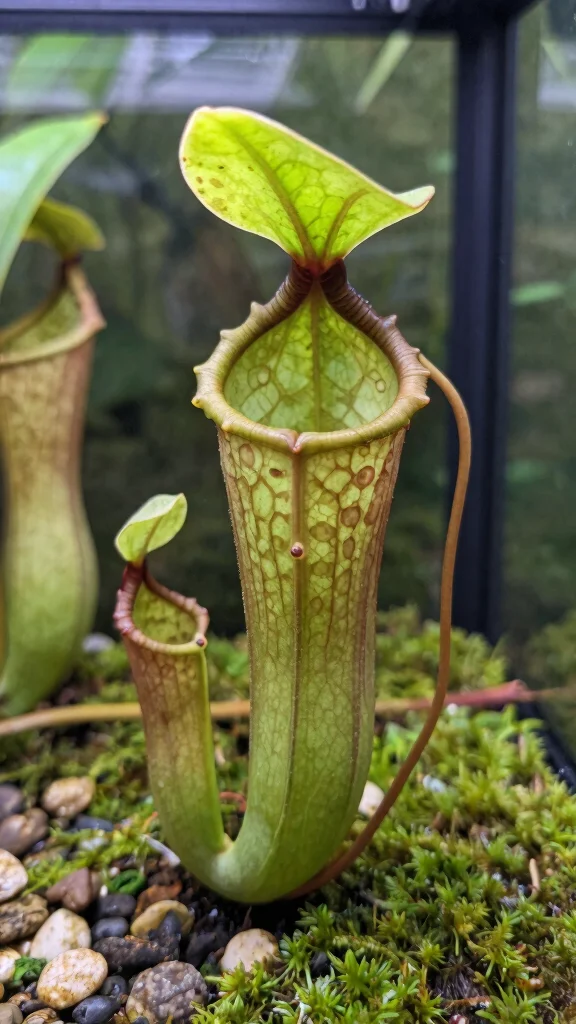
The Borneo Giant Pitcher Plant (Nepenthes rajah) is a rare carnivorous plant that captures attention with its unique pitcher-shaped leaves. An exotic addition to any collection, this plant is fascinating to observe as it captures insects for nourishment. It thrives in high humidity and requires careful attention to its watering needs.For optimal care, provide bright, indirect light while avoiding direct sunlight. Use distilled or rainwater to keep the soil continually moist, but not soggy. High humidity is essential, so consider using a terrarium or humidifier, and feed it with a diluted fertilizer during the growing season for best results.Essential care tips:
– Prefers bright, indirect light; avoid direct sunlight
– Use distilled or rainwater for moisture
– Keep soil continually moist without sogginess
– Feed with diluted fertilizer during the growing season
The Borneo Giant Pitcher Plant is sure to be a conversation starter, adding an exotic touch to your plant collection.
If you’re collecting the most beautiful rare houseplants, the Borneo Giant Pitcher Plant reminds us that patience pays off. Bright indirect light and high humidity help its carnivorous pitchers flourish; use distilled or rainwater to keep the soil consistently moist.
Ongoing Maintenance & Care Guide
Maintenance Schedule:
Daily/Weekly Tasks:
– Check moisture levels in the soil. Stick your finger 1-2 inches into the soil. If it feels dry, it’s time to water. ⏱ (5 minutes)
– Dust the leaves gently with a damp cloth to keep them clean and help with photosynthesis. ⏱ (10 minutes)
– Rotate your plants weekly for even growth and light exposure. This helps them grow symmetrically. ⏱ (5 minutes)
Monthly/Seasonal Tasks:
– Fertilize your rare houseplants once a month during the growing season (spring to early fall). Use a balanced liquid fertilizer diluted to half strength. ⏱ (15 minutes)
– Check for pests like spider mites or aphids. Look under leaves and on stems, and treat with insecticidal soap if needed. ⏱ (10 minutes)
– Repot your plant every 1-2 years or when it outgrows its pot. Choose a pot one size larger and fresh soil. ⏱ (30-60 minutes)
Maintenance Summary Table:
| Task | Frequency | Difficulty | Time Needed |
|——————————-|———–|————|—————|
| Check moisture levels | Daily | Easy | 5 minutes |
| Dust leaves | Weekly | Easy | 10 minutes |
| Rotate plants | Weekly | Easy | 5 minutes |
| Fertilize | Monthly | Easy | 15 minutes |
| Check for pests | Monthly | Moderate | 10 minutes |
| Repot | 1-2 years | Moderate | 30-60 minutes |
Common Issues to Watch For:
⚠️ Brown leaf tips: This usually means the plant is not getting enough water or humidity. Check the soil and try to increase humidity levels.
⚠️ Wilting leaves: This can indicate overwatering or underwatering. Feel the soil and adjust your watering schedule accordingly.
⚠️ Yellowing leaves: This often signals nutrient deficiencies or root rot. Check for pests and consider repotting if the roots are damaged.
Care Tips:
💡 Use the right potting mix: Choose a well-draining soil mix suited for rare indoor plants. This helps prevent root rot and ensures good airflow to the roots.
💡 Maintain optimal humidity: Most rare houseplants thrive in high humidity. Consider using a humidifier or placing a tray of water near the plants to boost moisture levels in the air. 🚀
💡 Be patient with growth: These unique houseplants may grow slower than common varieties. Give them time, and remember that each plant has its own growth rhythm.
By following this comprehensive ongoing maintenance and care guide, you can keep your collection of the most beautiful rare houseplants thriving. Regular checks, proper watering, and timely adjustments will ensure your exotic houseplants remain healthy and stunning for years to come. 🌱
Borneo Giant Pitcher Plant
Editor’s Choice

TempPro TP50 Digital Hygrometer Indoor Thermometer Room Thermometer and …
Southside Plants Tap Water Conditioner for Houseplants & Hydroponics – R…
Aokrean Plant Grow Light, 48 LEDs Full Spectrum Grow Lights for Indoor P…
10. Zebra Plant
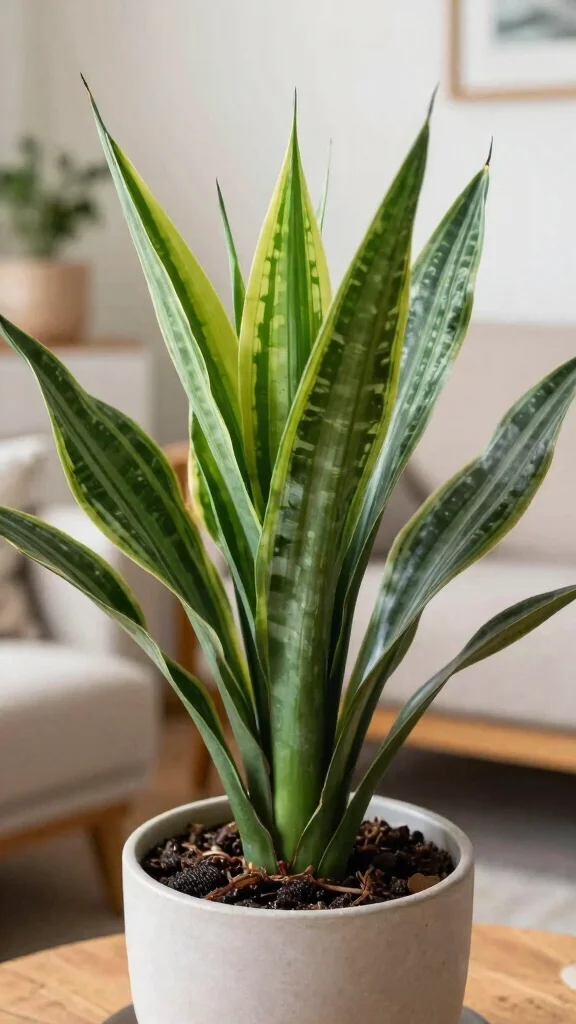
The Zebra Plant (Aphelandra squarrosa) is loved for its bold, striped leaves that resemble a zebra’s pattern. This beautiful houseplant not only adds lush greenery but also produces stunning yellow flowers, brightening up any indoor space. It thrives in bright, indirect sunlight and requires consistent moisture for optimal growth.To care for your Zebra Plant successfully, ensure it receives plenty of bright, indirect light. Keep the soil consistently moist without waterlogging, and maintain higher humidity levels by misting regularly. Using a balanced fertilizer during the growing season promotes healthy growth and vibrant blooms.Key care tips:
– Prefers bright, indirect light for growth and flowering
– Keep soil consistently moist without waterlogging
– Enjoys higher humidity; mist frequently
– Use balanced fertilizer during the growing season
With its striking leaves and bright blooms, the Zebra Plant is a delightful addition to any plant lover’s collection.
Zebra Plant
Editor’s Choice
XLUX Long Probe Deep Use Soil Moisture Meter, Water Monitor Indicator Se…

2026 Upgraded SH2000 Led Grow Light,Dimmable Full Spectrum LED Growing L…
Utopia Home Plant Pots Indoor with Drainage Holes – Set of 5 White Pla…
Conclusion
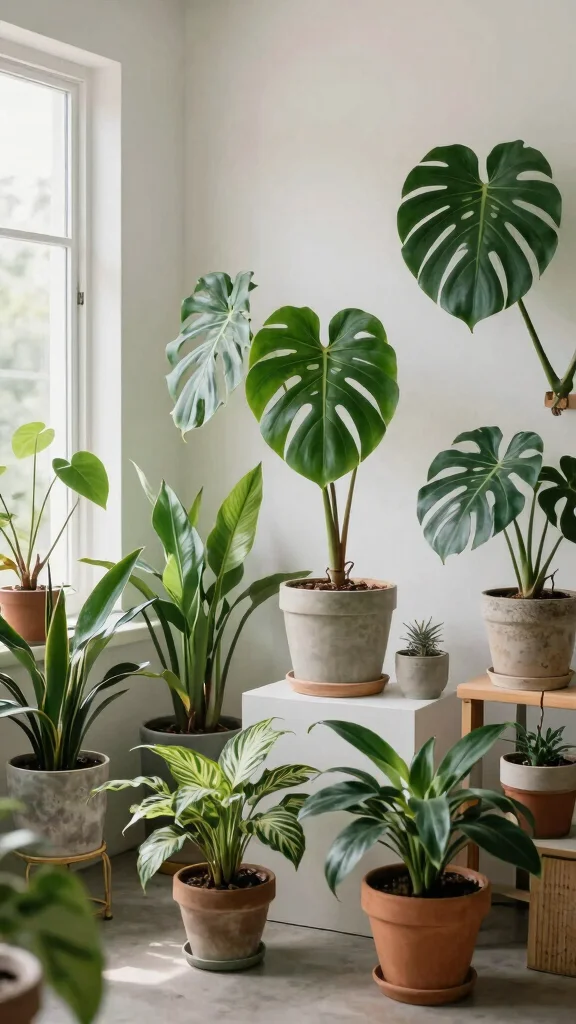
Incorporating rare houseplants into your home isn’t just about aesthetics; it’s a journey into the beauty and diversity of nature. Each of the plants we’ve highlighted offers a unique flair and care experience, making them perfect additions to any plant lover’s collection. Whether you’re drawn to the dramatic variegation of the Monstera Albo or the whimsical charm of the Variegated String of Hearts, these beautiful rare houseplants are sure to enrich your living space and spark joy.
Consider adding one or more of these stunning varieties to your collection, and enjoy the process of nurturing and growing them in your home.
Note: We aim to provide accurate product links, but some may occasionally expire or become unavailable. If this happens, please search directly on Amazon for the product or a suitable alternative.
This post contains Amazon affiliate links, meaning we may earn a small commission if you purchase through our links, at no extra cost to you.
Frequently Asked Questions
What defines the most beautiful rare houseplants and why should I start a collection?
Defining the most beautiful rare houseplants means looking for plants with striking foliage, unusual textures, bold color variation, and a hint of mystery. Practical criteria include rarity, dramatic variegation or color, unique leaf shapes, and a growth habit that fits your space. In short, you want high visual impact paired with workable care. In this article, you’ll explore ten exquisite picks and actionable tips to grow and maintain them.
When evaluating options, seek plants with bright variegation, rich greens with purple undersides, or sculptural silhouettes. Pair light, humidity, and potting needs to your room to keep them thriving.
How can I care for rare indoor plants to keep them healthy and thriving?
Care for rare indoor plants doesn’t have to be scary. Start with a plan that matches their light needs (many exotics prefer bright, indirect light) and avoid harsh direct sun. Water only when the top inch of soil dries, and never leave soggy roots—overwatering is the #1 killer. Boost humidity with a pebble tray, humidifier, or grouping plants together. Use a well-draining potting mix and repot every 1–2 years to refresh the soil. Fertilize lightly during the growing season and keep an eye out for pests. If you’re bringing in new plants, quarantine them for a couple of weeks to protect the rest of your collection. This practical routine keeps your rare plant care goals on track.
Which rare indoor plants are beginner-friendly and still stunning?
Yes—some rare indoor plants are surprisingly forgiving and beginner-friendly. Look for varieties labeled as easy-care, tolerant of average indoor light, and forgiving with watering. In this article you’ll uncover options that balance dramatic beauty with practical care, plus step-by-step tips to help them thrive.
Tip: start with one or two to learn your space, then gradually add more as your confidence grows. Embracing rare indoor plants doesn’t have to be intimidating.
Where can I safely buy and source rare houseplants?
To avoid common pitfalls, buy from reputable nurseries, established specialty shops, or well-reviewed online sellers who provide clear photos, care instructions, and pest-free guarantees. Ask for a close-up photo of leaves and roots, plus a care sheet and quarantine recommendations. Inspect shipments on arrival and avoid plants with obvious signs of distress or pests. Check the seller’s return policy and warranty so you can grow with confidence. Good sourcing supports your rare plant care journey and ensures you’re getting true specimens.
How can I display and care for exotic houseplant varieties in small spaces?
Display is part of the fun. Create vertical interest with wall shelves, hanging baskets, and tiered stands to showcase your beautiful indoor greenery without crowding. Group exotic varieties with similar light and humidity needs to form mini microclimates that keep everyone thriving. Use well-draining pots, proper drainage, and rotate plants so they all receive even light. With a little planning, you can enjoy a striking, space-efficient collection of exotic foliage in any room.
Related Topics
rare houseplants
exotic foliage
indoor gardening
unique plants
plant care
beautiful greenery
houseplant collection
beginner tips
rare indoor plants
tropical houseplants
plant aesthetics
low light plants