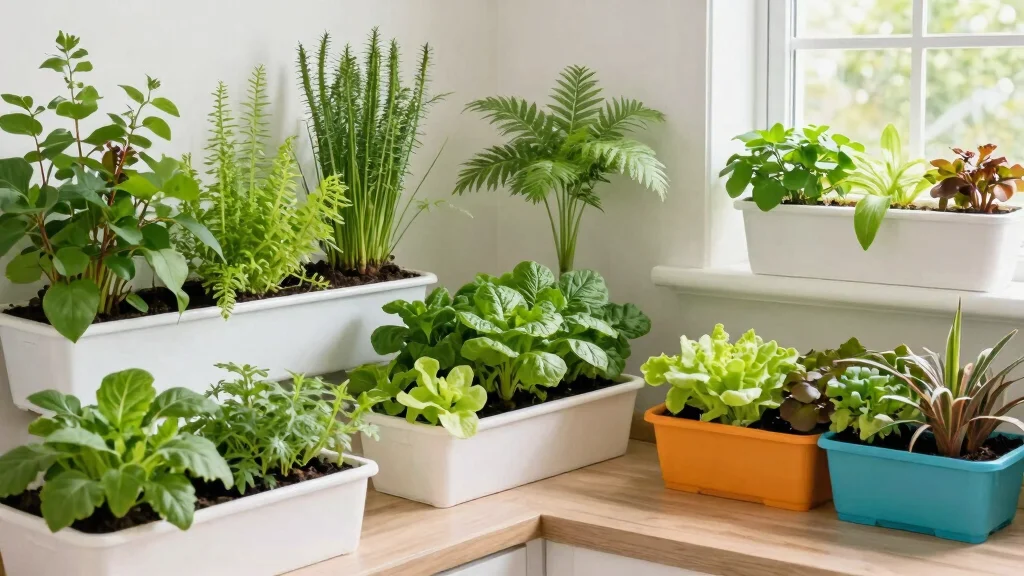
Creating an indoor vegetable garden has never been more appealing. With limited space in urban settings, many of us crave fresh produce right at our fingertips. This post aims to inspire you with inventive indoor vegetable garden ideas that fit seamlessly into your small space. If you’ve been daydreaming about homegrown salads or fragrant herbs, you’ve landed in the right place.
Whether you’re a seasoned gardener or just starting, this guide is for anyone eager to embrace small space gardening. You may be dealing with a tiny apartment, a narrow balcony, or even a cozy windowsill. The truth is, indoor gardening can be both manageable and rewarding. I’ve pulled together nine creative ideas that are practical, efficient, and sure to bring a touch of green into your home. Get ready to transform your space into a lush oasis filled with delicious veggies and aromatic herbs.
From vertical wall planters to kitchen counter herb gardens, each idea has been designed to maximize your space and yield a bountiful harvest. Not only will you enjoy the satisfaction of growing your own food, but you’ll also add a charming, natural ambiance to your indoor environment. Let’s dig into these indoor vegetable garden ideas that can help you thrive, even in the smallest of spaces.
Key Takeaways
– You can start an indoor vegetable garden even in limited space with creative strategies like vertical gardening or using containers.
– Vertical wall planters and stackable planters let you grow more plants while taking up minimal floor space.
– Herbs for indoor gardens can thrive on kitchen counters or windowsills, making them easy to access for cooking.
– Indoor hydroponic systems offer a unique way to grow vegetables without soil, ideal for modern living spaces.
– Upcycled materials like recycled containers can serve as planters, adding character while being eco-friendly.
1. Vertical Wall Planters
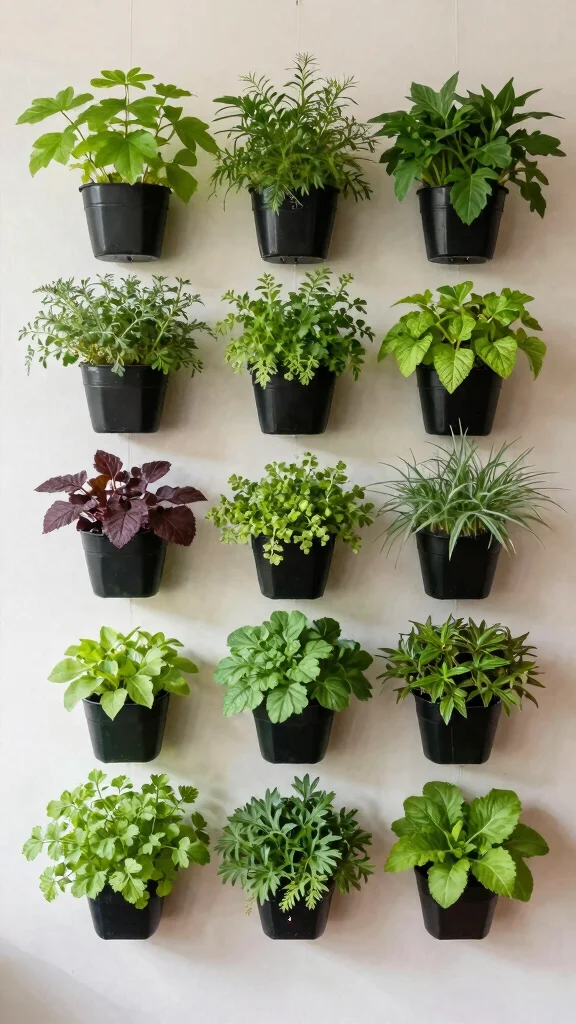
Are you looking to bring life to your walls while saving precious floor space? Vertical wall planters are a fantastic answer to your gardening dreams. They not only allow you to cultivate a variety of vegetables and herbs but also serve as a stunning décor piece in your home.
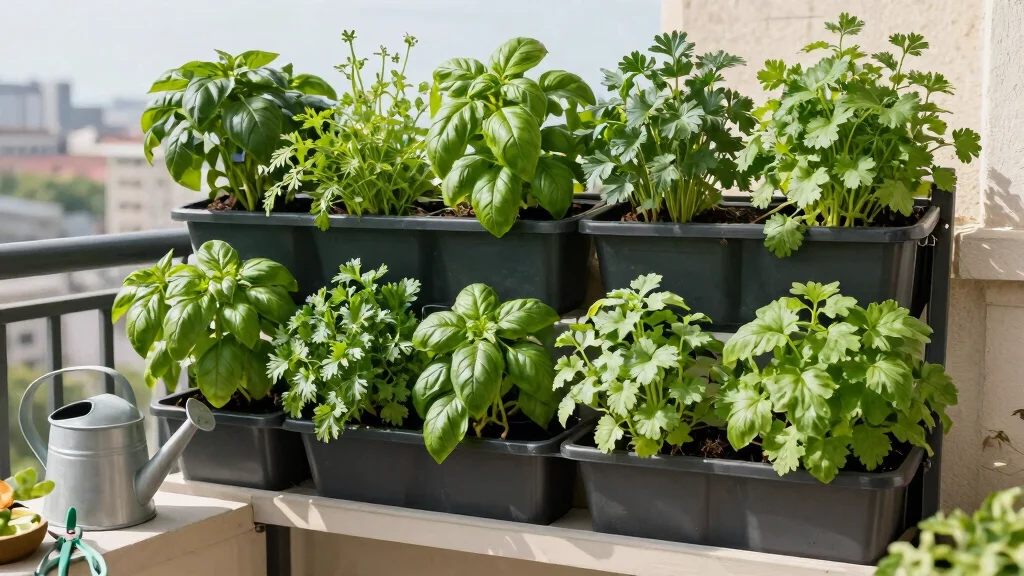
With options like pocket planters or hanging pots, you can create a beautiful vertical garden. Plants such as basil, mint, or small tomatoes thrive here, making it easy to enjoy fresh flavors at your fingertips.
Ingredients:
– Pocket planters (as many as needed)
– Hanging pots (optional)
– Soil (lightweight and well-draining)
– Seeds or seedlings of your choice (basil, mint, small tomatoes)
Instructions:
1. Choose a wall that receives good sunlight.
2. Install the pocket planters or hang your pots securely.
3. Fill with lightweight soil, leaving space for plants.
4. Plant your chosen herbs or vegetables.
5. Water thoroughly and check for drainage.
FAQs:
– Can I grow larger plants in vertical planters? It’s best to stick with smaller varieties for best results.
– Can I use this method outdoors? Yes, as long as the planters are weather-resistant.
How To Choose the Right Indoor Vegetable Garden for Small Spaces
When it comes to creating an indoor vegetable garden in limited space, the right choice makes all the difference. With so many options available, you need to consider factors such as size, material, and functionality. Here are some essential tips to guide your selection process:
1. Size Matters
Before anything, measure the area you plan to use. Consider how much vertical and horizontal space you have. For smaller areas, vertical gardening solutions, like wall planters, can help maximize your gardening potential without taking up floor space. Make sure to leave room for sunlight to reach the plants, as well as space for you to access them easily.
2. Material Choice
The material of your planters can impact your plants’ health and maintenance ease. Common materials include plastic, ceramic, or metal. Plastic is lightweight and easy to move, while ceramic offers better insulation for roots. If you opt for metal, ensure it’s rust-resistant and safe for growing edible plants.
3. Drainage Features
Good drainage is crucial for indoor gardening. Look for pots with drainage holes to prevent overwatering and root rot. If you’re using stackable or vertical planters, ensure they have a way to let excess water escape. You can also use a layer of gravel at the bottom of your containers to enhance drainage.
4. Style and Aesthetics
Your indoor garden should complement your home decor. Choose planters that match your style or that can be easily hidden if you prefer a minimalist look. Consider colorful containers or creative designs to make your garden a focal point in your room. Hanging planters or tiered stands can also add visual interest.
5. Plant Selection
Not all vegetables thrive indoors, so pick the right plants for your space. Herbs are great for small areas and can be grown on kitchen counters or windowsills. Leafy greens and small root vegetables like radishes also do well in containers. Research which plants suit your indoor conditions, including light and humidity levels.
6. Budget Considerations
Indoor gardening can be as affordable or as expensive as you want it to be. Set a budget that includes initial setup costs like containers and soil, as well as ongoing expenses for seeds and nutrients. If you’re looking to save, consider using recycled containers or DIY options for your garden.
Pro Tip: Before making a final decision, visualize your garden layout. Sketch it out, or use online tools to create your design. This will help you see how everything fits together and ensure that you make the best use of your small space!
By using these tips, you can find the perfect indoor vegetable garden solution that fits your space, style, and gardening goals. Happy gardening!
Vertical Wall Planters
Editor’s Choice
Barnyard Designs Indoor Herb Garden Planter Set with Tray, Metal Windows…

Ogrmar 36 Pockets Vertical Wall Garden Planter Plant Grow Bag for Flower…
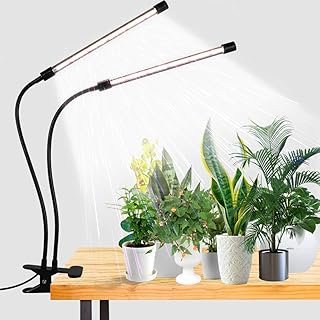
GooingTop LED Grow Light,6000K Full Spectrum Clip Plant Growing Lamp wit…
2. Kitchen Counter Herb Garden
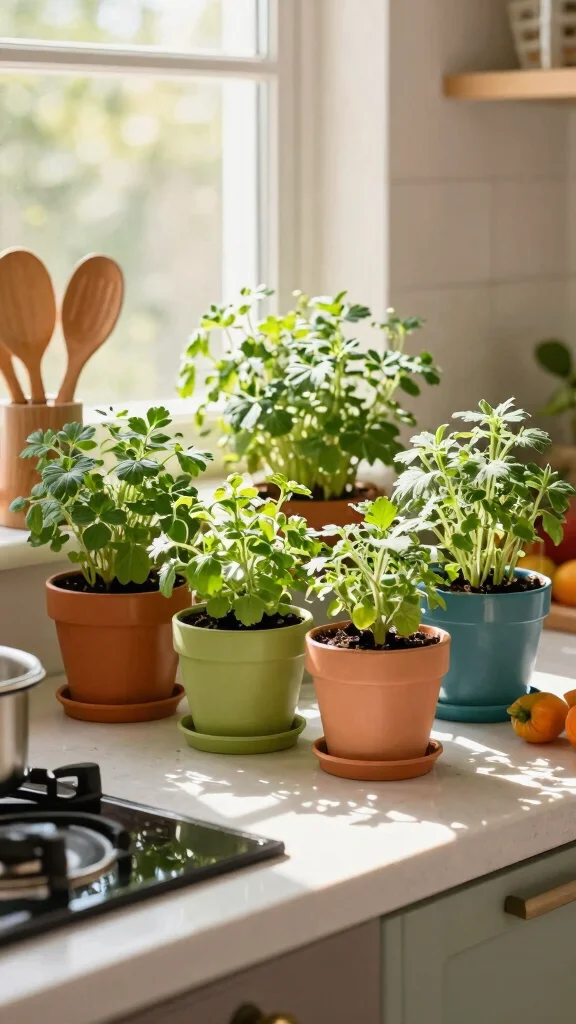
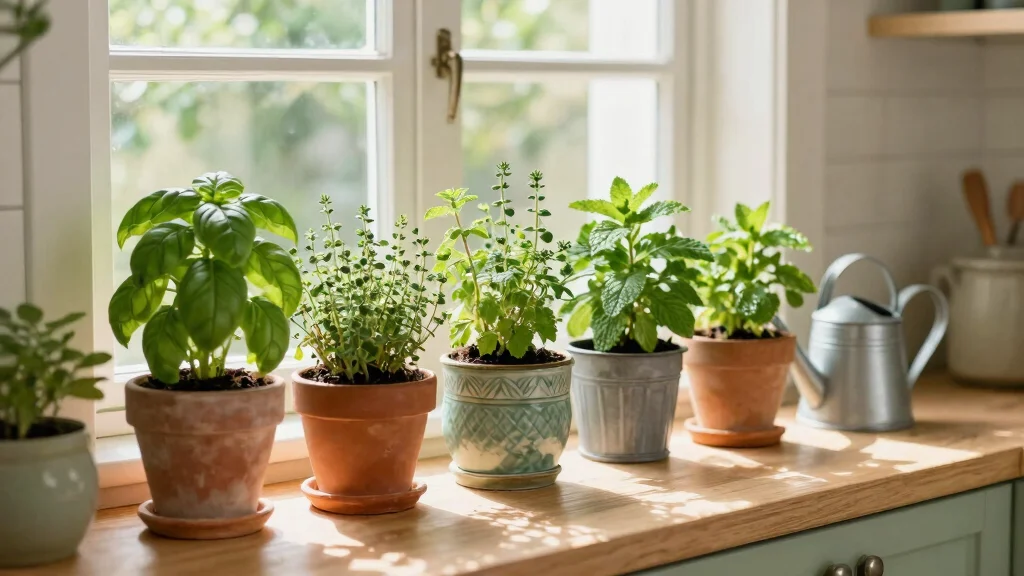
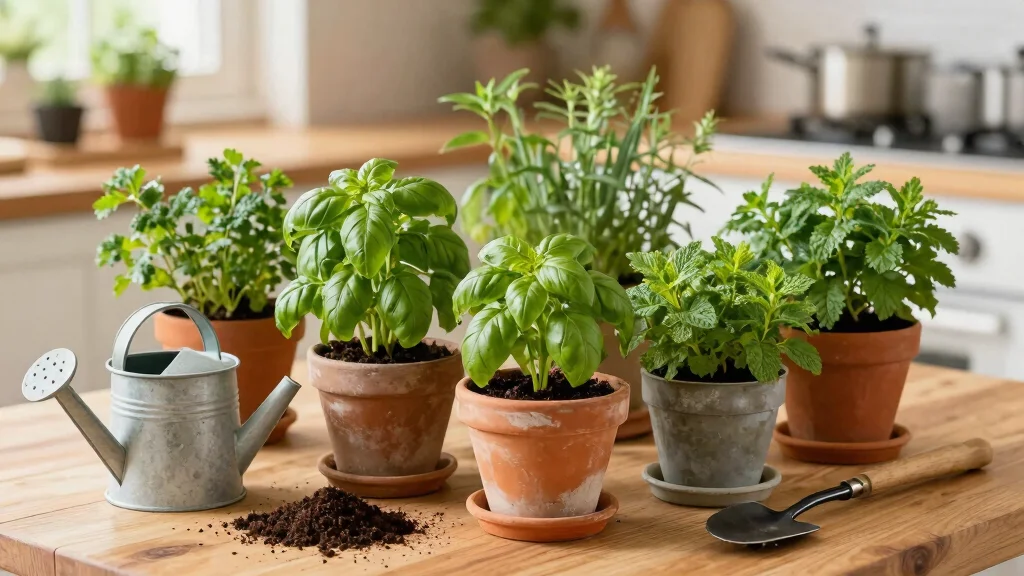
Have you ever wished for fresh herbs right at your fingertips while cooking? A kitchen counter herb garden is not only practical but also elevates the look of your cooking space. Imagine snipping fresh chives, parsley, or cilantro as you prepare your meals.
Using small containers or even upcycled jars, you can create a beautiful mini herb station. Just place them near a window to soak up the sunlight they crave.
Ingredients:
– Small pots or upcycled jars
– Potting soil
– Seeds or seedlings of chives, parsley, cilantro
Instructions:
1. Fill each pot or jar with potting soil.
2. Plant your seeds or seedlings according to package instructions.
3. Water lightly and place them in a sunny spot.
4. Keep the soil moist but not waterlogged.
FAQs:
– Can I grow these herbs in a shady spot? They need at least a few hours of sunlight daily to thrive.
– Can I use dried herbs instead? Fresh herbs provide better flavor and aroma.
📹 Related Video: DIY Herb Garden For Beginners | DIY Kitchen Herb Garden
Kitchen Counter Herb Garden
Editor’s Choice
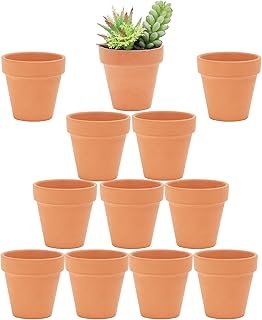
Yishang 2.5 inch Terracotta Pots with Drainage Holes,Small Mini Clay Cer…
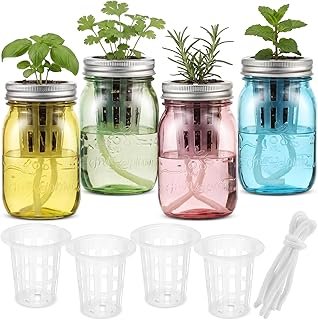
4 Set Colored Hydroponic Mason Garden Jar Bulk 16 oz Self Watering Herb …

Herb Garden Starter Kit – Fruivity 12800+ 15 in 1 Herb Heirloom Seed K…
3. Stackable Planters
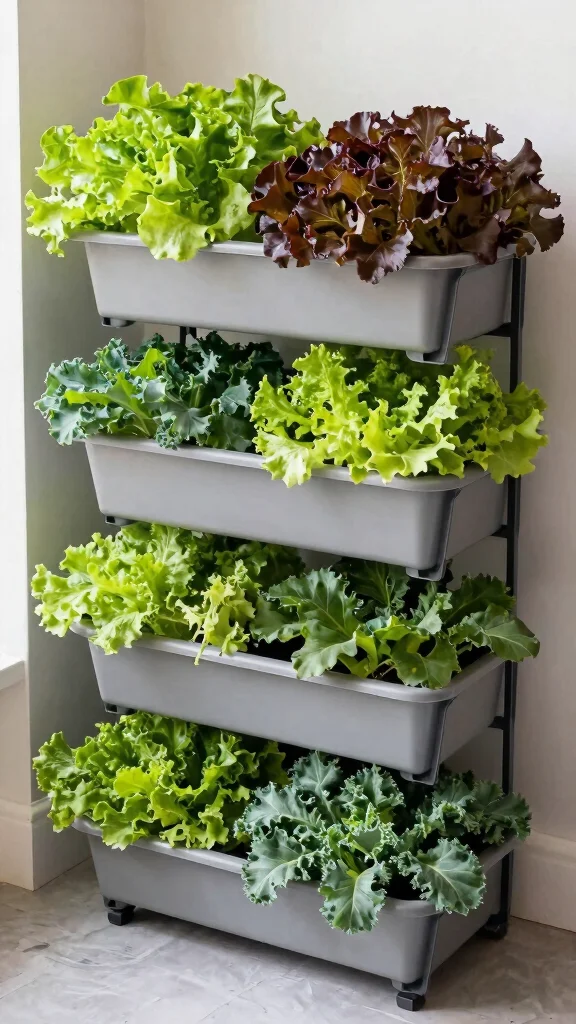
Struggling with limited space but still want to garden? Stackable planters might just be your best friend! These ingenious planters let you grow multiple layers of vegetables without taking up much floor space.
Perfect for leafy greens like lettuce or kale, they maximize your growing area while adding a stylish touch to your space. Plus, watching your garden reach new heights is truly inspiring!
Ingredients:
– Stackable planters (number depends on space)
– Potting soil
– Seeds or seedlings (lettuce, kale)
Instructions:
1. Begin with a sturdy base for your stackable planters.
2. Fill each layer with potting soil.
3. Plant your seeds or seedlings in each layer.
4. Water each level thoroughly.
5. Monitor moisture, especially at the top layers.
FAQs:
– Can I grow root vegetables in stackable planters? They are better suited for leafy greens due to limited depth.
– Can I use regular pots instead? Stackable planters are specifically designed for efficient vertical growth.
Stackable Planters
Editor’s Choice
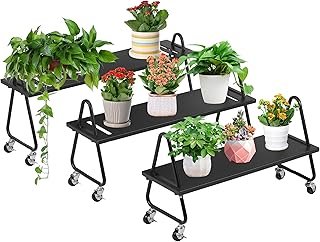
DDK Set of 3 Metal Plant Stand with Wheels, Stackable & Expandable Plant…
4. Windowsill Vegetable Garden
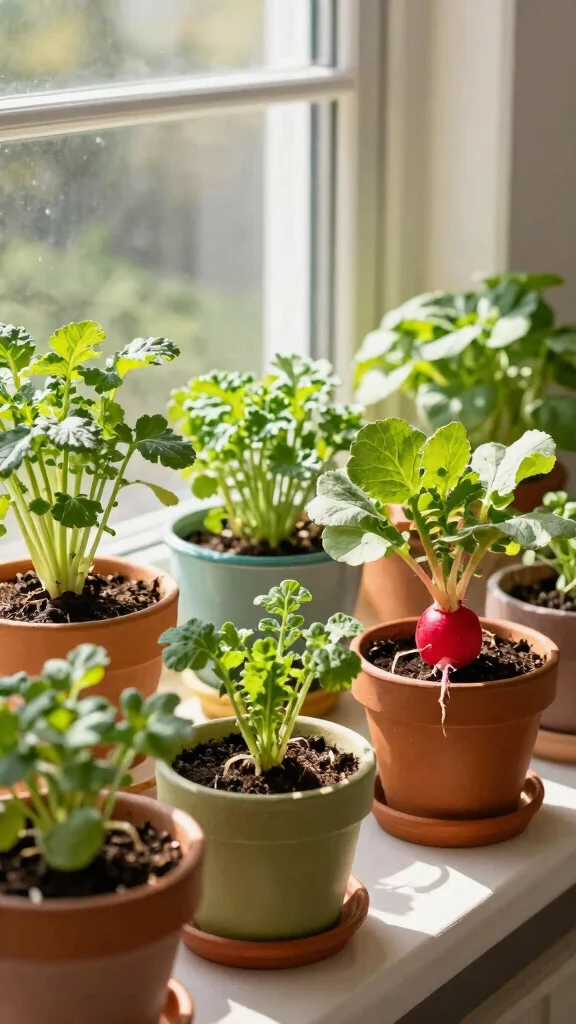
Is your windowsill begging to be more than just a spot for knick-knacks? Transform it into a vibrant vegetable garden! With plenty of sunlight shining through, it’s an ideal location for growing herbs, greens, or even dwarf tomatoes and peppers.
Opt for long, narrow containers or various individual pots to maximize this sunny space. You can even create a themed garden for a stylish touch.
Ingredients:
– Long, narrow containers or individual pots
– Potting soil
– Seeds or seedlings (radishes, green onions, small strawberries)
Instructions:
1. Choose containers that fit your windowsill.
2. Fill each with potting soil and plant your seeds or seedlings.
3. Water gently and ensure proper drainage.
4. Place on your windowsill for maximum sunlight.
FAQs:
– Can I grow larger vegetables on my windowsill? It’s best to stick with smaller varieties for better results.
– Can I use this space for flowering plants? Yes, just ensure they also require similar light conditions.
Fun fact: A sunny windowsill can boost your indoor vegetable garden ideas, yielding up to 2–3 cups of fresh herbs each week. With long, narrow containers, you can grow a mini kitchen garden right in your living space.
Windowsill Vegetable Garden
Editor’s Choice
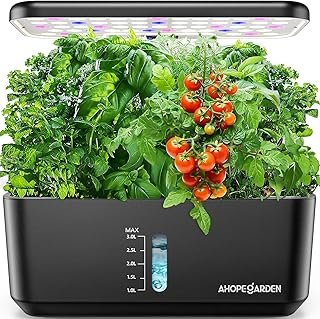
Ahopegarden Indoor Garden Hydroponics Growing System: 10 Pods Plant Germ…
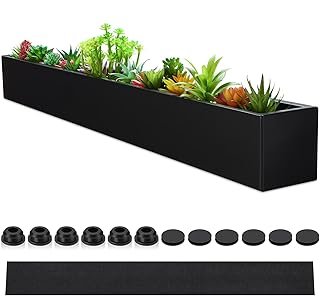
FillTouch 1 Pcs Long Rectangular Planter Box Window Sill Plant Box Metal…
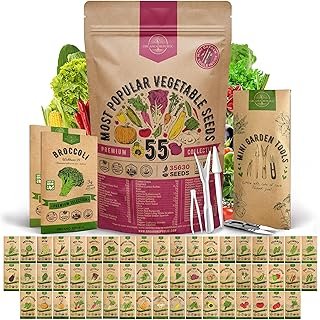
55 Vegetable Seeds Variety Pack – 35,600+ Non-GMO Heirloom Seeds for Pla…
5. Indoor Hydroponic Systems
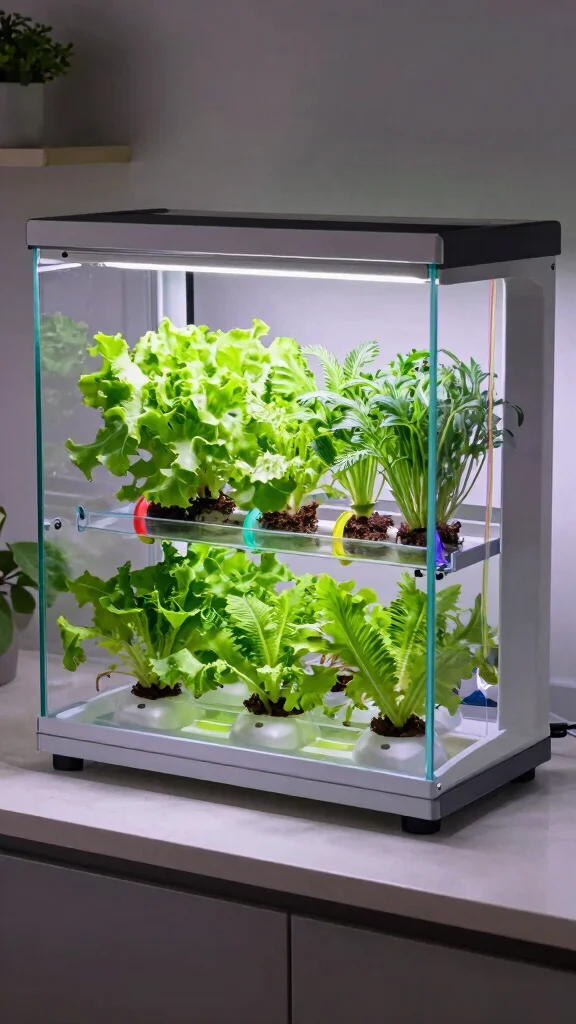
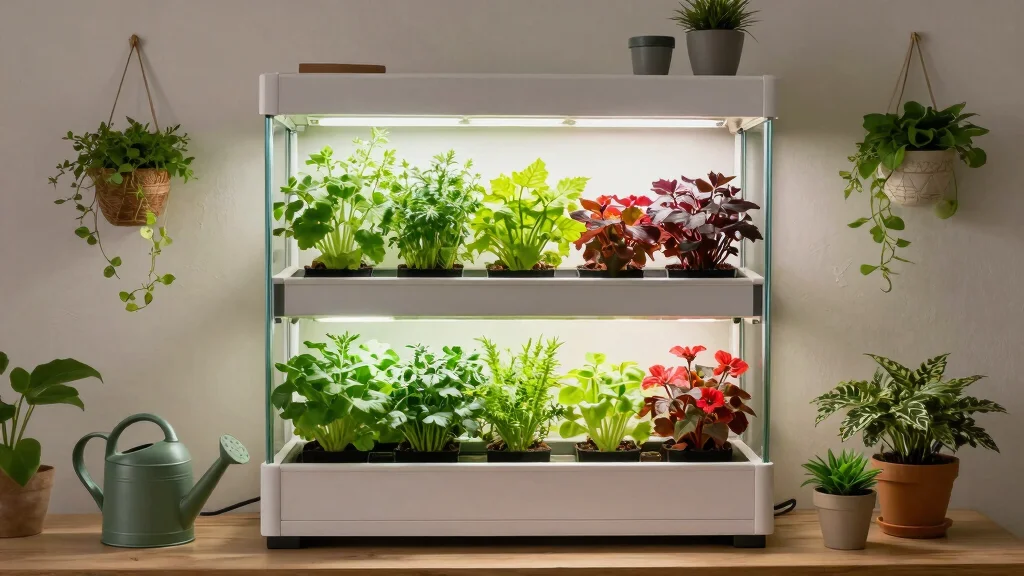
Ever thought about growing plants without soil? Indoor hydroponic systems are a fascinating way to cultivate vegetables in small spaces! These systems use nutrient-rich water, making them compact enough for countertops or shelves.
From leafy greens to herbs and even strawberries, hydroponics can lead to faster growth while eliminating pests. It’s a unique blend of technology and gardening that you’ll love!
Ingredients:
– Hydroponic system (choose one that fits your space)
– Nutrient solution
– Seeds or seedlings (lettuce, herbs)
Instructions:
1. Set up your hydroponic system according to the instructions.
2. Fill the reservoir with water and add the nutrient solution.
3. Plant your seeds or seedlings in the designated spots.
4. Monitor water levels and pH regularly.
FAQs:
– Can I grow all plants hydroponically? Some plants thrive better than others; start with leafy greens.
– Can I use regular soil in hydroponics? No, hydroponics relies on nutrient solutions instead of soil.
Fun fact: Indoor hydroponic systems can grow leafy greens up to 2–3 times faster than soil, turning our indoor vegetable garden ideas into reality. With a compact setup, you harvest herbs, lettuce, and strawberries right on your countertop.
You might also like
Indoor Hydroponic Systems
Editor’s Choice
Aokrean Plant Grow Light, 48 LEDs Full Spectrum Grow Lights for Indoor P…
Liquid Plant Food – Hydroponics Nutrients for Indoor House Plants, Tom…
Ahopegarden Indoor Garden Hydroponics Growing System: 10 Pods Plant Germ…
6. Hanging Planters
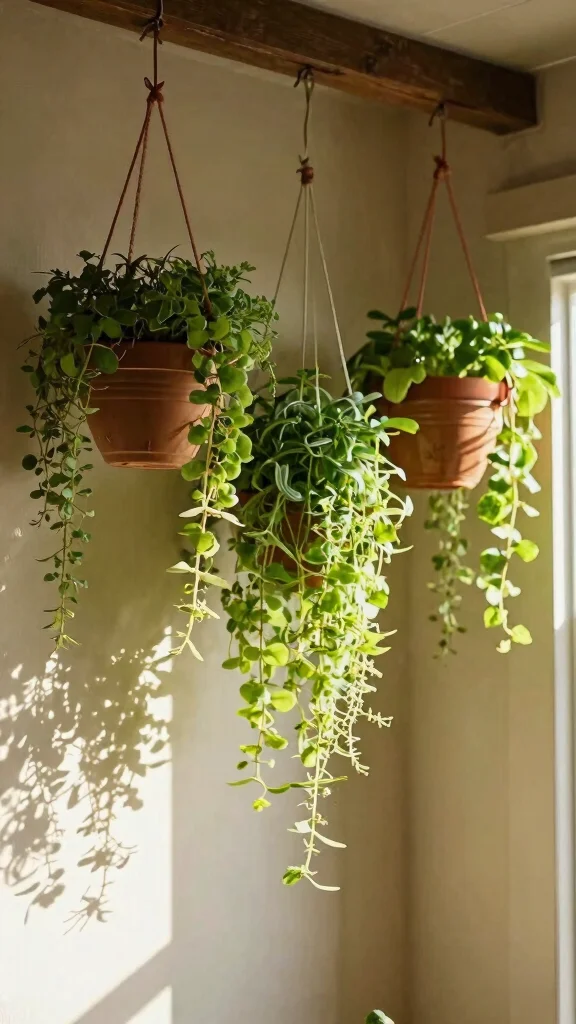
Looking to add a fun twist to your indoor garden? Hanging planters are a delightful way to save space while showcasing your plants. By suspending them from ceilings or walls, you not only gain extra room but also create a charming visual effect.
These planters are perfect for trailing plants like strawberries, herbs, or smaller vegetables. The cascading greenery not only looks fantastic but makes harvesting easy too!
Ingredients:
– Hanging planters (choose your preferred style)
– Potting soil
– Plants (strawberries, herbs)
Instructions:
1. Securely hang your planters from a sturdy surface.
2. Fill with potting soil and plant your chosen greenery.
3. Water carefully to avoid dripping.
4. Regularly check for moisture and adjust as needed.
FAQs:
– Can I hang heavy plants? Make sure your hooks are strong enough to support their weight.
– Can I use regular soil? Yes, but lightweight soil is recommended to prevent heaviness.
Hanging planters turn tight spaces into leafy, usable corners—no floor real estate needed. Start with herbs or strawberries, a simple addition to your indoor vegetable garden ideas, place them where you pass daily, and harvest becomes effortless.
Hanging Planters
Editor’s Choice
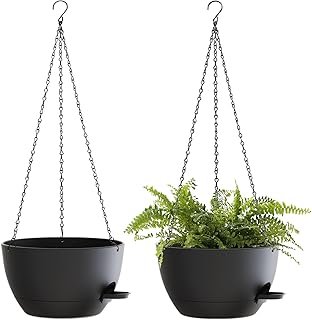
12 Inch Hanging Baskets 2 PC with Chains, Self-Watering Hanging Planters…
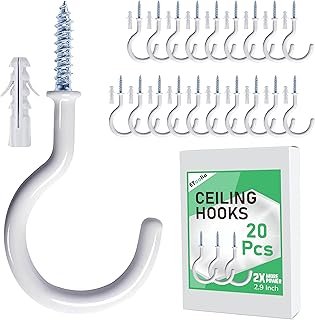
20 Pcs Ceiling Hooks for Hanging Plants – 2.9 inches Heavy Duty, Hanging…
7. Recycled Containers
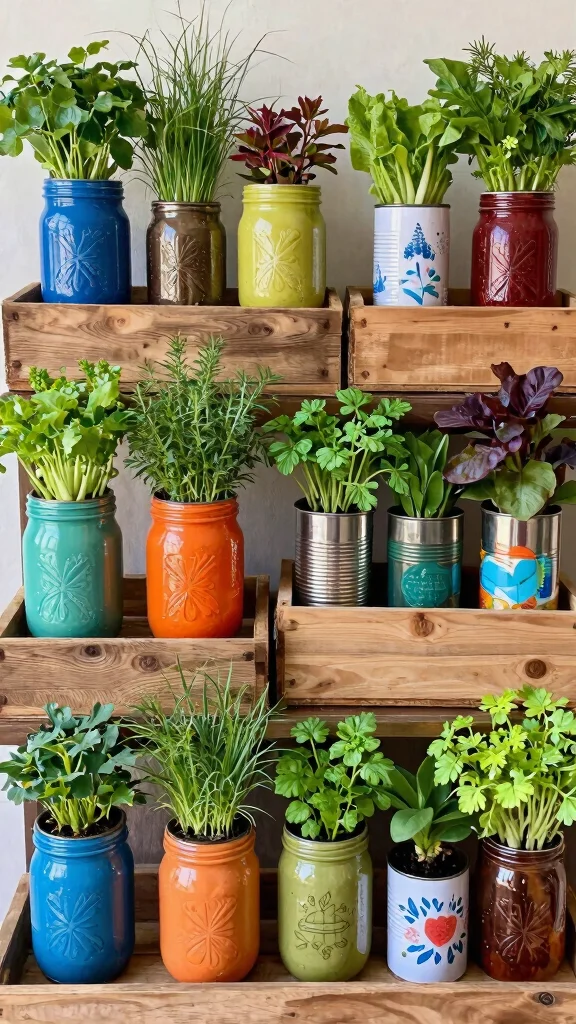
Why not get creative with what you already have? Upcycling old containers like jars, cans, or wooden crates into planters is a fun way to cultivate your indoor vegetable garden. Not only do these unique containers add charm, but they also promote sustainability.
Feel free to paint or decorate them to match your style, and don’t forget to ensure proper drainage for happy plants!
Ingredients:
– Recycled containers (jars, cans, crates)
– Potting soil
– Seeds or seedlings (herbs, small peppers)
Instructions:
1. Clean and prepare your recycled containers.
2. Fill with potting soil and plant your seeds or seedlings.
3. Water well and place them where they can receive sunlight.
4. Monitor growth and water as needed.
FAQs:
– Can I use any type of container? Ensure they are safe and have proper drainage holes.
– Can I grow vegetables in jars? Yes, but they should be larger jars for root growth.
Recycled Containers
Editor’s Choice
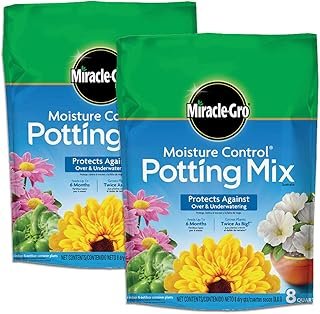
Miracle-Gro Moisture Control Potting Mix – Plant Soil For Container Plan…
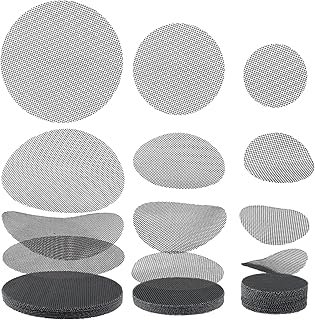
Bonsai Mesh for Plant Pot Drainage Screen 2 3 4 Inch Assorted Sizes, 100…
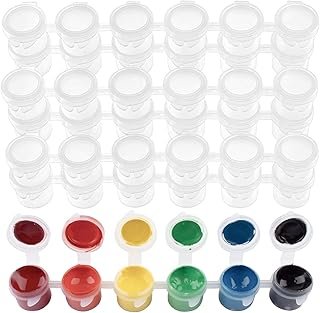
36 Empty Paint Pots with Lids, 5 ml/0.17 OZ Clear Empty Storage Paint Co…
8. Multi-Level Plant Stands
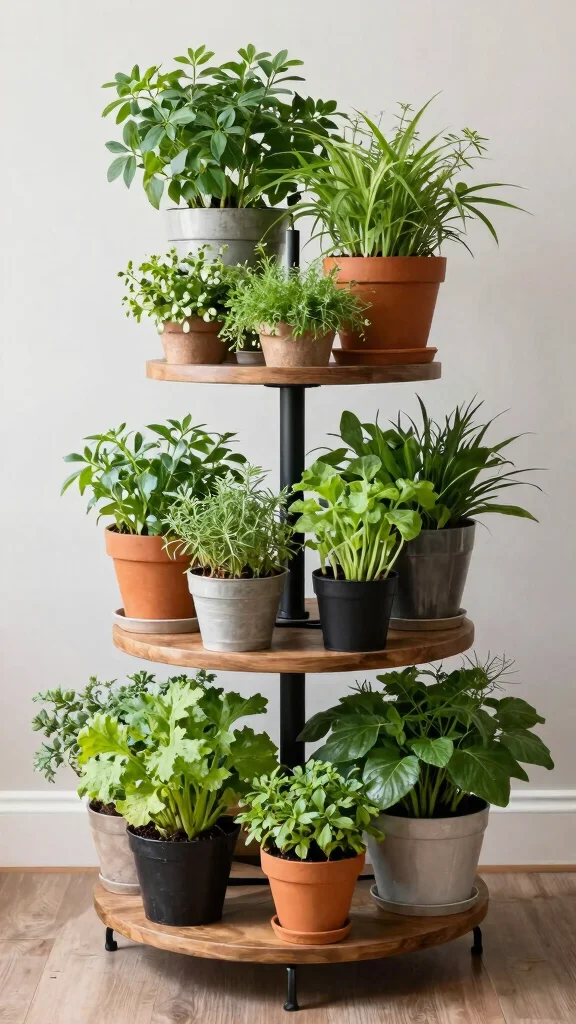
Do you want to showcase your indoor vegetable garden in style? A multi-level plant stand allows you to create a stunning tiered display of your plants. This not only helps you maximize space but ensures each plant gets its fair share of sunlight.
Available in various designs, from modern to rustic, these stands are perfect for herbs, leafy greens, or even small pots of tomatoes and peppers.
Ingredients:
– Multi-level plant stand
– Pots and potting soil
– Seeds or seedlings (herbs, greens)
Instructions:
1. Set up your plant stand in a well-lit area.
2. Arrange your pots on different levels for optimal sunlight.
3. Fill pots with potting soil and plant your seeds or seedlings.
4. Water thoroughly and ensure proper drainage.
FAQs:
– Can I place heavy pots on the stand? Make sure the stand is sturdy enough for heavier plants.
– Can I use decorative pots? Absolutely! Choose pots that enhance the visual appeal.
You Might Also Like
Multi-Level Plant Stands
Editor’s Choice
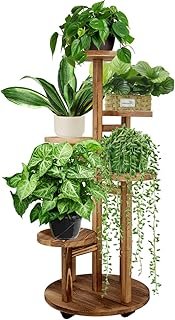
GEEBOBO 5 Tiered Tall Plant Stand for Indoor, Wood Plant Shelf Corner Di…
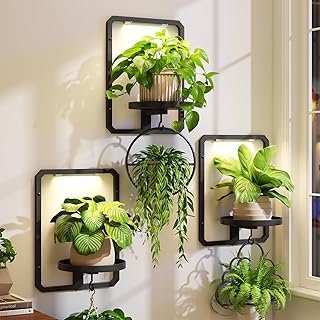
iDavosic.ly Wall Plant Picture Frame Holder Set of 3 with 3 Grow Light f…
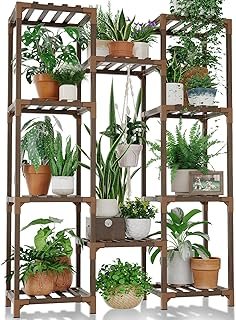
Bamworld Plant Stand Indoor Outdoor Tall Plant Shelf for Multiple Plants…
9. Edible Indoor Flowers
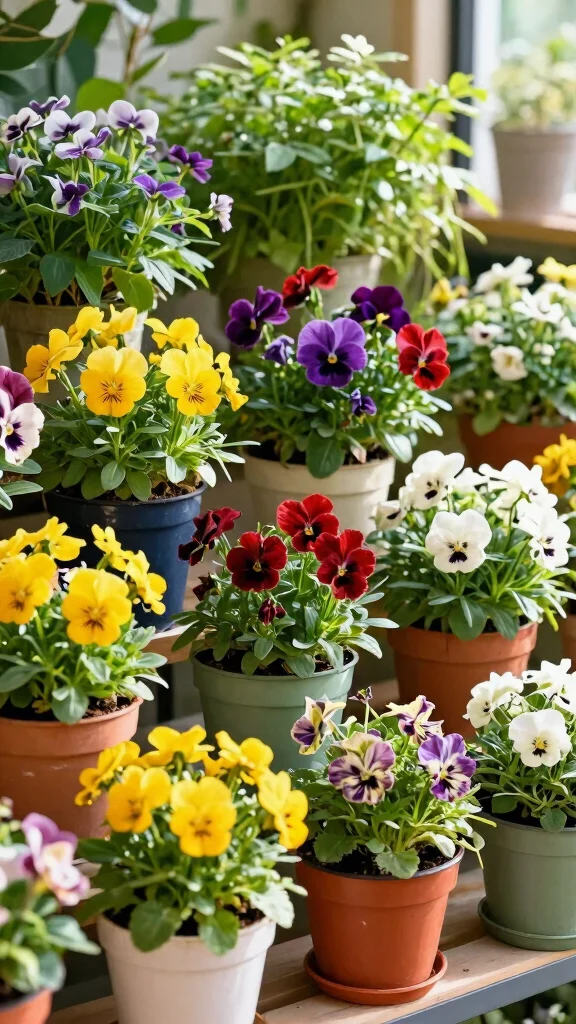
Have you considered adding edible flowers to your indoor garden? Not only do they brighten up your space, but they also introduce unique flavors to your meals. Flowers like nasturtiums, pansies, and marigolds thrive indoors and attract beneficial insects too.
These colorful blooms not only complement your vegetables and herbs but also enhance biodiversity in your indoor garden.
Ingredients:
– Seeds or seedlings of edible flowers (nasturtiums, pansies, marigolds)
– Potting soil
– Containers for planting
Instructions:
1. Choose containers with good drainage for your flowers.
2. Fill with potting soil and plant your seeds or seedlings.
3. Water well and place in a sunny location.
4. Harvest flowers when fully open for the best flavor.
FAQs:
– Can I grow flowers in small pots? Yes, just ensure they have enough room for root growth.
– Can I use these flowers in cooking? Absolutely! They add a delightful touch to salads and other dishes.
Edible Indoor Flowers
Editor’s Choice
Miracle-Gro Indoor Potting Mix for All Plants, Use with Houseplants and …
LUOJIBIE Wildflower Seeds Bulk, 10,000+ Flowers Seeds for Planting Outdo…
Hlite 16inch 2 Pack LED Grow Lights – Linkable Grow Lights for Indoor Pl…
Conclusion
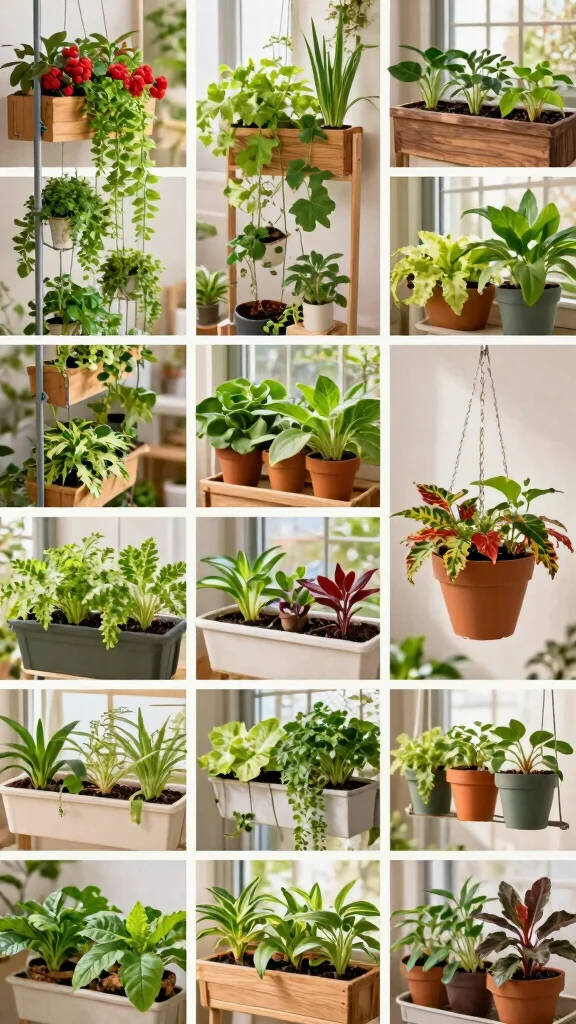
Creating an indoor vegetable garden in a small space is entirely possible with a little creativity and planning. Each of these indoor vegetable garden ideas offers unique benefits, allowing you to enjoy fresh produce right from your home.
Experiment with different setups and find what works best for your lifestyle and space. So gather your pots, seeds, and a bit of enthusiasm, and start your indoor gardening journey today!
Note: We aim to provide accurate product links, but some may occasionally expire or become unavailable. If this happens, please search directly on Amazon for the product or a suitable alternative.
This post contains Amazon affiliate links, meaning we may earn a small commission if you purchase through our links, at no extra cost to you.
Frequently Asked Questions
What are some practical indoor vegetable garden ideas for small spaces?
For compact living spaces, you can combine a few vertical gardening ideas with smart container choices. Start with a plan that fits your light: shelving units, window sills, and a wall-mounted garden frame can hold herbs and compact veggies. Choose crops that do well indoors in container gardening, such as lettuce, spinach, radishes, cherry tomatoes (dwarf varieties), peppers, and herbs.
Steps: assess how much light you have; pick containers with drainage; use a high-quality potting mix; water consistently (keep the top layer damp, not soggy); fertilize every 4 weeks; and harvest regularly to encourage production. With a little planning, you can create a productive indoor vegetable garden ideas setup that fits on a kitchen counter, a balcony, or a closet-sized corner.
How can vertical gardening ideas help maximize yields in small spaces?
Vertical gardens let you grow more in less floor area by stacking plants upward. Use a trellis, wall-mounted pockets, cascading planters, or a hanging rack to create a multi-layered growing system. Pick crops that suit vertical growth: climbing beans, peas, cherry tomatoes, cucumbers, and herbs like oregano and thyme. Set up near bright light or under grow lights in your indoor gardening tips. Use drip irrigation or wicks to keep watering steady. Rotate crops by season and keep soil fresh in the containers. This approach is perfect for small space gardening and can dramatically increase your harvest with indoor vegetable garden ideas.
Which herbs are best for indoor gardens and how can you grow them successfully?
The easiest herbs for indoor gardens include basil, chives, parsley, mint, cilantro, thyme, and oregano. Place them on a sunny windowsill (ideally 6-8 hours of light) or under grow lights. Use shallow, wide pots to encourage bushy growth, and ensure drainage. Water when the top inch of soil dries; avoid soggy roots. Prune regularly to promote fullness and tender leaves for cooking. Harvest leaves often to keep plants productive. This makes herbs for indoor gardens a delicious and practical addition to any container gardening setup.
What are the most important indoor gardening tips to avoid common rookie mistakes?
Start small and grow what you eat. Choose 2-3 crops that perform well in low light and container gardening. Ensure proper drainage and use lightweight, breathable potting soil. Avoid overwatering by using a moisture meter. Provide adequate light and stable temperatures. Keep pests at bay with clean pots and good air circulation. Label plants and track watering/fertilizing. The key is consistency: regular light, water, and harvest.
How can I set up a budget-friendly container gardening system for indoor vegetable garden ideas?
You can start with a couple of affordable pots or repurposed containers with drainage holes. Use a single compact grow light or a small shelf with a strip of LEDs to cover all plants. Choose quick-start crops like lettuce, spinach, radishes, and herbs. Get creative with a vertical setup using a hanging shoe organizer or a DIY PVC frame to free floor space. Use good-quality potting mix, a simple fertilizer, and a reliable watering routine. With a little planning, you can create a productive indoor vegetable garden ideas system on a budget.
Related Topics
indoor vegetable garden
small space gardening
vertical gardening ideas
container gardening
herbs for indoor gardens
easy gardening tips
beginner friendly
urban gardening
DIY indoor planters
sustainable living
space-saving solutions
year-round gardening