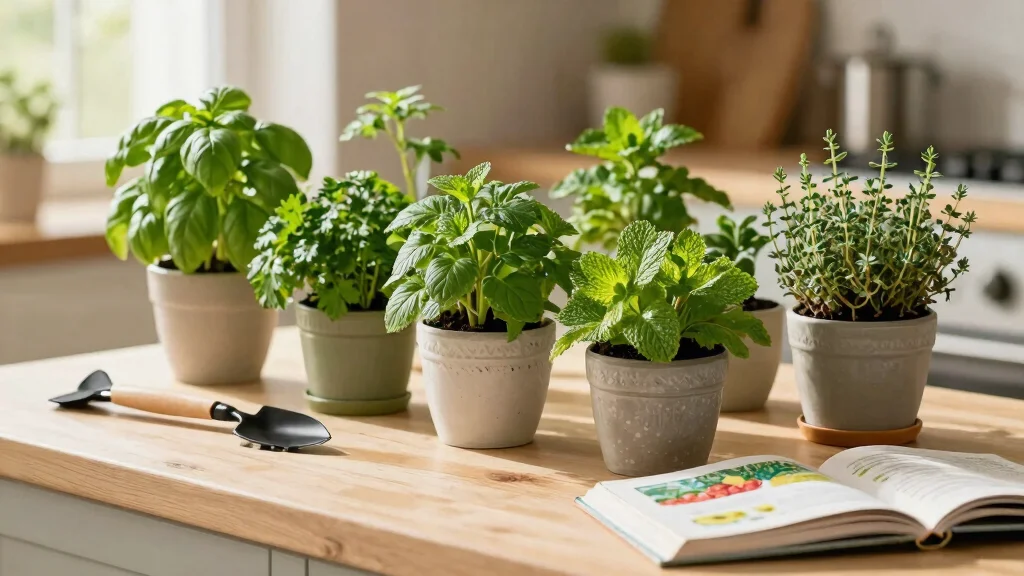
Creating your own indoor herb garden can feel like a dream come true, especially when you can have fresh herbs right at your fingertips. With the rise of home cooking and the desire for fresh ingredients, more people are looking to bring a bit of nature indoors. This blog post is for anyone who craves that aromatic touch and wants to explore creative ways to make indoor herb gardening work, especially in compact spaces like kitchen countertops.
If you’re someone who loves cooking or just enjoys the idea of nurturing plants, you’ll find this guide particularly appealing. Whether you live in a small apartment or a cozy home, these indoor herb garden ideas for the kitchen will inspire you to transform your limited countertop space into a vibrant green oasis. You won’t just get ideas; you’ll also learn practical tips to make the most of your small space, ensuring your herb garden thrives while enhancing your cooking adventures.
In the following sections, I’ve gathered seven unique indoor herb garden ideas that are stylish, functional, and totally achievable. You’ll discover charming setups, from minimalist designs to whimsical repurposed items. Each idea not only beautifies your kitchen but also provides you with fresh herbs that elevate your meals. So, roll up your sleeves, grab your pots, and let’s dive into the world of indoor herb gardening!
Key Takeaways
– Learn how to maximize your kitchen’s countertop space with creative herb garden designs tailored for small areas.
– Explore unique styles such as minimalist magnetic gardens and colorful ceramic pots that suit your personal aesthetic.
– Discover practical tips for maintaining healthy indoor plants for cooking, ensuring your herbs grow beautifully.
– Get inspired by seven distinct ideas that cater to different tastes and preferences, making gardening accessible for everyone.
– Find out how to repurpose everyday items into charming herb planters, adding a fun twist to your kitchen gardening experience.
1. Minimalist Magnetic Herb Garden
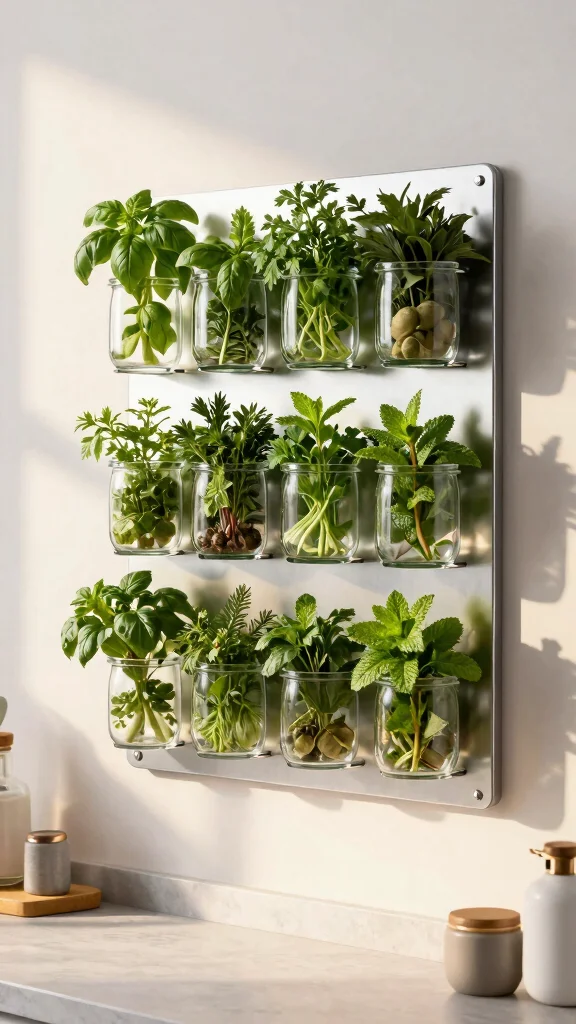
Embracing a minimalist magnetic herb garden can transform your kitchen into a sleek, modern sanctuary. This design thrives on simplicity, utilizing vertical space on your walls while keeping your countertops uncluttered and stylish. Magnetic herb jars, adhered to a metal board or strip, serve both aesthetic and functional purposes, displaying fresh herbs in a chic manner.
Incorporating this setup is a breeze. Opt for clear jars to showcase vibrant herbs like bright green parsley or rich purple basil. This arrangement not only keeps your herbs fresh but also doubles as a beautiful decorative piece. Fill your jars with soil, plant your herbs, and effortlessly stick them onto the board for a stunning effect.
Consider these tips to enhance your magnetic herb garden:
– Pair magnetic jars with a stylish metal board.
– Install a small sunlit shelf for additional herbs.
– Use labels to identify different herbs for easy access.
This design elevates your kitchen’s aesthetics while providing fresh herbs at your fingertips. The clean lines and glossy finishes enhance the modern feel of your space.
Magnetic, minimalist herb jars turn your kitchen wall into a sleek green display, freeing counters while keeping fresh parsley and basil within arm’s reach. This is a practical, quick-win setup for indoor herb garden ideas for kitchen—clear jars show herbs at a glance and invite daily, delicious harvests.
📹 Related Video: Repurpose Empty Tea Tins to Create the Cutest Magnetic Herb Garden! 🌿 #diy #gardening
Minimalist Magnetic Herb Garden
Editor’s Choice
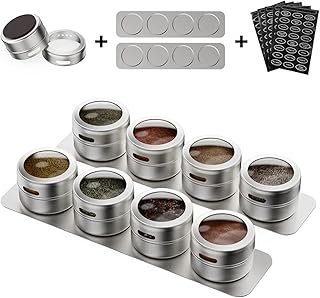
Vetacsion Set of 8 Magnetic Spice Tins with 2 Metal Wall-Plates,100 Prep…

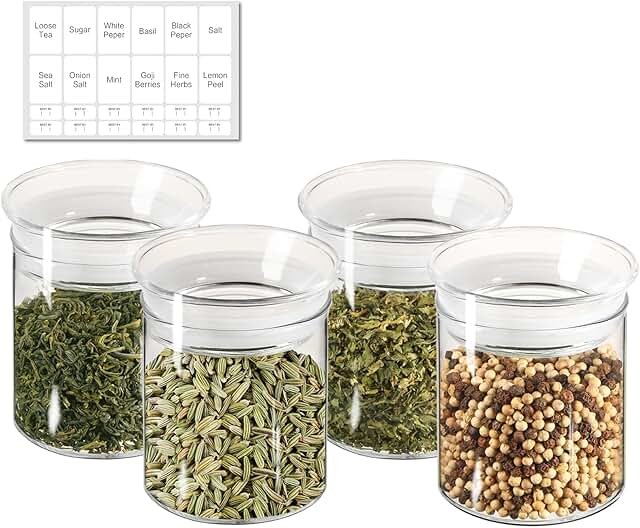
ZENS 10oz Glass Jars with Airtight Lid, 4 Pack Glass Kitchen Canisters S…
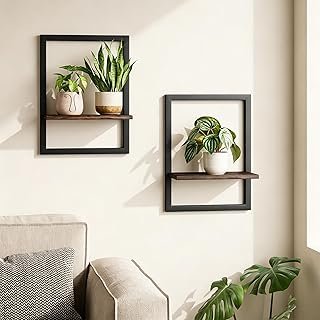
Bamworld Wall Plant Holder Hanging Planters for Indoor Plants Frames Dec…
2. Rustic Wooden Crate Planter
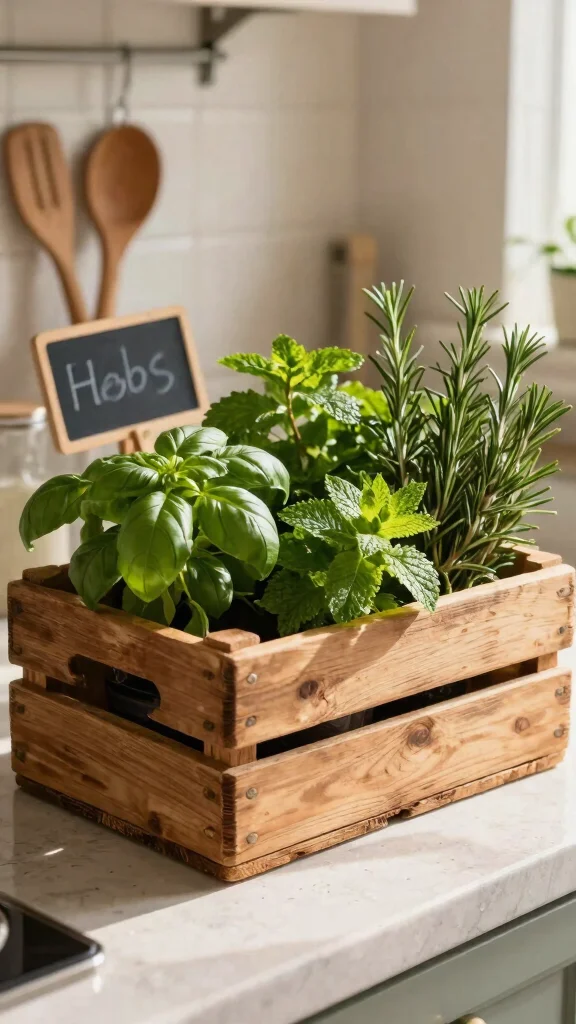
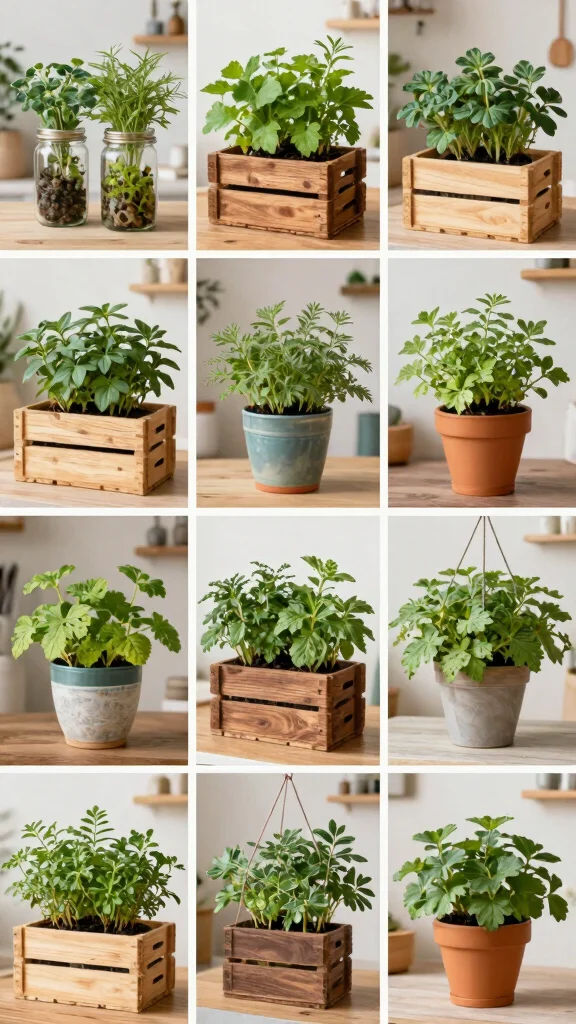
Introduce warmth into your kitchen with a rustic wooden crate planter, perfect for those who adore a farmhouse vibe. This charming option works wonders for adding character while offering plenty of space for various herbs. Whether you choose an antique crate or a new one with a vintage look, this design can become a stunning focal point on your countertop.
To create your planter, fill the crate with potting soil and arrange your favorite herbs, considering height and color for visual interest. You can even personalize it by labeling the herbs with chalkboard paint, giving a unique touch to your decor. This setup not only allows for diverse herb growth but also serves as an eye-catching centerpiece.
Enhance your rustic herb garden with these ideas:
– Combine herbs with colorful seasonal flowers.
– Install a drip tray underneath to catch excess water.
This approach adds personality and charm to your kitchen while keeping your herbs easily accessible, creating an inviting atmosphere.
Fun fact: a rustic wooden crate planter can hold 4-6 herb varieties on a counter while keeping roots tidy. Pro tip: stack height and color contrast create visual impact, making your indoor herb garden ideas for kitchen feel instantly cozy.
Rustic Wooden Crate Planter
Editor’s Choice
Espoma Organic Potting Soil Mix – All Natural Potting Mix For All Indoor…
Seed Needs Rosemary Seeds & Basil Seeds for Planting Italian Herbs – Non…
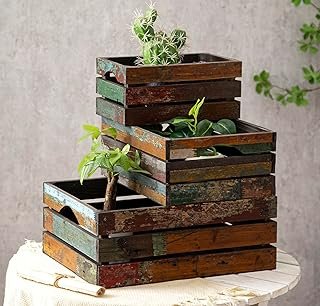
TIMRIS Set of 3 Rustic Distressed Wood Nesting Crates, Farmhouse Decorat…
3. Elegant Tiered Plant Stand
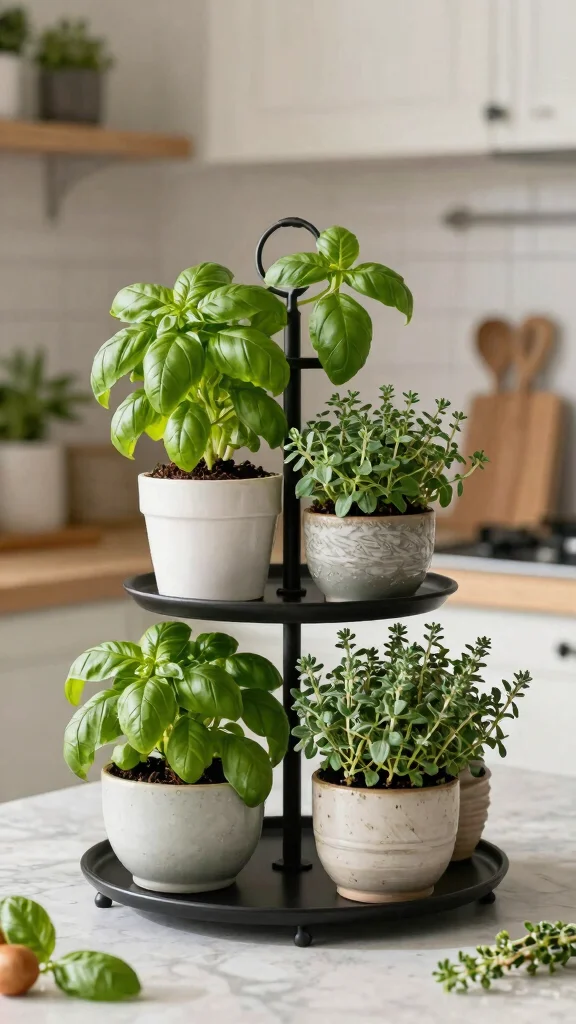
A tiered plant stand can bring elegance and sophistication to your herb garden, allowing you to showcase your plants in style. This vertical arrangement not only maximizes space in smaller kitchens but also creates a visually intriguing display. A well-chosen stand can complement your kitchen’s aesthetic, whether it’s sleek metal or warm wood.
To implement this idea, select different pots for your herbs and arrange them by size on the tiers. This method not only makes access easy but also enhances the visual appeal of your countertop. As seasons change, you can effortlessly swap out herbs to meet your culinary needs or simply refresh the look.
Consider these tips for your tiered herb stand:
– Incorporate pots with drainage holes for healthy herbs.
– Rotate your herb placements to ensure even sunlight exposure.
This stylish display not only showcases your herb collection but also adds depth and character to your kitchen, inviting creativity and culinary exploration.
Elegant Tiered Plant Stand
Editor’s Choice
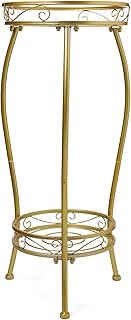
Kavlium Plant Stand Indoor Outdoor,Tall Gold Metal Rustproof Stable Pl…
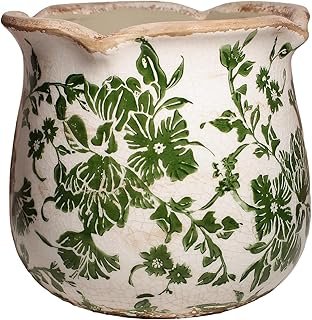
Xiaan Jiaju Tuscan Ceramic Plant Pots, 6.11 Inch Vintage Planters with D…
4. Colorful Ceramic Pots
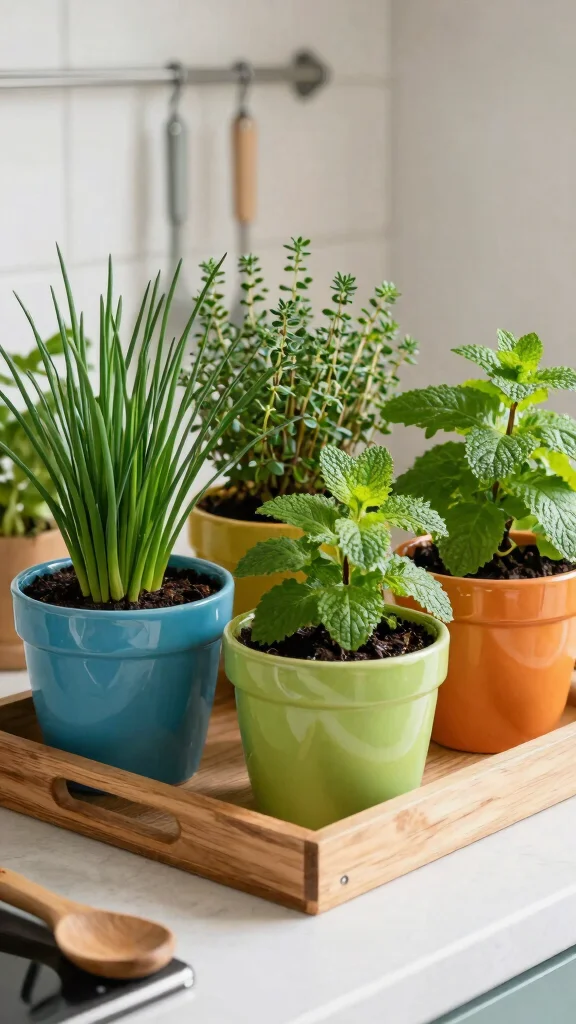
Inject life into your kitchen with colorful ceramic pots that bring a joyful splash of color to your herb garden. These vibrant containers can elevate your countertops, each pot showcasing a different hue that complements the lush greenery of your herbs. Mixing and matching styles and sizes allows for a playful yet cohesive design.
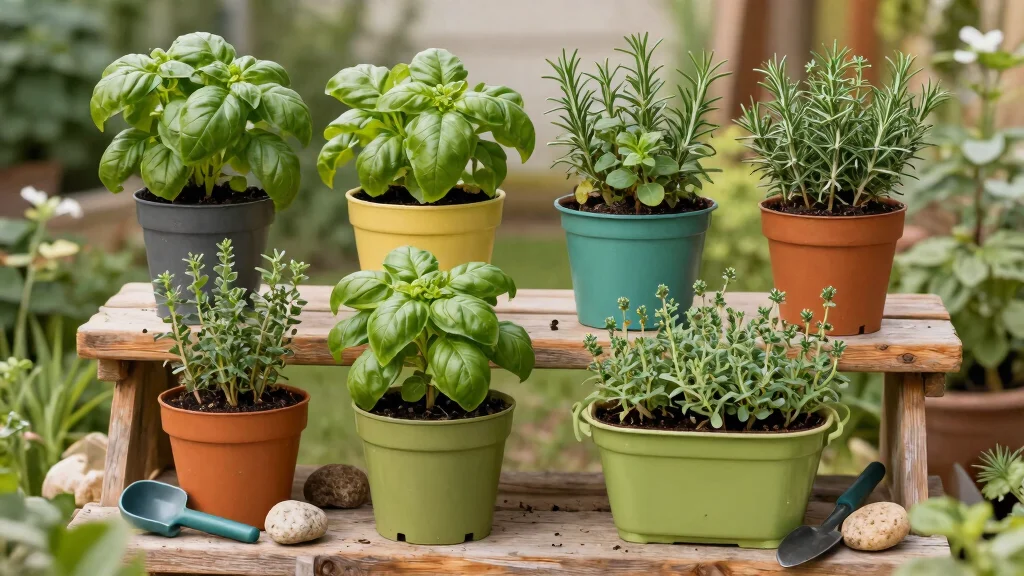
For a lively display, plant herbs like thyme, chives, and mint in an array of colorful pots. You can incorporate unique patterns to enhance the artistic vibe and arrange them on a tray for a unified look. This cheerful setup not only enhances your kitchen decor but also serves as a delightful conversation starter for guests.
Here are some garden ideas for your colorful pots:
– Group herbs by sunlight needs for optimal growth.
– Use pots with saucers to catch excess moisture.
This vibrant approach adds visual interest and personality to your kitchen, making it a delightful space to cook and entertain.
Fun fact: Colorful ceramic pots can boost herb growth by 20% in small kitchens, thanks to better drainage and microclimates. For indoor herb garden ideas for kitchen, mixing sizes adds personality and makes thyme, chives, and mint easy to grab for cooking.
You might also like
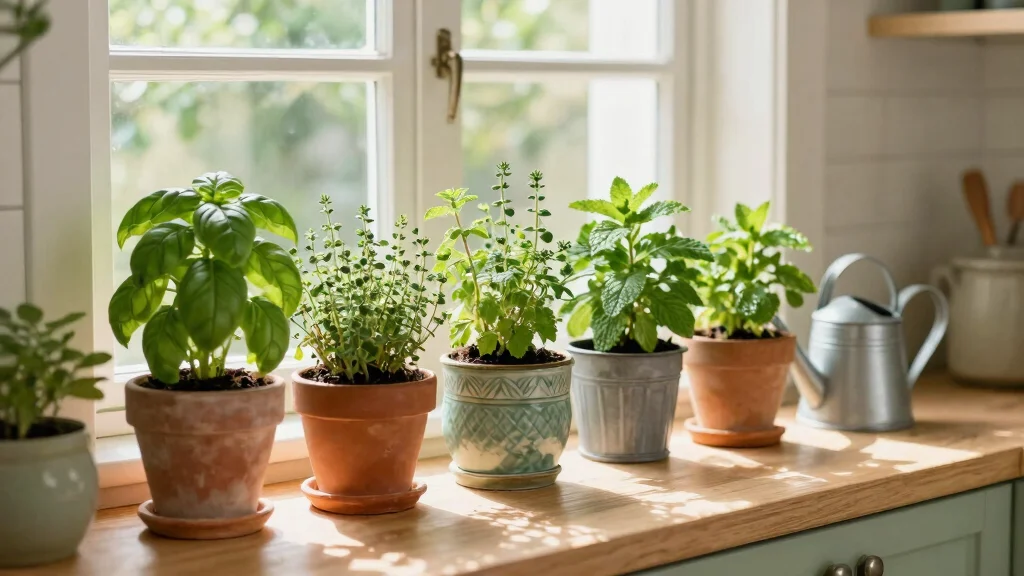
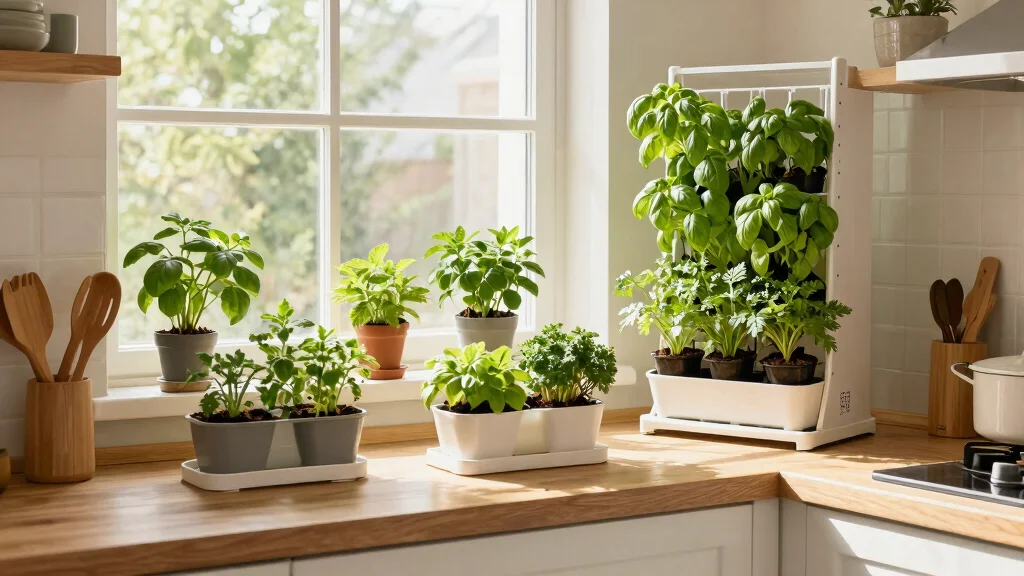
How To Choose the Right Indoor Herb Garden for Your Kitchen Countertop
Choosing the perfect indoor herb garden for your kitchen countertop is crucial for nurturing your culinary creations. Here are some key criteria to consider before making your selection:
1. Size:
Before purchasing, assess your available countertop space. Measure how much room you have to ensure your herb garden fits comfortably. A small windowsill might suit compact planters, while larger countertops can handle tiered or more expansive setups. Keep in mind that herbs like basil and parsley can grow quite tall, so consider their height requirements too.
2. Material:
The material of your herb garden can affect its durability and appearance. Choose between options like ceramic, plastic, wood, or metal. Ceramic pots offer a classic look but can be heavier, while plastic is lightweight and easier to move. Wood adds a rustic touch but may require more maintenance. Ensure the material has drainage holes to prevent waterlogging.
3. Style:
Select a style that complements your kitchen decor. If your kitchen has a modern feel, opt for sleek, minimalist designs. For a cozy, rustic vibe, consider wooden crates or terracotta pots. Colorful ceramic pots can add a pop of color to your space. Your choice of style should not only be functional but also enhance your kitchen’s aesthetic.
4. Features:
Look for additional features that can enhance your herb gardening experience. Some planters come with built-in watering systems, while others may include labels for easy identification of herbs. If you’re short on space, consider hanging planters or magnetic herb gardens. Assess what features will best support your gardening style and needs.
5. Budget:
Determine how much you are willing to invest in your indoor herb garden. Prices can vary widely based on size, material, and brand. You can find budget-friendly options or splurge on designer pieces. Consider starting with basic planters and gradually expanding as you discover your favorite herbs and garden styles.
6. Light Requirements:
Different herbs have varying light needs. Most herbs prefer 6-8 hours of sunlight daily. If your kitchen lacks natural light, consider using grow lights. Research your selected herbs to see if they thrive in low light or need full sun exposure. This ensures your herbs remain healthy and productive no matter your kitchen’s lighting conditions.
Pro Tip: Start with easy-to-grow herbs like basil, mint, or chives. They adapt well to indoor environments and can flourish with minimal care. Keep this in mind as you select your indoor herb garden!
Colorful Ceramic Pots
Editor’s Choice
MyGift 14 Inch Ceramic Indoor Plant Pot with Drainage Hole, Rectangular …
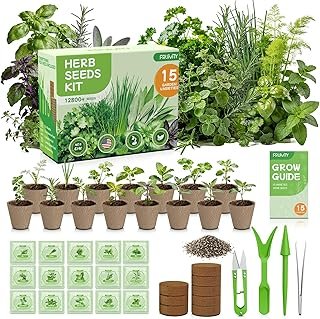
Herb Garden Starter Kit – Fruivity 12800+ 15 in 1 Herb Heirloom Seed K…
5. Glass Terrarium Herb Garden
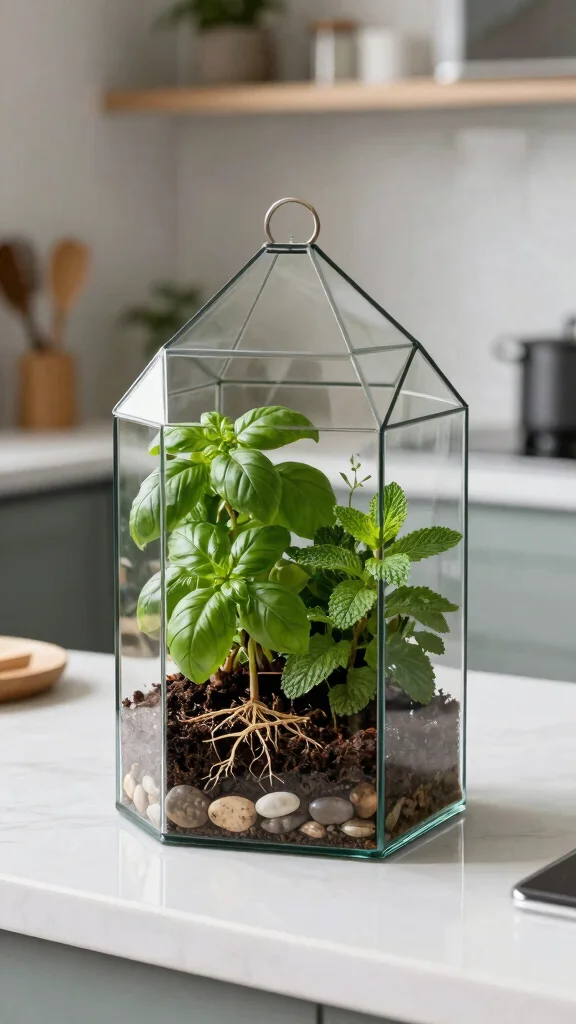
Elevate your indoor herb garden with the elegance of glass terrariums, a trendy way to showcase your herbs while ensuring they thrive. This stylish option creates a stunning visual centerpiece, maintaining a controlled environment that nurtures your plants. The transparent design not only highlights the beauty of your herbs but also adds a modern touch to your kitchen decor.
Select herbs that flourish in a terrarium, such as basil or mint, and enhance them with decorative stones at the base. The visibility of the roots and soil adds to the aesthetic appeal, making your terrarium a captivating addition. This sophisticated garden can spark conversations and inspire creativity in your culinary adventures.
Maximize your terrarium’s potential with these tips:
– Ensure proper drainage to avoid overwatering.
– Occasionally open the lid for air circulation.
This elegant display not only serves as a beautiful centerpiece but also adds a refreshing touch of nature to your kitchen, enhancing both style and functionality.
Glass Terrarium Herb Garden
Editor’s Choice
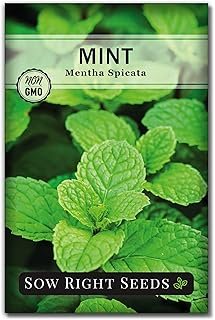
Sow Right Seeds – Mint Seeds for Planting – Non GMO Heirloom Perennial H…
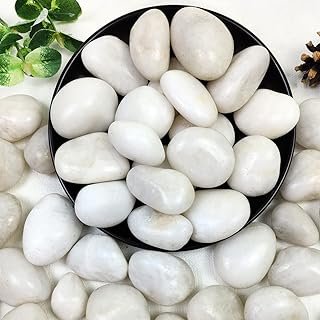
YISZM 5lbs White River Rocks, 1-2 Inch Natural Pebbles for Indoor Plants…
6. Hanging Herb Garden
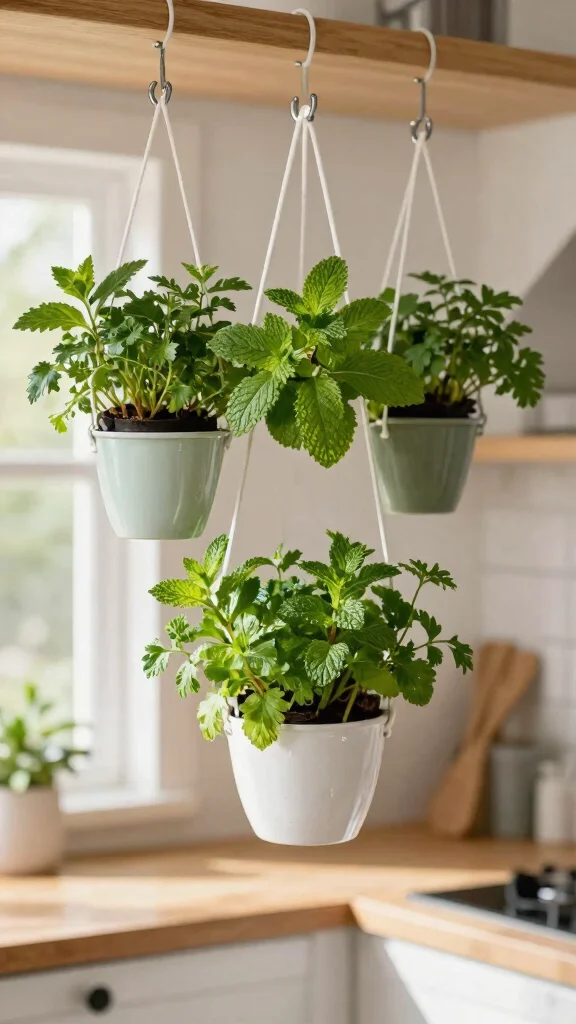
Make the most of your vertical space with a hanging herb garden that adds charm to your kitchen. This creative solution transforms walls or ceilings into vibrant displays, using hooks and planters to create an eye-catching cascade of greenery. It’s an excellent way to maximize space and bring nature indoors.
Utilize small pots or fabric pouches hung from a sturdy frame to create your hanging garden. Herbs such as mint, parsley, and cilantro thrive in this setup, allowing you to snip fresh herbs while cooking. This whimsical design not only beautifies your kitchen but also provides easy access to your favorite herbs.
Enhance your hanging garden with these ideas:
– Ensure pots have proper drainage to prevent root rot.
– Use lightweight planters for effortless hanging.
This approach adds a playful touch to your kitchen, making it an inviting space for culinary creativity and fresh flavors.
You Might Also Like
Hanging Herb Garden
Editor’s Choice
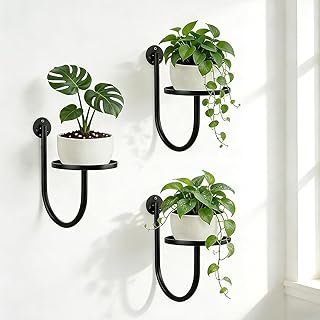
Wall Planters for Indoor Plants, 3 Pack Wall Mounted Plant Holder, Metal…
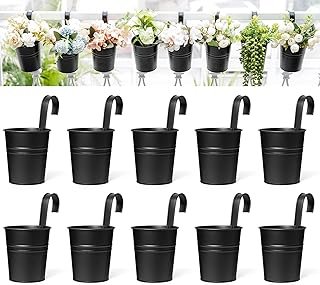
Dahey 10 Pcs 3.8 Inches Small Hanging Flower Pots Metal Iron Bucket Plan…
7. Repurposed Teacup Herb Garden
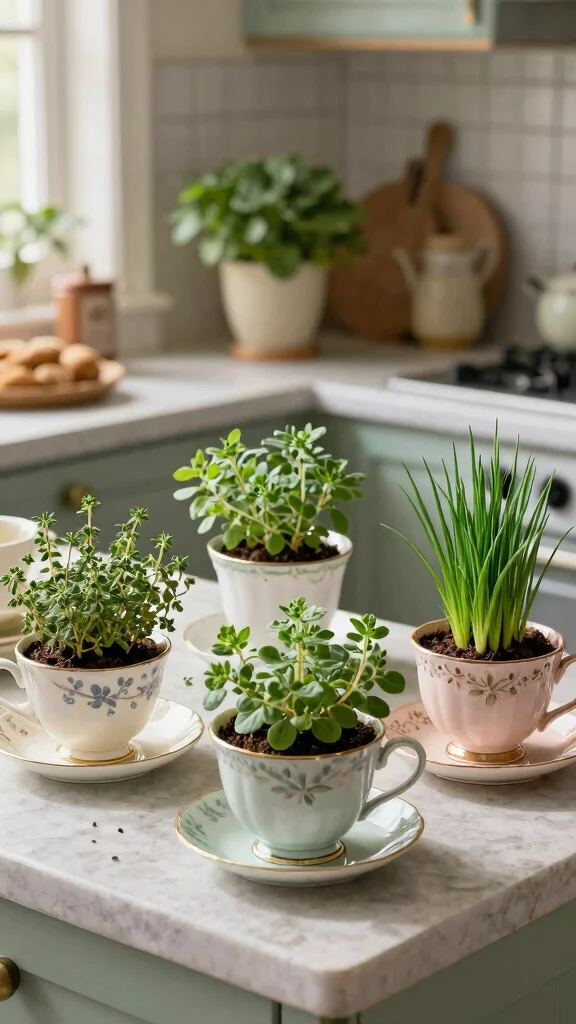
For a unique and charming twist, consider creating an indoor herb garden using repurposed teacups. This whimsical concept not only adds a vintage flair to your kitchen but also provides a delightful way to grow small herbs. Each teacup can reflect your personality, making your kitchen feel even more inviting.
Select colorful or patterned teacups, fill them with potting soil, and plant herbs like thyme or chives. Arranging them on a sunny windowsill or countertop creates a playful display that enhances your kitchen’s character. This creative approach not only saves space but also showcases your style and creativity.
Make the most of your teacup garden with these tips:
– Ensure drainage holes are made for effective watering.
– Choose herbs that thrive in compact spaces for best results.
This delightful setup brings a touch of whimsy to your kitchen while allowing you to enjoy fresh herbs at your fingertips, enhancing both flavor and decor.
Repurposed Teacup Herb Garden
Editor’s Choice
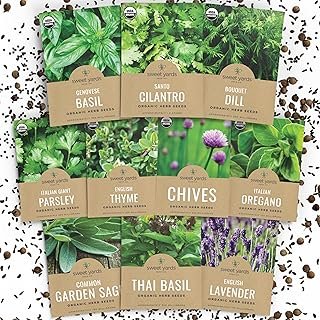
Organic Herb Seeds Variety Pack – 10 Individual Packs – 2026 Season – Ba…
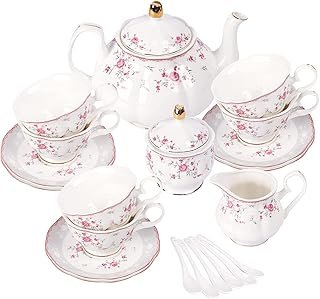
fanquare Vintage Porcelain Tea Set for Women Tea Party, Cup and Saucer S…
Burpee, 9 Quarts | Premium Organic Potting Natural Soil Mix Food Ideal f…
Conclusion
Creating an indoor herb garden on your kitchen countertop is not just about aesthetics, but also about enhancing your culinary experiences. From minimalist magnetic gardens to charming teacup arrangements, there are countless ways to introduce greenery into your cooking space.
Experiment with different styles, pots, and placements to find what works best for you. Whether you’re an experienced gardener or a beginner, these ideas are designed to inspire and energize your love for cooking with fresh, homegrown herbs!
Note: We aim to provide accurate product links, but some may occasionally expire or become unavailable. If this happens, please search directly on Amazon for the product or a suitable alternative.
This post contains Amazon affiliate links, meaning we may earn a small commission if you purchase through our links, at no extra cost to you.
Frequently Asked Questions
What are the best herbs to grow on a kitchen counter for quick access?
Choosing herbs for the kitchen means prioritizing freshness and accessibility. If you’re exploring indoor herb garden ideas for kitchen, start with reliable performers: basil, parsley, chives, thyme, and cilantro. Place them in countertop herb planters near a bright window to get 6–8 hours of light. Use a well-draining potting mix and a tray to catch excess water. Harvest leaves regularly to encourage growth and prevent bolting. For a pop of mint aroma, keep it in a separate pot to avoid spreading.
How can I maximize a small countertop for an indoor herb garden?
To maximize a small countertop, choose compact countertop herb planters or a vertical setup. Use 2–3 small pots or a tiered shelf that fits your counter without crowding. If light is limited, place near a south-facing window or add a grow light. Group herbs by sun needs and water needs; keep a shallow tray to catch drips. Regularly prune and rotate plants so you get a steady supply from your small space gardening system.
What care tips keep indoor herb plants healthy for cooking?
Keep indoor herbs healthy with simple care: water when the top inch of soil is dry, and ensure drainage so roots don’t stay soggy. Use a light, well-draining potting mix and feed lightly with a balanced fertilizer every 4–6 weeks. Prune herbs to encourage bushier growth and to harvest fresh leaves for indoor plants for cooking. Check for pests like aphids and wipe leaves if needed. If you notice leggy growth, give it more light or trim.
Which herbs are best for cooking and aroma on countertops?
Head for classic cooking powerhouses: basil, rosemary, thyme, oregano, dill, and chives. These fit neatly in kitchen gardening ideas and countertop herb planters. Keep a mix of leafy and woody herbs to cover everyday recipes, from salads to soups. Harvest stems and leaves as you cook to keep plants productive and fragrant.
What are affordable countertop herb planters and setup tips for beginners?
Starting with small space gardening doesn’t have to break the bank. Use inexpensive containers, or repurpose jars and tins with drainage holes. Pair 2–4 compact pots with a shallow tray and place them in a bright spot to support the indoor herb garden ideas for kitchen. For setup, use a quality potting mix, ensure good drainage, and follow a simple fertilizer schedule. If light is scarce, consider an affordable LED grow light. Finish with labels and a regular watering routine to keep costs low while you enjoy fresh herbs.
Related Topics
indoor herb garden
kitchen gardening
small space gardening
countertop planters
herb garden tips
easy gardening
grow your own herbs
urban gardening
beginner friendly
sustainable living
indoor plants
culinary herbs