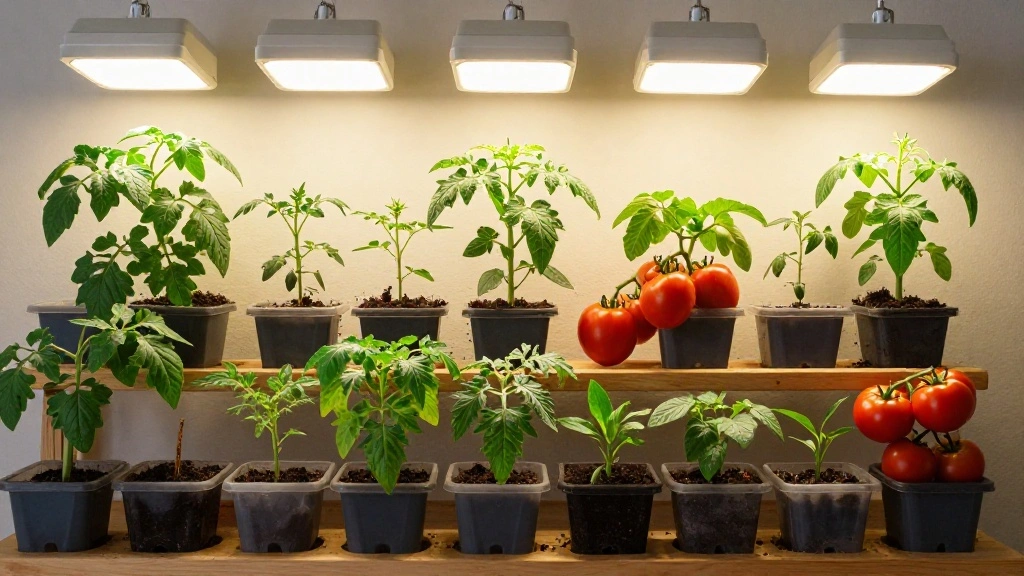
Are you tired of store-bought tomatoes that lack flavor? Do you dream of growing your own juicy, fresh tomatoes but think you lack the space? You’re not alone! Many gardening enthusiasts face these challenges, especially when living in apartments or homes with limited outdoor space. The good news is that you can grow luscious tomatoes indoors using grow lights!
In this guide, you will learn how to set up your indoor tomato garden, select the right materials, and care for your plants to ensure a bountiful harvest. By following these steps, you’ll be able to enjoy home-grown tomatoes regardless of the season.
This guide will cover everything from choosing the right grow lights to nurturing your tomato plants until they produce delicious fruits. Designed for beginners, you will find it easy to follow and implement. Expect to spend about 2-3 hours setting up and planting, and then watch your tomatoes flourish!
TL;DR Summary
- Set up your indoor space with appropriate grow lights and containers.
- Choose the right tomato varieties for indoor growth.
- Follow a consistent watering and fertilization schedule.
- Monitor light conditions for optimal growth.
TL;DR Summary
Editor’s Choice
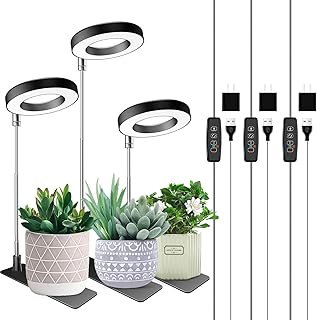
Aokrean Plant Grow Light, 48 LEDs Full Spectrum Grow Lights for Indoor P…

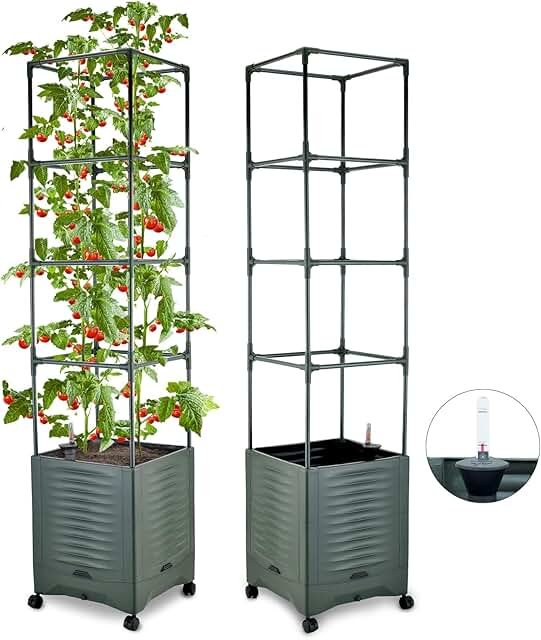
Tomato Planter Pot Tomato Box Raised Garden Bed 56.5″ Tall Self-Watering…

Espoma Organic 8 Ounce Concentrated Tomato! Plant Food – Plant Fertilize…
Prerequisites/Materials Needed
- Grow Lights (full-spectrum LED recommended)
- Containers (5-gallon pots or larger)
- Potting Soil (high-quality, well-draining)
- Seeds or Seedlings (choose dwarf or determinate varieties)
- Watering Can or Spray Bottle
- Fertilizer (balanced, water-soluble)
- Thermometer (to monitor indoor temperature)
- pH Meter (optional for soil testing)
Prerequisites/Materials Needed
Editor’s Choice
30 Pack 5 Gallon Plastic Nursery Pots,12.8 Inch Thickened Soft Plant Pot…
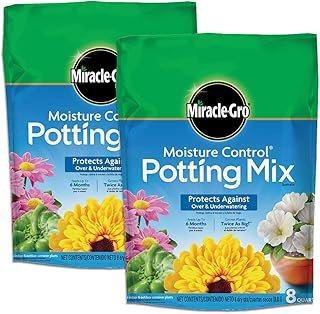
Miracle-Gro Moisture Control Potting Mix – Plant Soil For Container Plan…
Aokrean Plant Grow Light, 48 LEDs Full Spectrum Grow Lights for Indoor P…
Skill Level & Time Estimate
Skill Level: beginner
Total time estimate: 2-3 hours
Step breakdown:
- Setup indoor environment: 1 hour
- Planting seeds/seedlings: 30 minutes
- Initial care and adjustments: 30-60 minutes
Skill Level & Time Estimate
Editor’s Choice
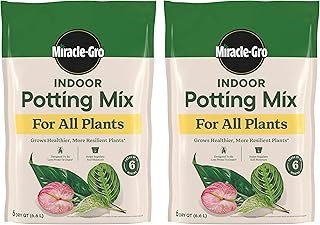
Miracle-Gro Indoor Potting Mix for All Plants, Use with Houseplants and …
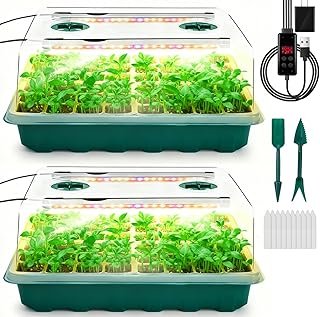
Seed Starter Tray with Grow Light, 96-Cell Seed Starter Kit, Seedling St…
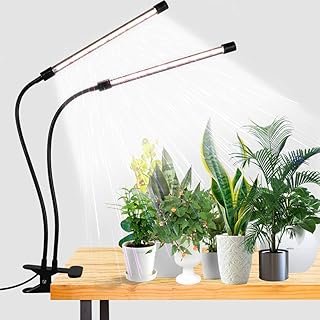
GooingTop LED Grow Light,6000K Full Spectrum Clip Plant Growing Lamp wit…
Step 1: Choose the Right Location
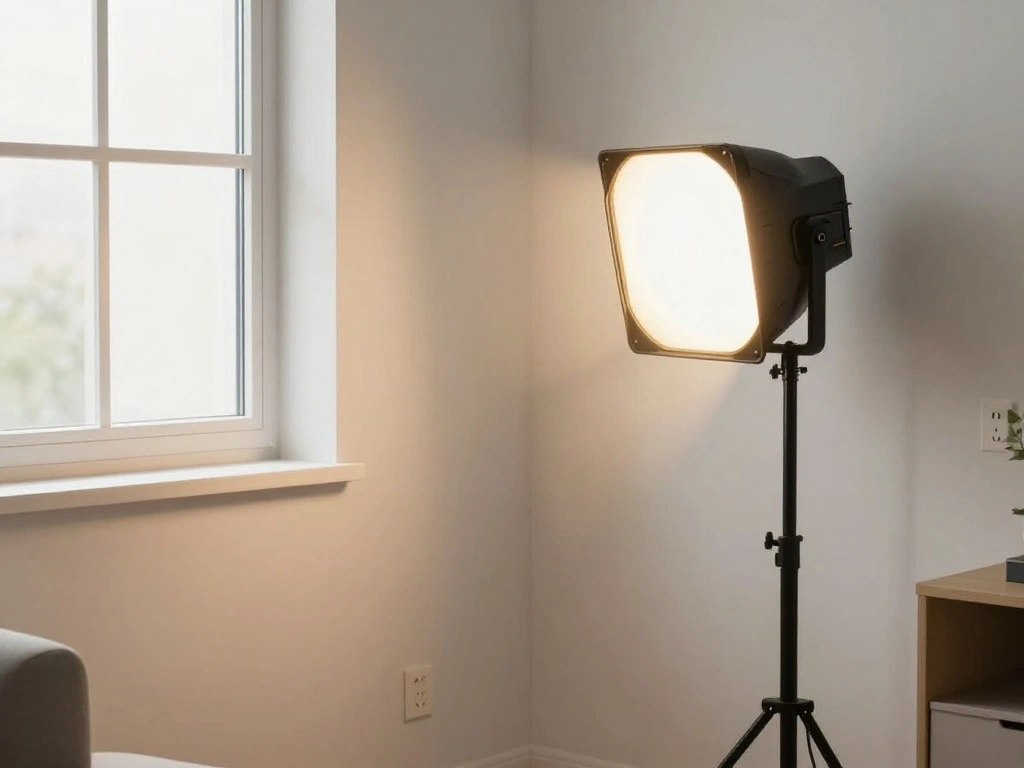
Select a suitable indoor location for your tomato plants. Aim for a space that gets good air circulation and is easily accessible for watering and tending to the plants.
- Identify a spot near a power outlet for your grow lights.
- Ensure the area has stable temperatures, ideally between 70-80°F (21-27°C).
- Avoid areas with drafts or extreme temperature fluctuations.
Pro Tip: A south-facing window can also work if you supplement with grow lights.
Why this matters: A stable and well-ventilated environment helps your plants thrive.
Estimated time: 15-20 minutes.
Step 1: Choose the Right Location
Editor’s Choice
GooingTop LED Grow Light,6000K Full Spectrum Clip Plant Growing Lamp wit…
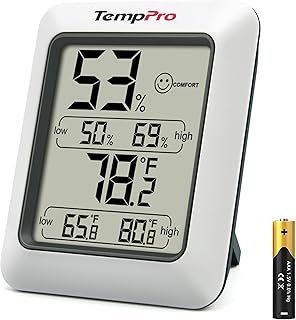
TempPro TP50 Digital Hygrometer Indoor Thermometer Room Thermometer and …
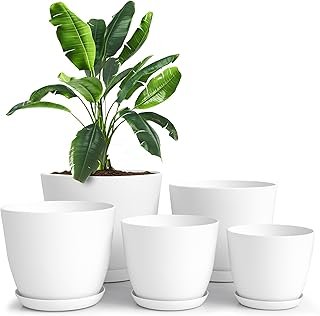
Utopia Home Plant Pots Indoor with Drainage Holes – Set of 5 White Pla…
Step 2: Set Up Grow Lights
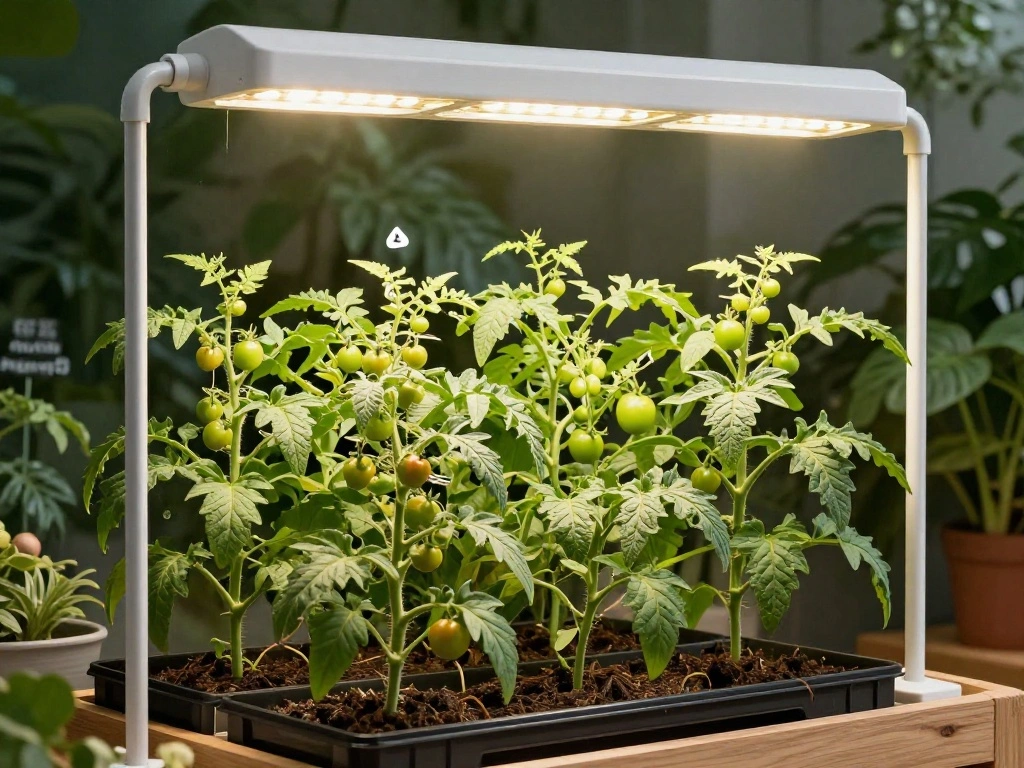
Install your grow lights at the correct height above the plants. Proper lighting is crucial for photosynthesis and fruit production.
- Hang the grow lights 12-24 inches (30-61 cm) above the plants, adjusting as they grow.
- Use a timer to ensure the lights are on for 12-16 hours a day.
- Check the light spectrum; full-spectrum lights are ideal for promoting growth.
Warning: Avoid placing lights too close to prevent burning the leaves.
Why this matters: Proper lighting encourages healthy growth and increases fruit yield.
Estimated time: 30 minutes.
Step 2: Set Up Grow Lights
Editor’s Choice
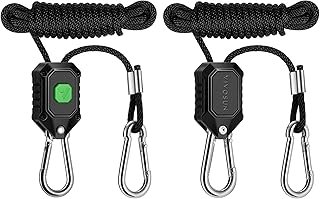
VIVOSUN 1-Pair 1/8 Inch Adjustable Grow Light Hanger, Heavy Duty Rope Ha…
GooingTop LED Grow Light,6000K Full Spectrum Clip Plant Growing Lamp wit…
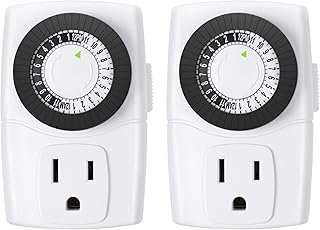
BN-LINK BND-60/U47 Indoor Mini 24-Hour Mechanical Outlet Timer, 3-Prong,…
Step 3: Select Containers and Soil
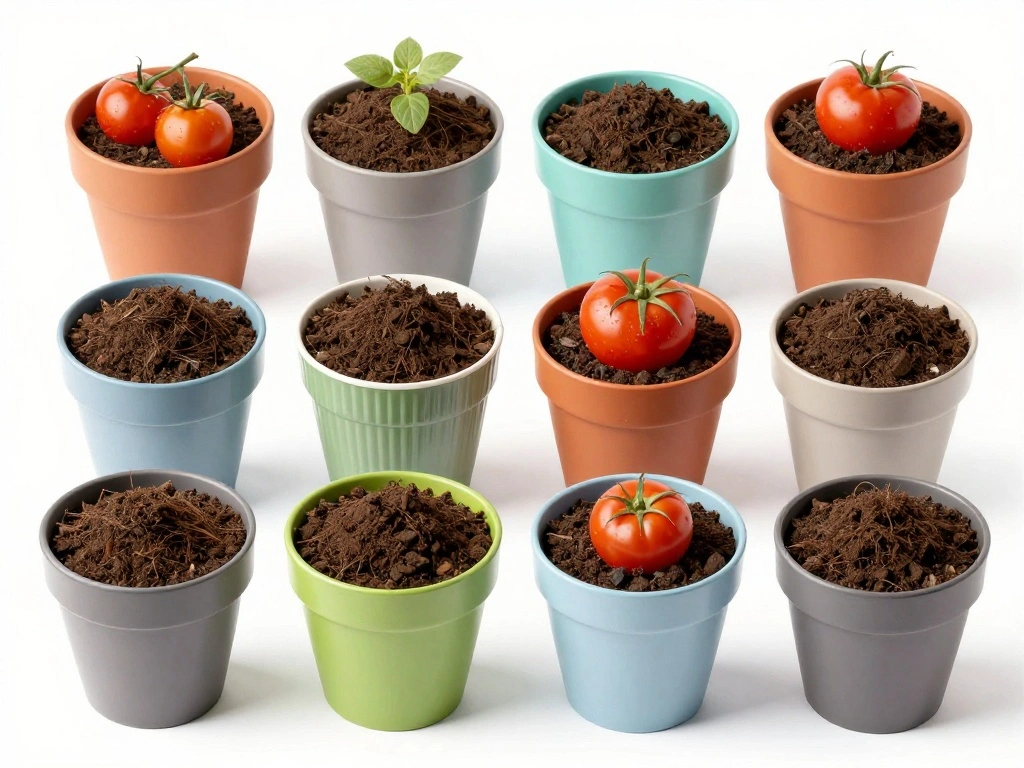
Choose the right containers and soil to provide your tomato plants with ample room to grow and proper drainage.
- Select pots that are at least 5 gallons in size for each plant.
- Fill the containers with high-quality potting soil, ensuring it’s well-draining.
- Make sure the containers have drainage holes to prevent root rot.
Pro Tip: You can use fabric pots for better air circulation to the roots.
Why this matters: Adequate space and drainage are essential for healthy root development.
Estimated time: 30 minutes.
Step 3: Select Containers and Soil
Editor’s Choice
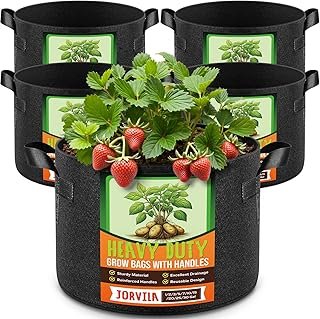
Jorvila 5 Pack 5 Gallon Grow Bags, Thickened Nonwoven Fabric Planter Pot…
6 Pack 6 inch Plant Saucer Tray, 4 6 8 10 12 15 17 19 inch Plant Saucers…
Miracle-Gro Indoor Potting Mix for Cactus and Succulent, Fast-Draining C…
Step 4: Plant Seeds or Seedlings
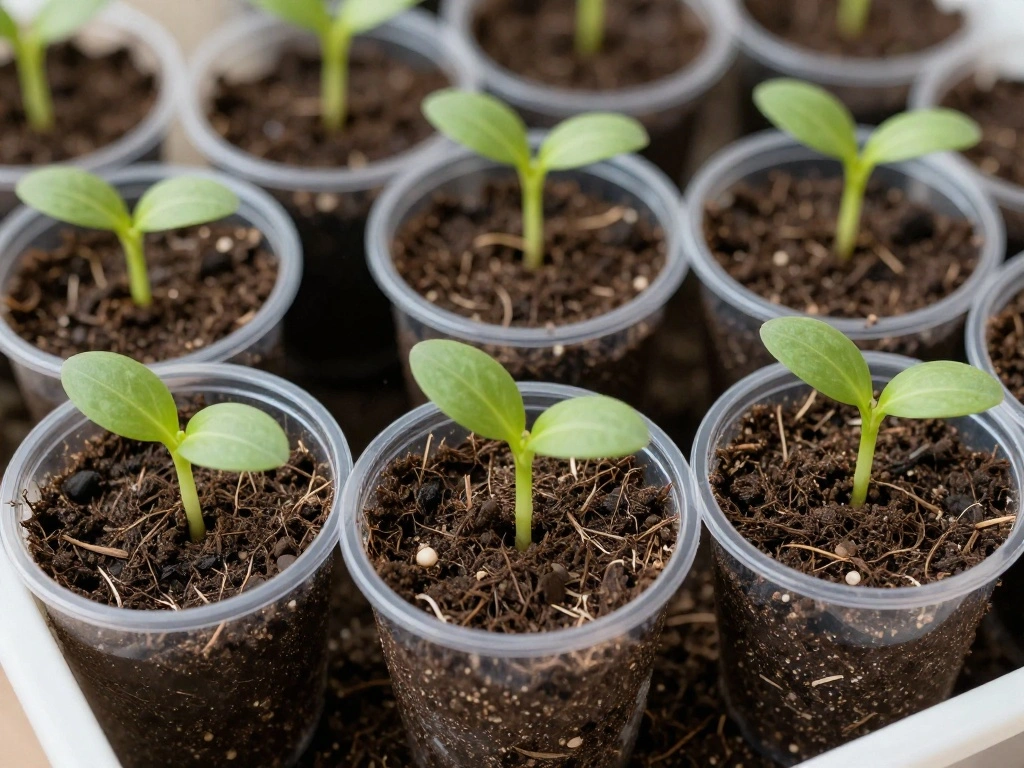
Now it’s time to plant your tomato seeds or seedlings in the prepared containers.
- If using seeds, plant them about 1/4 inch deep in the soil.
- For seedlings, dig a hole deep enough to cover the root ball and place it in the soil.
- Water gently after planting to settle the soil around the seeds or seedlings.
Warning: Avoid over-watering; too much moisture can lead to seed rot.
Why this matters: Proper planting ensures the seeds or seedlings establish well in the soil.
Estimated time: 30 minutes.
Step 5: Water and Fertilize Regularly
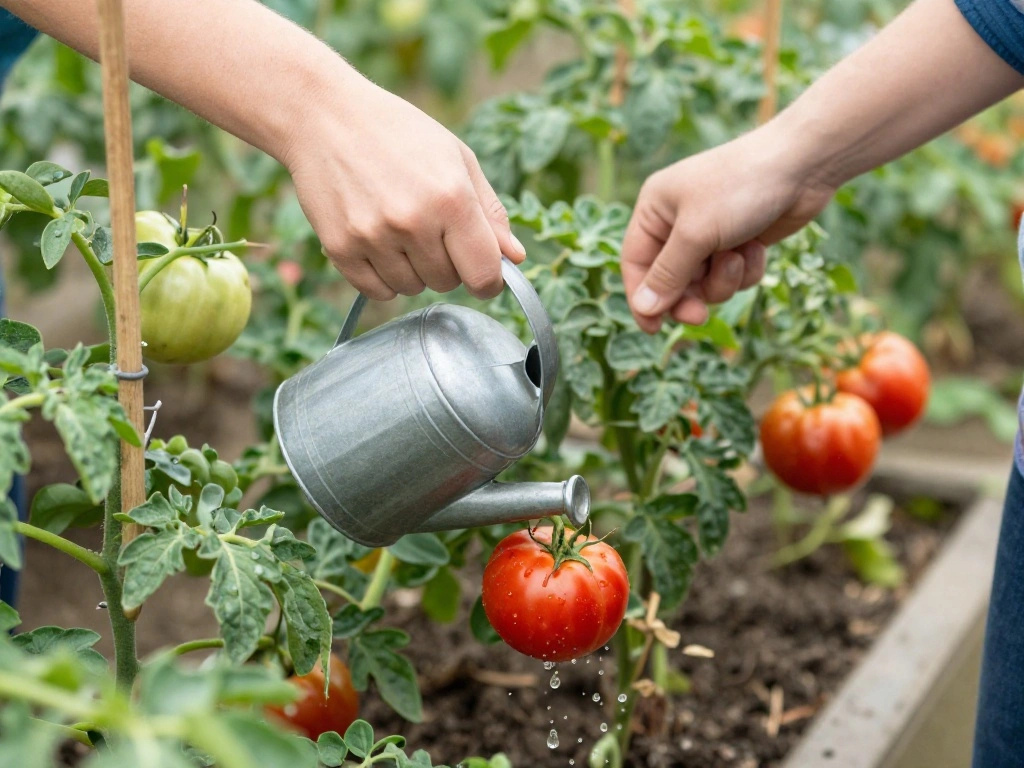
Establish a consistent watering and fertilization routine for your tomato plants.
- Water the plants when the top inch of soil feels dry.
- Use a balanced, water-soluble fertilizer every 2-4 weeks.
- Monitor the leaves for signs of nutrient deficiency or over-fertilization.
Pro Tip: Use a moisture meter to help determine when to water.
Why this matters: Regular care promotes healthy growth and fruit development.
Estimated time: 20 minutes.
Step 5: Water and Fertilize Regularly
Editor’s Choice
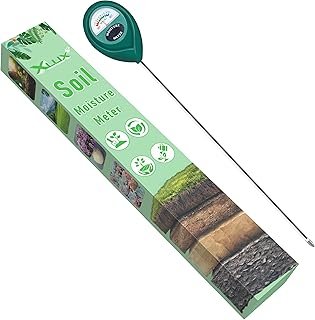
XLUX Long Probe Deep Use Soil Moisture Meter, Water Monitor Indicator Se…
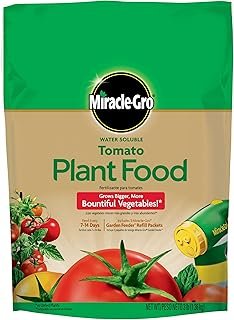
Miracle-Gro Water Soluble Tomato Plant Food – 18-18-21 NPK Fertilizer fo…
Watering Can for Indoor and Outdoor Plants – Long Spout Water Can for Ga…
Step 6: Monitor and Adjust Conditions
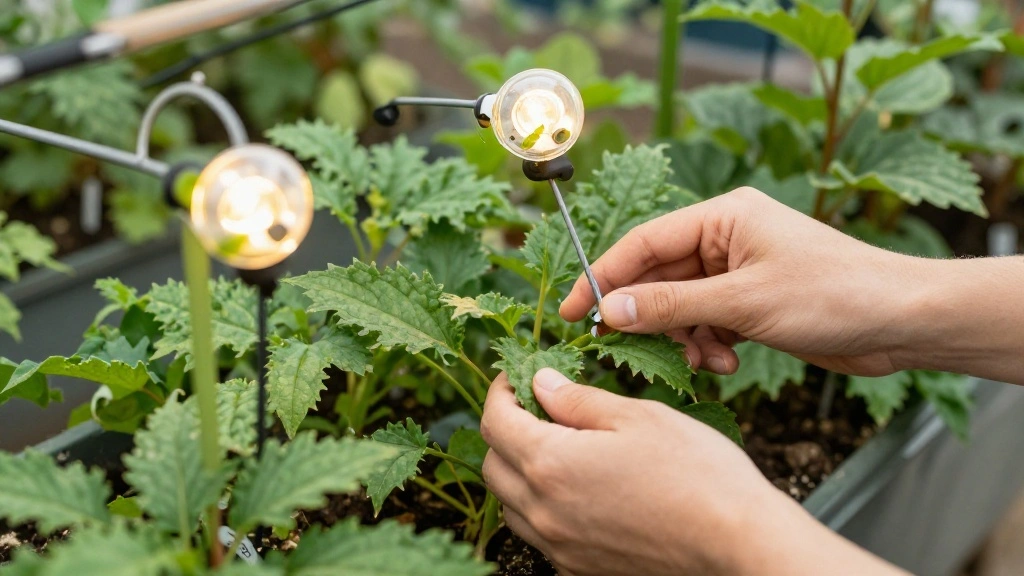
Keep an eye on your indoor garden’s conditions and make necessary adjustments for optimal growth.
- Check the temperature and humidity levels regularly.
- Adjust the height of your grow lights as the plants grow.
- Inspect the plants for pests or diseases and take action when needed.
Warning: Pests can quickly damage your plants if not addressed promptly.
Why this matters: Regular monitoring helps you intervene early, ensuring healthy plants and a successful harvest.
Estimated time: 15-30 minutes.
Step 6: Monitor and Adjust Conditions
Editor’s Choice
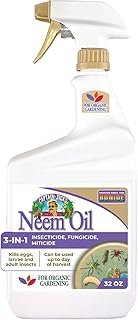
Bonide Captain Jack’s Neem Oil, 32 oz Ready-to-Use Spray, Multi-Purpose …
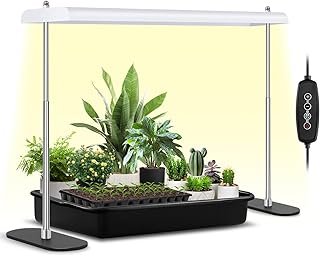
FOXGARDEN Grow Light Stand, Advanced LED Plant Growth Lighting with 4/8/…
TempPro TP50 Digital Hygrometer Indoor Thermometer Room Thermometer and …
Pro Tips
- Variety Selection: Choose dwarf or determinate tomato varieties for better indoor success.
- Rotate Plants: Rotate your plants for even light exposure and growth.
- Pruning: Regularly prune your plants to promote airflow and fruit production.
- Pest Control: Use insecticidal soap or neem oil for natural pest control.
- Temperature Control: Keep nighttime temperatures around 55-65°F (13-18°C) for optimal fruiting.
Pro Tips
Editor’s Choice
GooingTop LED Grow Light,6000K Full Spectrum Clip Plant Growing Lamp wit…
Bonide Captain Jack’s Neem Oil, 32 oz Ready-to-Use Spray, Multi-Purpose …
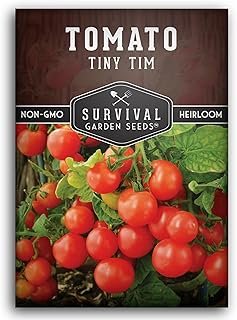
Tiny Tim Tomato Seeds – Dwarf Cherry Tomatoes for Planting Indoors or Pa…
Common Mistakes to Avoid
Warning: Over-watering can lead to root rot. Ensure pots have drainage holes.
Warning: Insufficient light will lead to leggy plants. Use grow lights for at least 12 hours daily.
Warning: Using poor-quality soil can stunt growth. Invest in good potting mix.
Warning: Neglecting temperature control can hinder fruit production. Maintain a consistent climate.
Warning: Ignoring pests can lead to crop loss. Regularly inspect plants for signs of infestation.
Common Mistakes to Avoid
Editor’s Choice
Tomato Planter Pot Tomato Box Raised Garden Bed 56.5″ Tall Self-Watering…
Aokrean Plant Grow Light, 48 LEDs Full Spectrum Grow Lights for Indoor P…
Miracle-Gro Indoor Potting Mix for All Plants, Use with Houseplants and …
Troubleshooting Section
Problem: Leaves are turning yellow.
Solution: Check for over-watering or nutrient deficiencies; adjust care accordingly.
Problem: Plants are not growing.
Solution: Ensure adequate light and temperature; consider repotting if root-bound.
Problem: Flowers drop off before fruiting.
Solution: Check for temperature spikes or insufficient pollination; gently shake plants to aid pollination.
Problem: Stunted growth.
Solution: Evaluate soil quality and water levels; amend as needed.
Problem: Pests are present.
Solution: Use insecticidal soap or neem oil as treatment.
Troubleshooting Section
Editor’s Choice
GooingTop LED Grow Light,6000K Full Spectrum Clip Plant Growing Lamp wit…
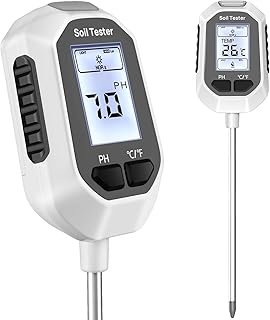
YAMRON 4-in-1 Soil Moisture Meter, Digital Plant Temperature/Soil Moistu…

TeaDrops Organic Tomato + Pepper + Eggplant Fertilizer – 16 Liquid Ind…
Variations/Alternative Methods
1. Hydroponics: A soil-less method where plants grow in nutrient-rich water. Great for indoor spaces but requires more equipment.
2. Aeroponics: Another soil-less method that sprays roots with nutrients. Requires more setup but can yield quicker results.
3. Vertical Gardening: Use vertical planters or shelves to maximize space. Ideal for small areas but may limit plant size.
Variations/Alternative Methods
Editor’s Choice
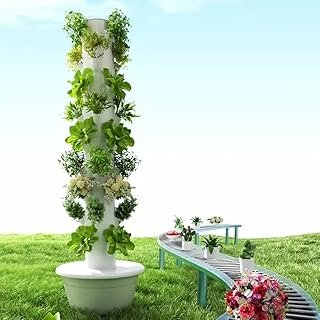
Vertical Hydroponic Grow Tower Aeroponic Tower for Fruits and Vegetables…
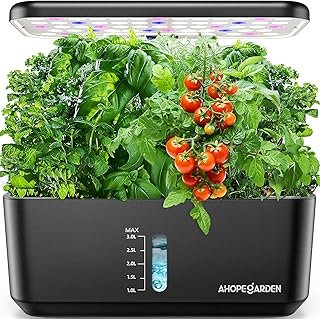
Ahopegarden Indoor Garden Hydroponics Growing System: 10 Pods Plant Germ…
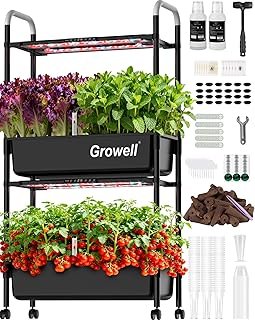
Growell Large Hydroponics Growing System Kit, 54 Pods Vertical Indoor He…
FAQs
What if I don’t have grow lights? You can use natural light from a south-facing window, but be prepared for slower growth.
How long should I water my plants? Water until the top inch of soil feels moist but not soggy; this usually takes 1-2 cups per watering.
Is it safe to fertilize every week? No, too much fertilizer can harm your plants. Stick to every 2-4 weeks.
What if my plants are too tall? You can prune them back to encourage bushier growth and prevent spindly plants.
Can I grow other vegetables indoors? Yes, many vegetables like peppers and herbs thrive indoors with similar conditions.
FAQs
Editor’s Choice
Aokrean Plant Grow Light, 48 LEDs Full Spectrum Grow Lights for Indoor P…
XLUX Long Probe Deep Use Soil Moisture Meter, Water Monitor Indicator Se…
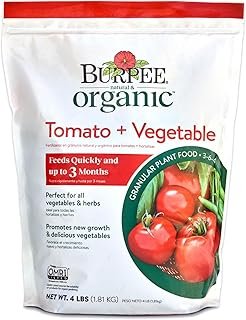
Burpee Organic Tomato & Vegetable Granular Plant Food, 4 lb
Conclusion
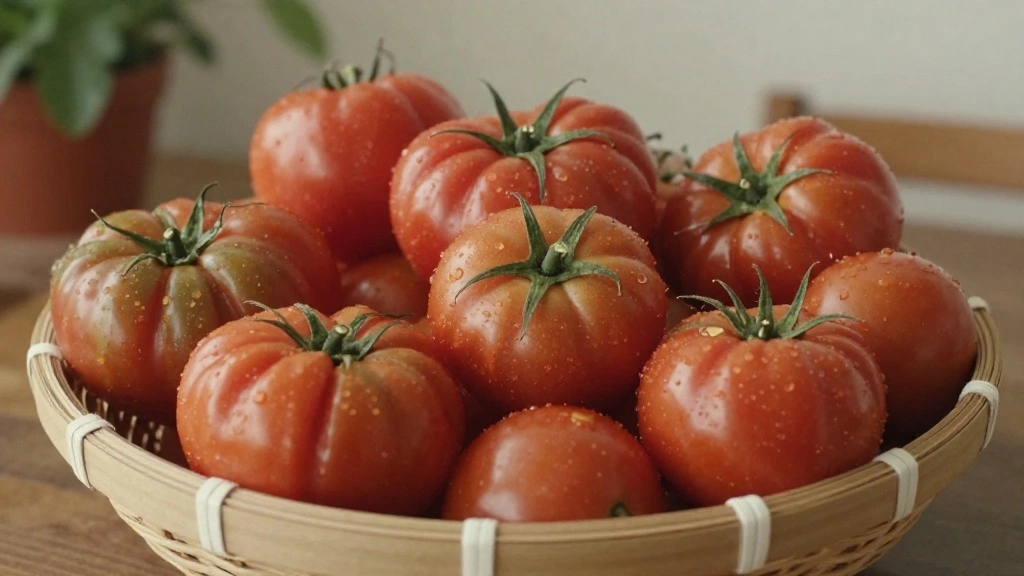
Congratulations on taking the steps to grow your own tomatoes indoors! You have set up a beautiful indoor garden that can provide fresh produce year-round. Remember to keep monitoring your plants and adjusting conditions as needed.
As you enjoy your home-grown tomatoes, consider expanding your indoor garden to include other vegetables or herbs. Happy gardening!