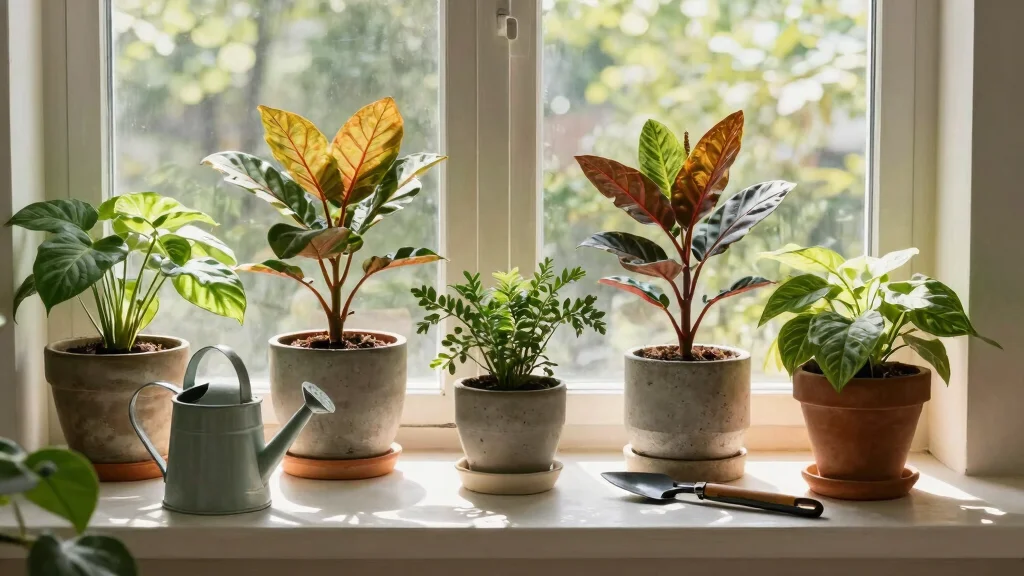
Understanding the unique signs that your houseplants display can feel like deciphering a secret language. I created this guide because I know how frustrating it can be when your beloved greens start showing signs of distress, and you’re left wondering what went wrong. Whether it’s drooping stems or yellowing leaves, every signal your plant gives can reveal a lot about its health and needs. By learning these signs, you can become a more effective plant parent and keep your indoor garden thriving.
If you’re someone who loves houseplants and wants to provide the best care possible, this post is just for you. From beginner hobbyists to seasoned plant lovers, we all want to ensure our plants are happy and healthy. This guide will help you identify common houseplant signs and what they mean, giving you the knowledge to respond appropriately. You’ll find practical tips and insights that will not only enhance your plant care skills but also deepen your connection to these living companions.
In this article, we’ll explore eight key houseplant signs and what they signify. You’ll learn to recognize each symptom and what actions to take to nurse your plants back to health. With this knowledge, you can create a thriving indoor oasis that brings joy and life into your home.
Key Takeaways
– Yellowing Leaves: This often indicates a nutrient deficiency, so check if your plant needs fertilizing or if it’s in the right soil.
– Drooping Stems: Pay attention to your watering routine; this could be a sign of underwatering or overwatering.
– Wilting Leaves: Excessive sunlight can be harmful. Adjust your plant’s location if you notice wilting leaves to prevent damage.
– Dark Spots or Blotches: These may signal fungal issues. Ensure good airflow and appropriate watering to combat these problems.
– Brown Leaf Tips: This often happens due to low humidity. Consider using a humidifier or misting your plants to improve their environment.
1. Yellowing Leaves: Nutrient Deficiency
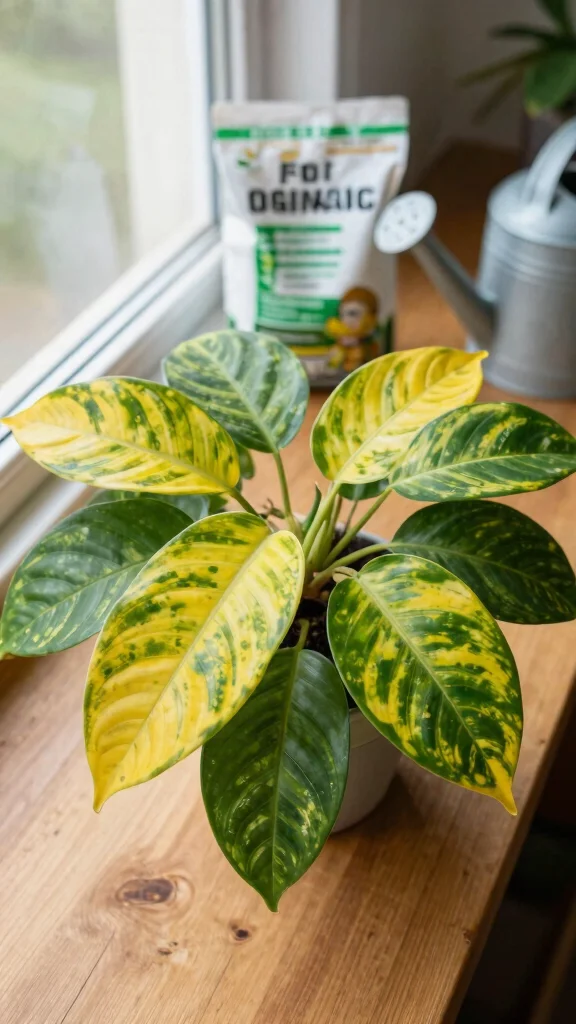
Have you noticed your plant’s leaves turning yellow? This is a common sign that it’s not getting enough nutrients, especially nitrogen. Yellow leaves can signal issues like insufficient fertilizer, compacted soil, or inadequate light conditions. Taking action can help your plant regain its lush green color and vitality.
Start by evaluating how often you water your plant. Overwatering can cause root rot, preventing nutrient absorption. Also, consider using a balanced, water-soluble fertilizer to give your plant a nutrient boost. Check if your plant is getting the right light—some thrive in bright spots while others prefer a shadier environment.
Key actions to address yellow leaves:
– Adjust your watering schedule to prevent overwatering
– Fertilize with a balanced nutrient mix
– Ensure proper lighting for your plant’s needs
Addressing this issue can lead to a healthier and more vibrant plant, enhancing your indoor space.
Fun fact: yellowing leaves often mean nutrient deficiency, and nitrogen fixes it fastest. In many houseplants, a balanced, water-soluble fertilizer shows results within 7-14 days. Couple this with proper light and soil aeration to keep greens vibrant.
📹 Related Video: Identify the Leaf Yellowing Pattern & Treat Nutrient Deficiency with the Best Fertilizer
Yellowing Leaves: Nutrient Deficiency
Editor’s Choice
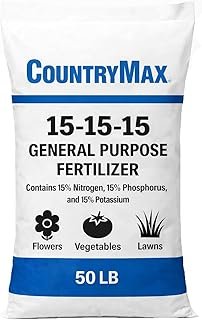
CountryMax 15-15-15 All Purpose Fertilizer, 50 lb Bag, Balanced Plant Fo…

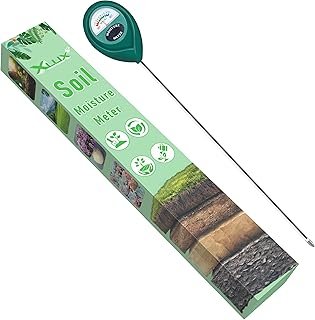
XLUX Long Probe Deep Use Soil Moisture Meter, Water Monitor Indicator Se…
2. Drooping Stems: Underwatering or Overwatering
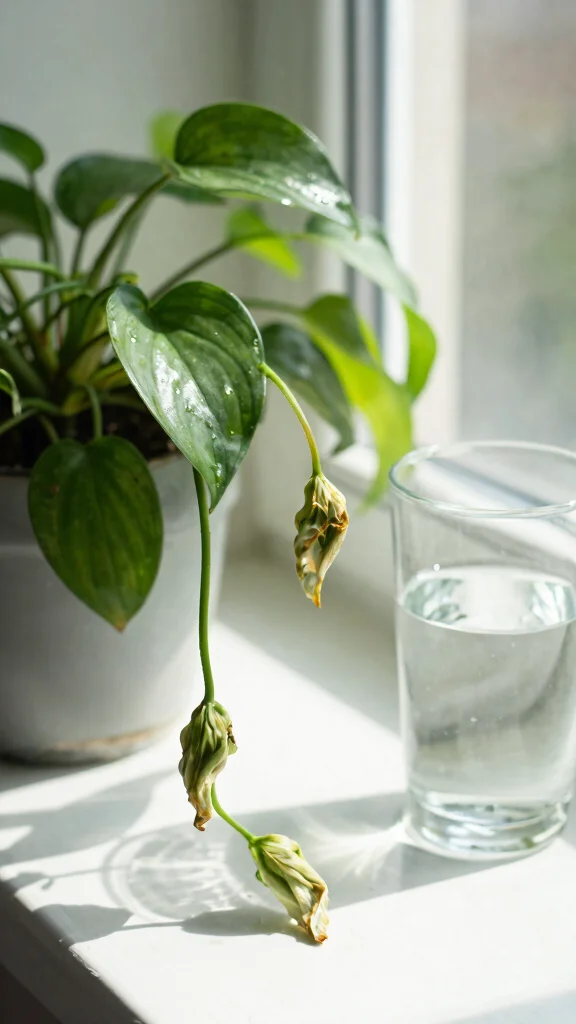
Droopy stems can be alarming. They often indicate that your plant is either underwatered or overwatered. When your plant’s stems sag, it’s a clear sign it needs your attention.
Check the soil moisture by inserting your finger about an inch deep. If it’s dry, your plant needs water; if it’s soggy, you might be overwatering. Also, inspect the stem for mushiness, which can indicate root rot. Adjust your watering schedule according to the seasons to keep your plant strong and healthy.
Steps to revive drooping stems:
– Test soil moisture levels regularly
– Look for signs of root rot in the stems
– Modify your watering frequency based on the season
Addressing this sign early can help your plant thrive and flourish.
Drooping Stems: Underwatering or Overwatering
Editor’s Choice
Watering Can for Indoor and Outdoor Plants – Long Spout Water Can for Ga…
XLUX Long Probe Deep Use Soil Moisture Meter, Water Monitor Indicator Se…
3. Wilting Leaves: Too Much Sun
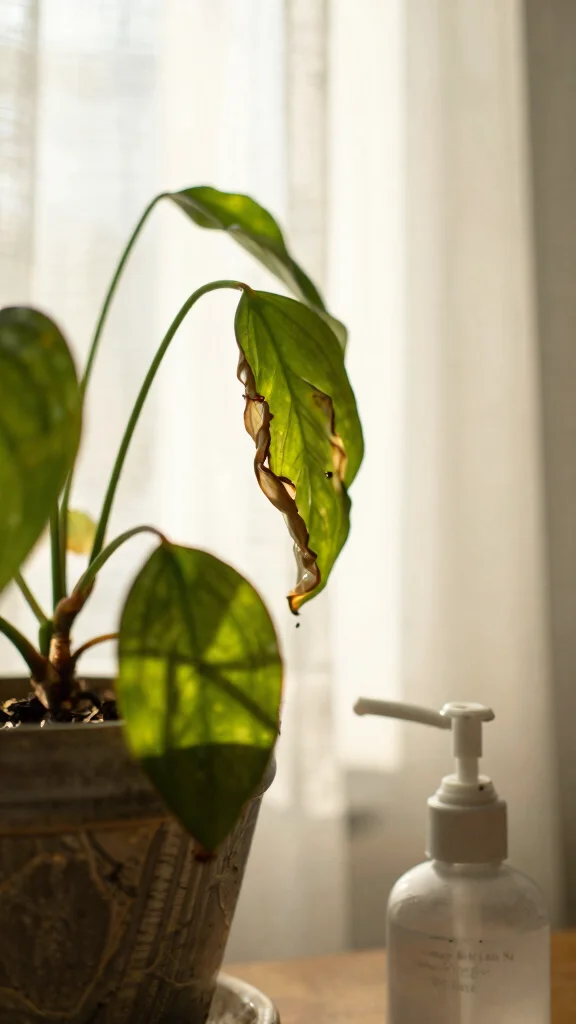
Seeing wilting leaves on your houseplant? It might be getting too much sunlight. While some plants love bright light, others prefer a bit of shade to thrive.
To help your plant recover, consider relocating it to a shadier spot or providing filtered light. If moving isn’t an option, using sheer curtains can soften harsh sunlight. Don’t forget to check your watering habits; wilting can also signal dehydration.
Quick fixes for wilting leaves:
– Move your plant to a less sunny location
– Use sheer curtains to diffuse sunlight
– Maintain consistent watering routines
Recognizing this issue can prevent sunburn and support your plant’s health.
Wilting Leaves: Too Much Sun
Editor’s Choice
XLUX Long Probe Deep Use Soil Moisture Meter, Water Monitor Indicator Se…

Sand Oatmeal Linen Drapes 108 Inches Long 2 Panels for Living Room Bedro…
4. Dark Spots or Blotches: Fungal Issues
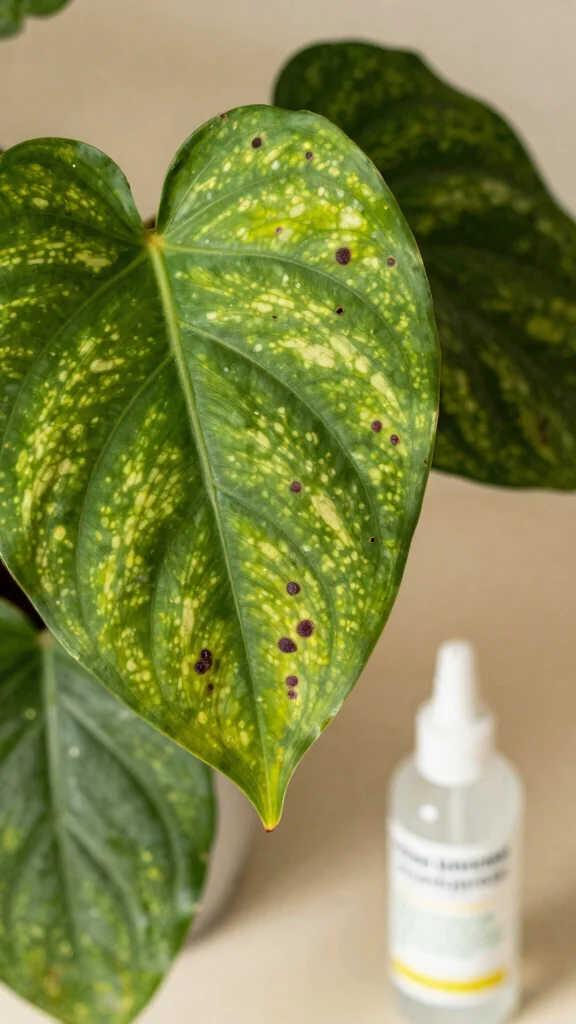
Dark spots on your plant’s leaves? This could indicate a fungal infection. Such problems often stem from overwatering, poor air circulation, or high humidity levels.
To combat this issue, ensure that your plants have sufficient airflow by spacing them out. Avoid watering from above, which keeps leaves wet. If the problem persists, a natural fungicide might be necessary to treat severe infections.
Steps to tackle dark spots:
– Improve airflow by spacing plants apart
– Water directly at the base to keep leaves dry
– Apply fungicide if necessary
Understanding these signs can protect your plants and prevent the spread of disease.
You might also like

Dark Spots or Blotches: Fungal Issues
Editor’s Choice
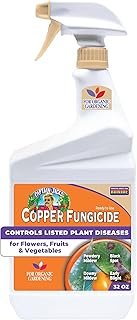
Bonide Captain Jack’s Copper Fungicide, 32 oz Ready-to-Use Spray for Org…

Gaiatop USB Desk Fan, Small But Powerful, Personal Portable Quiet 3 Spee…
5. Brown Leaf Tips: Low Humidity
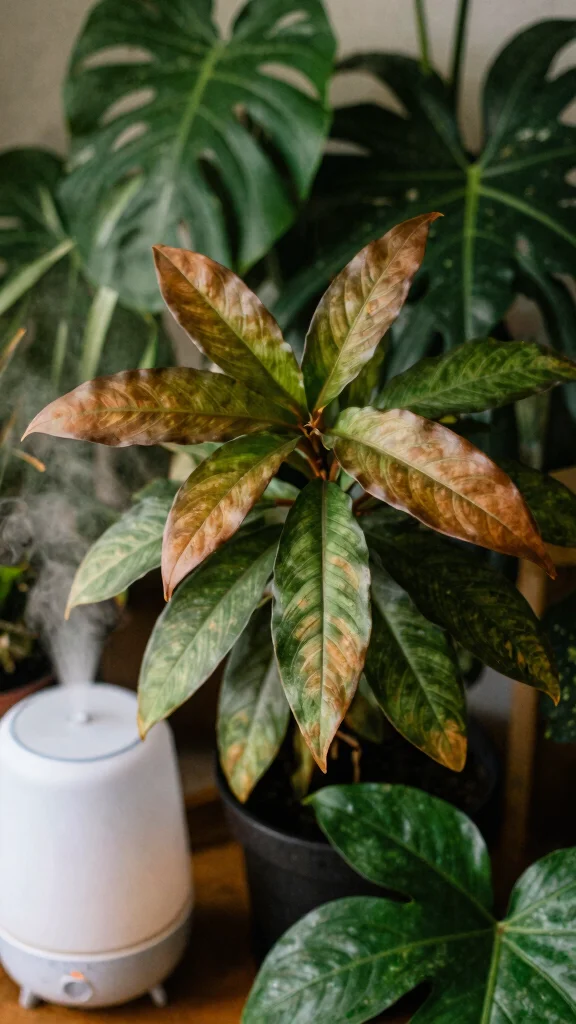
If you notice brown tips on your plant’s leaves, it’s a cry for more humidity. Many indoor plants thrive in humid conditions, especially tropical varieties.
To increase humidity, you can use a humidifier or group plants together to create a mini ecosystem. Lightly misting the leaves can also provide a quick moisture boost. These small adjustments can make a big difference in your plant’s health.
Ways to raise humidity:
– Use a humidifier to increase moisture levels
– Group plants for higher humidity
– Mist leaves regularly for added moisture
By addressing this issue, you can create an environment where your plants truly thrive.
Fun fact: brown leaf tips are a common houseplant sign pointing to humidity needs—part of understanding houseplant signs and what they mean. Grouping plants or using a humidifier can lift moisture fast, while a light mist works for a quick boost. Your plants will thank you with vibrant growth.
Brown Leaf Tips: Low Humidity
Editor’s Choice
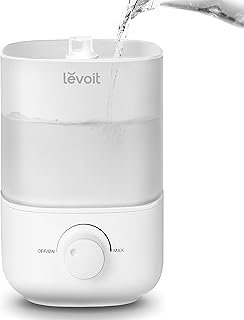
LEVOIT Top Fill Humidifiers for Bedroom, 2.5L Tank for Large Room, Easy …
6. New Growth: Happy and Healthy Plant
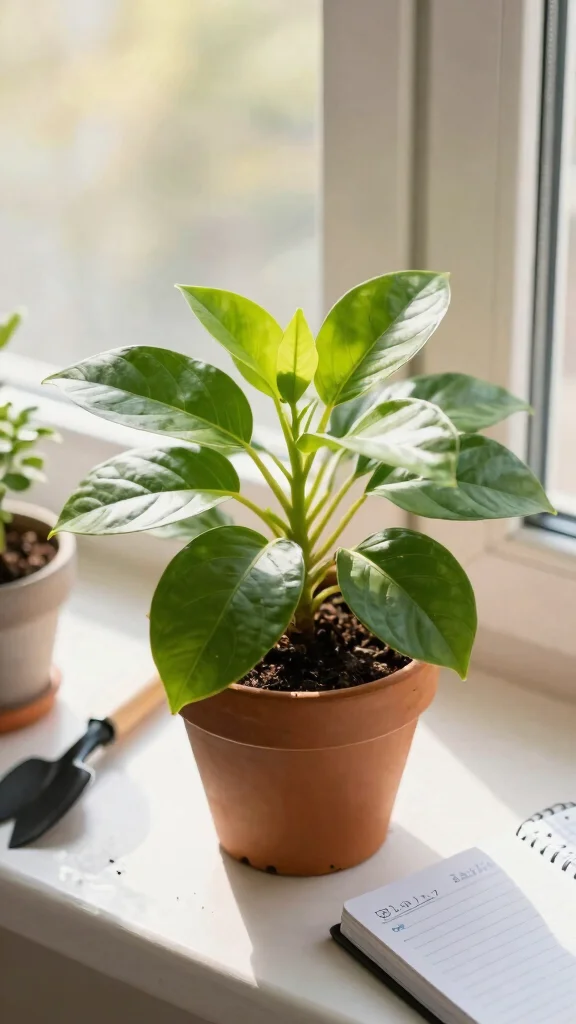
Spotting new growth on your plant is thrilling! Fresh leaves or stems indicate that your plant is healthy and thriving.
To promote even more growth, ensure your plant receives adequate light and maintains a consistent watering routine. Fertilizing during the active growing seasons with a nitrogen-rich mix can also boost growth.
Encouraging new growth:
– Provide the right amount of sunlight
– Keep a consistent watering schedule
– Fertilize during spring and summer
Celebrating these signs deepens your connection with your plant and highlights the rewards of proper care.
Fun fact: New growth can surge by up to 30% when you give your plant 6–8 hours of bright light and a steady watering schedule. A nitrogen-rich fertilizer in spring and summer boosts this growth even more.
New Growth: Happy and Healthy Plant
Editor’s Choice
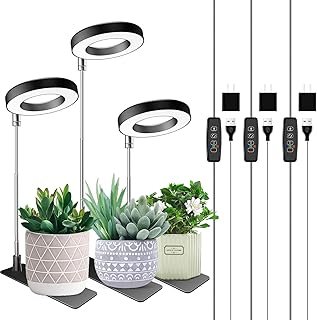
Aokrean Plant Grow Light, 48 LEDs Full Spectrum Grow Lights for Indoor P…
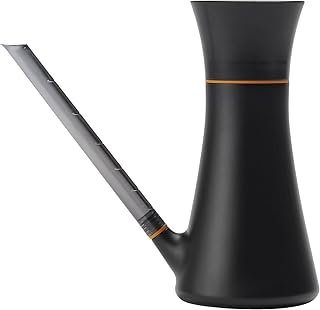
Fiskars Indoor Watering Can, Long Reach Spout for Precision Hydration on…
7. Leaf Drop: Stress Response
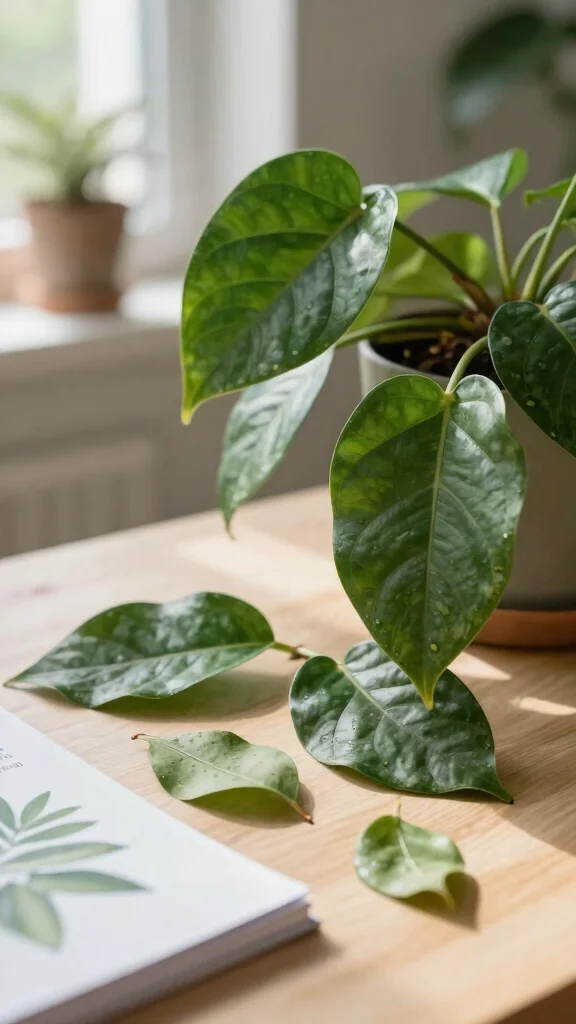
If your plant starts dropping leaves, it might be experiencing stress from temperature changes, overwatering, or repotting shock. Though concerning, understanding the cause allows for prompt action.
To address this, ensure your plant is shielded from drafts and sudden temperature shifts. Reassess your watering habits to avoid extremes. Allowing your plant time to adjust after repotting can also help minimize stress.
Actions to counter leaf drop:
– Minimize temperature fluctuations
– Re-evaluate your watering methods
– Give plants time to acclimate after changes
By recognizing leaf drop, you create a more stable environment for your plants to flourish.
Leaf Drop: Stress Response
Editor’s Choice
Plantopedia: The Definitive Guide to Houseplants
XLUX Long Probe Deep Use Soil Moisture Meter, Water Monitor Indicator Se…
8. Leaf Texture Changes: Environmental Adjustments
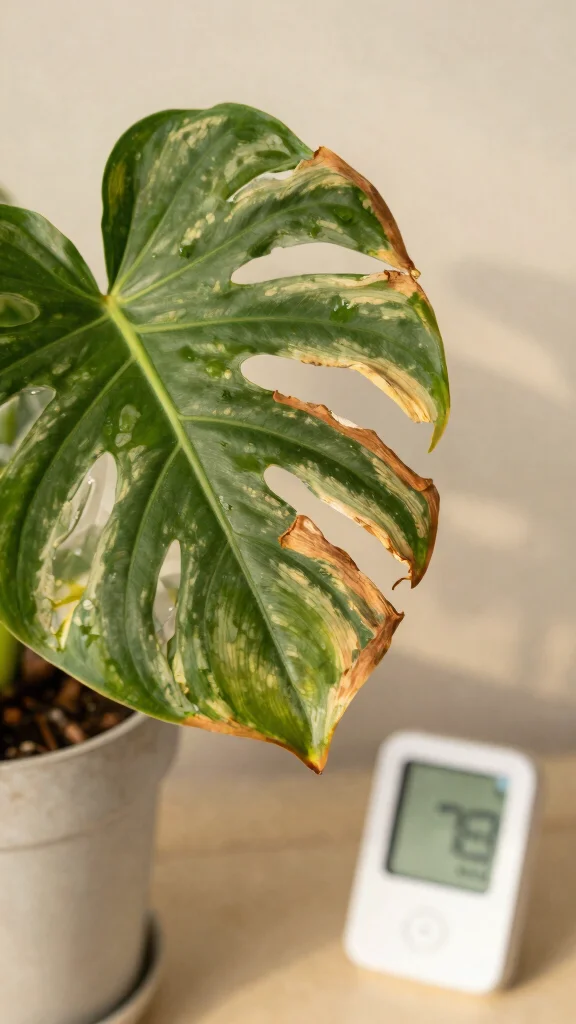
Noticing changes in your plant’s leaf texture, like crispiness or leathery surfaces? This often signals the need for adjustments in humidity and temperature.
To help your plant recover, try increasing humidity with a humidifier or regular misting. Also, maintain a consistent temperature range to keep your plant comfortable. Using an appropriate potting mix that retains moisture can further support your plant’s health.
Steps for correcting leaf texture changes:
– Boost humidity with a humidifier or misting
– Monitor and stabilize temperature conditions
– Choose the right soil mix for moisture retention
Recognizing these changes early helps you cultivate a nurturing atmosphere for your indoor plants.
Ongoing Maintenance & Care Guide
Maintenance Schedule:
Daily/Weekly Tasks:
– Watering: Check the moisture level of the soil. If the top inch is dry, water your plants. This task usually takes about 5-10 minutes.
– Dusting Leaves: Use a damp cloth to wipe down the leaves. This keeps the plant healthy and helps it absorb more light. This should take around 5 minutes each week.
– Inspecting for Pests: Look for signs of pests like webs or tiny bugs. It’s a quick task, taking 5 minutes, but it can prevent bigger issues later.
Monthly/Seasonal Tasks:
– Fertilizing: Use a balanced fertilizer according to the plant’s needs. This usually takes about 10-15 minutes, and it helps keep your plants strong.
– Repotting: Check if your plants are root-bound. If so, repot them into a larger container with fresh soil. This can take about 30 minutes once a month.
– Pruning: Trim dead or yellowing leaves to promote new growth. This task takes around 10-20 minutes, depending on the size of your plant.
– Humidity Check: If you have plants that love humidity, use a hygrometer to check levels. Adjust by misting or placing a humidifier nearby. This task takes about 5 minutes.
– Seasonal Placement: When seasons change, consider moving plants to better light or temperature spots. This takes around 10 minutes to reassess their needs.
Maintenance Summary Table:
| Task | Frequency | Difficulty | Time Needed |
|————————–|———–|————|———————|
| Watering | Daily | Easy | 5-10 minutes |
| Dusting Leaves | Weekly | Easy | 5 minutes |
| Inspecting for Pests | Weekly | Easy | 5 minutes |
| Fertilizing | Monthly | Medium | 10-15 minutes |
| Repotting | Monthly | Medium | 30 minutes |
| Pruning | Monthly | Easy | 10-20 minutes |
| Humidity Check | Monthly | Easy | 5 minutes |
| Seasonal Placement | Seasonal | Easy | 10 minutes |
Common Issues to Watch For:
⚠️ Yellowing Leaves: Check your plant for nutrient deficiencies or overwatering. If leaves turn yellow, it could mean you need to adjust your watering routine or add fertilizer.
⚠️ Wilting Leaves: This can indicate too much sun exposure or underwatering. Assess the light conditions and check the soil moisture.
⚠️ Pest Infestation: Look for webs, sticky residue, or bugs. If found, act quickly to treat the plant with insecticidal soap or neem oil.
Care Tips:
💡 Rotate Your Plants: Every few weeks, turn your pots. This ensures even light exposure and helps plants grow symmetrically.
💡 Use Quality Soil: Invest in good potting mix that drains well. This aids in preventing root rot and keeps plants healthy.
💡 Monitor Water Quality: Use filtered or rainwater when possible. Tap water can contain chemicals that may harm your plants over time.
💡 Keep a Care Journal: Track watering, fertilizing, and any changes in your plants. This helps you notice patterns that can guide your care.
💡 Learn About Each Plant: Understand the specific needs of your plants. Different species have different light and water requirements, so tailor your care accordingly.
Following this ongoing maintenance and care guide will help keep your houseplants thriving. Paying attention to their needs and responding to signs of distress can make a big difference in their health and longevity!
Leaf Texture Changes: Environmental Adjustments
Editor’s Choice
LEVOIT Top Fill Humidifiers for Bedroom, 2.5L Tank for Large Room, Easy …
Miracle-Gro Indoor Potting Mix for All Plants, Use with Houseplants and …
Conclusion
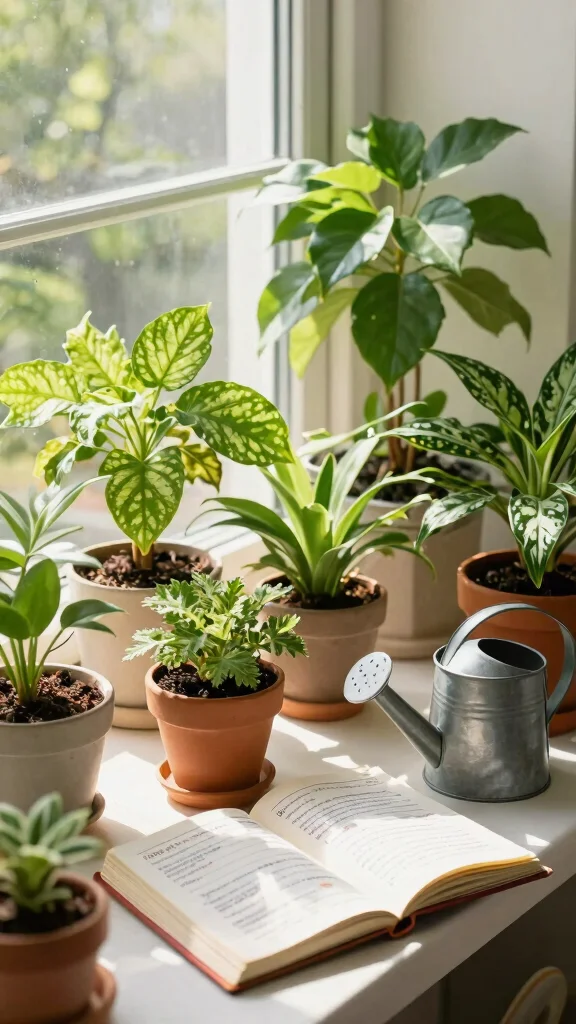
Understanding the signs your houseplants give is key to nurturing them successfully. From drooping stems to vibrant new growth, every signal is a chance to deepen your bond with these green companions. By tuning into their needs, you can create a thriving indoor garden full of life and joy!
Don’t forget to observe and interact with your plants regularly; after all, every leaf tells a story! Happy gardening!
Note: We aim to provide accurate product links, but some may occasionally expire or become unavailable. If this happens, please search directly on Amazon for the product or a suitable alternative.
This post contains Amazon affiliate links, meaning we may earn a small commission if you purchase through our links, at no extra cost to you.
Frequently Asked Questions
What are the 8 common houseplant signs and what do they mean for indoor plant health?
Here are the 8 common houseplant signs and what they mean for indoor plant health, with practical care tips to keep your greenery thriving.
1) Yellowing leaves: Often signals overwatering, poor drainage, or nutrient deficiency. Action: allow the top inch of soil to dry before watering again, check for root rot, ensure the pot has drainage, and fertilize only if nutrients are low.
2) Brown tips or edges: Usually caused by low humidity, overfertilizing, or salt buildup. Action: trim affected tips, flush the soil with plain water, increase humidity, and rinse leaves with room-temperature water.
3) Drooping or limp leaves: Common from underwatering or heat/air stress. Action: water thoroughly, check for hot drafts, move to a more stable environment, and ensure consistent moisture.
4) Leggy growth: Indicates insufficient light. Action: move to brighter light or add a grow light, rotate plant regularly, and prune to encourage fullness.
5) Pale, mottled, or bleached leaves: Could be nutrient deficiency or pest-related. Action: inspect for pests, fertilize appropriately, and adjust light if the plant is getting too much direct sun.
6) Crispy, dry leaves: Often from under-watering or very dry air. Action: increase watering consistency and raise humidity, mist regularly, and check pot moisture.
7) Stunted growth or no new growth: Might be root bound, cold drafts, or inconsistent care. Action: repot into a larger container, check roots, protect from drafts, and maintain steady care routines.
8) Pests or signs of distress (sticky residue, webs, speckles): Sign of pests like scale, aphids, or spider mites. Action: isolate the plant, wash leaves, use insecticidal soap, and treat infestations promptly.
How can I tell if yellowing leaves are caused by overwatering versus underwatering?
Yellowing leaves can be tricky because both conditions can show similar symptoms. Overwatering usually comes with mushy stems, a consistently damp soil scent, and yellowing starting from the oldest leaves due to root rot. Underwatering tends to produce dry, stiff, and curling leaves with soil that pulls away from the pot. Practical steps: check soil moisture with a finger or moisture meter, inspect roots for rot, adjust your watering schedule, ensure your pot drains well, and refresh the soil if salt buildup is present. Remember, the goal is steady moisture and good drainage to protect indoor plant health.
What does a drooping plant mean, and how can I fix it without causing more stress?
Drooping usually signals stress from either water, light, or temperature factors. If the soil is dry, give a thorough watering and consider indirect, bright light. If the soil is stayingly wet, lift the plant, let it dry a bit, then adjust watering frequency and improve drainage. Check for heat or cold shocks from vents, drafts, or direct sun. Inspect for pests and ensure the plant isn’t root-bound. Quick fixes include moving to a more stable microclimate, providing consistent moisture, and rotating the plant so all sides get light.
Can houseplant signs reveal symbolism, and how can understanding this help in a plant care guide?
Yes, many people enjoy interpreting houseplant signs symbolically—colors, growth patterns, and overall vigor can reflect mood or intention. In a plant care guide, this adds a storytelling layer: vibrant, lush growth might symbolize vitality and good care, while yellowing or slowed growth could cue a reader to adjust houseplant care tips like light, water, and humidity. Use symbolism to guide practical actions rather than superstition: treat signs as signals for indoor plant health improvements and plant care guide updates.
What are the best practical, everyday tips to prevent distress signs and keep houseplants healthy year-round?
Adopt a simple, repeatable routine: monitor light exposure and rotate plants for even growth, water when the top inch of soil dries (adjust by species), use well-draining soil and pots, and maintain stable temperatures and humidity. Regularly inspect for pests, wipe leaves to aid photosynthesis, and refresh soil every 1–2 years or when roots appear crowded (root bound). Clean, consistent care reduces distress signs and keeps indoor plant health strong, a key part of any plant care guide.
Related Topics
houseplant signs
plant care tips
indoor plant health
plant distress signs
houseplant symbolism
beginner friendly
easy plant care
indoor gardening
houseplant guide
plant wellness
urban jungle
home decor