
Living in an apartment without a yard shouldn’t stop you from enjoying fresh food. If you feel the desire to grow your own vegetables and herbs, you’re not alone. Many city dwellers share this craving for homegrown goodness. That’s why I created this post, to show you that you can grow food indoors in your apartment, no yard required.
This guide is perfect for urban gardeners, apartment dwellers, or anyone seeking a little green in their life. If you’re keen on indoor gardening, container gardening, or urban farming, you’ll find valuable insights here. I’ve pulled together 10 creative ideas to help you maximize your space and grow your own food indoors. These ideas are practical, fun, and simple enough to get you started right away.
By reading further, you’ll discover techniques like vertical herb gardens, hydroponic systems, and even how to set up your own indoor salad bar. You’ll gain the confidence you need to turn your apartment into a flourishing garden oasis that fits your lifestyle. Get ready to enjoy delicious homegrown produce right from the comfort of your own home!
Key Takeaways
– Discover 10 creative methods to grow food indoors, tailored for apartment living and small spaces.
– Learn about vertical herb gardens, which help maximize limited space while providing fresh flavors.
– Explore hydroponic systems that allow you to grow plants without soil, making indoor gardening cleaner and more efficient.
– Find out how to plant microgreens and sprout seeds, both of which are quick to grow and packed with nutrients.
– Get tips on seasonal indoor gardening to ensure you can enjoy fresh produce throughout the year, regardless of external weather conditions.
1. Vertical Herb Gardens
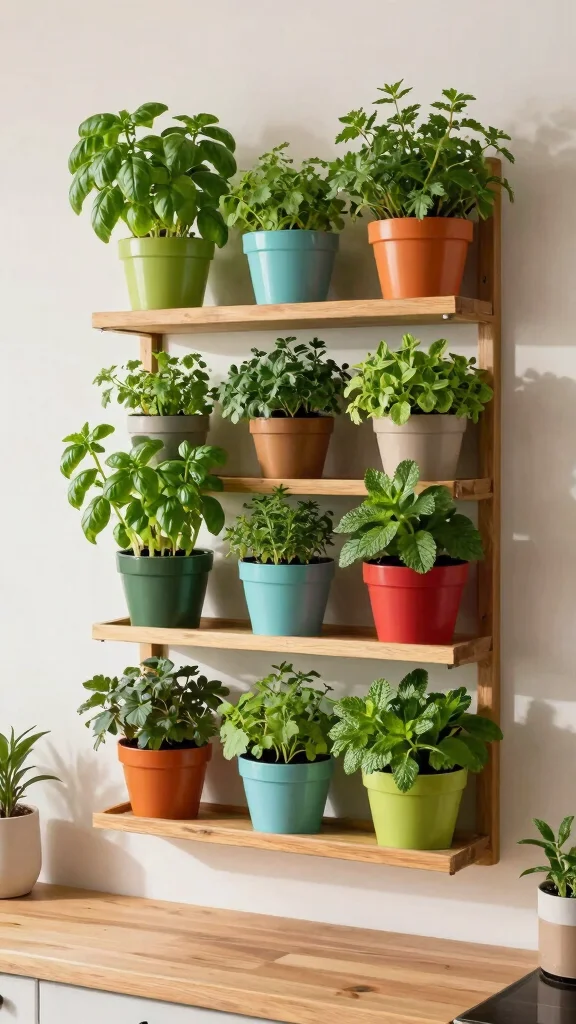
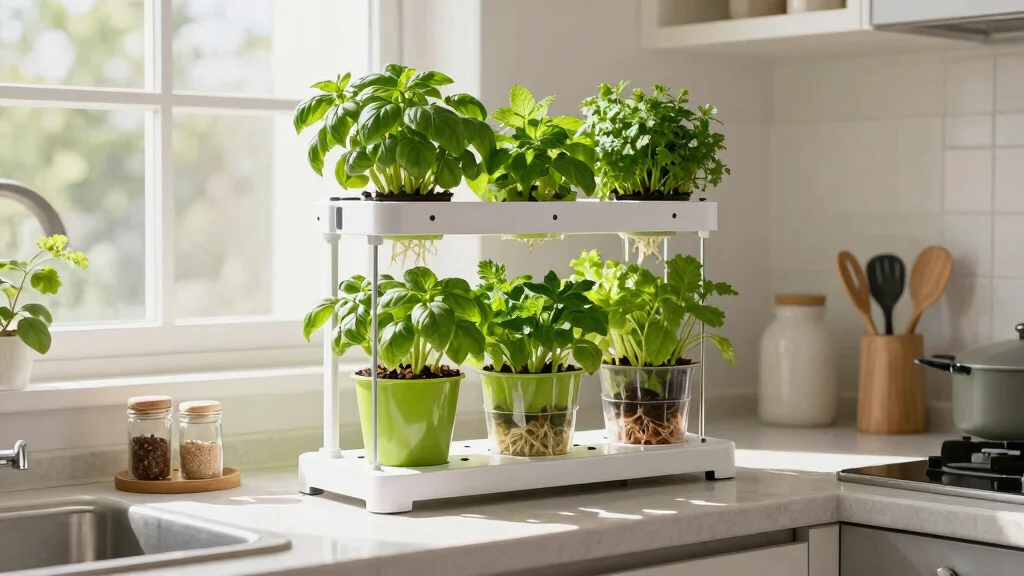
Are you longing for fresh herbs but short on space? Vertical herb gardens offer a stylish solution, utilizing wall-mounted planters or shelves to grow your favorite herbs right in your kitchen. Imagine snipping fresh basil or thyme while you cook, adding vibrant flavors to your dishes effortlessly!
Not only do these gardens save valuable counter space, but they also enhance your cooking experience with fresh flavors and aromas. You can easily create a DIY vertical garden using reclaimed wood or opt for ready-made planters. Just remember to choose herbs that thrive in bright conditions and keep them well-watered for a healthy harvest.
Tips:
– Pair herbs that work well together, such as basil and oregano.
– Place your garden in a sunlit area for best results.
– Self-watering pots can simplify your garden care.
Vertical Herb Gardens
Editor’s Choice
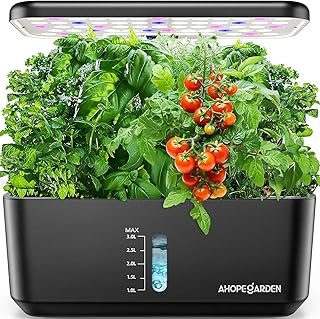
Ahopegarden Indoor Garden Hydroponics Growing System: 10 Pods Plant Germ…

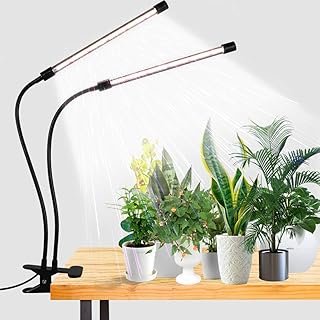
GooingTop LED Grow Light,6000K Full Spectrum Clip Plant Growing Lamp wit…
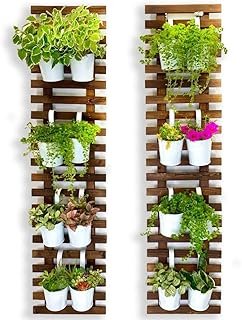
ShopLaLa Wall Planter – 2 Pack, Wooden Hanging Large Planters for Indoor…
2. Hydroponic Systems
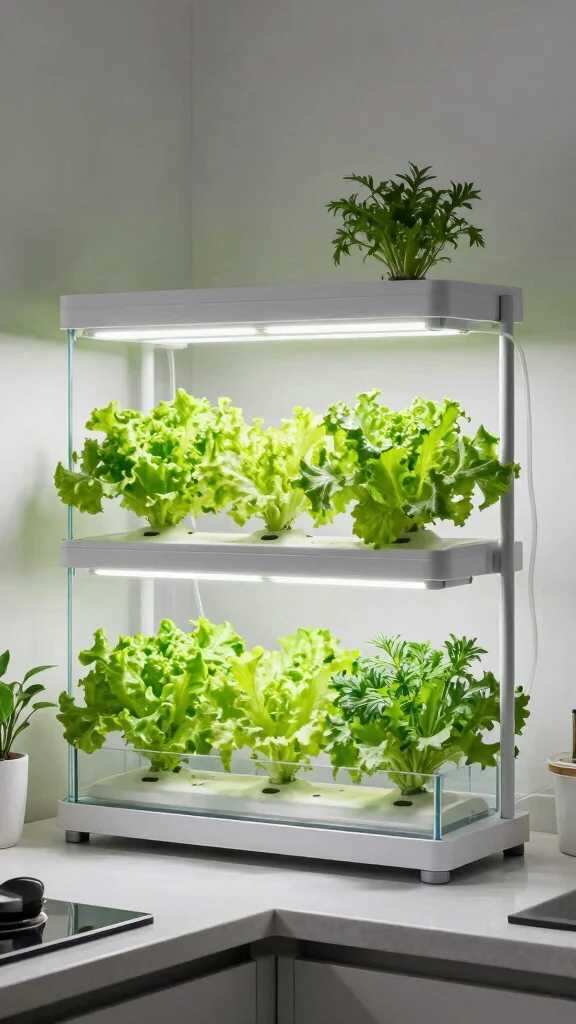
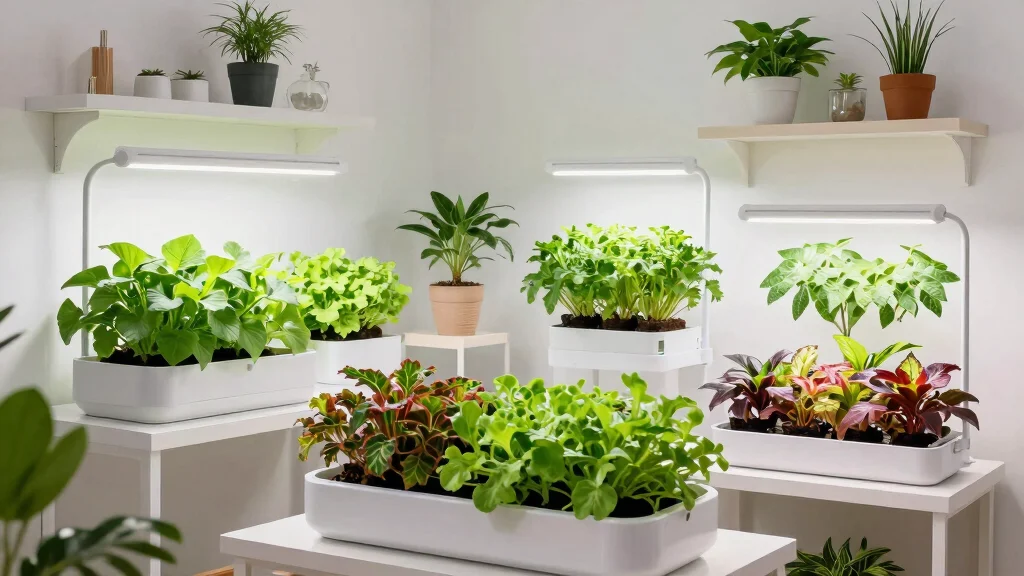
Craving a soil-free method to grow your food indoors? Hydroponic systems are an exciting way to cultivate plants right in your apartment, using nutrient-rich water for faster growth. Imagine plucking crisp lettuce or juicy cherry tomatoes directly from your setup!
These systems come in various forms, from compact countertop units to larger setups for more extensive gardens. They use less water than traditional methods, making them eco-friendly and efficient. Ensure you have the right lighting, as LED grow lights can effectively mimic natural sunlight and support healthy plant growth.
Tips:
– Start with easy-to-grow leafy greens like lettuce or spinach.
– Keep an eye on nutrient levels for robust plant health.
– Regularly check your water’s pH to enhance nutrient absorption.
Craving a soil-free way to grow food indoors apartment? Hydroponic systems make it possible with compact setups you can fit on a countertop. Start with a small unit, monitor nutrient-rich water and light, and you’ll harvest fresh greens faster than traditional soil methods.
Hydroponic Systems
Editor’s Choice
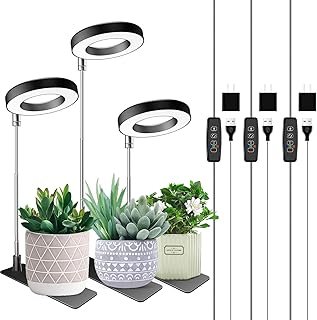
Aokrean Plant Grow Light, 48 LEDs Full Spectrum Grow Lights for Indoor P…
Ahopegarden Indoor Garden Hydroponics Growing System: 10 Pods Plant Germ…
Liquid Plant Food for use in AeroGarden, IDOO and Hydroponic Growing Sys…
3. Container Gardening
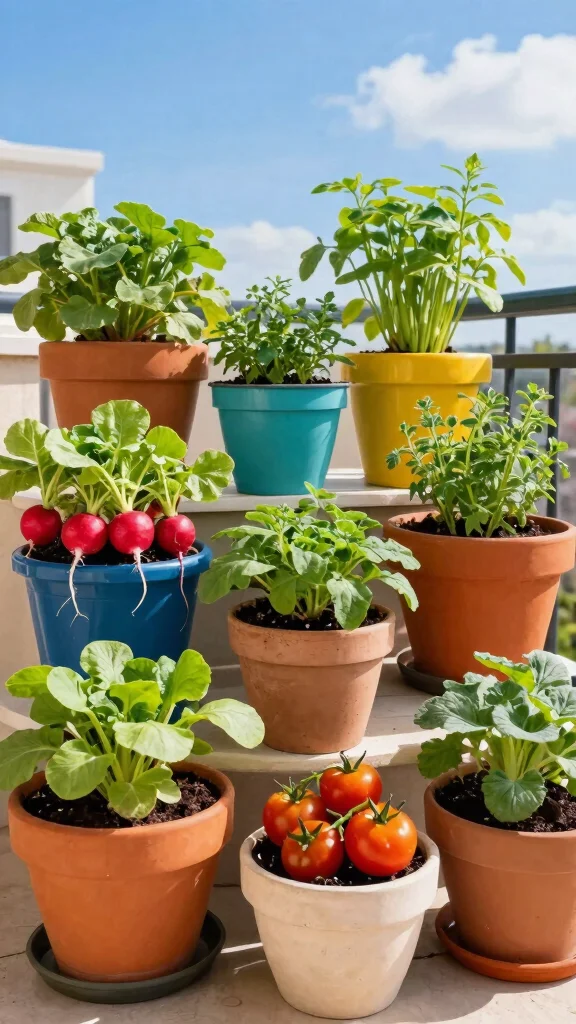
Looking to grow food indoors without a yard? Container gardening is the perfect answer, allowing you to use various containers—ceramic pots, plastic bins, or even old crates—to cultivate your favorite veggies and herbs. This method offers design flexibility and lets you move plants around for optimal light exposure.
Make sure your containers have drainage holes to prevent overwatering. Start with compact plants like radishes, dwarf tomatoes, or peppers that flourish in smaller spaces. Container gardening not only beautifies your home but also gives it a personal touch with your indoor garden.
Tips:
– Choose quality potting soil for healthier roots.
– Group your containers to create a charming mini garden.
– Rotate your plants occasionally for even growth.
Container Gardening
Editor’s Choice
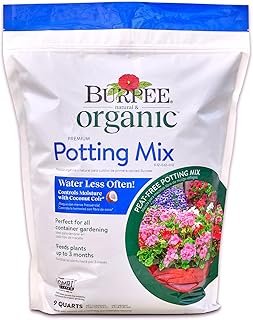
Burpee, 9 Quarts | Premium Organic Potting Natural Soil Mix Food Ideal f…
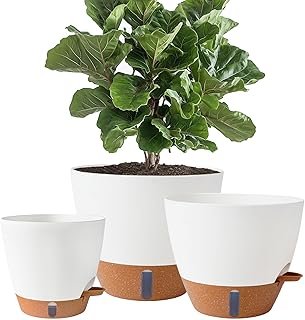
8/10/12 Inch Self Watering Pots for Indoor/Outdoor Plants – Large Plasti…
4. Indoor Microgreens
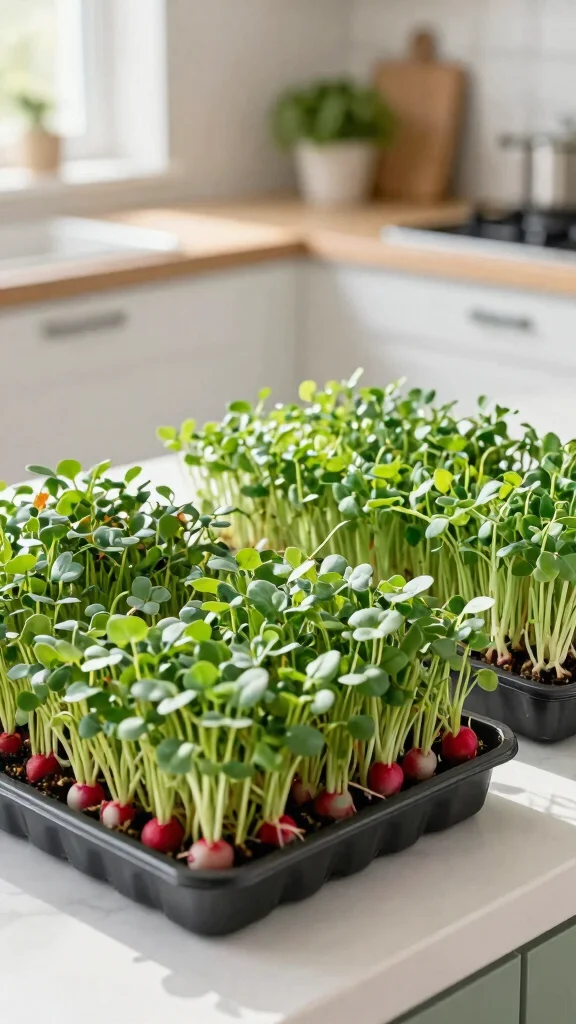
Want to add fresh greens to your meals effortlessly? Microgreens are tiny, nutrient-rich seedlings that you can easily grow indoors. They thrive on sunny windowsills and are ready to harvest in just two weeks! Varieties like radish, pea shoots, and sunflower microgreens pack flavor and nutrition into your salads and sandwiches.
Growing microgreens is space-efficient; you can use small trays or even recycled containers. Simply fill them with soil, sprinkle seeds, mist with water, and watch them flourish! This gardening project is perfect for beginners and provides quick rewards.
Tips:
– Sow seeds closely for a fuller harvest.
– Keep the soil moist without overwatering.
– Harvest when the first true leaves appear for maximum flavor.
❝ Fun fact: Microgreens can be ready in as little as 10–14 days from sowing. In a sunny apartment window, small trays grow radish, pea shoots, and sunflower greens for quick, nutrient-packed additions to salads and sandwiches. ❞
📹 Related Video: #35 Grow Vegetables Indoors: Microgreens & Sprouts – From Seed to Harvest
Indoor Microgreens
Editor’s Choice
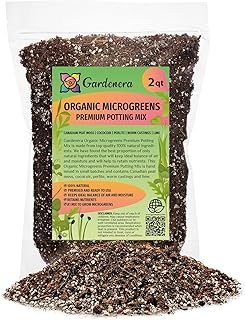
100% Natural Organic Microgreens Premium Potting Mix by Gardenera: Ideal…
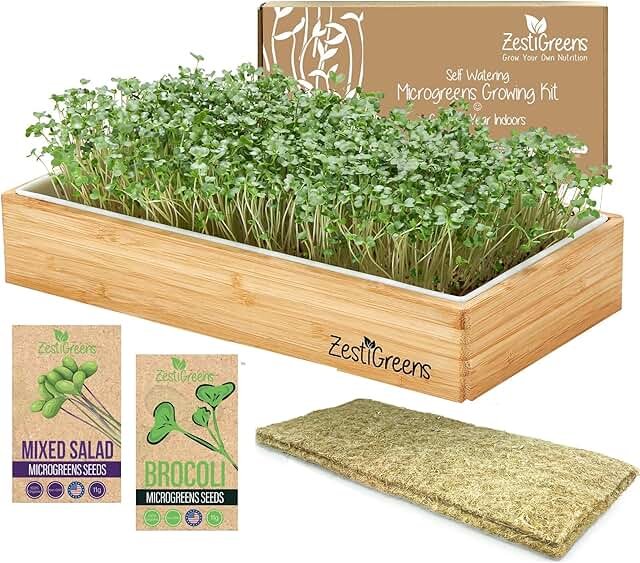
Organic Self-Watering Microgreens Growing Kit – Reusable Indoor Grow T…
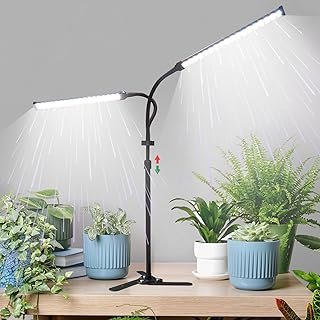
2026 Professional Grow Lights for Indoor Plants Growing, 162 LEDs 6000K …
5. Sprouting Seeds
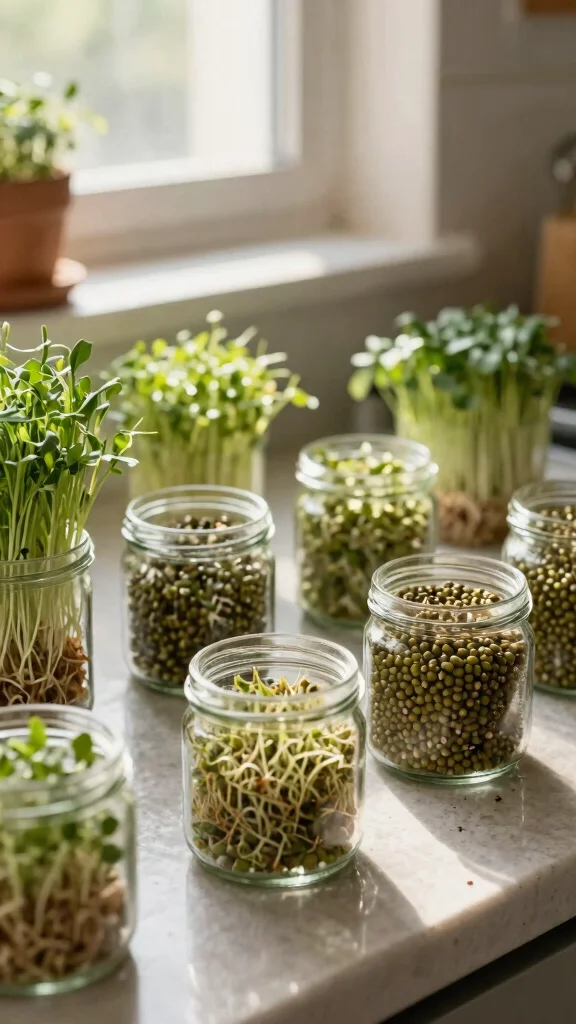
Looking for a fun, economical way to boost your diet with fresh greens? Sprouting seeds like alfalfa, mung beans, and broccoli is a simple process that requires no soil—just a jar, water, and seeds!
Start by soaking seeds for a few hours, then rinse and drain them. Place them in a jar covered with cheesecloth for airflow, and rinse them daily. Within a week, you’ll have crunchy, fresh sprouts perfect for salads, sandwiches, or stir-fries.
Tips:
– Opt for organic seeds for the best results.
– Store your sprouts in the fridge for longer freshness.
– Try different seed varieties to find your favorites.
You might also like
Sprouting Seeds
Editor’s Choice
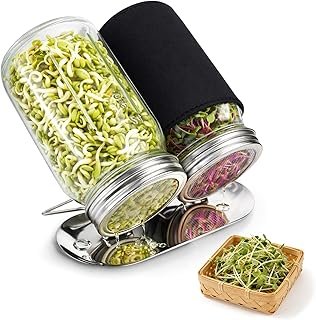
Sprouting Kit with Glass Sprouting Jars & Stainless Steel Sprouting Lids…
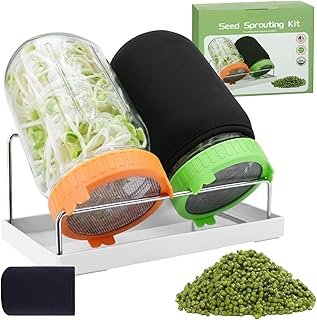
Seed Sprouting Jar Kit with Mung Beans 2.9oz, 2 Large Wide Mouth Mason J…
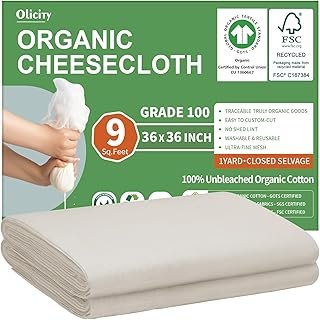
Organic Cheese Cloths, GOTS Certified, Grade 100, 36x36Inch, Reusable Ch…
6. Window Sill Gardens
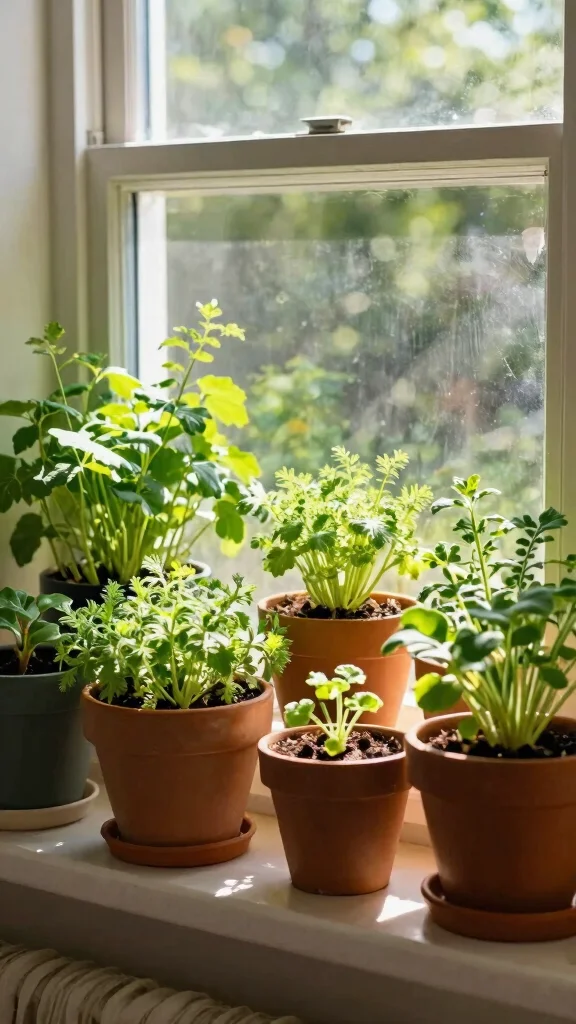
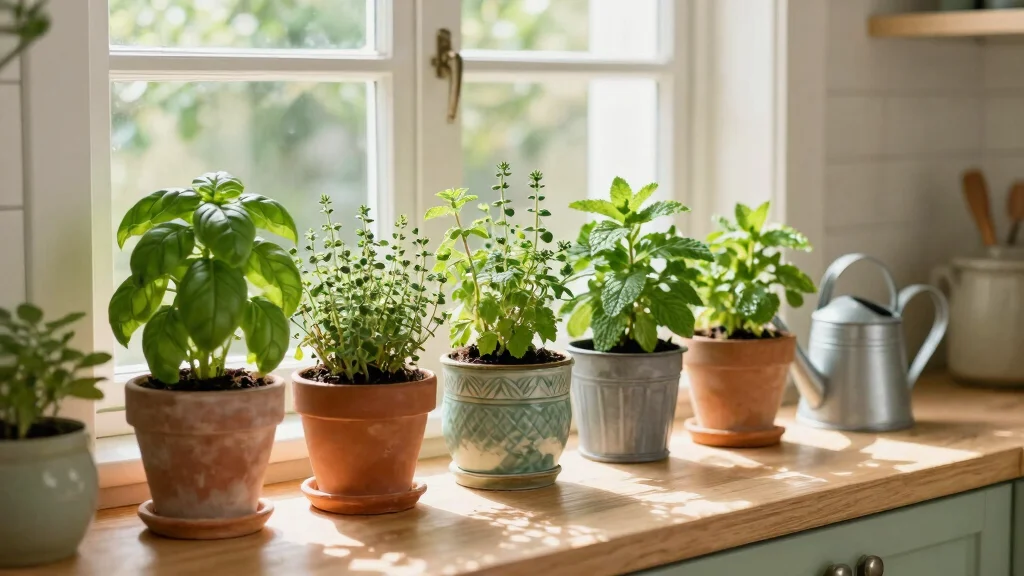
Want to maximize natural light for your indoor plants? Window sills are ideal for growing herbs and small vegetables, especially in south-facing windows that receive ample sunlight. You can create an attractive display by arranging various pots along your sill.
Consider planting chives, parsley, or dwarf peppers that do well in smaller containers. The warmth from the sunlight will help your plants thrive, so don’t forget to rotate your pots to encourage even growth!
Tips:
– Choose lightweight pots to protect your window sills.
– Ensure proper drainage to avoid water buildup.
– Decorate with stones or pebbles for added visual appeal.
How To Choose The Right Indoor Gardening System
When you decide to grow food indoors in your apartment, choosing the right indoor gardening system is crucial for success. Here’s how to make the best choice for your space and needs:
1. Size Matters
The size of your indoor garden will impact how much food you can grow. Measure the space you have available, such as a corner of your kitchen or a sunny windowsill. Consider going vertical with shelves or wall-mounted planters if floor space is limited. Aim for vertical gardens or systems that fit snugly on countertops to maximize your growing area without cluttering your apartment.
2. Type of Plants
Think about what you want to grow. Are you interested in herbs, leafy greens, or perhaps some small fruiting plants? Different plants have unique light and space requirements. For example, herbs like basil and mint thrive in smaller pots, while tomatoes may need larger containers. Research the plants you want and ensure your chosen system supports their growth needs.
3. Light Requirements
Light is essential for indoor gardening. Check how much natural light your chosen location receives throughout the day. If your apartment lacks adequate sunlight, consider investing in LED grow lights. These lights can simulate sunlight and allow you to grow a wider variety of plants year-round. Make sure your system can accommodate these lights if necessary.
4. Watering System
Different indoor gardening systems have various watering options. You can choose from soil-based systems where you water directly or hydroponic systems that automate the process. Think about the level of maintenance you’re comfortable with. If you’re busy, a self-watering container or hydroponic setup might be a better fit. Look for systems that have built-in reservoirs to help reduce the frequency of watering.
5. Materials and Durability
Consider the materials of your gardening system. Plastic is often lighter and more affordable, while ceramic or metal can be more durable and aesthetically pleasing. Choose materials that can withstand moisture and are easy to clean. If you’re eco-conscious, look for sustainable options made from recycled materials.
6. Budget
Set a budget before choosing your indoor gardening system. There’s a wide range of options available, from simple containers to elaborate hydroponic setups. Determine what you’re willing to spend and look for systems that fit within that range. Remember, investing in a quality system can lead to better growth and yields in the long run.
Pro Tip: Always start small. When starting your indoor garden, opt for a few plants you love. This way, you can learn and adapt your methods without feeling overwhelmed. Once you’re comfortable, you can expand your gardening efforts!
Window Sill Gardens
Editor’s Choice
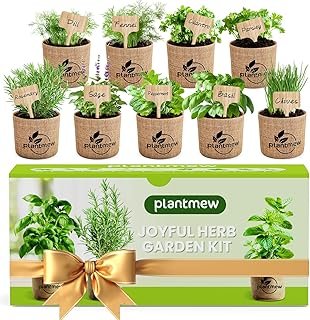
Gift for Women, Mom, Her – 9 Herb Indoor Window Garden Kit | Complete …
8/10/12 Inch Self Watering Pots for Indoor/Outdoor Plants – Large Plasti…
GooingTop LED Grow Light,6000K Full Spectrum Clip Plant Growing Lamp wit…
7. LED Grow Lights
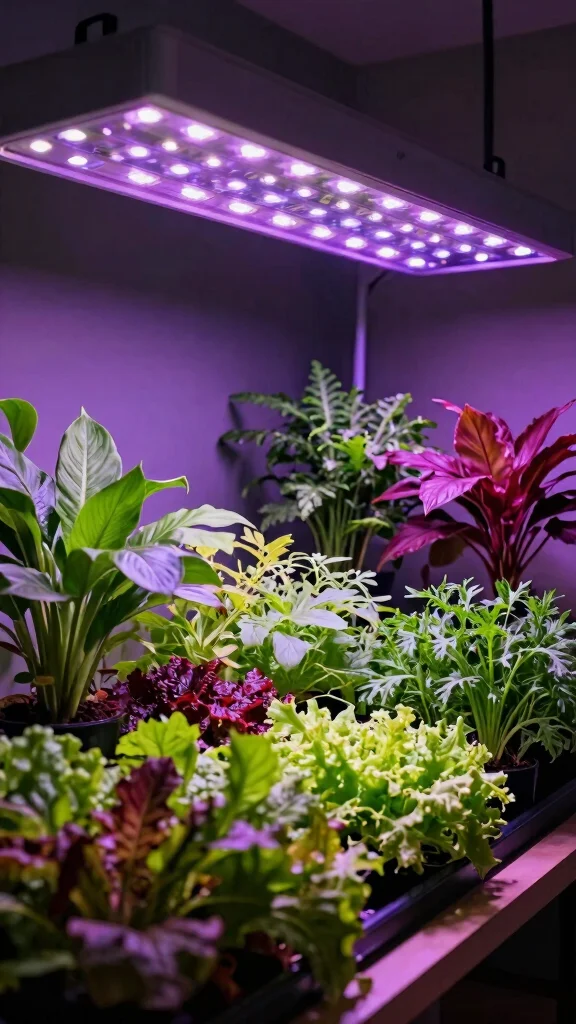
Limited on natural sunlight? LED grow lights are an excellent solution for your indoor garden. These lights mimic sunlight, providing the right spectrum for photosynthesis and supporting healthy plant growth in dim spaces.
Set up your grow lights above your indoor plants, ensuring they are appropriately distanced to prevent burning. Many LED lights come with adjustable settings, allowing you to fine-tune the light spectrum based on your plants’ growth stages.
Tips:
– Use full-spectrum lights for versatile growth.
– Set a timer for a consistent light schedule.
– Monitor plant responses to adjust lighting as needed.
Fun fact: LED grow lights use up to 70% less energy while boosting yields for grow food indoors apartment setups. Place lights just above your plants and adjust distance to prevent burning, then tweak the spectrum as growth stages shift.
LED Grow Lights
Editor’s Choice
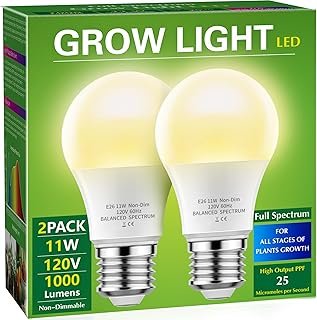
Grow Light Bulbs, Briignite LED Grow Light Bulb A19 Bulb, Full Spectrum …
Aokrean Plant Grow Light, 48 LEDs Full Spectrum Grow Lights for Indoor P…
GooingTop LED Grow Light,6000K Full Spectrum Clip Plant Growing Lamp wit…
8. Indoor Fruit Trees
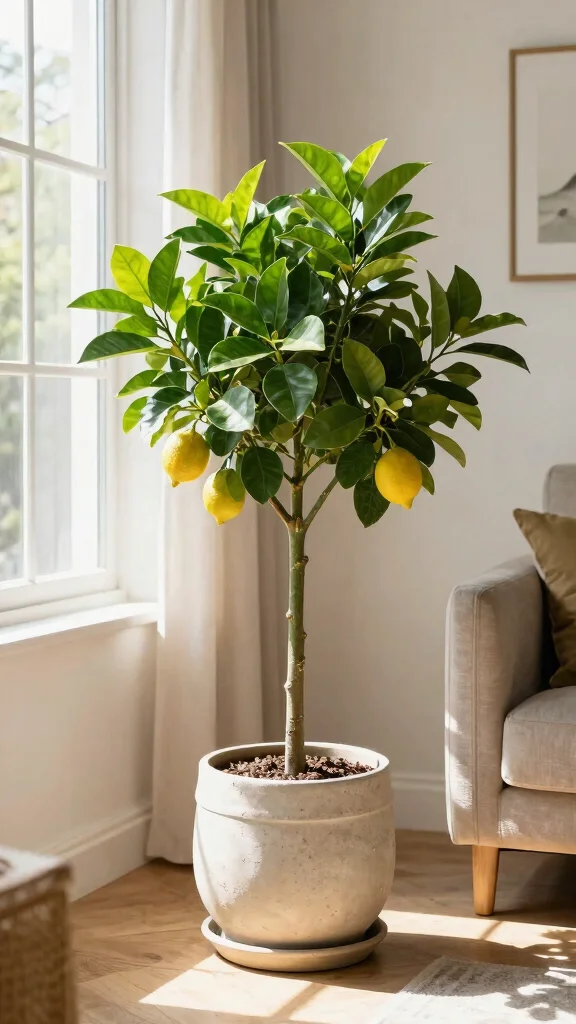
Did you know you can grow fruit trees indoors, even in small apartments? Dwarf varieties of citrus and fig trees are perfect for limited spaces, offering delicious fruits while adding a tropical touch to your decor.
Dwarf citrus trees like calamondin or lemons thrive indoors and can bear fruit year-round with proper care. Place them near a sunny window and maintain regular watering and fertilization. Watching your trees grow and produce fruit is a delightful experience!
Tips:
– Choose pots that are at least 12 inches deep for healthy roots.
– Ensure well-draining soil and fertilize consistently.
– Prune as needed to encourage bushier growth.
You Might Also Like
Indoor Fruit Trees
Editor’s Choice
Miracle-Gro Indoor Plant Food for All Plants, Liquid Plant Food for Hous…
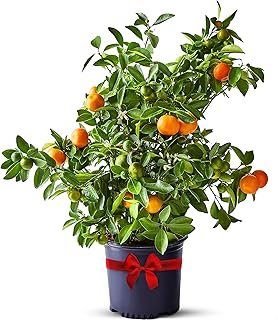
Calamondin Tree Live Plants 13″ – 22″ Tall Indoor Outdoor Fruit Tree Pla…
Utopia Home Plant Pots Indoor with Drainage Holes – Set of 5 White Pla…
9. Salad Bar Setup
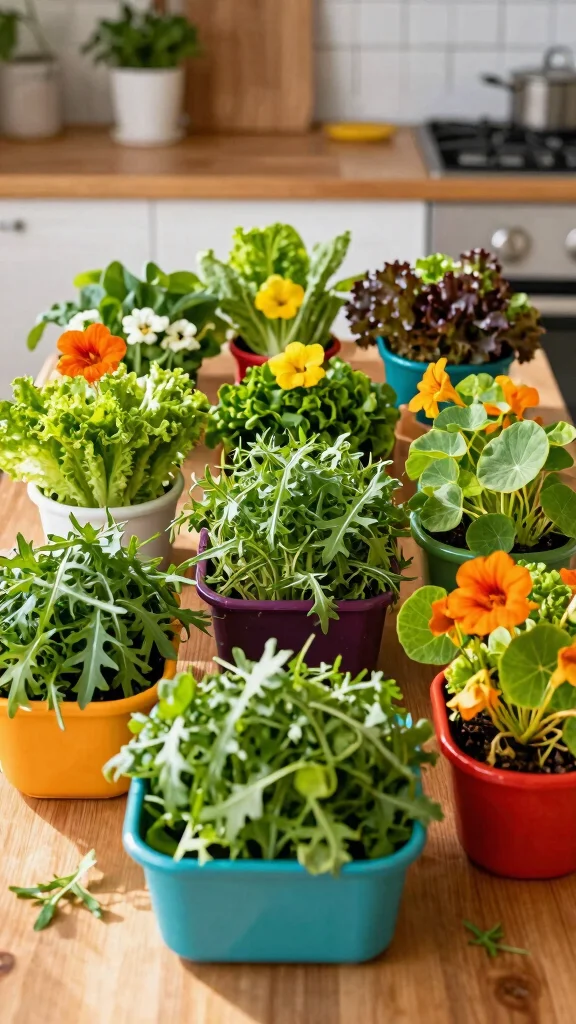
Want to create a mini salad bar in your kitchen? This fun project allows you to grow salad greens like arugula, spinach, and lettuce, making it easy to grab fresh ingredients whenever the craving strikes!
Set up a few containers on your counter or table, choosing greens that grow well together. Don’t forget to add edible flowers like nasturtiums for flavor and a splash of color. This not only promotes healthy eating but also showcases your indoor gardening skills!
Tips:
– Use shallow containers for quicker growth.
– Mix different textures and colors for visual appeal.
– Regularly trim leaves to encourage new growth.
Salad Bar Setup
Editor’s Choice
EZ Leafy Planter – Self-Watering Indoor Planter Box with Reservoir & H…
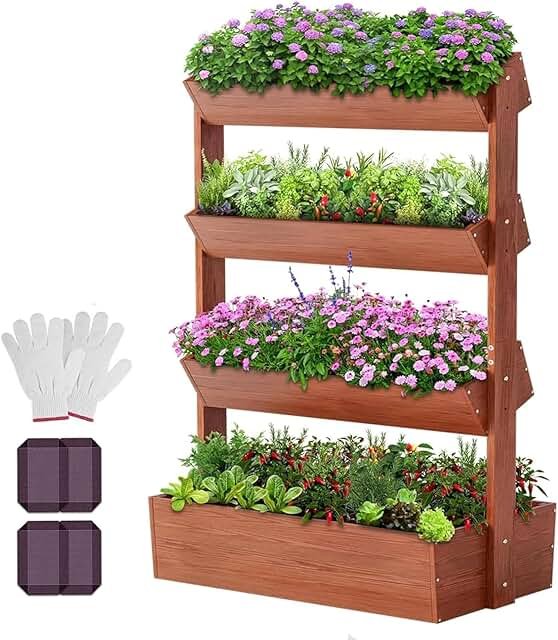
DoCred Vertical Wooden Raised Garden Bed, 4 Tier Garden Planters Freesta…
GooingTop LED Grow Light,6000K Full Spectrum Clip Plant Growing Lamp wit…
10. Seasonal Indoor Gardening
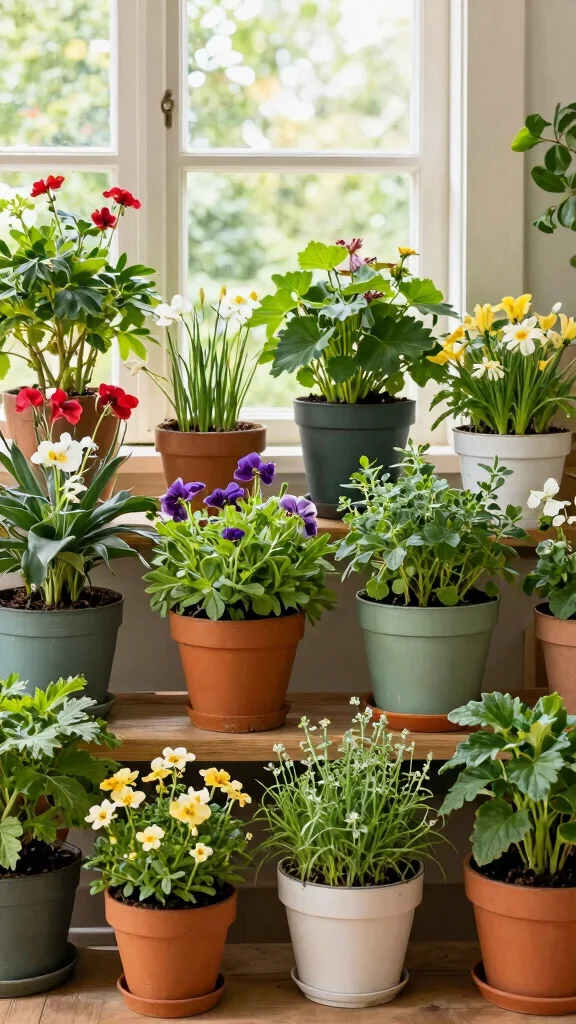
Want to keep your indoor garden fresh and engaging? Embrace seasonal gardening by rotating your plants based on the time of year. This practice not only diversifies your indoor garden but also allows you to grow a variety of plants throughout the year.
For instance, grow cool-season crops like kale or radishes during winter, and switch to warm-season favorites like tomatoes and peppers in summer. Consider creating a planting calendar to track the best times for each crop and design seasonal displays to enhance your indoor garden’s aesthetics.
Tips:
– Research which plants thrive in your indoor conditions year-round.
– Clean and refresh your containers between seasons.
– Get creative with seasonal decorations to brighten your space.
Seasonal Indoor Gardening
Editor’s Choice
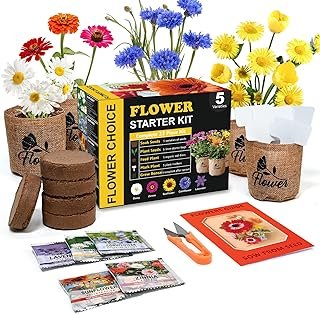
Indoor Daisy Garden Starter Kit with Gardening Tools – Planter Bags, Mar…
Gardening Log Book and Planner: Monthly Garden Planting Journal and Orga…
Aokrean Plant Grow Light, 48 LEDs Full Spectrum Grow Lights for Indoor P…
Conclusion
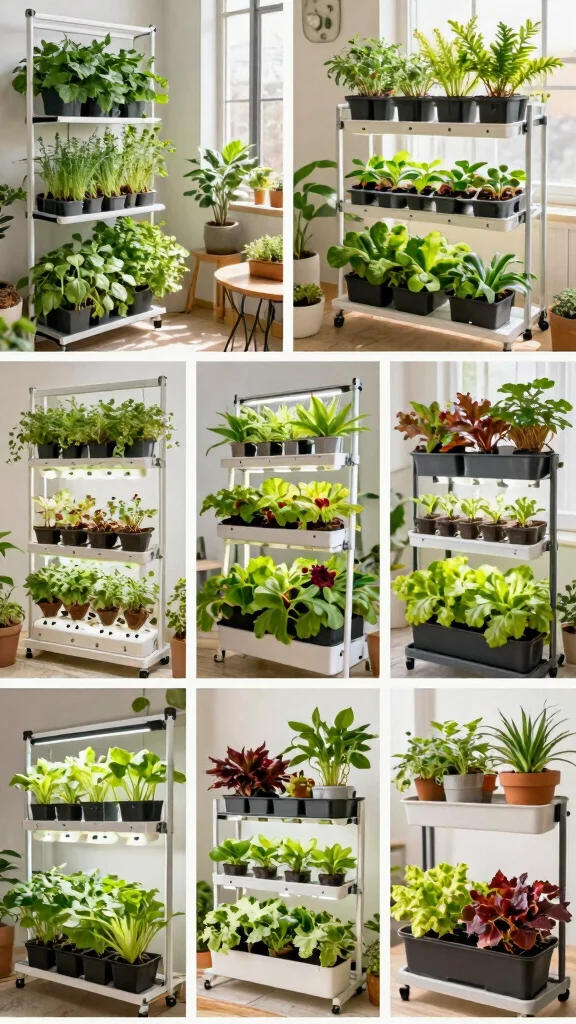
Transforming your apartment into a thriving indoor garden is more than just a trend—it’s a lifestyle. By implementing these creative ideas, you can grow your own fresh food, reduce your carbon footprint, and beautify your living space all at once. Whether you’re a seasoned gardener or just starting, remember that every little bit counts, and every plant brings joy. Embrace the urban gardening adventure and enjoy the fruits (and veggies) of your labor!
Note: We aim to provide accurate product links, but some may occasionally expire or become unavailable. If this happens, please search directly on Amazon for the product or a suitable alternative.
This post contains Amazon affiliate links, meaning we may earn a small commission if you purchase through our links, at no extra cost to you.
Frequently Asked Questions
How can I grow food indoors in an apartment with no yard?
To grow food indoors in an apartment with no yard, start with a simple plan. Choose between container gardening using soil or a compact hydroponic setup. Pick crops that give fast returns and fit small spaces, like lettuce, spinach, herbs, and dwarf tomato varieties. Create vertical space with a tiered shelf or wall-mounted planters. If you have good natural light, you may rely on that; if not, add a full spectrum LED grow light to provide 12-16 hours of light per day. Set up a small system and choose space-saving containers.
Watering and nutrients depend on your method: soil containers need regular watering and quality potting mix; hydroponics needs a nutrient solution and a reservoir.
Maintain a comfortable indoor climate around 65-75F and moderate humidity. With a little planning, you can grow a steady supply of fresh produce right at home.
What essential equipment do I need for indoor gardening in a small apartment?
Here are the basics for indoor gardening in a small space: a bright grow light or natural sun, lightweight planters or containers, a tray to catch excess water, and a reliable watering system. If you lean toward container gardening, pick pots with drainage and good potting mix. For a mixed setup or faster results, you can try a compact hydroponic kit with a reservoir, air pump, and net pots. Add a small fan for airflow, a timer for lights, and a pH/nutrient tester to keep plants fed. Finally, a shelf or vertical rack helps with small space gardening and urban farming style in an apartment. Start simple and scale up as you gain confidence.
Should I use hydroponics or soil-based container gardening for apartment garden ideas?
Both can work in apartments, so your pick depends on effort, budget, and goals. For urban farming in a compact space, hydroponics can maximize yields and speed up growth, but it requires more setup and ongoing maintenance. If you want simplicity and lower cost, start with container gardening in pots or smart planters. You can still experiment with vertical stacking to fit more plants in small spaces. Think of apartment garden ideas that combine beauty and edible crops. If you want faster results with less mess, try a small hydroponic starter kit; if you prefer hands-on, soil-based containers are forgiving and easy to learn.
Which crops are best for a compact indoor setup?
For small space gardening in an indoor apartment, choose quick, compact crops: leafy greens like lettuce, spinach, and arugula; herbs such as basil, cilantro, and chives; compact cherry tomatoes or dwarf peppers; and microgreens. In container gardening, these fit in 6-12 inch pots; in urban farming hydroponics, you can push slightly larger options. Rotate crops every 4-6 weeks to keep harvests coming. Pair herbs with greens on a sunny windowsill for a fresh, convenient apartment garden ideas setup.
How much light and water do I need to grow food indoors apartment successfully?
Light wise, most leafy greens and herbs need 12-16 hours of light daily; consider 600-1000 lumen per square foot for strong growth, using LEDs for energy efficiency. For soil containers, water when the top inch of soil dries; for hydroponics, keep a steady nutrient solution in the reservoir and monitor pH around 5.5-6.5. Aim for temperatures around 65-75F and moderate humidity. Use a simple schedule: check moisture daily, refill nutrients weekly, and adjust as plants grow. With consistent light, water, and care, you can reliably harvest fresh produce right in your apartment garden ideas setup.
Related Topics
urban hydroponics
indoor gardening
apartment garden
container gardening
small space gardening
easy planting
sustainable living
herb garden
beginner friendly
no yard gardening
vertical gardening
self-sufficient