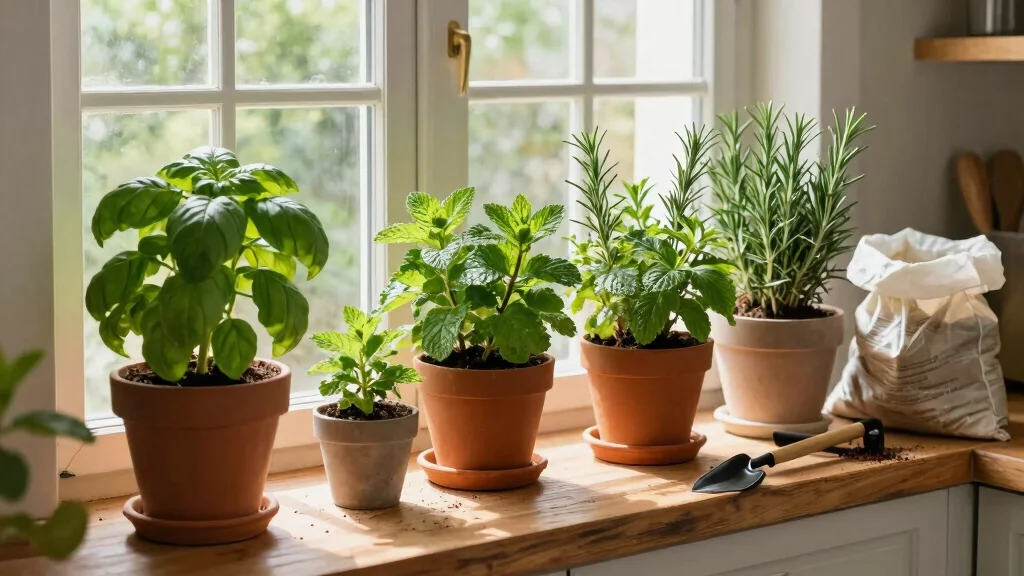
Indoor gardening has become more than just a trend; it’s a way to bring a slice of nature into your home. If you’ve been yearning for that fresh, delightful scent that only fragrant herbs can provide, you’re in the right place. This post is all about sharing the joy of growing your very own fragrant herbs indoors. Not only do they smell amazing, but they also add a touch of green to your living space, making it feel alive and inviting.
If you’re an herb enthusiast or simply someone who appreciates a lovely aroma wafting through their home, this guide is for you. Whether you live in a small apartment or a spacious house, growing herbs indoors can be a rewarding experience. You can enjoy the calming effects of aromatherapy while enhancing your cooking with fresh flavors. In this post, I’ve compiled a list of seven fragrant herbs to grow indoors that are not only easy to care for but also bring a burst of freshness to your home.
You’ll discover the best herbs for indoor growth, along with tips on how to nurture them for maximum aroma. From the sweet scent of basil to the refreshing notes of mint, each herb has its unique characteristics that can uplift your space. By the end of this read, you’ll be equipped with all the knowledge you need to start your very own indoor herb garden filled with aromatic herbs that smell good and look great.
Key Takeaways
– Basil: This sweet kitchen staple is perfect for cooking and adds a delightful fragrance to your home.
– Mint: Known for its refreshing scent, mint can invigorate any space and is great for culinary uses.
– Rosemary: With its earthy and woody aroma, rosemary is not only a fantastic herb for cooking but also enhances your indoor air quality.
– Thyme: A subtle yet invigorating herb, thyme is easy to grow and provides a lovely scent that’s calming.
– Lavender: Famous for its calming aroma, lavender is perfect for relaxation and can help create a soothing atmosphere in your home.
1. Basil: The Sweet Kitchen Staple
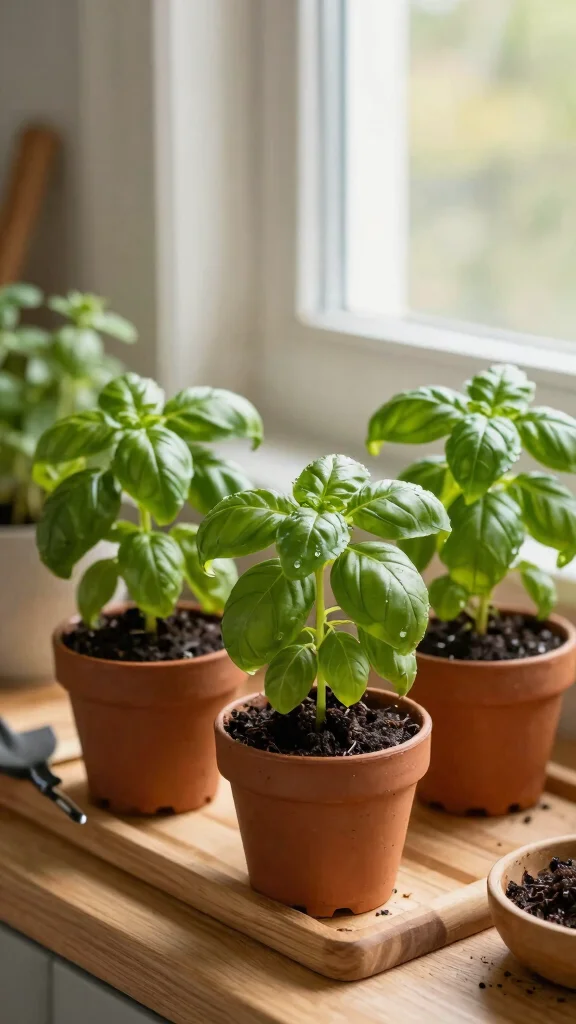
Basil is a kitchen favorite that brings joy to your cooking. Its sweet, peppery fragrance enhances a variety of dishes, making it a must-have in your indoor garden. This herb flourishes in warm conditions, needing around 6 to 8 hours of sunlight each day to thrive.
To enjoy a vibrant basil plant, explore different varieties like Genovese, Thai, or lemon basil, each offering a distinct aroma. Regularly pinch off any flowers to promote new leaf growth and maintain that delightful scent.
Growing Tips:
– Use nutrient-rich, well-draining soil mixed with compost.
– Water consistently, allowing the top inch of soil to dry out.
– Position it near a sunny window or under grow lights for optimal light exposure.
By incorporating basil into your home, you can easily elevate your cooking, whether it’s for a fresh pesto or a delicious Caprese salad.
Did you know a thriving basil plant can scent your kitchen in just 3-4 weeks with 6-8 hours of sun daily? Pinch off flowers and keep it sunny—regular pruning boosts leaf fragrance, making your fragrant herbs to grow indoors feel like a fresh kitchen perfume.
Basil: The Sweet Kitchen Staple
Editor’s Choice
Hydroponic Growing Kit, Self-Watering Mason Jar Herb Garden Starter Kit …

Burpee, 9 Quarts | Premium Organic Potting Natural Soil Mix Food Ideal f…
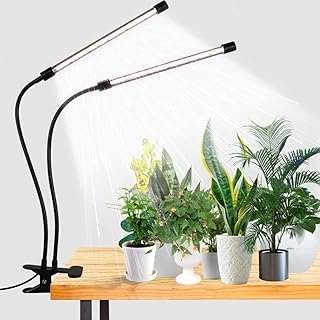
GooingTop LED Grow Light,6000K Full Spectrum Clip Plant Growing Lamp wit…
2. Mint: Refreshingly Sweet Aromatic Herb
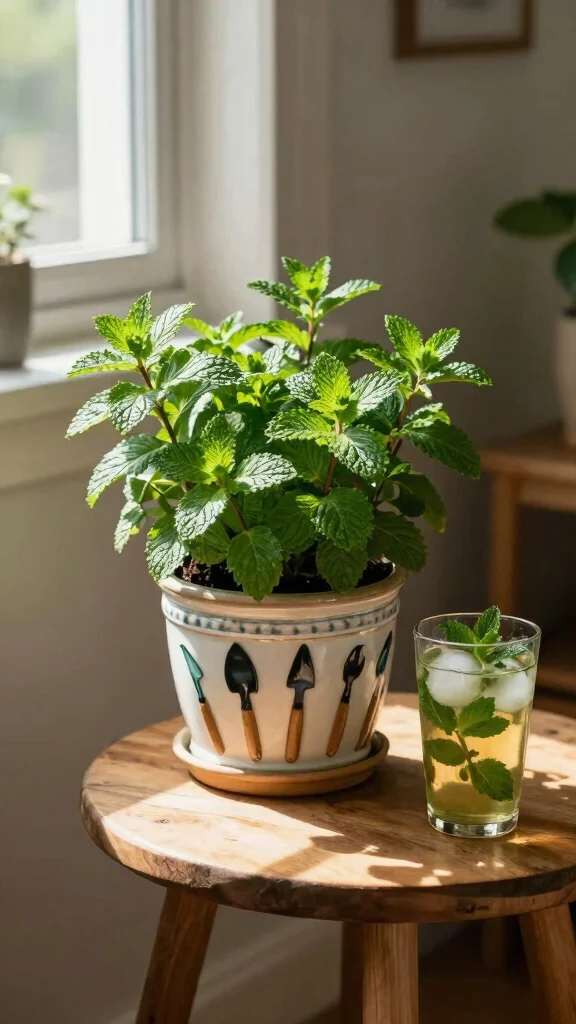
Mint is a delightful herb that adds a refreshing touch to any indoor space. Its invigorating scent can uplift your mood and stimulate your senses. Easy to grow, mint thrives in partial to full sunlight and needs good drainage to flourish.
With varieties like spearmint, peppermint, and chocolate mint, you can enjoy a unique aroma in your kitchen. Regular pruning helps the plant grow bushier, ensuring a steady supply of fresh leaves.
Growing Tips:
– Water frequently while ensuring the soil drains well.
– Keep mint in a contained pot to manage its rapid growth.
– Harvest leaves consistently to encourage new growth and maintain freshness.
Imagine the joy of using freshly picked mint leaves in a cool iced tea or as a garnish for your favorite desserts!
Ongoing Maintenance & Care Guide
Maintenance Schedule:
Daily/Weekly Tasks:
– Watering: Check the soil moisture daily and water your fragrant herbs when the top inch feels dry. This task usually takes about 5-10 minutes.
– Sunlight Check: Rotate your pots weekly to ensure even sunlight exposure. This should take about 2-3 minutes.
– Pest Inspection: Look for pests or signs of disease each week. A quick 5-minute inspection can prevent major problems down the road.
Monthly/Seasonal Tasks:
– Fertilizing: Feed your herbs with a balanced liquid fertilizer once a month. This task will take about 10-15 minutes.
– Pruning: Trim any dead or unhealthy leaves monthly. This helps promote growth and can be done in about 15 minutes.
– Repotting: If your herbs outgrow their pots, consider repotting every 6-12 months. This process will take around 30-45 minutes, depending on the size of the plant.
Maintenance Summary Table:
| Task | Frequency | Difficulty | Time Needed |
|———————-|——————-|————|————–|
| Watering | Daily | Easy | 5-10 mins |
| Sunlight Check | Weekly | Easy | 2-3 mins |
| Pest Inspection | Weekly | Easy | 5 mins |
| Fertilizing | Monthly | Easy | 10-15 mins |
| Pruning | Monthly | Easy | 15 mins |
| Repotting | 6-12 months | Moderate | 30-45 mins |
Common Issues to Watch For:
⚠️ Yellow Leaves: This could mean overwatering or poor drainage. Check the soil and pot for excess water.
⚠️ Wilting Plants: If your herbs appear limp, they may need more water or sunlight. Assess your watering routine and light conditions.
⚠️ Pest Infestation: Look out for tiny bugs or webbing on your herbs. This indicates a need for pest control measures.
Care Tips:
💡 Choose the Right Spot: Place your herbs near a window with plenty of light. Most fragrant herbs need at least 6 hours of sunlight daily.
💡 Avoid Overwatering: Always check the soil before watering. Damp soil can lead to root rot, a common issue for indoor plants.
💡 Group Plants Together: Keeping your herbs close can help maintain humidity, which is beneficial for many fragrant varieties.
Following this maintenance guide will keep your fragrant herbs healthy and thriving indoors. Not only will they smell amazing, but you’ll also enjoy the satisfaction of growing your own aromatic herbs right at home!
Mint: Refreshingly Sweet Aromatic Herb
Editor’s Choice

VIVOSUN 6.5 Inch Gardening Scissors Hand Pruner Pruning Shear with Strai…
GooingTop LED Grow Light,6000K Full Spectrum Clip Plant Growing Lamp wit…
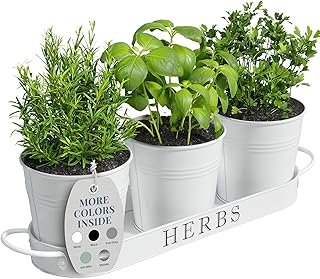
Barnyard Designs Indoor Herb Garden Planter Set with Tray, Metal Windows…
3. Rosemary: Earthy and Woody Aroma
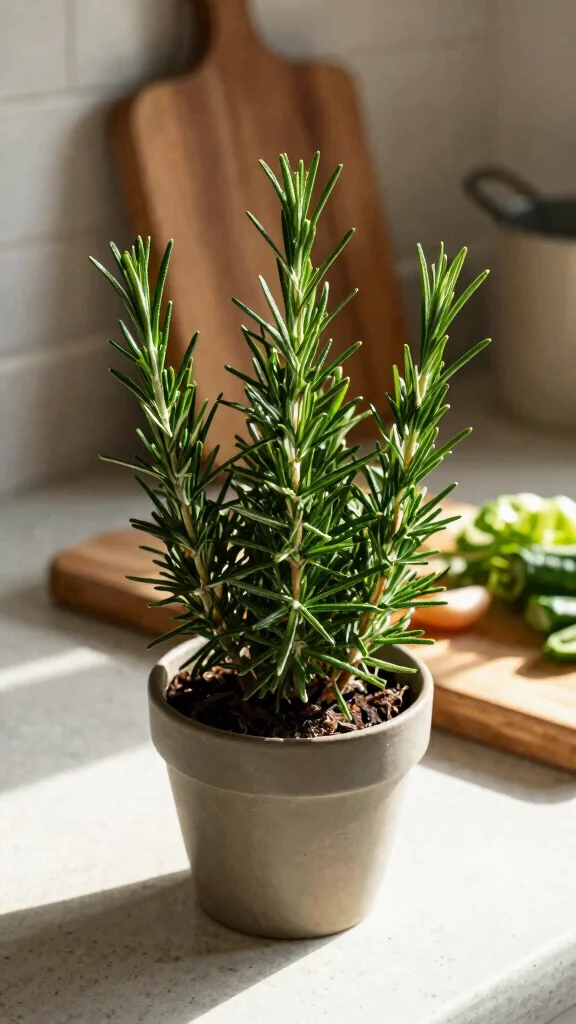
Rosemary is a fragrant herb that brings a warm, earthy scent to your home. Known for its versatility in cooking, this hardy plant can easily become a star in your indoor garden. It thrives in bright light, so make sure to place it in a sunny spot to soak up those rays.
You can use fresh rosemary sprigs to enhance your roast meats or vegetables, and it also works well in aromatic teas. Regular trimming encourages bushier growth and keeps the aroma strong.
Growing Tips:
– Choose a pot with good drainage and a sandy, well-aerated soil mix.
– Allow the soil to dry out slightly between waterings to avoid overwatering.
– Trim regularly to promote bushy growth and a vibrant scent.
By adding rosemary to your indoor garden, you enrich your cooking while filling your home with a delightful natural fragrance.
Fun fact: Regularly trimming rosemary can boost its aroma by up to 50%, turning it into a star among fragrant herbs to grow indoors. Give it bright sun and a quick prune, and you’ll enjoy a bolder, earthy, woody scent that fills your space.
📹 Related Video: Growing Rosemary is SO Easy, You’ll Have to Try To Kill It
Rosemary: Earthy and Woody Aroma
Editor’s Choice
Ahopegarden Indoor Garden Hydroponics Growing System: 10 Pods Plant Germ…
GooingTop LED Grow Light,6000K Full Spectrum Clip Plant Growing Lamp wit…
Seed Needs Rosemary Seeds for Planting – Non-GMO Heirloom & Untreated Pe…
4. Thyme: Subtle Yet Invigorating
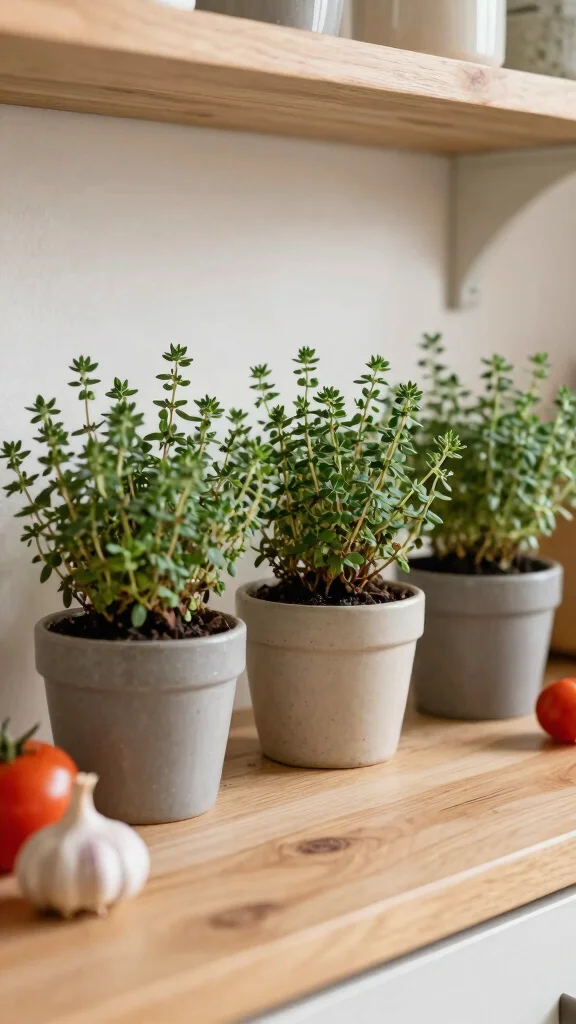
Thyme is an adaptable herb known for its subtle yet invigorating fragrance. This versatile plant can elevate a range of dishes and is perfect for beginners, as it doesn’t require excessive water. With its preference for moderate sunlight, thyme is easy to grow indoors.
You can choose from lemon thyme or creeping thyme, each offering unique flavors. Remember to let the soil dry out between waterings to keep your plant healthy.
Growing Tips:
– Use a pot with good drainage and a sandy potting mix.
– Position it near a sunny window for at least 4-6 hours of light.
– Regularly trim back growth to encourage dense foliage and maintain that lovely aroma.
Keep thyme in your kitchen to always have a fragrant herb at your fingertips, perfect for enhancing your meals!
You might also like
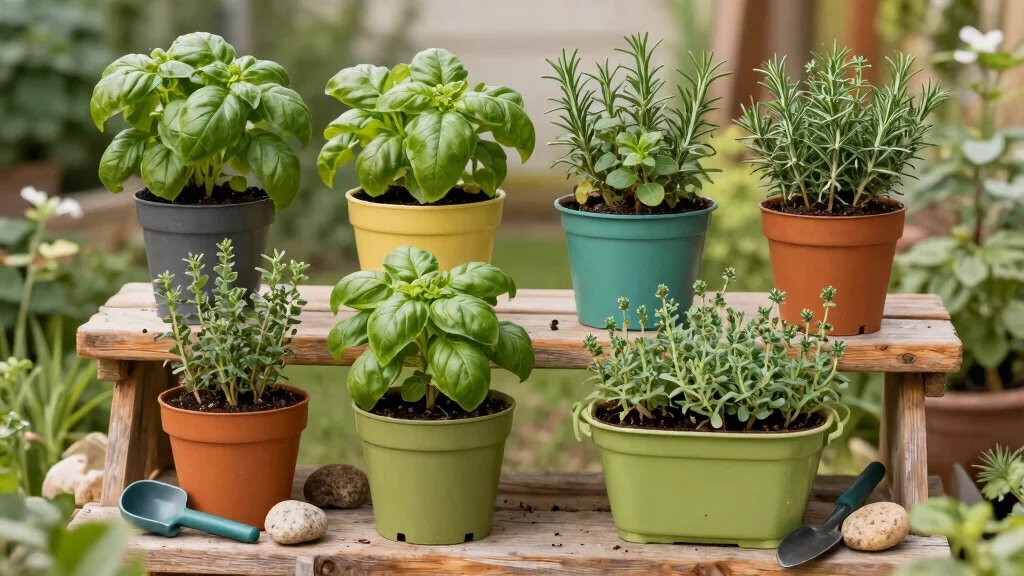
Thyme: Subtle Yet Invigorating
Editor’s Choice
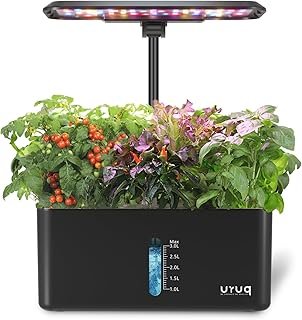
URUQ Hydroponics Growing System Garden: 8 Pods Indoor Herb Garden with G…
Miracle-Gro Indoor Potting Mix for All Plants, Use with Houseplants and …
Self-Watering Pots for Indoor and Outdoor Plants 4 Pack, 6/8/10/12 Inch …
5. Lavender: Calming Aroma for Your Home

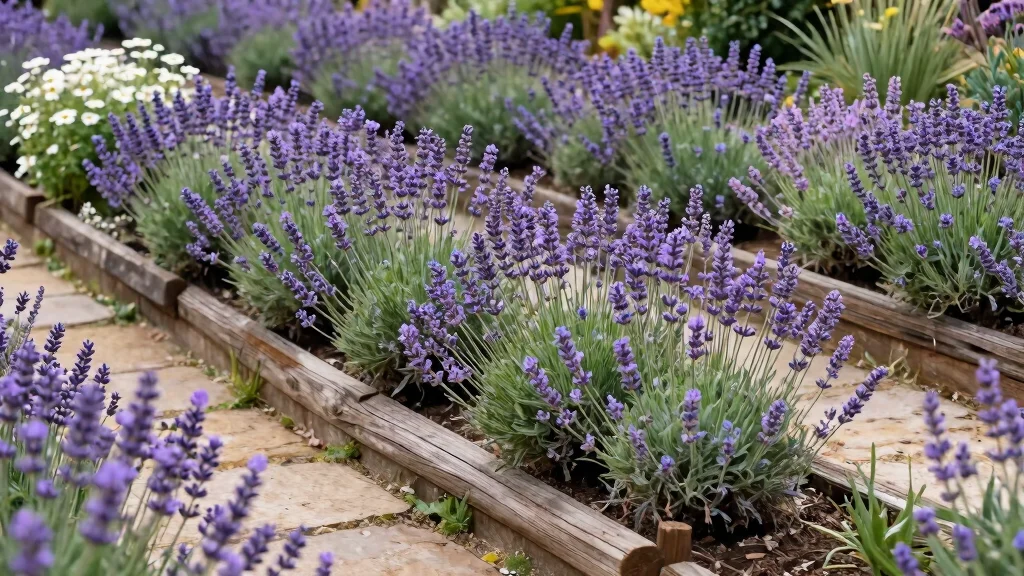
Lavender is not only a beautiful plant but also a soothing herb famous for its calming scent. Growing lavender indoors can create a serene atmosphere, making it perfect for relaxation and stress relief. This lovely herb thrives in full sun and needs well-drained soil to flourish.
Be mindful of humidity, as lavender prefers drier conditions. Regular pruning will help maintain its shape and promote healthy growth.
Growing Tips:
– Water lightly, allowing the soil to dry out between waterings.
– Place it on a sunny windowsill for at least 6-8 hours of sunlight daily.
– Trim flowers after blooming to encourage growth.
Incorporating lavender into your home not only enhances its beauty but also invites a gentle, soothing scent that fosters a peaceful environment.
Lavender: Calming Aroma for Your Home
Editor’s Choice
Miracle-Gro Moisture Control Potting Mix – Plant Soil For Container Plan…
HOME GROWN Non GMO English Lavender Seeds 1,500+ Wildflower Seed for Pla…
Ahopegarden Indoor Garden Hydroponics Growing System: 10 Pods Plant Germ…
6. Cilantro: Fresh and Lively Aroma

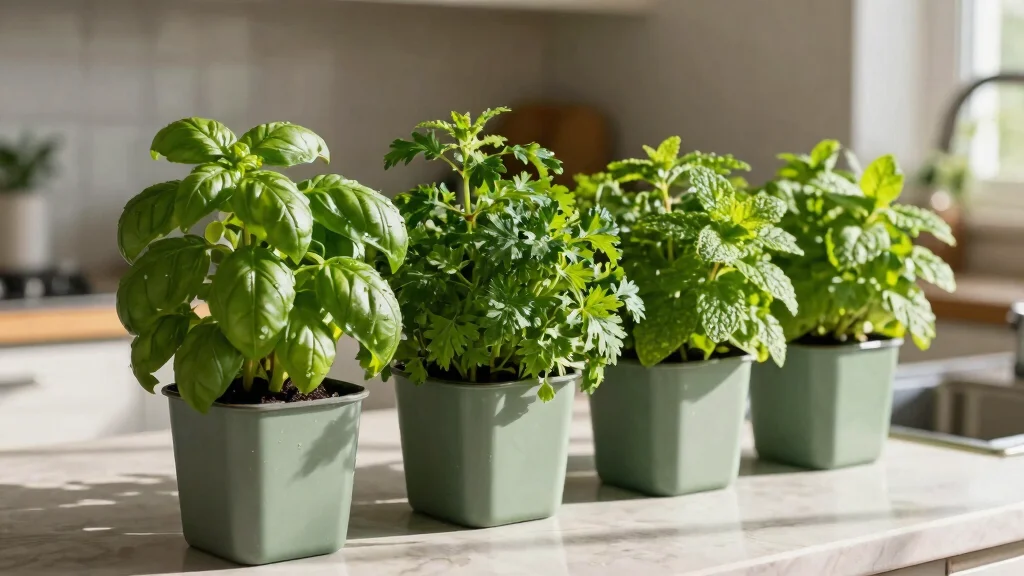
Cilantro, or coriander, is a vibrant herb celebrated for its fresh aroma and unique flavor. It’s a fantastic addition to many dishes, from salads to salsas, and can even enhance cocktails. Growing cilantro indoors is straightforward, as it thrives in bright, indirect sunlight and cooler temperatures.
Quick to harvest, cilantro allows you to snip off leaves as needed, ensuring freshness. Start with seeds or seedlings for the best results, as cilantro doesn’t like frequent transplanting.
Growing Tips:
– Use well-drained soil with compost for optimal growth.
– Water regularly, keeping the top layer of soil moist but not soggy.
– Harvest often to maintain freshness and prevent bolting.
With cilantro growing in your kitchen, you can easily add a fragrant touch to your culinary creations while enjoying its lively scent.
Fun fact: Cilantro, one of the fragrant herbs to grow indoors, can be harvested in as little as 3–4 weeks from sowing. Snip leaves for salads, salsas, or cocktails, and enjoy a fresh aroma that uplifts any kitchen.
You Might Also Like
Cilantro: Fresh and Lively Aroma
Editor’s Choice
GooingTop Grow Light for Indoor Plants,5000K Full Spectrum Growing Plant…
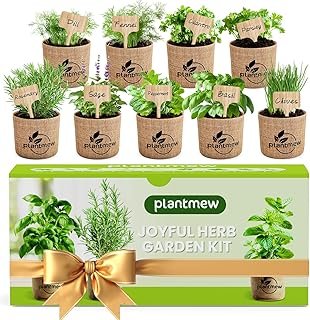
Gift for Women, Mom, Her – 9 Herb Indoor Window Garden Kit | Complete …
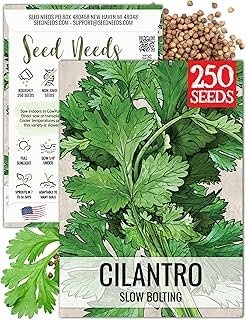
Seed Needs Cilantro Seeds for Planting Coriander Kitchen Herbs – Non-GMO…
7. Oregano: Earthy and Robust Scent
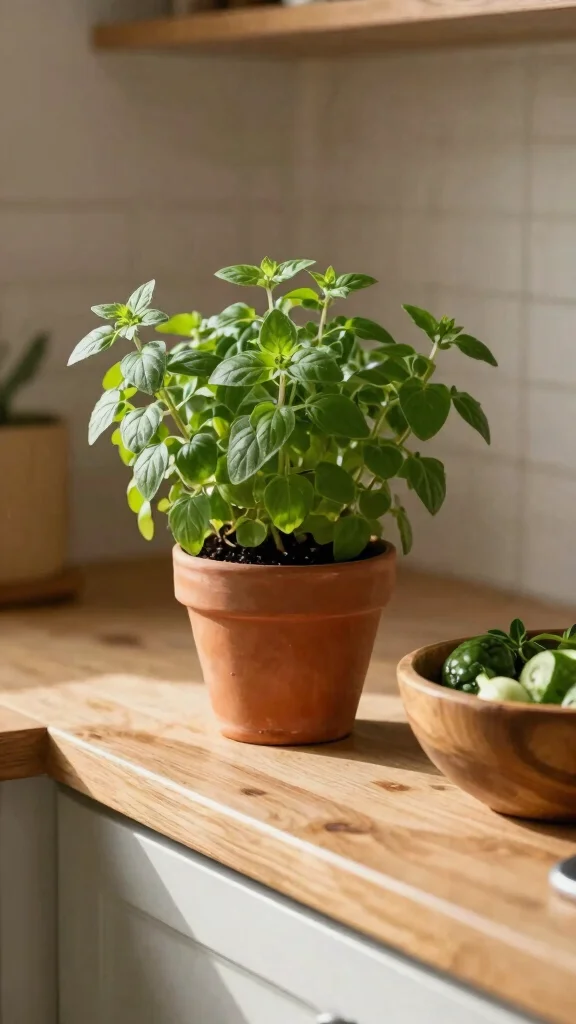
Oregano is a fantastic herb for your indoor garden, known for its earthy and robust aroma. This perennial favorite is easy to care for and thrives in sunny conditions, making it a great choice for indoor gardening. Oregano adds warmth to many dishes, particularly Italian cuisine, and creates a comforting atmosphere in your kitchen.
To promote healthy growth, regular trimming is essential, ensuring a stronger aroma and bushier plant.
Growing Tips:
– Use well-draining soil and pots with drainage holes.
– Water less often, as oregano prefers to dry out slightly.
– Regularly snip off leaves to encourage growth and maintain that delightful scent.
Having oregano in your home means you’ll always have this fragrant herb on hand, ready to elevate your cooking and enrich your culinary adventures!
Oregano: Earthy and Robust Scent
Editor’s Choice
Burpee, 9 Quarts | Premium Organic Potting Natural Soil Mix Food Ideal f…
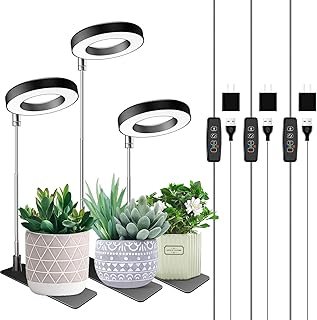
Aokrean Plant Grow Light, 48 LEDs Full Spectrum Grow Lights for Indoor P…
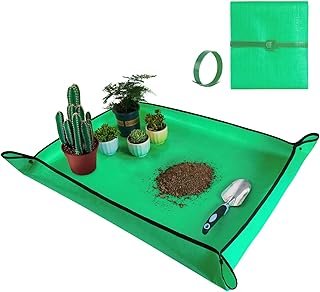
Large Repotting Mat for Plant Transplanting and Mess Control 39.5″x 31.5…
Conclusion
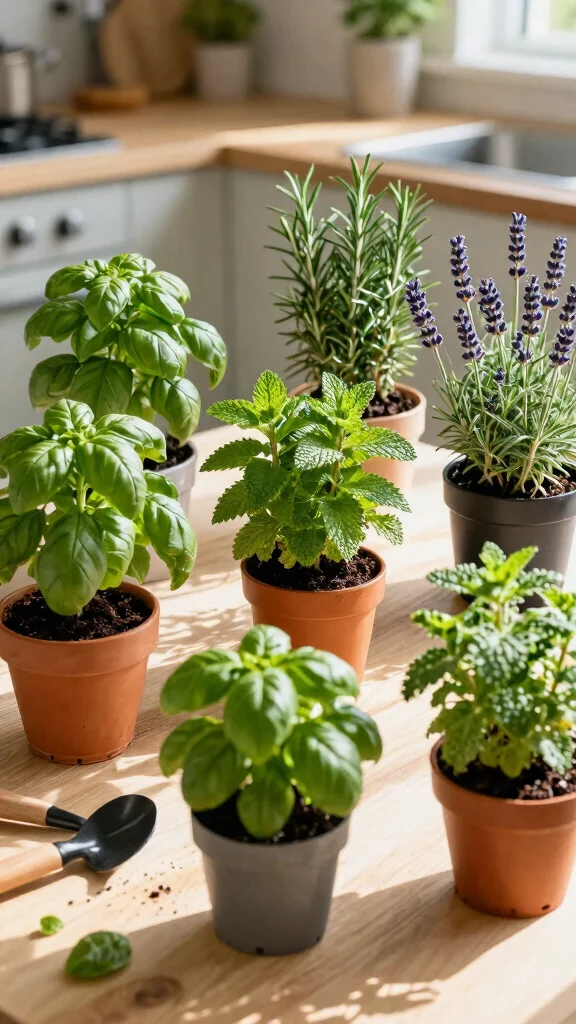
Embracing indoor gardening through these fragrant herbs brings beauty and aroma to your home, creating a warm and welcoming atmosphere. Not only do these herbs enhance your cooking, but they also contribute to your overall well-being with their calming scents. With just a little love and care, your indoor herb garden can flourish, providing you with fresh ingredients and delightful fragrances all year round.
So, get your pots ready and dive into the world of aromatic herbs. Your home will thank you for it!
Note: We aim to provide accurate product links, but some may occasionally expire or become unavailable. If this happens, please search directly on Amazon for the product or a suitable alternative.
This post contains Amazon affiliate links, meaning we may earn a small commission if you purchase through our links, at no extra cost to you.
Frequently Asked Questions
What are the best fragrant herbs to grow indoors that smell amazing?
Some standout options for fragrant herbs to grow indoors include lavender, rosemary, basil, mint, lemon balm, thyme, and sage. Each offers a distinct aroma you can enjoy in cooking or simple room fragrance.
Choose varieties with strong essential oils and match them to your light levels: bright sun for lavender and rosemary, or partial shade for mint and lemon balm. With proper indoor herb gardening basics, you can fill your home with natural scents without leaving a window sill.
These are all great examples of the fragrant herbs to grow indoors that work well in pots, on windowsills, or in small hydroponic setups, and they’re fantastic for both aromatherapy and cooking.
How can I care for indoor aromatic herbs to keep their scent strong?
Start with a sunny spot or grow lights and a well-draining potting mix. Water when the top inch of soil dries out—don’t let the roots sit in soggy soil, or the oils can dilute and the fragrance fades.
Feed with a balanced fertilizer during the growing season and prune regularly to encourage fresh, fragrant growth. Place herbs on a bright windowsill or under grow lights, and ensure good air circulation to prevent mildew. These growing herbs indoors tips help maintain vibrant aroma in your home.
Which fragrant herbs are easiest for beginners in indoor herb gardening?
For beginners, start with mint, basil, thyme, and oregano. They tolerate a range of light levels and are forgiving if you miss a watering. Mint can be vigorous, so use a contained pot, while basil loves bright light and warmth.
These are reliable choices for anyone exploring indoor herb gardening and looking for herbs that smell good as soon as you brush past them.
How can I use these herbs for aromatherapy at home?
Harvest fresh leaves and dry them to make sachets, or bundle herbs and hang them to fragrance a room. You can simmer a pot of water with a handful of fragrant leaves to fill your space with aroma, or use a diffuser with a few drops of essential oil derived from these herbs.
Combining lavender or lemon balm with citrus peels creates a soothing, uplifting scent perfect for living rooms and bedrooms. These aromatic herbs for home are great for simple, natural aromatherapy.
What common mistakes reduce fragrance when growing indoors?
Common issues include too little light, overwatering, and not pruning regularly. Aim for about 6–8 hours of bright light per day for most herbs, use well-draining soil, and harvest often to keep oils active. Don’t crowd plants in small pots, ensure good airflow, and avoid strong-scented cleaners nearby that can mask the herb’s aroma. Following these growing herbs indoors tips helps preserve their fragrance and vitality.
Related Topics
fragrant herbs
indoor herb gardening
aromatic plants
best herbs indoor
easy growing tips
herbs that smell good
home aromatherapy
beginner friendly
indoor gardening
herb care
scented herbs
container gardening