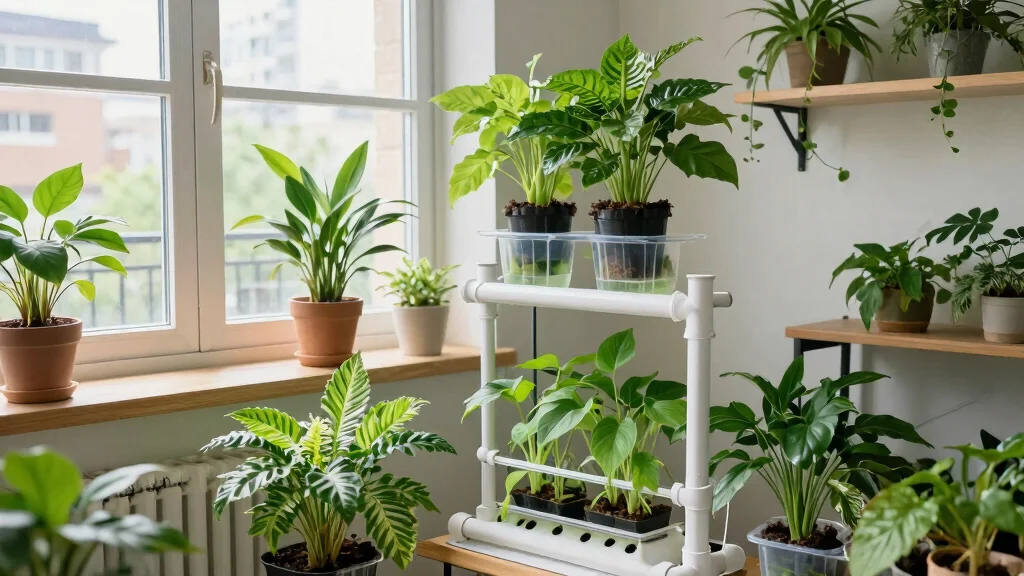
If you’ve ever found yourself dreaming of a lush, green garden but feel limited by space or budget, you’re not alone. The idea of DIY hydroponic setups at home can feel daunting, yet it’s an exciting and accessible way to grow your own food indoors. Whether you’re craving fresh herbs, vegetables, or simply a new hobby, creating a hydroponic garden can fulfill that desire without breaking the bank. With a little creativity and resourcefulness, you can cultivate your own indoor oasis, even in the tiniest of urban spaces.
This guide is tailored for urban dwellers, gardening enthusiasts, and anyone curious about sustainable gardening methods. If you love the idea of growing your own produce but are unsure where to start, this is for you. You’ll find practical tips and innovative ideas to build budget-friendly hydroponic systems that suit your lifestyle. From vertical gardens to simple setups using materials you may already have at home, there’s something here for everyone, regardless of your experience level.
By diving into these 10 DIY hydroponic setup at home ideas, you’ll unlock the secrets to successful indoor gardening projects that are not only enjoyable but also rewarding. Get ready to transform your living space into a thriving garden with easy, cost-effective methods that will have you growing fresh food in no time!
Key Takeaways
– Explore 10 creative DIY hydroponic setups that fit various budgets and space constraints, making indoor gardening accessible to everyone.
– Discover useful hydroponic gardening tips aimed at beginners, helping you avoid common pitfalls and ensuring your plants thrive.
– Learn about budget-friendly hydroponics that allow you to cultivate fresh herbs and vegetables without overspending on expensive systems.
– Gain insights into indoor gardening projects that utilize everyday materials, proving that you don’t need fancy equipment to grow great plants.
– Understand the basics of sustainable gardening methods through hydroponics, contributing to a greener lifestyle while enjoying homegrown produce.
1. Vertical Hydroponic Garden
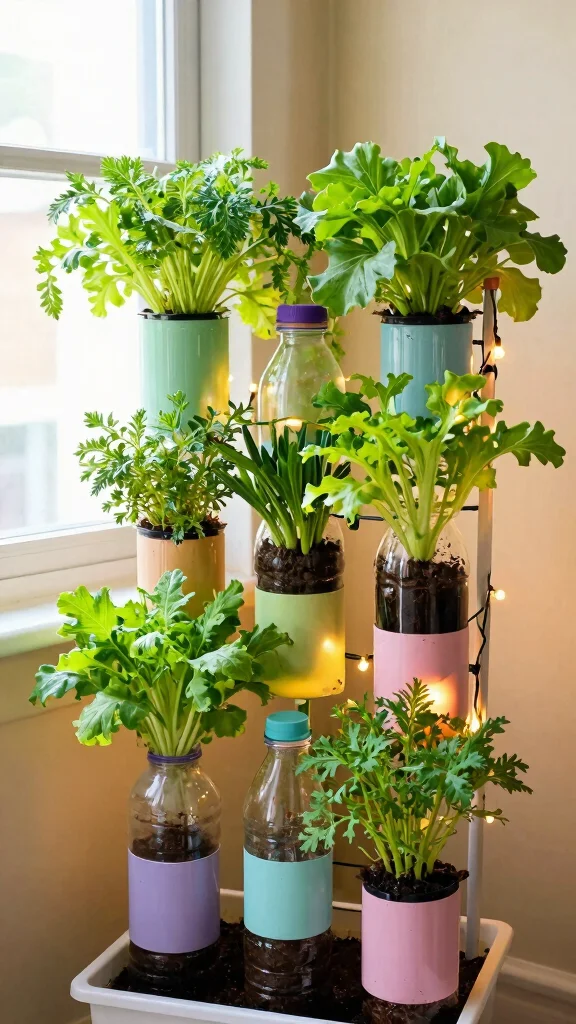
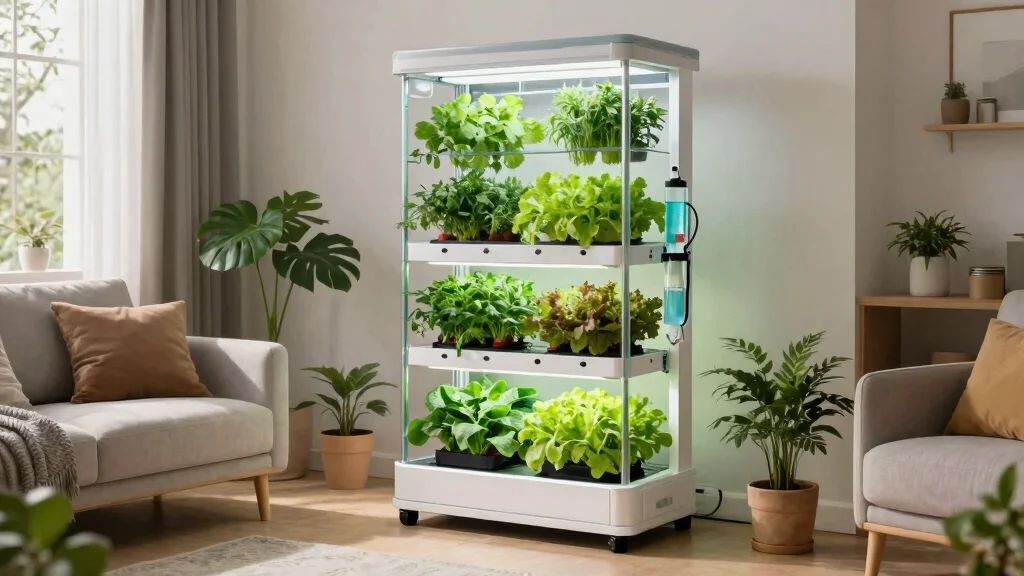
Are you short on space but still want to enjoy gardening? A vertical hydroponic garden offers a fantastic solution, utilizing walls and shelves to grow your favorite plants. This method is ideal for small apartments, allowing you to create a vibrant green wall with vertical planters made from materials like recycled plastic bottles or wood. You’ll not only save space but also add a unique decorative touch to your home.
Begin by choosing a deep water culture system for your plants, where roots dangle in a nutrient-rich solution. Herbs like basil, mint, and cilantro thrive in this setup. Enhance your garden’s appeal by adding decorative touches such as fairy lights or colorful pots. With consistent care, you can cultivate a lush vertical oasis right in your living space.
Tips:
– Select plants that flourish in vertical spaces, like strawberries and leafy greens.
– Ensure your setup receives ample sunlight, ideally from a south-facing window.
– Implement a drip irrigation system for hassle-free watering.
This vertical garden not only maximizes your space but also brings life to your home, making it a delightful retreat.
Fun fact: Vertical hydroponics can use up to 90% less water than soil gardening. A slim wall of planters lets you grow herbs in tiny spaces, turning a small apartment into a living green wall—perfect for DIY hydroponic setup at home ideas.
Vertical Hydroponic Garden
Editor’s Choice
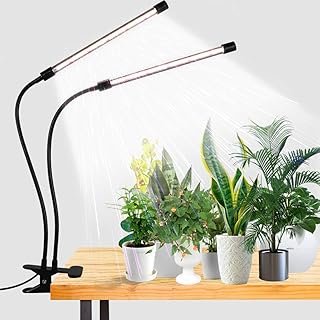
GooingTop LED Grow Light,6000K Full Spectrum Clip Plant Growing Lamp wit…

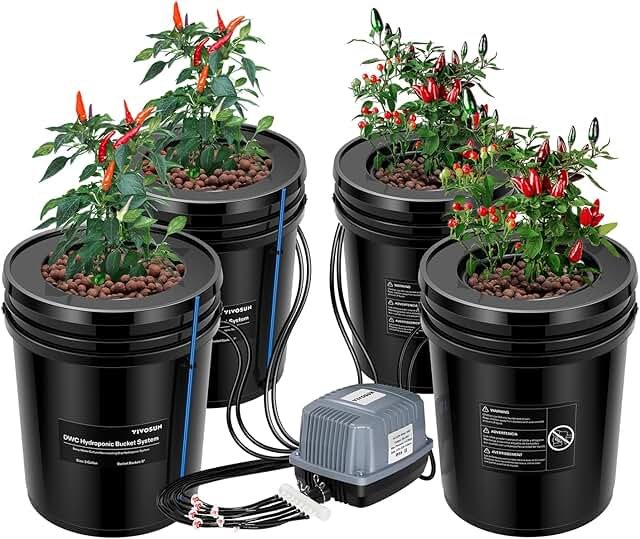
VIVOSUN DWC Hydroponics Grow System with Top Drip Kit, 5-Gallon Deep Wat…
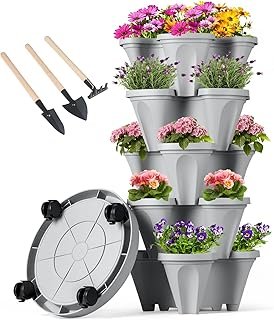
GameXcel Vertical Planter Tower – 5 Tier Stackable Garden Planters with …
2. Hydroponic Tower Garden
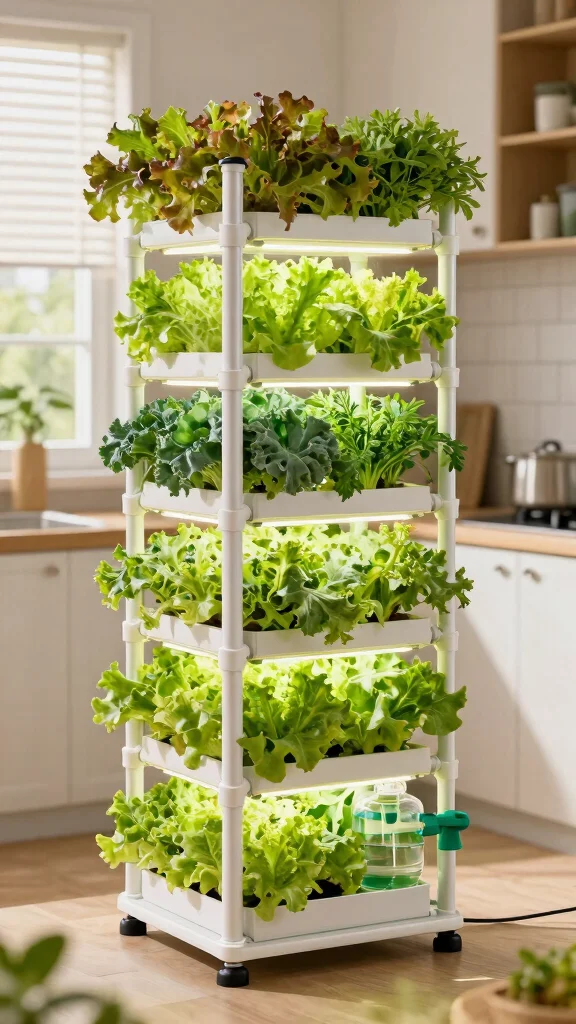
Looking for a creative way to grow multiple plants in a limited area? A hydroponic tower garden is an engaging and effective solution that allows you to cultivate a variety of herbs and vegetables in a compact design. Using affordable PVC pipes, you can easily create a tower that fits your urban gardening aspirations.
Start by cutting the pipes and making holes for your plants, ensuring roots can access nutrient solutions while maximizing light exposure. Ideal plants for this setup include lettuce, herbs, and even dwarf tomato varieties. The vertical design promotes healthy growth while conserving precious floor space.
Tricks:
– Use a pump for circulating water and nutrients, ensuring even distribution.
– Add a small LED grow light if your space lacks natural sunlight.
– Regularly monitor nutrient levels to provide essential minerals for your plants.
This tower garden not only saves space but also encourages a bountiful yield, perfect for fresh home-grown meals.
📹 Related Video: DIY : How to make Vertical Hydroponic System using 4 Towers (Part 2) || hydroponic farming at home
Hydroponic Tower Garden
Editor’s Choice
6Pcs 1/2 Inch PVC Pipe 17″ Long Sch40 Industrial Pipes for Home DIY, Gre…
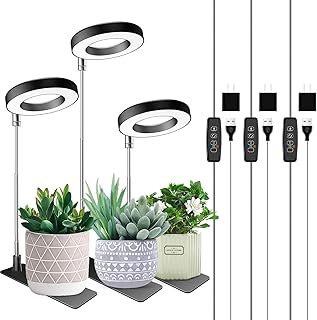
Aokrean Plant Grow Light, 48 LEDs Full Spectrum Grow Lights for Indoor P…
3. PVC Pipe Hydroponic System
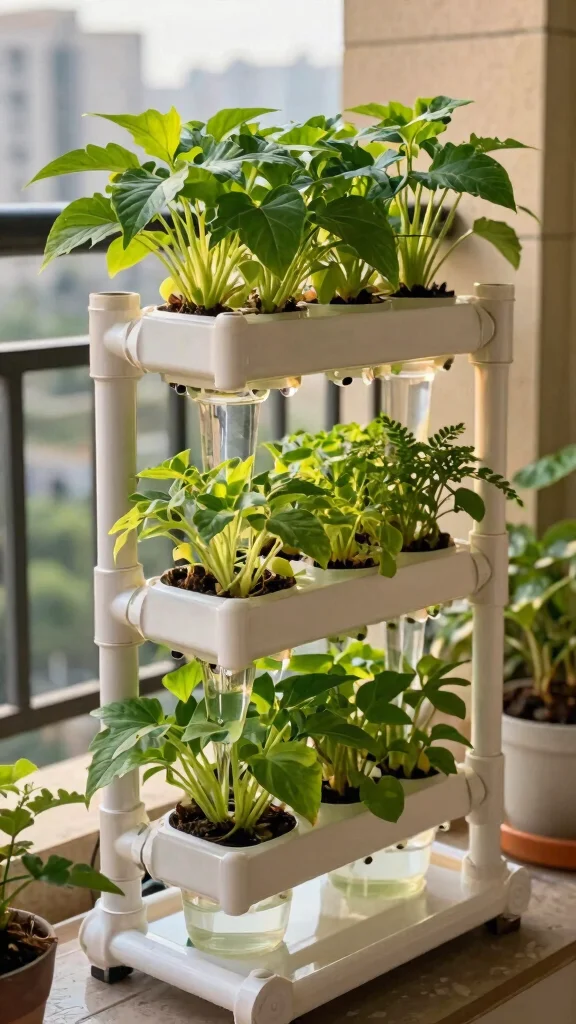
Want to build your own hydroponic system with ease? Using PVC pipes makes it simple and fun! This setup is perfect for beginners and can be tailored to fit your needs. Start by cutting sections of PVC and drilling holes for your plants at even intervals, arranging the pipes either horizontally or vertically to suit your space.
This method is excellent for growing leafy crops like lettuce and herbs, thanks to their shallow roots. With the nutrient film technique (NFT), you keep roots moist while allowing them access to oxygen. It’s budget-friendly and an efficient way to grow various plants.
Suggestions:
– Utilize reflective materials around your setup to increase light exposure.
– Maintain a fresh and balanced nutrient solution for optimal growth.
– Consider adding net pots to secure your plants effectively.
This PVC pipe system offers an easy entry into hydroponics, promising rewarding results for your gardening endeavors.
DIY hydroponic setup at home ideas? Start with PVC pipes: cut sections, drill evenly spaced holes, and run them horizontally or vertically to fit your space. It’s beginner-friendly, perfect for leafy greens and herbs, and you can harvest fresh produce in small areas.
PVC Pipe Hydroponic System
Editor’s Choice
Liquid Plant Food for use in AeroGarden, IDOO and Hydroponic Growing Sys…
Green Garden Auger Drill Bit for Planting, 1.6″x16.5″ Post Hole Digger &…

Bates- PVC Pipe Cutter, Cuts up to 1-1/4″, Ratcheting PVC Pipe Cutter To…
4. Bottle Hydroponic System
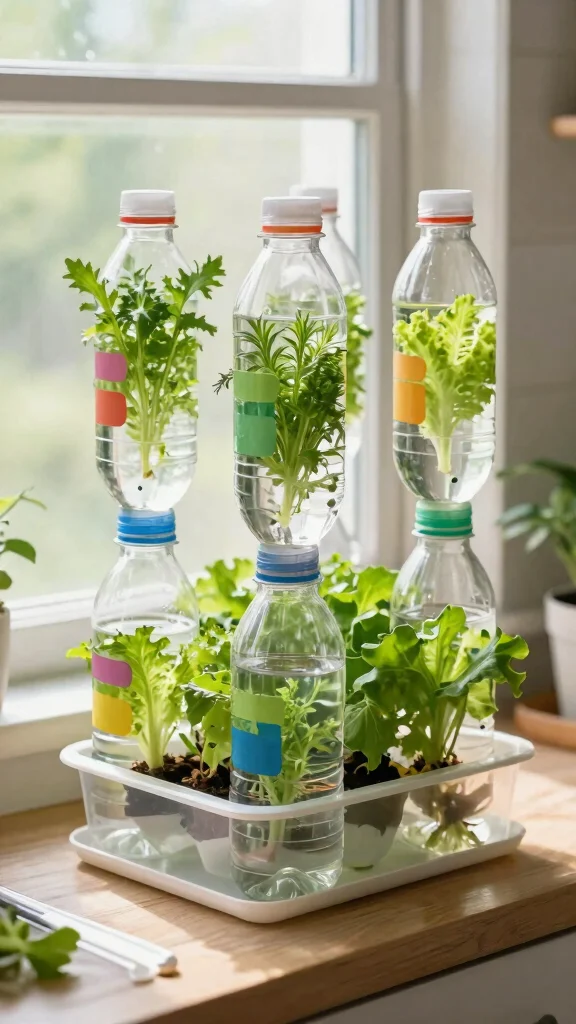
Turn ordinary plastic bottles into a creative hydroponic system! This budget-friendly project is perfect for those eager to dip their toes into hydroponics without significant investment. Simply cut the bottoms off plastic bottles, fill them with a growing medium like clay pellets, and place them upside down in a shallow container filled with nutrient-rich water.
This unique setup works wonders for small herbs or lettuce, making it a fantastic addition to kitchen windowsills or compact countertops. The quirky use of bottles adds an eco-friendly flair to your indoor garden.
Tips:
– Choose clear bottles for easy monitoring of root growth.
– Add a splash of color by painting your bottles in vibrant hues.
– Rotate your bottles occasionally for even light exposure.
This bottle hydroponic system is an excellent way to enjoy gardening while being resourceful and creative.
Bottle Hydroponic System
Editor’s Choice
Liquid Plant Food for use in AeroGarden, IDOO and Hydroponic Growing Sys…
Legigo 10 LB Organic Leca Clay Pebbles for Plants, 4mm-16mm 100% Natural…
10 Pcs 12oz Plastic Juice Bottles With Caps, Reusable Food Grade Chear J…
5. Deep Water Culture (DWC) Setup
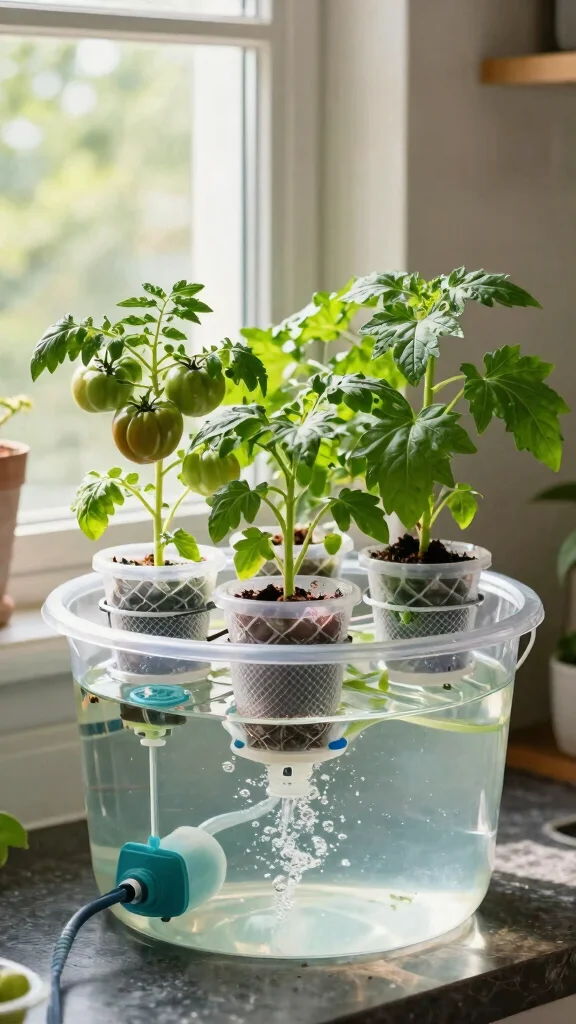
Ready to grow larger plants like tomatoes or peppers? A Deep Water Culture (DWC) hydroponic setup is your answer. This method involves suspending plants in a nutrient-rich water solution, allowing roots to thrive directly in the water. To create this system, select a large container to hold your nutrient solution and use net pots for plant support.
DWC is effective, providing constant moisture and nutrients for rapid growth. Remember to add an air pump and air stone to oxygenate the water, crucial for preventing root rot.
Advice:
– Monitor water temperature to keep it within the ideal range.
– Regularly check and maintain nutrient levels for optimal plant health.
– Consider a floating raft system for maximizing plant density.
This DWC setup not only supports larger plants but also promises lush growth, transforming your gardening experience.
You might also like
Deep Water Culture (DWC) Setup
Editor’s Choice
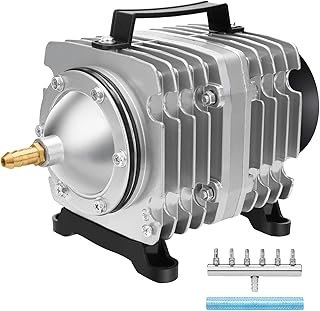
AquaMiracle Aquarium Air Pump Commercial Air Pump with Aluminum Housing,…
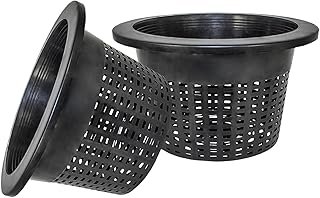
HG10MESHPOT 10-Inch Wide Lip Mesh Net Pots (2-Pack), 5 Gallon Bucket Lid…
Liquid Plant Food for use in AeroGarden, IDOO and Hydroponic Growing Sys…
6. Aquaponics Mini System
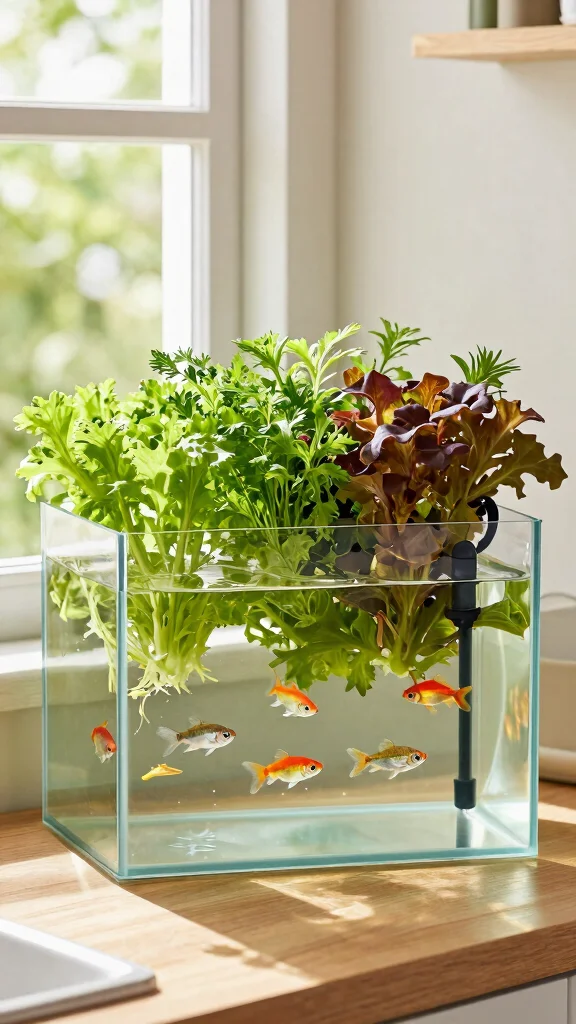
Imagine growing fish and plants together in harmony with a mini aquaponics system! This sustainable method allows you to cultivate greens while raising fish in a mutually beneficial setup. You can easily establish a mini aquaponics system using a small fish tank and a grow bed positioned above it.
The fish waste nourishes the plants, while the plants filter the water for the fish, creating an eco-friendly cycle. Suitable fish for beginners include goldfish or tilapia, while plants like basil, spinach, and even fruits can thrive in this environment.
Hints:
– Keep the fish tank clean and ensure proper oxygenation.
– Regularly test water to maintain ideal pH levels.
– Start small and expand your system as you gain experience.
This aquaponics system not only supports plant growth but also adds an exciting element to your indoor gardening.
Cost Breakdown & Budget Planning
Creating a DIY hydroponic setup at home is an exciting project that can fit any budget. With a little planning, you can grow fresh herbs and veggies right in your living space. Let’s dive into a detailed budget guide to help you plan your spending effectively. 💰
Cost Breakdown by Category:
– Materials/Products: Expect to spend between $50 to $200 depending on your setup. This includes containers, nutrient solutions, growing mediums, and seeds.
– Tools/Equipment: Basic tools like scissors, measuring cups, and pH meters can cost around $20 to $100. For more advanced setups, investing in grow lights or pumps might add another $50 to $150.
– Labor/Professional installation: If you prefer professional help, installation costs can range from $100 to $300 depending on the complexity of the system. Most DIY setups are easy enough to do yourself, saving you money!
– Optional extras: Additional features like timers for lights or advanced nutrient systems can add another $20 to $150 to your budget.
Budget Tier Breakdown:
Basic Economy Tier £/€/$
– What’s included: This option covers the essentials, like basic containers and nutrient solutions. You might use simple plastic bottles or buckets for your plants.
– Good for: Beginners who want to try hydroponics without a hefty investment.
– Limitations: You might miss out on advanced features like automated systems or optimized lighting, which could lead to slower plant growth.
Mid-Range Tier ££/€€/$$
– What’s included: A balanced setup with key features, such as better containers, grow lights, and basic pumps for water circulation.
– Good for: Urban gardeners who want a reliable system that produces a steady yield.
– Best value for: Most households looking for a solid foundation in hydroponic gardening without overspending.
Premium Tier £££/€€€/$$$
– What’s included: This tier offers top-quality materials, advanced pumps, and complete hydroponic systems. You’ll also have the best grow lights and nutrient solutions available.
– Good for: Serious gardeners who want the best growth rates and yields.
– Worth it if: You plan to grow a wide variety of plants or have the need for consistent, year-round harvests.
Money-Saving Tips:
– Repurpose materials: Use old bottles, containers, or even household items for your hydroponic setup. It’s not only eco-friendly but also saves you money.
– Buy in bulk: Purchase nutrient solutions and growing mediums in larger quantities to reduce costs over time.
– DIY grow lights: Instead of buying expensive grow lights, consider using lower-cost LED bulbs that you can find in hardware stores. They work well for small plants!
– Join local gardening groups: Connect with other hydroponic gardeners for advice, plant swaps, or shared purchases. You might find great deals and tips!
Where to Splurge:
– Quality lights: Investing in good grow lights is essential. They directly affect plant health and yield. Quality lights last longer and provide the right spectrum for growth.
– Advanced nutrient systems: If you’re serious about your garden, better quality nutrients can lead to healthier plants. They may cost more upfront but contribute to higher yields in the long run.
– Durable components: Choose high-quality containers and pumps. They can withstand wear and tear better, saving you replacement costs down the line.
With this budget plan in hand, you can confidently embark on your DIY hydroponic gardening journey. Tailor your setup to fit your budget while ensuring you have the essentials for successful growth. Happy gardening! 🚀
Aquaponics Mini System
Editor’s Choice
Emsco Group City Picker Raised Bed Grow Box – Self Watering and Improv…
Hydroponic Garden Aquaponic Fish Tank Plants Growing System Self-Cleanin…
Tetra Whisper IQ Power Filter 20 Gallons, 130 GPH, with Stay Clean Techn…
7. Hydroponic Herb Garden
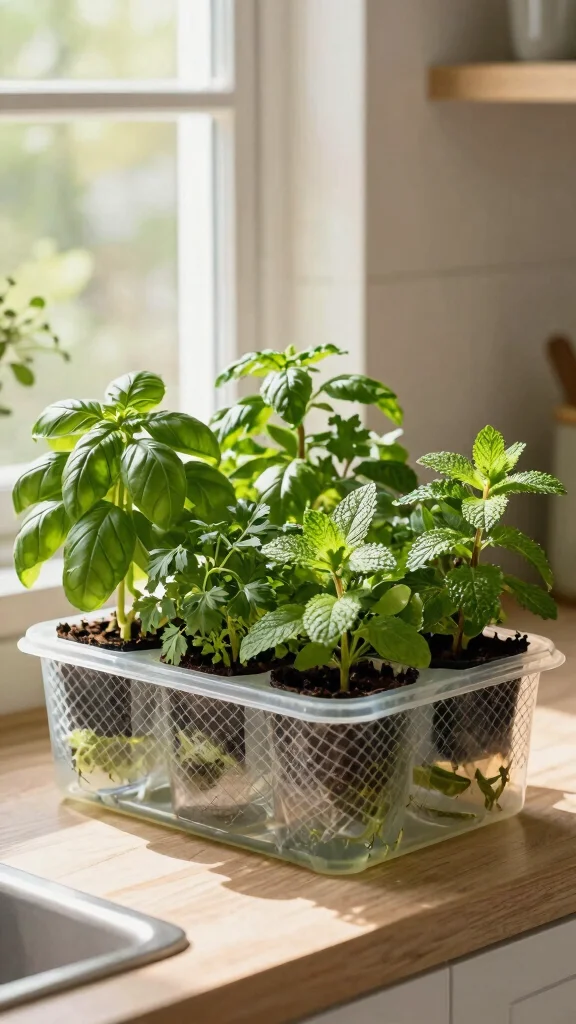
Kickstart your indoor gardening adventure with a dedicated hydroponic herb garden! Herbs are among the easiest plants to grow hydroponically, thriving even in small spaces. You can create this setup using a container filled with a growing medium and nutrient solution.
Combine net pots with a shallow basin for a straightforward process. Popular herbs like basil, parsley, and mint flourish in this setup, providing fresh ingredients for your cooking while adding delightful aromas to your home!
Advice:
– Position your herb garden near a sunny window for best results.
– Regularly harvest herbs to promote bushier growth.
– Experiment with various herb combinations for a unique flavor experience.
This herb garden not only enhances your cooking but also fills your home with fresh scents and greenery.
Hydroponic Herb Garden
Editor’s Choice
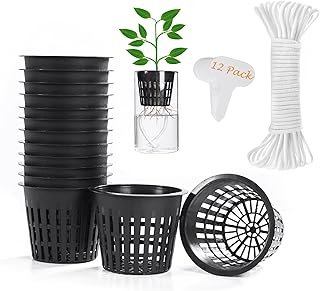
ORIMERC 12 Pack 3 inch Net Cups Pots with 12 feet Hydroponics Self Water…
Liquid Plant Food for use in AeroGarden, IDOO and Hydroponic Growing Sys…
Legigo 10 LB Organic Leca Clay Pebbles for Plants, 4mm-16mm 100% Natural…
8. Simple Hydroponic System with Grow Lights
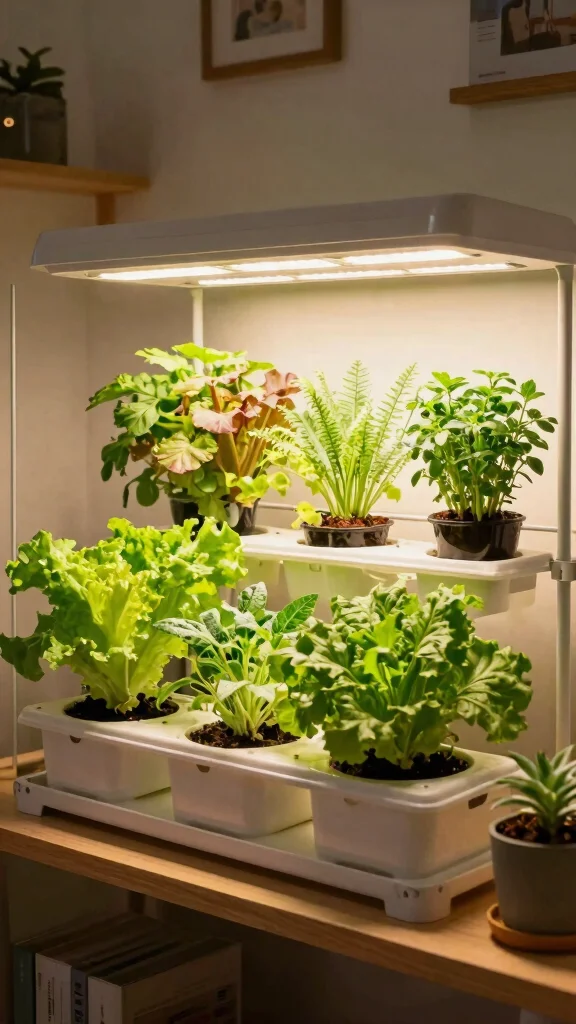
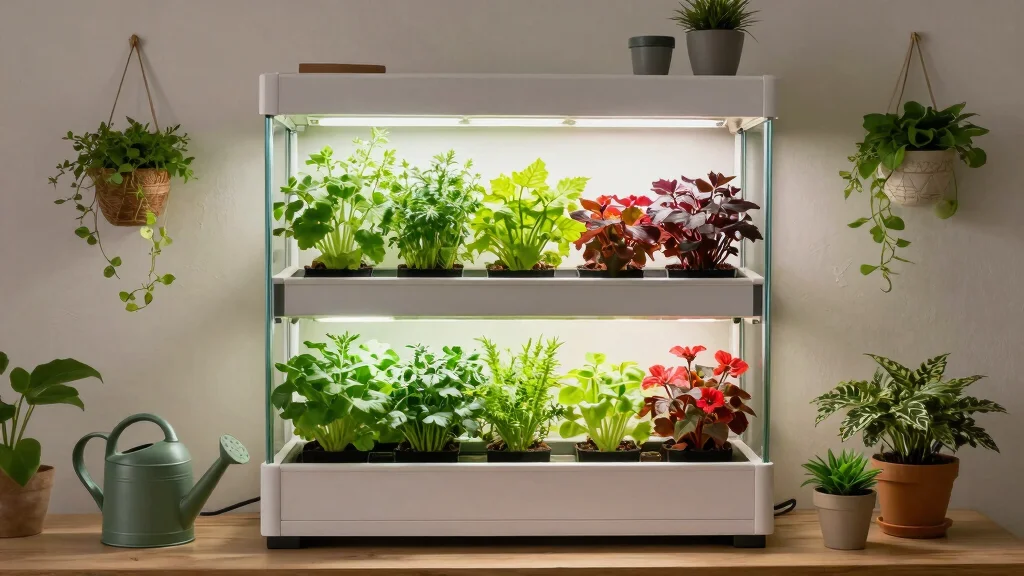
Bring the beauty of gardening indoors with a simple hydroponic system enhanced by grow lights! This setup is perfect for anyone with limited natural light in their home. You can create a small hydroponic garden using containers filled with a growing medium and placing LED grow lights above them.
This method enables you to cultivate a variety of plants, from herbs to leafy greens, regardless of outdoor light conditions. The flexibility of grow lights allows you to adjust the light spectrum to meet your plants’ needs as they grow.
Hints:
– Automate your grow lights with a timer for consistent exposure.
– Position the lights close to plants but adjust as they grow.
– Monitor temperature and humidity to maintain a healthy environment.
This simple hydroponic system not only supports plant growth but also brings the joy of gardening into your living space.
You Might Also Like
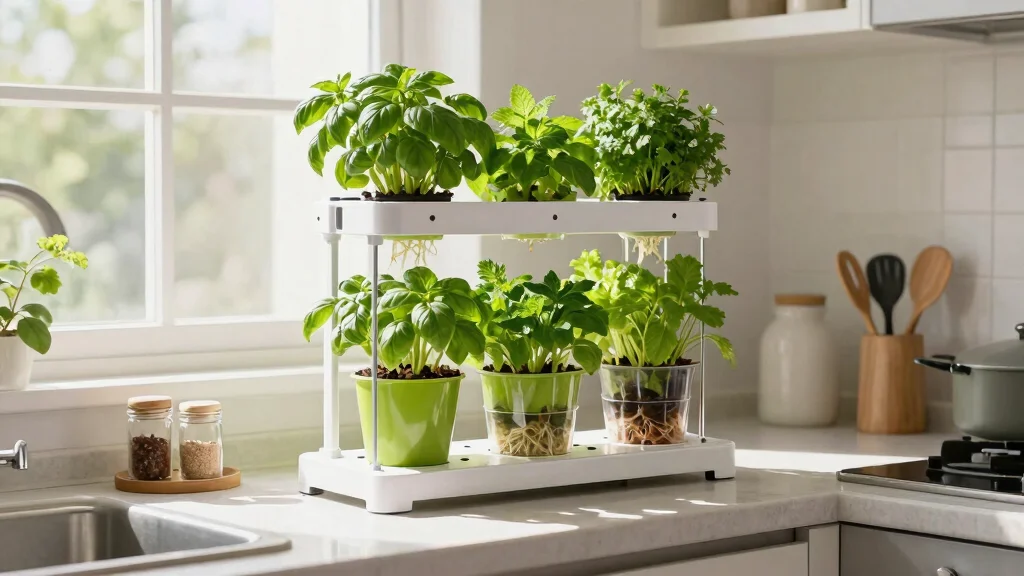
Simple Hydroponic System with Grow Lights
Editor’s Choice
Aokrean Plant Grow Light, 48 LEDs Full Spectrum Grow Lights for Indoor P…
Liquid Plant Food for use in AeroGarden, IDOO and Hydroponic Growing Sys…
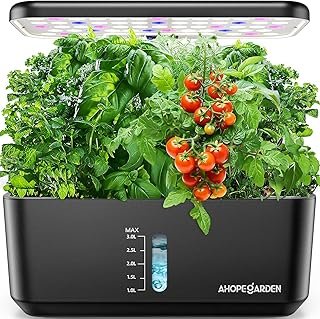
Ahopegarden Indoor Garden Hydroponics Growing System: 10 Pods Plant Germ…
9. Nutrient Film Technique (NFT) System
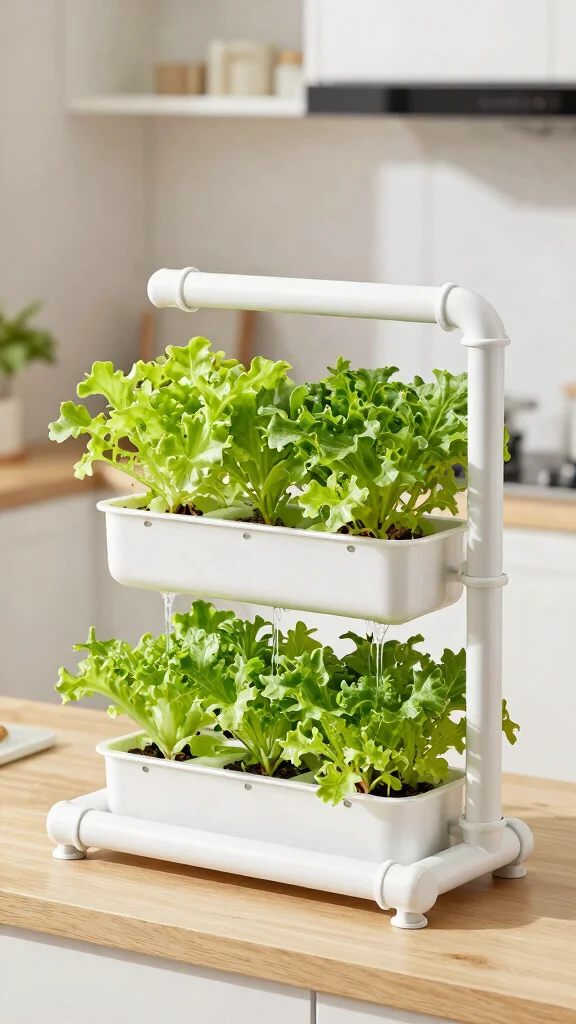
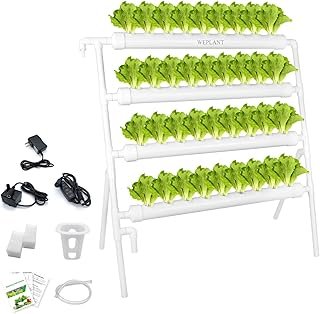
Explore advanced hydroponics with a Nutrient Film Technique (NFT) system! This method circulates nutrient solution over plant roots, making it highly efficient for growth. You can create a simple NFT system using PVC gutters or any long container that can hold the nutrient solution.
This setup is particularly effective for fast-growing plants like lettuce and herbs. Ensure your system is leveled correctly so the nutrient solution flows gently over the roots without flooding them. With proper management, NFT systems yield abundant harvests while being compact enough for urban living.
Suggestions:
– Regularly flush your system to prevent nutrient buildup.
– Experiment with flow rates to discover the best fit for your plants.
– Keep a close watch on any deficiency signs, adjusting nutrients accordingly.
This NFT system not only maximizes space but also ensures a fruitful harvest, perfect for any hydroponic enthusiast.
❝ Did you know Nutrient Film Technique (NFT) systems use 30-50% less water than traditional soils? A gentle nutrient film flows over roots, boosting growth for fast-growing lettuce and herbs. Perfect for tiny urban spaces with PVC gutters.
Nutrient Film Technique (NFT) System
Editor’s Choice
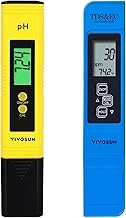
VIVOSUN Digital pH and TDS Meter Kits, 0.01pH High Accuracy Pen Type pH …
Liquid Plant Food for use in AeroGarden, IDOO and Hydroponic Growing Sys…
Hydroponic NFT 36 Holes Growing System with Special Fertilizer Timing Cy…
10. DIY Hydroponic Seed Starter Kit
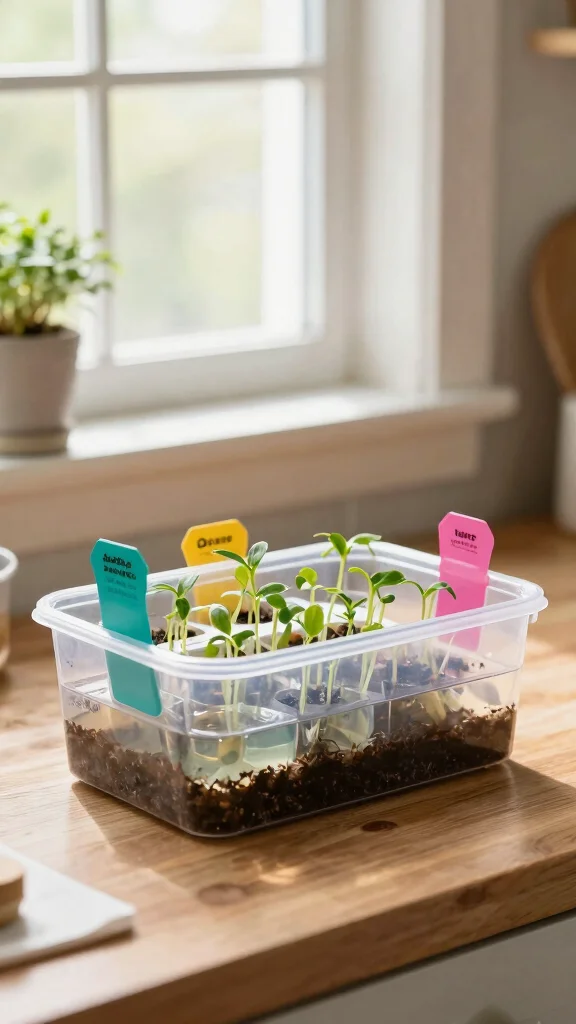
Embark on your gardening journey with a DIY hydroponic seed starter kit! This straightforward setup allows you to germinate seeds in a controlled environment, ensuring robust and healthy plants from the get-go. Use an ordinary plastic container or small bin filled with a growing medium and nutrient solution for best results.
This hydroponic seed starter kit is perfect for growing a variety of plants, from herbs to vegetables. Once your seedlings are strong enough, transplant them into larger hydroponic systems with ease. This method is satisfying and helps you save money by starting your plants from seed.
Advice:
– Cover your seed container to maintain humidity during germination.
– Use a gentle light source to support seedling growth.
– Transplant seedlings once they develop true leaves into your main hydroponic setup.
This seed starter kit not only cultivates strong plants but also sets the stage for a rewarding gardening experience.
DIY Hydroponic Seed Starter Kit
Editor’s Choice
Liquid Plant Food for use in AeroGarden, IDOO and Hydroponic Growing Sys…
2LBS Leca Expanded Clay Pebbles Hydroponics Supplies for Indoor Garden P…
Hydroponics Grower Kit DIY Self Watering Indoor Hydroponics Tools Hydrop…
Conclusion
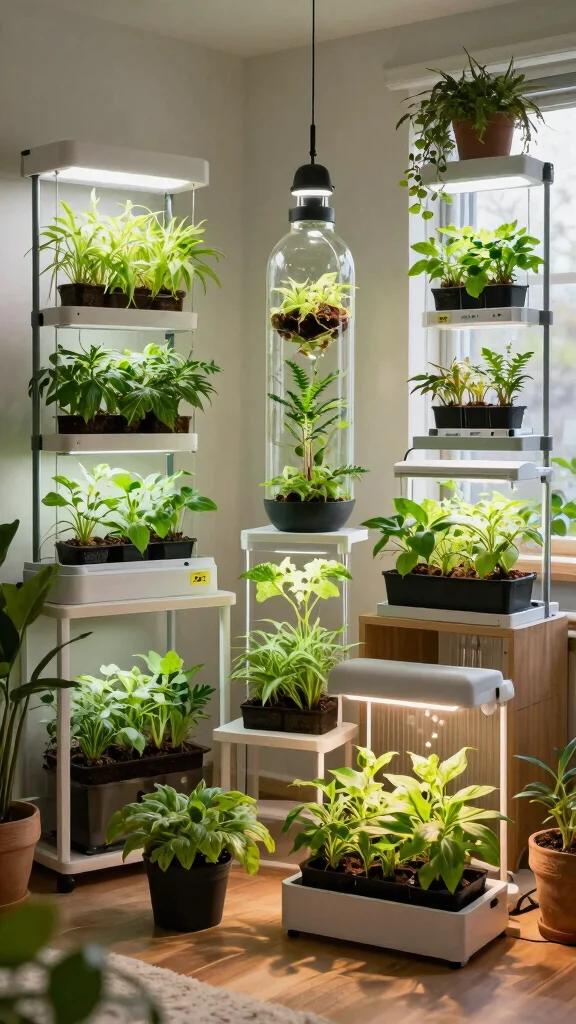
With these DIY hydroponic setup ideas, you can transform any small space into a garden paradise, even on a budget! These creative projects not only make gardening accessible but also add a touch of greenery to your urban lifestyle. Remember to experiment, adjust, and enjoy the process of growing your own food right at home. No matter which method you choose, the journey of indoor gardening will inspire you to connect with nature in a refreshing way. Happy gardening!
Don’t hesitate to share your own hydroponic experiences or any tips you might have!
Note: We aim to provide accurate product links, but some may occasionally expire or become unavailable. If this happens, please search directly on Amazon for the product or a suitable alternative.
This post contains Amazon affiliate links, meaning we may earn a small commission if you purchase through our links, at no extra cost to you.
Frequently Asked Questions
What is the best budget-friendly DIY hydroponic setup for small urban spaces?
Start with a simple Deep Water Culture (DWC) or wick system using a compact tote or plastic bin. This DIY hydroponic setup at home ideas approach fits tight urban spaces and keeps costs low.
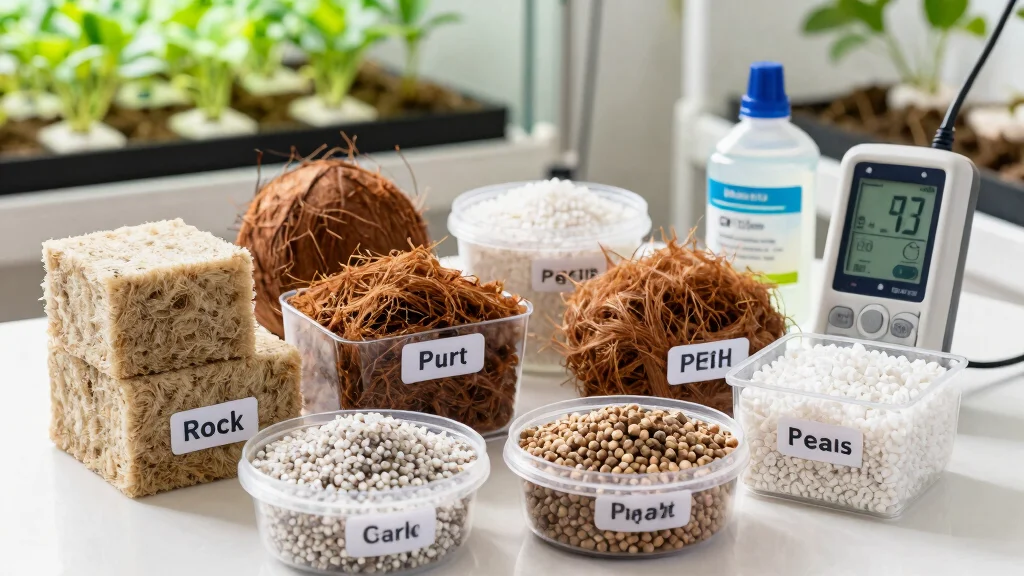
How to get started: 1) choose a small reservoir and growing container, 2) add a growing medium like coco coir or perlite, 3) install an airstone with a small air pump (for DWC) or a passive wick, 4) mix a ready-to-use hydroponic nutrient solution, 5) monitor pH (around 5.5–6.5) and EC weekly, 6) provide light (natural or affordable LED grow lights).
Tip: reuse containers, shop secondhand, and start with fast-growing greens or herbs. This is budget-friendly hydroponics and a great indoor gardening project for beginners.
Which hydroponic systems are easiest for beginners to start at home?
Most beginners reach for Deep Water Culture (DWC) or wick systems—both simple and inexpensive. These hydroponic systems for beginners let you learn water changes, nutrient balance, and pH without complex gear.
Quick setup: 1) pick a container with a lid, 2) place net pots on the lid, 3) fill with growing medium, 4) run a nutrient solution at the correct strength, 5) use an air pump (for DWC) or rely on a wick to draw solution, 6) provide steady light. Keep a log of pH, EC, and plant growth to fine-tune your hydroponic gardening tips as you go.
How can I maximize space and keep costs low with indoor hydroponic projects?
Go vertical and modular. Use stackable shelves with lightweight hardware, attach inexpensive LED grow lights, and run one timer for your whole setup to save energy. Start small with microgreens or baby greens that harvest in 2–3 weeks.
Cost tips: reclaim containers, reuse nutrient bottles, and buy bulk nutrients. This strategy aligns with sustainable gardening methods and makes budget-friendly hydroponics feasible in apartments and other compact spaces.
Pro tip: label your systems clearly and use simple plant supports to keep everything neat as you scale up your indoor gardening projects.
What are practical hydroponic gardening tips for sustainable and cost-saving setup?
Prioritize hydroponic gardening tips that save water and energy: collect rainwater if possible, reuse nutrient solution after testing, and switch to energy-efficient LED lighting. Maintain your system with weekly pH checks, clean reservoirs, and regular calibration of pumps or timers. Choose plants that thrive in small hydro setups (lettuce, herbs, leafy greens) to maximize output on a budget-friendly hydroponics plan. This approach reflects sustainable gardening methods you can replicate at home.
What basic materials do I need to start a DIY hydroponic setup at home ideas today?
Here’s a simple starter list for a DIY hydroponic setup at home ideas project: a small reservoir (tote or bin), a lid with net pots, growing medium (coco coir or clay pebbles), an air pump and air stone (for DWC) or a wick setup, a basic nutrient solution, a pH tester, containers or trays for plants, and some inexpensive LED grow lights. Add a timer if you go with a pump-based system. With these essentials you can launch a indoor gardening project that’s budget-friendly hydroponics and easy to scale.
Related Topics
DIY hydroponic setup
budget-friendly hydroponics
indoor gardening
small space gardening
hydroponic systems
sustainable gardening
beginner hydroponics
urban gardening
easy hydroponics
hydroponic tips
homemade planters
low-cost gardening