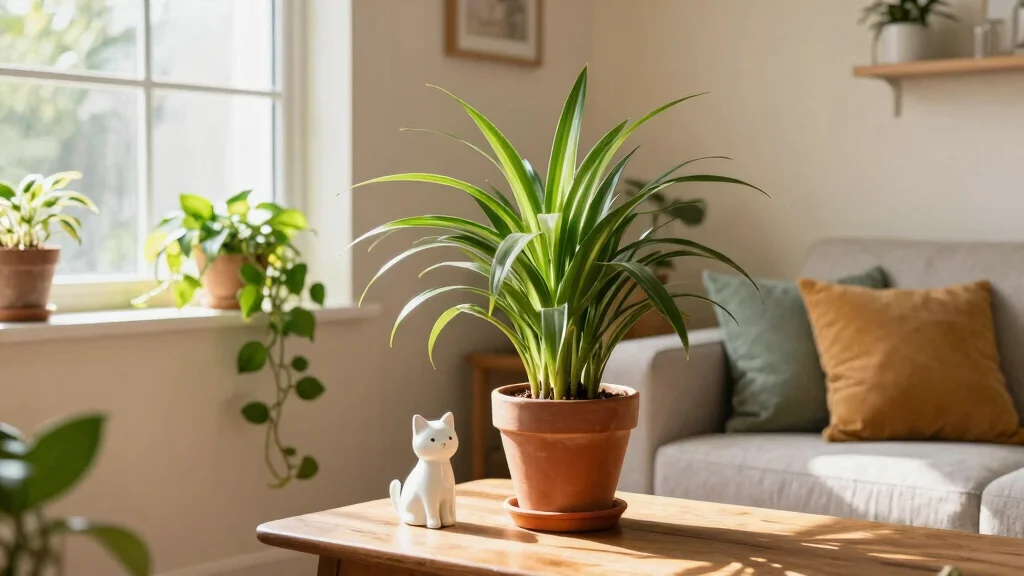
As a pet owner, you may feel torn between your love for plants and the safety of your furry friends. The last thing you want is to bring home a beautiful houseplant, only to discover it’s toxic to your pets. This is why I created this guide on non-toxic houseplants for pet owners. It’s all about helping you create a green sanctuary at home that both you and your pets can enjoy without worry.
If you’re someone who loves your pets and has a passion for indoor gardening, this post is for you. You care about creating a cozy, inviting space that reflects your personality while keeping your pets safe from harmful plants. Here, you’ll find a selection of pet-friendly plants that can brighten up your home without the risk. I’ve gathered seven safe houseplants for cats and dogs, each with unique qualities that make them perfect for animal lovers seeking non-toxic greenery.
You can look forward to discovering these lovely plants that add life to your space while ensuring your pets stay safe. From the low-maintenance Spider Plant to the elegant Moth Orchid, each one brings a touch of nature indoors. Get ready to learn about these wonderful options and how they can enhance your home!
Key Takeaways
– Safety First: All the plants listed are non-toxic for both cats and dogs, ensuring a safe environment for your furry friends.
– Diverse Options: The selection includes a variety of plants, from low-light lovers to vibrant bloomers, catering to different tastes and home styles.
– Easy Care: Most of these houseplants are low-maintenance, making them perfect for busy pet owners who want greenery without the fuss.
– Health Benefits: Houseplants improve indoor air quality while adding a calming effect to your home, benefiting both you and your pets.
– Aesthetic Appeal: Each plant adds charm and beauty, helping you create a lovely indoor garden that reflects your personal style.
1. Spider Plant (Chlorophytum comosum)
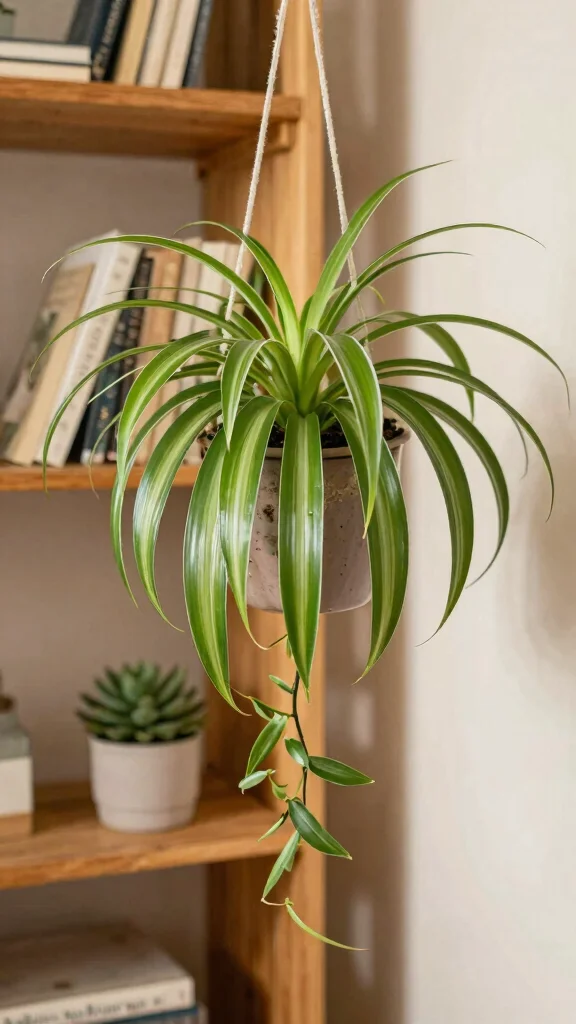
If you’re looking for a plant that’s both beautiful and safe for pets, the Spider Plant checks all the boxes. Its graceful green leaves, accented with creamy white stripes, can flourish in various lighting, making it perfect for any room. This resilient plant is not just pretty; it actively purifies the air, creating a healthier environment for you and your furry friends. You can even hang it in baskets out of reach of playful paws.
To keep your Spider Plant thriving, focus on a few care tips. It prefers indirect sunlight, so find a cozy spot away from harsh rays. Water it just enough to keep the soil slightly dry between watering sessions, as too much water can lead to root rot. And don’t forget to fertilize during the growing season to encourage lush growth.
Key care tips for your Spider Plant:
– Ensure it gets indirect sunlight for optimal growth
– Water only when the soil feels slightly dry
– Use a balanced fertilizer during the growing season
This charming plant enhances your home’s ambiance while providing clean air. You’ll love how it brightens your space and keeps your pets safe.
Spider Plant (Chlorophytum comosum)
Editor’s Choice
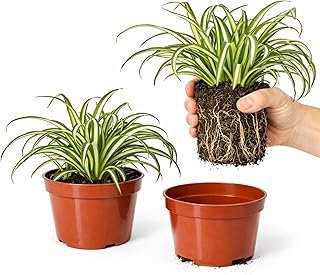
Easy to Grow Spider Plant Variegated 2 Full Size Potted Plants – Large E…

Melphoe 25Pcs Mini Garden Hand Transplanting Succulent Tools Set, 39.4″ …
WSMKSZ 13 inch Large Hanging Planters Plant Pots for Outdoor Indoor Plan…
2. Boston Fern (Nephrolepis exaltata)
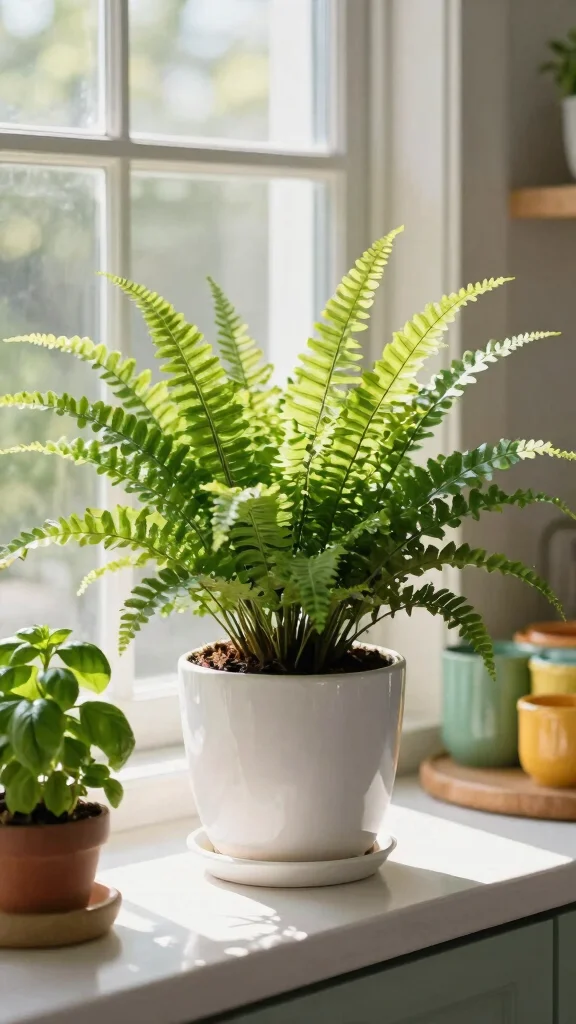
The lush and lively Boston Fern is an excellent choice for pet owners seeking a touch of nature indoors. With its feathery fronds and rich green color, it brings a refreshing vibe to any room, especially in humid areas like kitchens or bathrooms. This plant not only looks beautiful but also works hard to purify the air, making it a wonderful addition to your home.
To ensure your Boston Fern thrives, keep a few care tips in mind. It enjoys bright, indirect sunlight but should be shielded from direct sun. Keep the soil consistently moist, especially during dry spells, and mist the leaves regularly to maintain humidity levels.
Care tips for your Boston Fern:
– Place it in bright, indirect sunlight for best results
– Keep the soil consistently moist for healthy growth
– Mist regularly to maintain humidity
With its air-purifying abilities and vibrant appearance, the Boston Fern transforms your home into a serene oasis while ensuring your pets’ safety.
Boston Fern (Nephrolepis exaltata)
Editor’s Choice
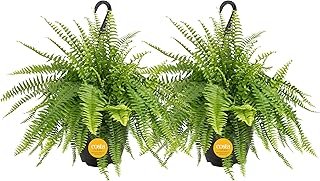
Costa Farms Live Boston Fern Plants (2-Pack), Large 16-Inch Tall Hanging…
LE TAUCI Ceramic Pots for Plants, 6.8 Inch Plant Pots with Drainage Hole…
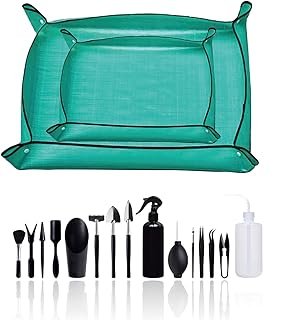
17-Piece Succulent Plant Care Tool Set, 26″ and 39.4″ Plant Transplantin…
3. Areca Palm (Dypsis lutescens)
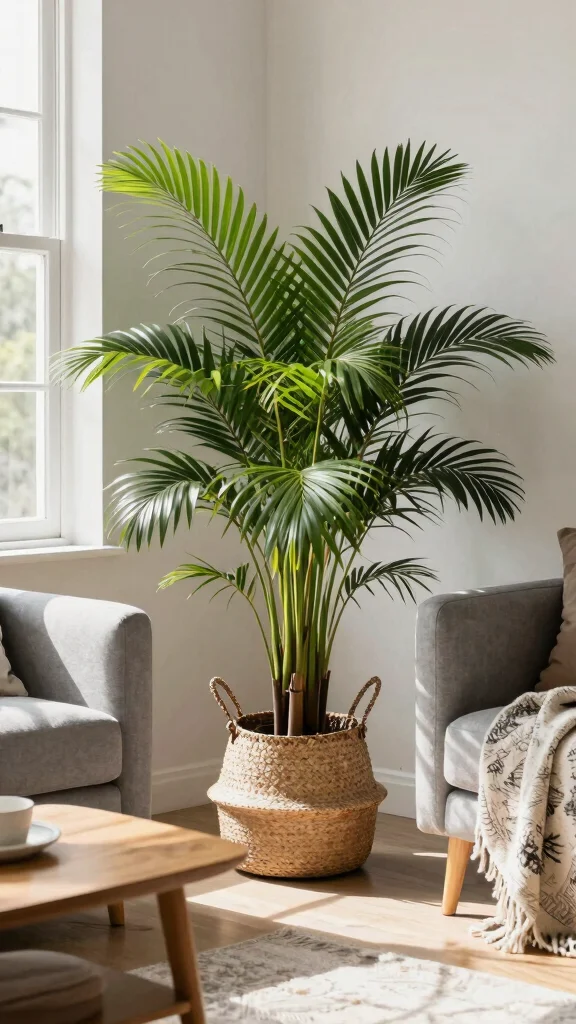
Add a tropical vibe to your home with the stunning Areca Palm, a perfect choice for pet-friendly spaces. Its tall, bushy stature and feather-like fronds create a striking focal point that complements any decor. Besides its visual appeal, this plant also helps purify the air, ensuring a healthy atmosphere for both you and your pets.
To keep your Areca Palm flourishing, focus on a few essential care tips. It thrives in bright, indirect light, so place it where it can soak up the sunlight without direct exposure. Water it regularly to keep the soil moist, but avoid sogginess to prevent root issues.
Care tips for your Areca Palm:
– Position it in bright, indirect light for optimal growth
– Water regularly, keeping the soil moist but not soggy
– Apply balanced fertilizer during the growing season
The Areca Palm not only enhances your indoor space but also contributes to cleaner air quality, making it a delightful companion for you and your beloved pets.
Fun fact: The Areca Palm can reach 6–7 feet indoors, thriving in bright, indirect light. It silently boosts air quality for pet-friendly homes, filtering common VOCs so you and your furry friends breathe easier.
Areca Palm (Dypsis lutescens)
Editor’s Choice
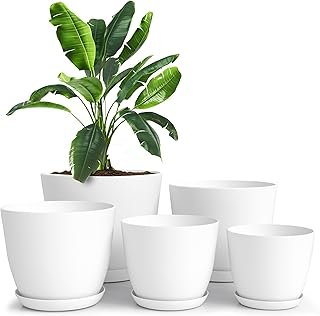
Utopia Home Plant Pots Indoor with Drainage Holes – Set of 5 White Pla…
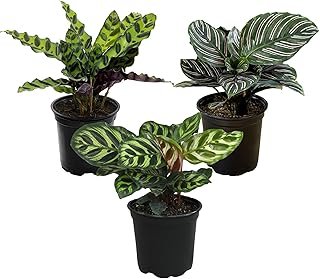
Pet Safe Live Prayer Plant Calathea Collection (3PK) in 4 Inch Pots, Pet…
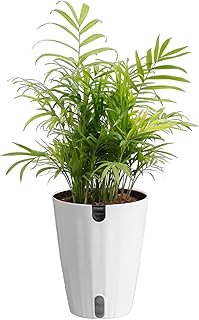
4. Parlor Palm (Chamaedorea elegans)
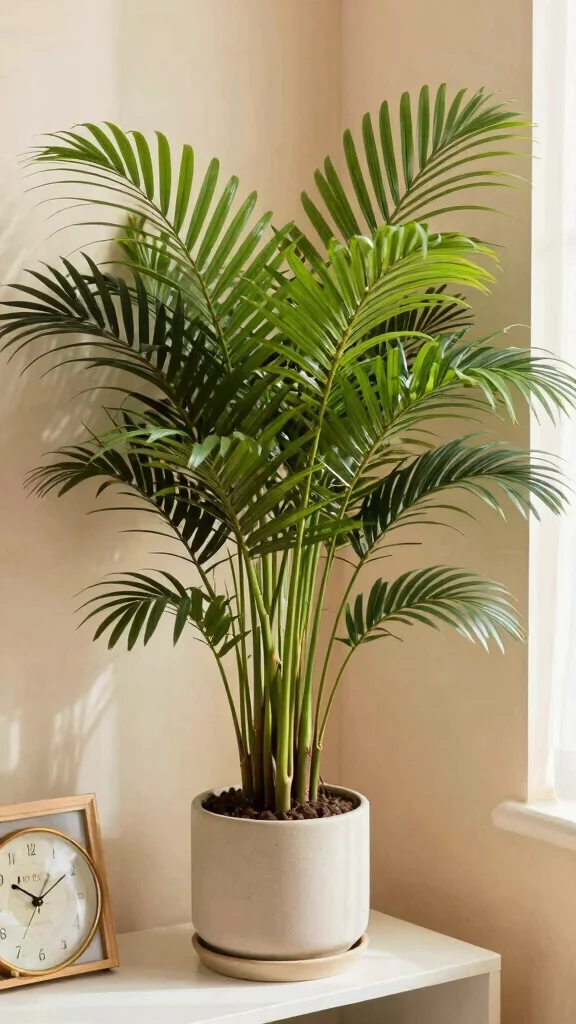
The Parlor Palm is an iconic addition to any pet-friendly home, combining elegance with easy care. Its graceful, arching fronds fit perfectly on shelves or tables, adding a lush look without taking up much space. This adaptable plant thrives even in low light, making it ideal for spots that might not receive much sunshine.
For optimal care, remember a few important tips. While it can thrive in low light, it grows best in bright, indirect sunlight. Water it only when the top inch of the soil dries out, and fertilize it every couple of months for vibrant growth.
Key care tips for your Parlor Palm:
– Enjoys low light but prefers bright, indirect light
– Water only when the top inch of soil is dry
– Use a diluted fertilizer every couple of months
The Parlor Palm not only beautifies your home but also promotes a healthier indoor environment, making it a perfect choice for plant lovers with pets.
Gardening with pets doesn’t mean sacrificing style. The Parlor Palm is a top choice among non-toxic houseplants for pet owners, thriving in low light and rewarding you with lush, vibrant greenery you can enjoy guilt-free.
You might also like
Parlor Palm (Chamaedorea elegans)
Editor’s Choice
The Everyday Houseplant Handbook for Absolute Beginners: A Practical, No…
Costa Farms Parlor Palm Live Plant in Plastic Pot, Air Purifying Indoor …
Costa Farms Parlor Palm Live Plant in Plastic Pot, Air Purifying Indoor …
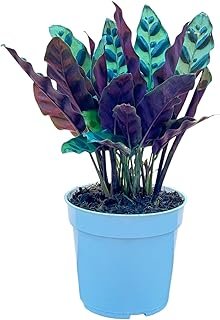
5. Calathea (Calathea spp.)
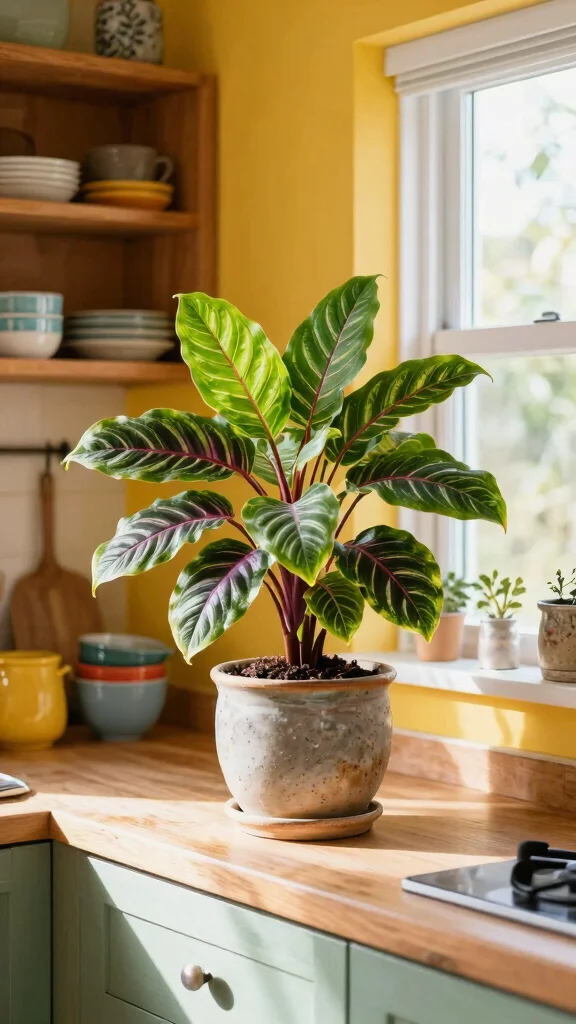
The visually stunning Calathea family offers pet owners a range of non-toxic plants that double as art pieces. With vibrant, patterned leaves in various colors and textures, these plants don’t just beautify your home; they create a dynamic visual experience. Preferring indirect light and moisture, Calatheas thrive in kitchens or bathrooms where they can flourish.
To care for your Calathea, keep a few key tips in mind. They love bright, indirect light but must be shielded from direct sun. Ensure the soil stays consistently moist, as they thrive in humidity, and feed them monthly during the growing season.
Key care tips for your Calathea:
– Enjoys bright, indirect light but avoid direct sunlight
– Keep the soil consistently moist to thrive
– Feed with balanced plant food monthly
With their enchanting leaves and unique behavior, Calatheas not only enhance your decor but also bring life to your space, perfect for animal lovers.
Calathea keeps pets safe and spaces stylish—these non-toxic houseplants for pet owners double as living art. Bright, indirect light and steady moisture reward you with bold patterns and conversation starters. Tip: place them in kitchens or bathrooms for drama without stress.
Calathea (Calathea spp.)
Editor’s Choice
Rattlesnake Calathea Live Plant – Air Purifier, Colorful House Plant, Id…
XLUX Long Probe Deep Use Soil Moisture Meter, Water Monitor Indicator Se…
6. Friendship Plant (Pilea involucrata)
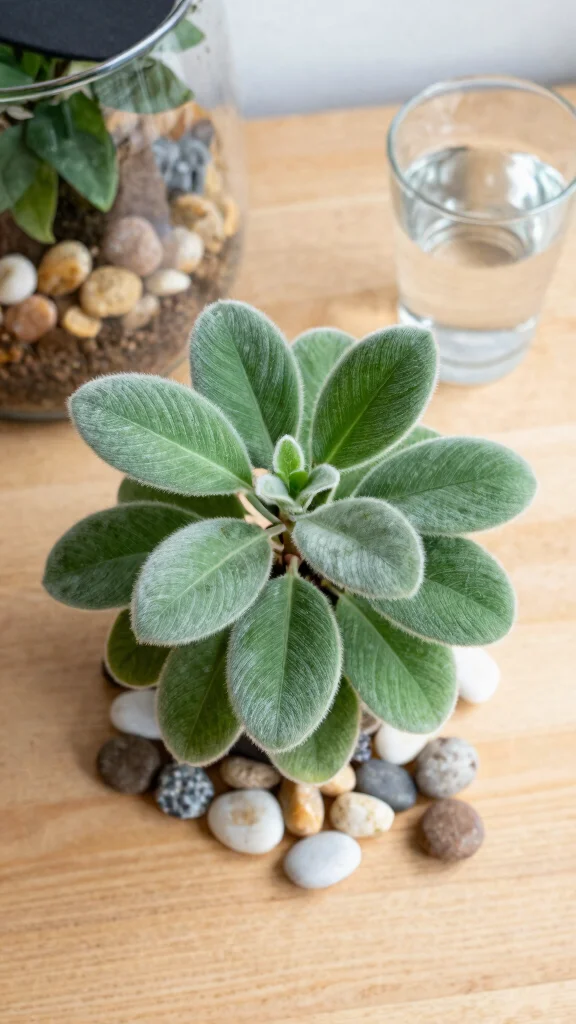
The Friendship Plant is a delightful option for pet owners, featuring fuzzy leaves and intricate patterns that add a charming touch to any indoor garden. This small, low-maintenance plant thrives in various light conditions, making it easy to place anywhere from desks to windowsills. Plus, it propagates easily, allowing you to share cuttings with friends or fellow plant lovers.
To keep your Friendship Plant happy, remember a few care tips. It prefers bright, indirect light but can tolerate lower light conditions. Allow the topsoil to dry out before watering, and consider misting it occasionally for added humidity.
Care tips for your Friendship Plant:
– Prefers bright, indirect light but tolerates lower light
– Allow the topsoil to dry out before watering
– Mist occasionally for higher humidity
This plant encourages connection among friends while beautifying your space, making it an ideal choice for social gatherings and plant enthusiasts alike.
📹 Related Video: How I propagate my Honeymoon Valley Friendship plant by cuttings
Ongoing Maintenance & Care Guide
Maintenance Schedule:
Daily/Weekly Tasks:
– Water the plants as needed. This typically means checking the soil moisture. If it feels dry an inch down, it’s time for watering. ⏱ (5-10 minutes)
– Rotate the plants for even light exposure. This keeps them growing straight and healthy. ⏱ (5 minutes)
– Dust the leaves gently to improve photosynthesis. A damp cloth works well for this task. ⏱ (10 minutes)
– Check for any signs of pests, like webs or spots. Early detection is key! ⏱ (5 minutes)
Monthly/Seasonal Tasks:
– Fertilize the plants using a balanced, organic fertilizer. This helps them grow strong during their active growing season. Follow the instructions on the fertilizer package. ⏱ (15 minutes)
– Repot any plants that have outgrown their containers. Ensure the new pot has good drainage and is only a size larger. ⏱ (30-45 minutes)
– Trim dead or yellowing leaves to promote new growth. This makes your plants look neat and healthy. ⏱ (15 minutes)
– Check for root rot or other issues. Remove any affected roots to keep the plant healthy. ⏱ (20 minutes)
– Adjust watering as seasons change. In winter, many plants need less water. ⏱ (5 minutes)
Maintenance Summary Table:
| Task | Frequency | Difficulty | Time Needed |
|—————————|—————-|————|————–|
| Watering | Daily/Weekly | Easy | 5-10 minutes |
| Rotating | Daily/Weekly | Easy | 5 minutes |
| Dusting | Daily/Weekly | Easy | 10 minutes |
| Pest Check | Daily/Weekly | Easy | 5 minutes |
| Fertilizing | Monthly | Easy | 15 minutes |
| Repotting | Monthly | Medium | 30-45 minutes|
| Trimming | Monthly | Easy | 15 minutes |
| Root Check | Monthly | Medium | 20 minutes |
| Adjusting Watering | Monthly | Easy | 5 minutes |
Common Issues to Watch For:
⚠️ Look out for these warning signs:
– Yellowing leaves: This may indicate overwatering or nutrient deficiency. Check the soil moisture and consider fertilizing.
– Wilting: This can be a sign of underwatering or root rot. Feel the soil; if it’s dry, water it. If it’s soggy, check the roots.
– Brown leaf tips: This often means low humidity or underwatering. Increase moisture around the plant, or mist it regularly.
– Pests: If you see webbing or tiny insects on the leaves, act quickly. Use insecticidal soap or neem oil to eliminate them.
– Stunted growth: This may happen if the plant is root-bound or lacking nutrients. Check the pot size and consider repotting or fertilizing.
Care Tips:
💡 Here are some practical tips for keeping your non-toxic houseplants thriving:
– Use the right pots: Ensure your pots have drainage holes. This prevents water from sitting at the bottom, reducing the risk of root rot.
– Monitor light conditions: Each plant has its light preferences. Make sure to place your non-toxic houseplants in suitable lighting for their needs.
– Group plants by their needs: Cluster plants that require similar care. This makes it easier to manage watering and light.
– Be mindful of temperature changes: Keep your plants away from drafty windows or heating vents. Sudden temperature changes can stress them.
– Regularly rotate your plants: This helps them grow evenly and prevents them from leaning toward the light.
Following this maintenance guide will help you enjoy a lush, green indoor space while keeping your pets safe. With a little care and attention, your non-toxic houseplants will thrive beautifully!
Friendship Plant (Pilea involucrata)
Editor’s Choice
Doter Organic Potting Soil for Indoor Cat Grass, Great Seedling Soil for…
7. Moth Orchid (Phalaenopsis spp.)
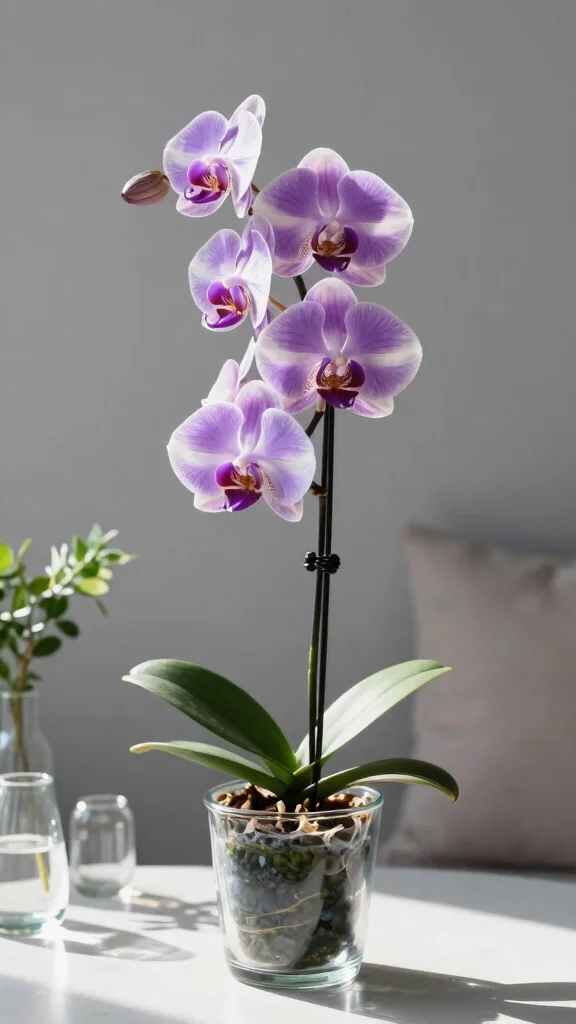
The stunning Moth Orchid is perfect for pet-friendly homes, adding a touch of elegance and color to any room. With blooms that can last for months, these orchids create a delightful visual impact with their graceful flowers in various colors and patterns. They require moderate light and low humidity, making them easy to care for in a variety of indoor settings.
To keep your Moth Orchid thriving, follow a few key care tips. It loves bright, indirect sunlight, so place it accordingly. Water it every 1-2 weeks, allowing the soil to dry out between waterings, and use orchid fertilizer during the growing season to promote healthy growth.
Key care tips for your Moth Orchid:
– Thrives in bright, indirect sunlight
– Water every 1-2 weeks and allow soil to dry
– Apply orchid fertilizer every couple of months
With their beautiful blooms and low toxicity, Moth Orchids are not just a beautiful addition to your home; they also symbolize love and beauty, making them perfect for any pet lover’s decor.
Moth Orchid (Phalaenopsis spp.)
Editor’s Choice
Ceramic Self Watering Pots, 6 Inch African Violet Pots with Absorbent In…
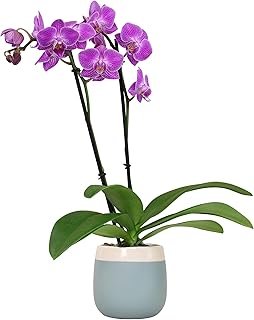
Premium Purple Live Orchid Plant Blooming in 3.5″ Blue & White Orchid Po…
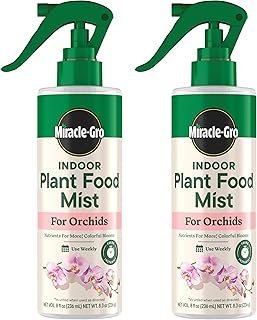
Miracle-Gro Indoor Plant Food Mist for Orchids, Orchid Plant Food, 8 fl….
Conclusion
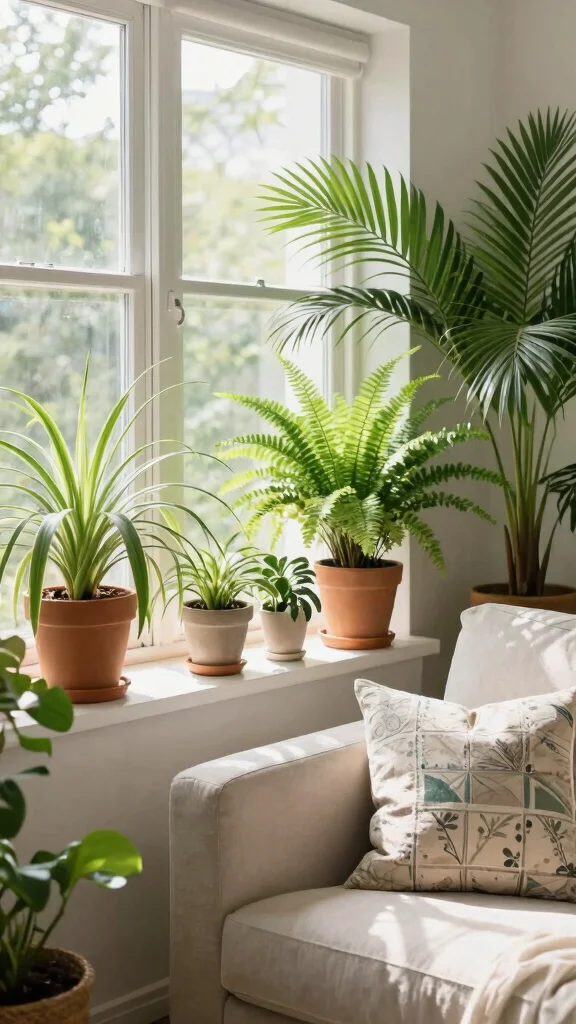
Choosing houseplants as a pet owner doesn’t have to be daunting.
With the right selection of non-toxic greenery, you can create a vibrant, inviting home that’s safe for your furry friends.
From the lush Boston Fern to the elegant Moth Orchid, these seven plants provide beauty, air purification, and peace of mind. Embrace the green lifestyle, and let your home flourish with the joy of plants while keeping your pets safe!
Note: We aim to provide accurate product links, but some may occasionally expire or become unavailable. If this happens, please search directly on Amazon for the product or a suitable alternative.
This post contains Amazon affiliate links, meaning we may earn a small commission if you purchase through our links, at no extra cost to you.
Frequently Asked Questions
Which are the best non-toxic houseplants for pet owners?
Here are some popular options for non-toxic houseplants for pet owners that are commonly considered safe for cats and dogs: the spider plant, areca palm, parlor palm, Boston fern, and Calathea. These pet-friendly plants are easy to care for and add greenery without posing a major risk.
Tip: start with a few, place them out of reach of paws and mouths, and supervise how your pet interacts with new greenery. For absolute safety, double-check with a vet or trusted resources on safe houseplants for cats and dog-safe indoor plants.
Are these pet-friendly plants safe for both cats and dogs?
Yes—these selections are generally considered safe for both cats and dogs, making them ideal pet-friendly plants for homes with multiple pets.
That said, no plant is 100% risk-free if a pet chews large amounts. If ingestion occurs, watch for upset stomach, drooling, or vomiting and contact your veterinarian.
Keep a copy of reliable lists (like the ASPCA database) handy when choosing non-toxic greenery and dog-safe indoor plants.
How can I tell if a plant is safe for cats or dogs?
Start with trusted resources and verify the plant’s scientific name. Look up the listing on the ASPCA database or consult your veterinarian to confirm it’s a non-toxic houseplant for pet owners.
Read plant labels carefully, and avoid common red flags or vague terms like ‘natural’ if you’re not sure. When in doubt, keep the plant out of reach and choose proven pet-friendly plants.
What are practical tips for placing and caring for pet-friendly greenery in a small home?
Choose compact, hanging, or wall-mounted varieties to maximize floor space in a small home. Use vertical gardens or shelves to keep plants away from curious paws, and pick petsafe pots with secure drainage.
Maintain non-toxic greenery by regular watering suited to each plant, and avoid chemical fertilizers or pesticides. Keep pet-safe cleaning routines and wipe leaves to reduce dust that pets might sniff or lick.
How can I maintain non-toxic greenery while keeping pets safe from hazards?
Create a pet-safe routine: designate dedicated plant zones, use barrier placements, and train pets to avoid plant areas. Use organic or pet-safe pest control options and always wash edible leaves before pets access them. Inspect plants weekly for signs of soil chewing, yellowing, or pests, and replace any plant showing signs of stress.
By focusing on non-toxic houseplants for pet owners and dog-safe indoor plants, you’ll nurture your pet-friendly plants without sacrificing safety for your animal lovers’ lifestyle.
Related Topics
non-toxic houseplants
pet-friendly plants
safe houseplants
indoor gardening
dog-safe plants
cat-safe greenery
houseplants for pets
easy care plants
beginner gardening
low maintenance greenery
animal lovers
plant care tips