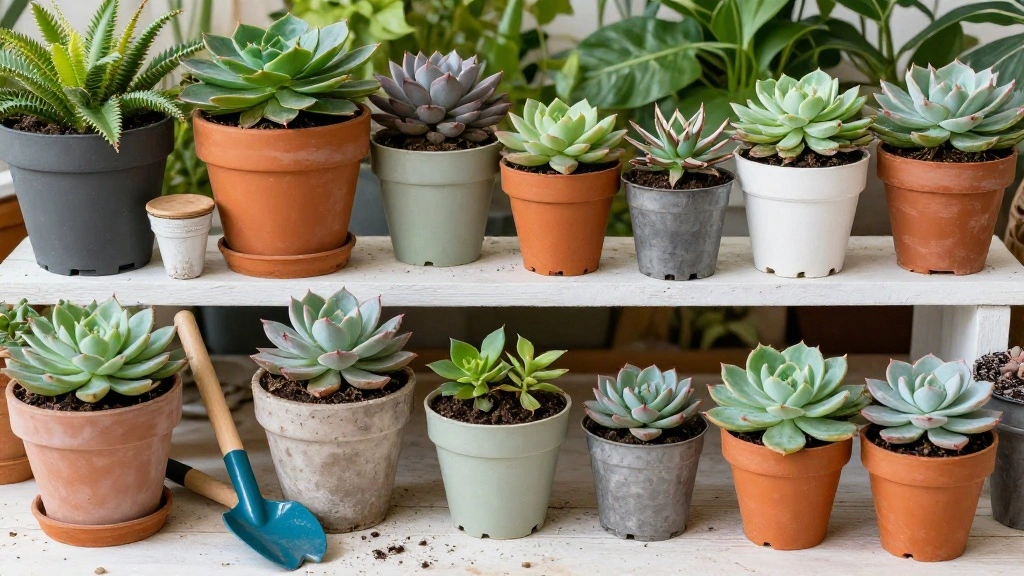
Are you tired of traditional houseplants that require constant attention and care? Succulents are the perfect solution for busy individuals! These hardy plants are not only beautiful but also incredibly low-maintenance, making them ideal for anyone looking to add a touch of greenery to their space without the fuss.
In this guide, you will learn how to create a stunning succulent arrangement that can thrive for years with minimal effort. By the end of this project, you’ll have a vibrant display that not only beautifies your home but also brings joy and a sense of accomplishment.
This beginner-friendly guide outlines everything you need to know about planting, maintaining, and troubleshooting your succulent arrangement. The entire process should take about 2-3 hours, depending on your pace and familiarity with the materials.
Ready to get started on your journey to creating a long-lasting succulent arrangement? Let’s dive in!
TL;DR Summary
- Choose the right container and soil for your succulents.
- Plan your arrangement layout before planting.
- Water your succulents appropriately for long-lasting health.
- Regularly check for pests and signs of distress.
Prerequisites/Materials Needed
- Succulents: 3-5 assorted types
- Container: 1 pot (preferably with drainage holes)
- Soil: cactus or succulent potting mix (2 quarts)
- Gardening gloves: 1 pair
- Small shovel or trowel: 1
- Watering can: 1
- Decorative stones or gravel: optional, for top dressing
Prerequisites/Materials Needed
Editor’s Choice
Altman Plants, Live Succulent Plants (20 Pack) Assorted Potted Succulent…

Miracle-Gro Indoor Potting Mix for Cactus and Succulent, Fast-Draining C…

Long Gardening-Gloves Women/Men-Thorn proof Rose Pruning Heavy Duty Gaun…
Skill Level & Time Estimate
Skill Level: beginner
Total time estimate: 2-3 hours
Here’s a breakdown of the time by major steps:
- Gathering materials: 15-30 minutes
- Arranging succulents: 1-1.5 hours
- Planting and watering: 30-60 minutes
Skill Level & Time Estimate
Editor’s Choice
Miracle-Gro Indoor Potting Mix for Cactus and Succulent, Fast-Draining C…
Melphoe 25Pcs Mini Garden Hand Transplanting Succulent Tools Set, 39.4″ …
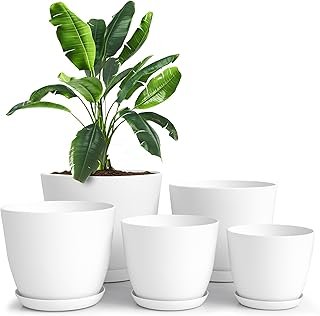
Utopia Home Plant Pots Indoor with Drainage Holes – Set of 5 White Pla…
Step 1: Choose Your Container
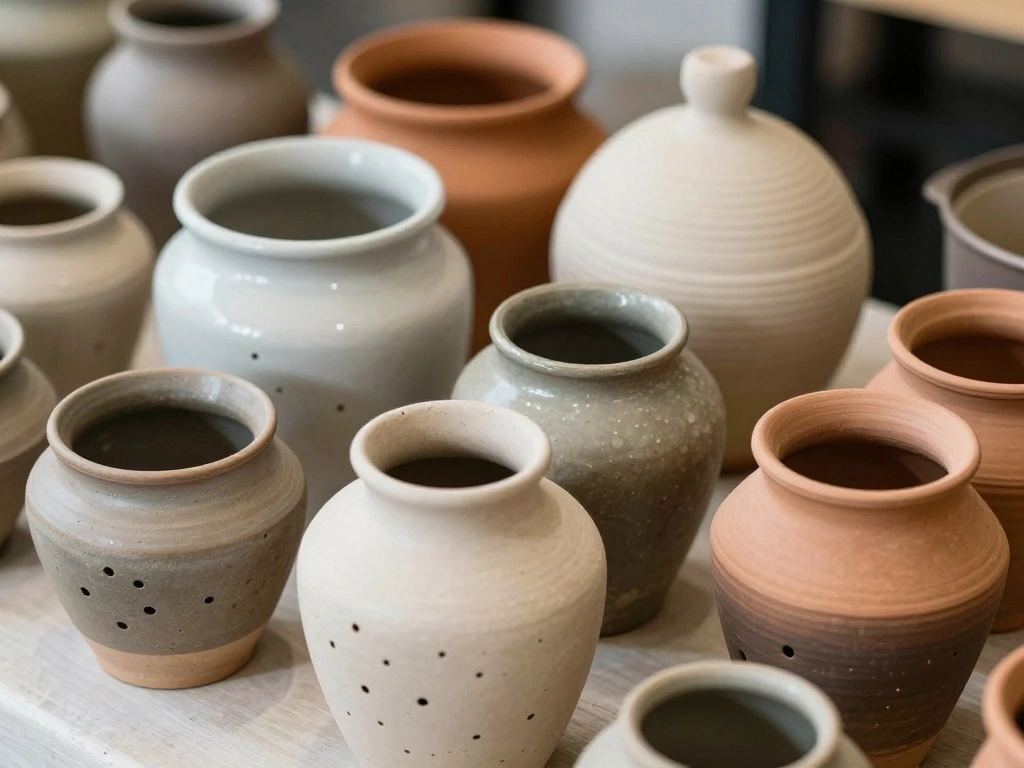
Start by selecting an appropriate container for your succulent arrangement. Choose a pot that has drainage holes to prevent overwatering, which is a common mistake with succulents. Here’s how to choose:
- Measure the size of your succulents; ensure the pot is large enough.
- Consider the style of the pot—ceramic, terracotta, or plastic are popular options.
- Check for drainage holes to ensure excess water can escape.
Warning: Using a container without drainage holes can lead to root rot.
Why this matters: A suitable container helps maintain the right moisture level, ensuring your succulents thrive.
Time estimate: 10 minutes.
Step 1: Choose Your Container
Editor’s Choice
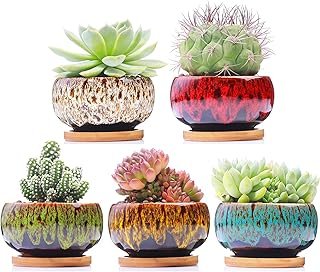
Cute Ceramic Succulent Garden Pots, Planter with Drainage and Attached S…
Step 2: Prepare the Soil
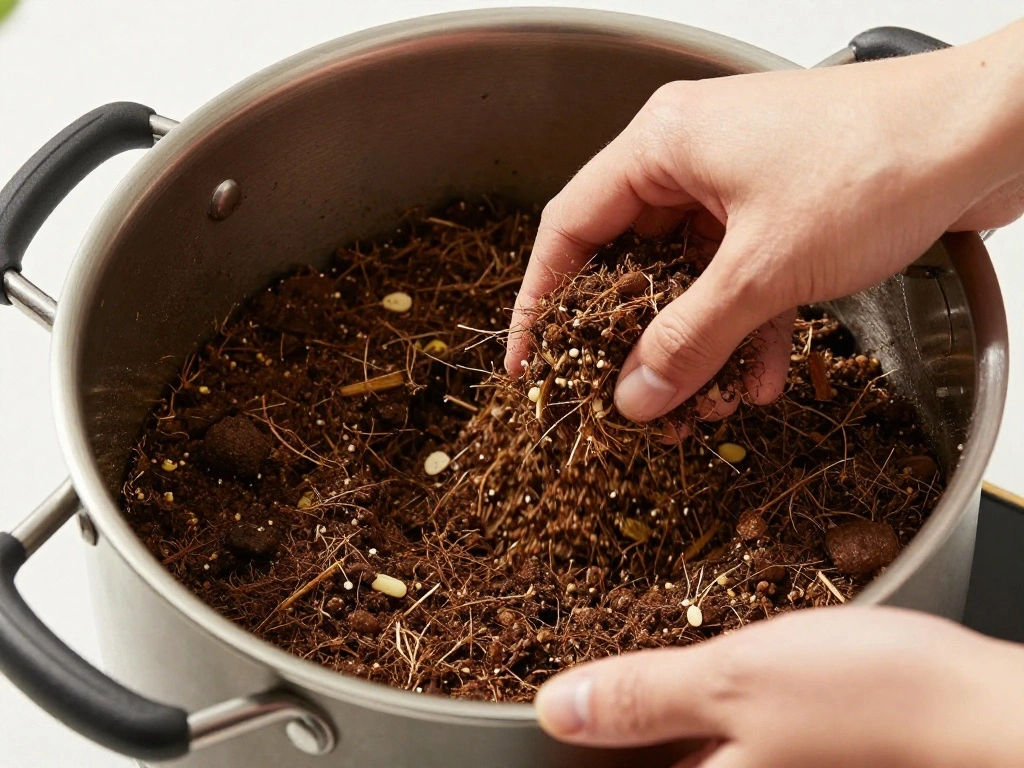
Next, prepare the soil that will support your succulents. Using the right soil mix is crucial for their health. Follow these steps:
- Choose a cactus or succulent potting mix, which drains well.
- Fill your container with the soil, leaving about an inch of space at the top.
- Lightly pat down the soil to eliminate air pockets.
Pro Tip: You can mix in some perlite or sand to enhance drainage further.
Why this matters: Proper soil ensures that water does not accumulate, which can lead to root rot.
Time estimate: 15 minutes.
Step 2: Prepare the Soil
Editor’s Choice
8LB Horticultural Sand for Succulents and Cactus Soil, 1-2mm Natural Coa…
Back to the Roots 100% Organic Perlite | Made in the USA | Premium Nutri…
Miracle-Gro Indoor Potting Mix for Cactus and Succulent, Fast-Draining C…
Step 3: Select and Arrange Your Succulents
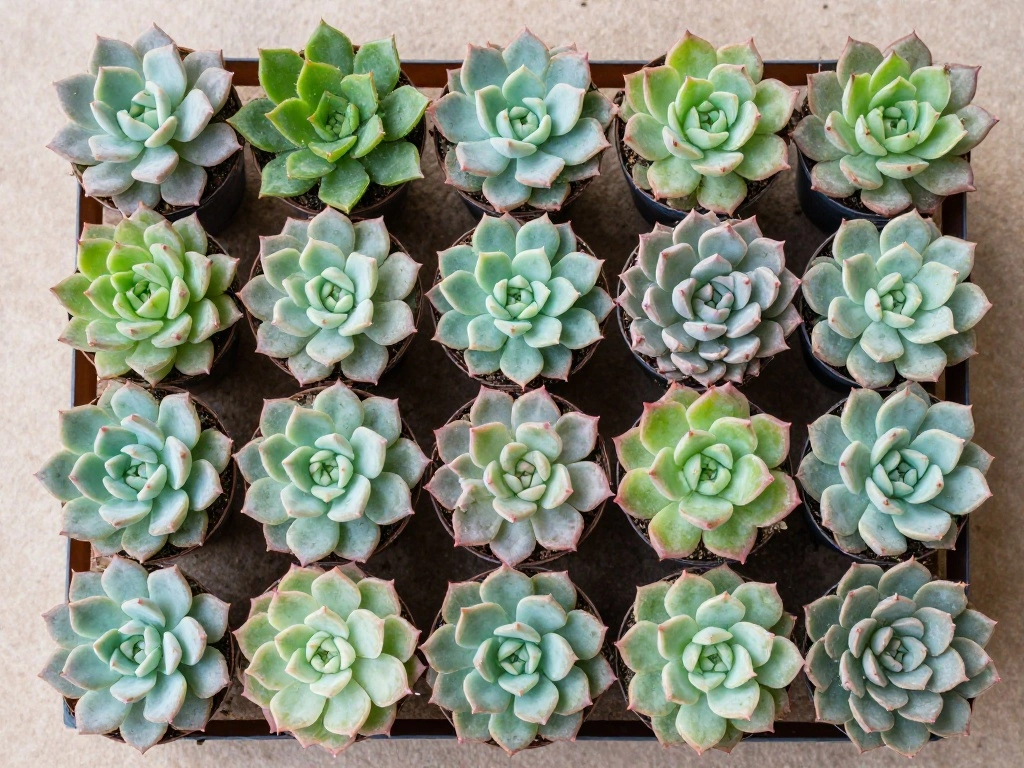
Now it’s time to choose and arrange your succulents. This step is all about creativity! Follow these guidelines:
- Select 3-5 types of succulents with varying shapes, sizes, and colors.
- Before planting, arrange them in the pot without soil to visualize the layout.
- Ensure taller plants are in the back and shorter ones in the front for a balanced look.
Pro Tip: Use odd numbers of plants for a more natural appearance.
Why this matters: A well-thought-out arrangement enhances the aesthetic appeal of your arrangement.
Time estimate: 30 minutes.
Step 3: Select and Arrange Your Succulents
Editor’s Choice
homenote Plant Pots,6/7.5 Inch Flower Pots for Plants Plastic Planters f…
Altman Plants, Live Succulent Plants (20 Pack) Assorted Potted Succulent…
Miracle-Gro Indoor Potting Mix for Cactus and Succulent, Fast-Draining C…
Step 4: Plant the Succulents
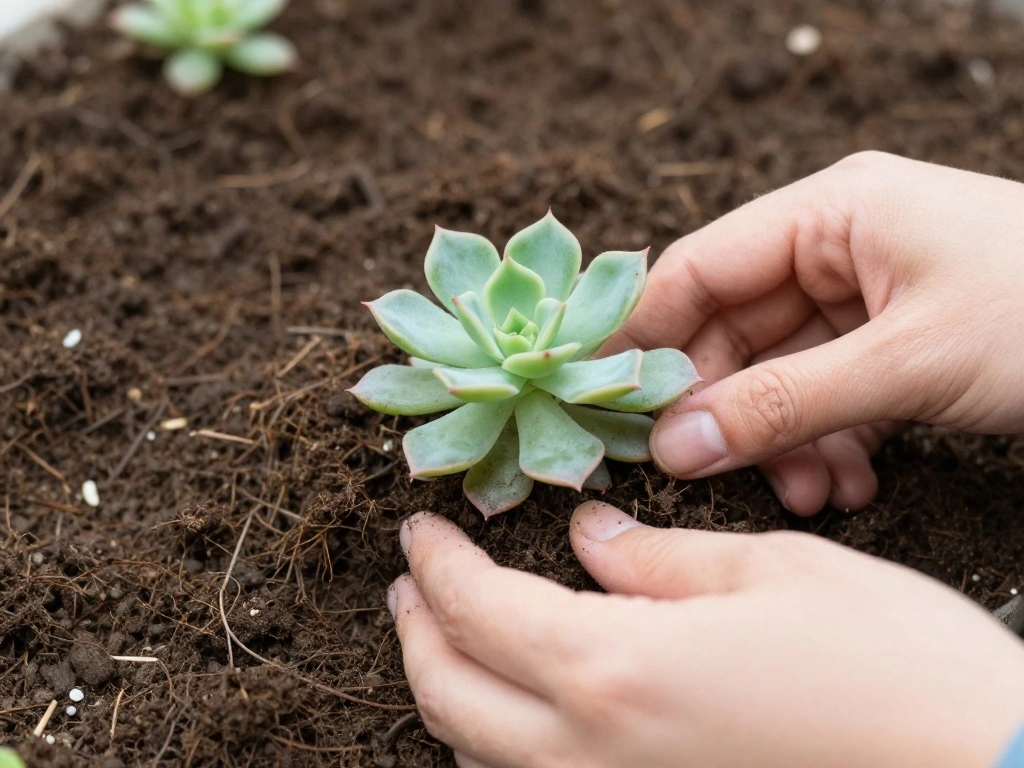
With your arrangement ready, it’s time to plant your succulents. Here’s how:
- Remove each succulent from its nursery pot carefully.
- Create a small hole in the soil for each succulent using your fingers or a shovel.
- Place the succulent in the hole and gently pack the soil around it to secure it.
Warning: Do not bury the leaves of the succulents in soil; this can cause rot.
Why this matters: Proper planting ensures that each plant has enough support and space to grow.
Time estimate: 30 minutes.
Step 4: Plant the Succulents
Editor’s Choice
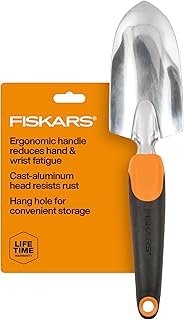
Fiskars Trowel, Heavy Duty Gardening Hand Tool with Hang Hole, For Diggi…
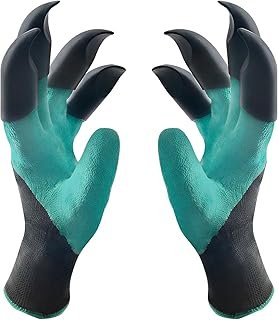
Gardening Gloves with Claw,Planting Waterproof Gardening Gloves,for Digg…
Miracle-Gro Indoor Potting Mix for Cactus and Succulent, Fast-Draining C…
Step 5: Water Your Arrangement
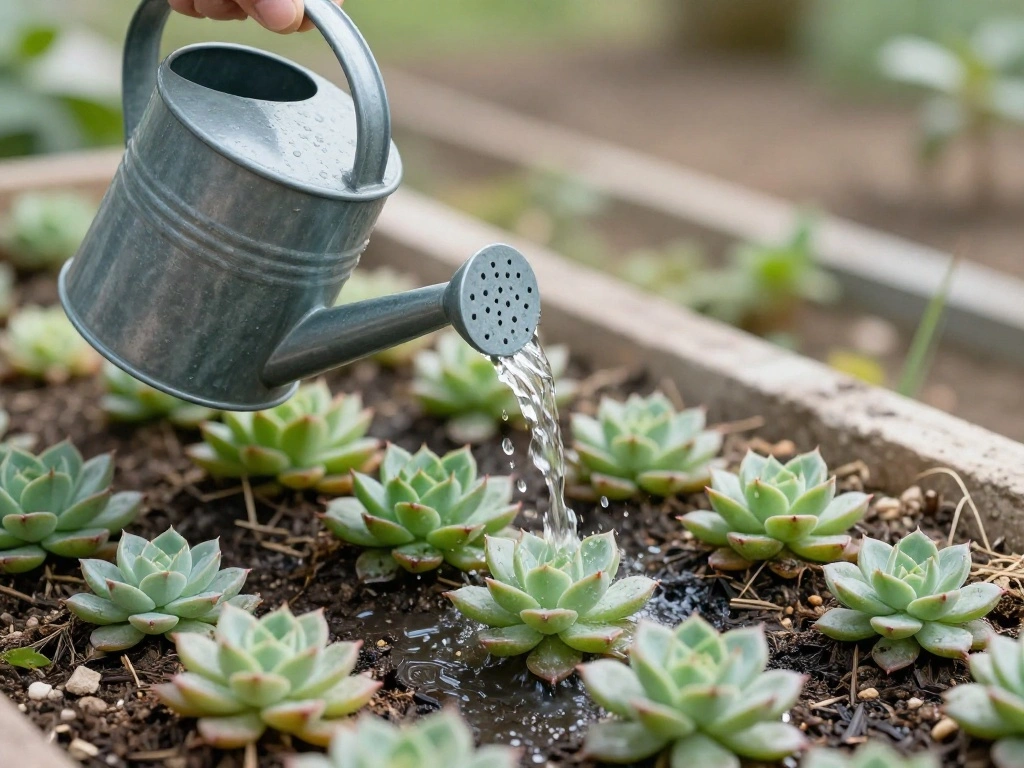
After planting, it’s vital to water your arrangement correctly. Here’s what to do:
- Use a watering can to lightly water the soil around the base of each succulent.
- Ensure the water drains out of the bottom holes, indicating adequate saturation.
- Allow the soil to dry out completely before watering again.
Pro Tip: Wait a week before watering again to let the roots establish.
Why this matters: Proper watering prevents overwatering, a common mistake that leads to succulent death.
Time estimate: 15 minutes.
Step 5: Water Your Arrangement
Editor’s Choice
XLUX Long Probe Deep Use Soil Moisture Meter, Water Monitor Indicator Se…
Fasmov 1-Gallon Plastic Watering Can with Comfortable Handle, Garden Wat…
ZOUTOG Ceramic Succulent Pots,3.6 Inch Plant Pots,Succulent Planters wit…
Step 6: Add Decorative Stones (Optional)
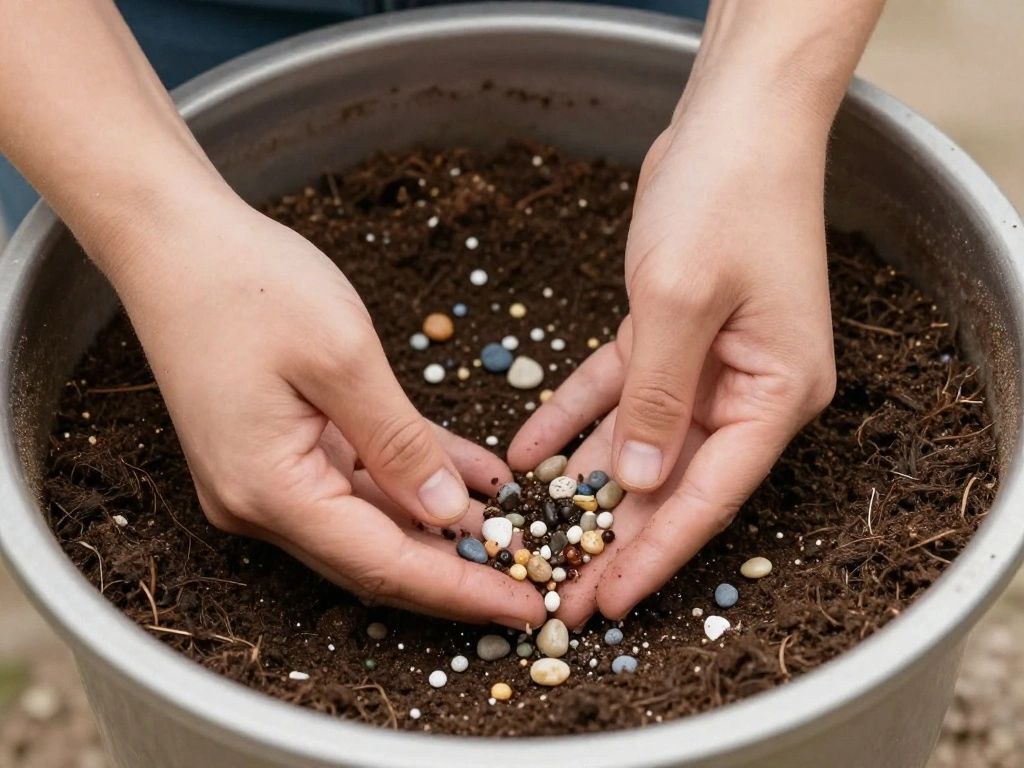
To finish your arrangement, consider adding decorative stones or gravel. This step is optional but adds a beautiful touch:
- Choose small stones or gravel that complement your succulents.
- Carefully sprinkle them over the surface of the soil, avoiding the plant leaves.
- Evenly distribute the stones for a polished look.
Pro Tip: Decorative stones can help retain moisture and reduce evaporation.
Why this matters: Decorative elements enhance the visual appeal of your arrangement.
Time estimate: 15 minutes.
Step 6: Add Decorative Stones (Optional)
Editor’s Choice
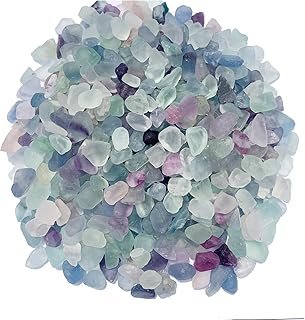
1 LB Small Crystals Rocks, Tumbled Chips Stone, Natural Quartz Crystals …
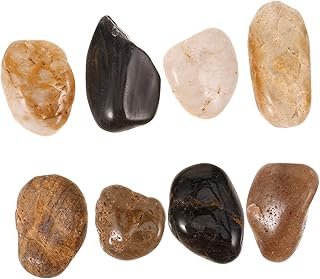
Mikikit 1set Natural Pebbles for Aquarium and Landscaping Polished River…
Step 7: Place in an Appropriate Location
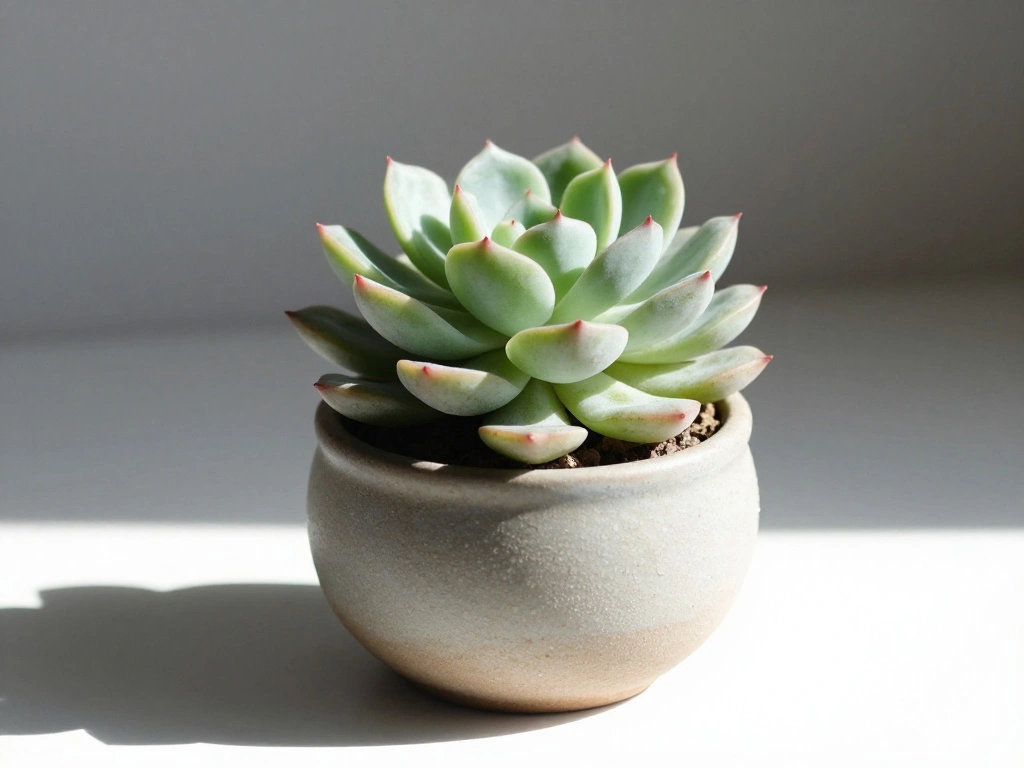
Now that your arrangement is complete, find the best spot for your succulents. Follow these guidelines:
- Choose a location with bright, indirect sunlight—too much direct sun can scorch them.
- Avoid placing them near drafts or extreme temperature changes.
- Consider using a decorative stand or shelf for display.
Pro Tip: Rotate your arrangement occasionally for even growth.
Why this matters: Proper placement ensures your succulents receive the right amount of light and temperature.
Time estimate: 10 minutes.
Step 7: Place in an Appropriate Location
Editor’s Choice
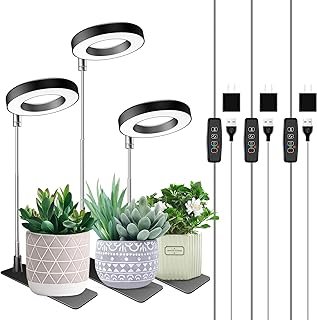
Aokrean Plant Grow Light, 48 LEDs Full Spectrum Grow Lights for Indoor P…
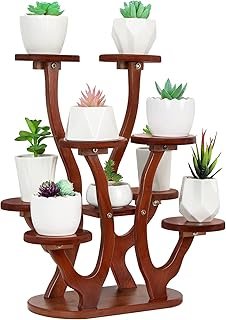
Jotsport 9 Pots Mini Succulent Stand Windowsill Small Plant Stand Multi …
Step 8: Care and Maintenance
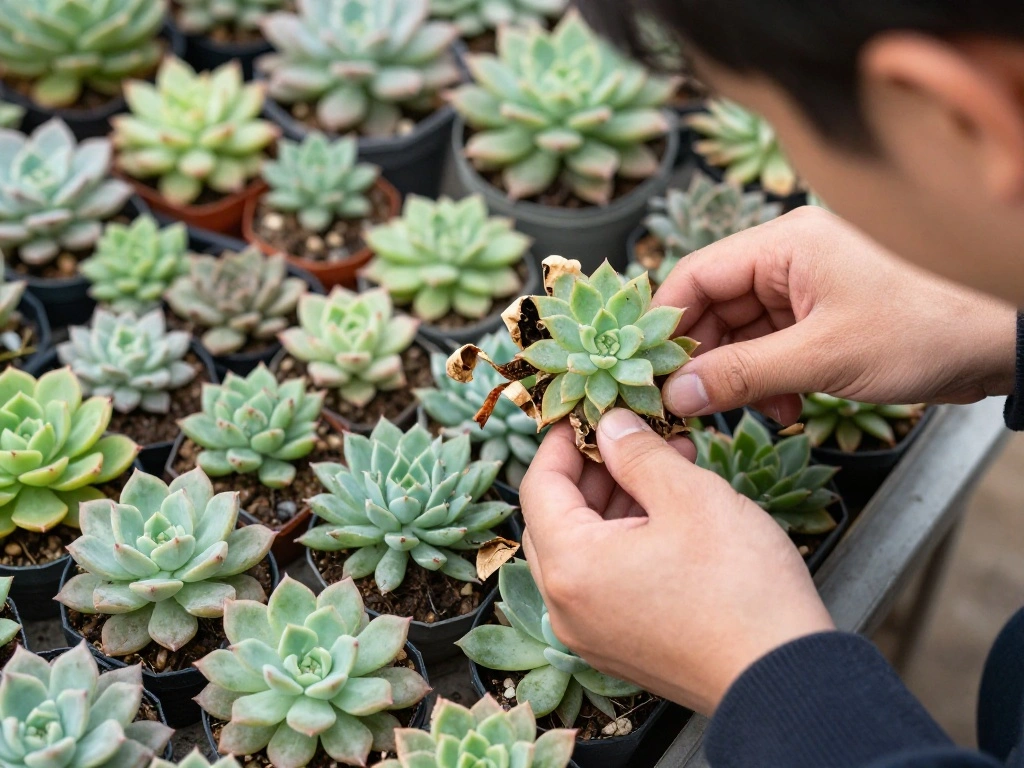
Your succulent arrangement needs minimal care, but some maintenance is necessary:
- Check for pests such as mealybugs or aphids regularly.
- Water only when the soil is completely dry, usually every 2-3 weeks.
- Remove dead or damaged leaves as needed to promote growth.
Warning: Overwatering can lead to root rot, so always ensure the soil has dried out.
Why this matters: Regular maintenance keeps your arrangement healthy and thriving.
Time estimate: 5 minutes weekly.
Step 8: Care and Maintenance
Editor’s Choice
Mighty Mint Gallon (128 oz) Insect and Pest Repellent Peppermint Oil – N…
Fiskars Indoor Watering Can, Long Reach Spout for Precision Hydration on…
Miracle-Gro Indoor Potting Mix for Cactus and Succulent, Fast-Draining C…
Step 9: Enjoy Your Succulent Arrangement
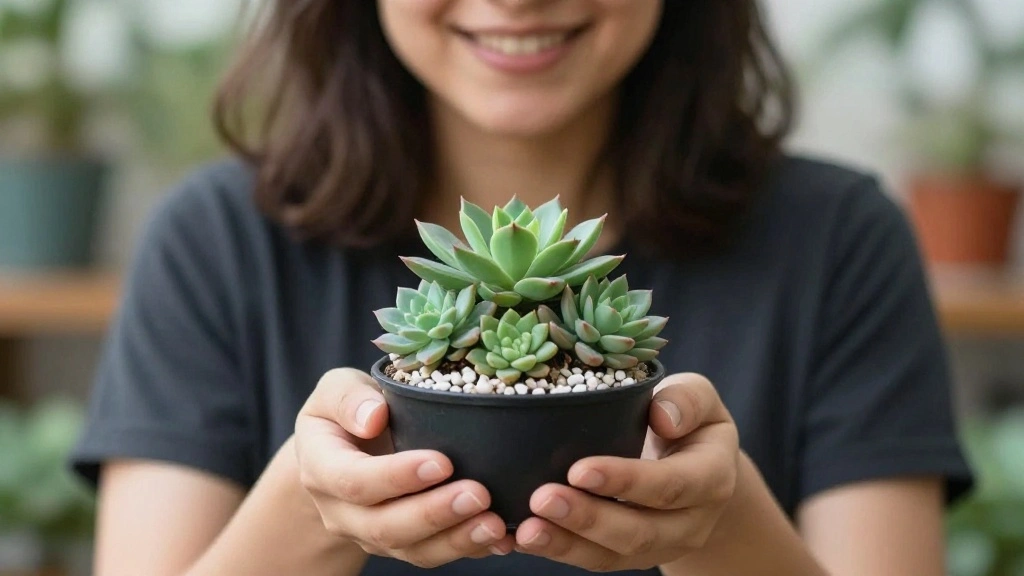
Now that you’ve successfully planted and cared for your succulents, take a moment to enjoy your creation! Here’s how to appreciate your work:
- Admire the colors and unique shapes of your succulents.
- Share your arrangement with friends or family to inspire them.
- Consider creating more arrangements or expanding your plant collection.
Pro Tip: Take photos of your arrangement as it grows to document its progress.
Why this matters: Enjoying the fruits of your labor is a key part of gardening!
Time estimate: Ongoing enjoyment!
Pro Tips
- Variety is Key: Mix different types of succulents for a diverse and visually appealing arrangement.
- Light Matters: Keep your succulents in a spot where they get plenty of indirect sunlight for optimal growth.
- Limit Watering: Always err on the side of underwatering; succulents prefer dry soil.
- Repot When Necessary: If your succulents outgrow their pot, consider repotting them into a larger container.
- Keep an Eye on Growth: Monitor your succulents for signs of stretching, which indicates they need more light.
Pro Tips
Editor’s Choice
Fasmov 1-Gallon Plastic Watering Can with Comfortable Handle, Garden Wat…
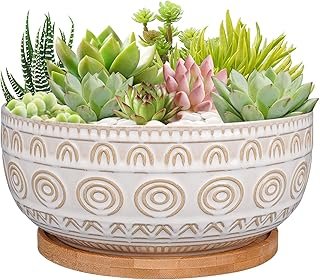
Eightpot 8 Inch Ceramic Succulent Planter Pot with Drainage Hole and Sau…
Miracle-Gro Indoor Potting Mix for Cactus and Succulent, Fast-Draining C…
Common Mistakes to Avoid
Warning: Overwatering: This is one of the most common mistakes leading to root rot. Always let the soil dry out completely before watering again.
Warning: Ignoring Drainage: Using pots without drainage holes can cause water to accumulate, harming your plants. Always choose pots with drainage.
Warning: Poor Lighting: Succulents need bright indirect light. Too much direct sunlight can scorch them; too little can cause them to stretch.
Common Mistakes to Avoid
Editor’s Choice
Miracle-Gro Indoor Potting Mix for Cactus and Succulent, Fast-Draining C…
Cute Ceramic Succulent Garden Pots, Planter with Drainage and Attached S…
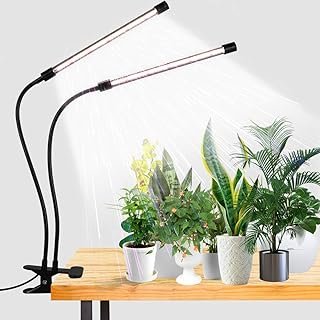
GooingTop LED Grow Light,6000K Full Spectrum Clip Plant Growing Lamp wit…
Troubleshooting Section
Problem: Leaves turning yellow.
Solution: This may indicate overwatering. Allow the soil to dry out completely and adjust your watering schedule.
Problem: Succulents stretching out.
Solution: They are not getting enough light. Move them to a brighter location with indirect sunlight.
Problem: Brown spots on leaves.
Solution: This may be a sign of sunburn. Move your succulents to a spot with filtered light.
Problem: Pests on plants.
Solution: Use insecticidal soap to treat affected areas and remove pests.
Troubleshooting Section
Editor’s Choice
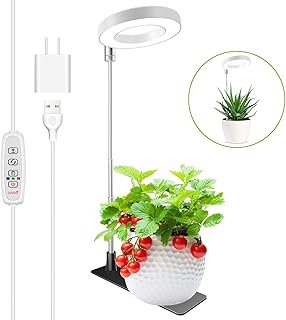
Kullsinss Grow Lights for Indoor Plants, Full Spectrum Halo Growing lamp…
Miracle-Gro Indoor Potting Mix for Cactus and Succulent, Fast-Draining C…
Klein Tools ET140 Pinless Moisture Meter for Non-Destructive Moisture De…
Variations/Alternative Methods
Consider these variations for different results:
- Terrariums: Create a closed environment for your succulents. This requires a glass container and may require less frequent watering.
- Hanging Arrangements: Use small succulents in hanging planters for a unique display.
- Mixed Arrangements: Combine succulents with other drought-tolerant plants for a more diverse look.
Variations/Alternative Methods
Editor’s Choice
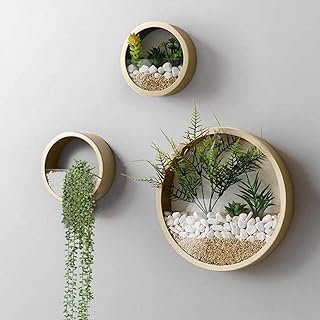
3 Pack Set Wall Planters,Modern Round Glass Wall Planter Succulent Plant…
Back to the Roots 100% Organic Succulent & Cacti Mix (Value 12 Quart) | …
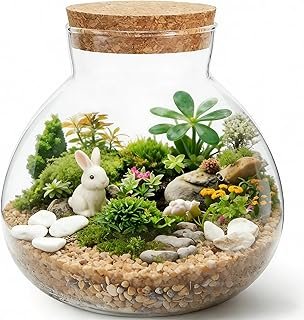
NUOBESTY Glass Terrarium Jar with Cork Lid, 6×6.3 Inch Closed Terrarium …
FAQs
What if I don’t have a pot with drainage holes?
You can create drainage by layering gravel at the bottom of your pot before adding soil, but it’s best to use a pot with holes.
How long should I wait to water after planting?
Wait about a week to allow the roots to establish before watering for the first time.
Is it safe to place succulents outdoors?
Yes, but ensure they are in a location with proper light and protection from extreme weather.
FAQs
Editor’s Choice
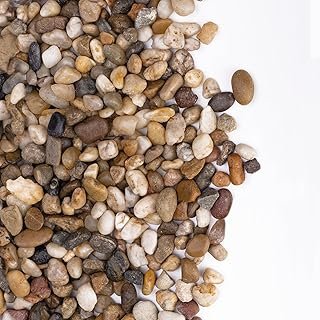
Pulovin 2.5 lbs Drainage Rocks for Potted Plants, 1/5 Inch Small Pebbles…
Miracle-Gro Indoor Potting Mix for Cactus and Succulent, Fast-Draining C…
Eightpot 8 Inch Ceramic Succulent Planter Pot with Drainage Hole and Sau…
Conclusion
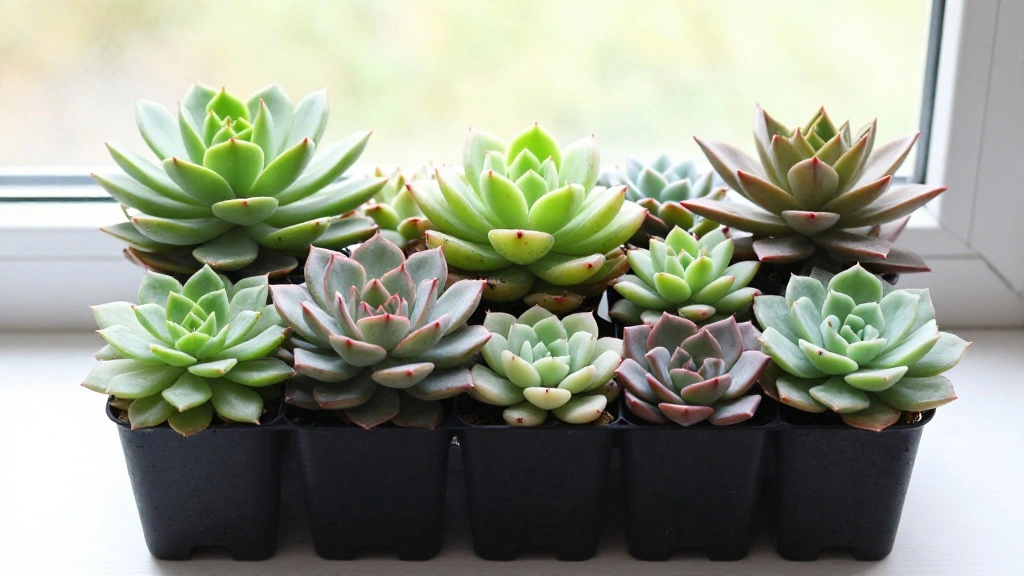
Congratulations on creating your stunning succulent arrangement! You’ve taken the first step towards a beautiful, low-maintenance display that can last for years.
Now that you have the basics down, consider experimenting with different arrangements and types of succulents. Keep caring for your plants, and enjoy watching them thrive.
For more gardening tips and inspiration, check out additional resources and guides!