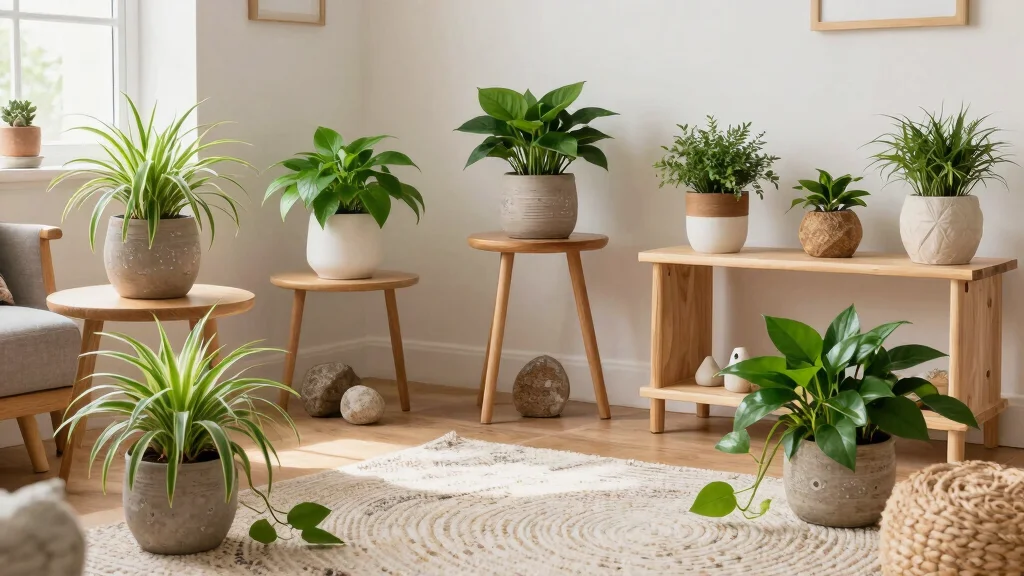
Bringing home a new plant can feel like a breath of fresh air, especially when you have toddlers running around. You might be craving a touch of green in your space, but safety is a top concern. Many common houseplants can be toxic to little ones, and that can create a lot of stress for parents who want to enjoy indoor gardening. I created this post to help you discover the safest houseplants for homes with toddlers. After all, you shouldn’t have to choose between a lively home and your child’s safety.
If you’re navigating the joys and challenges of parenting toddlers, this guide is specifically for you. You care about creating a nurturing environment that also includes nature, but finding plants that won’t harm your curious little explorers can be tricky. In this blog post, I’ll share nine non-toxic houseplants that are not only safe for toddlers but also child-friendly and easy to care for. By the end, you’ll feel confident selecting indoor plants that will thrive in your home, bringing beauty and fresh air without any worry.
Let’s dig into the world of safe plants for toddlers that can brighten your home while keeping your little ones safe and happy.
Key Takeaways
– Discover nine non-toxic houseplants that are safe for homes with toddlers, ensuring your little ones can explore without risk.
– Learn about the specific benefits of each plant, including air-purifying qualities and easy maintenance, making them perfect for busy parents.
– Understand why choosing child-friendly plants is essential not just for safety but also for enhancing your indoor environment.
– Get tips on where to place these plants around your home to minimize potential accidents while maximizing their aesthetic appeal.
– Find out how caring for these plants can be a fun and educational activity for you and your toddlers, fostering a love for nature from a young age.
1. Spider Plant
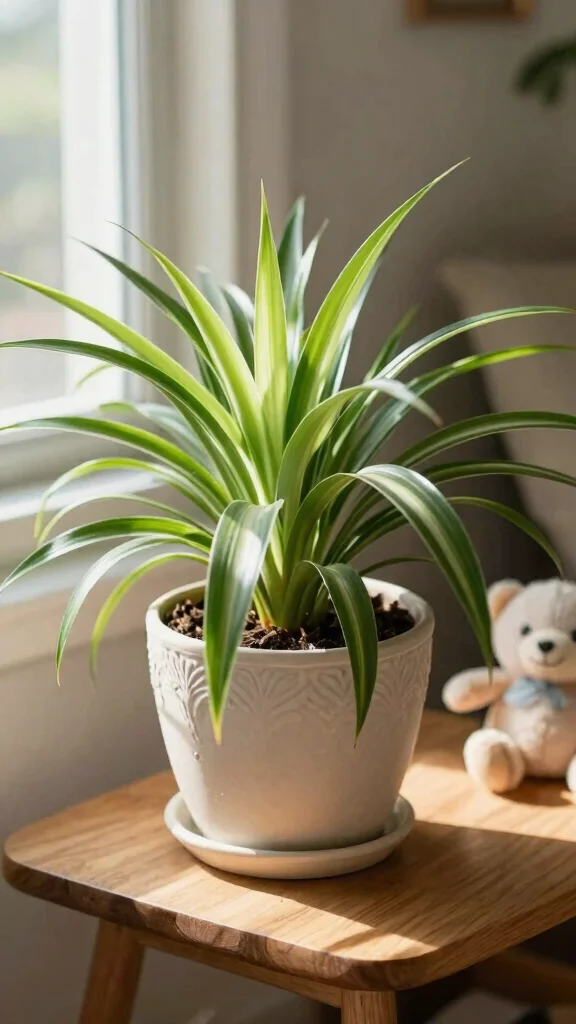
Looking for a plant that’s easy to care for and safe for your little ones? The spider plant is a fantastic choice! Its long, arching leaves and adorable ‘baby’ plants make it a delightful addition to any home. You hardly need a green thumb to keep it thriving—just provide some light and occasional watering, and it will flourish in your space.
To ensure your spider plant stays healthy, make sure not to over-water it. A little fertilizer during the growing season can help it grow even better. And if your toddler gets curious, you can relax knowing its leaves are non-toxic and safe to touch.
Key care tips for your spider plant:
– Water only when the soil is dry
– Fertilize lightly during growing season
– Safe for toddlers to touch
This resilient plant is perfect for a family home, combining ease of care with air-purifying benefits.
Spider Plant
Editor’s Choice
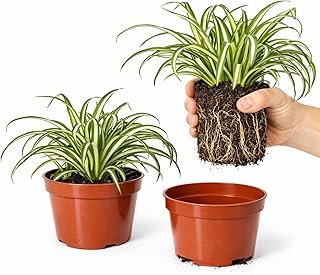
Easy to Grow Spider Plant Variegated 2 Full Size Potted Plants – Large E…

Espoma Organic 8 Ounce Concentrated Indoor! Plant Food – Indoor Plant Fe…
PURPLE STAR 1N 25 Packs Cupcake Plant Nursery Pots with Humidity Dome-Sm…
2. Pothos
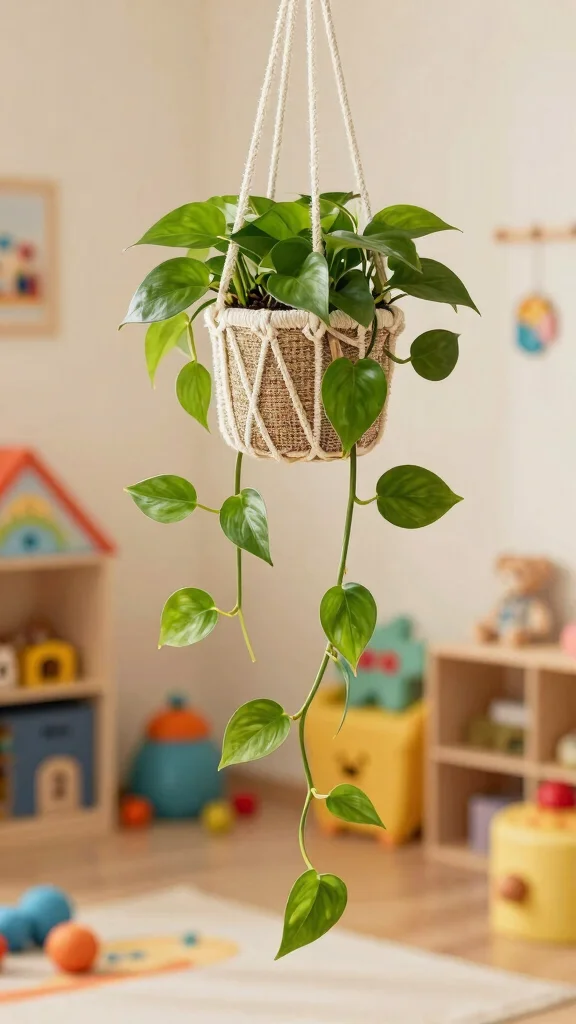
Want a plant that adds style and is super easy to care for? Pothos is the ideal solution! Its heart-shaped leaves and vibrant green color bring life to any room, and it adapts well to different lighting conditions. This makes it perfect for hanging baskets or shelves where toddlers can admire its cascading vines.
To keep your pothos looking its best, water it when the soil is dry to the touch. It thrives in various light settings, but bright, indirect light will keep it growing strong. Feel free to let your little ones explore; pothos is completely non-toxic and safe for curious hands.
Quick tips for caring for pothos:
– Water when soil is dry
– Thrives in low to bright indirect light
– Non-toxic for children
Pothos isn’t just a plant; it’s a stylish friend for your child-friendly home.
Pothos
Editor’s Choice
BKSAI Hanging Plant Plant Watering Bottle Update Multifunction Watering …
Back to the Roots 100% Organic Indoor Potting Mix (6 Quart), Promotes He…
Set of 2-10 Inch Hanging Planters for Indoor Plants with Self-Watering I…
3. Areca Palm
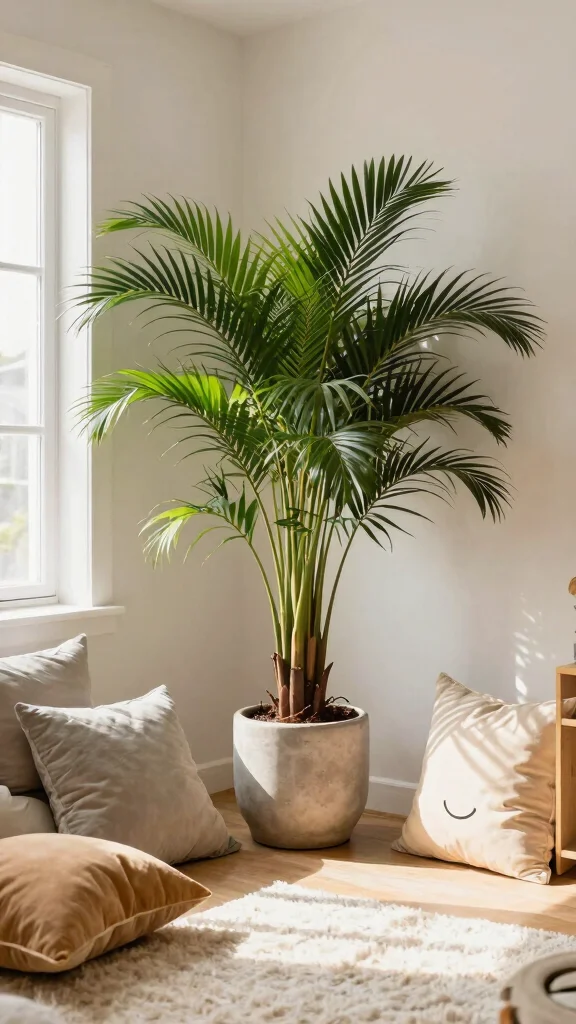
Want to bring a touch of the tropics indoors? The areca palm is a beautiful choice! Its feathery fronds add elegance to your home while also purifying the air. This plant thrives in bright, indirect light and adapts well to different humidity levels, making it perfect for homes with toddlers.
To keep your areca palm healthy, keep the soil moist without making it soggy. Misting the leaves can help, as this plant loves humidity. Plus, you won’t have to worry if little hands want to touch it; it’s non-toxic!
Simple care tips for your areca palm:
– Keep soil moist, not soggy
– Mist leaves for extra humidity
– Non-toxic for kids
The areca palm adds beauty and safety to your indoor plant collection.
📹 Related Video: Areca Palm Complete Care Tips | How to Save and Water Areca Palm Leaves | #gardening #arecapalm
Areca Palm
Editor’s Choice
17-Piece Succulent Plant Care Tool Set, 26″ and 39.4″ Plant Transplantin…
LEVOIT Top Fill Humidifiers for Bedroom, 2.5L Tank for Large Room, Easy …
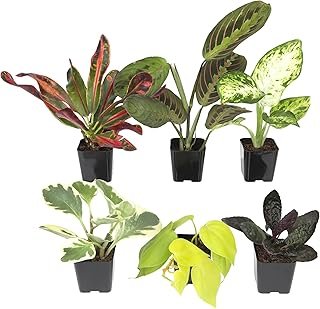
Easy to Grow Live Houseplants (6 Pack), Deluxe Collection of Assorted Ai…
4. Boston Fern
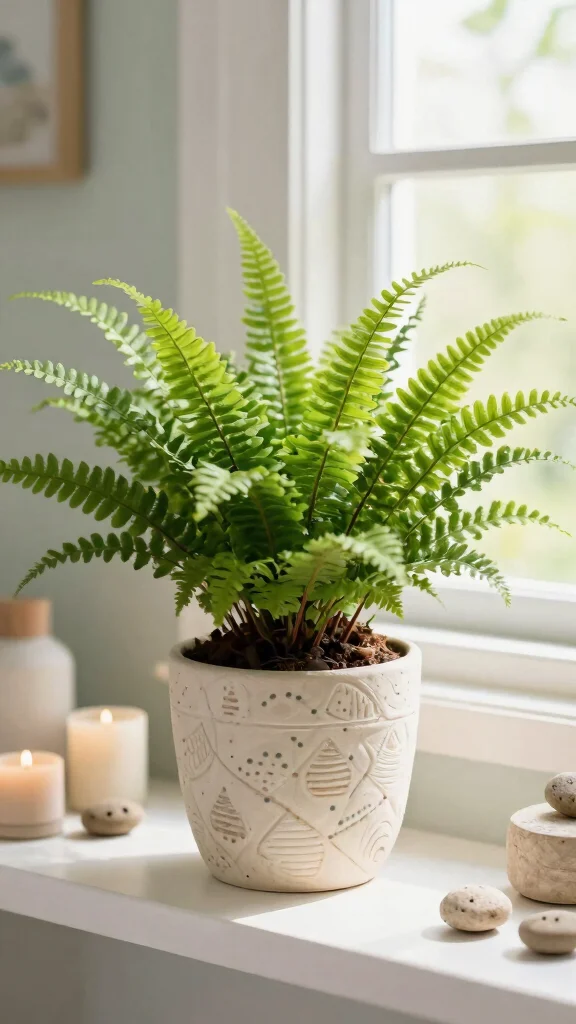
If you love lush greenery, the Boston fern is a stunning pick! Its delicate leaves create a vibrant atmosphere in any room. This plant thrives in indirect light and loves humidity, making it ideal for kitchens and bathrooms where moisture is more prevalent.
While it requires a bit more care, the beauty it brings is worth it, especially since it’s completely safe for kids and pets! Keep the soil moist but not soggy, and mist the leaves regularly to keep them healthy.
Care tips for your Boston fern:
– Keep soil consistently moist
– Mist leaves for humidity
– Place in bright, indirect sunlight
Your Boston fern can flourish and enhance your home’s ambiance while keeping your little ones safe.
Boston Fern
Editor’s Choice
BEADNOVA Squeeze Plant Watering Bottle 250ml 8oz Small Wash Bottle Squee…
Planters’ Choice 9 Herb Indoor Window Garden Kit – Birthday Gifts – Hous…
Cute Body Shaped Planter Fun Resin Plant Pots Indoor with Drainage Hole …
5. Calathea
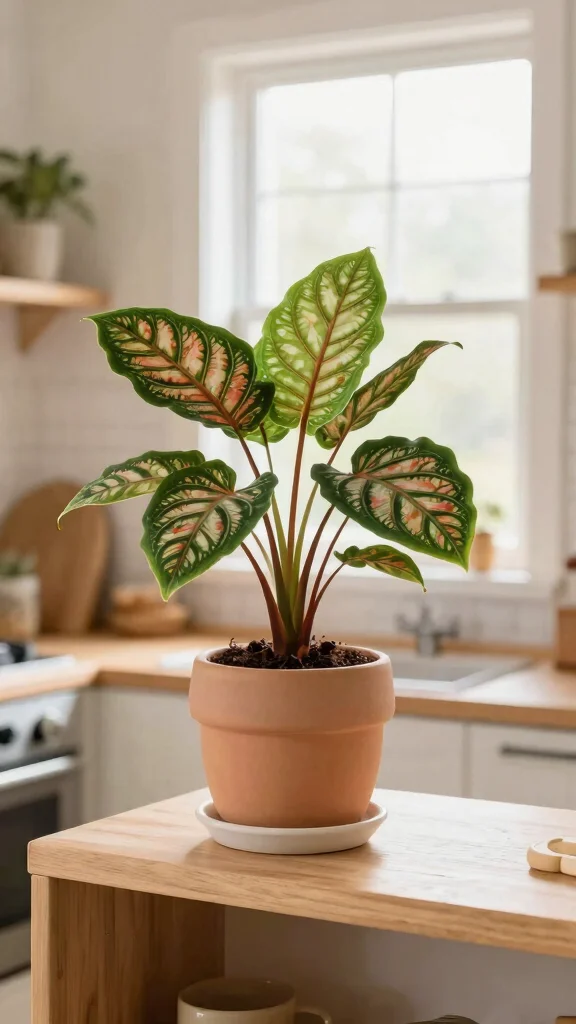
Calathea plants are a showstopper with their striking patterns and colors! They thrive in low to medium light, making them perfect for various spots in your home. The unique movement of their leaves, opening during the day and folding at night, will surely fascinate your toddlers, and they are completely non-toxic.
To keep your Calathea healthy, water it regularly to keep the soil slightly moist. Avoid direct sunlight to prevent leaf scorch, and mist the leaves for added humidity. This plant not only beautifies your home but also offers a safe environment for your children.
Care tips for your Calathea:
– Water regularly, keeping soil moist
– Avoid direct sunlight
– Mist leaves for humidity
Calathea’s colorful foliage provides an engaging experience, making it perfect for a safe plant for toddlers.
Fun fact: Calathea leaves perform a daily light dance—opening by day and folding at night, sometimes within 2 minutes. Best of all, these beauties are completely non-toxic, making them a kid-friendly, toddler-safe centerpiece for busy homes.
You might also like
Ongoing Maintenance & Care Guide
Maintenance Schedule:
Daily/Weekly Tasks:
– Watering: Check the moisture of the soil. Water when the top inch feels dry. This usually takes about 5-10 minutes.
– Dusting Leaves: Wipe leaves with a damp cloth to remove dust. This keeps the plants healthy and allows them to absorb more light, taking about 5 minutes.
– Check for Pests: Look for signs of pests like webs or holes in the leaves. Spend about 5 minutes doing a quick inspection.
Monthly/Seasonal Tasks:
– Fertilizing: Use a diluted liquid fertilizer once a month during the growing season. This takes about 10-15 minutes to apply properly.
– Repotting: Check for root growth. If roots are coming out of the pot, it’s time to repot. This is usually needed every 1-2 years and takes about 30-45 minutes.
– Pruning: Trim dead or yellowing leaves to promote new growth. This should take around 10-15 minutes.
– Changing Soil: Refresh the soil every year. This helps provide fresh nutrients and takes about 20-30 minutes.
Maintenance Summary Table:
| Task | Frequency | Difficulty | Time Needed |
|————————–|—————–|————-|————–|
| Watering | Daily/Weekly | Easy | 5-10 mins |
| Dusting Leaves | Weekly | Very Easy | 5 mins |
| Check for Pests | Weekly | Easy | 5 mins |
| Fertilizing | Monthly | Easy | 10-15 mins |
| Repotting | Yearly | Moderate | 30-45 mins |
| Pruning | Monthly | Easy | 10-15 mins |
| Changing Soil | Yearly | Moderate | 20-30 mins |
Common Issues to Watch For:
⚠️ Yellowing Leaves: This can indicate overwatering. Check the soil moisture to see if it’s too wet.
⚠️ Brown Leaf Tips: This often means the plant is not getting enough humidity or water. Increase humidity or adjust watering habits.
⚠️ Wilting Leaves: If leaves droop, your plant may need water. Check the soil to see if it’s dry.
⚠️ Pest Infestation: Look for webs or small insects on leaves. Treat with insecticidal soap if pests are found.
⚠️ Slow Growth: If your plant isn’t growing, it might need more light or nutrients. Adjust its position or fertilize it.
Care Tips:
💡 Choose the Right Spot: Place your plants where they can get indirect sunlight. Too much direct sunlight can scorch them.
💡 Use Non-Toxic Products: When cleaning or fertilizing, ensure that you’re using non-toxic products to keep your toddlers safe.
💡 Rotate Plants: Every few months, rotate your plants to ensure even growth. This helps all sides receive light.
💡 Learn Specific Needs: Each plant has unique needs. Research what works best for each type you have.
💡 Involve the Kids: Let your toddlers help with watering or dusting. This builds responsibility and care for nature.
By staying on top of these tasks, you’ll create a safe and thriving environment for both your indoor plants and your little ones. With these easy maintenance tips, you can enjoy the beauty of your child-friendly plants without worry!
Calathea
Editor’s Choice
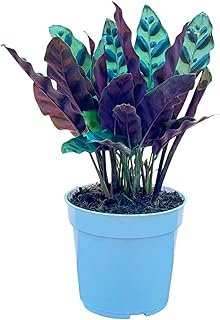
Rattlesnake Calathea Live Plant – Air Purifier, Colorful House Plant, Id…
ROSEKM Humidifiers for Bedroom, 2.0L Cool Mist Humidifier for Home Plant…
6. Parlor Palm
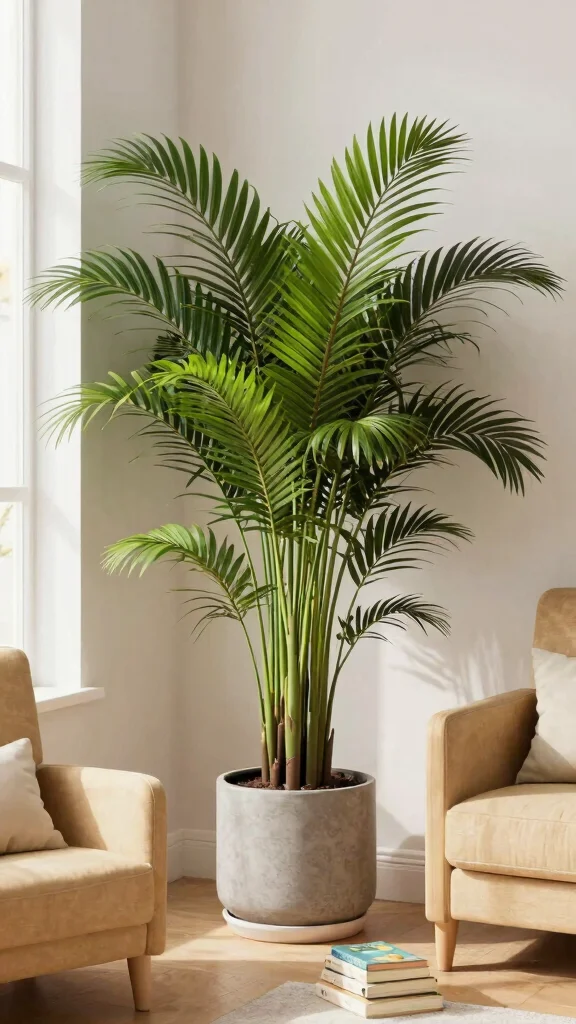
The parlor palm is a charming addition to your home! With graceful fronds and its ability to adapt to various light conditions, this plant is perfect for family spaces. Its non-toxic nature makes it ideal for homes with kids, allowing them to explore without worry.
To care for your parlor palm, water it when the top inch of soil feels dry. Place it in a spot with bright, indirect sunlight for optimal growth. Wiping the leaves occasionally keeps them looking vibrant and healthy.
Quick care tips for your parlor palm:
– Water when top inch of soil is dry
– Provide bright, indirect sunlight
– Wipe leaves to keep them clean
With its elegant charm, the parlor palm is a stylish and safe choice for families.
Parlor Palm
Editor’s Choice

Cute Plant Pots, Smiley Planters for Indoor Plants and Succulents, with …
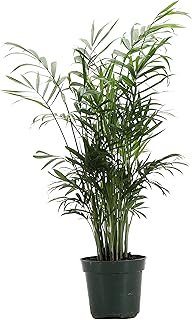
Thorsen’s Greenhouse Parlor Palm Plant, Live Indoor Plant, Neanthe Bella…
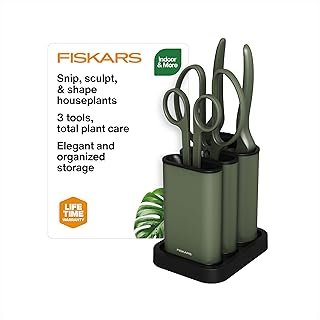
Fiskars Indoor Plant Care 3-Piece Set, Precision Gardening Tools with Ne…
7. Rubber Plant
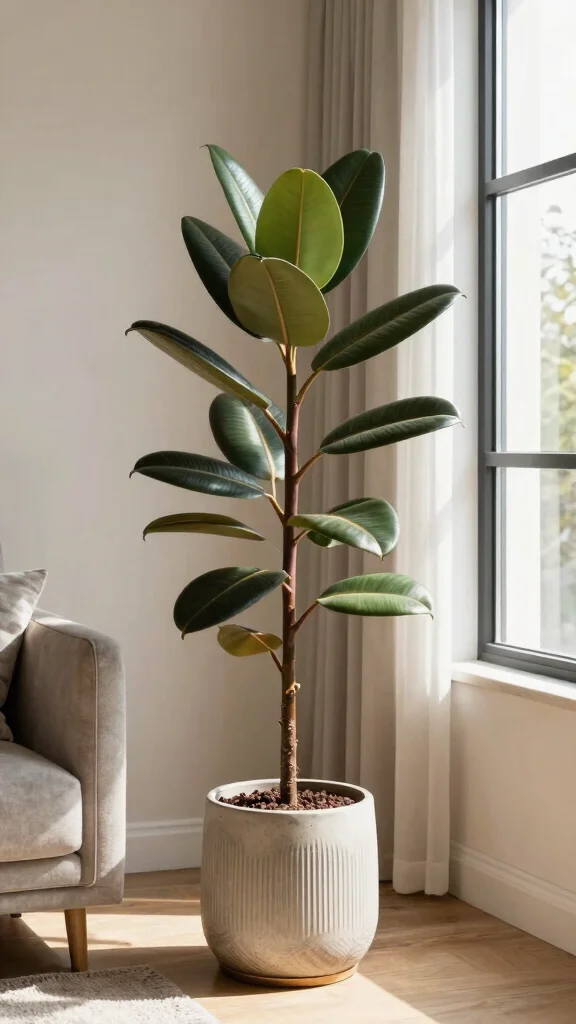
The rubber plant shines with its glossy leaves and air-purifying abilities! This hardy indoor plant can grow tall, becoming a stunning focal point in your home. It thrives in indirect light and requires minimal care, making it perfect for busy families.
To care for your rubber plant, water it when the soil is dry a few inches down. Give it bright, indirect light for the best growth, and dust the leaves occasionally to keep them shiny. Plus, this plant is safe for your curious little ones!
Care tips for your rubber plant:
– Water when soil is dry a few inches down
– Provide bright, indirect light
– Dust leaves for a healthy shine
The rubber plant combines beauty with practicality, making it a superb choice for family homes.
Fact: Rubber plants are among the safest houseplants for homes with toddlers, and they purify air too. Water only when the soil dries about 2 inches down, and place in bright, indirect light—easy care for busy families.
Rubber Plant
Editor’s Choice
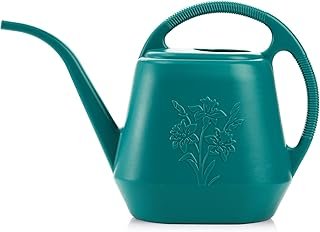
Fasmov 1-Gallon Plastic Watering Can with Comfortable Handle, Garden Wat…
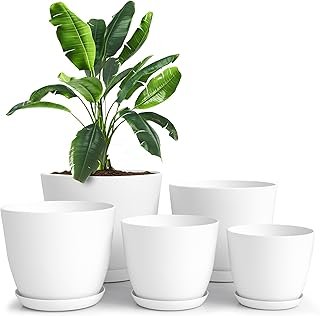
Utopia Home Plant Pots Indoor with Drainage Holes – Set of 5 White Pla…
8. African Violet
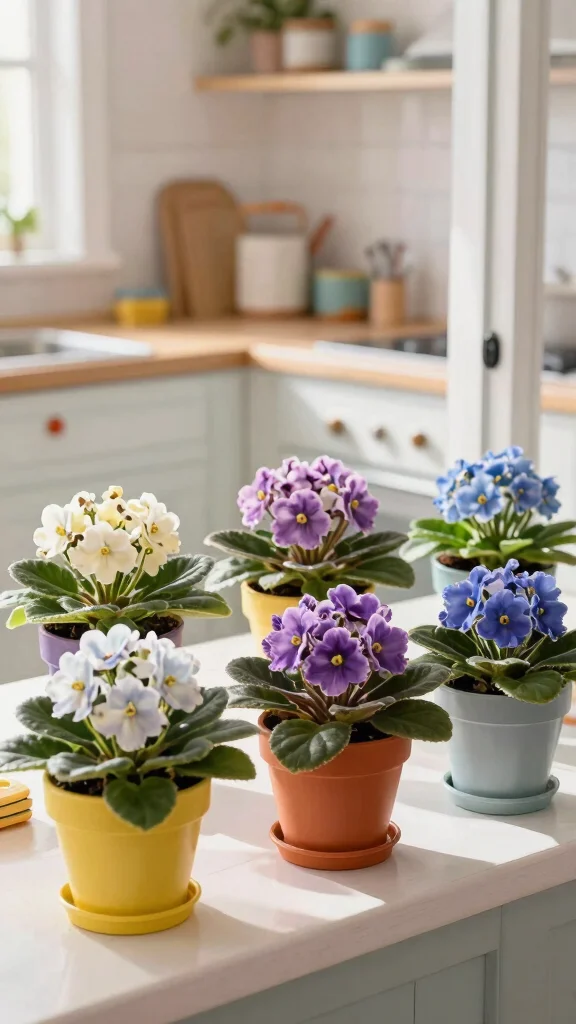
Brighten your home with the cheerful African violet! Known for its stunning flowers in a variety of colors, this charming plant is perfect for indoor spaces and safe for toddlers. Its compact size makes it easy to place on window sills or tables throughout your home.
To keep your African violets blooming, provide bright, indirect sunlight and water from the bottom to avoid wet leaves. During their growing season, feed them a balanced fertilizer to encourage more flowers.
Quick tips for caring for African violets:
– Provide bright, indirect sunlight
– Water from the bottom
– Feed with balanced fertilizer
These plants bring vibrant colors to your home while ensuring a safe space for your little ones.
Fun fact: The African Violet is among the safest houseplants for homes with toddlers, thanks to its compact size and non-toxic blooms. With 3 simple care steps—bright indirect light, bottom watering, and weekly feeding—you’ll enjoy vibrant color without fuss.
African Violet
Editor’s Choice
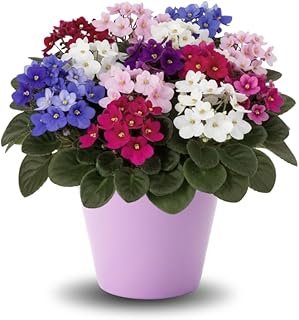
African Violets Plant Live in 4” Pot, Fast-bloming Indoor Outdoot Flowe…
Abstract Rainbow Head Planter, 5″ Cute Colorful Women Face Plant Pot wit…
9. Friendship Plant
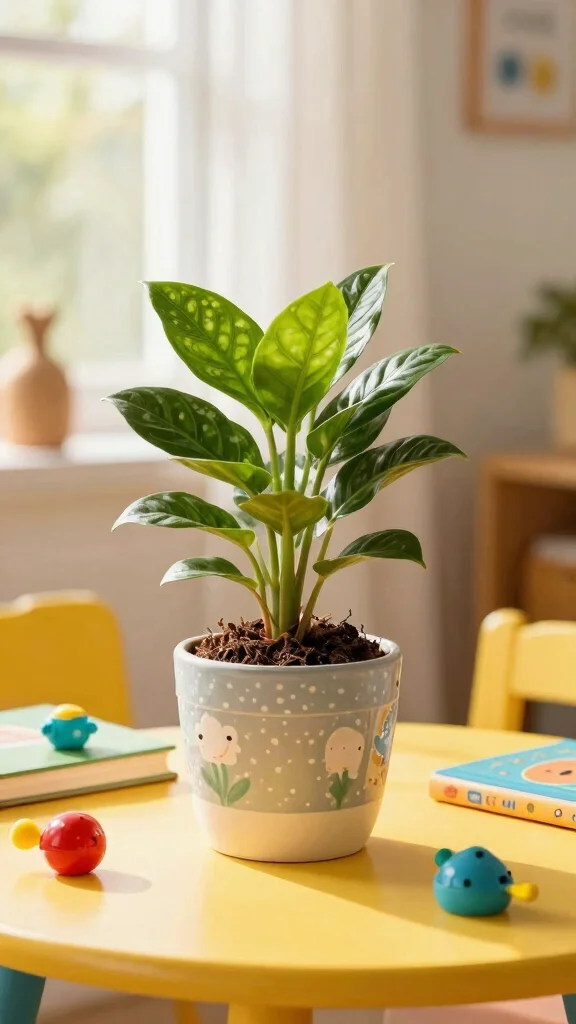
The friendship plant is a fun and unique addition to your collection! With its textured leaves and lovely patterns, it’s both eye-catching and safe for children. This plant thrives in indirect sunlight, making it perfect for desks or tabletops.
To help your friendship plant flourish, water it when the soil feels dry and keep it in bright, indirect light. Trimming back any leggy growth will encourage a bushier appearance, enhancing its charm.
Care tips for your friendship plant:
– Water when soil is dry to the touch
– Keep in bright, indirect light
– Trim back leggy growth for bushier appearance
The friendship plant adds whimsy and beauty to your decor while ensuring a safe environment for your family.
Conclusion
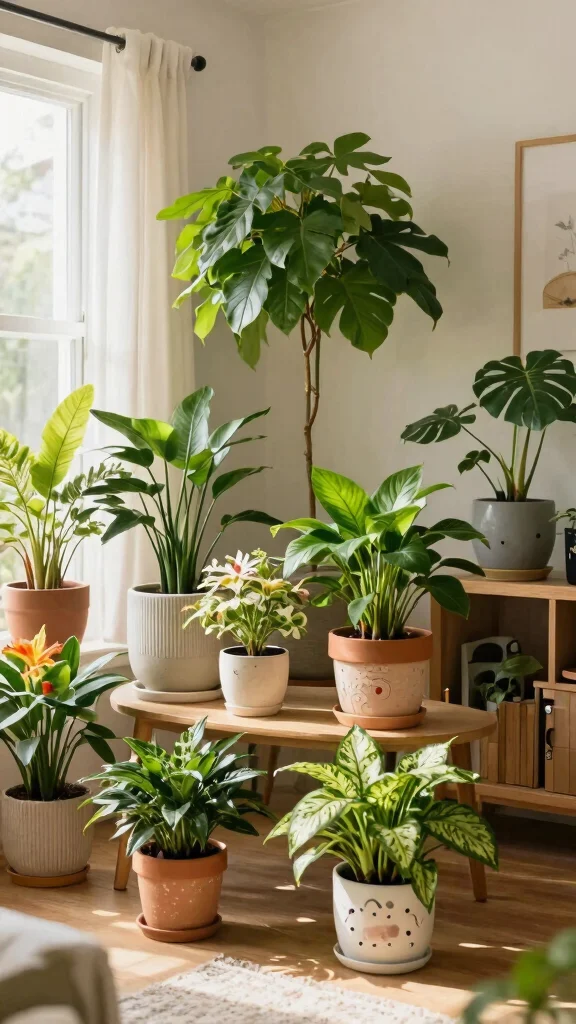
With these nine vibrant houseplants, you can cultivate a welcoming and safe environment for your toddlers while bringing nature indoors.
Each plant not only adds beauty but also purifies the air and promotes a healthy living space. Embrace your green thumb and enjoy watching your little ones grow alongside their new green friends.
These non-toxic houseplants are a testament to how easy it can be to blend safety with style in your home.
Note: We aim to provide accurate product links, but some may occasionally expire or become unavailable. If this happens, please search directly on Amazon for the product or a suitable alternative.
This post contains Amazon affiliate links, meaning we may earn a small commission if you purchase through our links, at no extra cost to you.
Frequently Asked Questions
What makes a plant one of the safest houseplants for homes with toddlers?
It should be non-toxic to humans, have no sharp spines or toxic parts, be easy to care for, and be gentle if toddlers touch or taste leaves.
Always verify with reputable lists like the ASPCA and keep the plant out of reach when possible.
Prioritize non-toxic houseplants that are known to be child-friendly plants and are comfortable as indoor plants for kids.
Which non-toxic houseplants are especially good for allergic or sensitive toddlers?
Consider these beginner-friendly options: Spider Plant (Chlorophytum comosum), (Prayer Plant), Parlor Palm (Chamaedorea elegans), Areca Palm (Dypsis lutescens), and Boston Fern (Nephrolepis exaltata). These are widely regarded as non-toxic to people and are often listed as safe plants for toddlers. Quick care tips: place in bright indirect light, water when the top inch of soil dries, and wipe leaves to reduce dust that can trigger allergies.
Always double-check current guidance for pet-friendly houseplants if you have curious pets at home.
How should I place and care for these child-friendly plants to minimize toddler risk?
Place plants on high shelves, window sills, or sturdy stands out of reach. Use stable pots with wide bases and a tray to catch drips. Consider a thin layer of decorative stones on the soil to discourage little hands from digging. Water only when the top inch of soil is dry, and wipe leaves regularly to reduce dust and allergens. By using these strategies, you can enjoy indoor plants for kids that stay safe plants for toddlers.
What should I do if a toddler accidentally ingests a part of a plant, even if it’s non-toxic?
First, identify the plant. If a small amount was swallowed and there are no symptoms, rinse the mouth with water and offer a small sip of water. If the toddler shows symptoms (drooling, vomiting, trouble breathing) or if a large amount was ingested, contact your local poison control center or pediatrician immediately. Keep the plant label or a photo handy to help with identification. Do not induce vomiting unless advised by a professional. Always supervise toddlers around houseplants and keep all parts out of reach when possible.
Can these safe plants thrive in low-light rooms and are they pet-friendly too?
Yes. Many of the safest houseplants for homes with toddlers tolerate low to medium light and require minimal care. Options like Parlor Palm, Calathea, and Spider Plant do well with indirect light. For households with pets, check current pet-friendly houseplants lists and avoid higher-toxicity species, since recommendations vary. With proper care and regular leaf cleaning, these non-toxic houseplants stay healthy in spaces with limited light and active toddlers.
Related Topics
safest houseplants
non-toxic plants
child-friendly plants
indoor plants for kids
safe plants for toddlers
pet-friendly houseplants
easy care plants
toddler-safe gardening
allergy-friendly plants
beginner gardening
houseplant tips
family-friendly decor