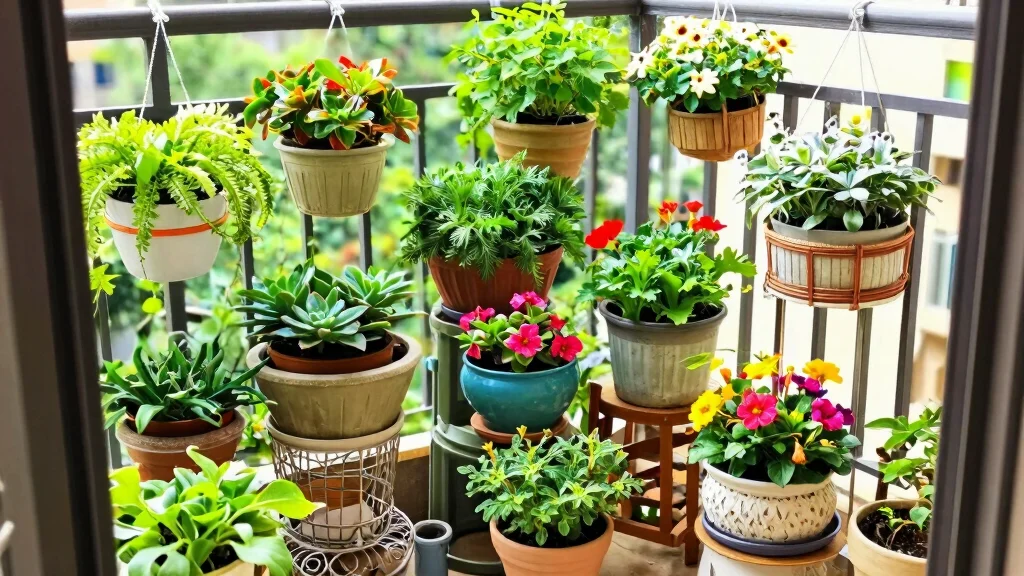
Finding space for plants can be a bit of a challenge, especially if you live in a small apartment or have limited outdoor areas. Urban living often leaves little room for a garden, but that doesn’t mean you can’t surround yourself with greenery. The joy of nurturing plants is waiting for you, and this post is here to help. Whether you’re gardening on a tiny balcony or turning your indoor space into a lush oasis, you can have a lot of plants in a small space.
If you’re someone who loves greenery but feels cramped in your living situation, you’re in the right place. This guide is for urban gardeners, plant enthusiasts, and anyone looking to green up their home, no matter the size. You’ll discover practical tips and space-saving ideas that make it easier than ever to create your own plant paradise, even with limited square footage.
Get ready to explore nine fantastic ways to optimize your small spaces for plants. You’ll learn about vertical gardening, container options, and clever uses for shelving. By the end of this post, you’ll have actionable strategies to transform your cramped area into a flourishing haven of plants.
Key Takeaways
– Embrace vertical gardening by using wall-mounted planters and trellises to maximize your space without taking up floor area.
– Optimize container size and shape to fit your space better, ensuring you choose pots that complement your layout.
– Use railings and ledges effectively by placing plants on balcony railings or window sills, adding greenery without sacrificing space.
– Incorporate indoor plants to improve air quality and create a calming atmosphere, perfect for small living areas.
– Explore space-saving plant ideas such as hanging baskets and tiered plant stands that allow you to display more plants in less room.
1. Embrace Vertical Gardening
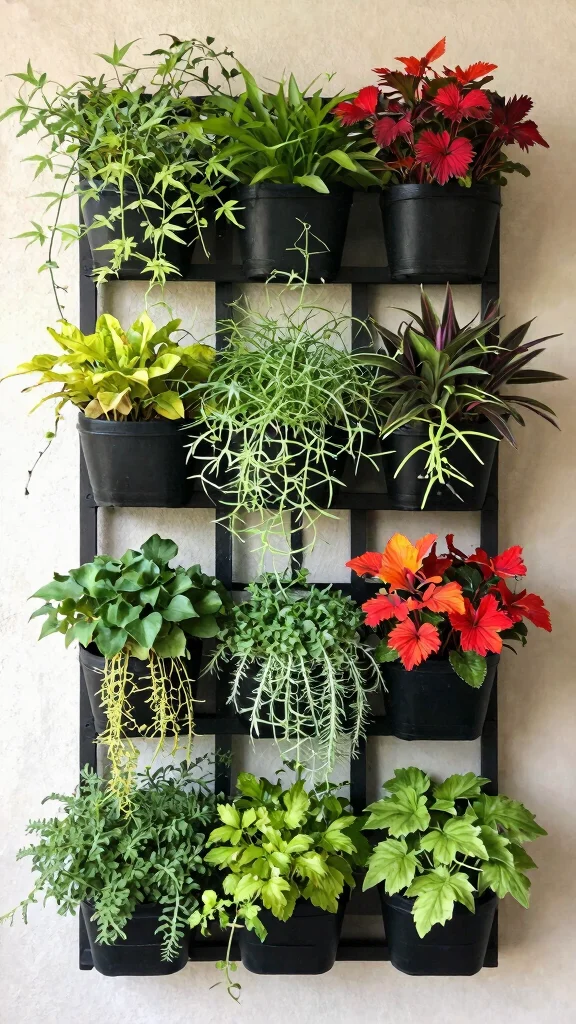
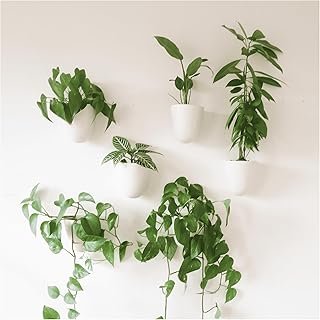
Are you struggling to find space for your plants? Vertical gardening is the perfect solution! By utilizing walls and vertical surfaces, you can showcase a vibrant array of plants while keeping your floor space open. Consider options like wall-mounted planters, stylish trellises, or hanging pots to create a stunning green wall that not only saves space but also enhances your decor.
Start by choosing a suitable wall and decide on the types of plants you love. Explore various planter styles that suit your aesthetic, whether modern or rustic. This method turns plain walls into lively displays, adding depth and character to your home.
Key ideas to explore:
– Install wall-mounted planters for trailing plants like string of pearls.
– Attach trellises to walls for climbing varieties, giving them space to thrive.
– Hang baskets to create beautiful arrangements that draw the eye upwards.
By going vertical, your walls can transform into captivating green art, maximizing your gardening potential without sacrificing precious space.
Embrace Vertical Gardening
Editor’s Choice
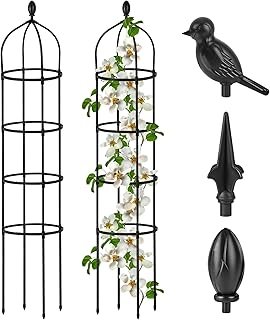
Garden Obelisk Trellis for Climbing Plants Outdoor 6 Ft Rose Bush Round …

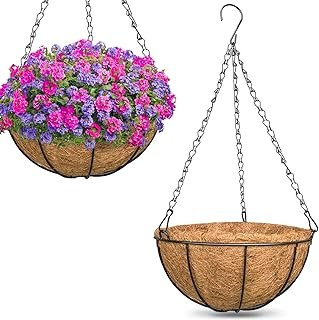
ZeeDix 2 Pack 14 Inch Hanging Baskets for Plants Outdoor, Metal Wire Rou…
Make Good PlantPod Luxe – Self-Watering Wall Planters (Set of 6) – Easy …
2. Optimize Container Size and Shape
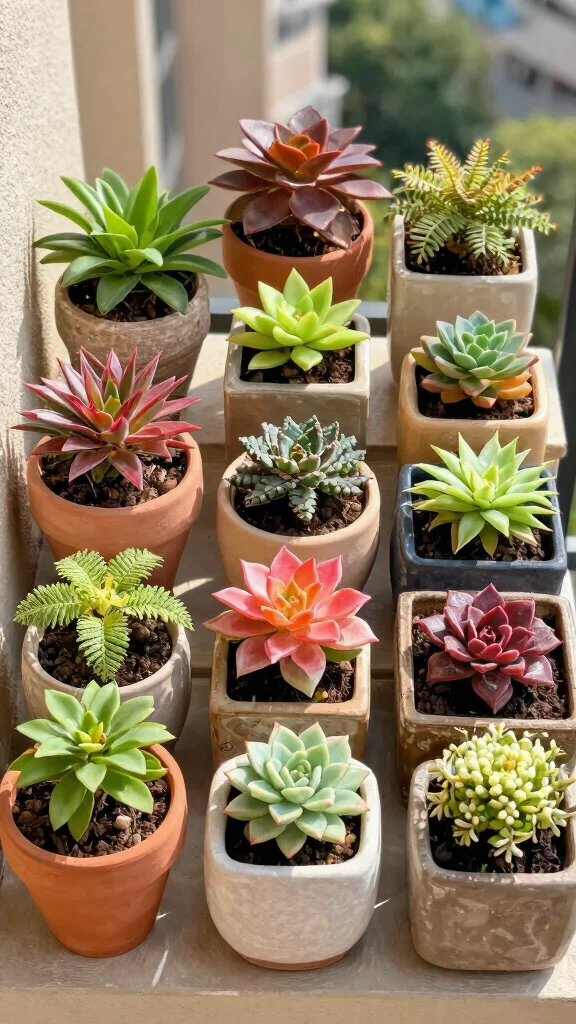
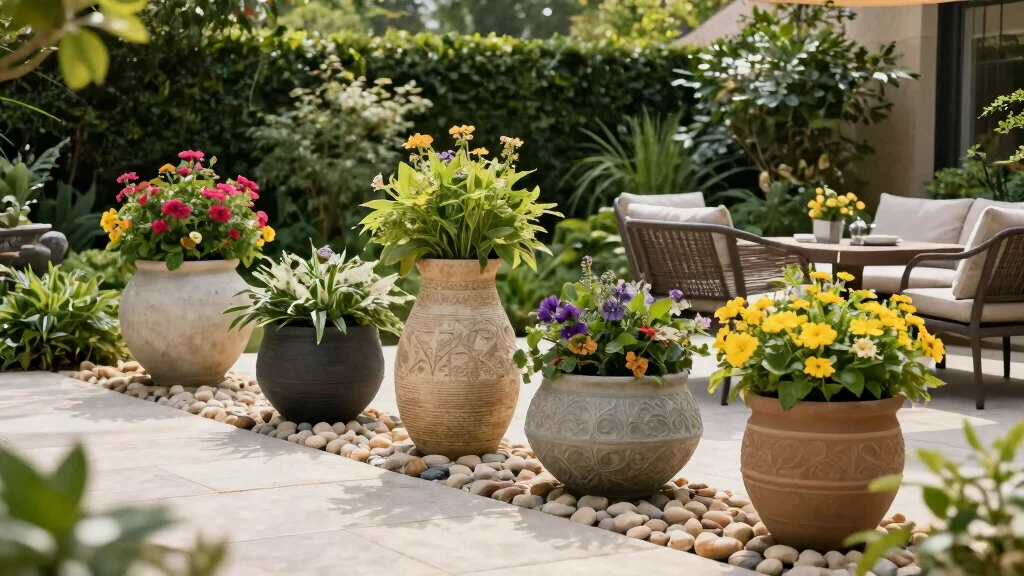
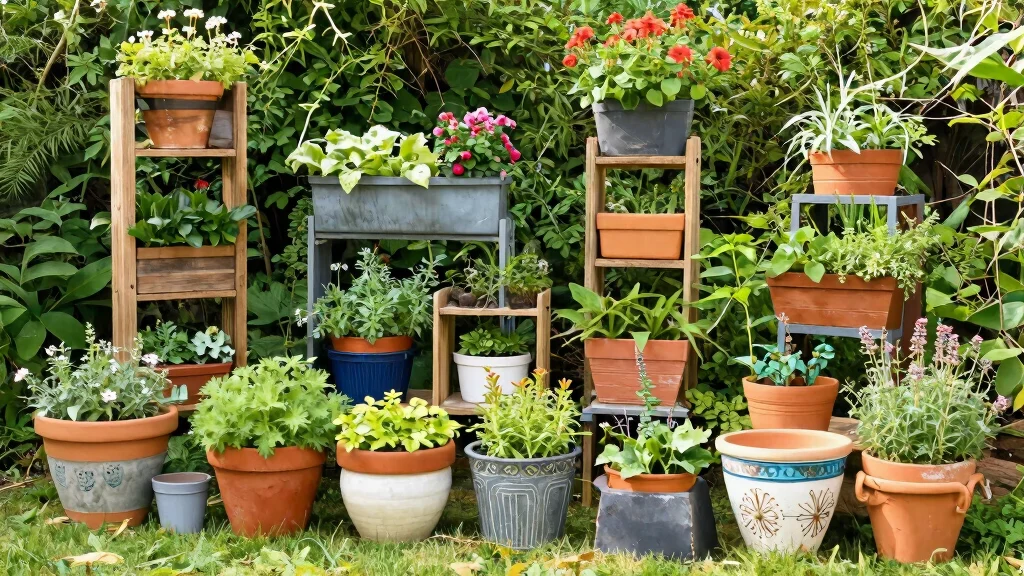
Finding the right containers is essential for small spaces. Select smaller, uniquely shaped pots that fit into tight spots, allowing you to maximize your planting opportunities. With an array of container styles available, from round pots to rectangular boxes, you can create a vibrant and dynamic display that reflects your personal style.
Consider mixing different shapes and sizes to create visual interest. Think about how colors and textures can complement one another. This thoughtful selection will ensure you have a garden that feels full and lively, even in limited space.
Great container options include:
– Use stackable pots to save floor space and add height.
– Place narrow planters on ledges for easy access to your favorite plants.
– Get creative with repurposed containers like old mugs or baskets.
By choosing the right containers, you’ll create an inviting and eclectic garden that fits beautifully within your compact living area.
Optimize Container Size and Shape
Editor’s Choice
Yishang 2.5 inch Terracotta Pots with Drainage Holes,Small Mini Clay Cer…
LaLaGreen Outdoor Planter Boxes (36 Inch, 2 Pack) White Metal Deck Raili…
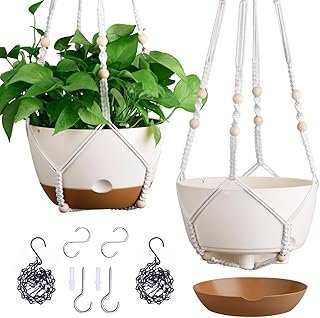
Set of 2-10 Inch Hanging Planters for Indoor Plants with Self-Watering I…
3. Use Railings and Ledges
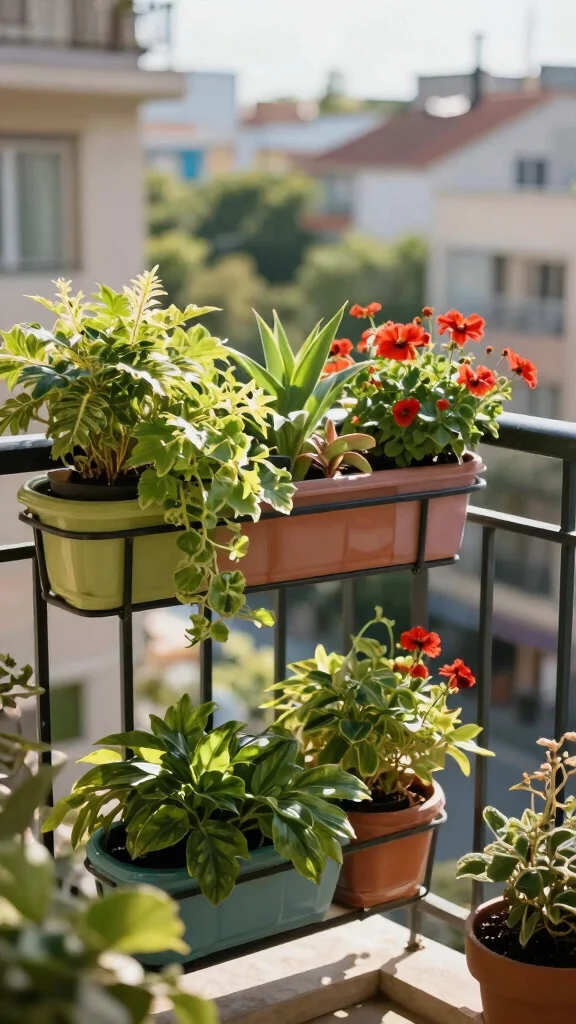
Are you utilizing your balcony railings and window ledges? These often overlooked spaces can be great spots for adding more greenery. With the right planters, you can turn these areas into stunning displays that are both functional and visually appealing.
Explore planting options that fit securely without blocking views. Shallow containers can work wonders on window ledges, while rail-mounted planters add lushness without taking up valuable space. This approach not only maximizes your plant area but also enhances your outdoor aesthetic.
Consider these options:
– Attach rail-mounted planters for a lush display that maintains sightlines.
– Fit shallow containers on window ledges for a colorful view from inside and out.
– Hang baskets for a layered look that adds dimension.
Utilizing railings and ledges not only increases your green space but also elevates the overall charm of your outdoor area.
📹 Related Video: Amazing Vertical Garden for Balcony and Small Spaces, Gardening on Railing
Use Railings and Ledges
Editor’s Choice
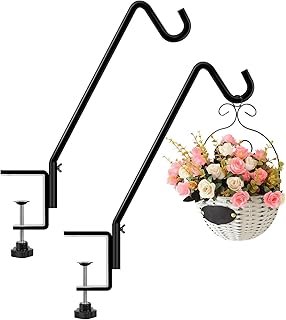
FEED GARDEN 2 Pack 14 Inch Deck Hook, Deck Bird Feeder Hanger, Applicabl…
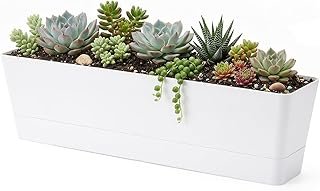
GREANER 16×3.8 Inch Window Boxes Planters, 1PCS Plastic Rectangle Potwit…
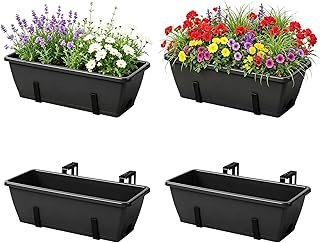
OYEAL Railing Planter Box 4 Pack Window Boxes Planters with Adjustable B…
4. Incorporate Indoor Plants for Fresh Air
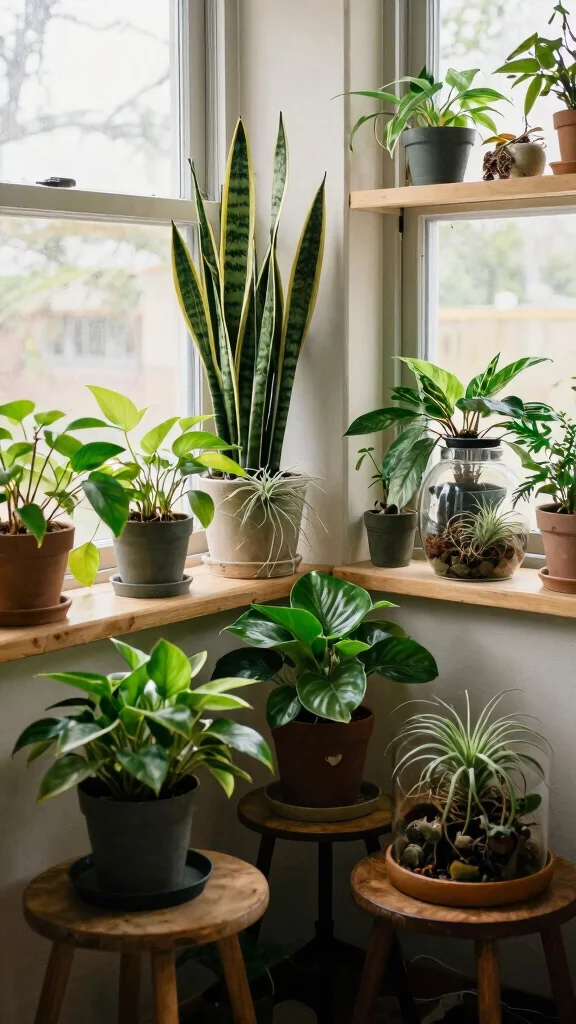
Indoor plants do more than beautify your home; they also purify the air, making them essential for small living spaces. When selecting plants, focus on those that thrive in lower light, so they flourish even in cozy corners.
Popular low-light options include snake plants and pothos, which enhance your decor with minimal effort. Placing these plants strategically throughout your home can create a refreshing atmosphere while maximizing your indoor green space.
Here are some plant ideas:
– Choose low-light plants like ZZ plants or pothos for easy care.
– Consider air plants that can be displayed in creative terrariums.
– Add miniature trees for height and structure in your indoor garden.
By incorporating these plants, you can cultivate a fresh and inviting environment that enhances your well-being.
Incorporate Indoor Plants for Fresh Air
Editor’s Choice
Unicorn Gifts for Girls – Light up Unicorn Terrarium Kit for Kids – DIY …
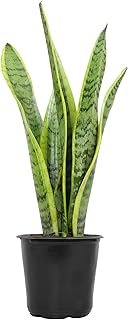
Live Snake Plant, Sansevieria trifasciata Laurentii, Fully Rooted Indoor…
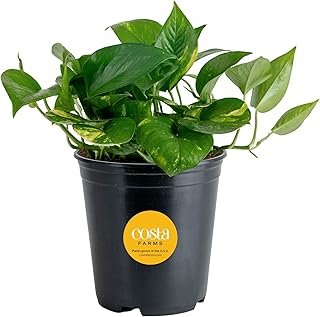
Costa Farms Live Indoor Plant Golden Pothos, Easy Care Houseplant, 10-In…
5. Create a Mini Herb Garden
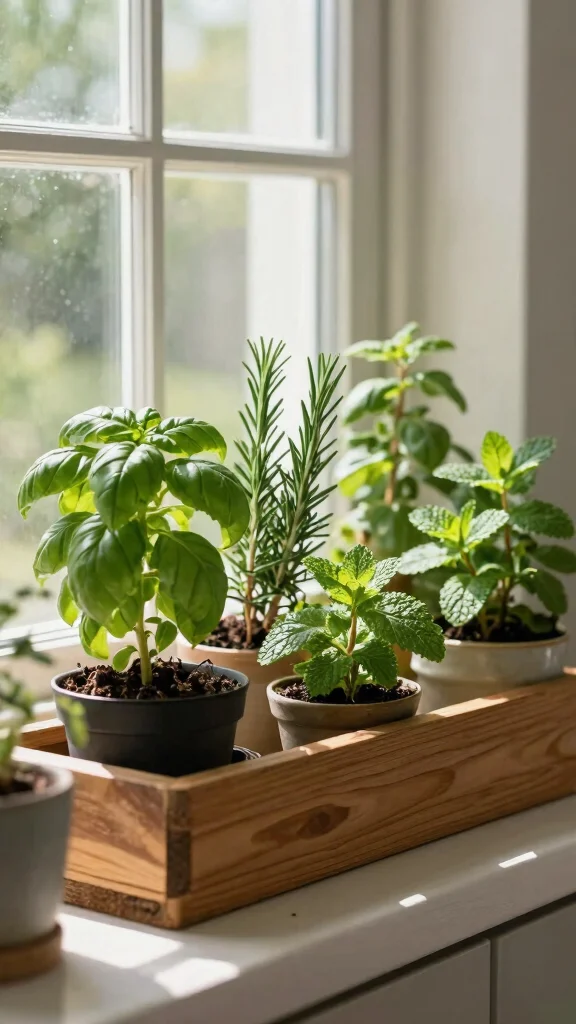
Combine your love for plants with your culinary passion by creating a mini herb garden! This compact garden not only adds greenery but also provides fresh herbs that enhance your cooking. Imagine the delightful scents wafting through your home as you grow your favorite herbs.
Choose small containers or troughs for easy access, and consider placing them on windowsills for sun exposure. You can even hang herb gardens to maximize your vertical space while keeping your kitchen stylish.
Get started with these ideas:
– Use compact planters for herbs like basil, thyme, and mint.
– Set up a windowsill herb garden for convenient cooking access.
– Hang your herbs creatively in vertical arrangements.
By growing your own herbs, you’ll enjoy fresh ingredients while adding a touch of nature to your home.
Fun fact for small-space gardeners: a tiny herb setup with 3 compact pots on a sunny windowsill can yield fresh flavors all season. This is how to have a lot of plants in a small space—easily within reach for weeknight meals.
You might also like
How To Choose the Right Indoor Plants for Small Spaces
Choosing the right indoor plants for small spaces can make a big difference in how your area feels and looks. With limited space, you’ll want to select plants that not only fit your environment but also thrive in it. Here are some key factors to consider when making your selection:
1. Size of the Plant
Before you buy, consider how much space each plant will take up. Look for plants that can comfortably fit on your shelves, windowsills, or tables. Small plants like succulents or compact ferns are ideal for tight spaces. They not only add greenery but also won’t overwhelm your area.
2. Light Requirements
Different plants have varying light needs. Some thrive in bright sunlight, while others prefer low light. Assess the natural light available in your small space. If you have a bright balcony, consider sun-loving plants like petunias. For dimmer areas, opt for shade-tolerant varieties like snake plants or pothos.
3. Maintenance Level
Choose plants that match your gardening skills and time availability. If you’re new to gardening or have a busy schedule, go for low-maintenance plants like ZZ plants or peace lilies. They require less care and are forgiving if you forget to water them occasionally.
4. Growth Habit
The way a plant grows can impact your small space. Consider plants that grow vertically, such as climbing vines or trailing plants, which can be trained to climb a trellis or hang from shelves. This use of vertical space helps maximize your greenery without taking up much floor area.
5. Pot Size and Type
The pot you choose can affect the health and aesthetics of your plants. Select pots that are small enough to fit in your space but not too small to restrict root growth. Self-watering pots can also be a great option, providing consistent moisture without frequent watering.
6. Air Quality Benefits
Some indoor plants not only beautify your space but also improve air quality. Plants like spider plants and peace lilies can help purify the air. This is especially beneficial in small, enclosed areas where ventilation might be limited.
Pro Tip: Mix and match different sizes, shapes, and types of plants for a dynamic look. Grouping plants with similar care needs together can make maintenance easier and create an appealing display.
Using these criteria, you can create a thriving green space, even in the smallest corners of your home. With a little thought and planning, you’ll enjoy a lush indoor garden that enhances your environment and well-being. Happy gardening!
Create a Mini Herb Garden
Editor’s Choice
Yishang 2.5 inch Terracotta Pots with Drainage Holes,Small Mini Clay Cer…
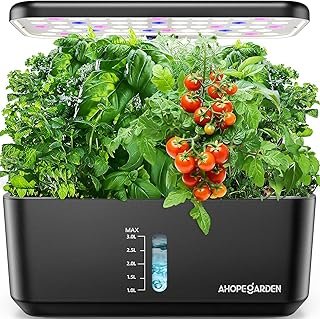
Ahopegarden Indoor Garden Hydroponics Growing System: 10 Pods Plant Germ…
Make Good PlantPod Luxe – Self-Watering Wall Planters (Set of 6) – Easy …
6. Make Use of Shelving
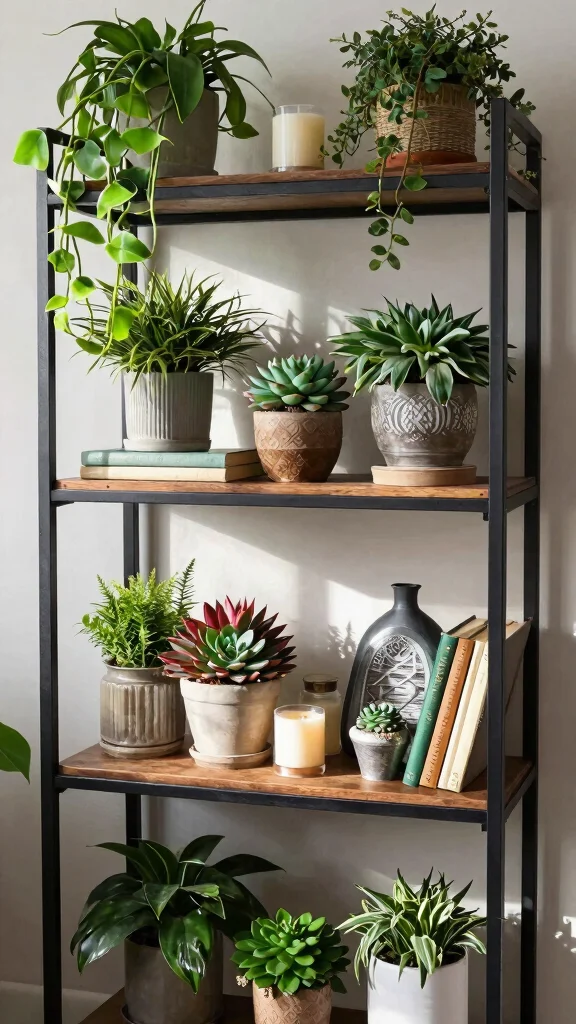
Shelves are a fantastic way to display plants while keeping your space organized. You can turn a simple shelf into a mini indoor garden by layering plants of various heights to create visual interest.
Consider mixing trailing and upright plants to add depth. Pair your green friends with decorative items like books or candles to enhance the overall look. This creative approach not only organizes your plants but also showcases them beautifully.
Here are some tips for styling your shelves:
– Use plants of varying heights for eye-catching arrangements.
– Let trailing plants cascade from higher shelves for a stunning effect.
– Combine plants with decorative items for a cohesive style.
By utilizing shelving, you can create a lush and inviting atmosphere in your space while maintaining a stylish presentation.
Shelves turn a tiny balcony into a lush, organized space. Layer plants of different heights, mix trailing and upright varieties, and you’ll learn how to have a lot of plants in a small space. Pro tip: pair greens with books or candles to keep it cozy.
Make Use of Shelving
Editor’s Choice
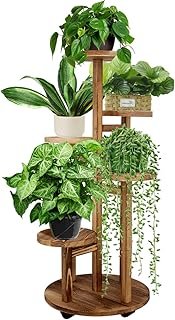
GEEBOBO 5 Tiered Tall Plant Stand for Indoor, Wood Plant Shelf Corner Di…
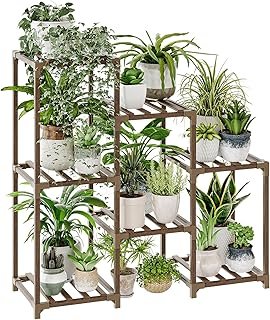
Bamworld Plant Stand Indoor Plant Shelf Outdoor Wood Plant Rack for Mult…
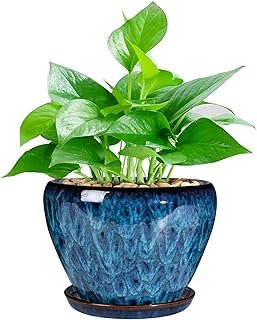
Ceramic Modern Glaze Succulent Planter Pot with Drainage Hole and Saucer…
7. Utilize Plant Stands
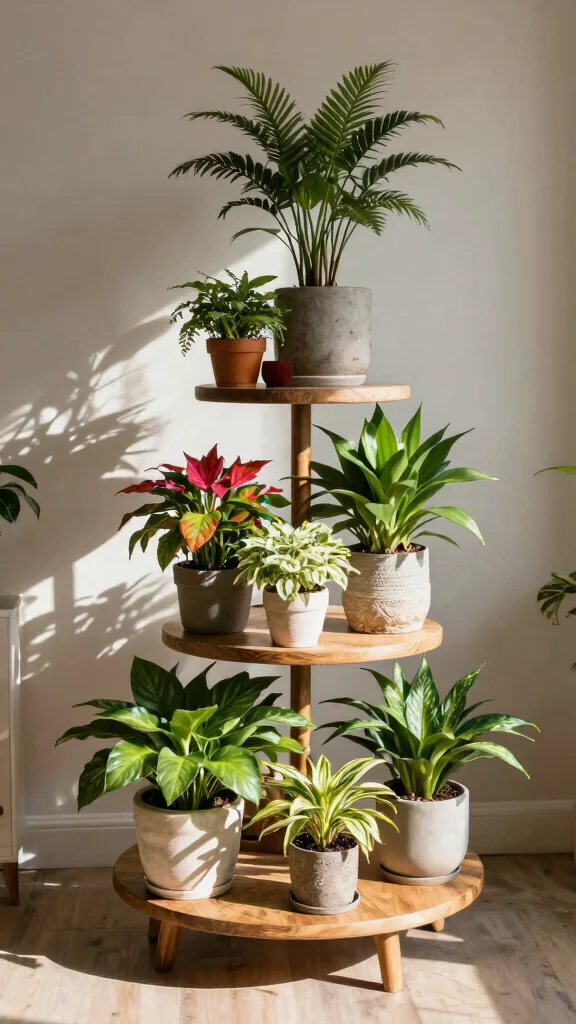
Plant stands are a versatile solution for elevating your plants and adding layers to your space. They come in various designs, allowing you to showcase your plants while enhancing your decor.
Look for multi-tiered stands that let you display several plants together without cluttering your area. Choose decorative stands that align with your style to create a harmonious and attractive plant display.
Consider these options:
– Use multi-tiered stands for an organized, layered look.
– Select decorative stands that complement your home’s decor.
– Group plants together on stands to create a focal point.
Incorporating plant stands not only organizes your plants but also highlights their beauty, making your collection a stunning feature in your home.
Utilize Plant Stands
Editor’s Choice
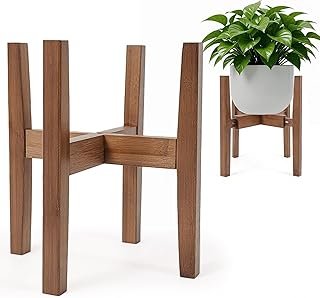
Natural Bamboo Plant Stand Indoor, Adjustable Plant Shelf Indoor Fits 8-…
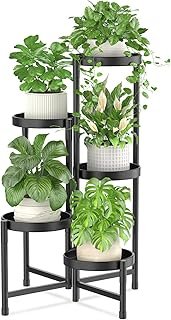
iDavosic.ly Plant Stand Indoor Outdoor, 5 Tier Corner Metal Flower Displ…
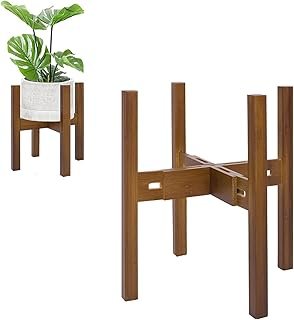
Rnined Adjustable Plant Stand Indoor,Bamboo Mid Century Modern Plants St…
8. Choose Space-Saving Plant Ideas
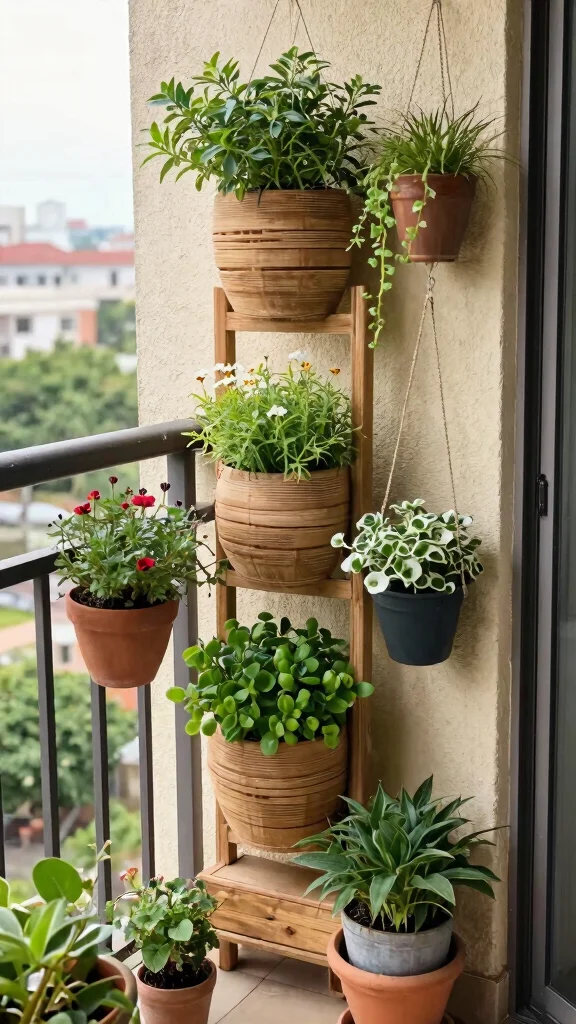
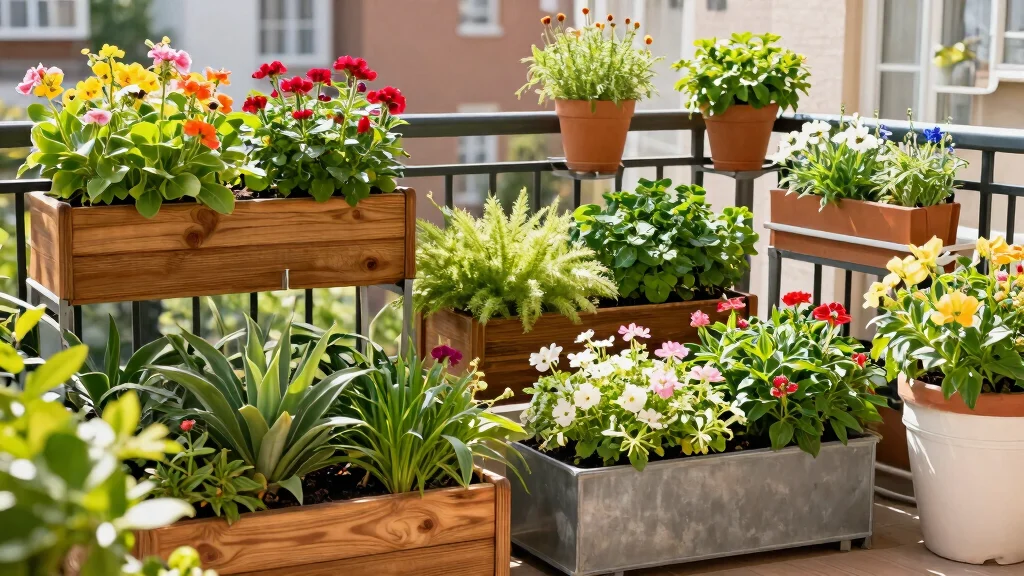
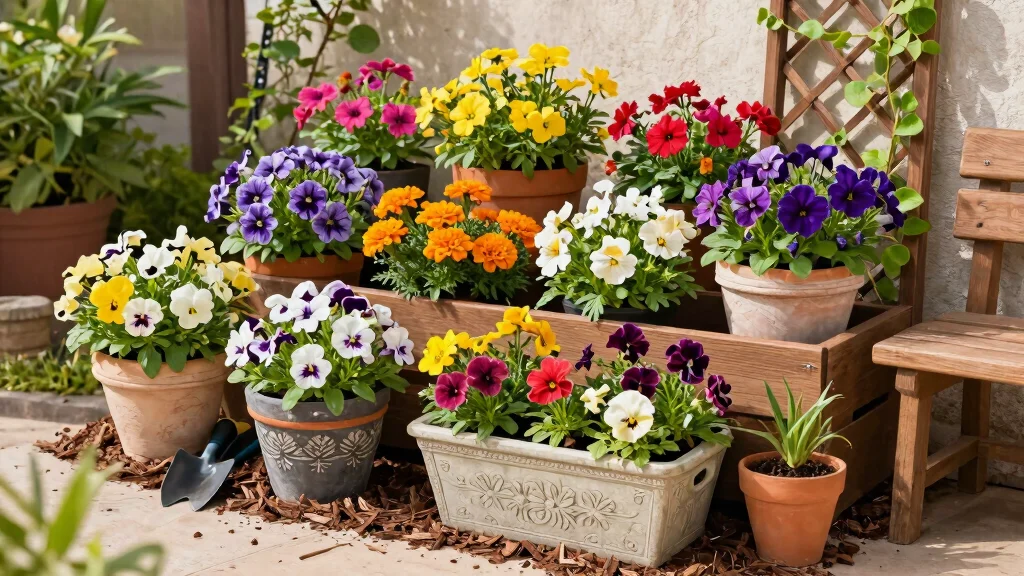
Thinking creatively about plant placement can dramatically expand your gardening space. Explore solutions that use vertical and hanging options to keep your area open while still enjoying abundant greenery.
Vertical planters and wall-mounted shelves can hold several plants without taking up valuable floor space. This way, you can indulge your passion for gardening without feeling cramped in your small area.
Start with these ideas:
– Try vertical planters that stack up to save space.
– Use hanging planters to showcase plants above the floor.
– Install wall-mounted shelves to hold pots without occupying surfaces.
These space-saving solutions allow you to create a vibrant, lush atmosphere that embraces your love for plants.
Want to know how to have a lot of plants in a small space? Use vertical planters and wall shelves—more greenery, less clutter. You’ll maximize every inch, enjoy abundant greenery, and finally love your tiny balcony.
You Might Also Like
Choose Space-Saving Plant Ideas
Editor’s Choice
Set of 2-10 Inch Hanging Planters for Indoor Plants with Self-Watering I…
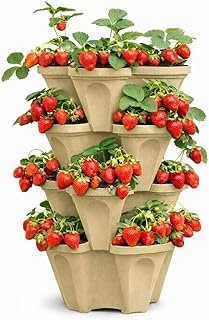
Stackable Vertical Planter Tower, 4 Tier Strawberry Planter,16 Plant Sit…
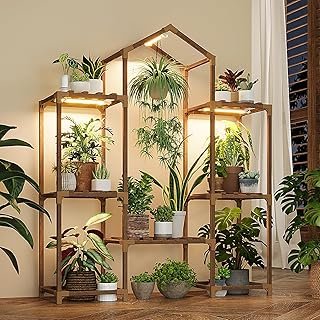
Bamworld Plant Stand Indoor with Grow Lights Wood Plant Shelf for Hangin…
9. Add Decorative Elements
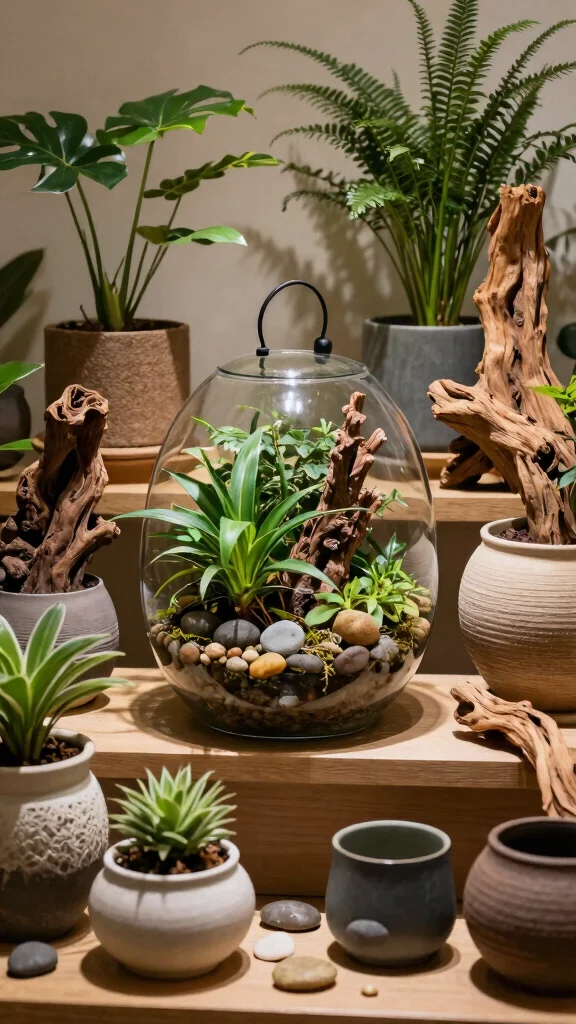
Enhance the beauty of your plant displays by incorporating decorative elements that reflect your personal style. Unique touches can make your greenery stand out and create a cohesive look in your space.
Consider using terrariums as stylish centerpieces or selecting pots with interesting textures for added visual appeal. Natural elements like stones or driftwood can bring an organic feel to your arrangement, creating harmony in your decor.
Here are some creative ideas:
– Create terrariums for a chic, space-efficient display.
– Choose unique pot designs to elevate your aesthetic.
– Incorporate natural textures like pebbles for a rustic touch.
By adding these decorative features, you unify your plant collection with your home’s decor, crafting a welcoming and stylish environment in your small space.
Add Decorative Elements
Editor’s Choice
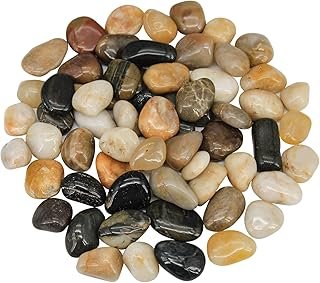
Virekm River Rocks, Decorative Ornamental Pebbles,Garden Landscaping Sto…
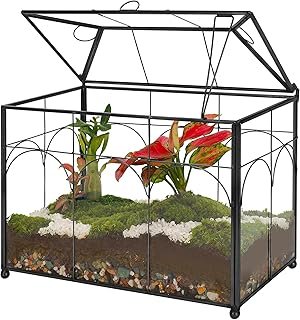
REDHUGO Handmade Glass Planter Terrarium with Lid, Indoor Tabletop Cente…
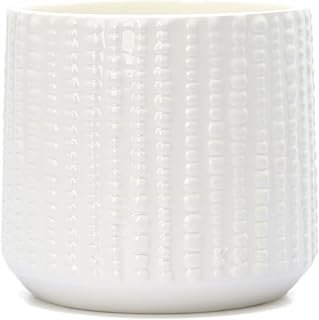
Ceramic Planter Pot with Drainage Hole, 5 Inch Dia, Indoor and Outdoor, …
Conclusion
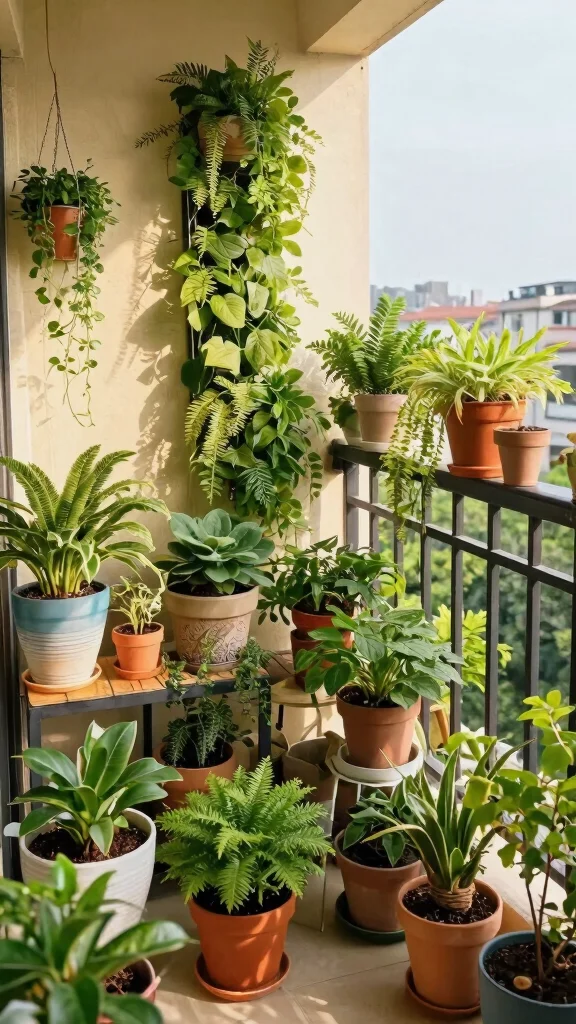
Creating a lush garden in a small space is not just achievable, it’s a delightful journey of creativity and exploration. By incorporating these tips, you can turn your tiny balcony or indoor area into a vibrant oasis filled with life and color. Remember, it’s all about making the most of what you have and letting your green thumb shine! Happy planting!
Note: We aim to provide accurate product links, but some may occasionally expire or become unavailable. If this happens, please search directly on Amazon for the product or a suitable alternative.
This post contains Amazon affiliate links, meaning we may earn a small commission if you purchase through our links, at no extra cost to you.
Frequently Asked Questions
How can I maximize the number of plants on a small balcony using container gardening?
Maximizing the number of plants on a small balcony starts with smart planning and a few space-saving tricks. First, map your balcony into zones for sun, shade, and storage, then stack space with vertical gardening ideas like railing planters, wall-mounted pockets, and tiered plant stands.
Choose compact or dwarf varieties and use succession planting to keep a dense, productive display without crowding. Use lightweight, self-watering containers or a simple drip system to reduce maintenance, and group plants with similar light and water needs to simplify care.
With a little layout planning, you can turn a tiny balcony into a thriving garden using container gardening and space-saving plant ideas.
What are the best vertical gardening ideas for a tiny urban balcony?
Vertical gardening can unlock a lot of growth on a tiny urban balcony. Start with sturdy railing planters, wall-mounted pockets, and freestanding vertical towers to add growing space without crowding the floor.
Fill upper pockets with sun-loving climbers and herbs, and reserve middle or bottom levels for leafy greens and small vegetables. Choose modular systems that fit your balcony width and weight limits, and water them with a simple drip or self-watering setup to keep things tidy.
This vertical gardening approach is a real game changer for space-saving plant ideas on small balconies.
Which indoor plants or balcony-friendly plants thrive in small spaces and low light?
Balconies aren’t always bright, but several indoor plants for small spaces thrive in compact spots with limited light. Try pothos, philodendron, snake plant, ZZ plant, and spider plant for resilient greenery that tolerates less sun.
For herbs and a splash of color, use compact varieties like chives, mint, or oregano in bright windowsills or under a small grow light. Place these near the brightest spot you have, rotate quarterly, and water when the top inch of soil dries.
With the right mix of light and selection, you can create a leafy oasis on a balcony that still feels like a cozy indoor space.
How do I choose containers and pot sizes to keep a lot of plants without crowding?
Choose containers with drainage, light weight, and sturdy bases to avoid tipping in wind. Start with a mix of small, medium, and a few deep pots that fit your balcony footprint.
Order based on mature plant needs: herbs and greens usually do well in 1–2 gallon pots, leafy greens 2–4 gallon, and larger fruiting plants like tomatoes 5–7 gallon. Group plants by similar light and water needs to reduce care time, and use a vertical or staggered setup to maximize floor space.
Consider a simple drip irrigation or self-watering system to keep containers evenly moist without clutter.
What daily or weekly maintenance tips help keep a dense container garden on a small balcony healthy?
Set a light, repeatable care routine so your dense balcony garden stays healthy without taking over your day. Check moisture daily and water when the top inch of soil dries; fertilize every 2–4 weeks with a balanced, water-soluble mix.
Prune dead leaves, pinch back herbs to encourage bushy growth, and rotate plants so everyone gets a fair share of sun. Inspect for pests and diseases, keep good air circulation, and refresh potting mix or containers as plants outgrow them.
With consistent small space gardening tips, you’ll keep a thriving, clutter-free balcony garden year-round.
Related Topics
urban gardening
small space gardening
container gardening
vertical gardening
indoor plants
space-saving techniques
balcony plants
beginner friendly
easy gardening
green living
apartment gardening
seasonal plants