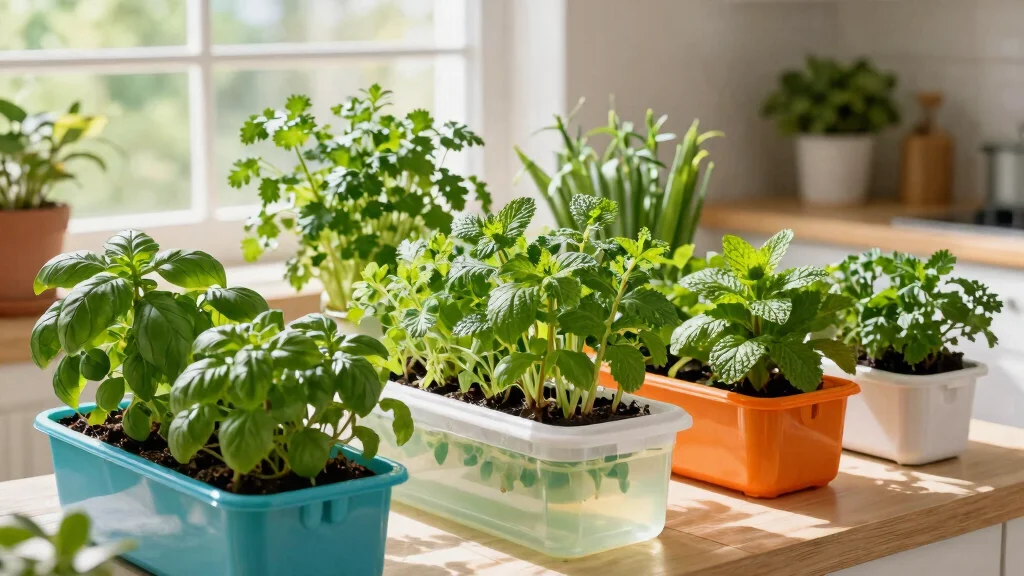
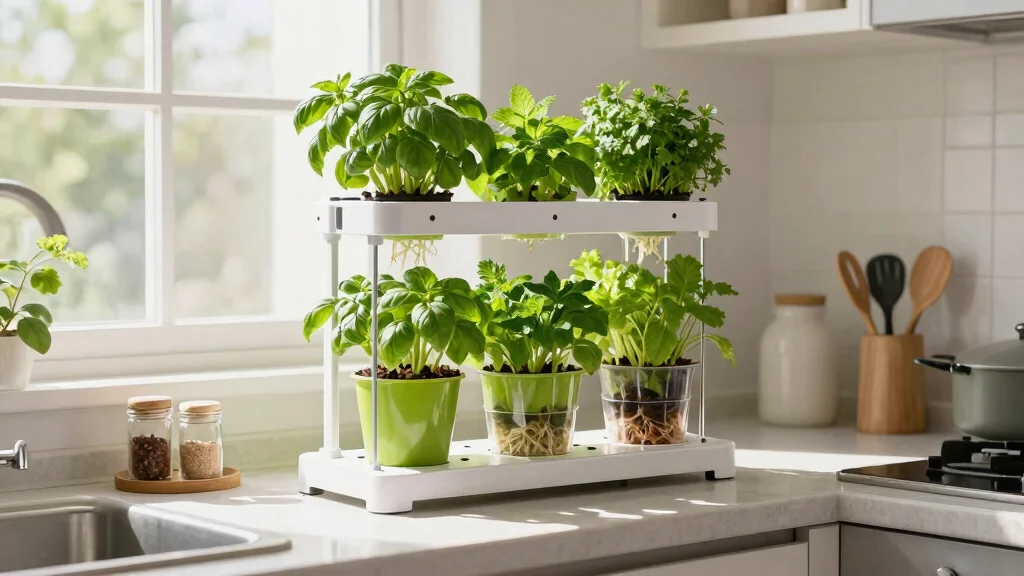
Indoor gardening has become a popular way to bring nature into our homes, especially as more people seek fresh herbs and vegetables at their fingertips. The thought of growing your own food can be exciting and fulfilling. If you’ve ever found yourself dreaming about a bustling indoor garden filled with fragrant herbs, you’re not alone. That’s why I created this guide—to share the best plants to grow hydroponically indoors. Hydroponics offers an efficient, soil-less method for cultivating plants, making it perfect for those living in smaller spaces or with limited outdoor gardening options.
This post is designed for anyone who loves cooking with fresh ingredients, from seasoned gardeners to curious beginners. If you’re passionate about culinary herbs or want to try growing your own vegetables at home, you’ll find value in this list. You’ll discover ten fantastic plants that thrive in a hydroponic environment, along with practical tips on how to care for them indoors. Let’s unlock the potential of your indoor space and explore how you can turn it into a mini garden oasis, perfect for enhancing your culinary adventures.
By the end of this article, you’ll feel empowered to start your hydroponic journey, armed with knowledge about which plants to choose and how to care for them. Whether you’re after the aromatic allure of basil or the crisp freshness of lettuce, this guide will help you grow your indoor garden with confidence. Get ready to dig into the world of hydroponics!
Key Takeaways
– Hydroponics Simplified: Hydroponic systems allow you to grow plants without soil, using nutrient-rich water, making it easier for beginners.
– Top Choices: The ten best plants to grow hydroponically indoors include basil, mint, cilantro, and various leafy greens, each bringing unique flavors to your kitchen.
– Easy Indoor Care: Understanding light, water, and nutrient needs is crucial for keeping your hydroponic plants healthy and productive.
– Beginner-Friendly Tips: Start with herbs, as they are generally easier to manage and can be used fresh in your cooking, enhancing flavors and nutrition.
– Maximize Your Space: Hydroponic gardening is ideal for small spaces since it takes advantage of vertical gardening techniques, allowing you to grow more in less area.
Recommended Products

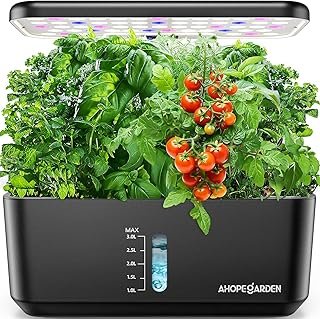
High planting efficiency: Start an indoor herb garden with the Ahopegarden hydroponic growing system, which includes a water reservoir, an overhead LED grow light, and a circulation system that keeps the water fresh. The hydroponic setup and lighting systems allow plants to grow up to faster and healthier in controlled conditions. Simply add plant seeds, water, and nutrients to the reservoir and watch the plants grow

15 Herb Seeds Variety Pack – 4,300 Seeds Included: Start your own herb garden with this all-in-one heirloom herbs seeds kit. Includes Genovese Basil, Sweet Basil, Italian Oregano, Rosemary, Thyme, Cilantro, Dill, Mint, Sage, Lavender, Chives, Garlic Chives, Parsley, Chervil, and Scallions. Each herb seed packet is USA-sourced and tested for high germination. Grow these herb garden seeds in your backyard, windowsill, raised beds, or pots for fresh flavors all season long.

Comprehensive 12 Piece Set: this hydroponic herb planting kit provides a comprehensive 12-piece set, includes 12 mason jars, 12 planting baskets, 12 pre-seeded growing plugs, and 12 water absorbent cores to meet all your planting needs
1. Basil: The Culinary Superstar
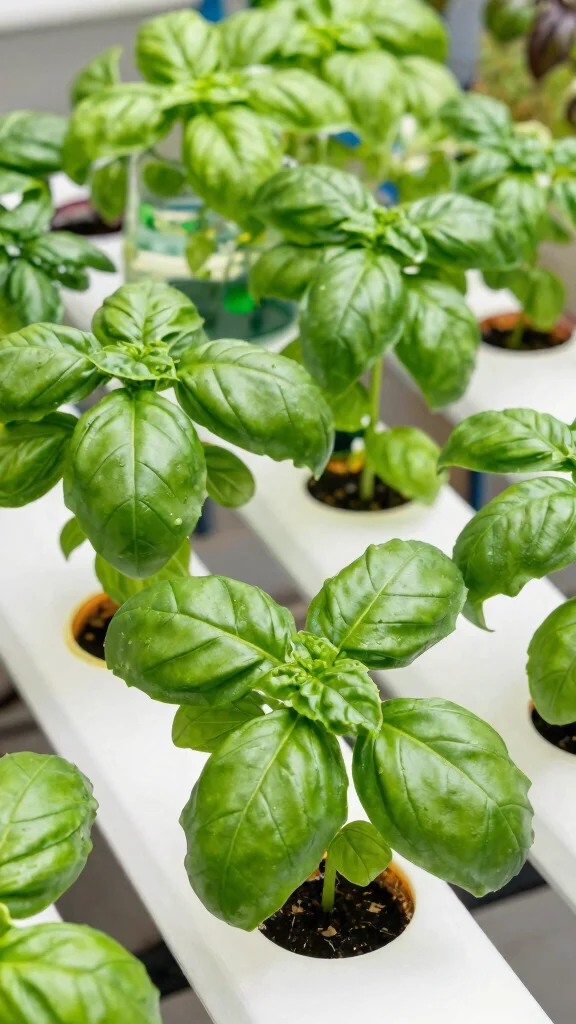
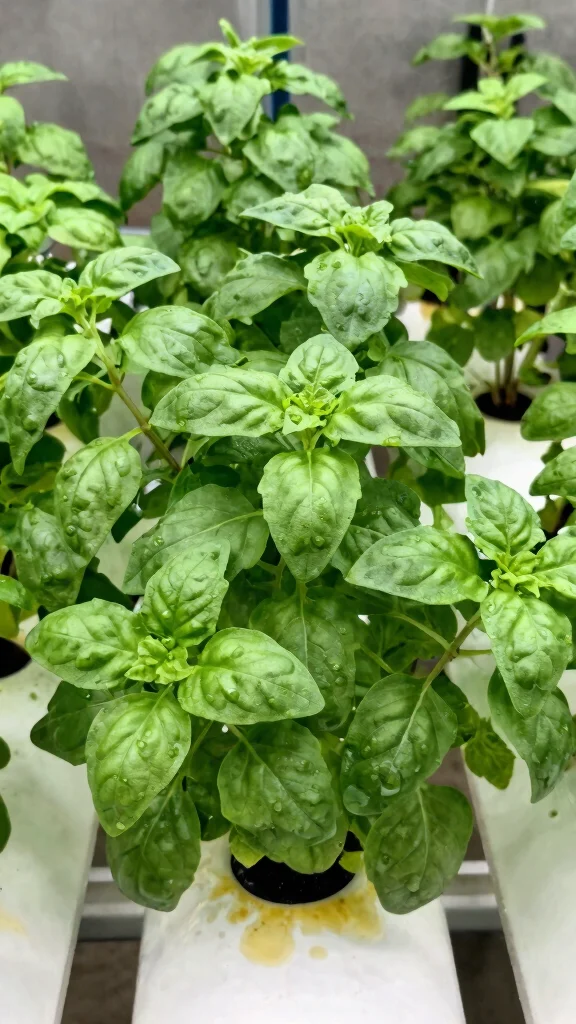
Craving the taste of fresh herbs right from your own home? Basil is your go-to herb, bursting with sweet and aromatic flavor that elevates everything from pasta to homemade pesto. It’s not just about taste; basil also adds nutritional value, offering vitamins and antioxidants, and it’s a breeze to grow hydroponically.
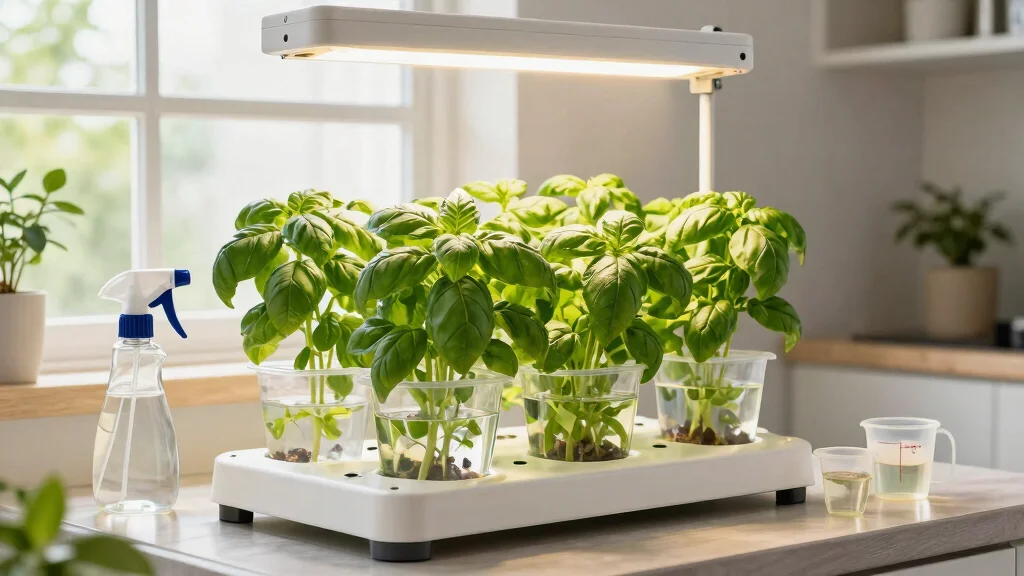
Start by selecting a nutrient-rich solution and place your basil where it can soak up 12 to 16 hours of light each day. Keep the leaves trimmed to encourage bushier growth and prevent it from flowering, which can change its delicious flavor. With its forgiving nature, basil is an ideal choice for beginners embarking on their hydroponic journey.
Hydroponic Gardening Tips:
– Start with seeds or cuttings.
– Maintain a temperature between 70°F and 80°F.
– Use a balanced nutrient solution for the best flavor.
With basil’s ease of growth and culinary charm, it ranks at the top of your indoor hydroponic garden list!
Recommended Products

Made for AeroGarden Systems – Formulated to support plant growth in AeroGarden and similar units.

Supports Roots & Plant Development – Helps encourage strong roots and balanced plant growth.

COMPREHENSIVE NUTRIENT SOLUTION: Experience lush growth with our 1000ml Hydroponics Solution, featuring a complete A & B nutrient system. This Hydroponic Plant Boost ensures your indoor and potted plants, including vegetables, fruits, and flowers, thrive with vibrant health
Basil: The Culinary Superstar
Editor’s Choice
Ahopegarden Indoor Garden Hydroponics Growing System: 10 Pods Plant Germ…

Liquid Plant Food for use in AeroGarden, IDOO and Hydroponic Growing Sys…
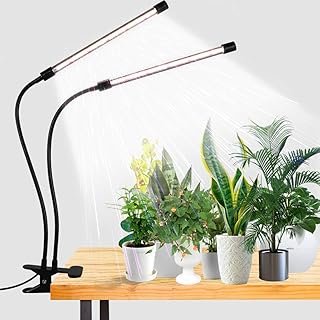
GooingTop LED Grow Light,6000K Full Spectrum Clip Plant Growing Lamp wit…
2. Mint: Refreshing and Versatile
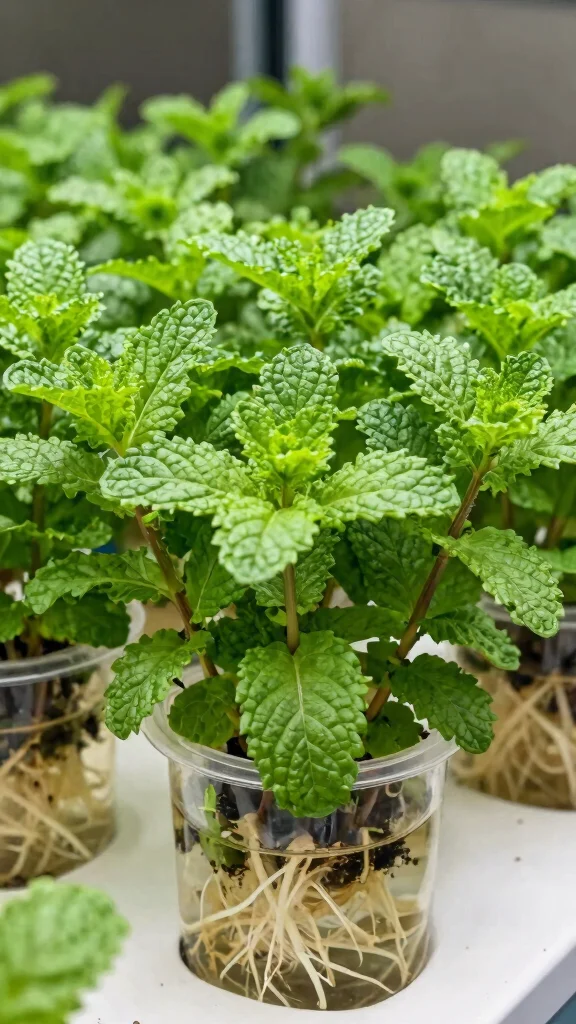
Are you in need of a fresh burst of flavor? Mint offers a refreshing aroma and taste that can enhance drinks, desserts, and savory dishes alike. Growing mint indoors hydroponically means you can always have this fragrant herb just a snip away.
Mint thrives in bright light and prefers cooler temperatures, helping to maintain its vibrant flavor. Regular trimming not only keeps it bushy but also enhances its natural pest-repelling qualities. This herb is not only delicious but also makes your indoor garden a fragrant delight.
Hydroponic Gardening Tips:
– Use a deep water culture system for best results.
– Keep mint in a separate container to prevent it from overtaking other herbs.
– Ensure adequate airflow around the plants to minimize mold.
With its vibrant taste and aroma, mint is a delightful addition to your hydroponic garden!
Recommended Products

USDA Certified Organic by Oregon Tilth

COMPLETE VARIETY PACK: Eight popular lettuce seeds including Buttercrunch, Romaine, Iceberg, Bibb, Red Oakleaf, Prizehead, plus Kale and Spinach; Perfect lettuce seeds for planting outdoors or in hydroponic systems
📹 Related Video: How to Grow TONS of Mint (And Not Let it Take Over)
Ongoing Maintenance & Care Guide
Maintenance Schedule:
Daily/Weekly Tasks:
– Check Water Levels: Ensure your hydroponic system has enough water. This task usually takes about 5-10 minutes each day.
– Inspect Nutrient Solution: Look for discoloration or cloudiness. This might take 5 minutes a few times a week.
– Monitor Light Exposure: Make sure your plants receive the right amount of light. Adjust lights if necessary, which can take about 5 minutes to check.
Monthly/Seasonal Tasks:
– Change Nutrient Solution: Every month, replace the nutrient water to keep your plants healthy. This usually takes around 30-45 minutes.
– Clean Your Hydroponic System: Remove any algae or debris from the system to prevent blockages. This might take around 1 hour.
– Prune Plants: Trim any dead or unhealthy leaves to encourage growth. This can take about 30 minutes, depending on the size of your plants.
– Check pH Levels: Test and adjust the pH of your nutrient solution once a month. This task usually takes about 15 minutes.
– Inspect Plants for Pests: Look for signs of pests or diseases. If you find any, treat them immediately, which may take around 20 minutes.
Maintenance Summary Table:
| Task | Frequency | Difficulty | Time Needed |
|——————————|—————|————–|—————-|
| Check Water Levels | Daily | Easy | 5-10 minutes |
| Inspect Nutrient Solution | 2-3 times a week | Easy | 5 minutes |
| Monitor Light Exposure | Daily | Easy | 5 minutes |
| Change Nutrient Solution | Monthly | Moderate | 30-45 minutes |
| Clean Your Hydroponic System | Monthly | Moderate | 1 hour |
| Prune Plants | Monthly | Easy | 30 minutes |
| Check pH Levels | Monthly | Easy | 15 minutes |
| Inspect Plants for Pests | Monthly | Moderate | 20 minutes |
Common Issues to Watch For:
⚠️ Here are some warning signs that indicate maintenance is needed:
– Yellow Leaves: Indicates possible nutrient deficiency or overwatering. Check your nutrient levels and water settings.
– Wilting Plants: Can be a sign of underwatering or root rot. Make sure your plants are getting enough water while also checking for blockages.
– Brown Leaf Tips: This might mean your plants are getting too much fertilizer or light. Adjust your feeding schedule or move your lights farther away.
– Algae Growth: If you see green or fuzzy growth in your system, this indicates that it’s time to clean your setup.
– Pests: Check for tiny bugs or webs on your plants. Treat immediately to prevent infestation.
Care Tips:
💡 Here are some practical tips for keeping your hydroponic system in good shape:
– Keep Records: Document your nutrient changes, pH levels, and plant health. This helps you track what works best over time.
– Use Quality Nutrients: Invest in a good nutrient solution designed for hydroponics. This can enhance plant growth and health.
– Maintain Air Flow: Ensure proper air circulation around your plants. This helps prevent mold and keeps your plants healthy.
– Stay Consistent: Stick to your maintenance schedule. Regular care will lead to better yields and healthier plants.
– Educate Yourself: Keep learning about hydroponics. Join online forums or read books to stay updated on the best practices.
By following this ongoing maintenance and care guide, you can ensure your indoor hydroponic garden thrives. Happy gardening!
Recommended Products

PATENTED SMART HYDROPONIC SYSTEM: Take your indoor gardening to the next level with our patented smart hydroponic system, featuring the exclusive LetPot app. With just a few taps on your phone, you can effortlessly adjust the 0-24 hours LED lighting schedule to provide your plants with the perfect amount of light and precies on/off time. Our innovative reminder system also ensures you never forget to water your plants again, making growing healthy and vibrant plants easier than ever before.

3X FASTER GROWTH & YEAR-ROUND HARVEST: Harness the power of our patented 24W full-spectrum LED, designed to mimic natural sunlight and accelerate growth 3x faster than traditional soil. Whether it's a dark apartment or a cold winter, enjoy a flourishing indoor garden 365 days a year.

Mint: Refreshing and Versatile
Editor’s Choice
Liquid Plant Food for use in AeroGarden, IDOO and Hydroponic Growing Sys…
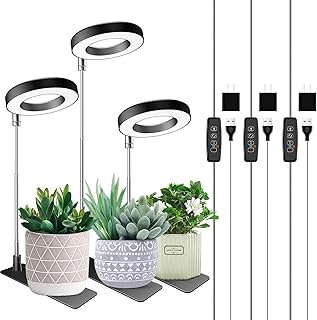
Aokrean Plant Grow Light, 48 LEDs Full Spectrum Grow Lights for Indoor P…
Ahopegarden Indoor Garden Hydroponics Growing System: 10 Pods Plant Germ…
3. Cilantro: A Flavorful Essential
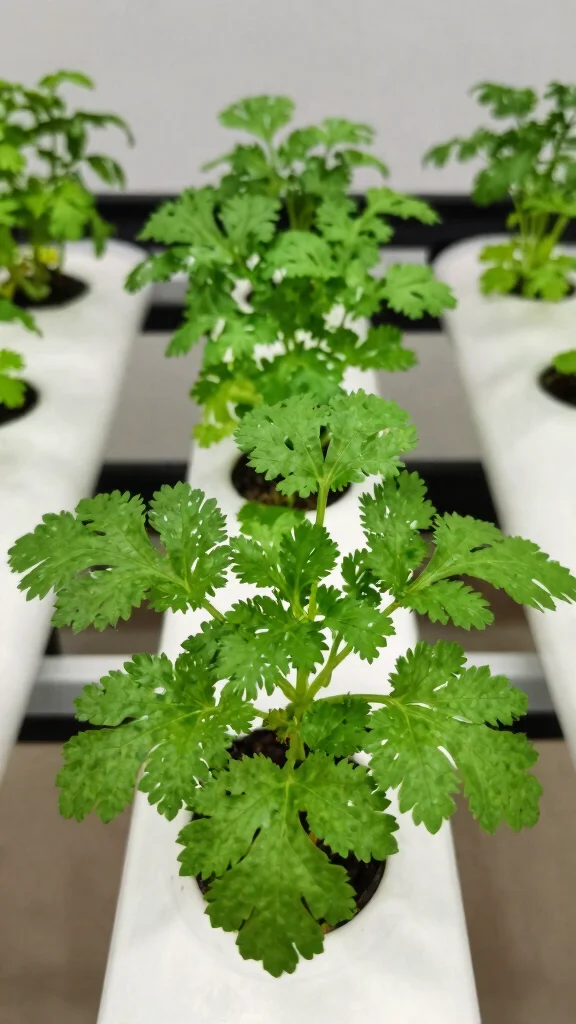
Looking to add a zesty kick to your dishes? Cilantro, or coriander, is a must-have herb that brings vibrant flavor to cuisines around the world. Known for its unique taste, cilantro thrives in hydroponic systems, allowing you to have fresh leaves whenever you need them.
Keep cilantro in bright, indirect light and be mindful of cooler temperatures to prevent it from bolting. Regularly trim to keep the leaves flavorful and to harvest before it flowers, as that can diminish its bold taste. This herb is a fantastic choice for any culinary enthusiast.
Hydroponic Gardening Tips:
– Use a nutrient solution tailored for leafy greens.
– Consider using a net pot to support cilantro’s roots.
– Rotate and move containers every few weeks for even light exposure.
With its bold flavor and versatility, cilantro deserves a spot in your hydroponic garden!
Recommended Products

The Perfect Combination: This two-part base nutrient system delivers a concentrated blend of holistic macro and micronutrients tailored to fuel plant growth from vegetative development right through the flowering stage

【Complete Hydroponic Plant Food】Get 2 bottles total 1000ml of A&B nutrients and 2 Measuring Cups providing essential elements for healthy indoor and potted plant growth. Never run out of supplies!
Cilantro: A Flavorful Essential
Editor’s Choice
FARMLITE LED Grow Lights for Indoor Plants Full Spectrum Growing Light B…
4. Chives: The Subtle Onion Flavor
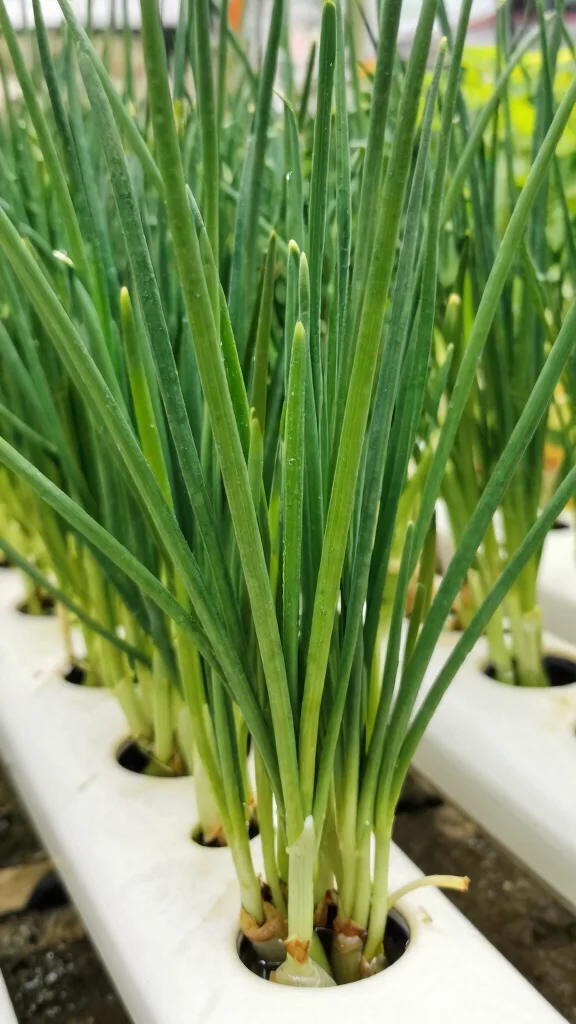
Do you want to enhance your dishes with a mild onion flavor? Chives are perfect for adding a subtle zest without overpowering other ingredients. These herbs are easy to cultivate in hydroponic systems, making them ideal for novice gardeners.
Chives flourish in bright conditions, requiring about 6 hours of light each day. They can be grown using deep water culture or nutrient film techniques. Regularly snipping the tops encourages bushier growth and keeps them vibrant and fresh.
Hydroponic Gardening Tips:
– Use a pH-balanced nutrient solution for healthy growth.
– Ensure proper drainage to avoid rot.
– Harvest wisely to maintain continuous production.
Incorporating chives into your indoor garden not only enhances your meals but also adds a splash of green to your space!
Chives love bright days and dish-savvy cooks love them: a 6-hour light window keeps them happy and ready to harvest. These easy-care herbs are one of the best plants to grow hydroponically indoors, delivering a subtle onion burst on demand. Snip the tops for bushier growth and nonstop flavor.
Recommended Products

5 NON-GMO LEAFY GREENS VARIETY PACK – Includes Viroflay spinach (Spinacia oleracea), arugula (Eruca sativa), Lacinato kale (Brassica oleracea), Salad Bowl lettuce (Lactuca sativa) & rainbow Swiss chard (Beta vulgaris) seeds for planting in your vegetable garden

Locally farmed
Chives: The Subtle Onion Flavor
Editor’s Choice
GooingTop LED Grow Light,6000K Full Spectrum Clip Plant Growing Lamp wit…
GARDENCUBE 166pcs Hydroponic Pods Kit: Compatible with Aerogarden Grow A…
Liquid Plant Food for use in AeroGarden, IDOO and Hydroponic Growing Sys…
5. Oregano: The Mediterranean Delight
Do you crave the rich flavors of the Mediterranean? Oregano is essential for adding depth to pizzas, pastas, and a variety of dishes. Growing oregano hydroponically ensures a steady supply of this resilient herb without needing a traditional garden bed.
Oregano loves full light and can handle a slightly drier environment, making it perfect for indoor gardening. Regular pruning promotes new growth, while careful watering keeps it thriving as it prefers well-drained conditions.
Hydroponic Gardening Tips:
– Use a nutrient solution that supports aromatic herb growth.
– Maintain light exposure of about 12 to 14 hours each day.
– Harvest leaves from the top to encourage bushiness.
With its fragrant leaves ready to elevate your cooking, oregano is a must for your hydroponic setup!
Recommended Products


Personalized Pods and Water Visual Window: Hydroponics growing system with light offers 12 grow stations,allowing you to cultivate a variety of , vegetables, fruits or flowers - perfect for any plant enthusiast! Our customized panels are compatible with most grow baskets and make it easy to harvest your indoor garden. Also it comes with a see-through water level window, allowing one to know how much water in the tank and add water in time with a simple glance

Versatile 15-Pod Indoor Garden with Visual Water Window:Cultivate fresh herbs, vegetables, fruits, and flowers year-round with our complete hydroponic system. Features 15 universal pods compatible with most grow baskets and a clear water level window for easy monitoring. Perfect for indoor herb gardens grow tent and kitchen gardening.
You might also like
6. Thyme: The Tiny Wonder
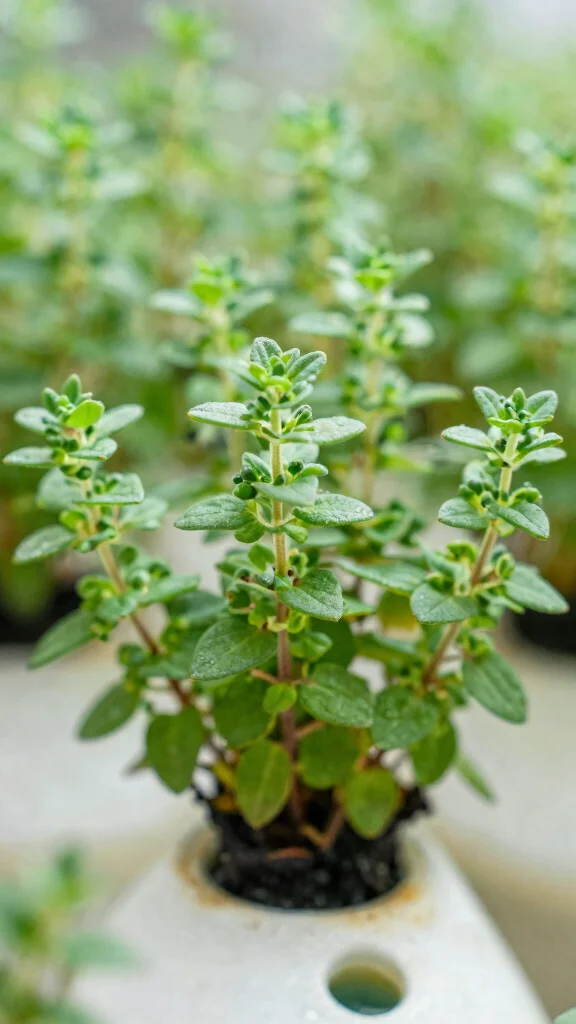
Do you appreciate herbs that pack a punch? Thyme is recognized for its tiny leaves and robust flavor, enhancing soups, stews, and roasted dishes. Growing thyme hydroponically keeps this essential herb at your fingertips for all your culinary needs.
Thyme thrives under bright light and requires good airflow to prevent mold. With excellent drainage in your hydroponic setup, thyme can grow beautifully. Regular harvesting encourages fuller and healthier plants.
Hydroponic Gardening Tips:
– Choose a hydroponic system that promotes good air circulation.
– Keep humidity levels low to prevent mold.
– Trim regularly to maintain growth and prevent over-flowering.
Thyme’s unique flavor and ease of cultivation make it a fantastic choice for your indoor garden!
Recommended Products

Avant-garde and modern design: Our smart hydroponics growing system kit merges urban farming innovation with minimalist aesthetics. Crafted from durable ABS, its 17" space-saving profile features an LCD touchscreen for one-touch control, perfect for tech-savvy gardeners or as a unique gift. The integrated full-spectrum panel adapts seamlessly to indoor hydroponics, blending functionality with sleek vertical farming appeal.

Rapid Growth & Smart Timer 300% Faster Than Soil Planting: Our hydroponics indoor herb garden is designed for soilless farming, accelerating plant growth 300% faster than traditional soil planting. Backed by over 100 expert tests, our smart hydroponics system ensures consistent, high-yield crops. The LED grow lights simulate natural sunlight with a 16-hour-on, 8-hour-off cycle, promoting optimal photosynthesis for organic vegetables and fresh herbs all year round(Does not include seeds)

52 Pods High Capacity Indoor Hydroponic Garden Kit: Featuring an ultra-large 52-pod design, this 52 pod hydroponics growing system kit lets you grow a variety of herbs, vegetables, and flowers all year round. Perfect for families, schools, or hobby gardeners looking for an efficient indoor hydroponic grow system that saves space and delivers results. Whether you're using it as a hydroponic seed starter or a full-scale growing station, this kit has you covered.
Thyme: The Tiny Wonder
Editor’s Choice
GooingTop LED Grow Light,6000K Full Spectrum Clip Plant Growing Lamp wit…

ORFOFE 2pcs Protein Skimmer Bubble Wood for Freshwater and Saltwater Aqu…
Jobe’s Organics Herb Garden Fertilizer Spikes, Easy Plant Care Organic…
7. Dill: The Fragrant Herb
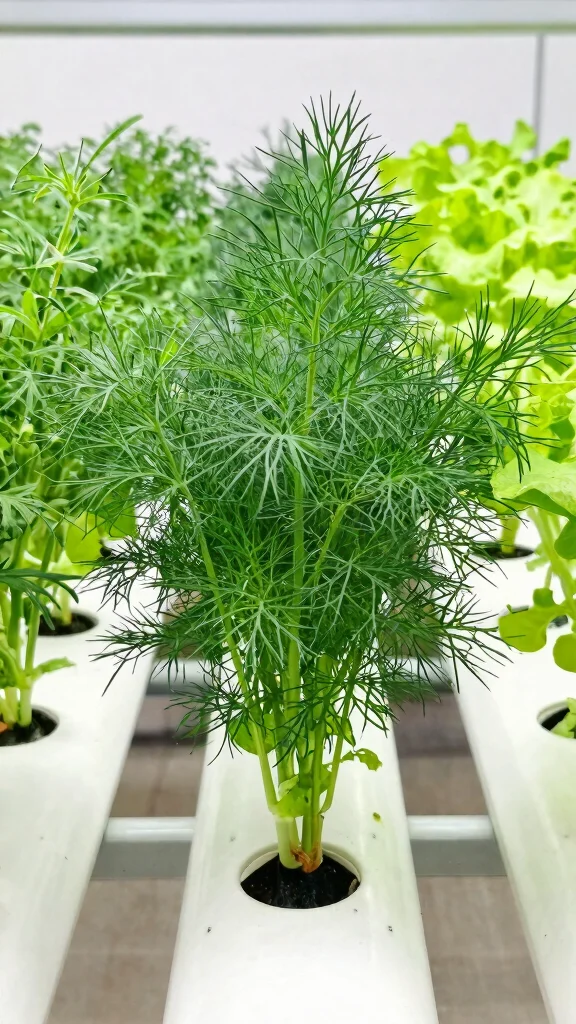
Want to add a burst of flavor to your dishes? Dill is a fragrant herb that enhances pickles, salads, and seafood. Growing dill hydroponically allows you to enjoy its distinctive taste easily and conveniently.
Dill enjoys full sun and needs well-draining conditions, easily achieved through hydroponics. Regular trimming keeps the plant from flowering, preserving its unique flavor profile.
Hydroponic Gardening Tips:
– Use a nutrient solution rich in potassium and phosphorus for optimal flavor.
– Maintain a water temperature of 65°F to 70°F.
– Ensure adequate light exposure to support growth.
Dill’s unique aroma and flavor make it an exciting addition to your hydroponic garden!
Fun fact: dill is one of the best plants to grow hydroponically indoors; it can be harvest-ready in 3–4 weeks, with fresh leaves trimming every 1–2 weeks. Keep it in full sun indoors, and you’ll enjoy its fragrant flavor without flowering.
Dill: The Fragrant Herb
Editor’s Choice
Liquid Plant Food for use in AeroGarden, IDOO and Hydroponic Growing Sys…
Ahopegarden Indoor Garden Hydroponics Growing System: 10 Pods Plant Germ…
GooingTop LED Grow Light,6000K Full Spectrum Clip Plant Growing Lamp wit…
8. Lettuce: The Leafy Green Favorite
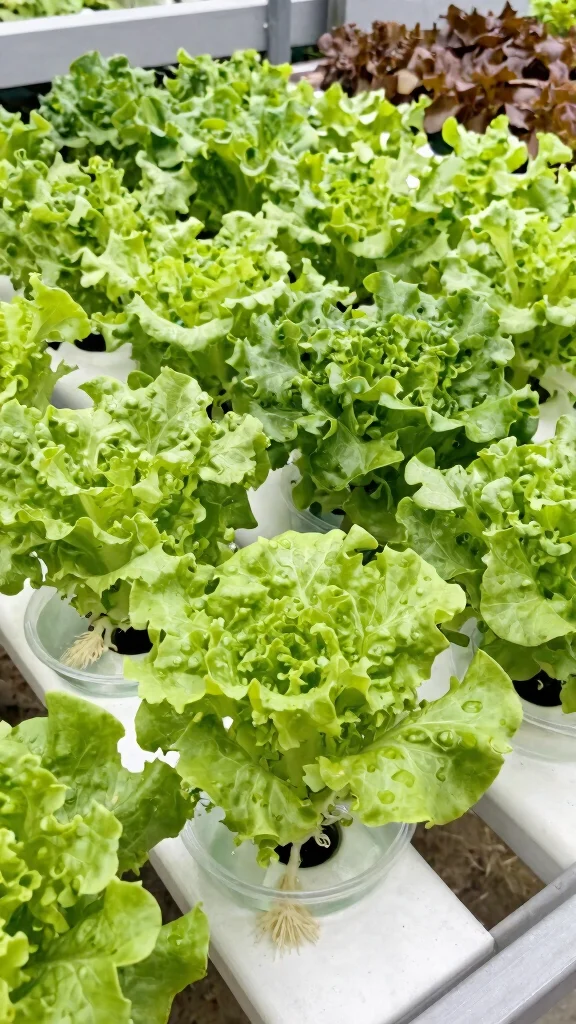
Are you looking for fresh greens for your salads and sandwiches? Lettuce is a beloved staple that grows beautifully indoors through hydroponics. With various types available, you can create your very own salad bar right at home!
Lettuce prefers cool temperatures and plenty of light, making it perfect for indoor gardening. Regular watering and a balanced nutrient solution will keep your lettuce lush and vibrant.
Hydroponic Gardening Tips:
– Use a nutrient film technique or deep water culture system.
– Maintain a pH level between 5.5 and 6.5 for optimal growth.
– Regularly harvest leaves to encourage new growth and avoid bitterness.
Lettuce not only adds variety to your meals but also flourishes in your hydroponic garden!
Lettuce: The Leafy Green Favorite
Editor’s Choice
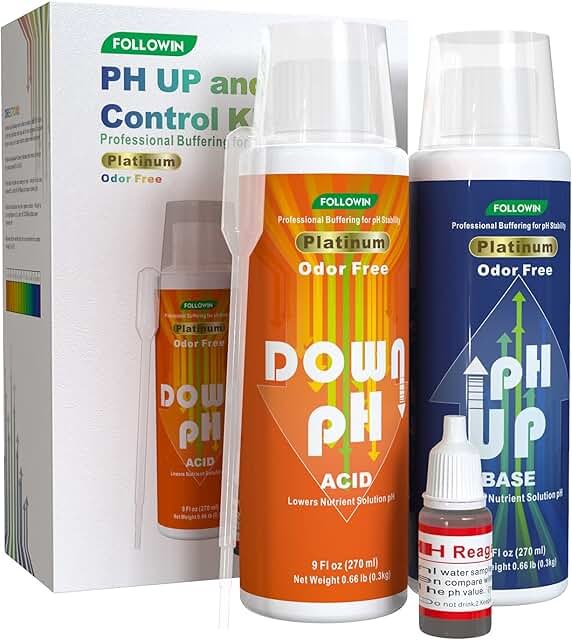
FOLLOWIN pH Up and Down Control Kit for Hydroponics, Soil Gardens & Aqua…
VIVOSUN Liquid Nutrients Base A & B Bundle, Grow Big Hydroponic Fertiliz…
General Hydroponics Flora Series: FloraMicro, FloraBloom, FloraGro – 3-P…
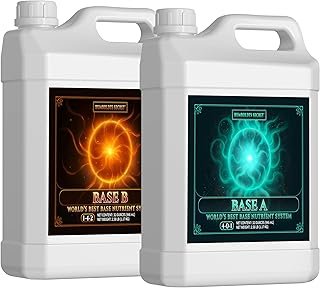
Humboldts Secret Base A & B Liquid Hydroponic Fertilizer | Complete Hydr…
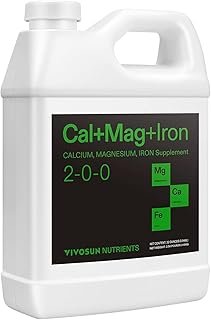
VIVOSUN Cal+Mag+Iron (2-0-0), Calcium, Magnesium & Iron Supplement, Liqu…
You Might Also Like
9. Parsley: The Nutritional Powerhouse
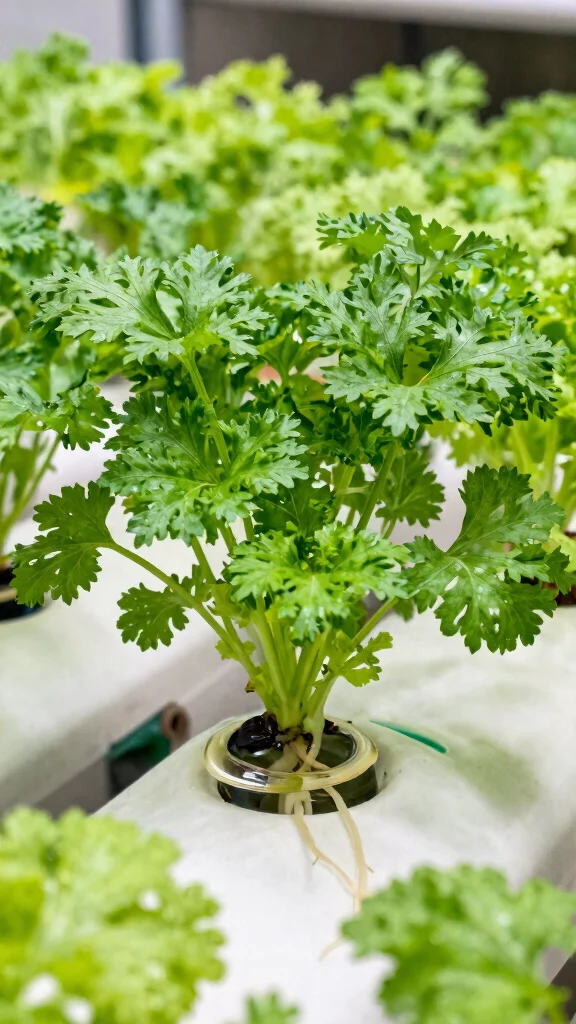
Are you aware of the benefits of fresh herbs? Parsley is often seen as a garnish, but it’s a nutritional powerhouse that enhances flavors while offering health benefits. Hydroponically growing parsley ensures you always have this versatile herb ready for soups, salads, and garnishes all year round.
Parsley thrives in bright light and cooler temperatures, making it an excellent candidate for indoor gardening. Regular trimming encourages bushy growth and prevents flowering, which can alter its taste.
Hydroponic Gardening Tips:
– Use a balanced nutrient solution for optimal growth.
– Maintain a pH level around 6.0 for best results.
– Harvest leaves regularly to stimulate continuous production.
With its culinary uses and health benefits, parsley deserves a spot in your hydroponic garden!
Parsley: The Nutritional Powerhouse
Editor’s Choice
Liquid Plant Food for use in AeroGarden, IDOO and Hydroponic Growing Sys…
Ahopegarden Indoor Garden Hydroponics Growing System: 10 Pods Plant Germ…
Aokrean Plant Grow Light, 48 LEDs Full Spectrum Grow Lights for Indoor P…
10. Watercress: The Nutrient-Rich Green
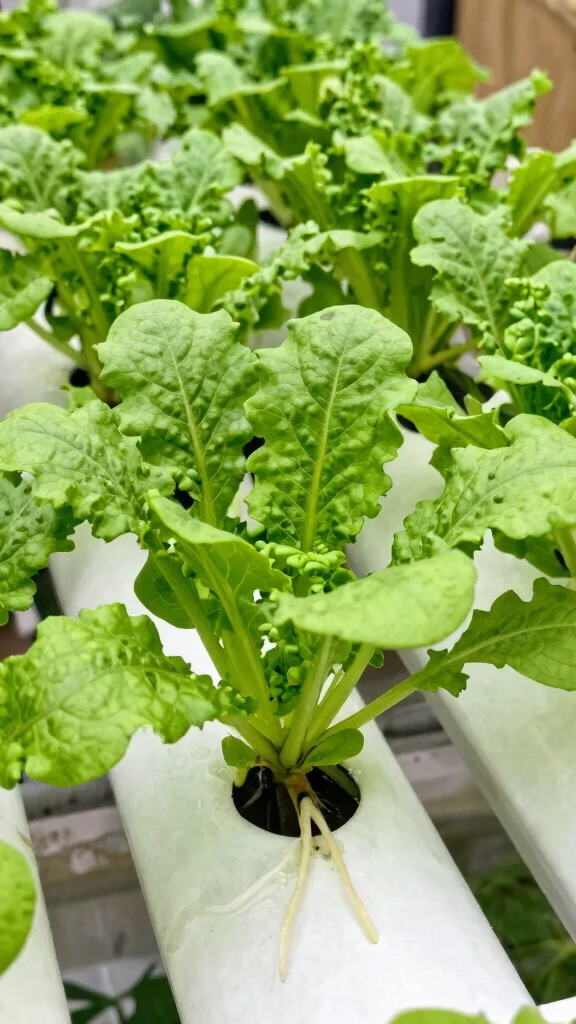
Looking to diversify your indoor garden? Watercress is a unique leafy green known for its peppery flavor and nutrient density. This herb is fantastic for salads, soups, and garnishes, offering a fresh twist to your culinary endeavors. Plus, it grows quickly, making it a great option for new gardeners.
Watercress thrives in high moisture environments, making it a perfect fit for hydroponic systems. Ensure it receives ample light and regularly change the nutrient solution to keep it healthy.
Hydroponic Gardening Tips:
– Maintain water temperatures between 60°F and 70°F.
– Use a nutrient solution rich in nitrogen for optimal growth.
– Harvest regularly to encourage new growth and keep the plant thriving.
As a delicious and nutritious addition, watercress rounds out your list of the best plants to grow hydroponically indoors!
Watercress is one of the best plants to grow hydroponically indoors, and you can harvest it in as little as 3-4 weeks. Its peppery flavor and dense nutrients make salads, soups, and garnishes a go-to, with practical, quick results for beginners.
Watercress: The Nutrient-Rich Green
Editor’s Choice
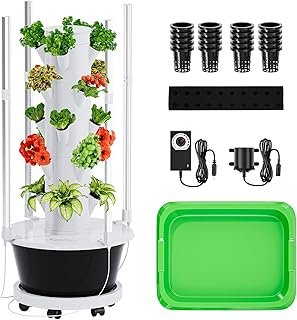
SPECILITE Hydroponics Growing System Kit with Full-Spectrum Grow Light, …
GooingTop LED Grow Light,6000K Full Spectrum Clip Plant Growing Lamp wit…
Liquid Plant Food for use in AeroGarden, IDOO and Hydroponic Growing Sys…
Conclusion
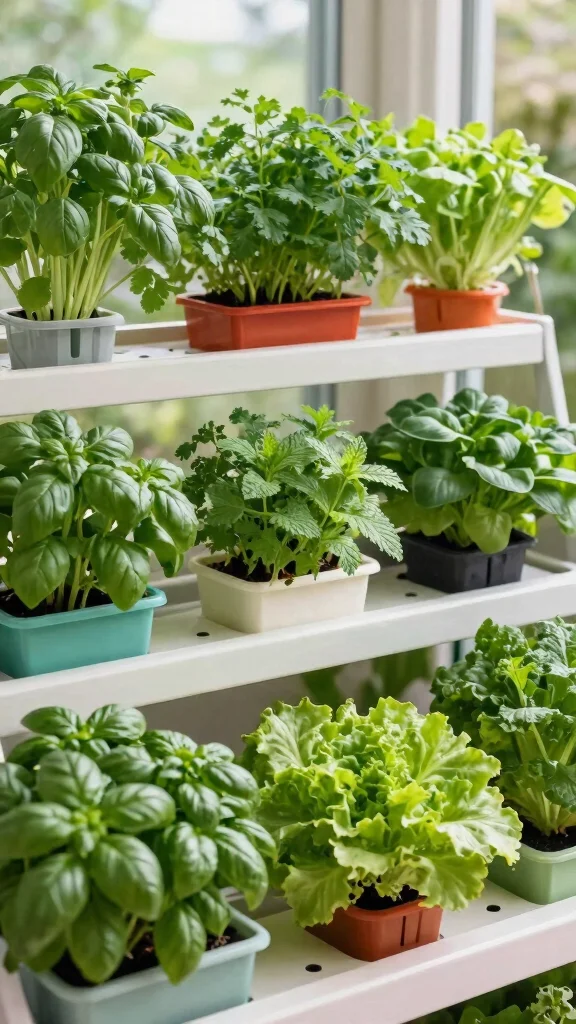
Growing your own herbs indoors hydroponically is not just a trend; it’s a rewarding experience that offers endless culinary possibilities. With the right care and attention, you can enjoy fresh flavors that elevate your cooking and enhance your meals. Each plant on our list serves a unique purpose, from the aromatic basil to the zesty cilantro, making hydroponic gardening a fun and fruitful endeavor.
Ready to start your own indoor garden? The vibrant greens are just waiting to flourish in your kitchen!
Note: We aim to provide accurate product links, but some may occasionally expire or become unavailable. If this happens, please search directly on Amazon for the product or a suitable alternative.
This post contains Amazon affiliate links, meaning we may earn a small commission if you purchase through our links, at no extra cost to you.
Frequently Asked Questions
What are the best plants to grow hydroponically indoors for culinary use?
Great question. If you want edible, flavorful herbs and greens, the best plants to grow hydroponically indoors are often herbs like basil, mint, chives, parsley, cilantro, and thyme, plus greens like lettuce and baby spinach. In the article’s top 10 list, these thrive in indoor setups and can turn your kitchen into a fresh herb garden.
Practical tips: choose a compact hydroponic system, ensure ample light (LED or bright window), keep pH around 5.5-6.5 for most herbs, monitor EC, and harvest leaves regularly to promote bushy growth. For culinary use, prune herbs just above leaf nodes to encourage branching. This aligns with growing herbs indoors and hydroponic gardening tips for beginners.
Which hydroponic systems work best for indoor herb gardening?
Different systems suit different spaces. For beginners and compact kitchens, the best hydroponic systems tend to Deep Water Culture (DWC) or Kratky-style setups because they’re simple and reliable for indoor hydroponic herbs. If you have space for a little more, NFT (nutrient film technique) works well for leafy herbs. For a hands-off approach, ebb and flow can handle larger herb crops. Start with a kit, ensure strong light, and keep roots well-aerated. Always tailor to hydroponic gardening tips and indoor plant care.
What common mistakes should I avoid when growing herbs indoors with hydroponics?
Common mistakes include overloading with nutrients, under- or over-watering, and poor lighting. Also, neglecting pH control can lock out nutrients; most leafy herbs like pH 5.5-6.5. Another pitfall: reservoir temperatures that are too high can stunt growth; keep it cool around 18-22C. Make sure to monitor EC and adjust gradually. Regular pruning to prevent legginess, and clean equipment to avoid algae and pests—these are solid hydroponic gardening tips for growing herbs indoors.
How do I start hydroponic gardening indoors if I’m a beginner?
Start with a simple setup and a few easy herbs. Pick a small hydroponic system like a DWC or Kratky kit and place it where you have steady light for 12-16 hours daily. Choose herbs that thrive indoors: basil, mint, chives, cilantro, parsley. Fill reservoir with a balanced nutrient solution formulated for leafy greens and herbs; follow label directions and monitor pH (5.5-6.5) and EC. Harvest regularly to encourage bushy growth. This approach is beginner-friendly and aligns with hydroponic vegetables for beginners guidance and growing herbs indoors.
How can I maximize flavor and yield of indoor hydroponic herbs with proper care?
Consistent light, good air circulation, and timely pruning matter. Use a bright light schedule (12-16 hours) and ensure your herbs are harvested from the top leaves first to encourage new growth. Maintain clean reservoirs, avoid nutrient burn by feeding at measured strengths, and flush occasionally. Use a clean harvest technique to keep flavor intact. Plus, rotate crops to prevent disease; regular maintenance is key to good indoor plant care and hydroponic gardening tips for flavor-packed herbs.
Recommended Products

Heirloom Non-GMO Seeds: The seeds in garden starter kit contains 600+ easy grow herb gardening seeds, including Genovese Basil, Thyme, Mint, Cilantro, Curly Parsley and Dill. Growing your own herbs for eating has never been this easy! Enjoy fresh, home-grown herbs for cooking and garnishing

Beautiful - Individual packets of popular culinary herbs including Mint (Mentha spicata), Lavender (Lavandula), Basil (Ocimum basilicum), Cilantro (Coriandrum sativum) & Parsley (Petroselinum crispum). This collection makes a wonderful gift.

Non-GMO & Organic Certified Seeds - Grow a complete herb garden with our USDA Certified Organic by OTCO and Non-GMO herb seeds variety pack. Includes Genovese Basil, Peppermint, Rosemary, Italian Flat Leaf Parsley, Slow Bolt Cilantro, Italian Oregano, Thyme, Common Chives, Bouquet Dill, and Broad Leaf Sage seeds, all proudly grown in the USA.
Related Topics
hydroponic gardening
indoor herbs
best plants indoors
hydroponic systems
easy hydroponics
culinary herbs
beginner hydroponics
indoor gardening tips
growing herbs indoors
vegetables for beginners
sustainable gardening
home gardening