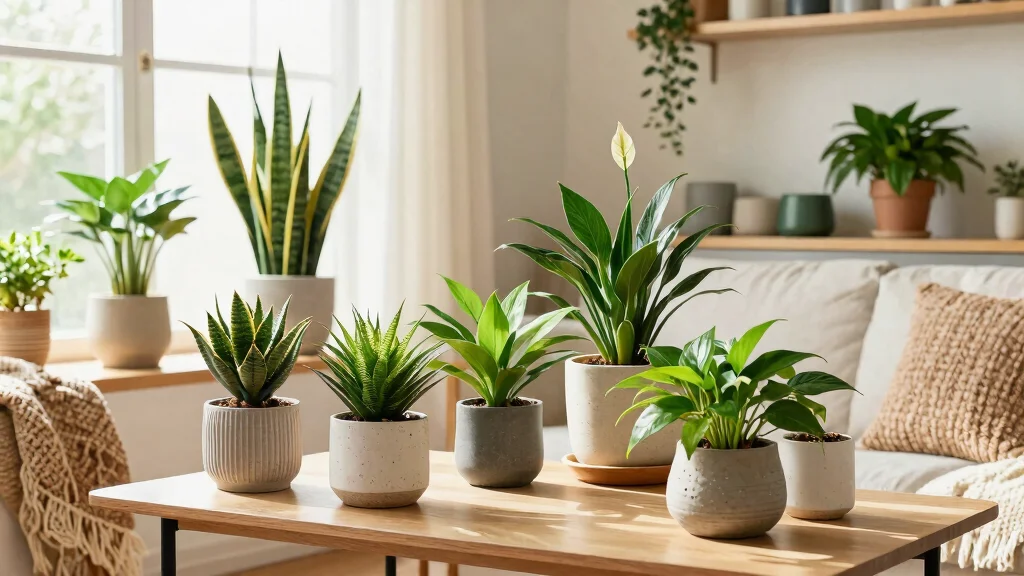
In today’s fast-paced world, it’s easy to overlook the importance of the air we breathe indoors. If you’ve ever found yourself craving a fresh and clean atmosphere at home, you’re not alone. Many of us spend our days surrounded by artificial materials and pollutants that can negatively impact our well-being. That’s why I created this guide to highlight the best air purifying plants for every room in your home. By bringing these green companions into your space, you can transform your indoor environment into a healthier oasis.
This post is designed for anyone who loves indoor gardening, whether you’re a beginner or a seasoned plant enthusiast. If you’re interested in improving your air quality or simply want to beautify your home décor with low maintenance houseplants, this is the perfect resource for you. From the benefits of natural air filters to practical tips on how to care for each plant, you’ll gain insights that can help you create a more inviting and breathable living space.
Get ready to discover nine amazing plants that not only purify your air but also add a touch of life to your home. Each plant listed here has unique qualities that make them ideal for different rooms and lifestyles. Let’s dive into the wonderful world of indoor gardening and explore how these plants can improve your home’s air quality while enhancing your space’s aesthetic appeal.
Key Takeaways
– Discover nine air purifying plants that are perfect for various rooms in your home, enhancing both air quality and aesthetics.
– Learn about the specific benefits each plant offers, including their ability to filter indoor pollutants and improve air quality.
– Find practical care tips for maintaining these low maintenance houseplants, ensuring they thrive in your indoor environment.
– Understand how incorporating indoor plants can boost your mood and overall well-being, making your space feel more inviting.
– Explore creative ideas for using these plants in your home décor, allowing you to express your style while improving air quality.
Recommended Products
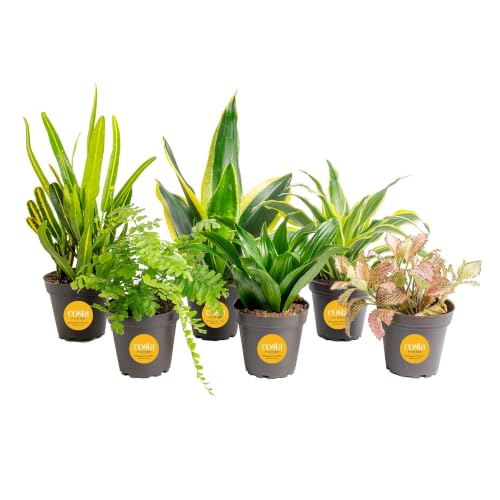
BEAUTIFUL ROOM DÉCOR BUNDLE: This 6-pack offers incredible value to instantly decorate multiple spaces with live houseplant room decor. Perfect for shelf or desk décor, or as party favors. Varieties will vary — examples include Peace Lily, Snake Plant, Fern, Dieffenbachia, Pothos, and others

LIVE SNAKE PLANTS: Sansevieria Zeylanica (mother in law plant) is an easy low-maintenance houseplant
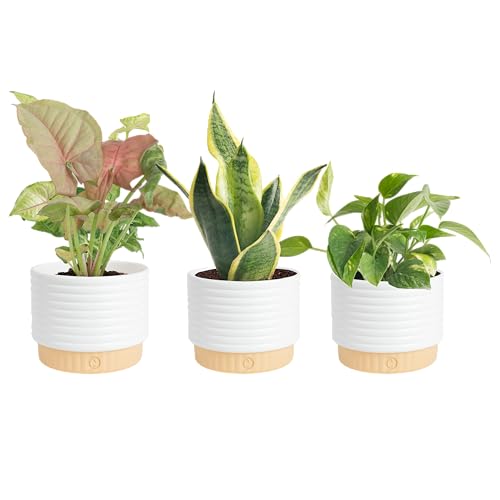
DECOR-READY LIVE INDOOR PLANTS: This 3-pack of houseplants offers incredible value to gift or instantly upgrade any space. Perfect for shelf, tabletop, or office desk. Varieties will vary — examples include Peace Lily, Snake Plant, Fern, and Pothos
1. Snake Plant (Sansevieria)
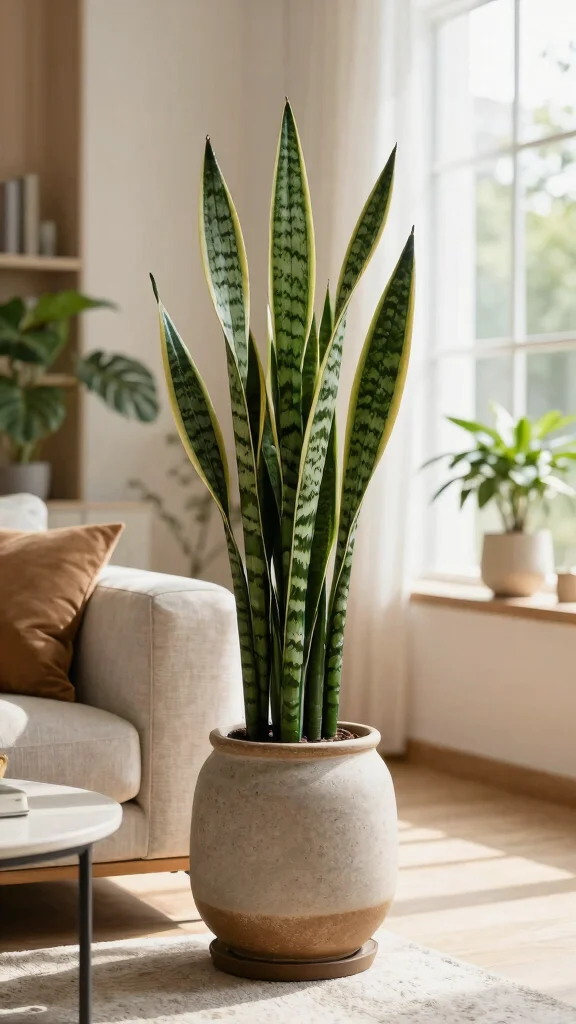
Looking for a plant that’s easy to care for and stylish? The Snake Plant, or Mother-in-law’s Tongue, is a fantastic option. With its tall, striking leaves featuring vibrant green and yellow stripes, it effortlessly elevates any space. This plant thrives on neglect, needing minimal watering and low light, making it perfect for busy lifestyles. Plus, it’s a top performer in air purification, filtering out toxins like formaldehyde and benzene.
To keep your Snake Plant healthy, focus on a few simple practices. Water it only when the soil has completely dried out, and keep it in indirect sunlight for best results. This hardy plant doesn’t need much fuss, making it ideal for both beginners and seasoned plant parents.
Start enjoying your Snake Plant today:
– Water sparingly; let the soil dry out completely between waterings.
– Keep it in indirect sunlight; it can tolerate low-light conditions.
– Ensure good drainage to prevent root rot.
With its unique look and air-purifying abilities, the Snake Plant is a must-have for any room.
Fun fact: Snake Plants are one of the easy houseplants that don’t die — they can go up to 3 weeks without watering and still bounce back, even in low light. No green thumb? No problem—just place it in well-draining soil and water sparingly when the soil is dry.
Recommended Products

ELEGANT INDOOR HOUSEPLANT: Add a touch of timeless, sophisticated style with a live Peace Lily. Featuring iconic white blooms and lush green foliage, it’s a perfect tabletop decor piece for your home or office
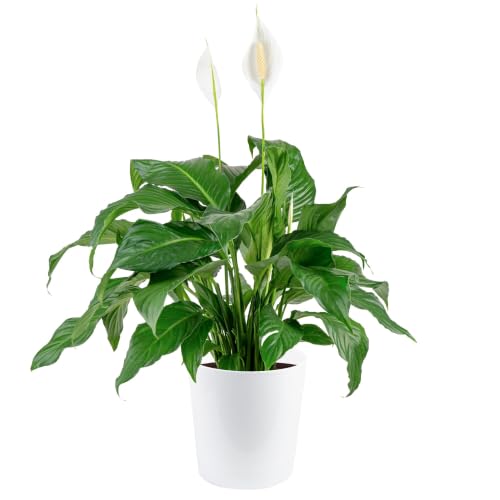
ELEGANT FLOWERING ROOM DÉCOR: The pure white flowering spathes of the large Peace Lily add a touch of timeless, sophisticated elegance. A gorgeous floor decor piece for a home room or quiet office setting

Potted: Comes already potted in a nursery pot with soil and some slow release fertilizer.
Snake Plant (Sansevieria)
Editor’s Choice

How Not to Kill Your Houseplant New Edition: Survival Tips for the Horti…

Snake Plant Fertilizer – Liquid Plant Food for Upright Growth, Strong …
Ceramic Modern Glaze Succulent Planter Pot with Drainage Hole and Saucer…
2. Peace Lily (Spathiphyllum)
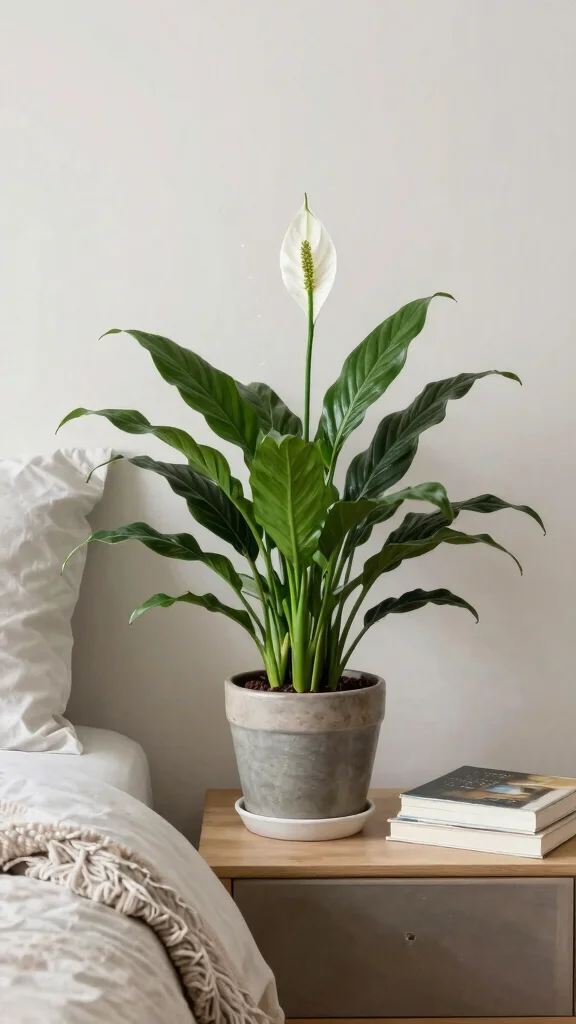
Do you want to bring elegance and cleaner air into your home? The Peace Lily is just what you need! Known for its stunning white blooms and glossy leaves, this plant thrives in low light, making it perfect for bedrooms or darker areas. It’s not just pretty; it effectively filters harmful chemicals like ammonia, enhancing your indoor air quality.
Caring for a Peace Lily is simple and rewarding. Keep the soil moist but not soggy, and enjoy its beautiful flowers throughout the year. Plus, it’s non-toxic, making it safe for pets, a great bonus for animal lovers.
Here’s how to care for your Peace Lily:
– Water when the top inch of soil is dry.
– Avoid direct sunlight to prevent leaf burn.
– Fertilize sparingly during the growing season to encourage blooming.
Adding a Peace Lily brings tranquility and freshness to your space, creating a calming atmosphere that everyone will appreciate.
Recommended Products

TROPICAL BEAUTY: Calathea features stunning patterned foliage with unique variegation, making it a gorgeous decorative accent for any indoor space

Air-purifying. Plants help filter harmful pollutants, such as benzene and formaldehyde, from indoor air.

Peace Lily (Spathiphyllum)
Editor’s Choice
Miracle-Gro Indoor Plant Food for All Plants, Liquid Plant Food for Hous…
Pink Classic Elegant Flower Vase – 7.9 Inch Premium Ceramic Vase for Ros…
Gentle Hair Removal Care Oil for Women, with Natural Plant Essential Oil…
3. Spider Plant (Chlorophytum comosum)
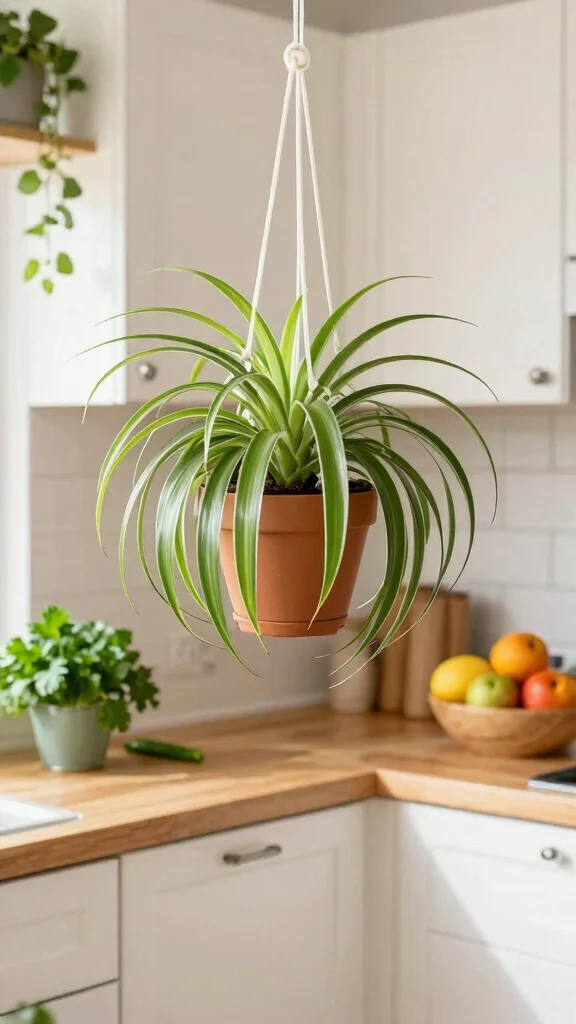
Looking for an easy-going plant that makes a statement? The Spider Plant is a beloved classic! With its charming green and white striped leaves and baby offshoots, this plant adds a delightful touch to any room. It’s also a fantastic air purifier, effectively removing pollutants like formaldehyde and xylene from your home.
This resilient plant thrives in various conditions, from low light to bright environments. Just give it a little water each week, and enjoy its beauty without much hassle.
Here are some care tips for your Spider Plant:
– Allow the top inch of soil to dry before watering.
– Fertilize every couple of months during the growing season for best results.
– Use well-draining soil to prevent root rot.
With its cheerful presence, the Spider Plant not only improves air quality but also adds a lively touch to your home decor.
Recommended Products

LIVE INDOOR HOUSEPLANTS: Includes a rotating assortment of 6 popular indoor plants in 2 in. grower pots, ranging in height by variety - approximately 4 - 6 in. tall

LIVE INDOOR PLANT -Bring home the stunning Lemon Lime Maranta Prayer Plant and enjoy a touch of tropical calm. With its vivid green leaves brushed with yellow and dark-green veins, this houseplant brings instant warmth and charm to any room. Watch as its leaves fold upward at night like praying hands — a living rhythm of peace and nature.
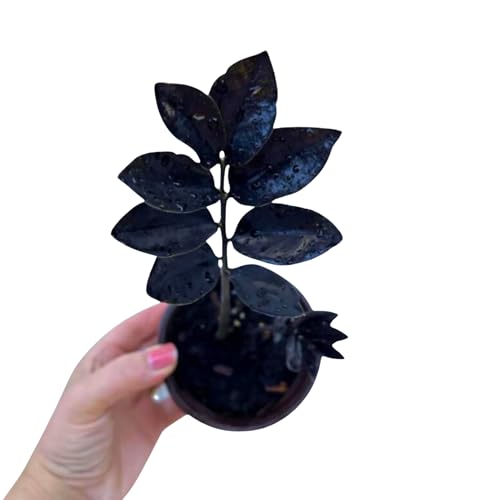
Eye-Catching Black Leaves – Glossy dark foliage brings modern flair to any room. Comes in Nursery Pot – Arrives ready to display with minimal setup required. Low Maintenance Beauty – Thrives in low light and dry conditions, great for busy lifestyles. Natural Air Purifier – Helps improve indoor air quality while looking stylish. Ideal for Contemporary Decor – Makes a bold, sculptural statement in homes and offices.
Spider Plant (Chlorophytum comosum)
Editor’s Choice
Burpee, 9 Quarts | Premium Organic Potting Natural Soil Mix Food Ideal f…
Set of 2-10 Inch Hanging Planters for Indoor Plants with Self-Watering I…
CHILDWEET 1Set Small Metal Watering Can with Gardening Tools Iron Wateri…
4. Boston Fern (Nephrolepis exaltata)
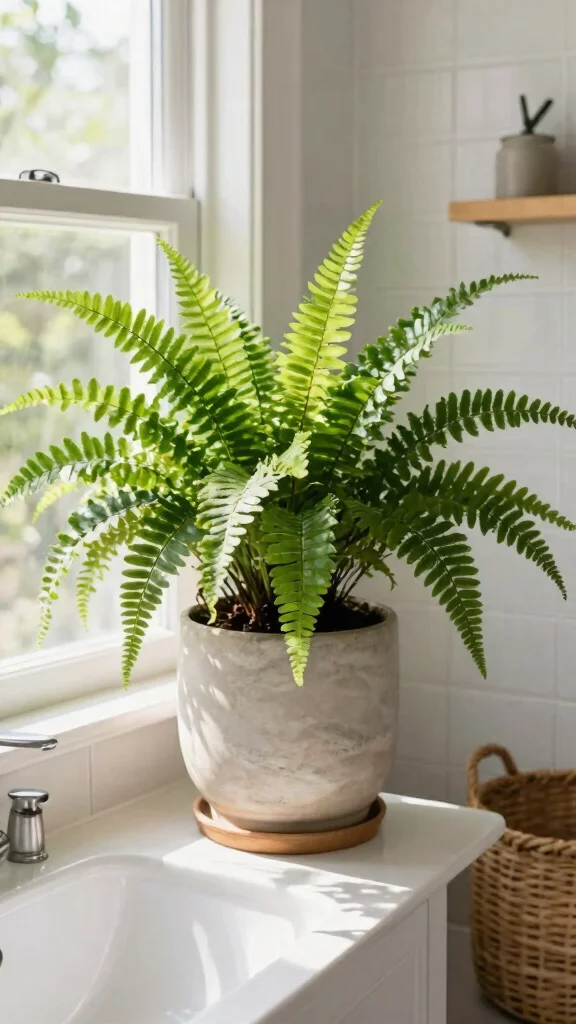
Want to bring a touch of tropical charm into your home? The Boston Fern is an excellent choice! This lush plant thrives in humidity, making it perfect for areas like bathrooms or kitchens. With its feathery fronds, it effectively removes toxins such as formaldehyde and xylene, enhancing your indoor air quality.
While it does require a bit more care, the lush greenery is worth the effort. Regular misting and consistent moisture will keep it thriving.
Here are some care tips for your Boston Fern:
– Keep the soil consistently moist but not soggy.
– Mist the leaves regularly to maintain humidity.
– Place it in bright, indirect sunlight for optimal growth.
Adding a Boston Fern to your home not only enhances air quality but also brings a refreshing, vibrant atmosphere indoors.
Recommended Products

HARDY INDOOR PLANT: Sansevieria Laurentii is a drought tolerant, durable, and adaptable houseplant for beginners

LIVE SNAKE PLANTS: Sansevieria Laurentii (mother in law plant) is an easy low-maintenance houseplant

MODERN ARCHITECTURAL ACCENT: The architectural upright leaves of this live Snake Plant provide a modern, sleek look that defines minimalist decor. Perfect for adding height and texture to your indoor plant collection
Boston Fern (Nephrolepis exaltata)
Editor’s Choice
Miracle-Gro Organic Plant Food – Use with Indoor or Outdoor Plants, Orga…
Xiaan Jiaju Tuscan Ceramic Plant Pots, 6.11 Inch Vintage Planters with D…
5. Aloe Vera
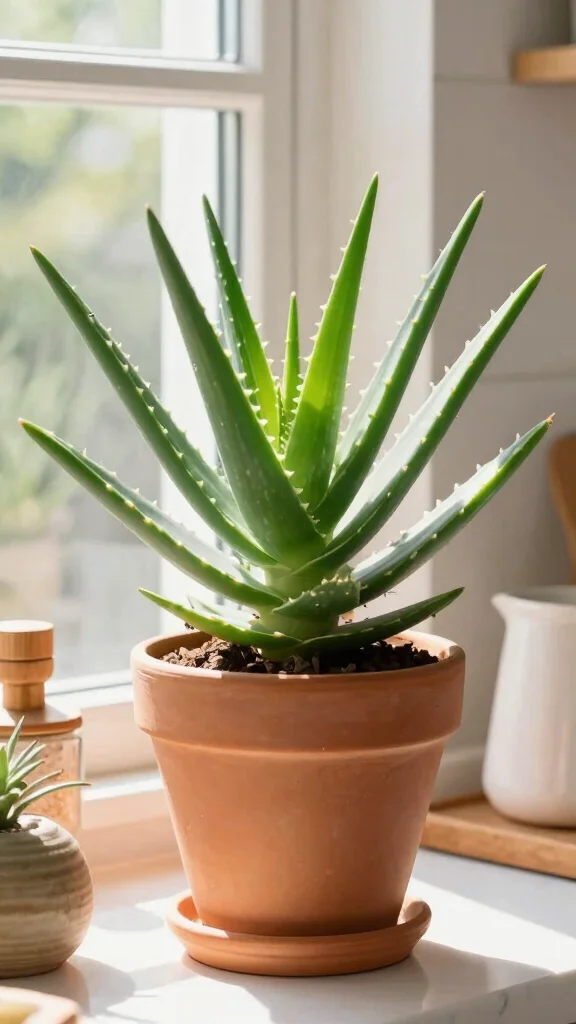
Searching for a plant that’s both beautiful and useful? Aloe Vera is the perfect fit! This succulent thrives in bright, indirect light and requires minimal watering, making it a favorite for busy plant lovers. Beyond its attractive appearance, Aloe Vera purifies the air by removing toxins and even offers healing properties for skin irritations.
Caring for Aloe Vera is easy and rewarding. Water it every 2-3 weeks, allowing the soil to dry completely between waterings. Place it in a sunny spot for optimal growth.
Here’s how to care for your Aloe Vera:
– Water every 2-3 weeks, allowing the soil to dry out completely between watering.
– Place it near a sunny window for optimal growth.
– Use a well-draining potting mix to prevent root rot.
With its striking leaves and practical benefits, Aloe Vera is a fantastic addition to your home that beautifies and supports your well-being.
Fun fact: Aloe Vera is one of the best air purifying plants for every room and even doubles as a skincare hero. It thrives in bright, indirect light and only needs watering every 2-3 weeks; it purifies air and looks great anywhere.
Recommended Products

LIVE INDOOR PLANT: Bring home a beautiful Peace Lily to add a relaxing, calm feel to any space. These houseplants are natural air purifiers that help keep your indoor air fresh and clean. Easily fits tabletop, shelf, living room, office, or bedroom decor

WHY CHOOSE AHAM VERIFIDE AIR PURIFIERS: AHAM (Association of Home Appliance Manufacturers) is an ANSI-accredited organization that sets strict standards for appliance performance. Air purifiers with the AHAM VERIFIDE seal have been independently tested for air cleaning performance and energy efficiency. When you choose an AHAM certified air purifier, you're choosing a product trusted for reliable and effective indoor air quality improvement

𝗪𝗛𝗬 𝗖𝗛𝗢𝗢𝗦𝗘 𝗔𝗛𝗔𝗠 𝗩𝗘𝗥𝗜𝗙𝗜𝗗𝗘 𝗔𝗜𝗥 𝗣𝗨𝗥𝗜𝗙𝗜𝗘𝗥𝗦: AHAM (Association of Home Appliance Manufacturers) is an ANSI-accredited organization that sets strict standards for appliance performance. Air purifiers with the AHAM VERIFIDE seal have been independently tested for air cleaning performance, safety, and energy efficiency. When you choose an AHAM certified air purifier, you're choosing a product trusted for reliable and effective indoor air quality improvement
Aloe Vera
Editor’s Choice
How Not to Kill Your Houseplant New Edition: Survival Tips for the Horti…
Ceramic Modern Glaze Succulent Planter Pot with Drainage Hole and Saucer…
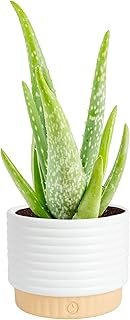
Costa Farms Aloe Vera Live Plant in Decorative Pot, Easy to Maintain, Ai…
6. Rubber Plant (Ficus elastica)
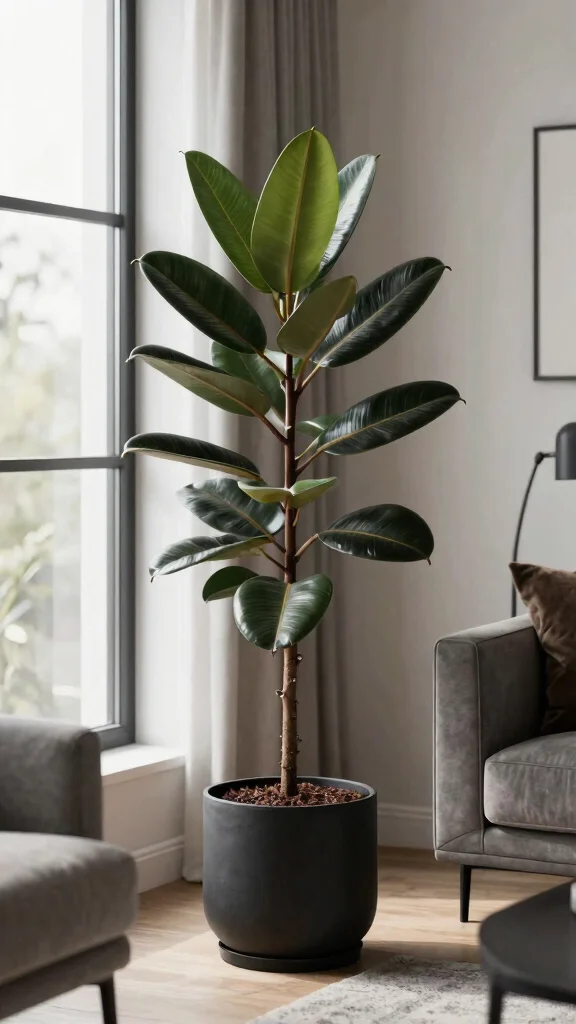
Looking for a stunning statement piece for your home? The Rubber Plant is a fantastic choice! With its glossy leaves and impressive height, this low-maintenance houseplant adds a lush, tropical feel to any room. It excels at filtering air impurities like formaldehyde, contributing to a healthier indoor environment.
Caring for a Rubber Plant is straightforward. Water it when the top couple of inches of soil are dry, and keep its leaves dust-free for maximum photosynthesis.
Follow these care tips for your Rubber Plant:
– Water when the top couple of inches of soil are dry.
– Dust the leaves regularly to keep them clean and maximize photosynthesis.
– If possible, rotate the plant occasionally for even growth.
With its striking foliage and air-purifying qualities, the Rubber Plant enhances both your decor and your indoor air quality.
❝ Fun fact: Rubber plants only need the top inch of soil to dry out before a drink. Capable of growing tall indoors, they can reach about 6-10 feet with bright indirect light. They’re a stylish, low-maintenance choice among the best low maintenance indoor plants for busy spaces. ❞
Recommended Products

Air Purifying Rattlesnake Calathea: Perfect addition to your living room decor, office decor, or garden decor. This live Calathea Rattlesnake plant not only brings color but also acts as an air purifier.

LIVE SNAKE PLANTS: Sansevieria Superba (mother in law plant) is an easy, low-maintenance houseplant
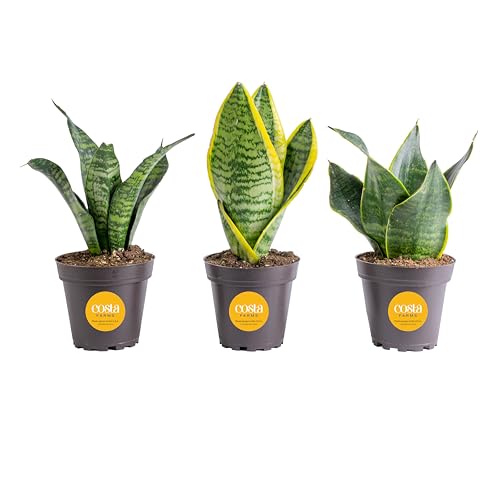
INSTANT HOME STYLING TRIO: Multi pack of three live snake plants takes the guesswork out of interior design by creating an effortless cohesive look across your living room shelves, bedroom nightstands, or home office desks
📹 Related Video: 10 Simple Tips For A Super Bushy Rubber Plant
Ongoing Maintenance & Care Guide
Maintenance Schedule:
Daily/Weekly Tasks:
– Watering: Check the moisture of the soil. Water if the top inch feels dry. This takes about 5 minutes. 🌱
– Dusting Leaves: Gently wipe leaves with a damp cloth to remove dust. This helps improve air quality. Set aside 10 minutes each week for this task. ✨
– Checking for Pests: Inspect plants for any signs of pests like spider mites or aphids. A quick 5-minute check can help catch issues early. 🔍
– Rotate Plants: Rotate your potted plants every week for even light exposure. This takes about 2 minutes. 🔄
Monthly/Seasonal Tasks:
– Fertilizing: Feed your plants with a balanced fertilizer every month during the growing season. This should take around 15 minutes, including mixing. 💧
– Repotting: Check if your plants need to be repotted. If roots are coming out of the drainage holes or the plant is top-heavy, it’s time to repot. This task can take about 30-45 minutes. 🪴
– Pruning: Trim any dead or yellowing leaves to encourage healthy growth. Spend about 10 minutes doing this once a month. ✂️
– Seasonal Move: As seasons change, consider moving plants to different rooms for optimal light. This could take 20 minutes depending on the number of plants. 🌞
– Soil Refresh: Change the top layer of soil every few months to replenish nutrients. Allocate about 20 minutes for this. 🏡
Maintenance Summary Table:
| Task | Frequency | Difficulty | Time Needed |
|————————|——————|————-|————–|
| Watering | Daily/Weekly | Easy | 5 minutes |
| Dusting Leaves | Weekly | Easy | 10 minutes |
| Checking for Pests | Weekly | Easy | 5 minutes |
| Rotate Plants | Weekly | Easy | 2 minutes |
| Fertilizing | Monthly | Medium | 15 minutes |
| Repotting | As needed | High | 30-45 minutes|
| Pruning | Monthly | Easy | 10 minutes |
| Seasonal Move | Seasonal | Medium | 20 minutes |
| Soil Refresh | Every few months | Medium | 20 minutes |
Common Issues to Watch For:
⚠️ Yellow Leaves: If the leaves are turning yellow, it could mean overwatering. Check the soil for excessive moisture. 💧
⚠️ Wilting: Plants that appear wilted might need more water. Check the soil moisture level immediately. 🌵
⚠️ Brown Tips: This may indicate low humidity or underwatering. Make sure you’re providing enough moisture and humidity. 🌬️
⚠️ Sticky Residue: If you find sticky spots on leaves, it could signal pest problems. Inspect closely for pests. 🐜
⚠️ Slow Growth: If your plants are not growing as expected, you might need to change their light conditions or consider fertilizing more regularly. 🌱
Care Tips:
💡 Choose the Right Spot: Place your air-purifying plants in areas with indirect sunlight. Too much direct sun can scorch the leaves. 🌞
💡 Humidity Matters: Most indoor plants thrive in humidity. If your home is dry, consider using a humidifier or placing a tray with water and pebbles nearby. 💧
💡 Watch the Temperature: Keep plants away from drafts, heaters, and air conditioners. Ideally, maintain a stable room temperature between 65-75°F (18-24°C). 🌡️
💡 Use Quality Soil: Invest in potting mix designed for indoor plants. Good soil helps with drainage and provides essential nutrients. 🪴
💡 Learn About Specific Needs: Each type of plant has its own requirements for light, water, and care. Research your specific air-purifying plants to optimize their health. 📚
Recommended Products

STYLISH INDOOR ROOM DECOR: The famous Live Aloe Vera Plant is a classic, spiky succulent with practical, unique foliage fresh for the evergreens. A versatile, real plant and functional piece of home décor for a kitchen counter or sunny room

This gorgeous Colored Thin Argentina Air Plant is low maintenance. The color of the air plant is organically enhanced and easy to care for. The coloring will last about the same as a normal bloom cycle. Please note these are live plants and with flourish if given moderate light and flexible watering.
Rubber Plant (Ficus elastica)
Editor’s Choice
Self Watering Pots for Indoor Plants 12/10/9/8 Inch Large Plastic Self W…
7. Dracaena (Dracaena spp.)
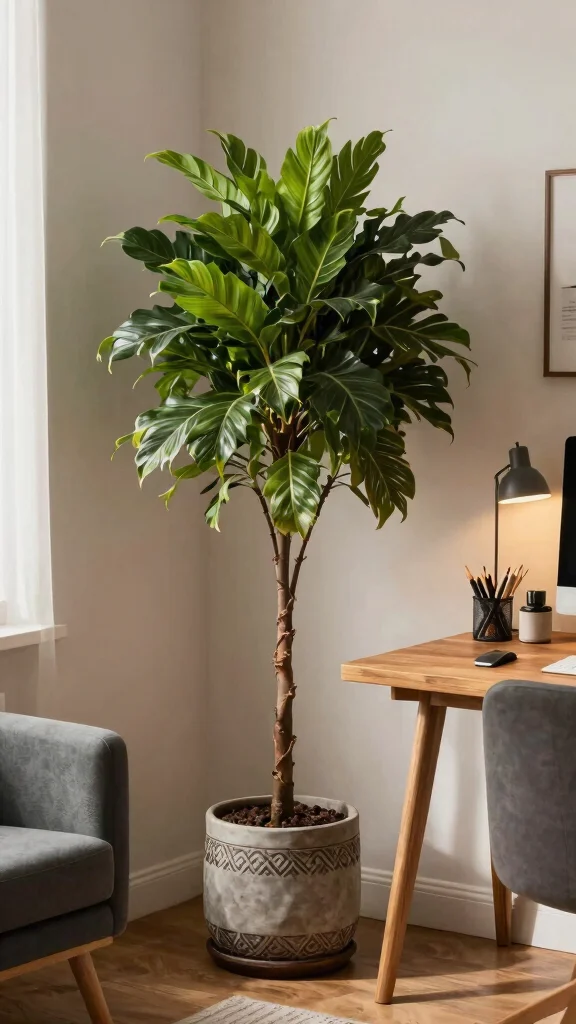
Want to add a stylish touch to your home while improving air quality? Dracaena plants are a great option! Available in various species, they feature striking foliage that can range from long, sword-like leaves to bushy forms. These plants are excellent at filtering out toxins like benzene and formaldehyde.
Dracaenas are forgiving and easy to care for, thriving in indirect light and tolerating drought. They can add height to your decor or fill out a corner with lush greenery.
Here are some care tips for your Dracaena:
– Water when the top inch of soil feels dry.
– Avoid direct sunlight to prevent leaf scorch.
– Fertilize every few months during the growing season for best growth.
Incorporating Dracaena into your home not only enhances air quality but also adds a stylish flair to your indoor decor.
Dracaena (Dracaena spp.)
Editor’s Choice
A Mini-Guide to Smart Plant Care: Dracaena: Science-Based Indoor Care, W…
Professional Dracaena Plant Fertilizer Liquid 3-1-2 Concentrate 8 oz, Pr…
Utopia Home Plant Pots Indoor with Drainage Holes – Set of 5 White Pla…
8. ZZ Plant (Zamioculcas zamiifolia)
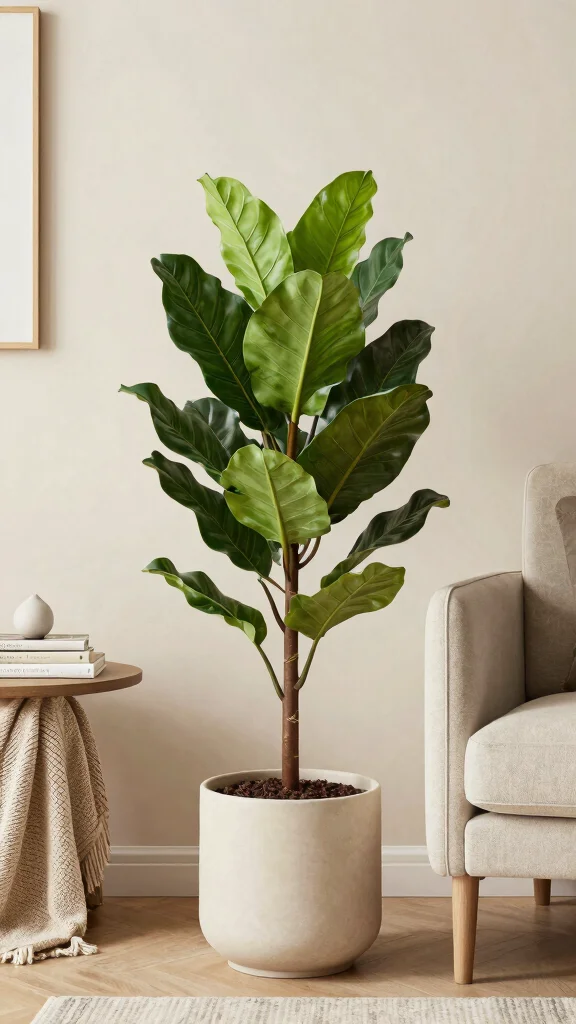
Searching for a plant that’s nearly indestructible? The ZZ Plant is your best friend! With its glossy, dark green leaves and unique growth habit, it thrives in low light and requires minimal water. Not only is it visually appealing, but it’s also great at purifying air by removing toxins like xylene and toluene.
This plant is perfect for beginners or anyone with a busy lifestyle. Caring for your ZZ Plant is as simple as it gets.
Follow these care instructions:
– Water when the soil feels completely dry, typically every few weeks.
– Place it in indirect sunlight; it can tolerate low-light conditions.
– Use well-draining soil to keep the roots happy.
With its sculptural form and ease of care, the ZZ Plant enhances both air quality and decor in any room effortlessly.
ZZ Plant (Zamioculcas zamiifolia)
Editor’s Choice
Indestructible Houseplant: 200 Beautiful Plants That Everyone Can Grow
Plantopedia: The Definitive Guide to Houseplants
9. Pothos (Epipremnum aureum)
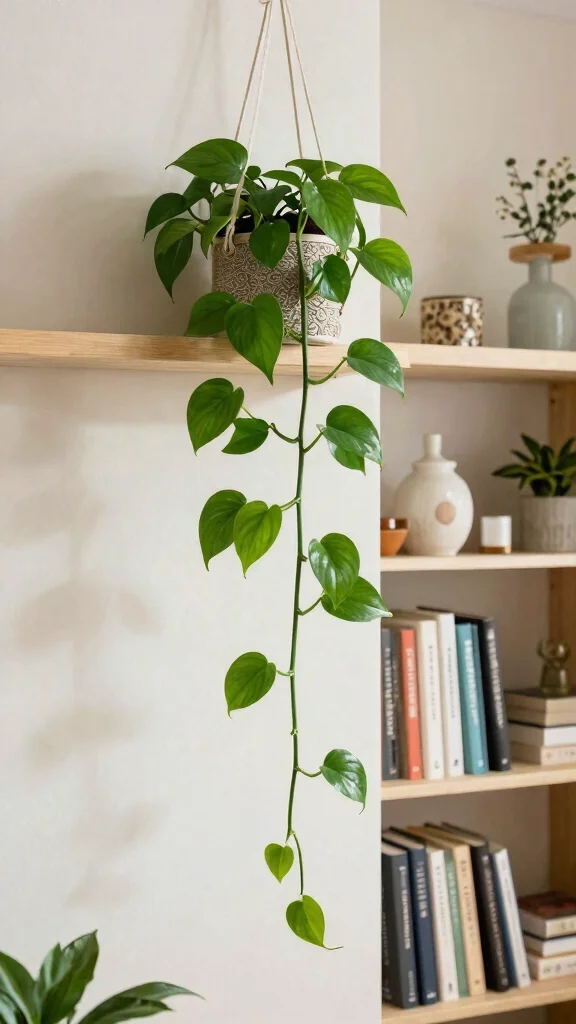
Want a plant that’s beautiful and easy to grow? Meet Pothos! Known for its enchanting heart-shaped leaves and trailing vines, Pothos thrives in various lighting conditions, making it versatile for any room. This plant excels at removing indoor pollutants like formaldehyde, playing a significant role in improving air quality.
Pothos adapts well to low light but also enjoys bright, indirect sunlight. Regular watering and pruning will keep it looking its best.
Here are some care tips for your Pothos:
– Water when the soil is dry about an inch deep.
– Prune regularly to encourage bushier growth and to manage length.
– It can be trained to climb or allowed to trail, making it great for shelves or hanging pots.
With its effortless grace and air-purifying power, Pothos is an excellent choice for adding greenery to your home while ensuring cleaner air.
Pothos (Epipremnum aureum)
Editor’s Choice
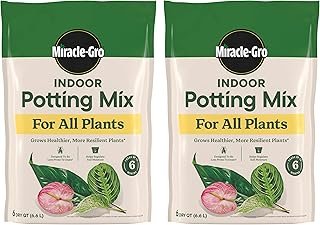
Miracle-Gro Indoor Potting Mix for All Plants, Use with Houseplants and …
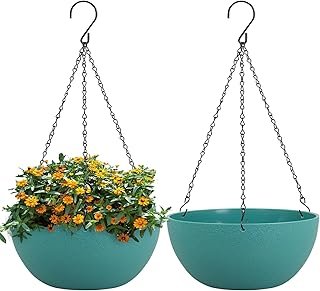
WSMKSZ 13 inch Large Hanging Planters Plant Pots for Outdoor Indoor Plan…
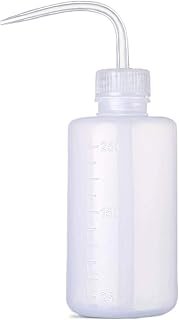
BEADNOVA Squeeze Plant Watering Bottle 250ml 8oz Small Wash Bottle Squee…
Conclusion
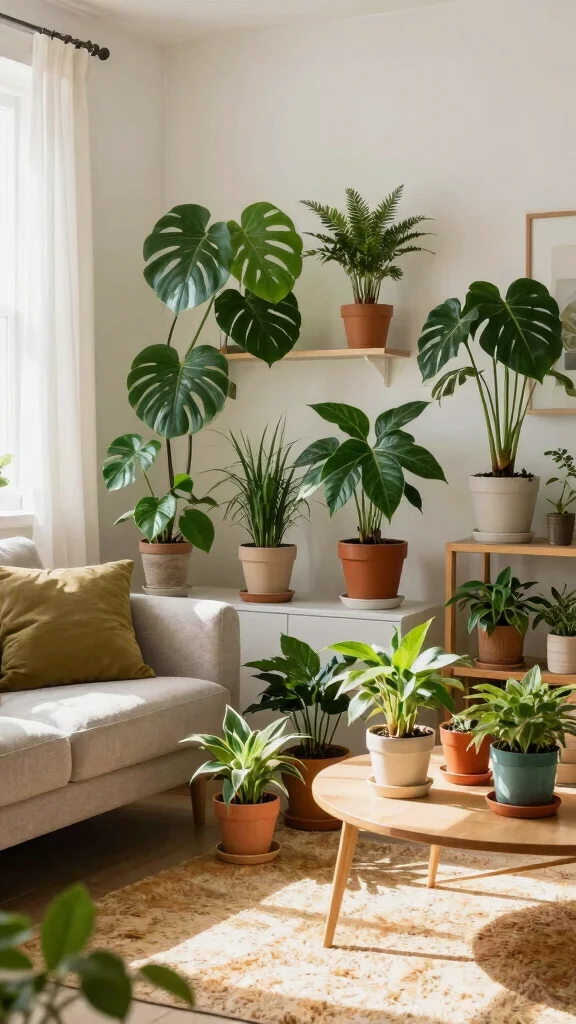
Choosing the right air-purifying plants can transform your living space while promoting a healthier environment.
These nine plants not only enhance air quality but also add a touch of nature to your decor, making your home feel vibrant and inviting.
Whether you’re a seasoned indoor gardener or just starting, there’s a perfect plant for every room waiting to flourish in your home.
Note: We aim to provide accurate product links, but some may occasionally expire or become unavailable. If this happens, please search directly on Amazon for the product or a suitable alternative.
This post contains Amazon affiliate links, meaning we may earn a small commission if you purchase through our links, at no extra cost to you.
Frequently Asked Questions
What are the best air purifying plants for every room?
Looking for the best air purifying plants for every room? These picks work across bedrooms, living rooms, and home offices while staying easy to care for.
They include snake plant for low light, spider plant for beginners, peace lily for flowering air filtration, rubber plant for larger spaces, and Pothos for shelves and hanging spots. To maximize results, place 2–4 plants per typical room, keep leaves dust-free, and water only after the top inch of soil dries. These steps help you achieve the best air purifying plants for every room in practice.
How do indoor plants improve air quality and how long does it take to notice a difference?
Indoor plants act as natural air filters by absorbing certain pollutants and releasing some humidity through transpiration. In real homes, the impact on air quality is gradual and depends on room size, ventilation, and how many plants you have.
For a practical improvement, combine plants with good airflow, group several plants together, keep their leaves clean, and use well-draining soil. You’re more likely to notice a difference after a few weeks, especially in smaller rooms with steady airflow.
Which of these plants are low maintenance and suitable for beginners?
Many of the nine best air purifying plants for every room are low maintenance. Try snake plant, ZZ plant, spider plant, Pothos, and rubber plant. They tolerate occasional neglect, dry spells, and variable light. Care tips: use a well-draining potting mix, water when the top inch of soil dries, and wipe leaves with a damp cloth to keep the leaf surface area active for filtration. With these low maintenance houseplants, you’ll be on your way to steady air quality improvement with minimal effort.
Can these plants double as natural air filters and fit into modern home decor?
Yes. These plants are natural air filters and stylish accents for any room. Choose architectural varieties like snake plant and rubber plant for clean lines, or Pothos and spider plant for texture. Group 2–3 plants in decorative pots at different heights to create a living focal point, and match pot colors and textures to your decor. When you pair form with function, you get the best air purifying plants for every room that also enhance home decor.
What should I know to care for these plants and keep them healthy for ongoing air quality benefits?
To keep your plants healthy and maximize ongoing air quality improvement benefits, follow a simple routine: give each plant the right light level, use a well-draining soil mix, and water according to room conditions (usually when the top inch dries). Clean dusty leaves monthly to preserve filtration efficiency, check for pests, and fertilize sparingly in the growing season. If you have pets, verify which plants are safe for animals or place them out of reach. With this practical care, these low maintenance houseplants will continue delivering cleaner air over time.
Recommended Products
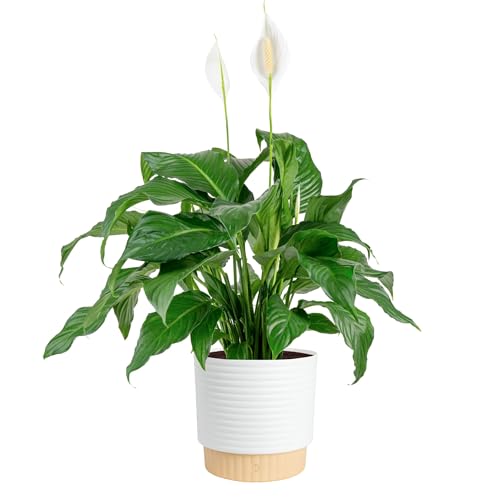
LIVE PEACE LILY PLANT: Bring home a beautiful Peace Lily to add a relaxing, calm feel to any space. These houseplants are natural air purifiers that help keep your indoor air fresh and clean, making them a great addition to any room, home, or office décor

𝐖𝐇𝐘 𝐂𝐇𝐎𝐎𝐒𝐄 𝐀𝐇𝐀𝐌 𝐕𝐄𝐑𝐈𝐅𝐈𝐃𝐄 𝐏𝐑𝐎𝐃𝐔𝐂𝐓𝐒: AHAM (Association of Home Appliance Manufacturers) is an ANSI-accredited organization that sets strict standards for appliance performance. Air purifiers with the AHAM VERIFIDE seal have been independently tested for air cleaning performance, safety, and energy efficiency. When you choose an AHAM certified air purifier, you're choosing a product trusted for reliable and effective indoor air quality improvement.
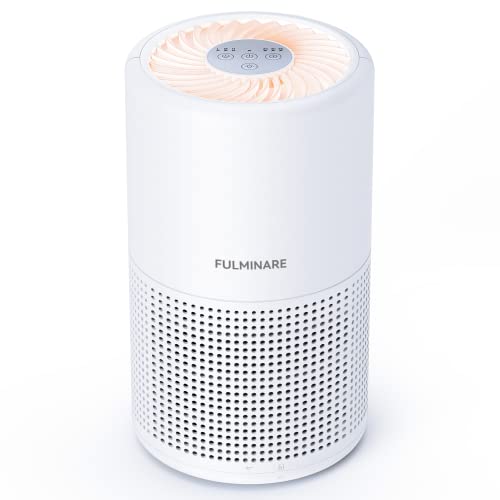
Efficient Particle Filtration: FULMINARE air purifier uses an H13 HEPA filter. Simply turn it on and maintain a clean and peaceful environment and give families health.
Related Topics
air purifying plants
indoor gardening
home decor
low maintenance houseplants
natural air filters
air quality improvement
best plants for home
easy care plants
beginner friendly
decorative greenery
houseplant benefits
room-specific plants