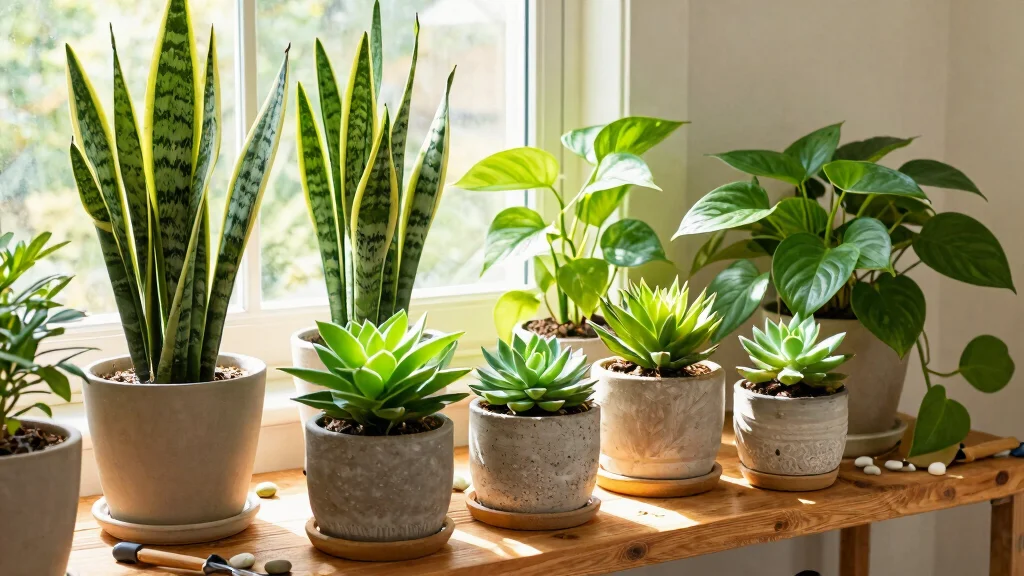
You know that feeling when you really want to bring some green into your home, but you’re worried about having a black thumb? You’re not alone! Many of us crave the beauty of houseplants but dread the thought of caring for them, especially if life gets busy. That’s why I created this list of easy houseplants that don’t die. Each plant here is forgiving, resilient, and perfect for anyone who tends to forget about their leafy friends from time to time.
If you’re someone who loves bringing nature indoors but struggles to keep plants alive, this post is for you. You might be a busy professional, a student, or even a parent juggling a thousand responsibilities. Whatever your situation, these plants will thrive even if you occasionally forget to water them. I’ve pulled together a selection of seven options that are not just low-maintenance, but also add beauty and fresh air to your space.
You’ll find tips on what makes each plant special, how to care for them, and why they can fit into a regenerative or self-sustaining approach to gardening. By the end of this post, you’ll feel empowered to choose the right plant for your home and enjoy the numerous benefits of indoor greenery without stressing over their upkeep.
Key Takeaways
– Discover seven easy houseplants that thrive on neglect, perfect for busy lives.
– Each plant is known for its resilience, making them ideal for beginners or forgetful caretakers.
– Learn specific care tips for each plant, including light, watering, and soil requirements.
– Explore how these houseplants contribute to a more sustainable and self-sufficient home environment.
– Feel confident in your ability to bring greenery into your life without the fear of killing your plants.
1. Snake Plant (Sansevieria)
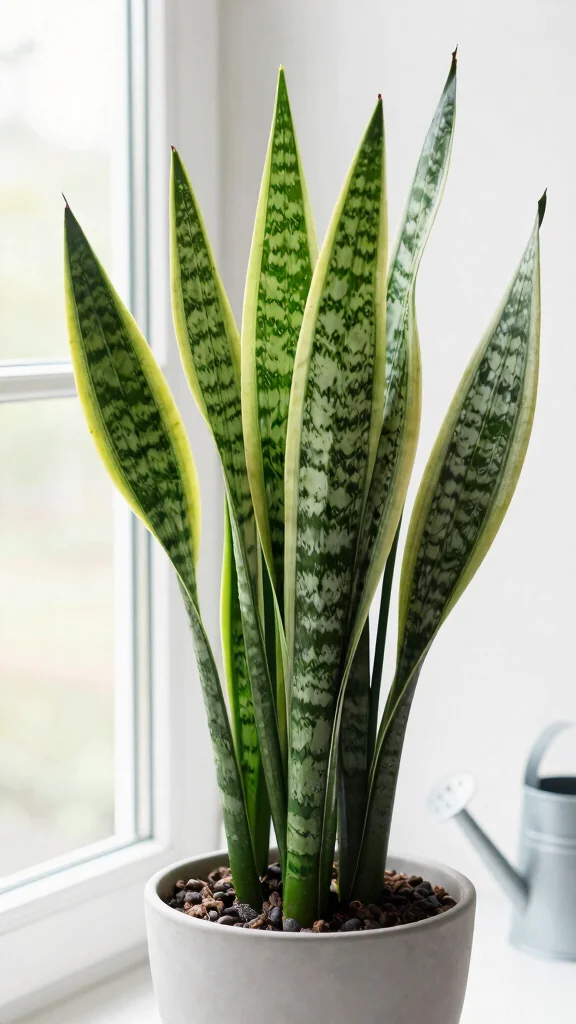
Looking for a houseplant that thrives on neglect? The Snake Plant, or Sansevieria, is your perfect match. With its striking, sword-like leaves, this plant not only adds a modern flair to your space but also works hard to purify the air around you. It’s a great choice for beginners, as it flourishes even when forgotten.
To care for your Snake Plant, simply place it in well-draining soil and water it sparingly, only when the soil feels dry. This resilient plant can adapt to varying light conditions, from bright to low. A decorative pot can enhance its appeal, adding structure and style to your indoor garden.
Key benefits of caring for a Snake Plant:
– Enjoy low-maintenance beauty without much effort
– Enhance air quality with its purifying properties
– Choose a pot that matches your home decor
– Experience growth in various lighting environments
Bringing a Snake Plant into your home is a smart choice that combines aesthetics with ease of care.
Fun fact: Snake Plants are one of the easy houseplants that don’t die — they can go up to 3 weeks without watering and still bounce back, even in low light. No green thumb? No problem—just place it in well-draining soil and water sparingly when the soil is dry.
Snake Plant (Sansevieria)
Editor’s Choice
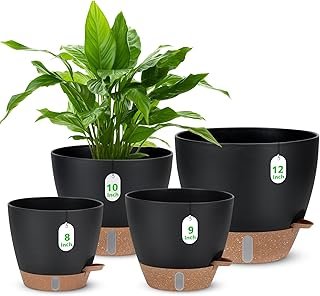
12″ 10″ 9″ 8″ Self Watering Pots with Water Level Indicator, Large Plast…

2. Pothos (Epipremnum aureum)
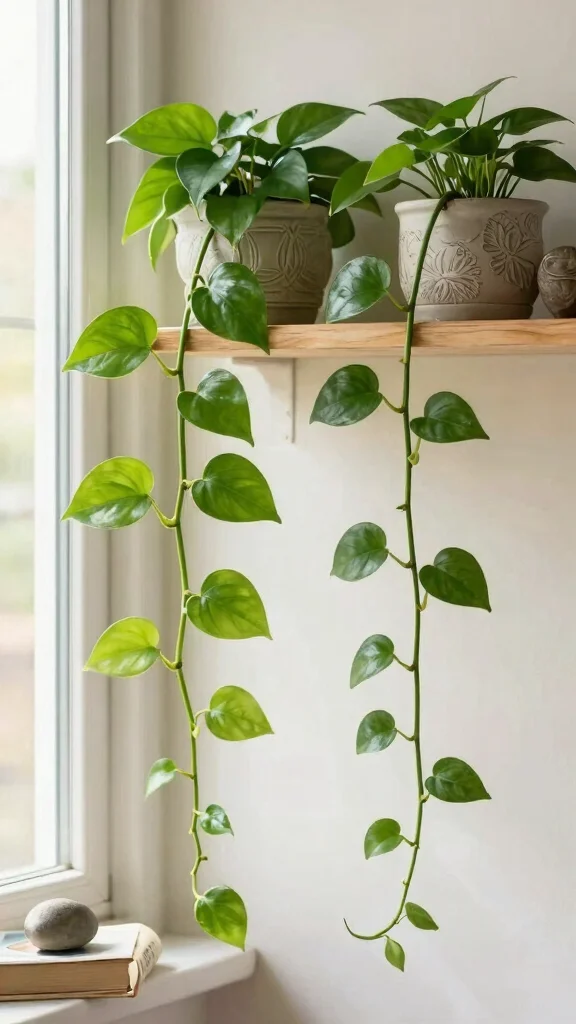
If you want to add a splash of greenery to your home, Pothos is the way to go. Known as Devil’s Ivy, this hardy plant is a fantastic starter option for anyone looking to brighten their space. With its trailing, heart-shaped leaves, it not only looks beautiful but also thrives in low-light conditions, making it the perfect low-maintenance choice.
To keep your Pothos happy, let the soil dry out between waterings. They grow quickly, so soon you’ll have lush vines cascading down or climbing up a trellis. Plus, they are great air purifiers, enhancing your indoor air quality while looking gorgeous.
Quick steps to enjoy your Pothos:
– Allow soil to dry before watering
– Use a decorative pot for added style
– Train vines for a unique display
– Keep away from pets due to toxicity
Adding a Pothos plant to your collection will elevate your interior while requiring minimal care.
Pothos (Epipremnum aureum)
Editor’s Choice
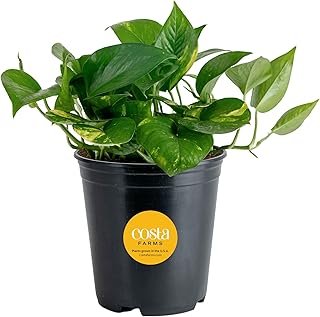
Costa Farms Live Indoor Plant Golden Pothos, Easy Care Houseplant, 10-In…
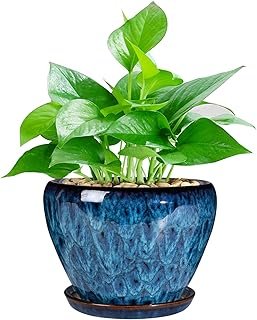
Ceramic Modern Glaze Succulent Planter Pot with Drainage Hole and Saucer…
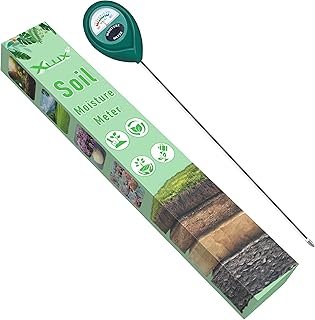
XLUX Long Probe Deep Use Soil Moisture Meter, Water Monitor Indicator Se…
3. ZZ Plant (Zamioculcas zamiifolia)
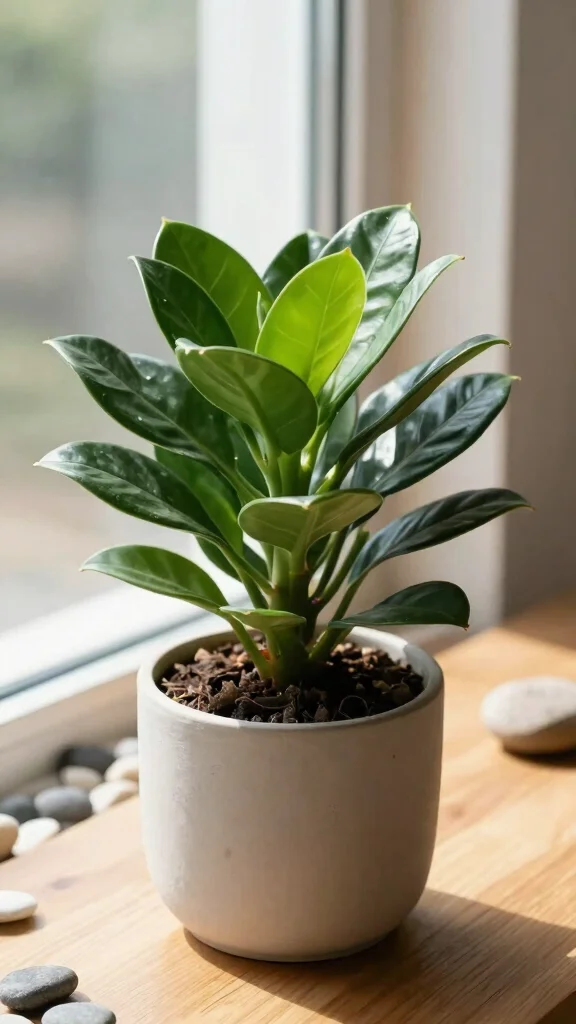
The ZZ Plant is your go-to choice for low-light areas in your home. This plant is nearly indestructible and thrives on neglect, making it ideal for those who might not have a green thumb. With its shiny emerald leaves growing upright, it brings a touch of elegance to any space.
For optimal care, place your ZZ Plant in well-draining soil and allow it to dry out completely between watering. It also has impressive air-purifying qualities, making it a smart addition to your home office or bedroom.
Important tips for ZZ Plant care:
– Water only when the soil is dry
– Enjoy its beauty in indirect sunlight
– Repot every few years as needed
– Be cautious of pet toxicity
Incorporating a ZZ Plant into your home not only beautifies your space but also offers a hassle-free option for plant lovers.
Fun fact: ZZ Plant can go 2–3 weeks without watering and still look glossy in low light. It thrives on neglect, making it ideal for houseplants for beginners ideas. Tip: ensure drainage and give its leaves a monthly dusting.
ZZ Plant (Zamioculcas zamiifolia)
Editor’s Choice
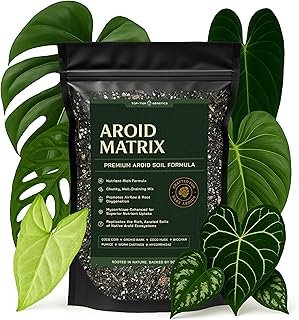
AROID Potting Mix/Premium Soil for Monstera, Philodendron, Alocasia, Ant…
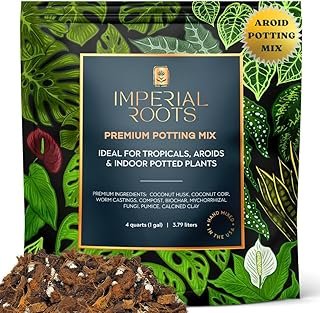
Premium Indoor Plant Potting Mix (4qt) – Peat-Free, Well-Draining Soille…
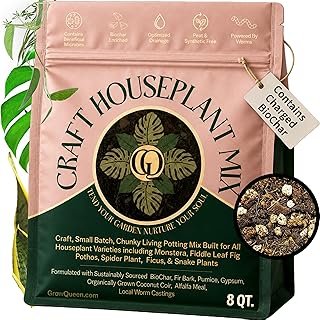
Craft Organic Houseplant Potting Mix, Elite House Plant Soil, Chunky, We…
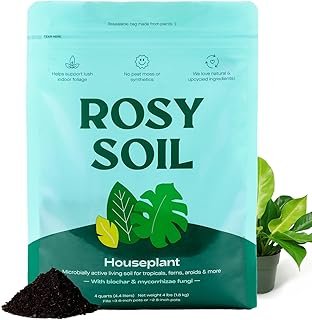
Rosy Soil Houseplant Potting Soil, Organic Indoor Potting Mix with Bioch…
Sol Soils Houseplant Chunky Mix – Fast Draining, Chunky Soil Mix for Ind…
4. Spider Plant (Chlorophytum comosum)
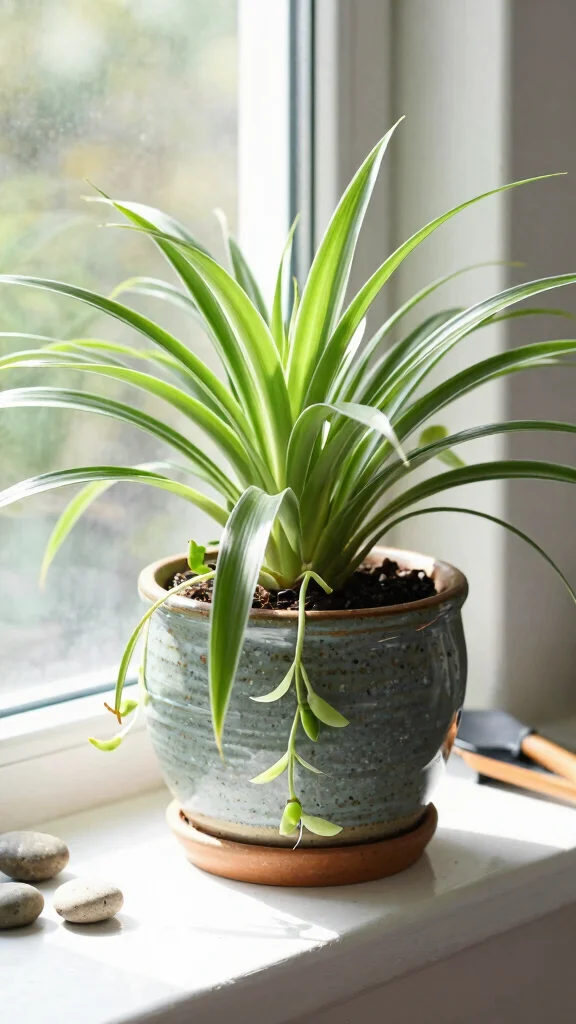
The Spider Plant is a beloved choice for many plant enthusiasts, and it’s easy to see why! With its charming arching leaves and adorable ‘babies’ sprouting off, it’s both cute and easy to manage. Spider Plants thrive in bright, indirect light but adapt well to lower light, making them versatile for various spots in your home.
These plants prefer to dry out a bit between waterings, ensuring they receive the right amount of hydration. They’re also known for their air-purifying abilities, helping to create a fresher atmosphere in your space.
Essential tips for Spider Plant care:
– Allow soil to dry between waterings
– Fertilize every few months during the growing season
– Propagate by planting baby plants in new pots
– Non-toxic to pets, making it a safe choice
A Spider Plant not only brightens your home but also brings joy with its easy-going nature, perfect for busy plant parents.
Spider Plant (Chlorophytum comosum)
Editor’s Choice
Ceramic Modern Glaze Succulent Planter Pot with Drainage Hole and Saucer…
5. Peace Lily (Spathiphyllum)
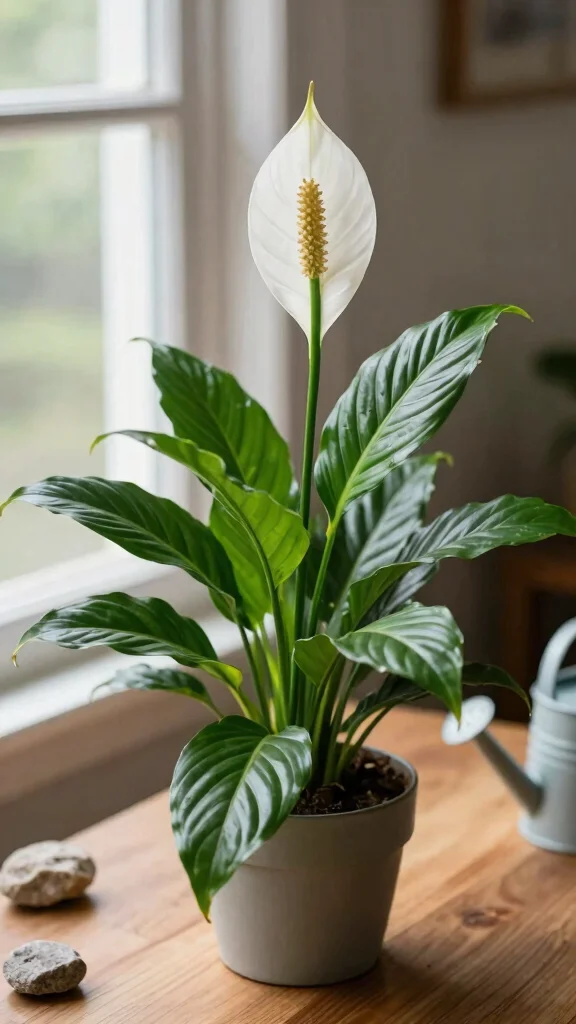
The Peace Lily is a breathtaking addition to any home, showcasing elegant white blooms against lush green leaves. This plant not only enhances your decor but is also forgiving, making it perfect for those who occasionally forget to water. Peace Lilies thrive in low light but flourish in bright, filtered light, requiring only a bit of moisture to thrive.
They’ll even let you know when they need water by drooping slightly, and a quick drink will perk them right back up! Moreover, they are powerful air purifiers, clearing harmful chemicals from your indoor space.
Key facts about Peace Lily care:
– Keep away from pets due to toxicity
– Repot every couple of years as needed
– Easy propagation by dividing during repotting
Adding a Peace Lily to your home not only beautifies your living space but also contributes to a healthier atmosphere.
Ongoing Maintenance & Care Guide
Maintenance Schedule:
Daily/Weekly Tasks:
– Watering: Check your plants for moisture. If the soil feels dry an inch down, give them a drink. This usually takes about 5 minutes.
– Dusting Leaves: Wipe down the leaves with a damp cloth to keep them clean. This helps them absorb light better. It should take around 10 minutes.
– Inspect for Pests: Look for any signs of bugs like webs or spots on leaves. Spend about 5 minutes checking each plant.
– Rotate Plants: Rotate your pots every week to ensure even light exposure. This takes just a couple of minutes.
Monthly/Seasonal Tasks:
– Fertilizing: Feed your plants with a balanced fertilizer every 4-6 weeks during the growing season. This task takes about 15 minutes.
– Repotting: Check if your plants are root-bound. If they are, repot them in a larger container. Doing this can take around 30 minutes, depending on the plant size.
– Pruning: Trim any dead or yellowing leaves to encourage new growth. Spend about 15-20 minutes each month.
– Seasonal Change: Adjust your watering schedule as the seasons change. In winter, plants usually need less water. Spend 5 minutes adjusting your routine.
– Check Light Conditions: Ensure your plants are getting the right amount of sunlight. Adjust their location if needed, which takes about 10 minutes.
Maintenance Summary Table:
| Task | Frequency | Difficulty | Time Needed |
|————————–|——————–|————–|————-|
| Watering | Daily/Weekly | Easy | 5 min |
| Dusting Leaves | Weekly | Easy | 10 min |
| Inspect for Pests | Weekly | Easy | 5 min |
| Rotate Plants | Weekly | Very Easy | 2 min |
| Fertilizing | Monthly | Easy | 15 min |
| Repotting | Seasonal | Moderate | 30 min |
| Pruning | Monthly | Easy | 15-20 min |
| Check Light Conditions | Monthly | Easy | 10 min |
Common Issues to Watch For:
⚠️ Yellowing Leaves: This may signal overwatering or nutrient deficiency. Check the soil moisture and adjust your watering schedule.
⚠️ Wilting: If leaves droop, your plant could be thirsty. Water it but also check for root rot if it happens frequently.
⚠️ Brown Tips: This often indicates underwatering or low humidity. Ensure you’re watering adequately and consider misting the leaves.
⚠️ Pest Infestation: Look for tiny bugs or sticky residue. Treat with insecticidal soap or neem oil if you find pests.
⚠️ Stunted Growth: If your plant isn’t growing, it might need more light or nutrients. Consider moving it to a brighter spot or fertilizing it.
Care Tips:
💡 Group Plants: Placing plants together can create humidity, which many houseplants love. This is especially helpful during dry months.
💡 Know Your Plants: Research each plant’s specific needs. Some thrive in bright light while others prefer low light. Tailoring care increases their chances of thriving.
💡 Avoid Overwatering: It’s better to underwater than overwater. Always check the soil first. Stick your finger in the soil; if it’s dry an inch down, it’s time to water.
💡 Use the Right Soil: Make sure you use potting soil suitable for your plant type. Some need well-draining soil while others like it denser.
💡 Keep a Care Journal: Track when you water and fertilize. This will help you create a routine and notice any changes in your plants over time.
Peace Lily (Spathiphyllum)
Editor’s Choice
Plantopedia: The Definitive Guide to Houseplants
XLUX Long Probe Deep Use Soil Moisture Meter, Water Monitor Indicator Se…
6. Rubber Plant (Ficus elastica)
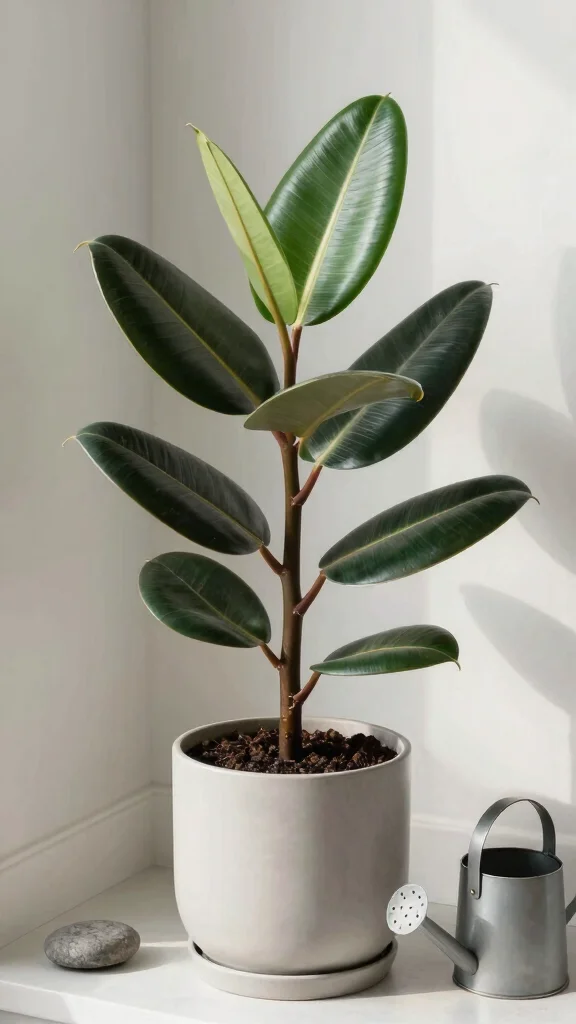
The Rubber Plant stands out with its glossy leaves that can transform any room into a stylish sanctuary. Not only is it easy to care for, but it also purifies the air, making it a fantastic addition to your home. With thick, broad leaves in shades from dark green to burgundy, it adds a bold statement to your decor.
Rubber Plants prefer bright, indirect light but can still adapt to lower conditions. Water them when the top inch of soil feels dry, and they will thrive with minimal effort. These plants can grow tall, filling empty corners beautifully.
Quick tips for Rubber Plant care:
– Monitor for mild toxicity to pets
– Repot every couple of years or as needed
– Propagate easily through cuttings in water
A Rubber Plant not only enhances your interior but also offers the beauty of nature without demanding too much attention.
❝ Fun fact: Rubber plants only need the top inch of soil to dry out before a drink. Capable of growing tall indoors, they can reach about 6-10 feet with bright indirect light. They’re a stylish, low-maintenance choice among the best low maintenance indoor plants for busy spaces. ❞
📹 Related Video: How to Care For Rubber Plant [Ficus Elastica] | Houseplant Care Tips
Rubber Plant (Ficus elastica)
Editor’s Choice
Miracle-Gro Indoor Plant Food for All Plants, Liquid Plant Food for Hous…
Smart Plant Pot with Visual Display – Soil Moisture, Water Level, Ligh…
XLUX Long Probe Deep Use Soil Moisture Meter, Water Monitor Indicator Se…
7. ZZ Plant (Zamioculcas zamiifolia)
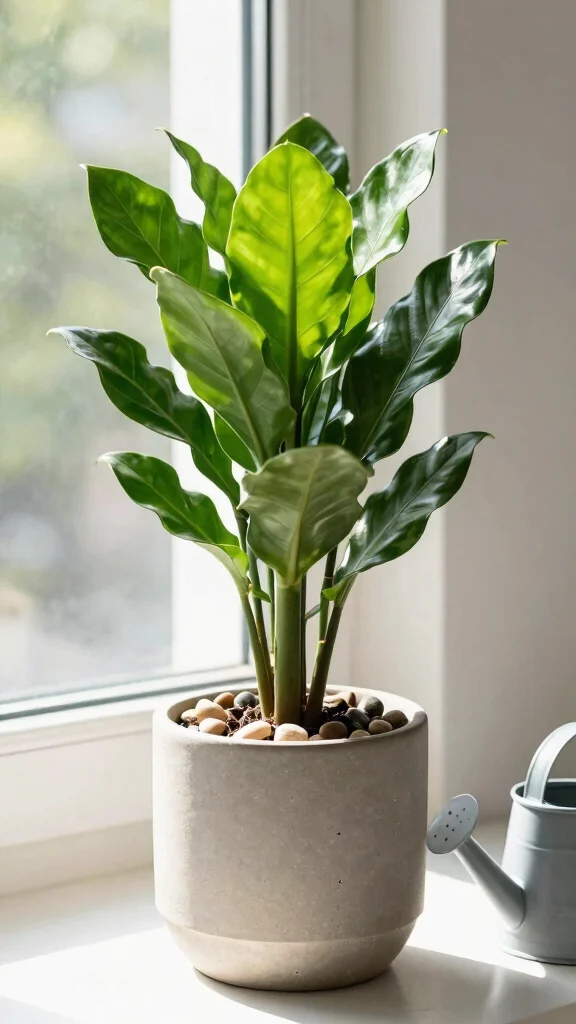
The ZZ Plant deserves another mention for its impressive adaptability and low maintenance needs. This resilient beauty is perfect for anyone seeking a forgiving houseplant that thrives in a variety of conditions. Its lush, dark green leaves make a bold statement while requiring minimal light and water.
Allow the soil to dry completely between waterings to keep your ZZ Plant healthy. Thanks to its unique storage bulbs, it can even survive drought-like conditions, making it ideal for those forgetful moments.
Important points about ZZ Plant care:
– Keep out of reach of pets due to toxicity
– Repot every few years as needed
– Attempt propagation with leaf cuttings in water
Incorporating a ZZ Plant into your home not only offers a stylish, self-sustaining option but also promotes well-being with its air-purifying qualities.
ZZ Plant (Zamioculcas zamiifolia)
Editor’s Choice
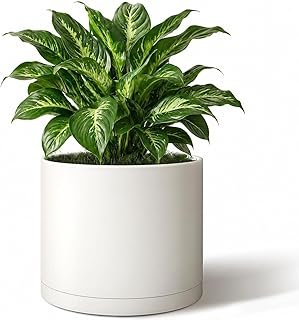
Giraffe Creation 10-Inch Round Cylinder Plant Pot, Modern Indoor/Outdoor…
Conclusion
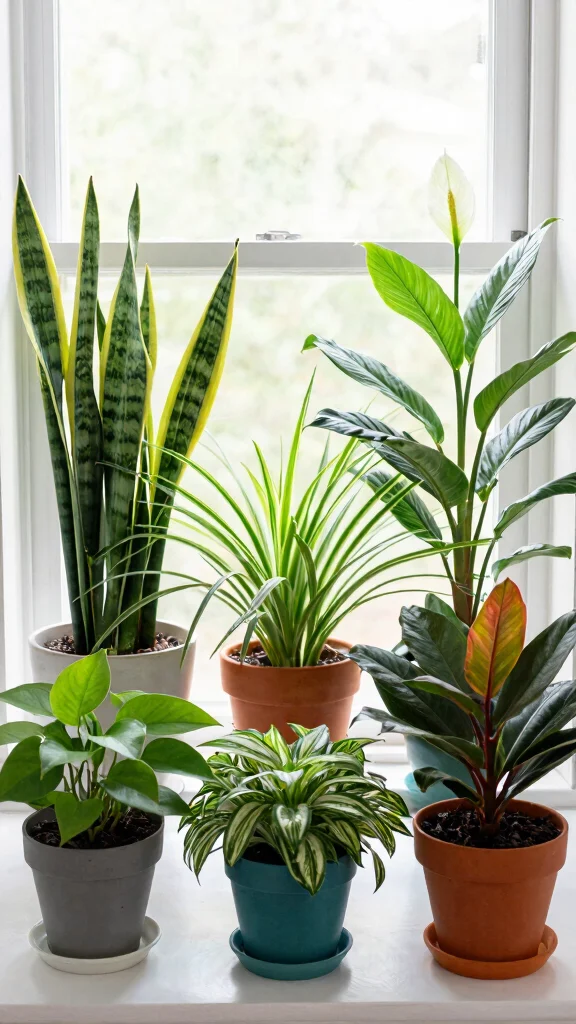
Bringing houseplants into your home can be a calming and rewarding experience, especially when you choose easy houseplants that don’t die easily. Each of these seven plants not only enhances your indoor space but also requires minimal effort and attention.
Whether you’re a busy professional or just someone who enjoys the beauty of greenery without the fuss, these plants are perfect companions. So why not give them a chance? Your indoor garden awaits!
Note: We aim to provide accurate product links, but some may occasionally expire or become unavailable. If this happens, please search directly on Amazon for the product or a suitable alternative.
This post contains Amazon affiliate links, meaning we may earn a small commission if you purchase through our links, at no extra cost to you.
Frequently Asked Questions
What defines the easy houseplants that don’t die and why are they forgiving for forgetful owners?
These plants share traits like drought tolerance, low light needs, and sturdy root systems that let them rebound after a missed watering. They’re slow-growing, crave simple care, and tolerate irregular schedules. To set yourself up: choose a pot with drainage, use a light, well-draining mix, and water deeply only after the top inch of soil dries. Place them where they’ll see consistent indirect light.
With these basics, you’ll enjoy reliable greenery even if you forget from time to time.
How can permaculture principles help these plants stay regenerative and self-sustaining in a home?
Think of your indoor space as a tiny ecosystem. Use regenerative habits like collecting rainwater or using filtered water, installing a simple self-watering setup, and feeding plants with a light, natural mix of compost or worm castings. Group plants with similar needs, top-dress periodically, and invite beneficial micro-life into the soil.
These ideas turn ordinary houseplants into a regenerative and self-sustaining system that rewards gentle care and yields longer-lasting greenery.
What are the best beginner-friendly houseplants to choose if I often forget to water?
Try classics like snake plant, ZZ plant, Pothos, Spider plant, and jade plant. They tolerate neglect, low light, and infrequent watering. Quick tips: let soil dry before watering, ensure good drainage, and avoid placing them in cold drafts or direct hot sun. These are the kinds of easy houseplants that don’t die and make forgetful moments feel manageable.
How can I make forgetful watering easier with practical setup tips?
Set up a simple routine and tools: use self-watering containers or wicks, keep a moisture meter handy, and place plants on a calendar or reminder app. Water deeply when the top inch dries, not on a strict schedule. Group plants by light and water needs, use light-colored containers to reflect heat, and add a thin mulch layer to reduce evaporation.
This practical setup helps your plants stay healthy with minimal daily effort, supporting a more self-sustaining indoor garden.
What common mistakes destroy easy houseplants that don’t die, and how can I avoid them?
The big culprits are overwatering, poor drainage, and wrong light. Avoid watering on a fixed schedule—water when the soil dries an inch down. Use pots with drainage holes and a loose, well-draining mix. Keep plants away from cold drafts and hot direct sun, and don’t neglect pests. Practical fixes: check soil moisture weekly, refresh topsoil, and rotate plants so they grow evenly. With these precautions, you’ll keep your easy houseplants that don’t die thriving.
Related Topics
easy houseplants
low maintenance plants
beginner gardening
indoor gardening
self-sustaining
regenerative gardening
houseplant care
drought-tolerant plants
pet-friendly plants
home decor
urban gardening
easy plant care