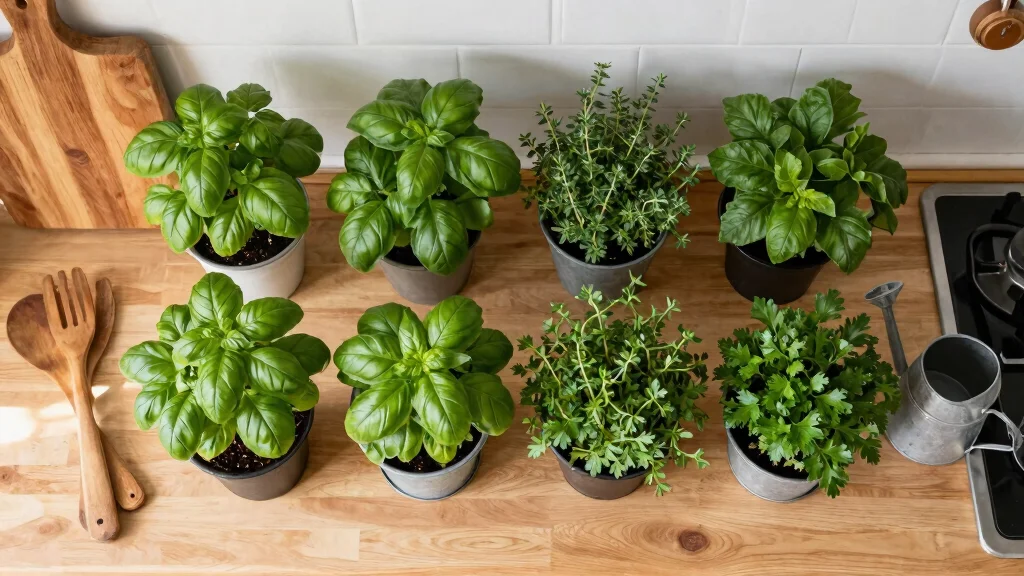
Creating a countertop food garden in a small kitchen can be a game changer for anyone who loves cooking with fresh herbs and vegetables. There’s something incredibly satisfying about snipping off a few basil leaves or adding a sprinkle of chives to your dish, all while knowing you grew them yourself. This post is for those of you who want to bring a slice of nature into your urban lifestyle, even if you have limited space. With the increasing trend toward indoor gardening, it’s time to embrace the idea of a small kitchen herb garden that thrives right on your countertop.
If you’re a city dweller or someone with a cozy kitchen, you might think that growing your own food is out of reach. But fear not! Whether you’re a beginner gardener or someone looking to maximize your small space, I’ve gathered seven creative ideas to help you set up a countertop food garden. These ideas are not just practical; they’re stylish and incredibly easy to implement. With the right containers and a bit of care, you’ll have fresh herbs at your fingertips in no time.
Get ready to dive into a world of container gardening, where you’ll discover how to create vertical herb garden towers, utilize mason jars, and repurpose recycled containers. Each idea is designed to fit seamlessly into your kitchen’s aesthetic while providing you with the freshest flavors possible. Let’s explore these options and transform your kitchen into a thriving urban garden!
Key Takeaways
– Maximize Space: Utilize vertical herb garden towers and multi-tiered shelves to make the most of limited countertop space.
– Creative Containers: Mason jars and stylish herb boxes can serve both functional and decorative purposes in your kitchen.
– Hanging Gardens: Make use of hanging baskets to free up counter space while adding greenery to your kitchen.
– Recycled Ideas: Look around your home for recycled containers that can be turned into charming planters for your herbs.
– Easy Maintenance: All these ideas are designed for low-maintenance indoor gardening, making it simple for anyone to keep their herb garden thriving.
1. Vertical Herb Garden Towers
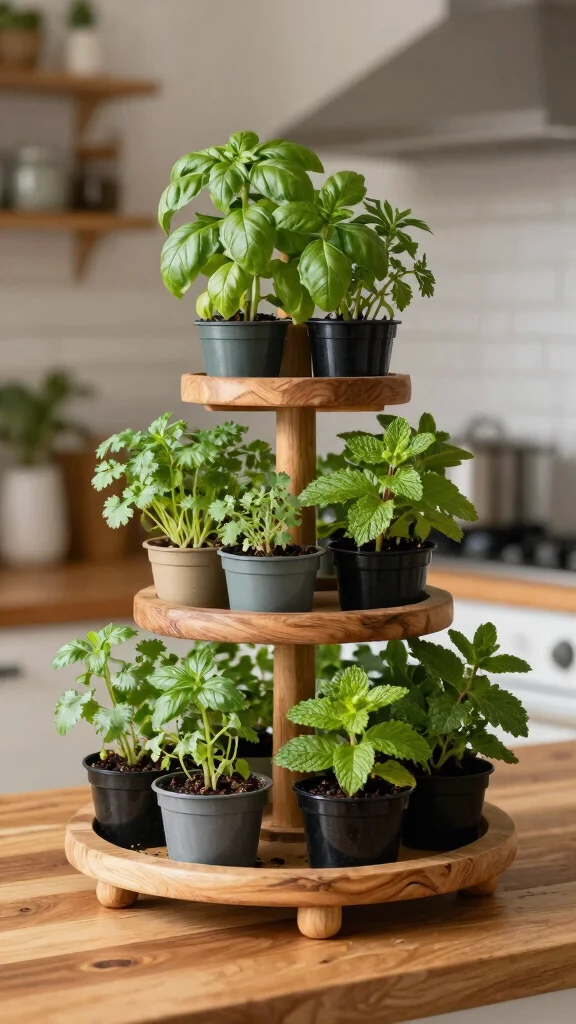
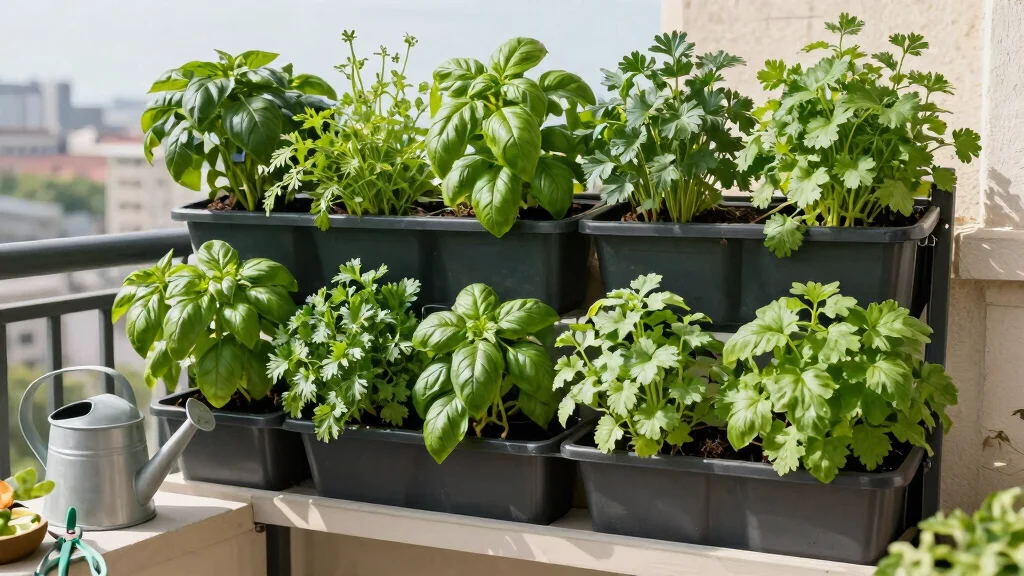
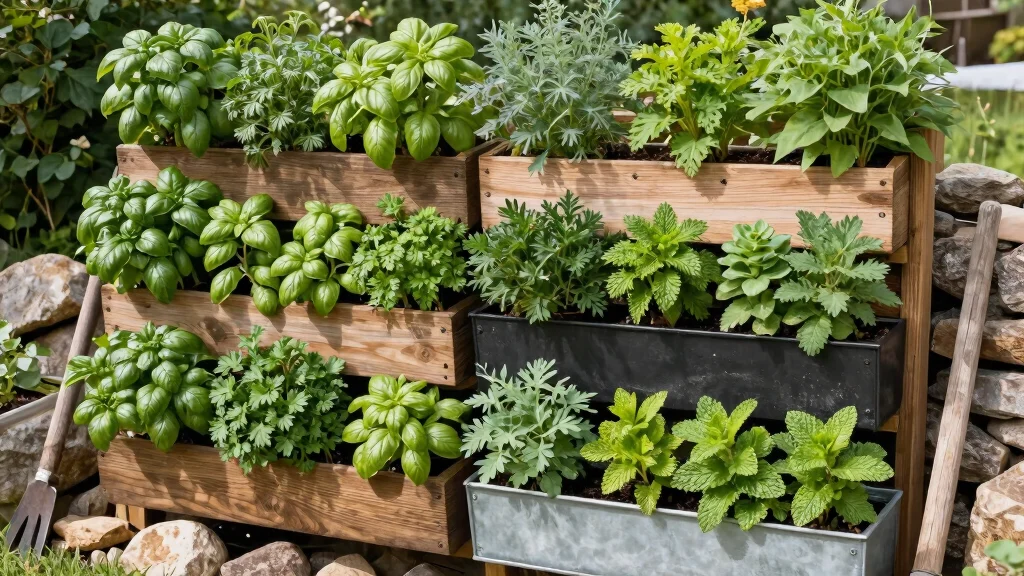
Short on counter space but eager to grow fresh herbs? Vertical herb garden towers are the perfect solution. These creative systems not only let you cultivate a variety of herbs in a compact area but also serve as a stunning centerpiece in your kitchen.
Popular herbs like basil, cilantro, and mint thrive in these vertical gardens. Using materials like wood or metal can add a rustic charm to your kitchen decor. You can even opt for designs with built-in irrigation systems for effortless maintenance.
– Space-efficient: Ideal for small kitchens.
– Maximized sunlight: Different heights mean more light for your plants.
– Aesthetic appeal: Elevates your kitchen’s style.
Feeling crafty? You can DIY your own tower using repurposed materials such as old pallets or crates. It’s a great way to save space while embracing an eco-friendly lifestyle.
Did you know vertical herb garden towers fit right into your countertop food garden small kitchen? A compact tower can grow multiple herbs like basil, cilantro, and mint in just a 2–3 ft footprint. Start with a simple kit and watch fresh greens flourish daily.
Vertical Herb Garden Towers
Editor’s Choice
Plant Automatic Watering Devices, Clear Plastic Self-Watering Bulbs Flow…

Keter Urban Bloomer 12.7 Gallon Raised Garden Bed and Outdoor Herb Garde…
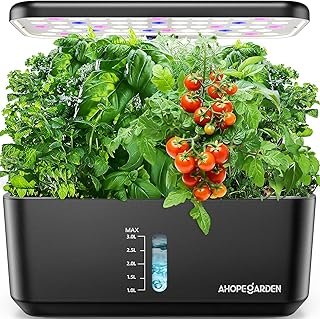
Ahopegarden Indoor Garden Hydroponics Growing System: 10 Pods Plant Germ…
2. Mason Jar Herb Garden
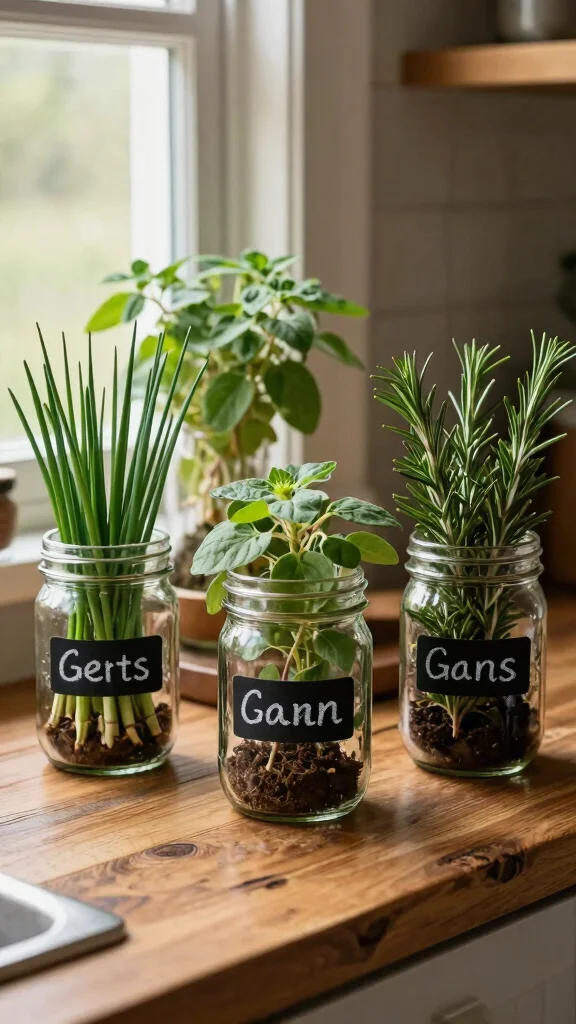
Craving a charming way to grow your herbs? Mason jars are not just for preserves; they make delightful mini herb gardens! This trendy arrangement adds a rustic touch to your kitchen and provides a fantastic growing environment for your favorite herbs.
Simply fill jars with potting soil and plant herbs like chives, oregano, or rosemary. You can easily monitor their growth, making it a rewarding indoor gardening experience.
1. Select small herbs that thrive in jars.
2. Add small stones at the bottom for drainage, then fill with soil.
3. Plant your herbs, water lightly, and position them in a sunny spot on your countertop.
For an extra personal touch, label each jar with chalk paint, making it easy to identify your herbs while cooking.
Mason Jar Herb Garden
Editor’s Choice
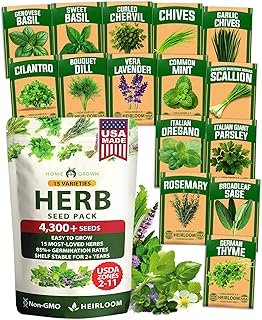
HOME GROWN Herb Seeds for Planting 15-Pack Massive Seed Count 4,300+ See…
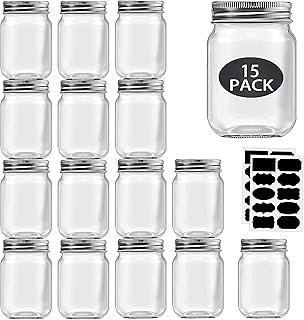
Rainforce 16 oz Mason Jars With Lids Regular Mouth 15 Pack-16oz Glass Ja…
Burpee, 9 Quarts | Premium Organic Potting Natural Soil Mix Food Ideal f…
3. Stylish Herb Boxes
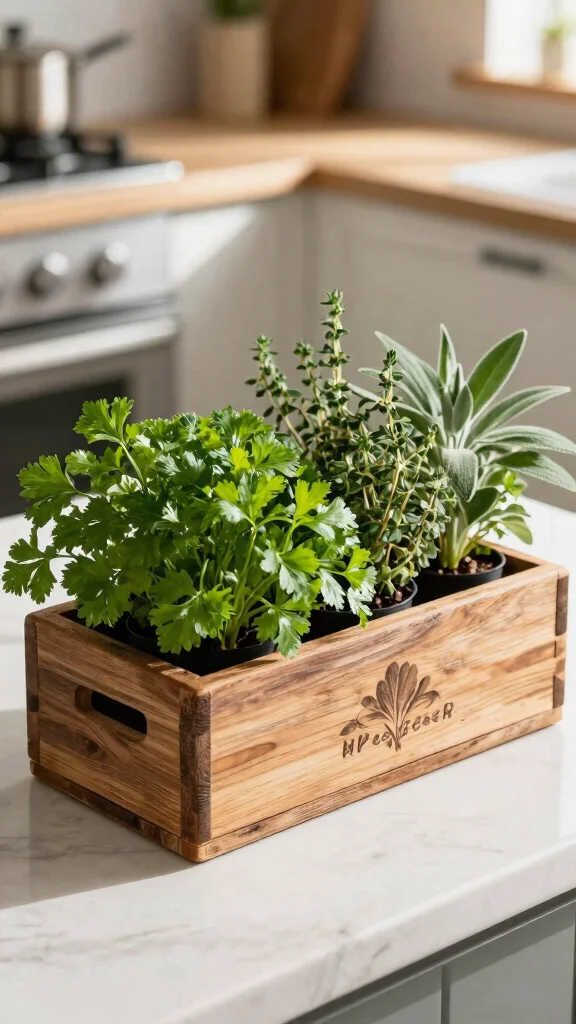
Looking for an elegant way to grow herbs? Herb boxes are a fantastic option that brings style and functionality to your kitchen. Available in various materials like wood, metal, or ceramic, these containers can perfectly complement your kitchen decor.
Choose long, narrow boxes to plant herbs such as parsley, thyme, and sage for a delightful mix. They are easy to transport and can be customized to fit your space.
– Customizable size: Find boxes that fit your counter perfectly.
– Drainage-friendly: Many come with holes for healthy plant growth.
– Easy to move: Lightweight boxes can be adjusted for optimal sunlight.
Arrange them side by side or hang them on a wall. Either way, stylish herb boxes can enhance your kitchen’s charm while providing fresh ingredients just a snip away.
Herb boxes turn a cluttered counter into a fresh, flavorful workspace. When parsley, thyme, and sage sit within arm’s reach, weeknight dinners go from where’s the herb to right there—grab and go for your countertop food garden in a small kitchen.
📹 Related Video: DIY Tier Herb Planter Boxes
Stylish Herb Boxes
Editor’s Choice
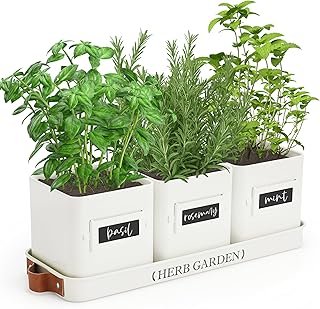
PERFNIQUE Indoor Herb Garden, Herb Planter Set with Tray, Farmhouse Indo…
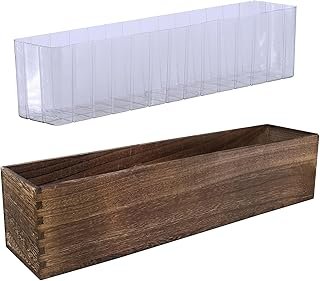
Winlyn Rustic Wooden Planter Box 17.3″ L x 3.9″ W x 3.9″ H Brown Rectang…
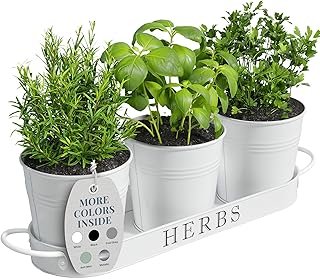
Barnyard Designs Indoor Herb Garden Planter Set with Tray, Metal Windows…
4. Hanging Baskets

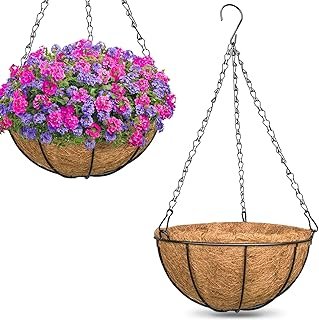
Want to add a whimsical touch to your kitchen? Hanging baskets can transform your countertop garden into a charming display. These baskets can be suspended from wall hooks or ceiling fixtures, saving counter space while bringing a playful vibe to your home.
Perfect for herbs like trailing rosemary or cascading thyme, hanging baskets not only save space but also create an airy atmosphere in your kitchen.
– Choose lightweight baskets: This ensures easy hanging.
– Select cascading herbs: Look for herbs that drape beautifully.
– Mix herbs and flowers: Add edible flowers for beauty and flavor!
With their striking visual impact, hanging baskets can make your culinary space feel lively and inviting.
Fun fact: hanging baskets can free up to 30% of your counter space, perfect for a countertop food garden small kitchen. Keep herbs like trailing rosemary soaring with lightweight, easy-hang baskets—instantly adding an airy, practical display you’ll actually use.
You might also like
Hanging Baskets
Editor’s Choice
Command 15 Lb XL Heavyweight Wall Hook, Damage Free Hanging Wall Hook wi…
ZeeDix 2 Pack 14 Inch Hanging Baskets for Plants Outdoor, Metal Wire Rou…
5. Under-Cabinet Gardens
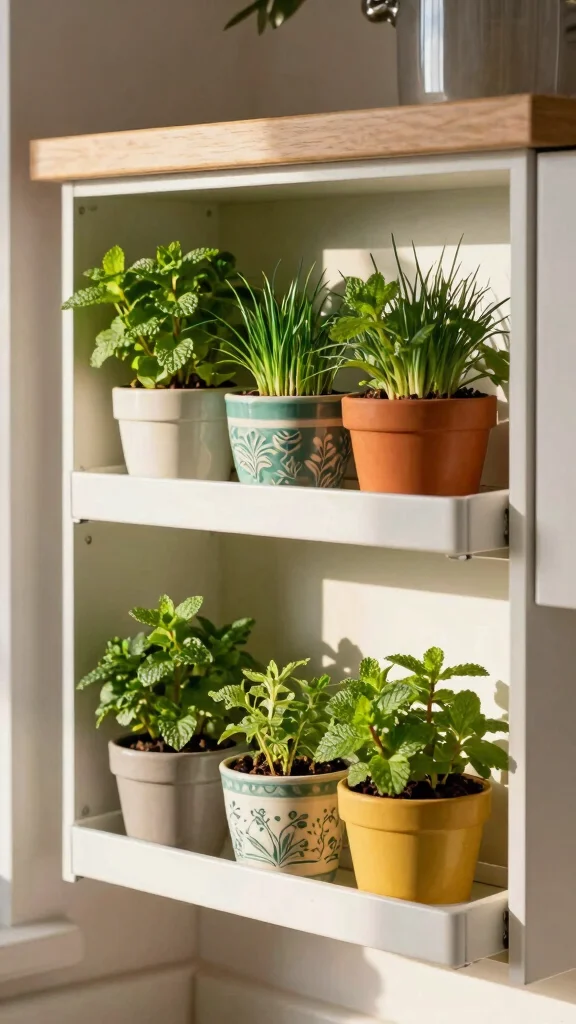
Transforming the space under your cabinets into an herb garden is a smart way to utilize every inch of your small kitchen. You can install small shelves or use magnetic planters that attach to the underside of your cabinets, keeping herbs accessible while freeing up counter space.
Ensure your herbs receive enough natural light, or supplement with grow lights if necessary. Low-maintenance herbs like mint and chives thrive in these conditions.
– Adequate light: Make sure your herbs get enough sun.
– Low-maintenance herbs: Mint and chives work well here.
– Decorative pots: Turn a functional space into a stylish showcase.
This unique approach not only maximizes space but also enhances your kitchen’s beauty, creating a focal point that combines functionality with aesthetic appeal.
Under-Cabinet Gardens
Editor’s Choice
Vintage Basil Seed Packet Magnets – Herb Garden Decor – Kitchen Refriger…
FillTouch 4 Tiered Window Plant Shelves Hanging Herb Planter Indoor Disp…
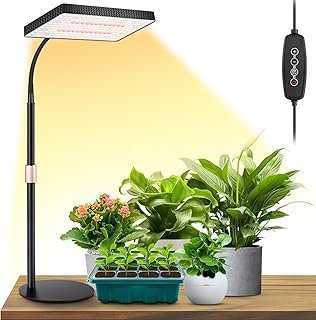
LBW Desk Grow Light, Full Spectrum Plant Light for Indoor Plants, Grow L…
6. Multi-Tiered Shelves
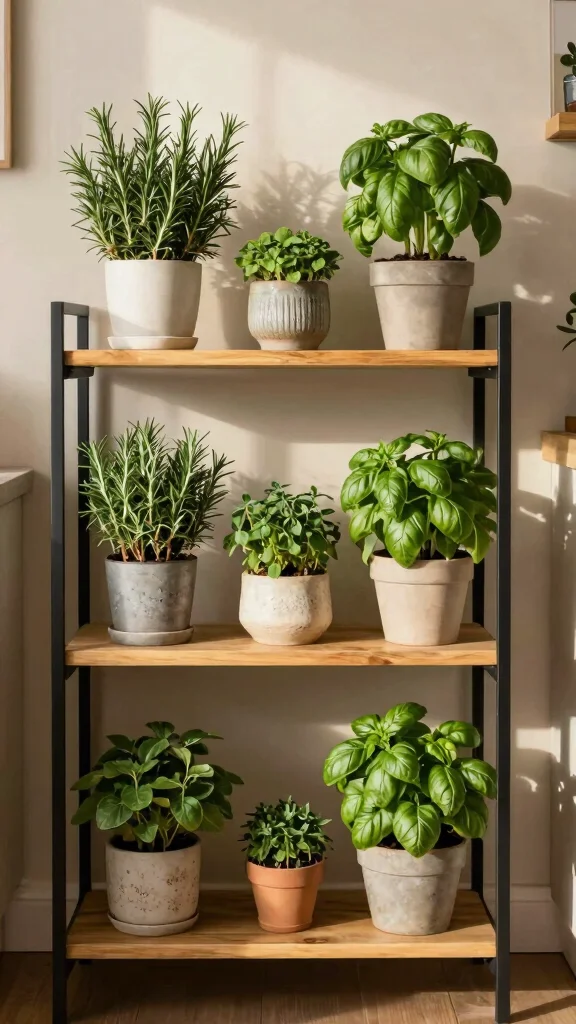
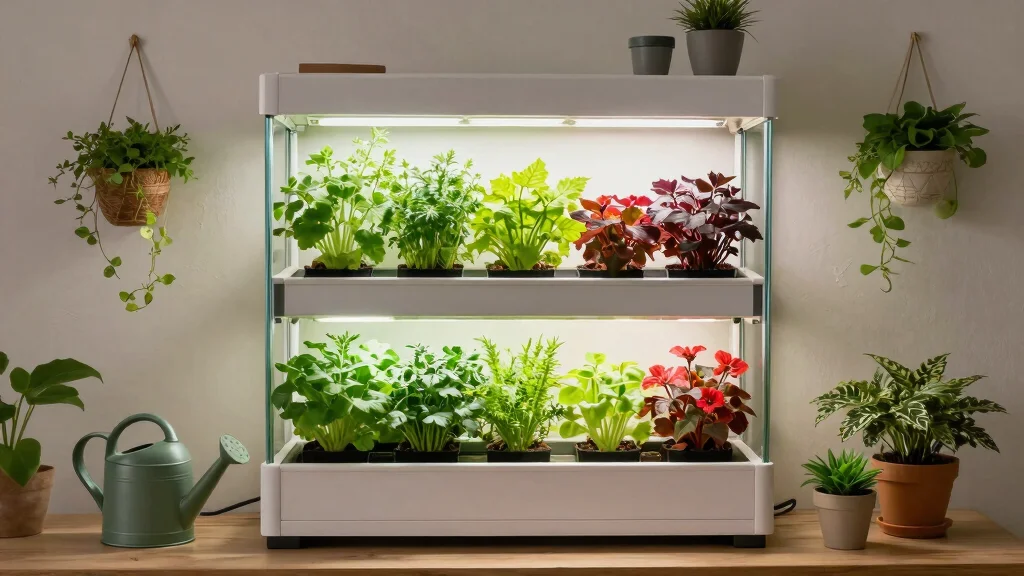
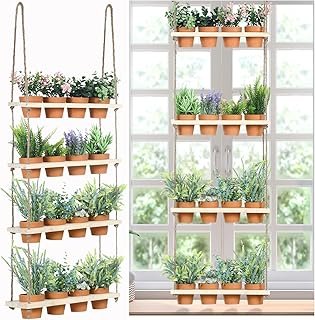
Searching for a creative way to display your herbs? Multi-tiered shelves can serve as both decorative and functional elements in your kitchen. By arranging different herbs on various levels, you can create a vibrant herb garden while adding height to your decor.
This setup allows you to mix and match different herbs while keeping them easily accessible.
– Display variety: Showcase a range of herbs and small plants together.
– Efficient use of vertical space: Perfect for kitchens with limited space.
– Personalized design: Customize the arrangement to fit your style.
Add personal touches like decorative pots or small signs for each herb. The versatility of multi-tiered shelves makes them an excellent choice for indoor gardening in small areas.
You Might Also Like
Multi-Tiered Shelves
Editor’s Choice
Barnyard Designs Indoor Herb Garden Planter Set with Tray, Metal Windows…
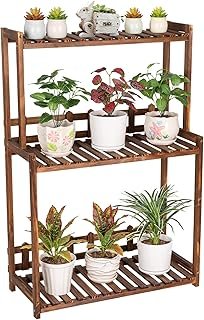
Ufine 3 Tier Wood Plant Stand Vertical Plant Display Shelf Indoor Ourdoo…
7. Recycled Containers
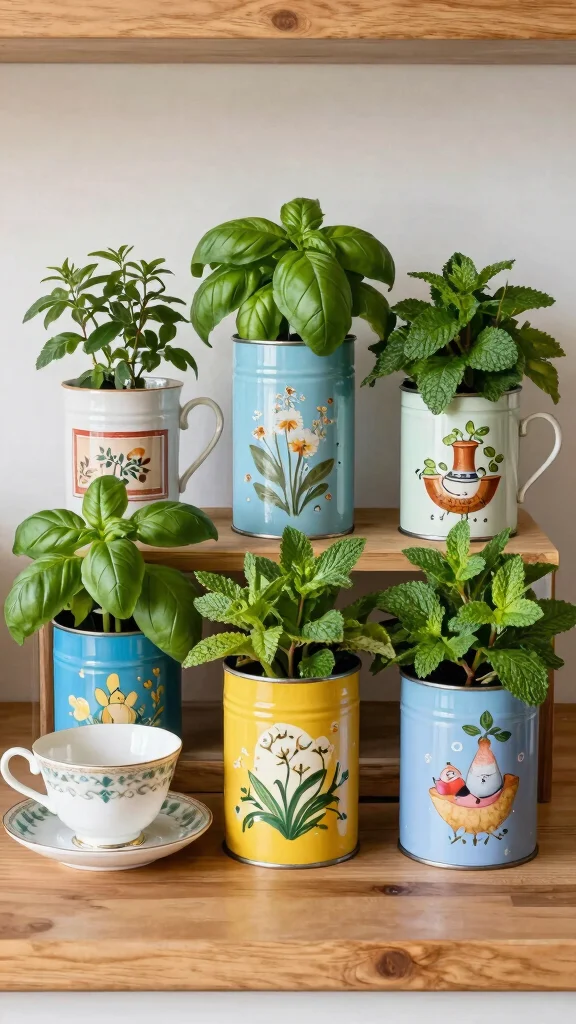
Feeling creative? Use recycled containers as delightful herb planters! Old teacups, tin cans, or even wine bottles can be transformed into charming pots for your herbs. This eco-friendly method not only saves money but also adds a personal touch to your kitchen garden.
Gather your containers, ensuring they have drainage holes, or add stones for drainage. Fill them with potting soil and plant your desired herbs.
1. Collect containers that catch your eye.
2. Ensure drainage for healthy roots.
3. Arrange them on your countertop for a whimsical flair.
The beauty of using recycled containers is that they give your kitchen a unique character while being kind to the environment. You can even switch herbs seasonally for continual freshness in your indoor gardening journey.
How To Choose The Right Containers for Your Countertop Food Garden
When setting up a countertop food garden in your small kitchen, choosing the right containers is crucial. The right containers can enhance your indoor gardening experience and ensure your herbs thrive. Here are some key points to consider:
1. Size
The first factor to consider is size. You want containers that fit well on your countertop without overcrowding the space. A good rule of thumb is to select pots that are at least 6-8 inches in diameter for herbs like basil or parsley. This gives the roots enough room to grow. If you have limited space, look for compact options like window boxes or tiered containers that allow stacking.
2. Material
Next, think about the material of your containers. Common options include plastic, ceramic, and metal. Plastic is lightweight and usually more affordable, making it easier to move around. Ceramic adds a nice aesthetic touch but can be heavier. Metal containers can provide a modern look but may retain heat, so ensure they have good drainage. Choose materials that suit your kitchen’s style and your gardening needs.
3. Drainage
Proper drainage is vital for any garden. Look for containers with drainage holes at the bottom. This prevents water from pooling and helps avoid root rot. If a pot doesn’t have holes, consider adding a layer of pebbles at the bottom to promote drainage. You can also use self-watering containers that allow the plant to absorb the moisture it needs without excess water sitting at the bottom.
4. Style
The style of your containers can enhance your kitchen decor. Choose visually appealing pots that complement your kitchen’s aesthetic. Rustic terracotta pots can add warmth, while sleek metal containers can give a modern touch. You might even consider clear containers to watch the roots grow. Make sure to have fun with the styles—after all, your kitchen herb garden should reflect your personality!
5. Budget
Finally, keep your budget in mind. Container gardening doesn’t have to break the bank. You can find many affordable options at local garden centers or even online. If you’re DIY-inclined, consider repurposing items like mason jars or tin cans. Just check that they’re clean and suitable for planting.
Pro Tip: When selecting your containers, think about grouping them in different heights for added visual interest. It creates a mini garden display while making it easy to access your herbs as you cook!
Creating a countertop food garden can be a rewarding hobby. With the right containers in place, you can grow a variety of herbs right in your kitchen. Enjoy the fresh flavors and aromas they bring to your meals!
Recycled Containers
Editor’s Choice
Burpee, 9 Quarts | Premium Organic Potting Natural Soil Mix Food Ideal f…
Conclusion
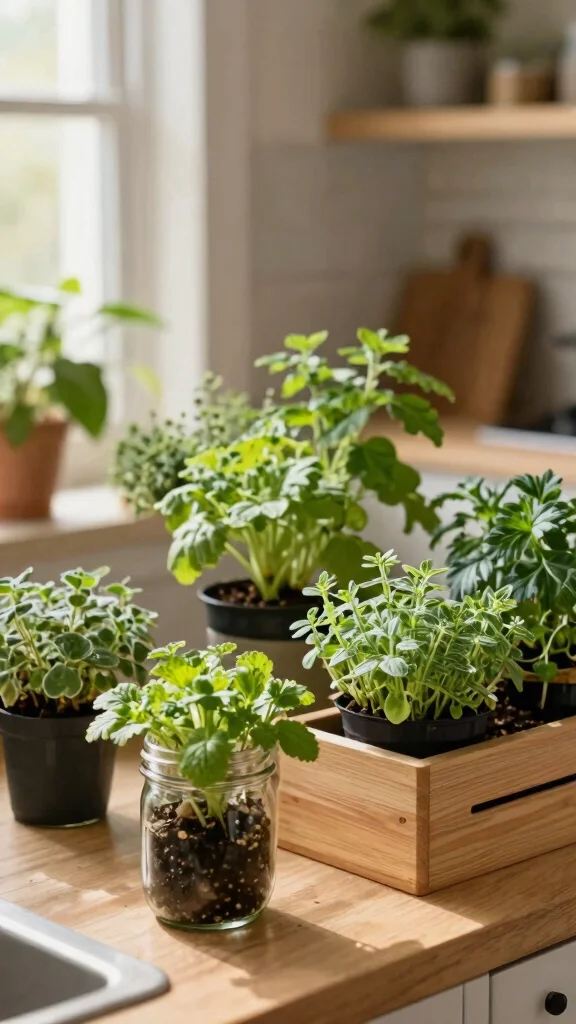
Creating a countertop food garden in your small kitchen is not only feasible but also incredibly rewarding. Each of these ideas invites you to grow fresh herbs right at home, making your cooking more flavorful and enjoyable.
Consider exploring one or more of these creative solutions and transform your cooking experience!
Happy gardening!
Note: We aim to provide accurate product links, but some may occasionally expire or become unavailable. If this happens, please search directly on Amazon for the product or a suitable alternative.
This post contains Amazon affiliate links, meaning we may earn a small commission if you purchase through our links, at no extra cost to you.
Frequently Asked Questions
What is a countertop food garden for a small kitchen, and which herbs are best to start with?
A countertop food garden for a small kitchen is a compact, edible setup that sits on your counter and keeps fresh herbs within arm’s reach. For a kitchen herb garden in a countertop food garden small kitchen, start with 3–4 compact containers and herbs like basil, parsley, chives, and thyme. Use a light, well-draining potting mix, water when the top inch dries, and place it in bright indirect light or under a small grow light to maximize flavor and harvests. Keep herbs trimmed to encourage new growth and prevent crowding.
Tip: consolidate containers on a shallow tray or a tiered stand to save counter space.
How can I set up effective indoor gardening on a countertop with limited space?
Start with a quick assessment of light. If you have a sunny window, you can do most herbs in sun-loving containers; otherwise add a compact LED grow light on a timer. Use container gardening and small space gardening tricks: stackable shelves, a wall-mounted spice rack holding small pots, and a shallow tray with a drip guard. Choose pots with drainage, use high-quality potting mix, and water on a schedule so soil stays evenly moist but not soggy. Group plants with similar light needs and rotate weekly so nothing gets leggy.
Bonus: label herbs so you know what to harvest and when.
Which herbs are the easiest to grow on a countertop for beginners?
Start with forgiving varieties like basil (pinch frequently), parsley, chives, thyme, and oregano. These thrive in bright light and tolerate a bit of neglect. Harvest by snipping leaves often to encourage bushiness and prevent flowering, which can change flavor. Use fresh soil, avoid overwatering, and keep containers well-drained. If space is tight, choose dwarf or balcony-friendly cultivars.
Pro tip: keep mint in its own pot to prevent spreading, and trim cilantro early for a quick, vibrant harvest.
How can I keep my countertop herb garden healthy and flavorful without pests?
Start with clean containers and good drainage to prevent soggy roots. Water consistently—most herbs prefer slightly dry between waterings. Use fresh potting mix and avoid overcrowding. Improve airflow by not crowding pots and rotating plants. Monitor leaves for yellowing or spots, and wipe them with a damp cloth to remove dust. For pests, use neem oil spray or insecticidal soap sparingly, or rely on natural weekly checks. Harvest regularly to encourage vigor and flavor.
Important: keep kitchen-clean, avoid chemical residues on edible leaves, and wash harvests before use.
How does countertop herb gardening fit into broader goals like urban gardening and small space gardening, and what are smart space-saving ideas?
Countertop herb gardening is an accessible entry point to urban gardening and small space gardening, letting you grow fresh ingredients without a yard. It reduces trips to the store, minimizes packaging waste, and teaches sustainable container gardening practices. Space-saving ideas include a tiered herb rack, magnetic spice jars on the fridge, windowsill pockets, and repurposed containers like jars and tin planters. Pair with a compact watering system to maximize output from a few square feet.
Starter plan: pick 3–4 herbs, place near light, and schedule regular harvests to keep plants productive. This supports a greener countertop food garden small kitchen lifestyle.
Related Topics
countertop gardening
small kitchen
herb garden
indoor gardening
urban gardening
container gardening
easy gardening
space-saving
sustainable living
beginner friendly
kitchen decor
foodie lifestyle