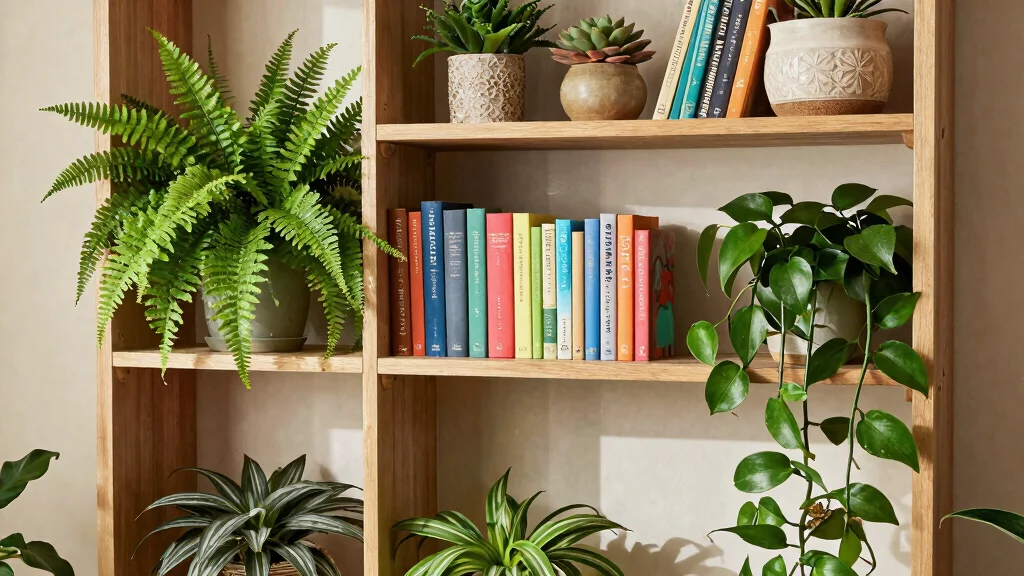
Creating a cozy and inviting home often revolves around how we style our spaces, and bookshelves are perfect for adding those personal touches. As the seasons change and trends evolve, I found myself craving ideas that blend indoor greenery with stylish home decor. This inspired me to compile a list of bookshelf plant decorating ideas that are not only aesthetic but also practical for small spaces.
If you love indoor plants and want to elevate your bookshelf aesthetics, you’re in the right place. This guide is tailored for those who want to breathe life into their living areas, regardless of their decor style. Whether you’re a seasoned plant parent or just starting to explore the world of indoor gardening, these tips will help you create stunning displays that reflect your personality.
You’ll discover nine creative ideas to transform your bookshelf into a vibrant oasis of greenery. These concepts are simple, effective, and designed to make your home feel more welcoming. Get ready to embrace plant styling that elevates both your space and your mood!
Key Takeaways
– Layered Heights with Stacking: Use different plant heights on your shelves to create visual interest. Stacking smaller plants on books or decorative boxes can add depth to your display.
– Grouping for Impact: Cluster plants together in groups of three or five for a big impact. This technique helps create a focal point and makes arranging easier.
– Use of Hanging Plants: Hanging plants can effectively utilize vertical space. Consider trailing plants or macramé hangers that draw the eye upwards and add softness.
– Incorporating Natural Elements: Mix in natural materials like wood or stone. Using unique planters made from these elements can bring warmth and cohesion to your decor.
– Seasonal Swaps: Changing your plants seasonally can keep your bookshelf looking fresh. Rotate plants that bloom in different seasons for a delightful surprise throughout the year.
Recommended Products

[Space-Saving Corner Design] Maximize space with this 6-tier corner plant stand, perfect for indoor plant stand or plant shelf.The assembly size is: 11.81L*11.81W*54.45H in

[Space-Saving Corner Design] Maximize space with this 7-tier corner plant stand, perfect for indoor plant stand or plant shelf.The assembly size is: 11.81L*11.81W*61.42H in
1. Layered Heights with Stacking
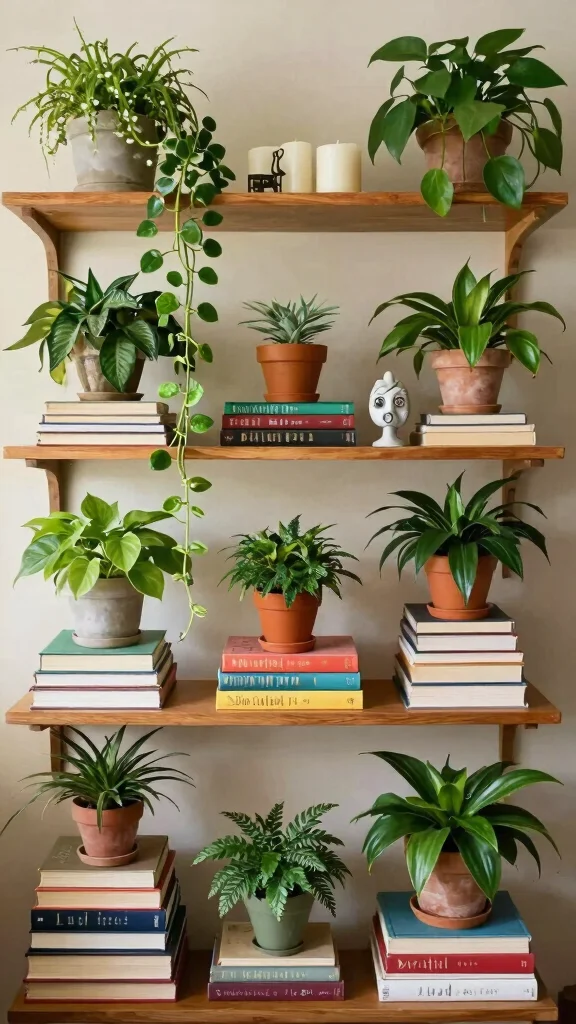
Embracing layered heights is a fantastic way to bring life to your bookshelf. By arranging plants at varying levels, you create visual intrigue and depth that draws the eye. For example, stack your favorite novels or use small stands to elevate certain plants, allowing them to gracefully peek out from behind taller decor or books.
To implement this stylish technique, consider using a mix of materials and heights to enhance your display. You can find budget-friendly plant stands at local shops or even repurpose items you already own. This layered approach not only beautifies your bookshelf but ensures each plant receives adequate light for optimal growth.
Consider these tips for effective layering:
– Use books as risers to create varying levels.
– Incorporate plant stands of differing heights for dimension.
– Position trailing plants, such as pothos, at the back to allow their vines to cascade down.
– Mix in decorative items like candles or unique figurines to break up the greenery.
This method enhances the overall aesthetic while nurturing your plants, making your bookshelf a vibrant focal point in your home.
Recommended Products

Your Value Plant Hanger:Our Macrame Plant Hanger is really value for money.We want to save your money.Less cost,but get more quantities.The hanging planter holder set contains 5 pieceshanging plant stand (34in long, Fit multiple flowerpot size and shape, ideal flowerpot size is 5-10"),5 ceiling hooks and 5 expansion tubes.Take it,to decorate your home as a gardener,use for hanging planter for indoor plants with our macrame plant hanger indoor.(Please note that pots or plants are not included.)
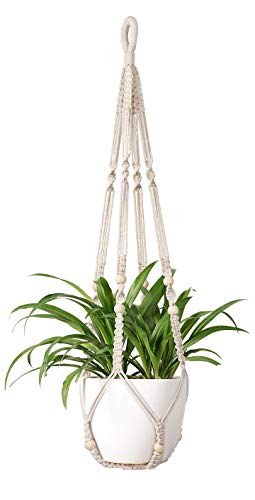
Pots and plants are not included!!

HIGH QUALITY MATERIAL - The 2 pack plant hanger indoor is made of cotton cord. Sturdy, durable and premium quality. hanging basket has a strong flexible woven design that can accommodate various shapes and sizes of planters (pots not included).
📹 Related Video: Stackable bookshelf boxes
Layered Heights with Stacking
Editor’s Choice
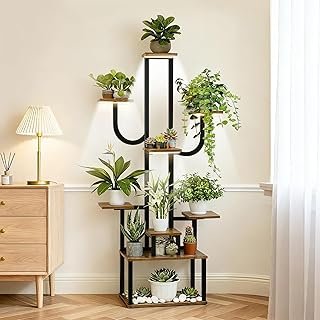
joyhalo Plant Stand Indoor with Grow Lights, 9 Tiered 65″ Tall Indoor Pl…

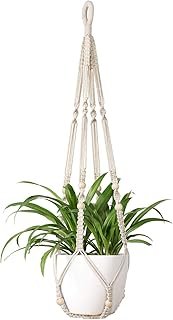
Mkono Macrame Plant Hanger Indoor Hanging Planter Basket with Wood Beads…
2. Grouping for Impact
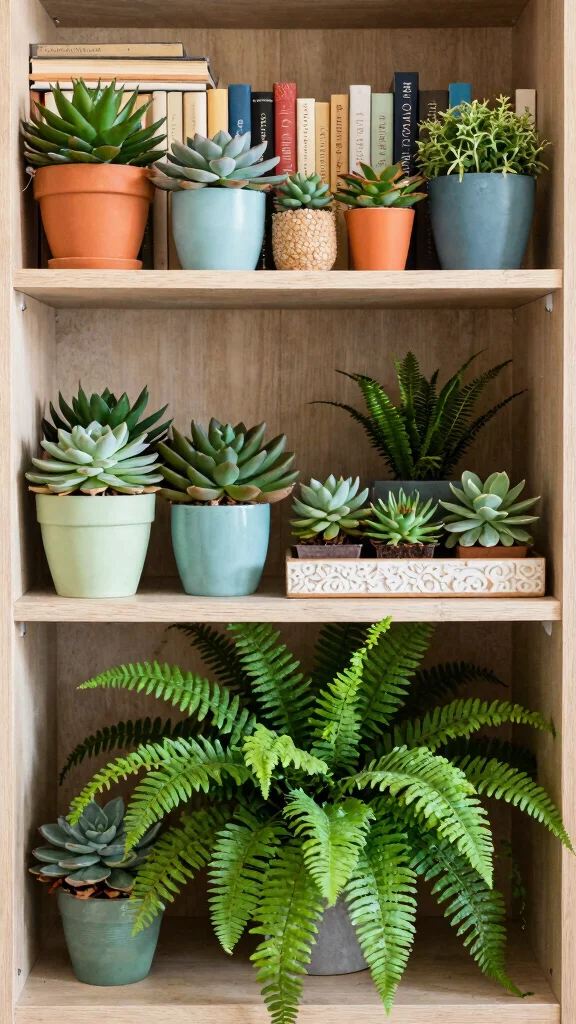
Grouping plants together is a powerful way to create an eye-catching display on your bookshelf. By selecting a consistent color palette or theme, such as vibrant succulents or lush ferns, you can craft a cohesive and striking arrangement that simplifies care. This method not only enhances the beauty of your plants but also brings a sense of harmony to the space.
To make the most of your groupings, consider using decorative trays or unique containers that can help define each cluster. Opting for odd numbers of plants adds visual interest and balance, while mixing different textures keeps it exciting. This thoughtful arrangement not only beautifies your space but also makes caring for your plants much easier.
Here are some tips for effective grouping:
– Stick with odd numbers for a more dynamic visual.
– Consider the size and shape of each plant to create balance.
– Use decorative trays to define groups easily and keep them organized.
– Mix textures by pairing smooth leaves with fuzzy ones for added interest.
Creating zones filled with grouped plants can effortlessly elevate your bookshelf’s aesthetics, making it a delightful view in your home.
Recommended Products

【Note】Jade pebbles are natural rocks polished and waxed and processed, we do not recommend placing it in a fish tank, if you need to put it in a fish tank, first wash the wax off the surface with hot soapy water or detergent, then rinse with clean water

Made with Recycled Materials: A blend of recycled plastic, stone powder, and wood dust, PSW Pots are eye-catching and long-lasting for mindful gardening.

Made with Recycled Materials: A blend of recycled plastic, stone powder, and wood dust, PSW Pots are eye-catching and long-lasting for mindful gardening.
Grouping for Impact
Editor’s Choice
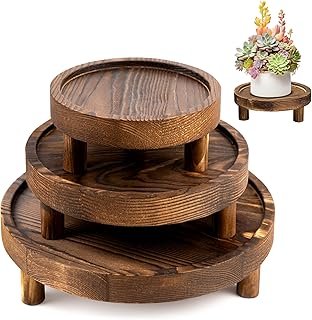
3 Pcs Wooden Display Risers Round Wood Pedestal Stand Mini Plant Tray St…
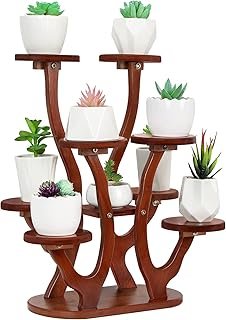
Jotsport 9 Pots Mini Succulent Stand Windowsill Small Plant Stand Multi …
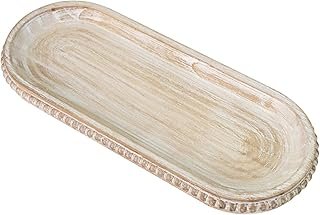
MAONAME Oval Long Narrow Wood Tray, Rustic Decorative Tray with Beaded, …
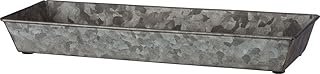
Primitives by Kathy 39710 Galvanized Rectangular Trays, Set of Two, Rust…
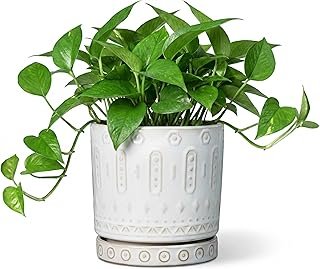
Eightpot Ceramic Planter, 6 Inch Pot for Plants with Drainage Holes and …
3. Use of Hanging Plants
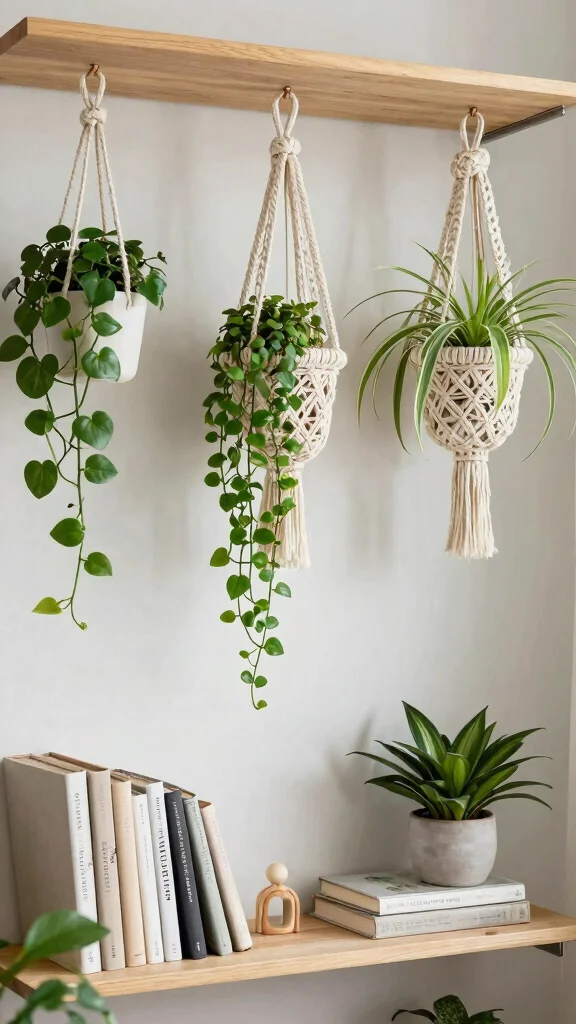
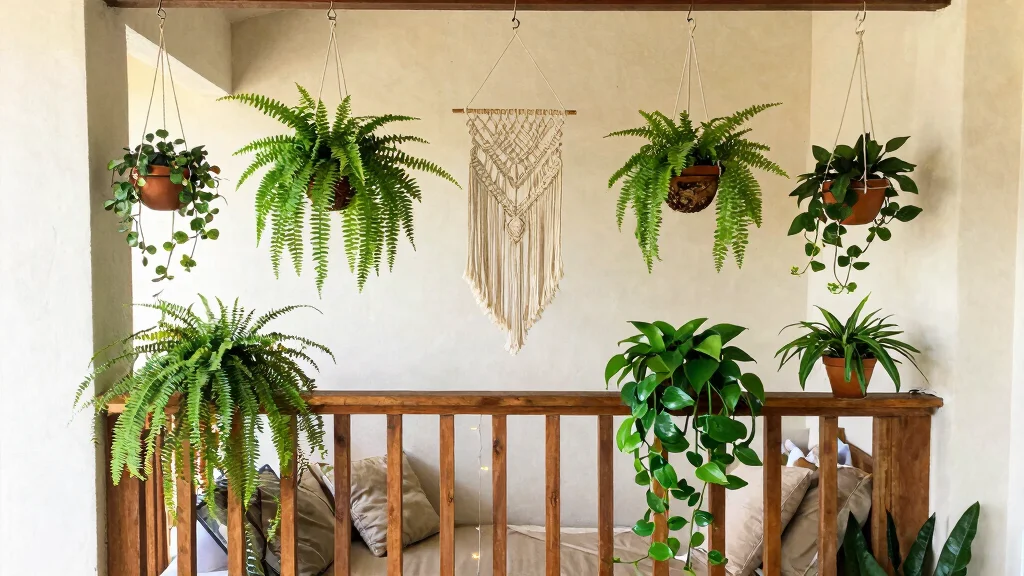
In small spaces, utilizing vertical space is essential, and hanging plants offer a stylish solution. Not only do they create a stunning visual impact, but they also free up shelf space for your cherished books. By using macramé hangers or simple hooks, you can suspend plants above your shelves, adding a touch of elegance and a cascading effect.
This approach allows you to incorporate plants that thrive in indirect light while transforming your shelves into a lush display. Choose lightweight varieties, and enjoy the benefits of having trailing vines soften the edges of your bookshelf, enhancing the overall aesthetic.
Consider these benefits of hanging plants:
– They add a dramatic touch to your bookshelf arrangement.
– They free up valuable shelf space for books and decorative items.
– Trailing vines can soften the edges of your bookshelf, creating a more organic look.
With the right selection of plants, you can turn your shelves into a serene green oasis that feels inviting and fresh.
Fun fact: Hanging plants can free up to 30% of shelf space by cascading above your books. Choose macramé hangers or simple hooks and indirect-light varieties to add a lush, practical display—perfect for bookshelf plant decorating ideas.
Recommended Products

Flower Stand with Grow Light: The plant light contains 3 supplemental light modes: 1. 48 leds warm white(3000k), only 3000k high uniform light ,like sunlight improve seeding growth ; 2. Warm (660nm): promote plant growth , flowering and fruit; 3. Full Warm White (380nm-780nm), Provide universal full spectrum which can meet the light conditions your plants need most in different stages

7 Pots Plant Stand: which can hold 11-25 pots of regular size,A single board can hold a high pot plant, making it an ideal decorative piece for organising your plant collection. And the bottom of the stand is designed with a protective pad to prevent any scratches and wear on the floor

【4-layer Structure】: Each layer of this plant stand is 5.12”/8.66"/16.14"/23.23" high, 27.36" long and 8.27" wide. The four-layer large-capacity design provides ample planting space to meet the growth needs of different plants.
Use of Hanging Plants
Editor’s Choice
Mkono Macrame Plant Hanger Indoor Hanging Planter Basket with Wood Beads…
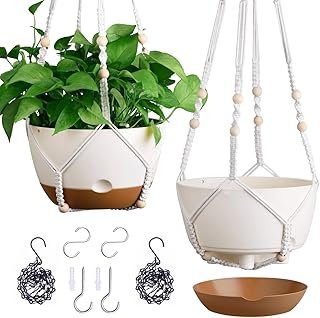
Set of 2-10 Inch Hanging Planters for Indoor Plants with Self-Watering I…
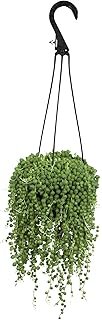
Live String of Pearls Succulent Plant Decor Hanging Basket, Real Succule…
4. Incorporating Natural Elements
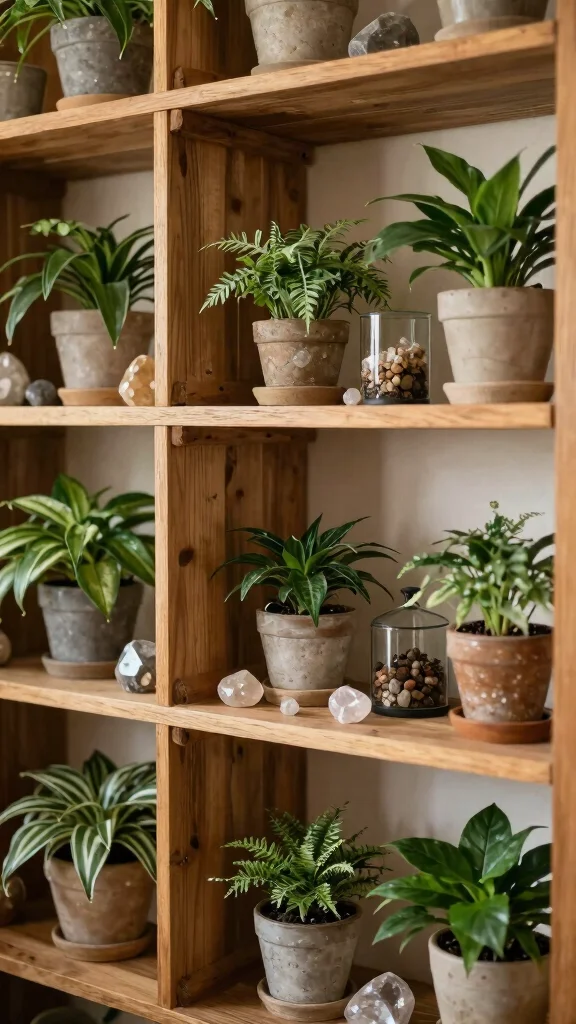
Bringing natural elements into your bookshelf design enhances the overall plant aesthetic and invites the beauty of nature indoors. Incorporating items like wooden boxes, stone ornaments, or small terrariums can create visual interest and depth alongside your plants. This combination adds a rustic charm that enriches your space.
To achieve this look, consider sourcing materials from thrift stores or nature itself. Each element you choose will enhance the organic feel of your bookshelf and can be mixed and matched for a personalized touch that reflects your style.
Here are some natural elements to consider:
– Use wooden crates or boxes to hold pots for a rustic vibe.
– Incorporate stones or crystals for texture and a modern edge.
– Create mini terrariums that can sit alongside your other plants.
– Mix and match materials for a personalized touch.
This approach blends the beauty of nature with your indoor greenery, creating a unique environment that feels both calming and stylish.
Recommended Products

Stylish And Unique Design: The modern, vintage-inspired macrame plant hanger adds a beautiful touch to your room and living room. This beauty would be gracing your home or balcony garden, or brightening up an office. Easily add something special to your beautiful bohemian home decor, sweet farmhouse decor, or modern minimalist style
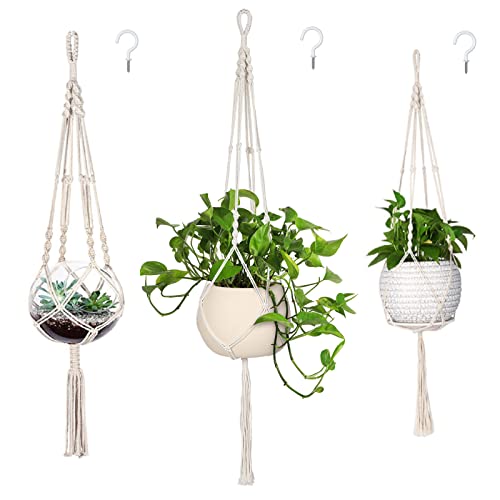
COMPLETE SET WITH HEAVY DUTY HOOKS: 3 handmade cotton hangers (34"/41"/46" lengths) + 3 durable metal hooks. The flexible woven design fits 5-10 inch pots (ceramic, plastic, glass, metal) and supports various plant shapes for displaying succulents, pothos, or ferns (Pots and plants are not included)

STYLISH AND UNIQUE: The modern, vintage-inspired plant hanger adds the perfect touch to your room and living room. This beauty would be gracing your home or balcony garden, or brightening up an office. Easily add some special to your beautiful bohemian home decor, sweet farmhouse decor, or modern minimalist style
Incorporating Natural Elements
Editor’s Choice
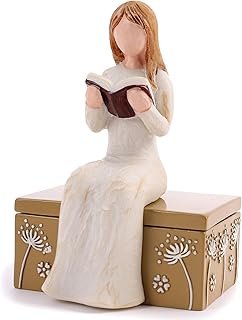
Resin Reading Girl Figurine with Hidden Storage Box Vintage Book Lover G…
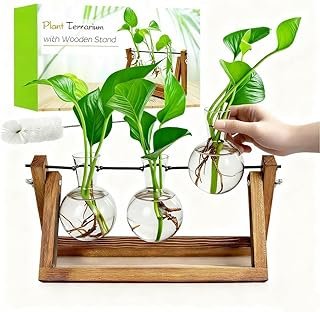
Renmxj Plant Propagation Stations with Wooden Stand & 3 Glass Bulb Vases…
5. Bookends as Plant Holders
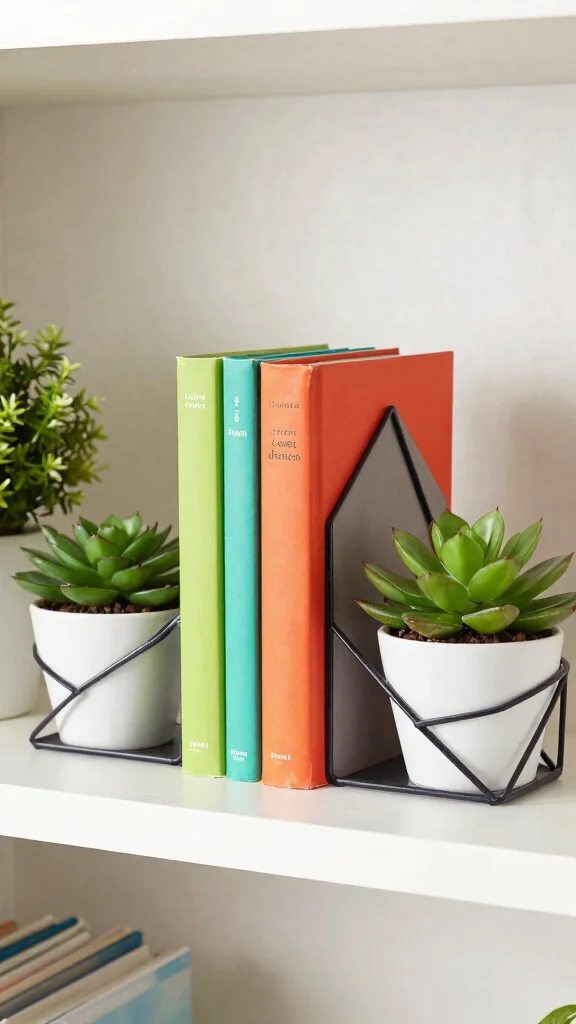
Get creative with your bookshelf by using unique bookends as stylish plant holders. This clever arrangement not only supports your books but can also serve as an attractive container for smaller plants. Choose decorative bookends that complement your theme, and place compact plants like succulents or air plants to add a chic touch.
When selecting bookends, look for those with distinctive designs or materials that match your decor. This functional yet stylish use of space allows you to celebrate your love for plants while keeping everything organized.
Here are some ideas for plant bookends:
– Select bookends in metallic or wooden finishes to match your decor.
– Use larger bookends to hold medium-sized plants that can thrive in small pots.
– Opt for geometric shapes for a modern twist.
This innovative use of space not only keeps your books upright but also creates an eye-catching display that reflects your passion for greenery.
You might also like
Bookends as Plant Holders
Editor’s Choice
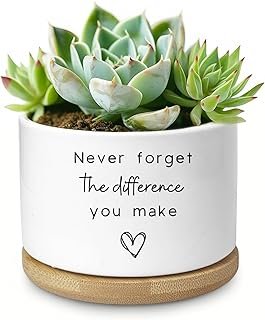
Cute Succulent Planter, Flower Cactus Plant Pot Gifts, Going Away Farewe…
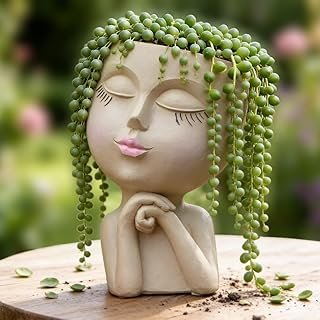
Face Planters Pots Head, Unique Air Plant Holder, Funny Succulent Flower…
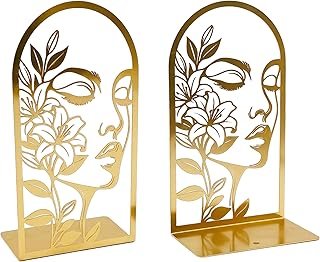
Gold Metal Line Art Woman Lily Flower Bookends for Heavy Books, Decorati…
6. Seasonal Swaps
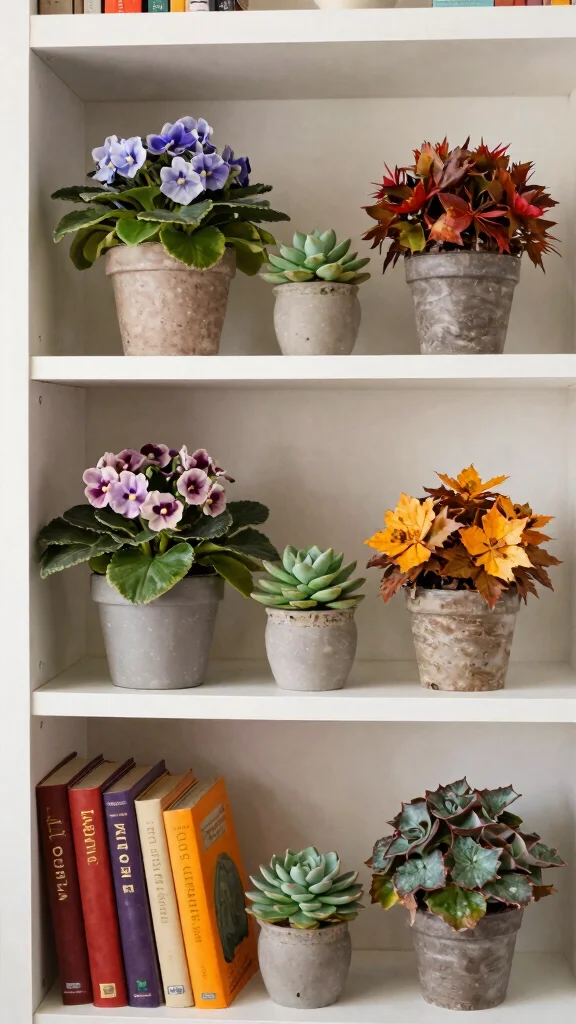
Refreshing your bookshelf with seasonal plant swaps can keep your decor dynamic and engaging. By rotating your plants according to the seasons, you bring new life to your space. Bright, flowering plants in spring and summer can seamlessly transition to rich, earthy tones for fall and winter, offering a fresh aesthetic throughout the year.
Using seasonal blooms or colors adds character and keeps your display feeling lively. You can even consider incorporating artificial plants during off-seasons to maintain a consistent look without the maintenance.
Here are some ideas for seasonal plant swaps:
– Choose seasonal flowers that bloom at different times of the year.
– Use seasonal colors and themes, like warm autumn hues or cool winter tones.
– Consider using artificial plants for the off-season to maintain the look.
Emphasizing seasonal changes keeps your space feeling alive and ensures your bookshelf remains a focal point of interest all year round.
Fact: Rotating your greenery by season keeps your shelf dynamic, with 3 color shifts a year that reflect spring bloom, summer brightness, and autumn tones. It makes bookshelf plant decorating ideas stay fresh and easy to style, even in small spaces.
Recommended Products

🌿 INSTANTLY UPGRADE YOUR SPACE Add a soft, cascading touch to your home with this artificial trailing ivy plant. Perfect for shelves, cabinets, or countertops, the flowing vines create a relaxed, styled look instantly.
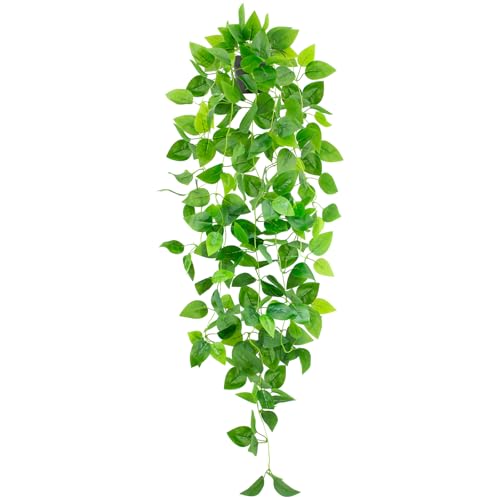
🌿 【Perfect Size & Lush Foliage】This small fake pothos plant features 39.37inch (100CM) long hanging vines and approximately 180 lifelike green leaves, creating a full, compact, and naturally trailing appearance. As a classic artificial hanging plant indoor, it adds vibrant, eye-catching greenery to your space without occupying valuable tabletop space, making it ideal for small-area decor needs and compact rooms.

Right Size: This set includes one small potted greenery with lush, 34" long trailing vines. It creates a full, draping look without taking up valuable tabletop space, making it a great choice for fake hanging plants or artificial hanging plants in smaller areas
Seasonal Swaps
Editor’s Choice
More Than Just a Plant: How to Care for Your Plants as They Care for You
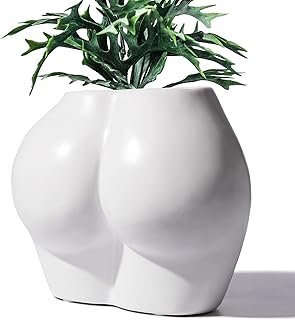
Cute Body Shaped Planter Fun Resin Plant Pots Indoor with Drainage Hole …
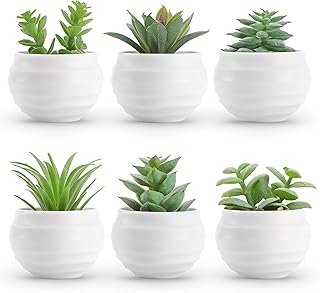
Der Rose Set of 6 Succulents Plants Artificial in Pots Small Fake Plants…
7. Minimalist Plant Display
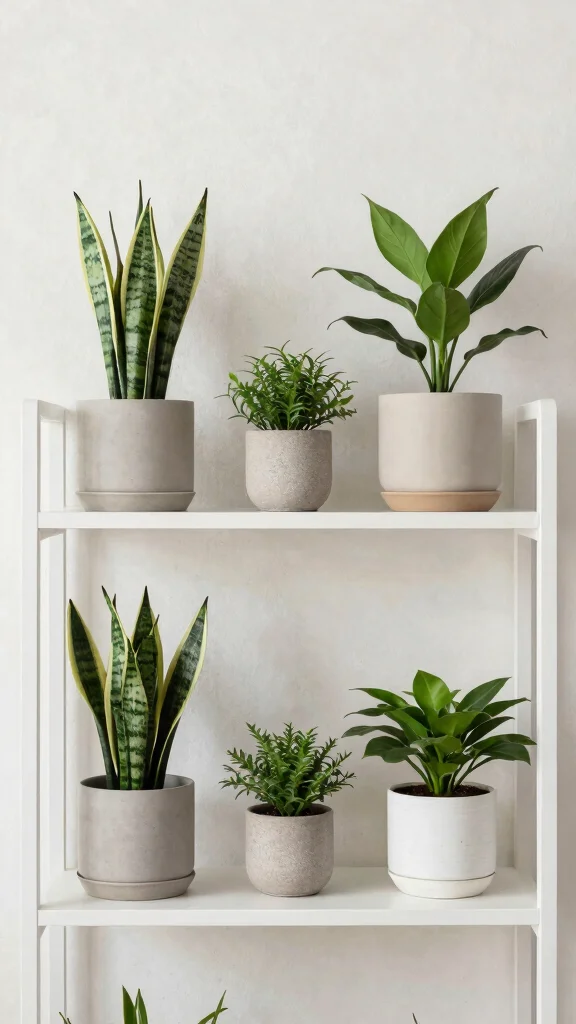
If simplicity speaks to your style, a minimalist plant display can create a clean, elegant look. By selecting a few key plants that reflect your desired aesthetic and arranging them thoughtfully, you can achieve a serene atmosphere. This approach works wonderfully in smaller spaces where clutter can overwhelm.
To create a minimalist vibe, choose monochromatic or neutral pots that seamlessly blend with your bookshelf. Limiting the number of plants ensures a tidy appearance, while sleek varieties like ZZ plants or snake plants enhance the overall effect.
Here’s how to achieve a minimalist look:
– Choose monochromatic or neutral pots that blend with the bookshelf.
– Limit the number of plants to maintain a clean feel.
– Opt for sleek plant varieties, like ZZ plants or snake plants.
The end result is a sophisticated balance of nature and books that promotes calmness and order in your space.
Recommended Products

Package Includes: 1 Pack artificial hanging plant with black pot. the trailing foliage vine extending up to 39.37"(100cm), Its compact dimensions enable effortless, versatile placement in any space, This artificial pothos plant looks very lush.
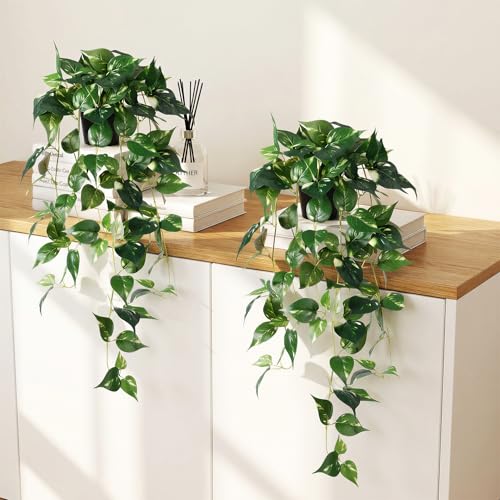
35.4Inch Long Artificial Ivy Vines with 4.3*3.7Inch Black Pot:Package includes 2PCS realistic faux pothos with pot. Ready-to-use artificial hanging plants saves time on planter matching. Sturdy pot ensures stable placement for indoor hanging plants、 desk plant. Fake ivy vines are also suitable for decorating porch or shelves, enhancing the warmth and privacy of your home.

Picture Frame Design Plant Shelves: Our wall hanging planters distinguishes with its unique design and decorative feature, perfectly combining plants and wall decor. Add a modern visual effect to your wall, window, enhancing the personality and charm of your indoor and outdoor space.
Minimalist Plant Display
Editor’s Choice
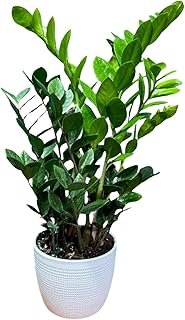
PLANTVERS Green ZZ Plant – Zamioculcas Zamiifolia | Hardy Tropical Fol…
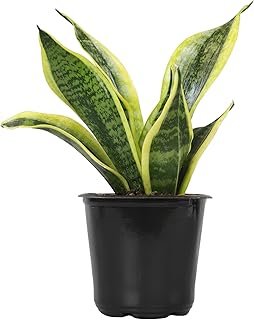
Live Snake Plant, Sansevieria trifasciata Superba, Fully Rooted Indoor H…
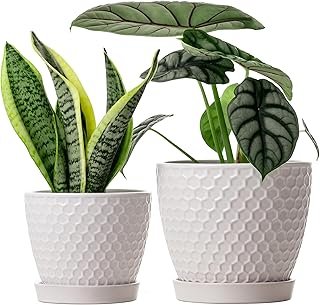
Docrin Ceramic Plant Pots Set of 2 (6.6″+5.5″), High-Fired Clay Indoor P…
8. Color Coordination
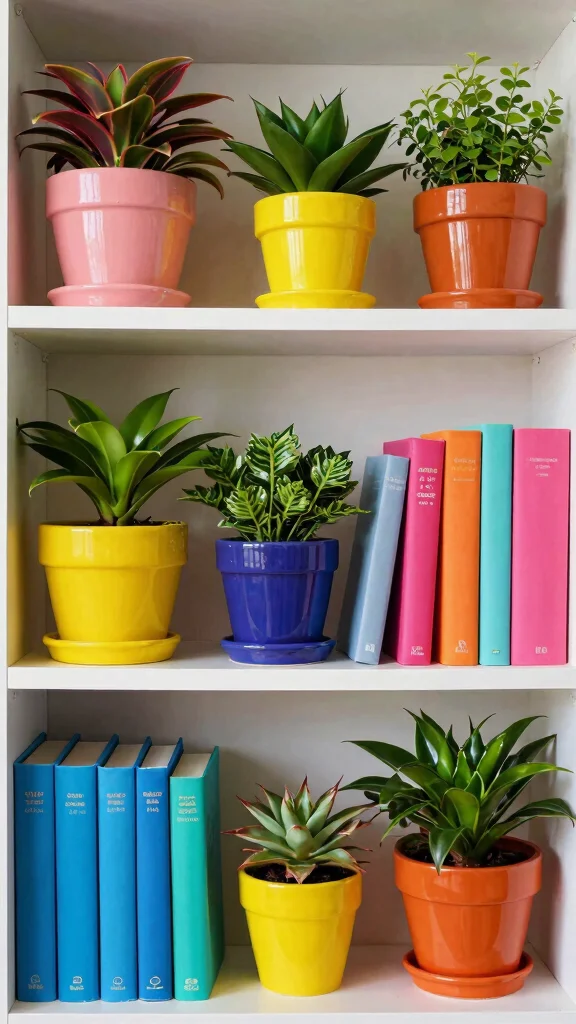
For those who thrive on vibrant decor, try coordinating your plant pots and books by color. This technique creates stunning visual appeal and ties your entire bookshelf together beautifully. Select pots that complement the colors of your favorite books or experiment with a gradient effect using plants.
By grouping books by color and matching them with corresponding pots, you can achieve a cohesive and striking appearance. Contrasting colors can highlight particular plants or books, making them pop against the background.
Here are some tips for color coordination:
– Group books by color and use corresponding pots to create a cohesive look.
– Use contrasting colors to highlight particular plants or books.
– Play with different shades and patterns for added interest.
This playful approach to styling not only enhances your bookshelf’s aesthetics but also reflects your personality and creativity.
You Might Also Like
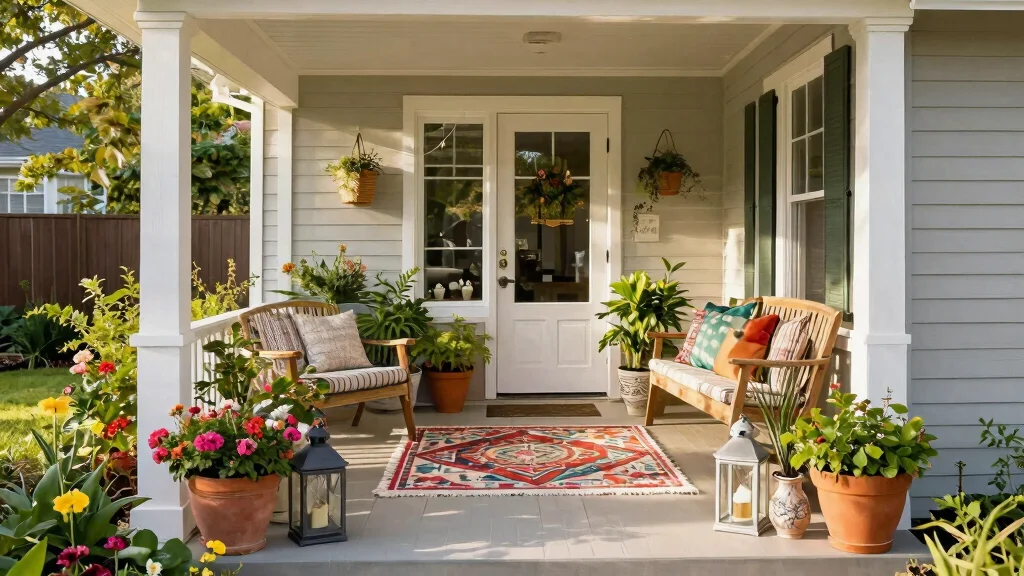
How To Choose Indoor Plants for Bookshelf Decorating
Choosing the right indoor plants for your bookshelf can enhance your home decor while bringing a breath of fresh air into your small space. Follow these steps to select the perfect plants that complement your bookshelf aesthetics and make a statement!
1. Consider Size
When selecting indoor plants, size matters. Think about the dimensions of your bookshelf. A small shelf may benefit from petite plants like succulents or small ferns, while larger shelves can accommodate bigger options like snake plants or pothos. You want plants that fit well without overwhelming the space. Measure your shelf’s height and depth to make sure you choose wisely!
2. Light Requirements
Different plants have unique light needs. Some thrive in bright, indirect sunlight, while others prefer low-light conditions. Assess the lighting in your space before making your selection. If your bookshelf is in a darker area, consider shade-loving plants like ZZ plants or peace lilies. For brighter spots, snake plants and jade plants will flourish. This will ensure your plants not only look good but also thrive.
3. Maintenance Level
Think about how much time you can dedicate to plant care. If you’re a busy person or a beginner, stick with low-maintenance plants like pothos or spider plants. They require less watering and can handle a bit of neglect. If you have more time, consider higher-maintenance plants that may need specific watering schedules or humidity levels. Choose plants that fit your lifestyle.
4. Aesthetic Appeal
Your plants should enhance your bookshelf decor. Look for colors and textures that match your existing decor style. If your bookshelf is filled with earthy tones, consider plants with deep green leaves or colorful variations like variegated pothos. For a modern touch, go for sleek, architectural plants like fiddle leaf figs or rubber plants. Selecting plants that resonate with your overall design will create a harmonious look.
5. Pot Style
The pots you choose can greatly influence the overall aesthetic. Consider using ceramic pots for a classic look, or go for modern metal or concrete pots for a chic vibe. Ensure the pot size matches the plant size, allowing enough room for growth. You can also mix and match pot styles to create an eclectic feel. Remember, the pot is part of the decor!
6. Seasonal Changes
Think about how your plant selection can evolve with the seasons. You can rotate plants based on seasonal themes. For example, during the holidays, you might want to add red or festive-themed plants like holiday cactus or poinsettias. This keeps your bookshelf looking fresh and engaging throughout the year, giving you a chance to show off your plant styling skills.
Pro Tip: Make a list of your favorite plants and research their care requirements before making a purchase. This way, you can ensure they will thrive in your specific space and lifestyle! 🌿
Color Coordination
Editor’s Choice
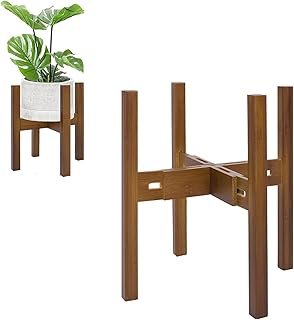
Rnined Adjustable Plant Stand Indoor,Bamboo Mid Century Modern Plants St…
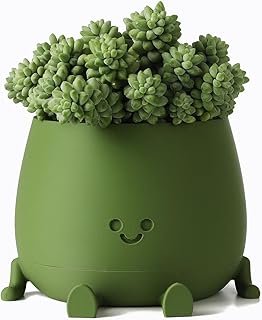
TOPOLA Happy Face Planter, 5.2 Inches Plastic Plant Pot, Self Watering P…
9. Personalized Touches
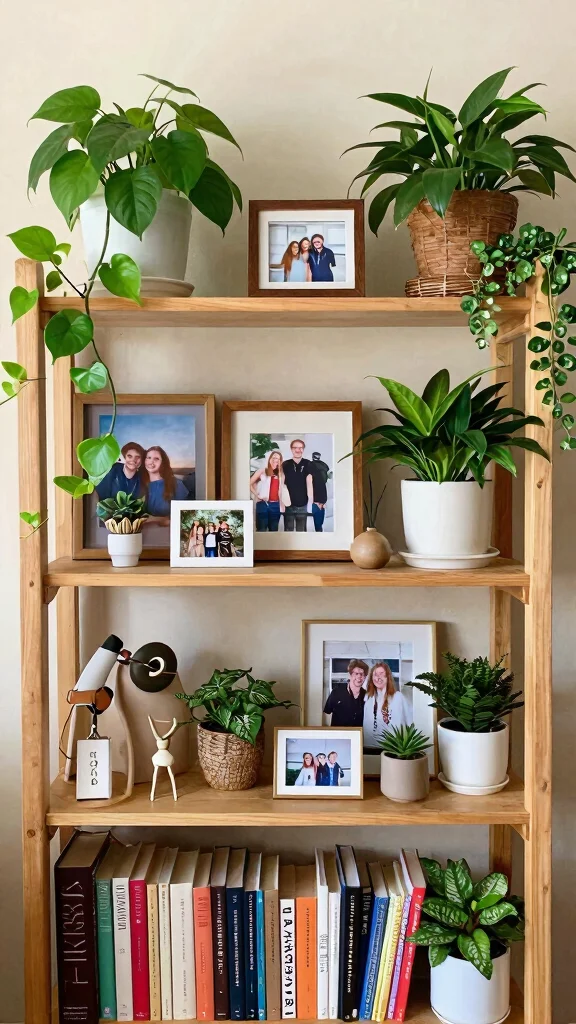
Adding personal touches to your bookshelf infuses it with character and soul. Incorporate family photos, travel souvenirs, or unique decor items that resonate with you, creating a display that reflects your story. These elements elevate both your plant and book arrangement, making it a true representation of your personal style.
To personalize your space, think about mixing in sentimental items or art pieces that inspire you. Create a small nook with a favorite plant and cherished keepsakes, or arrange books and plants around a meaningful quote that motivates you.
Here are some ways to personalize your bookshelf:
– Mix in sentimental items or art pieces that inspire you.
– Create a small nook with a favorite plant and personal keepsakes.
– Arrange books and plants around a meaningful quote or phrase.
Personalizing your space transforms your bookshelf from just a storage area to a reflection of who you are, making it even more special.
Personal touches turn a shelf into a story. Mix sentimental photos, travel keepsakes, and favorite plants into your bookshelf plant decorating ideas to reflect your life. A small, thoughtful arrangement inspires daily joy and practical, cozy vibes in tiny spaces.
Personalized Touches
Editor’s Choice

Small Heart Hands Sculpture Decor for Living Room Bedroom Bookshelf Coff…

4×6 Picture Frame Gold – Picture Frames for Wall Hanging And Tabletop D…
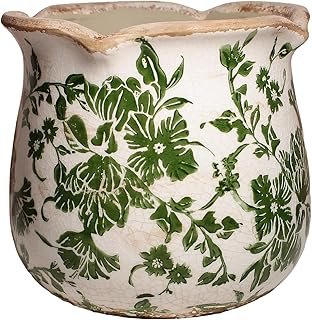
Xiaan Jiaju Tuscan Ceramic Plant Pots, 6.11 Inch Vintage Planters with D…
Conclusion
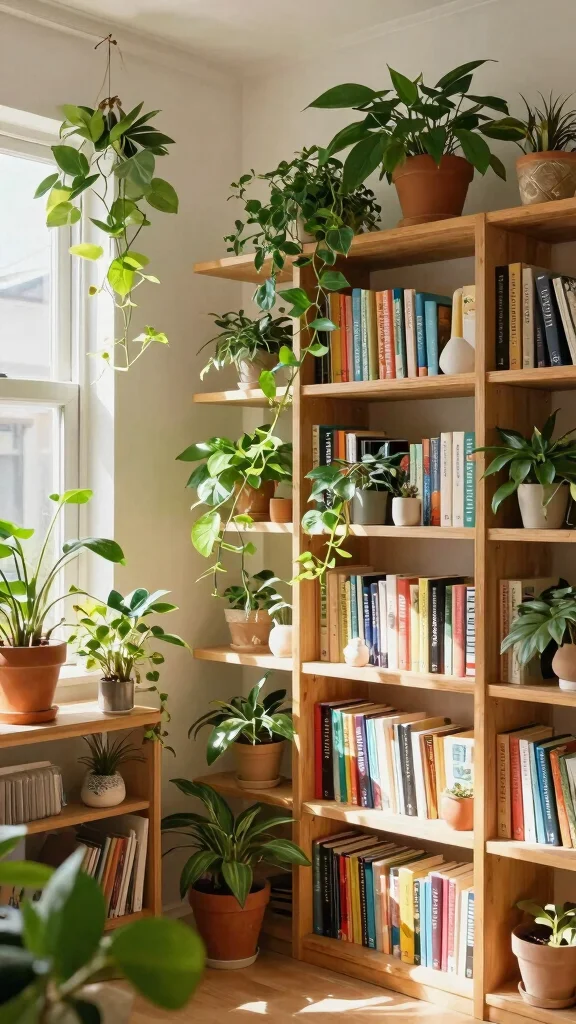
Incorporating plants into your bookshelf decor can transform your space into a vibrant oasis while making a striking aesthetic statement. From layering heights and seasonal swaps to using personalized touches, each idea invites creativity and a touch of nature into your home. Take these bookshelf plant decorating ideas and make them your own, reminding yourself that your unique style truly brings life to your indoor space.
Note: We aim to provide accurate product links, but some may occasionally expire or become unavailable. If this happens, please search directly on Amazon for the product or a suitable alternative.
This post contains Amazon affiliate links, meaning we may earn a small commission if you purchase through our links, at no extra cost to you.
Frequently Asked Questions
What are bookshelf plant decorating ideas to create an aesthetic on a small shelf?
Start with a cohesive color and texture palette that fits your home decor.
On a small shelf, mix indoor plants of different heights to build visual layers.
Place tall plants on one end, trailing varieties along the edge, and a few compact pots in between.
Use plant styling tricks like risers, decorative pots, and a few hardcover books to anchor greens.
Keep some breathing room to avoid clutter, and rotate plants with the seasons for continuous greenery ideas on your bookshelf aesthetics.
Which indoor plants are best for bookshelf styling in small spaces?
For shelves and corners, choose low-maintenance options with similar light needs: pothos, snake plant, ZZ plant, philodendron, peace lily, and string of pearls.
They tolerate indoor light and help achieve indoor plants looks while staying manageable on small spaces.
Use trailing varieties on upper shelves and compact plants on lower shelves, pairing with cohesive pots to enhance bookshelf aesthetics.
How can I balance books and plants on a bookshelf without making it look cluttered?
Here’s a practical approach: start with a few greens not too large and arrange in clusters of three.
Use varying heights with plant stands, keep air between items, and alternate plants with books to create rhythm.
Top shelves can have trailing plants to soften edges, while lower shelves offer solid greenery anchors.
This balance helps your shelf feel intentional and fits your bookshelf aesthetics and home decor.
What budget-friendly greenery ideas work well for bookshelf aesthetics?
Budget-friendly ideas start with repurposing what you already have and shopping smart.
Propagate cuttings from friends, use thrifted pots, and DIY planters to keep costs low.
Choose affordable indoor plants like pothos, spider plant, or small succulents and display them with cohesive home decor.
Rotate plants seasonally to refresh your greenery ideas without breaking the bank.
How do I care for plants placed on a bookshelf to keep them healthy?
Begin with a simple care plan based on light and water needs for each shelf.
Place sun-loving plants on bright shelves and shade-tolerant ones on dimmer spots, and use drainage trays to prevent spills.
Water only when the top inch of soil is dry, wipe leaves to keep dust down, and rotate plants every few weeks.
Repot when roots fill the pot and monitor humidity; healthy roots and foliage keep your indoor plants thriving and your greenery ideas alive on display.
Related Topics
bookshelf plant decor
indoor plants
small space styling
home aesthetics
minimalist decor
plant arrangement
greenery accents
easy care plants
DIY plant displays
apartment gardening
eco-friendly decor
trending houseplants