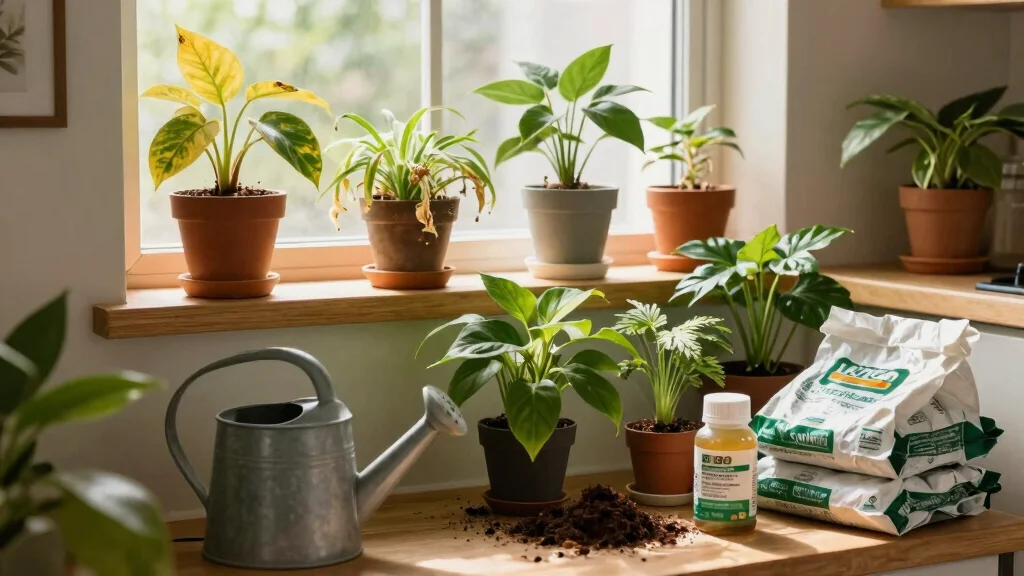
If you’re new to houseplants, you might feel overwhelmed. The joy of nurturing a plant can quickly turn into frustration when things don’t go as planned. That’s why I created this post! I want to share the common yet often misunderstood houseplant problems that can derail your gardening efforts. These issues can be confusing, and knowing how to tackle them will help you enjoy a flourishing indoor garden.
This guide is for anyone who loves indoor plants or is just getting started with houseplant care. If you’re someone who wants your plants to thrive but finds yourself puzzled by yellowing leaves or sudden leaf drop, you’ve come to the right place. You’ll find easy fixes for nine common houseplant issues, making your journey into indoor gardening much smoother. By the end of this post, you’ll not only understand what’s going wrong but also how to remedy these problems quickly and effectively.
You’ll gain valuable insights into plant health troubleshooting, practical houseplant care tips, and indoor gardening solutions that are simple yet powerful. These fixes are not just theoretical; they’re actionable steps you can take right away to nurture your plants back to health. Let’s dive in and turn those plant troubles into triumphs!
Key Takeaways
– Yellowing Leaves: This might indicate a nutrient deficiency. Check your soil and consider a balanced fertilizer to restore nutrients.
– Wilting: Determine if your plant needs more water or if it’s been overwatered. Adjust your watering routine accordingly.
– Brown Leaf Tips: These can result from dry air or over-fertilization. Use a humidifier or reduce fertilizer to see improvements.
– Leggy Growth: If your plant is stretching, it likely needs more light. Move it closer to a light source for better growth.
– Pest Infestation: Keep an eye out for common pests. Regular inspection and treatment can prevent infestations from worsening.
Recommended Products

Designed for Indoor Houseplants Our indoor plant food is formulated to provide the balanced nutrition houseplants need to thrive indoors.

Made for Fiddle Leaf Fig Plants – Specially formulated fiddle leaf fig fertilizer designed for ficus trees and indoor plant care.

Made for Nitrogen Support – Formulated to supply nitrogen for essential plant nutrition.
1. Yellowing Leaves: Nutrient Deficiency?
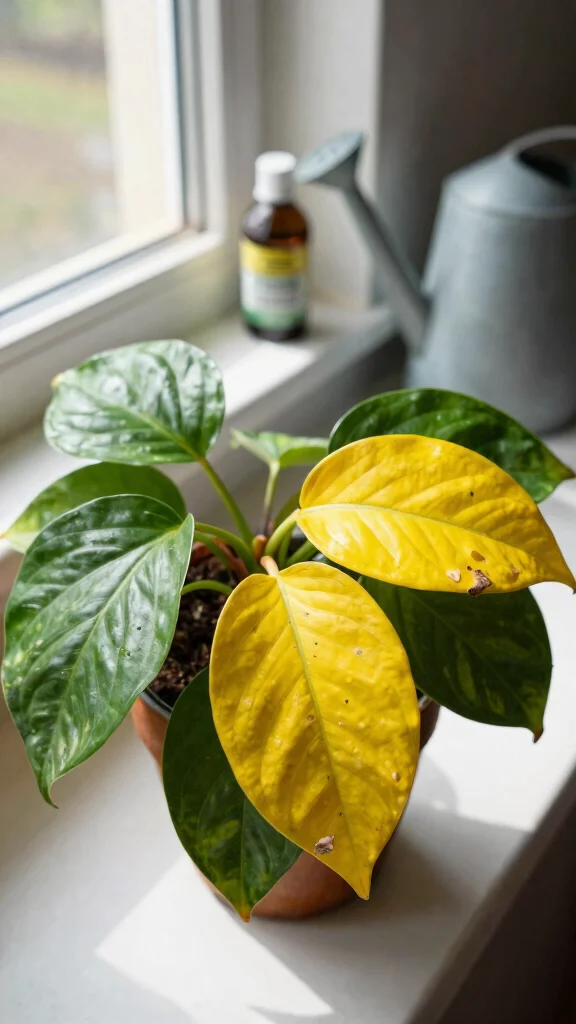
Have you noticed your once-vibrant plant leaves fading to yellow? This common issue often signals a nutrient deficiency, which can be easily addressed. Your plant might be longing for key nutrients like nitrogen, iron, or magnesium to thrive once again.
To remedy this, apply a balanced fertilizer during the growing season. Look for options that are rich in essential nutrients. Also, ensure your pot has proper drainage since overwatering can contribute to yellowing leaves. It’s crucial to give your plants the right moisture balance to keep them healthy.
Tips to Remember:
– Fertilize during the growing season (spring & summer).
– Consider a soil test to check nutrient levels.
– Monitor water levels to avoid soggy soil!
This straightforward approach can rejuvenate your plants, restoring their lush green appearance quickly.
Fun fact: yellowing leaves often mean nutrient deficiency, and nitrogen fixes it fastest. In many houseplants, a balanced, water-soluble fertilizer shows results within 7-14 days. Couple this with proper light and soil aeration to keep greens vibrant.
Recommended Products


📹 Related Video: Identify the Leaf Yellowing Pattern & Treat Nutrient Deficiency with the Best Fertilizer
Yellowing Leaves: Nutrient Deficiency?
Editor’s Choice
GARDIFE Plant Pots 7/6.5/6/5.5/5 Inch Self Watering Planters with Draina…

Indoor Plant Food – Liquid Fertilizer for Houseplants, New Growth, Gre…
2. Wilting: Too Much or Too Little Water?
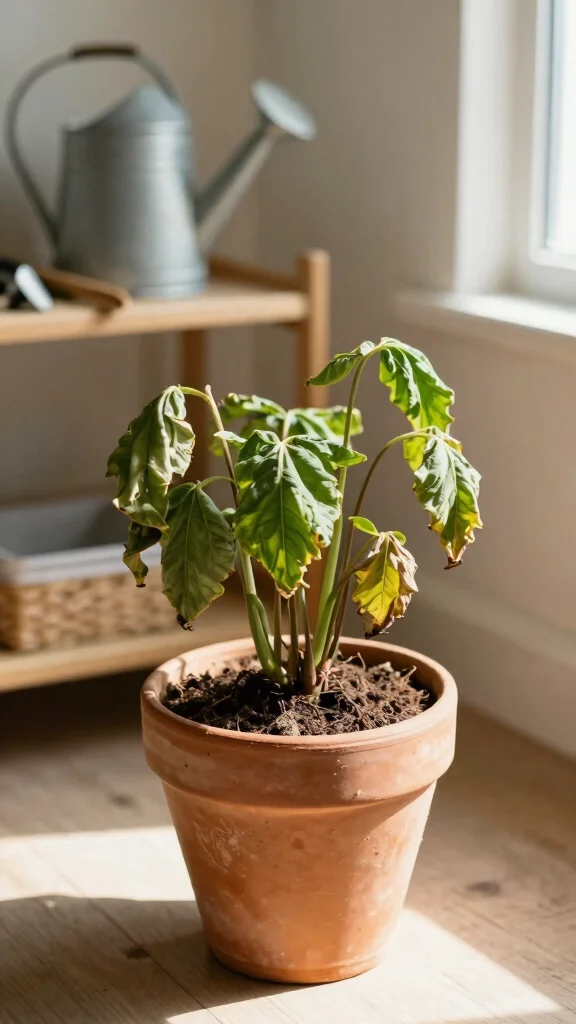
Seeing your once-healthy plant droop can be disheartening. Wilting is a clear indication that your plant needs attention. The main reasons for this distress are either overwatering or underwatering.
Start by examining the soil’s moisture level. If it feels soggy, reduce your watering frequency. Allow the soil to dry out before watering again. Conversely, if the soil is dry and crumbly, your plant may need a thorough soaking. A good tip is to check the top inch of soil; if it’s dry, it’s time to water.
Handy Wilting Tips:
– Assess the moisture level before watering.
– Ensure your pot has good drainage.
– Adjust your watering schedule seasonally.
With these simple tweaks, your plant will perk up and regain its vitality in no time!
Fun fact: 60% of wilting plants are signaling overwatering or underwatering, not disease. Check the top inch of soil, then adjust watering—this misunderstood houseplant problems easy fix can save your plant in minutes.
Recommended Products

FULL SPECTRUM & NATURAL LIGHT: A19 full spectrum grow light appears 4000K white to eyes but has a red/blue light spectrum. Same as natural sun shine, perfect for tomatoes, cucumbers, peppers, leafy greens and herbs at all growth stages.
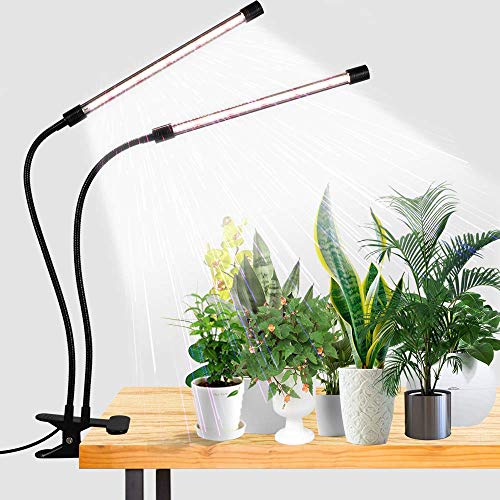
6000K White Light - equipped with 10 Red + 74 White LEDs, this growing Lamp is similar to the full-spectrum sunlight at noon,that is professionally designed for indoor garden plants.Moreover, its color rendering index is as high as 95, the light is soft and flicker-free, which is very suitable for reading lamp

NOTE: The product stand needs to be pressed down by the flower pot to be stable. Not wireless style. 2 Installation Methods: Specially designed plant light for indoor plants, which can be inserted in the soil or stand for lighting.Unique and easy to assemble and disassemble.
Wilting: Too Much or Too Little Water?
Editor’s Choice
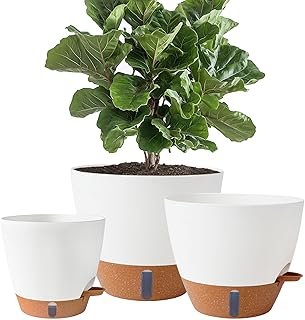
8/10/12 Inch Self Watering Pots for Indoor/Outdoor Plants – Large Plasti…
Watering Can Indoor, Small Watering Cans for House Plants, Succulents an…
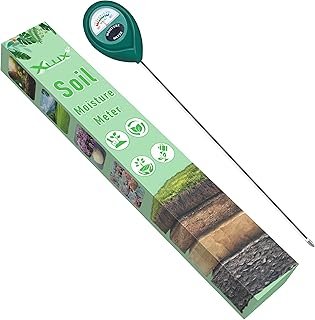
XLUX Long Probe Deep Use Soil Moisture Meter, Water Monitor Indicator Se…
3. Brown Leaf Tips: Dry Air or Over-Fertilization?
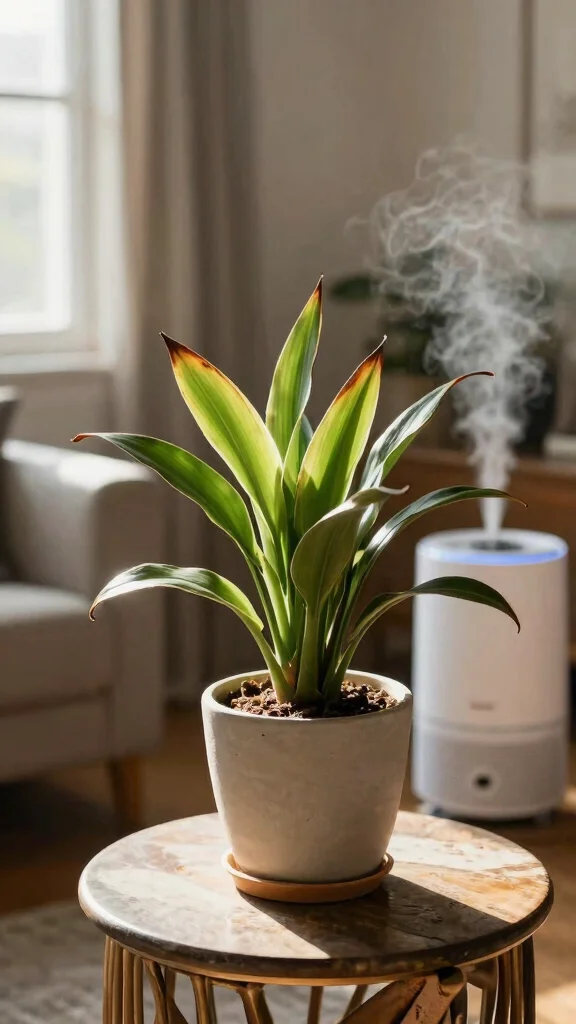
Finding brown tips on your plant’s leaves is a cry for help! This condition usually stems from either dry air or too much fertilizer. Many plants, especially tropical varieties, thrive in a humid environment, and dry air can leave them gasping for moisture.
To fix this, consider using a humidifier or placing a pebble tray filled with water under your plants to enhance humidity. If you suspect over-fertilization, rinse the soil with water to eliminate excess nutrients. Be mindful of how much fertilizer you apply in the future.
Easy Fixes Include:
– Increase humidity with a humidifier.
– Check fertilizer application frequency.
– Refresh the soil to restore balance.
With these adjustments, your plants will bounce back and show off healthy, vibrant leaves.
Brown leaf tips aren’t a mystery—this misunderstood houseplant problems easy fix is usually about correcting dry air or over-fertilization. Boost humidity with a humidifier or pebble tray, then rinse the soil to clear excess nutrients. Your tropical plants will rebound once the air and feeding are on track.
Recommended Products

REVITALIZE INDOOR PLANTS - Formulated to combat root rot and revive ailing indoor plants, including fiddle leaf figs, pothos, and philodendrons.

Feed your tropical plants with Miracle-Gro Tropical Houseplant Food to promote lush foliage
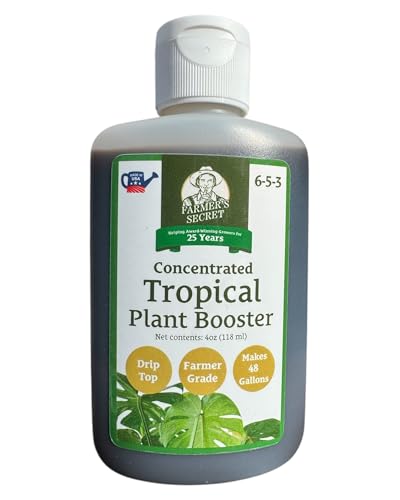
Super, super concentrated - A little goes a LONG way… one bottle will produce 48 gallons of plant food
Brown Leaf Tips: Dry Air or Over-Fertilization?
Editor’s Choice
6 Pack 6 inch Plant Saucer Tray, 4 6 8 10 12 15 17 19 inch Plant Saucers…
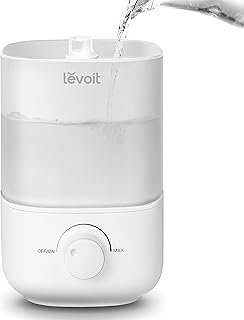
LEVOIT Top Fill Humidifiers for Bedroom, 2.5L Tank for Large Room, Easy …
4. Leggy Growth: Not Enough Light?
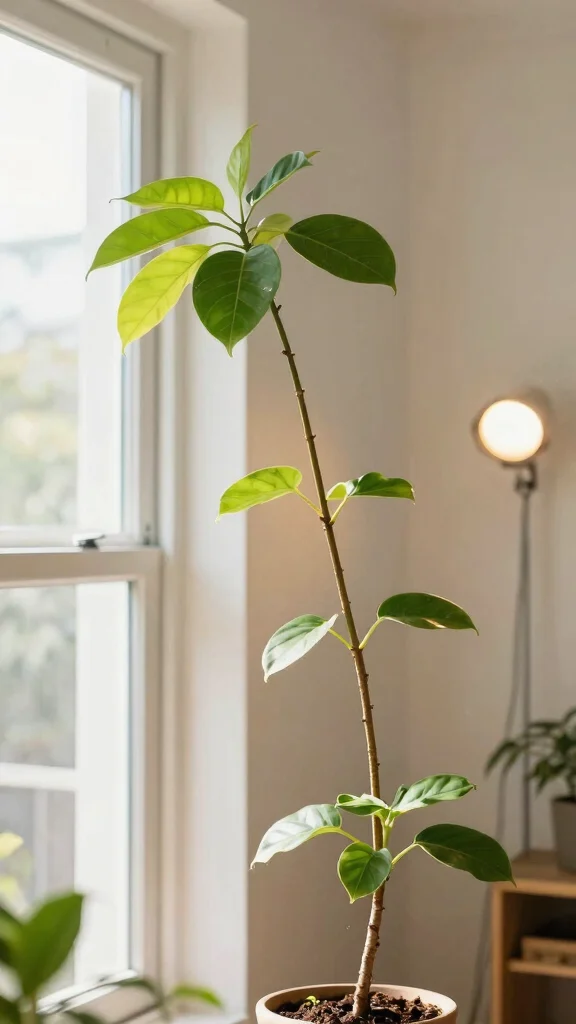
Are your plants growing long, spindly stems that look awkward? This leggy growth typically means your plant isn’t getting enough light. Plants naturally stretch toward light sources, and insufficient sunlight can lead to this undesirable growth.
Try moving your plant to a brighter spot where it can soak up more sunlight. Consider rotating the pot weekly to promote even growth. If natural light is limited, using grow lights can effectively supplement your plant’s lighting needs.
Tips for Thriving Plants:
– Assess your plant’s light requirements.
– Move to brighter locations or utilize grow lights.
– Rotate your plants regularly for even growth.
With just a little adjustment, those leggy plants can thrive and regain their fullness!
Recommended Products
Ongoing Maintenance & Care Guide
Maintenance Schedule:
Daily/Weekly Tasks:
– Check Soil Moisture: Stick your finger about an inch into the soil. If it feels dry, it’s time to water. ⏱ (2-5 minutes)
– Dust Leaves: Wipe down leaves with a damp cloth to keep them clean and help with photosynthesis. ⏱ (5-10 minutes)
– Rotate Plants: Turn your plants every week to ensure even light exposure. ⏱ (2-3 minutes)
Monthly/Seasonal Tasks:
– Watering Schedule: Adjust based on the season; most houseplants need less water in winter. Set reminders. ⏱ (10 minutes)
– Fertilize: Use a balanced fertilizer every month during the growing season (spring and summer). Follow package instructions for dosage. ⏱ (5-10 minutes)
– Inspect for Pests: Check for any signs of pests like spider mites or aphids and treat them immediately if found. ⏱ (10 minutes)
– Repot if Necessary: If the roots start coming out of the pot, it’s time to repot into a larger container. ⏱ (30 minutes)
– Prune Dead Leaves: Trim off any dead or yellowing leaves. This helps the plant focus its energy on healthy growth. ⏱ (10-15 minutes)
Maintenance Summary Table:
| Task | Frequency | Difficulty | Time Needed |
|—————————|—————-|————-|—————|
| Check Soil Moisture | Daily/Weekly | Easy | 2-5 minutes |
| Dust Leaves | Weekly | Easy | 5-10 minutes |
| Rotate Plants | Weekly | Easy | 2-3 minutes |
| Watering Schedule | Monthly | Medium | 10 minutes |
| Fertilize | Monthly | Medium | 5-10 minutes |
| Inspect for Pests | Monthly | Medium | 10 minutes |
| Repot if Necessary | Seasonal | Hard | 30 minutes |
| Prune Dead Leaves | Monthly | Easy | 10-15 minutes |
Common Issues to Watch For:
⚠️ Yellowing Leaves: If you see yellow leaves, check for overwatering or nutrient deficiency. This could mean it’s time to adjust your watering habits or fertilize.
⚠️ Wilting Leaves: Wilting could mean your plant is thirsty or overwatered. Stick your finger in the soil; if it’s bone dry or soggy, you need to adjust your watering.
⚠️ Brown Leaf Tips: This often indicates dry air or too much fertilizer. If leaf tips turn brown, consider increasing humidity or reducing fertilizer use.
⚠️ Sticky Residue on Leaves: This could mean pest problems. Check for pests like aphids or mealybugs. If found, treat immediately to avoid further damage.
⚠️ Dropping Leaves: If leaves are falling off, it could be a sign of stress from changes in light or temperature. Monitor the environment and adjust as needed.
Care Tips:
💡 Group Plants: Keep plants close together to increase humidity levels. This is especially useful for tropical plants that thrive in humid conditions.
💡 Know Your Plant: Research specific needs for each type of plant. Different plants have different light and water requirements.
💡 Use Quality Potting Mix: Choosing a good potting mix can prevent drainage issues. Look for mixes designed for your specific houseplants.
💡 Avoid Over-Fertilization: Too much fertilizer can harm plants. Stick to recommended amounts and follow a regular feeding schedule.
💡 Watch Temperature Changes: Keep plants away from drafts and heating vents. Sudden temperature changes can stress plants and lead to problems.
By following this ongoing maintenance and care guide, you’ll be well on your way to keeping your houseplants healthy and thriving! Regular attention to your plants can make all the difference in their growth and vitality.
Recommended Products
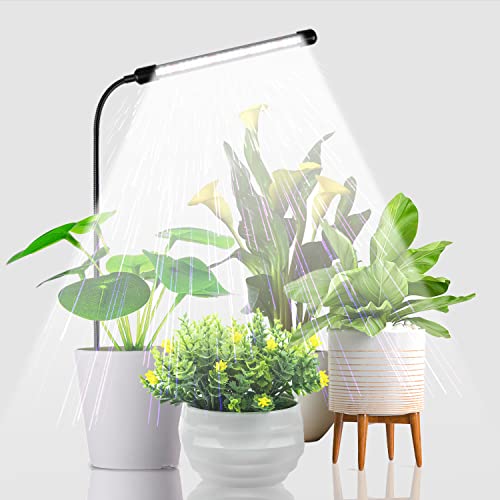
6000K Sunlight Full Spectrum - With 40pcs White & 8pcs Red LED, just like natural daylight, professionally designed for flowers, herbs, peppermint, succulents, seed starting, or any type of locations (hanging, trellis, floor, potted, bonsai plants).
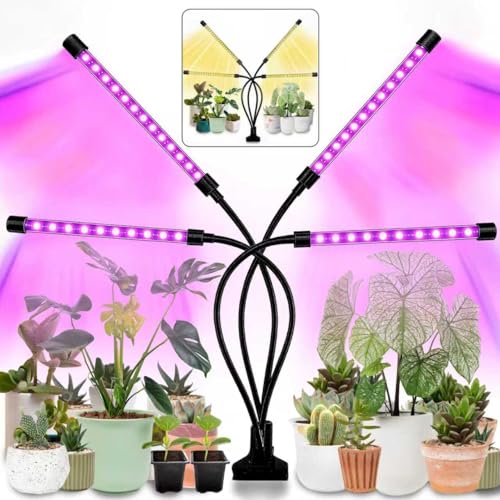
🌻Efficient LED Combination: This LED lamp has grow lights made up of 80 efficient growing LEDs ( 32 red lights, 12 blue lights,20 yellow lights and 16 white lights). It meets the conditions of plant growth without sunlight. 1--Full Spectrum(380nm-800nm): Suitable for all plants to root and sprout. 2--Red(660nm)+BLUE(460nm) Spectrum: for blooming and fruits. 3--Red+Blue+Full Spectrum: A mix of Red+Blue+Warm White is best to fuel the growth of your plants.
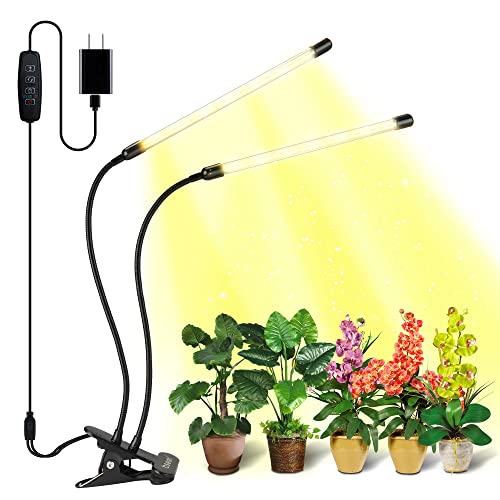
Full Spectrum LED with Yellow and White Combination: Bseah led grow light can promote photosynthesis, germination, growth, flowering and fruiting of plants.
Leggy Growth: Not Enough Light?
Editor’s Choice
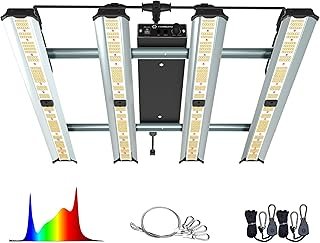
FARMLITE LED Grow Lights for Indoor Plants Full Spectrum Growing Light B…
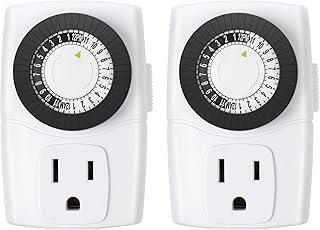
BN-LINK BND-60/U47 Indoor Mini 24-Hour Mechanical Outlet Timer, 3-Prong,…
5. Pest Infestation: A Common Concern
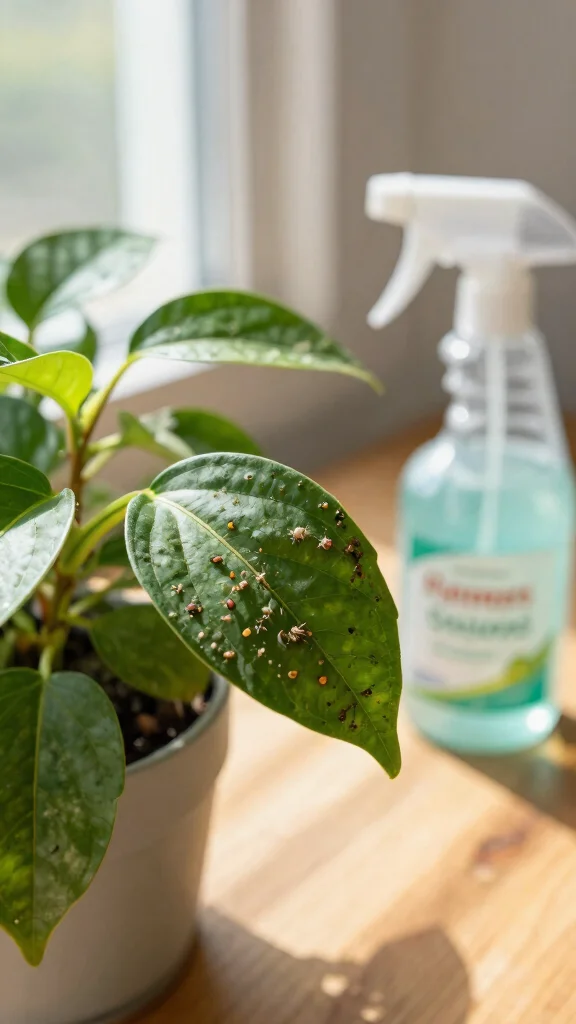
Discovering pests on your plants can be alarming and frustrating! Common culprits like aphids, spider mites, and mealybugs can cause serious damage if not managed properly. Fortunately, tackling this problem is manageable!
Inspect your plants regularly for signs of pests. If you find any, apply insecticidal soap or neem oil for a gentle yet effective treatment. For minor infestations, a strong water spray can dislodge these pests without harming your plant.
Pest Control Strategies:
– Inspect your plants weekly for any signs of pests.
– Use natural insecticidal soap or neem oil treatments.
– Spray with water to remove minor infestations easily.
With these strategies, you can protect your plants from unwanted pests and keep them flourishing.
Recommended Products

Versatile Use for Indoor & Outdoor Plants: These plant watering stakes are perfect for houseplants, hanging baskets, patio containers, and garden beds. They provide slow-release drip irrigation that keeps roots hydrated without waste or run off.

Custom Layout with Adapters: Shorten lines for a neater, more compact setup or extend them longer as you like, the flexibility to modify or repair lines in seconds.
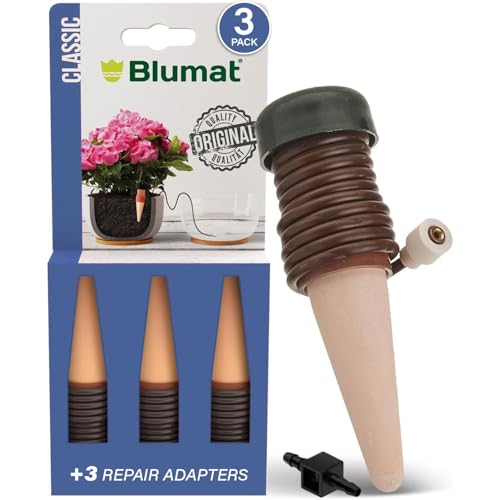
Custom Layout with Adapters: Shorten lines for a neater, more compact setup or extend them longer as you like, the flexibility to modify or repair lines in seconds.
You might also like
Pest Infestation: A Common Concern
Editor’s Choice
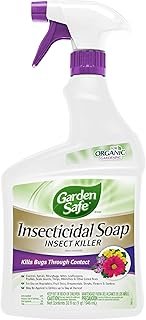
Garden Safe Brand Insecticidal Soap Insect Killer, 32 Fluid Ounces, For …
ZEP Professional Sprayer Bottle – 32 oz (Pack of 3) – HDPRO1 – Versatile…
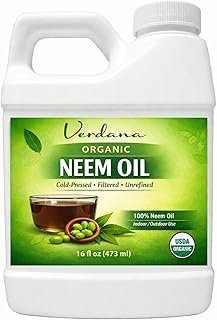
Verdana Organic Neem Oil – Cold Pressed, 100% Pure Neem Seed Oil, Conc…
6. Dropping Leaves: Stress Signals
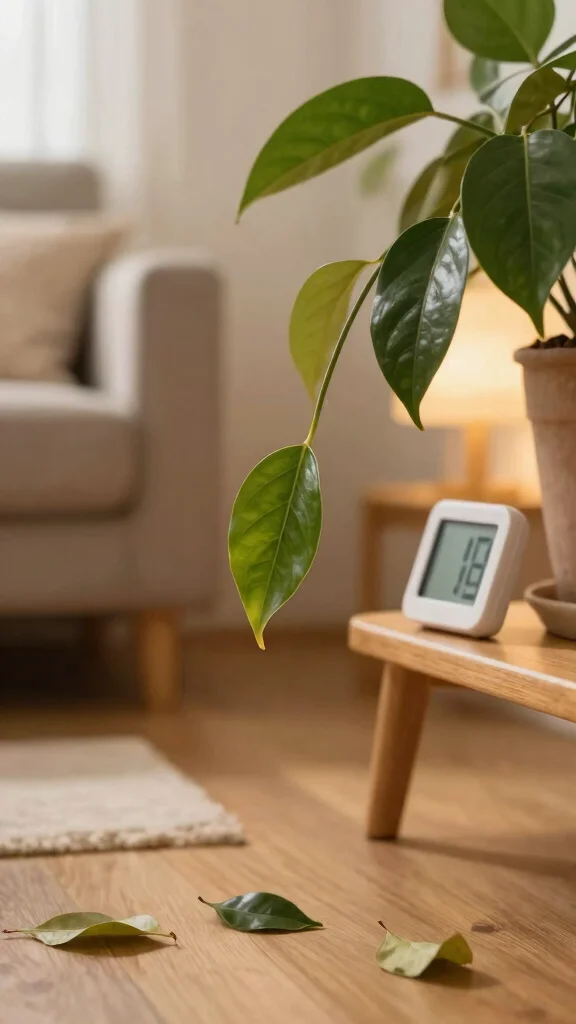
When your plant’s leaves start to fall, it can feel distressing! However, this often signals that your plant is under stress. Common stressors include sudden temperature changes, overwatering, or nutrient deficiencies.
Take a moment to assess any recent changes in your plant’s environment. Perhaps it was moved to a drafty area or placed too close to an AC vent. If overwatering is the issue, let the soil dry out before watering again. Observing your plant’s habits closely will help you respond effectively to its needs.
Helpful Tips:
– Assess environmental changes before dropping leaves occur.
– Allow the soil to dry out before watering again.
– Monitor temperature and humidity levels regularly.
With careful attention, you can help your plant adjust and flourish once more.
Recommended Products

Custom Layout with Adapters: Shorten lines for a neater, more compact setup or extend them longer as you like, the flexibility to modify or repair lines in seconds.

Watering method: Automated watering for plants

LIFE SUPPORT FOR YOUR HOUSE PLANT: Forget asking a friend or neighbour to water your most precious indoor plant whilst you're on holiday - this Plant Life Support will sustain your house plants with no stress!
Dropping Leaves: Stress Signals
Editor’s Choice
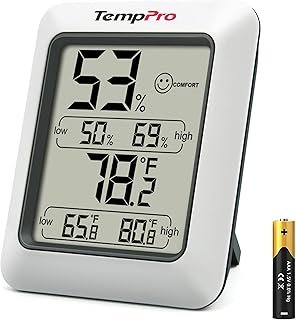
TempPro TP50 Digital Hygrometer Indoor Thermometer Room Thermometer and …
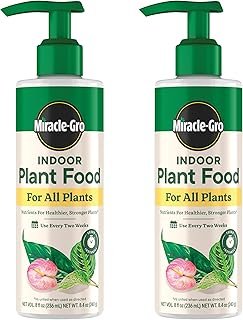
Miracle-Gro Indoor Plant Food for All Plants, Liquid Plant Food for Hous…

XLUX Soil Moisture Meter (Since 2015) – Durable 304 Stainless Steel Prob…
7. Root Bound: Time to Repot
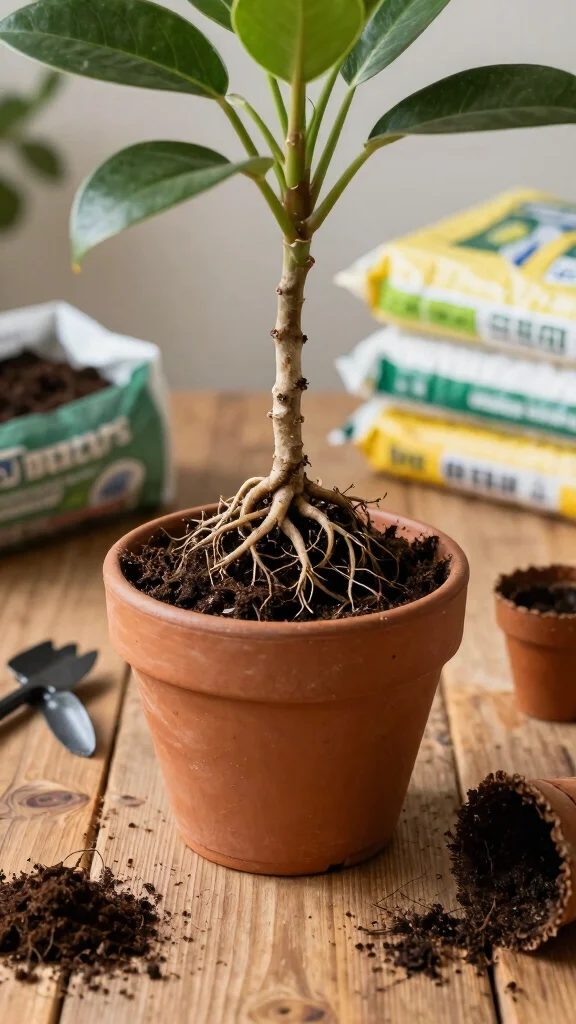
If your plant seems stunted or struggling, it might be time for a repotting! When roots start circling the bottom of the pot, they can become cramped and deprived of nutrients and water, leading to poor growth.
Repotting your plant into a slightly larger pot can make a significant difference. Gently remove the plant from its old pot, loosen the roots, and place it in fresh potting soil. Choosing a pot that’s only a couple of inches larger will provide the necessary space without overwhelming the roots.
Repotting Tips:
– Choose a pot that’s 1-2 inches larger in diameter.
– Loosen and prune the roots if they’re too tightly wound.
– Use fresh potting soil to provide nutrients.
This change will set your plant on a path to recovery and growth.
Root Bound: Time to Repot
Editor’s Choice
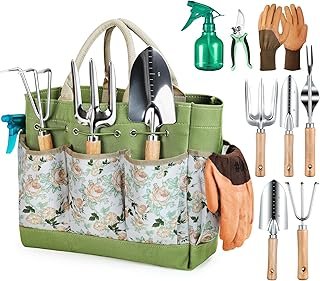
Grenebo Gardening Tools 9-Piece Heavy Duty Garden Hand Tools with Fashio…
8. Leaf Drop Due to Cold Temperatures

If your plants are dropping leaves, the temperature may be at fault! Many plants are sensitive to cold drafts and sudden temperature shifts.
To prevent this, keep your plants away from windows that open in winter or areas near AC vents. Ensure indoor temperatures remain consistent, ideally between 65°F and 75°F. If you notice leaf drop, check the surrounding environment and make necessary adjustments. This small change can greatly enhance your plants’ health and vitality.
Temperature Tips:
– Keep plants away from cold drafts or rapid temperature changes.
– Maintain a stable indoor temperature.
– Monitor the condition regularly, especially in winter.
Your plants will thrive in a cozy environment, showing their appreciation with healthy leaves!
Leaf Drop Due to Cold Temperatures
Editor’s Choice
TempPro TP50 Digital Hygrometer Indoor Thermometer Room Thermometer and …
BN-LINK Durable Seedling Heat Mat for Seed Starting 10″ x 20.75″, 2 Pack…
MAXTID Under Door Draft Stopper for Bottom of Doors 38″ Black Door Block…
9. Fungal Issues: Proper Airflow is Key
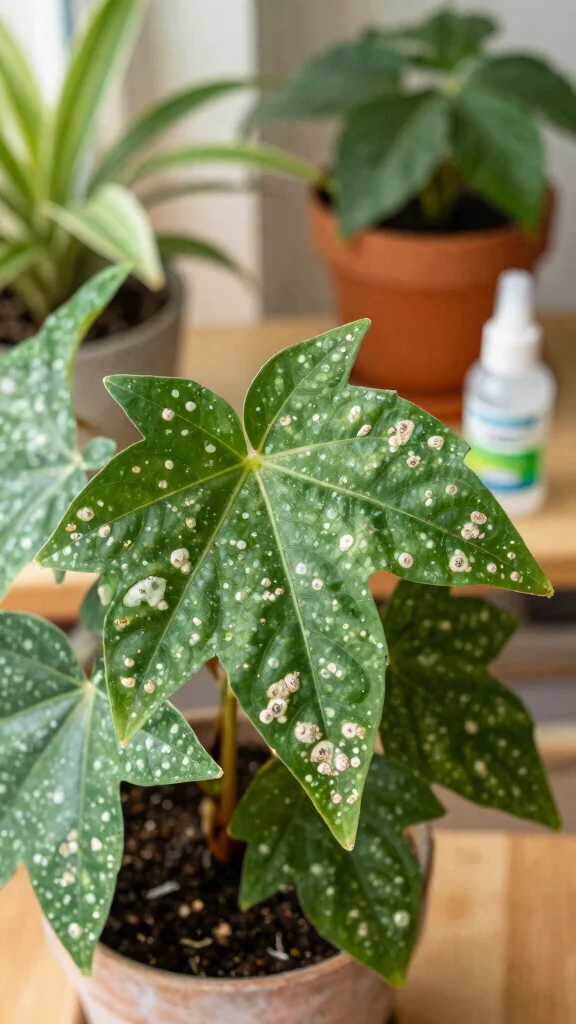
Fungal problems can arise when your plants are too crowded or lack proper airflow. This can lead to unsightly spots and decay. Ensuring sufficient space between your plants allows for better air circulation and reduces the risk of fungal infections.
To prevent this, trim back dense foliage and reposition plants to avoid crowding. If you notice fungal issues, treat them with a diluted fungicide or organic solution. Always ensure your pots have good drainage to avoid moisture buildup.
Fungal Prevention Tips:
– Ensure your plants are spaced for airflow.
– Trim dense foliage regularly.
– Use fungicides or organic treatments as needed.
With these preventive measures, your plants can remain healthy and free from fungal disturbances.
Fungal Issues: Proper Airflow is Key
Editor’s Choice
VIVOSUN 6.5 Inch Gardening Scissors Hand Pruner Pruning Shear with Strai…
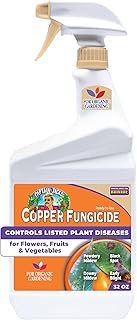
Bonide Captain Jack’s Copper Fungicide, 32 oz Ready-to-Use Spray for Org…
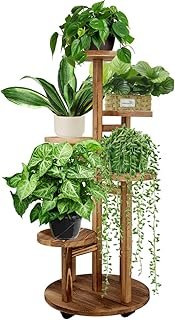
GEEBOBO 5 Tiered Tall Plant Stand for Indoor, Wood Plant Shelf Corner Di…
Conclusion: Thriving Plants, Happy Home
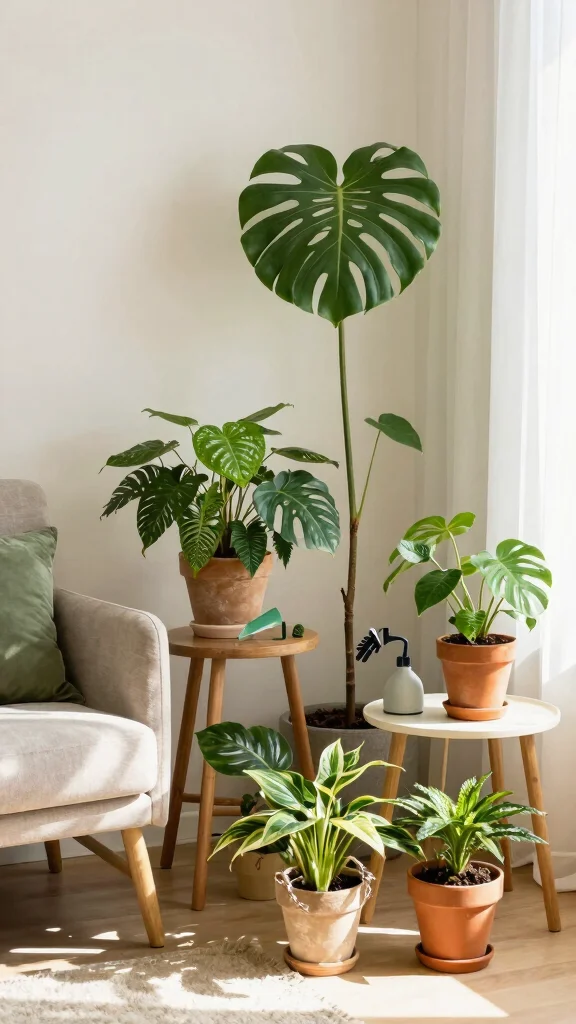
Taking care of houseplants should be a joyful experience, not a stressor. Understanding these common houseplant problems and their easy fixes can make you feel empowered and confident in your gardening journey. With just a little attention and the right solutions, you can create a thriving indoor garden that not only beautifies your home but also enhances your mood.
Embrace the joys of indoor gardening, and remember, every plant encounter is a chance to learn. Happy planting!
Note: We aim to provide accurate product links, but some may occasionally expire or become unavailable. If this happens, please search directly on Amazon for the product or a suitable alternative.
This post contains Amazon affiliate links, meaning we may earn a small commission if you purchase through our links, at no extra cost to you.
Frequently Asked Questions
What are the most misunderstanding houseplant problems and what’s the easy fix?
Many beginners misread symptoms like yellowing leaves, brown tips, or drooping stems. The misunderstood houseplant problems easy fix is to go back to basics: check drainage, correct watering, ensure the right light, and keep leaves clean for better photosynthesis.
Practical steps:
• Check soil moisture with your finger; if the top inch is wet, wait to water; if dry, water deeply until water drains.
• Inspect roots (carefully, if possible); trim dead roots and repot in fresh, well-draining soil if the plant is root-bound.
• Move to a spot with the plant’s preferred light (bright indirect light works for many common houseplants).
• Wipe leaves to remove dust and check for pests as part of plant health troubleshooting.
• If humidity is low, use a simple indoor gardening solution like a humidity tray or grouping plants for natural humidity.
This simple framework makes the easy plant maintenance and plant health troubleshooting part of daily care.
How can I quickly tell if my indoor plant issue is watering-related vs light-related, and what’s the quick fix?
Watering-related signs include soggy soil, yellow leaves, and soft, mushy stems; underwatering shows dry, crusty soil and brown, crispy tips. The fix? adjust the watering schedule, improve drainage, and water deeply when the top inch is dry.
Light-related clues are pale, stretched (leggy) growth or leaves that look washed out. If light is the issue, gradually move the plant to a brighter spot or supplement with a grow light. Rotate plants every couple of weeks to promote even growth and reduce etiolation.
Follow these steps as part of your houseplant care tips and common houseplant issues troubleshooting.
What are simple houseplant care tips to prevent common issues and keep easy maintenance manageable?
Adopt a simple routine: water by the plant’s needs (not a fixed day), dust leaves weekly, and check for pests monthly. Ensure you use a well-draining soil blend and a pot with drainage holes, and avoid fertilizer burn by following label guidance.
Other pro tips: use a humidity tray or group plants to boost ambient humidity, wipe leaves to improve photosynthesis, and rotate plants for balanced growth. This approach covers indoor gardening solutions and easy plant maintenance while tackling common houseplant issues head-on.
What should I do if my plant is drooping but the soil isn’t obviously dry or soggy?
Drooping with ‘normal’ soil can mean a few things: it might be root-bound, root rot unseen, a temperature/draft issue, or low humidity. Start with a gentle root check: lift the plant, inspect roots, and repot in a slightly larger pot with fresh, well-draining soil if roots are crowded. Also evaluate temperature, air current, and inconsistent watering.
Quick fixes include giving stable conditions, cleaning leaves, and raising humidity with a tray of water or clustering plants. This is a great moment for plant health troubleshooting and easy plant maintenance.
How can I build a simple, repeatable indoor gardening routine to avoid misunderstood problems and keep plants healthy?
Create a weekly check: inspect leaves for spots or pests, dust leaves, and verify soil moisture.
A monthly routine can include pruning, rotating, and a light fertilizer if needed.
Seasonally, adjust lighting and repot when needed. Keeping a simple care log helps you spot trends and prevents common mistakes, turning misunderstood houseplant problems into easy plant maintenance with practical indoor gardening solutions.
Recommended Products

An Organic Neem Oil Spray for Plants with a Powerful Essential Oil Blend (cedarwood, lemon, clove, cinnamon, eucalyptus, and rosemary) for healthier plants every time you spray. Big Leaf Energy is a multi-purpose spray for healthier, more resilient leaves and soils—and it smells amazing.


Protect your oasis with Captain Jack’s Neem Max Ready-to-Use Spray; this multipurpose product acts as a 4-in-1 insecticide, fungicide, miticide and nematicide
Related Topics
houseplant care
indoor gardening
plant health
easy fixes
common issues
beginner-friendly
plant troubleshooting
quick solutions
easy maintenance
indoor plants
gardening tips
houseplant problems