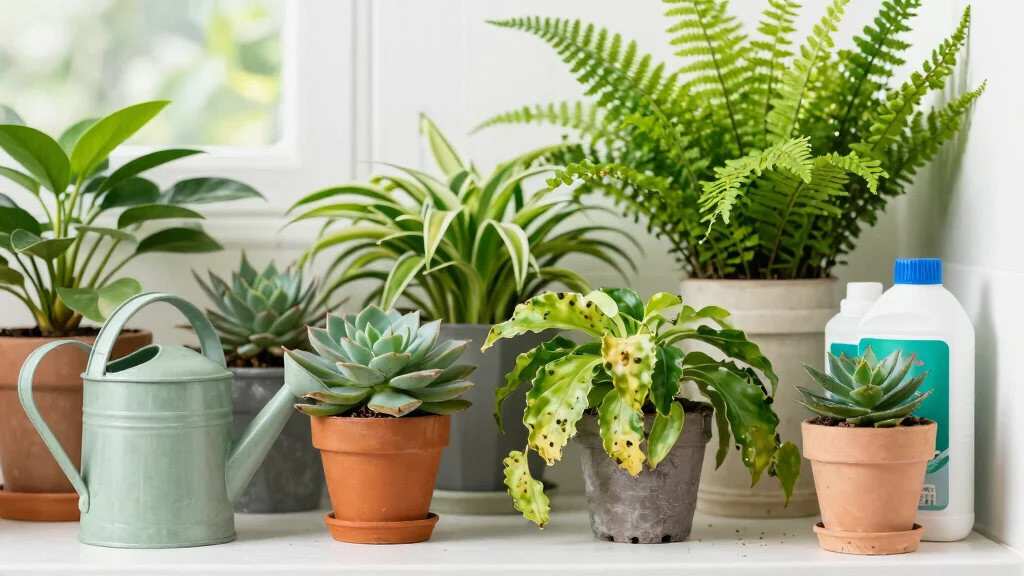
Taking care of houseplants can be both rewarding and frustrating. Sometimes, your plants may not look as healthy as you hoped despite your best efforts. Maybe you’ve noticed some ugly yellow leaves or wilting stems. Don’t worry; you’re not alone. Many indoor plant lovers face similar challenges, and that’s why I created this visual guide. It’s packed with common houseplant problems and their fixes. Whether you’re a beginner or a seasoned plant parent, this guide will help you troubleshoot issues effectively.
If you’re someone who loves nurturing greenery in your home, this post is tailored just for you. You care deeply about your plants and want them to thrive in your living space. From succulents to ferns, every plant deserves attention and proper care. In this article, you’ll discover a visual guide with solutions for seven common issues that can plague houseplants. By the end, you’ll feel more confident in identifying plant problems and knowing exactly how to fix them.
You’ll get practical tips that are easy to understand and implement. From yellowing leaves to pesky pests, each section will break down the issue clearly. You’ll learn how to recognize problems quickly and get your plants back on track. Let’s dive in and make your indoor garden flourish!
Key Takeaways
– You can easily identify yellowing leaves as a sign of overwatering or nutrient deficiency.
– Wilting plants often indicate either too much or too little water; checking the soil moisture levels can help you gauge the right balance.
– Pest problems like aphids or spider mites can be tackled with both home remedies and commercial solutions, keeping your plants safe and healthy.
– Leaf drop can be a sign of stress from environmental changes, so ensuring stable conditions is key to plant happiness.
– Stunted growth can stem from poor lighting or inadequate pot size, which you can fix by repositioning your plants or repotting them when necessary.
Recommended Products
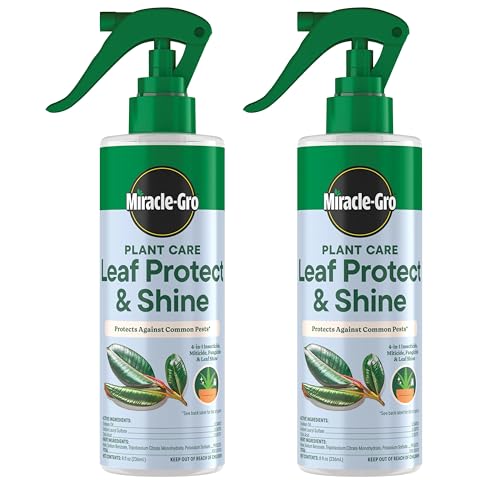
Multi-purpose plant spray: Miracle-Gro Plant Care Leaf Protect & Shine helps plants in four ways by protecting against mites, insects, and disease while also beautifying plants

INSTANT LEAF REVITALIZER: This plant care solution works as a powerful foliar spray for plants, lifting dust and dirt from leaves to reveal glossy, healthy foliage, keeping plants vibrant and fresh.

1. Yellowing Leaves
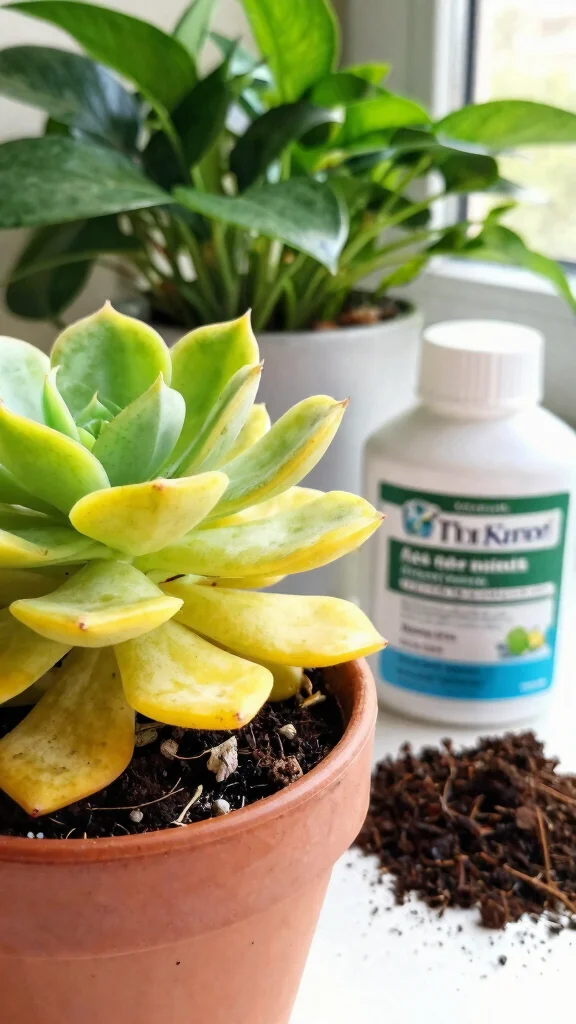
Noticing yellow leaves on your houseplants can be concerning. This common issue often signals a problem, such as overwatering, insufficient sunlight, or nutrient shortages. When those vibrant greens start to fade, it’s your plant’s way of asking for help.
To tackle yellowing leaves, first, assess your plant’s environment. Ensure it receives the right amount of water and light. Adjust your watering schedule and consider using a balanced fertilizer during the growing season to restore its health.
Key actions to revive yellow leaves:
– Check the Soil: If it feels soggy, reduce watering.
– Adjust Lighting: Move your plant to a brighter spot if needed.
– Fertilize: Use a balanced fertilizer to boost nutrients.
By addressing these issues, your plants can regain their lush green color and vitality.
Yellowing leaves are your plant’s alarm bell—don’t panic, just troubleshoot. In our common houseplant problems visual guide, check water, light, and nutrients, then adjust: water only when the soil dries, give bright, indirect sun, and feed with a balanced fertilizer during the growing season.
Recommended Products

【ARTIFICIAL BABY’S BREATH Material】These faux outdoor plants bring you the feeling of fresh and elegant, they are beautiful and realistic, perfect decoration for indoor or outdoor; They can work harmoniously with any decor and style.Artificial outdoor plants are made from high quality uv resistant artificial outdoor plants plastic material, more realistic, vibrant color, eco-friendly and hassle free.faux plants outdoor does not need maintenance or care. It can be washed with water and never fades.

Artificial plants would be the perfect fillers to your favorite space, place them in a corner, by a window, or in any space that need a little greenery, suitable for home office garden or other indoor outdoor decoration arrangements

Adjustable Length:Fake Boston Fern has an adjustable height, and you can adjust its branches at will. You can adjust the length to fit the container according to your own ideas, making it more beautiful. There is a small arrow at the top of each branch to ensure that the branches and leaves do not fall off when you adjust the length
Yellowing Leaves
Editor’s Choice
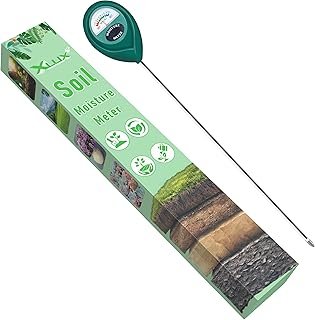
XLUX Long Probe Deep Use Soil Moisture Meter, Water Monitor Indicator Se…

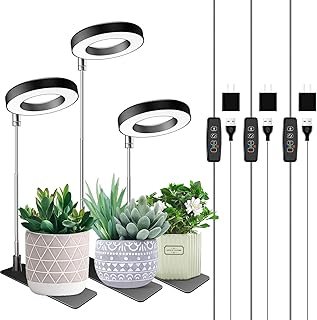
Aokrean Plant Grow Light, 48 LEDs Full Spectrum Grow Lights for Indoor P…
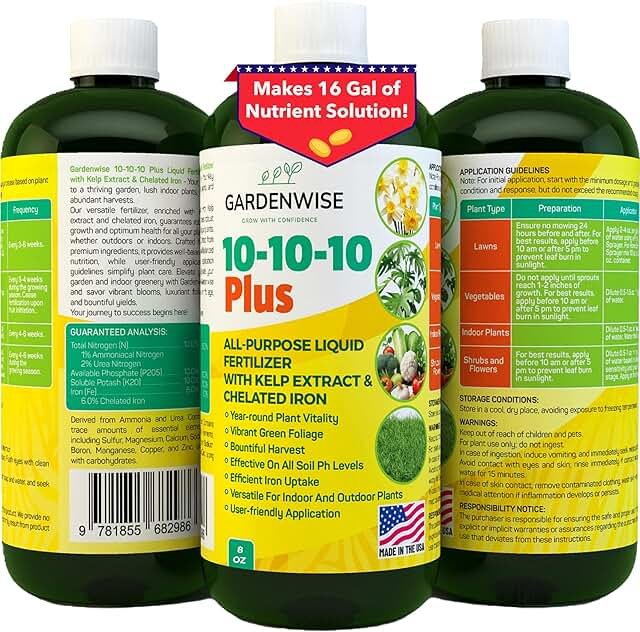
GARDENWISE 10-10-10 All Purpose Plant Food – Liquid Fertilizer with Seaw…
2. Wilting Plants
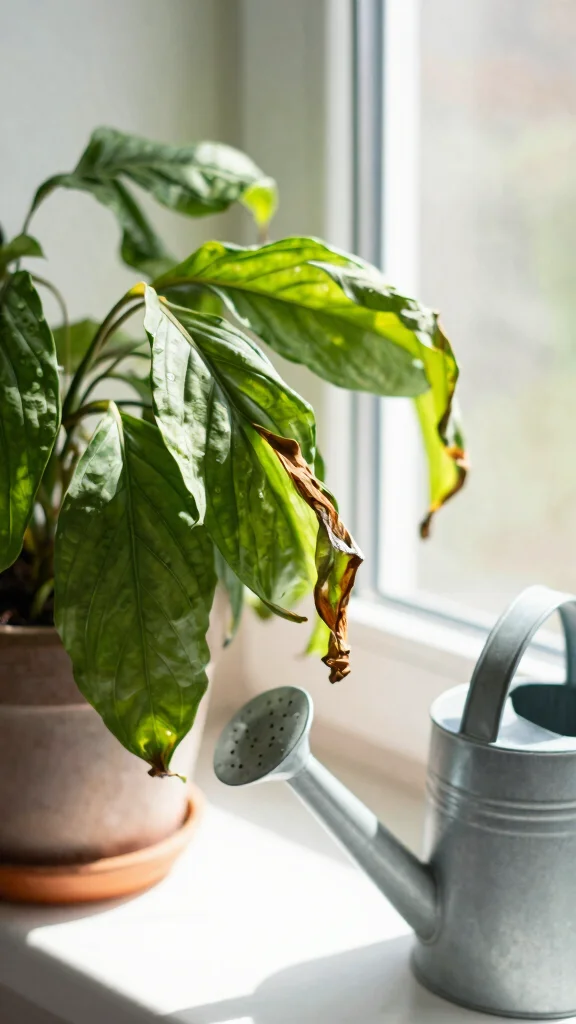
Seeing your plants wilt can be disheartening. This drooping is often a sign they are thirsty, stressed, or facing environmental challenges. Extreme temperatures or pests can also contribute to this limp appearance.
To help your wilting plants, start by checking the soil moisture. If it’s dry, give them a good drink. If it’s too wet, let the soil dry out before watering again. Also, ensure they are in a comfortable temperature range away from drafts.
Steps to revive wilting plants:
– Check Soil Moisture: Water if it’s dry a few inches down.
– Control Temperature: Keep plants in a stable environment.
– Inspect for Pests: Look for bugs and treat if necessary.
With careful monitoring, your plants can bounce back and thrive again.
Recommended Products

Plant-Based Pest Protection: Helps protect plants from common pests including gnats, spider mites, aphids, fungus issues, and other plant-damaging insects using plant-based ingredients.

PLANT DISEASE CONTROL: Natria Neem Oil acts as an insecticide and fungicide in one convenient spray; Ready-to-use trigger sprayer requires no mixing

Insect Control: Kills common plant pests on contact to help restore plant health and reduce visible pest activity. The perfect addition to any gardening essentials kit.
📹 Related Video: How To Revive Any Dying Plant in 3 Eazy Steps : Root Rot Treatment : Plants Issues And Solutions
Wilting Plants
Editor’s Choice
Small Watering Can for Indoor Plants, Mini Indoor Watering Can with Long…

Soil Moisture Meter for House Plants, Plant Water Meter,Plant Moisture M…
TempPro TP50 Digital Hygrometer Indoor Thermometer Room Thermometer and …
3. Pest Problems
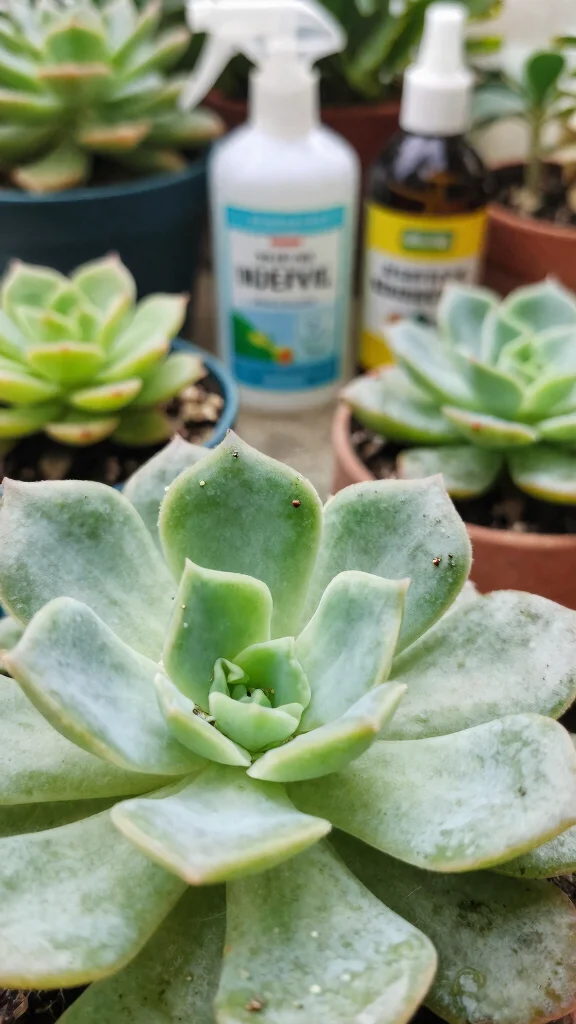
Pests can quickly turn your indoor garden into a struggle. Common invaders like spider mites and aphids can cause significant damage, resulting in yellowing leaves and slowed growth. While these pests can be hard to spot, their effects are visible and concerning.
To combat pests, make regular inspections a habit. Check both sides of leaves for any signs of bugs. A simple soap and water mixture can help eliminate pests without harming your plants. You can also introduce beneficial insects to keep pest populations down.
Effective pest control tips:
– Inspect Regularly: Look for pests on leaves and stems.
– Use Natural Remedies: Spray with water and soap mixture.
– Attract Beneficial Insects: Add plants that lure helpful insects.
By staying proactive, you can maintain a healthy and thriving indoor garden.
Recommended Products

🌱 Plants not growing like they should? Your soil may be missing key micronutrients most fertilizers don’t provide. Without them, plants struggle, even when you’re feeding them regularly.

💡 IMPROVES PHOTOSYNTHESIS WITH A CLEAN, NATURAL SHINE Easily removes dust, water spots, and residue so your houseplants can soak up more light and breathe freely—supporting vibrant, healthy growth indoors.

Beautify your Houseplants: Add natural flower beauty to your floral creations while keeping them fresh and hydrated! Chrysal’s Leaf Shine indoor plant spray helps keep plant and flower leaves clean, shiny, and protected for up to four weeks.
Ongoing Maintenance & Care Guide
Maintenance Schedule:
Daily/Weekly Tasks:
– Watering: Check the soil moisture. Water your plants when the top inch feels dry. This usually takes 5-10 minutes, depending on how many plants you have.
– Dusting Leaves: Wipe down leaves with a damp cloth to remove dust. This helps plants breathe better. Spend about 5 minutes per plant.
– Inspecting for Pests: Look closely for any signs of pests like spider mites or aphids. This should take around 5 minutes.
Monthly/Seasonal Tasks:
– Fertilizing: Use a balanced liquid fertilizer. Apply according to the package instructions, usually about every 4-6 weeks. This task takes about 15 minutes.
– Repotting: Check if your plants are root-bound. If so, repot them into a larger container once or twice a year. This task can take 30 minutes to an hour.
– Changing Soil: Refresh the top layer of soil or completely change it if needed. Aim for every 6 months, and allocate about 20-30 minutes.
– Pruning: Trim dead or yellowing leaves to encourage new growth. This is a quick task, usually taking about 10 minutes.
– Seasonal Check: Adjust care for seasonal changes. For example, reduce watering in winter. Spend around 15 minutes assessing your plants’ needs.
Maintenance Summary Table:
| Task | Frequency | Difficulty | Time Needed |
|————————-|—————-|————–|—————|
| Watering | Daily/Weekly | Easy | 5-10 mins |
| Dusting Leaves | Weekly | Easy | 5 mins |
| Inspecting for Pests | Weekly | Easy | 5 mins |
| Fertilizing | Monthly | Medium | 15 mins |
| Repotting | Seasonal | Medium | 30-60 mins |
| Changing Soil | Every 6 months | Medium | 20-30 mins |
| Pruning | Monthly | Easy | 10 mins |
| Seasonal Check | Seasonal | Easy | 15 mins |
Common Issues to Watch For:
⚠️ Yellowing Leaves: Check the soil moisture. Too much or too little water can cause this issue.
⚠️ Wilting Plants: Inspect the roots for rot. Also, ensure your plant isn’t too dry.
⚠️ Pest Infestation: Look for webs or spots on leaves. Early detection can prevent widespread damage.
⚠️ Brown Leaf Tips: This can indicate underwatering or low humidity. Adjust your watering routine or increase humidity.
⚠️ Mold on Soil Surface: This often means overwatering. Remove the mold and let the top layer of soil dry out.
Care Tips:
💡 Rotate Your Plants: Turn your plants every couple of weeks. This helps them grow evenly as they seek light.
💡 Use Quality Soil: Invest in good potting soil that drains well. This can reduce many problems, like root rot.
💡 Group Similar Plants: Keep plants with similar light and water needs together. This simplifies care and improves their health.
💡 Monitor Humidity: Many houseplants thrive in humidity. Mist them or use a humidity tray to keep them happy.
💡 Keep a Care Journal: Note when you water, fertilize, or repot your plants. This helps you stay on track and recognize patterns over time.
Recommended Products

Super Value Set: 2 pcs artificial greenery stems, 41.3”(105 cm) H with adjustable width. Perfect for adding a natural touch of greenery to their space

🌷【Outdoor Artificial Flowers】🌷These 22 bundles of outdoor artificial flowers boast a lifelike appearance, perfect for adorning your outdoor courtyard or garden, as well as enhancing the ambiance of your indoor living spaces. They can embellish any corner of your home while maintaining their blooming appearance for an extended duration, fostering a more natural and comfortable atmosphere for your family or visiting guests.

【𝐂𝐎𝐌𝐏𝐋𝐄𝐓𝐄 𝟖𝐏𝐂𝐒 𝐒𝐄𝐓 𝐈𝐍 𝟒 𝐒𝐈𝐙𝐄𝐒】The Virmoek Plant Stem Supports come in a complete 8-piece set with four practical sizes (5.31", 4.6", 3.07", and 2.32"), two pieces per size. These Plant Supports offer the perfect plant climbing support for every growth stage—from young seedlings to mature stems.
Pest Problems
Editor’s Choice
Carson Kids BugLoupe 4.5x Pre-Focused Stand Magnifier Loupe for Viewing …
Garden Safe Brand Insecticidal Soap Insect Killer, 32 Fluid Ounces, For …
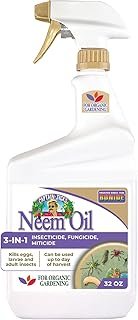
Bonide Captain Jack’s Neem Oil, 32 oz Ready-to-Use Spray, Multi-Purpose …
4. Leaf Drop
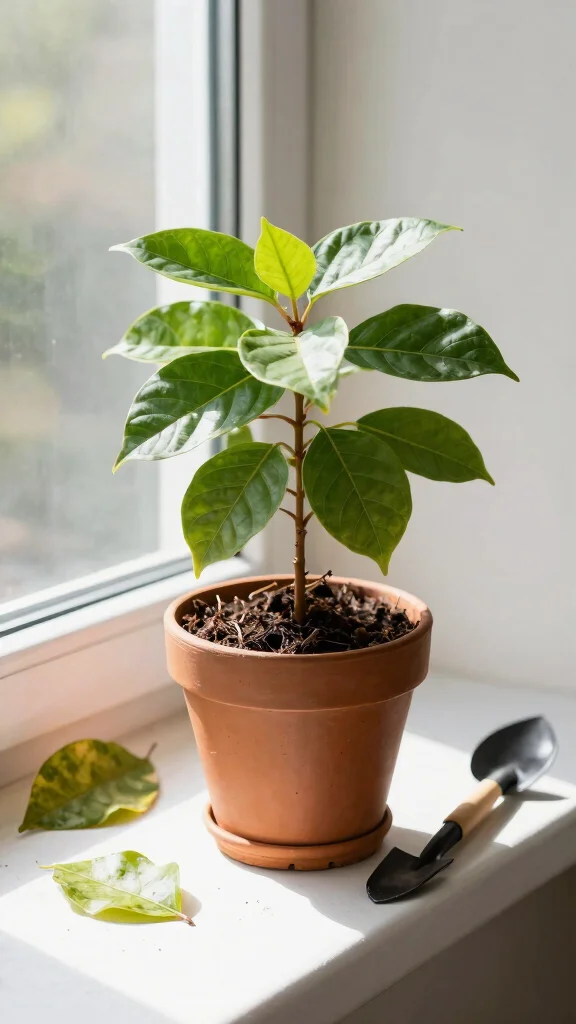
Finding leaves scattered on the floor is often a sign your plant is unhappy. Leaf drop typically results from sudden environmental changes, overwatering, or inadequate light. Acting quickly can help your plant adjust and flourish again.
To prevent leaf drop, keep your plant in a stable environment. Make gradual changes to its location and temperature. Ensure you’re watering correctly and check if it’s getting the right amount of light.
Ways to address leaf drop:
– Maintain Stability: Adjust location and temperature slowly.
– Water Correctly: Avoid over or under-watering.
– Assess Light Exposure: Ensure the plant gets adequate light.
Understanding these triggers can create a more nurturing environment for your plants.
Leaf drop is your plant’s SOS, not a lost cause. Keep changes gradual, lock in stable light and water, and your succulent can recover fast. In our common houseplant problems visual guide, small tweaks beat big drama every time.
Recommended Products

INDOOR & OUTDOOR HOUSEPLANT CARE: Houseplant Insect & Mite Control provides insect control, plant mite control, and disease control all in one; Use to protect houseplants, flowers, and herbs indoors and outdoors

3-IN-1 PLANT CARE: 3-In-1 Insect, Disease & Plant Mite Control provides insect control, disease control, and plant mite control all in one; Rainproof protection starts in 4 hours and lasts up to 14 days

DESIGNED FOR INDOOR & OUTDOOR USE - This product is specifically formulated for the unique needs of herbs, spices, ornamentals, greenhouse plants and interior plants.
You might also like
Leaf Drop
Editor’s Choice
Plantopedia: The Definitive Guide to Houseplants
5. Brown Leaf Tips
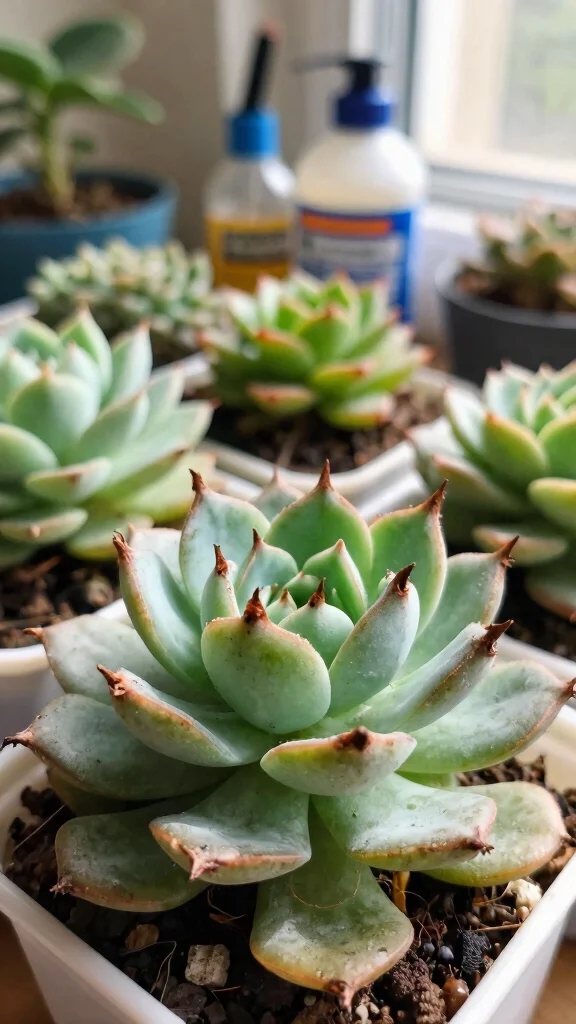
Seeing brown tips on leaves can be frustrating, as it indicates distress. This common issue often relates to watering practices, humidity levels, or temperature changes. Pinpointing the cause is essential for restoring your plant’s health.
To fix brown leaf tips, start by checking humidity. Many houseplants thrive in higher humidity, so consider misting them or using a humidifier. Additionally, ensure you’re not over-fertilizing, which can also lead to brown edges.
Tips to remedy brown leaf tips:
– Monitor Humidity: Mist or use a humidifier for tropical plants.
– Adjust Fertilizing: Use the right amount of fertilizer.
– Stabilize Temperature: Keep plants away from drafts.
With these adjustments, your plants can rejuvenate and produce vibrant new leaves.
Brown Leaf Tips
Editor’s Choice

Spray Bottle for Plants 2 Pack, 16oz – Ultra Fine Mist, Plant Mister Emp…
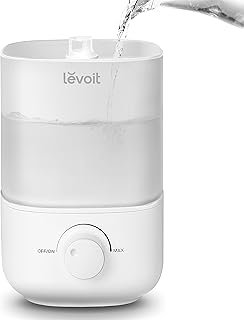
LEVOIT Top Fill Humidifiers for Bedroom, 2.5L Tank for Large Room, Easy …
6. Mold on Soil Surface

Finding mold on the soil surface can be alarming, but it’s often a sign of overwatering or poor air circulation. While it may seem concerning, it can usually be managed with a few adjustments.
To tackle mold effectively, first allow the top layer of soil to dry out between waterings. Ensure your pots have proper drainage to prevent excess moisture. Increasing airflow around your plants can also help, and you may need to scrape off any visible mold.
Steps to eliminate mold:
– Allow Soil to Dry: Let the top layer dry out between waterings.
– Improve Airflow: Space out plants and use a fan.
– Remove Existing Mold: Scrape off mold and replace with fresh soil.
Taking these steps will improve your plant’s health and keep your indoor garden looking fresh.
Recommended Products

3-in-1 FORMULA: Aphid spray for outdoor plants for use on roses, flowers, shrubs and trees to control listed insects, disease and mites

Protect your oasis with Captain Jack’s Neem Max Ready-to-Use Spray for Houseplants; this multipurpose product acts as a 4-in-1 insecticide, fungicide, miticide and nematicide
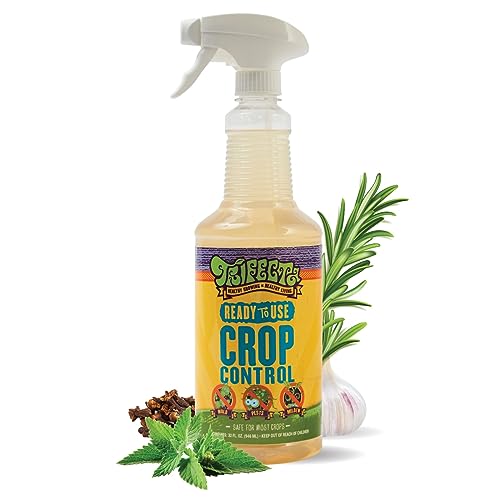
CROP, GARDEN & HOUSEPLANT INSECT CONTROL. Trifecta Crop Control all-natural, plant-based formula effectively combats destructive spider mites, aphids, whiteflies, fungus gnats, and other soft-bodied pests on indoor and outdoor plants. Our biodegradable, eco-friendly solution is safe for use on edible crops, without chemical residues. Our gentle yet potent plant spray suffocates and dehydrates pests without harming beneficial insects or the environment, making it ideal for organic gardening.
Mold on Soil Surface
Editor’s Choice
XLUX Long Probe Deep Use Soil Moisture Meter, Water Monitor Indicator Se…
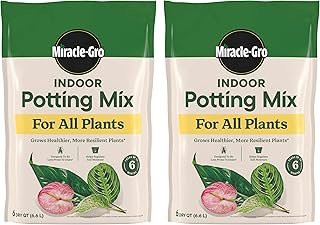
Miracle-Gro Indoor Potting Mix for All Plants, Use with Houseplants and …

Grow Tent Fan, 5.5″ Greenhouse Clip Fan with Brushless Motor and Non-Sli…
7. Stunted Growth
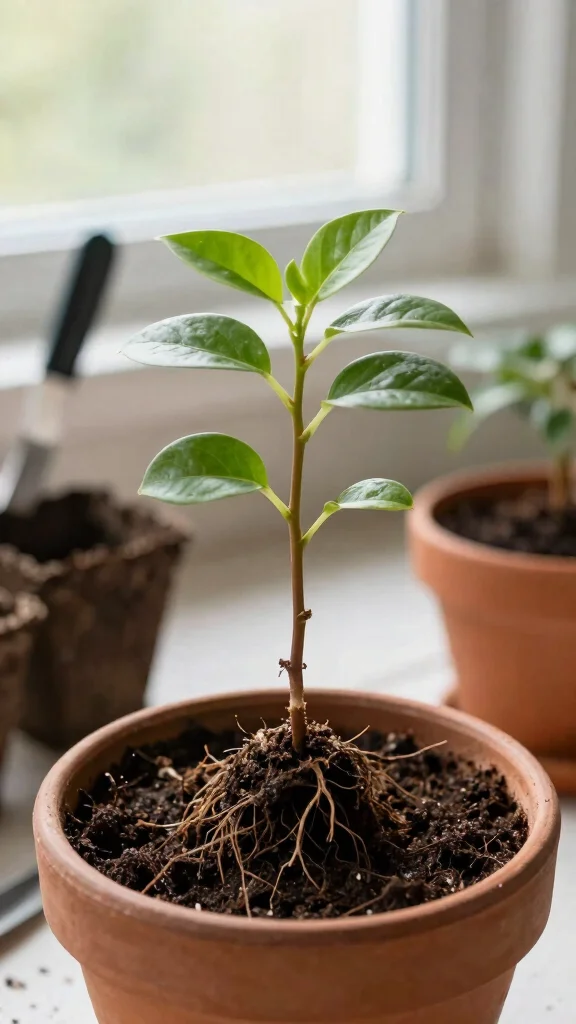
If your plant seems stuck and isn’t growing, you’re not alone. Stunted growth can be frustrating, often caused by nutrient deficiencies, poor lighting, or being root-bound. Identifying and addressing these factors is essential for encouraging healthy growth.
To promote growth, start by checking the pot size. If the roots are cramped, consider repotting into a larger container with fresh soil. A well-balanced fertilizer can provide necessary nutrients, and ensuring adequate light is crucial for healthy development.
Tips for encouraging growth:
– Reassess Pot Size: Repot into a larger container if roots are cramped.
– Fertilize Wisely: Use a balanced fertilizer for nutrients.
– Adjust Light Conditions: Ensure proper light exposure.
With these considerations, your indoor plants can thrive and flourish beautifully.
❝ In our common houseplant problems visual guide, stunted growth is usually fixable by a larger pot, fresh soil, and balanced fertilizer. Check roots, upgrade light, and give plants room to breathe—growth will follow. ❞
Stunted Growth
Editor’s Choice
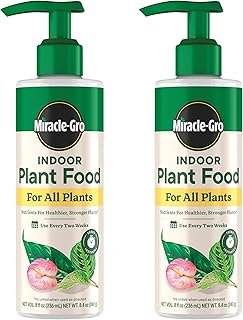
Miracle-Gro Indoor Plant Food for All Plants, Liquid Plant Food for Hous…
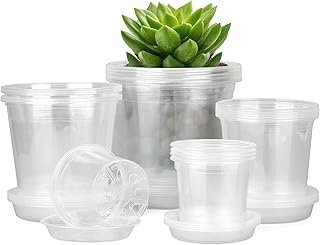
FUIJOL 4/5/6/7 Inch Clear Nursery Pots for Plants with Sacuers 20 Pack, …
Miracle-Gro Potting Mix – For Container Plants, Flowers, Vegetables, Shr…
Conclusion
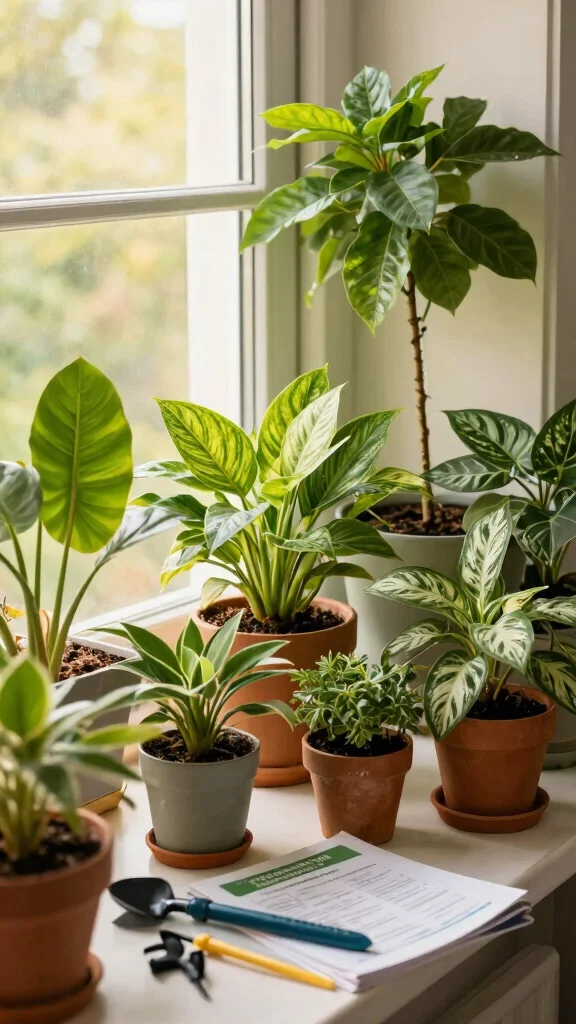
Indoor plants can be a delightful addition to your home, but they come with their own set of challenges. By recognizing and addressing these common houseplant problems, you can easily turn sad, struggling plants into flourishing beauties. Remember, each issue is a chance to learn and improve your houseplant care journey!
Stay proactive and attentive, and your indoor garden will thrive in no time. Whether you’re a veteran plant parent or just starting out, don’t hesitate to share your experiences and tips in the comments below!
Note: We aim to provide accurate product links, but some may occasionally expire or become unavailable. If this happens, please search directly on Amazon for the product or a suitable alternative.
This post contains Amazon affiliate links, meaning we may earn a small commission if you purchase through our links, at no extra cost to you.
Frequently Asked Questions
What are the most common houseplant problems shown in the visual guide and how can I fix them?
The visual guide highlights issues like overwatering (yellowing leaves, soft stems, and root rot), underwatering (droopy, crispy edges), insufficient light (leggy growth and pale color), pests (spider mites, mealybugs, scale), and mineral buildup from hard water. Quick fixes: adjust your watering schedule to the plant type and ensure drainage, use a well-draining potting mix, and move plants to a brighter spot gradually. Inspect for pests and treat with insecticidal soap or neem oil, wipe leaves clean, and flush the soil with water to leach salts. If roots look mushy, consider repotting. For succulents, let the soil dry completely between waterings. This approach aligns with the houseplant maintenance guide and helps with common houseplant problems visual guide insights.
How can I identify diseases from the visual guide and what quick fixes should I try first?
Look for disease signs like brown spots with yellow halos, powdery white coating, fuzzy mold, or soft, mushy areas. These indicate fungal or bacterial issues that need urgent attention. Quick fixes: isolate the affected plant, prune away severely damaged parts with clean tools, avoid overhead watering to reduce spread, improve air circulation, and adjust humidity. Apply an appropriate fungicide or neem oil if necessary, and flush or repot if root rot is suspected. Always check for pests as the visual guide also covers indoor plant issues and plant disease identification tips.
What are essential houseplant care tips for succulents to prevent common problems?
Succulents thrive on bright light, fast-draining soil, and sparse watering. Use a cactus or succulent potting mix, a pot with drainage holes, and a container that drains well. Water deeply but infrequently, letting the soil dry completely between waterings. Keep them in warm, sunny spots and avoid cold drafts. Rotate pots so each side gets light to prevent etiolated, leggy growth. Watch for mealybugs and fungal issues, and clean leaves to improve photosynthesis. These practices are core to houseplant care tips and help prevent typical indoor plant issues in succulents.
What quick troubleshooting checklist should I use when my indoor plants look stressed?
Start with a simple checklist: check soil moisture (not too soggy or bone-dry), assess light exposure (not too little or too intense), verify temperature and humidity, inspect for pests, and confirm there’s proper drainage. If stressed, adjust water, move to appropriate light, and improve air circulation. Clean dust from leaves to boost photosynthesis, and quarantine new plants before mixing them with others. This method aligns with practical troubleshooting houseplants steps and fits into a broader houseplant maintenance guide.
How can I maintain healthy indoor plants and prevent problems from reoccurring?
Create a simple maintenance routine: perform weekly visual checks, dust leaves, and wipe them clean; water according to each plant’s needs; repot every 1–2 years with fresh, well-draining soil; provide appropriate light and rotate plants to promote even growth; use a moisture meter or a careful touch test for watering; keep new plants isolated for a quarantine period, and keep a basic care log. Following these steps helps prevent recurring issues and keeps your collection thriving, in line with the houseplant maintenance guide and common houseplant problems visual guide.
Related Topics
houseplant care
indoor succulents
plant troubleshooting
visual guide
houseplant maintenance
common plant issues
beginner friendly
plant disease identification
easy fixes
succulent tips
indoor gardening
plant care guide