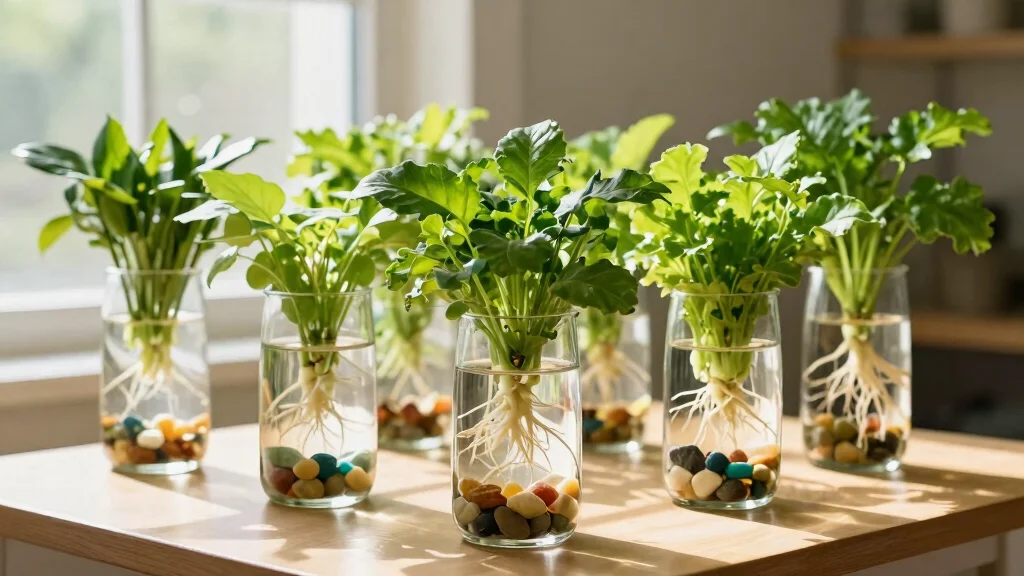
Growing plants indoors can feel like a daunting task, especially if you lack a green thumb. But what if I told you that some plants thrive in just water? This post is your ultimate guide to discovering 7 fantastic plants that grow in water indoors. I created this guide because I understand the appeal of low-maintenance houseplants and the desire for a greener home without the hassle of soil.
If you’re a beginner in indoor hydroponic gardening or simply looking for easy indoor plants, you’re in the right place. This guide will help you explore hydroponic plants that require minimal care while still bringing life to your living space. You’ll uncover tips and tricks for water propagation, and by the end, you’ll have a solid list of beautiful, easy-to-care-for plants that can thrive in your home.
From the charming Pothos to the versatile Mint, each plant offers a unique aesthetic and benefits. So get ready to elevate your indoor gardening game with these easy-to-grow water plants that not only beautify your space but also require very little effort to maintain.
Key Takeaways
– Variety of Options: You’ll learn about 7 specific plants, including Pothos, Spider Plant, and Mint, that thrive in just water, making them ideal for beginners.
– Low Maintenance: Most of these plants are low maintenance, allowing you to enjoy greenery without the fuss of soil and frequent watering.
– Aesthetically Pleasing: Each plant brings its unique beauty to your home, enhancing your living space and creating a calming atmosphere.
– Water Propagation Tips: You will gain practical insights into how to propagate these plants effectively in water, ensuring they grow strong and healthy.
– Indoor Gardening Benefits: Learn about the air-purifying qualities and other benefits of having these hydroponic plants, contributing to a fresher indoor environment.
Recommended Products

Effortless Propagation and Maintenance: Our Plant Propagation Station simplifies growing and rooting plant cuttings. With no assembly required, you can start cultivating your favorite plants immediately. The design makes water changes easy and convenient, ensuring your plants stay healthy and vibrant

POWERFUL ROOTING HORMONE FOR CUTTINGS: Our propagation drops feature a scientifically balanced blend of Indole-3-Butyric Acid (IBA) and vitamins to dramatically accelerate root cell division. Perfect for Pothos, Monstera, and Philodendron—top searched houseplants—it delivers faster, denser root growth than traditional gels or powders, making it ideal for plant cuttings propagation.

Scientific plant vase:Unique test tube Plant display Stand design. Simple for rooting plant cuttings. Smooth surface, good permeability, beautiful shape, best wall decorative items.
1. Pothos
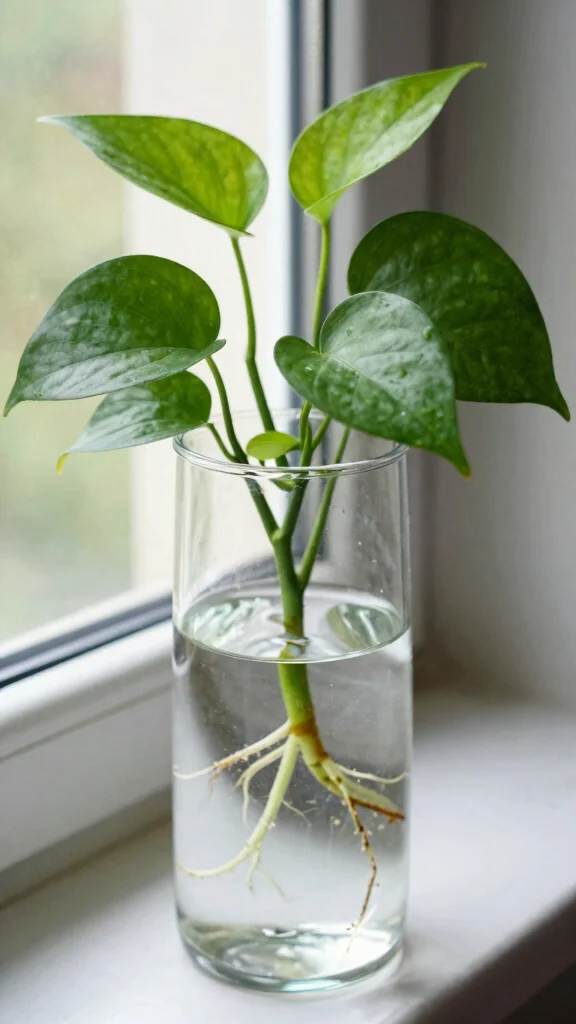
If you’re looking for a low-maintenance plant that thrives indoors, Pothos is your go-to choice. Known for its stunning heart-shaped leaves, this plant can adapt to various lighting conditions, making it perfect for any room. Propagating Pothos in water is simple and rewarding; within weeks, you’ll see long, beautiful roots sprouting.To get started, cut a 4-6 inch vine just below a node and place it in water. Change the water every two weeks to keep it fresh and encourage growth. This resilient beauty can be hung in planters or placed on shelves, allowing its trailing leaves to create a mesmerizing display while also purifying the air around you.Indoor Gardening Tips:– Use a clear glass container to observe root development.
– Position it in bright, indirect sunlight for optimal growth.
– Regularly prune to maintain its shape and stimulate new growth.
Tip for beginners: Pothos proves that plants that grow in water indoors can thrive with zero fuss. Cut a 4-6 inch vine, place it in water, and watch roots sprout in weeks. Change water every two weeks to keep growth steady.
Recommended Products

【Unique Romantic Heart-Shaped Design for Standout Decor】:Different from ordinary bulb glass vases and plain propagation stations, our plant terrarium features an exclusive integrated heart design: a smooth natural wooden heart frame paired with a matching clear heart-shaped glass vase. This romantic warm design turns your hydroponic plants into an eye-catching tabletop artwork, adding a soft elegant touch to any space even without plants.

Gardening Gifts for Women: Looking for a unique gift for Women's Day, Mother's Day, Birthday, Christmas, Valentine's Day, Thanksgiving, Labor Day or Anniversary? This propagation vases for plants is the perfect gift for your family, mom, grandmother, wife, sister, BFF or any special woman in your life. Whether she is a plant lover or not, she can easily enjoy using these practical and unique plant pots

【Material】: The spherical glass vase is made of high borosilicate glass, with a simple round shape, and a jar wears a bamboo saucer. The cork lid can be easily set and poured with water. glass vase Size: 3.9*3.9inch
📹 Related Video: How to Propagate Pothos in Water
Ongoing Maintenance & Care Guide
Maintenance Schedule:
Daily/Weekly Tasks:
– Check water levels: Ensure that the plants are submerged in water, adding more as needed. This should take about 5 minutes.
– Clean the containers: Wipe the sides of the jars or vases to prevent algae buildup, which takes around 10 minutes.
– Inspect the plants: Look for any yellowing or damaged leaves and trim them off. This task generally takes about 5-10 minutes.
Monthly/Seasonal Tasks:
– Change the water: Replace the water completely every month to keep it fresh. This can take around 15 minutes.
– Fertilize: Use a diluted liquid fertilizer once a month in the water to provide nutrients. This usually takes about 5 minutes.
– Examine root growth: Check for any signs of root rot or unusual growth. If needed, trim roots back to a healthy state. This process may take around 10-15 minutes.
– Rotate plants: Give your plants a gentle turn to ensure even light exposure, which should take about 5 minutes.
– Dust leaves: Wipe down the leaves with a damp cloth to remove dust, allowing the plants to photosynthesize better. This could take around 10 minutes.
Maintenance Summary Table:
| Task | Frequency | Difficulty | Time Needed |
|—————————|—————–|————–|————-|
| Check water levels | Daily/Weekly | Easy | 5 mins |
| Clean containers | Weekly | Easy | 10 mins |
| Inspect plants | Daily/Weekly | Easy | 5-10 mins |
| Change water | Monthly | Easy | 15 mins |
| Fertilize | Monthly | Easy | 5 mins |
| Examine root growth | Monthly | Medium | 10-15 mins |
| Rotate plants | Monthly | Easy | 5 mins |
| Dust leaves | Monthly | Easy | 10 mins |
Common Issues to Watch For:
⚠️ Yellowing Leaves: If you notice your plants’ leaves turning yellow, it may signal overwatering or a lack of nutrients. Check the water levels and consider fertilizing.
⚠️ Mold or Algae Growth: If you see any mold or algae on the water’s surface, it indicates stagnant water. Change the water and clean the container thoroughly.
⚠️ Wilting or Drooping: This could mean your plant is either too dry or too wet. Adjust your watering schedule based on the plant’s needs.
⚠️ Root Rot: Dark, mushy roots indicate root rot. Trim away the rotten parts and refresh the water.
⚠️ Pests: Look for tiny bugs on the plants or around the water. If you find any, treat with an insecticidal soap or wipe them off with a damp cloth.
Care Tips:
💡 Use Clean Water: Always use distilled or filtered water, as tap water may contain chlorine and other chemicals harmful to plants.
💡 Avoid Direct Sunlight: While many plants love light, direct sunlight can scorch their leaves. Place them in bright, indirect light instead.
💡 Keep It Fresh: Regularly change the water and clean your containers to keep your plants healthy and thriving. This will help prevent any unwanted odors or pests.
💡 Watch for Growth: As your plants grow, they may need larger containers or more space. Don’t be afraid to repot them into larger vessels if necessary.
💡 Mix and Match: You can combine different plants in one container, but ensure they have similar water and light needs for best results. This creates a beautiful arrangement.
Pothos
Editor’s Choice
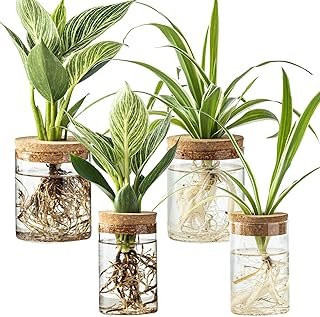
Glass Plant Propagation Stations for Plants – Set of 4(2 Large & 2 Sma…

Vintage Small Glass Vases Set of 10,Mini Bud Vases for Flowers,Amber Gla…
Liquid Plant Food for use in AeroGarden, IDOO and Hydroponic Growing Sys…
2. Spider Plant
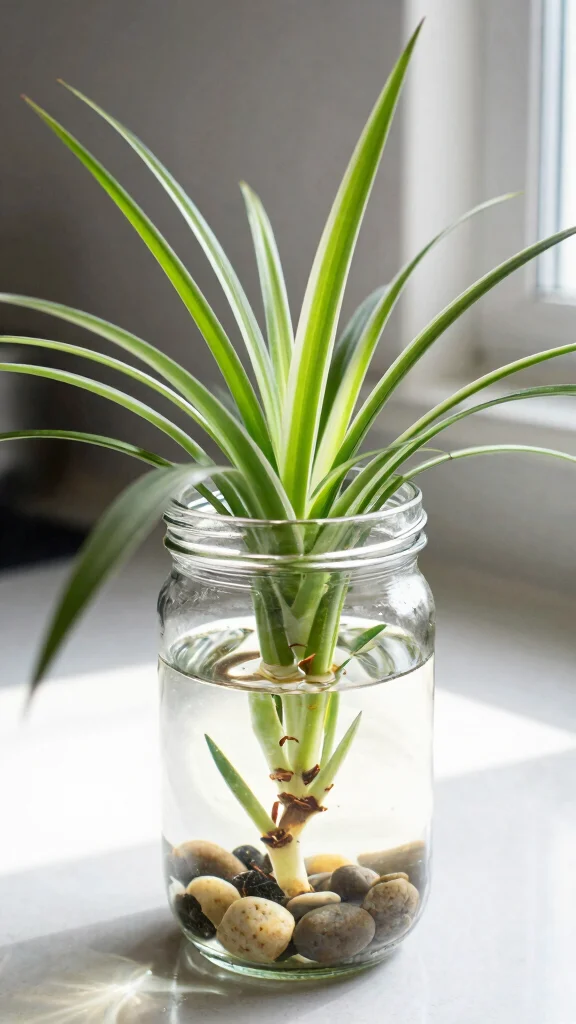
The Spider Plant is a fantastic option for those new to indoor gardening. Its arching green leaves and playful spiderettes add a unique charm to any space. This hardy plant thrives in various conditions, making it ideal for those who may forget to water occasionally.To propagate, simply snip a spiderette and place it in water until roots form. You’ll be amazed at how quickly it grows, allowing you to either transfer it to soil or keep it in water. Its resilience makes it perfect for busy lifestyles, providing greenery without much effort.Indoor Gardening Tips:– Keep the water level consistent, refreshing it every 1-2 weeks.
– Provide bright, indirect sunlight for best results.
– Occasionally use balanced liquid fertilizer to enhance leaf vibrancy.
Recommended Products

Plant Propagation Station: The cutest little propagation Stations. Combination of Retro wooden frame and thickened glass test tube for room, kitchen, office, corridor and window sill decoration. Who likes plants and enjoy life will love it at a glance

【Material】: made of high borosilicate glass, with heat and cold resistance. The cork cap has a unique hole in it, which provides great convenience for flower arrangements and hydroponic plants, allowing the rhizomes to pass through naturally and grow steadily

DUAL-ACTION ROOT SUPPORT FORMULA:This liquid solution is designed to nourish and strengthen plant roots during critical growth phases. It provides essential nutrients and support for cuttings in the rooting stage, helping to create an optimal environment for root development while aiding in the reduction of transplant stress.
Spider Plant
Editor’s Choice
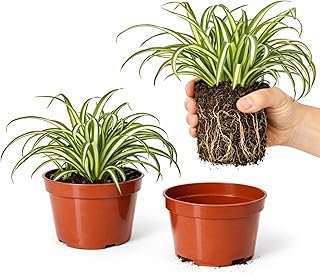
Easy to Grow Spider Plant Variegated 2 Full Size Potted Plants – Large E…
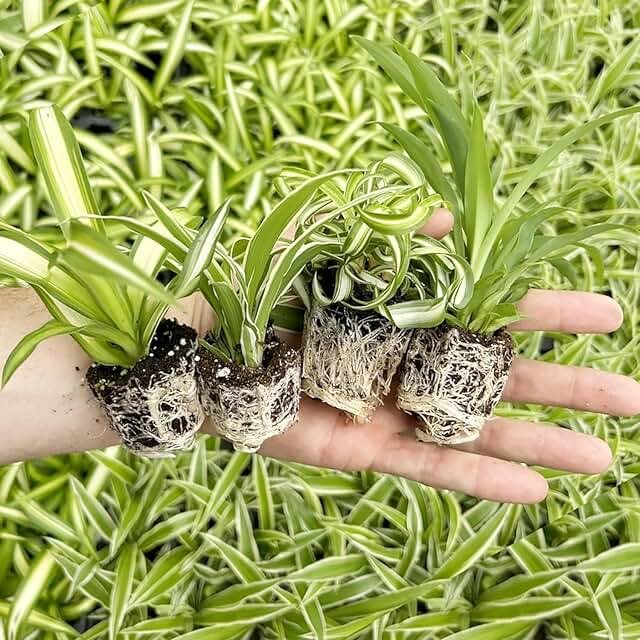
Spider Plant Variety Pack – 4 Spider Plants Live House Plants – Ocean, H…
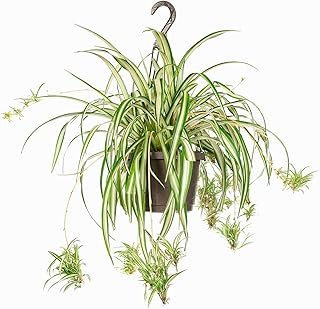
Perfect Plants Spider Plant in 8in. Hanging Basket | Live Houseplant for…
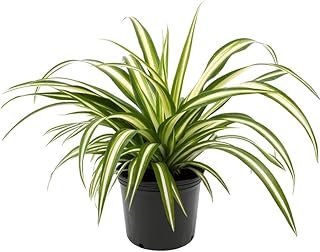
American Plant Exchange Spider Plant – 6-Inch Pot – Live Easy Care Indoo…
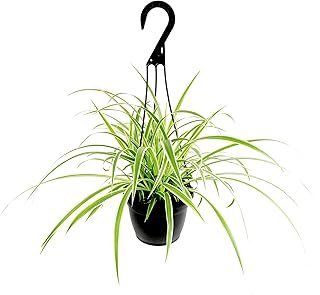
Live Spider Plant in 6″ Hanging Basket with Detachable Hook, Pet Friendl…
3. Bamboo
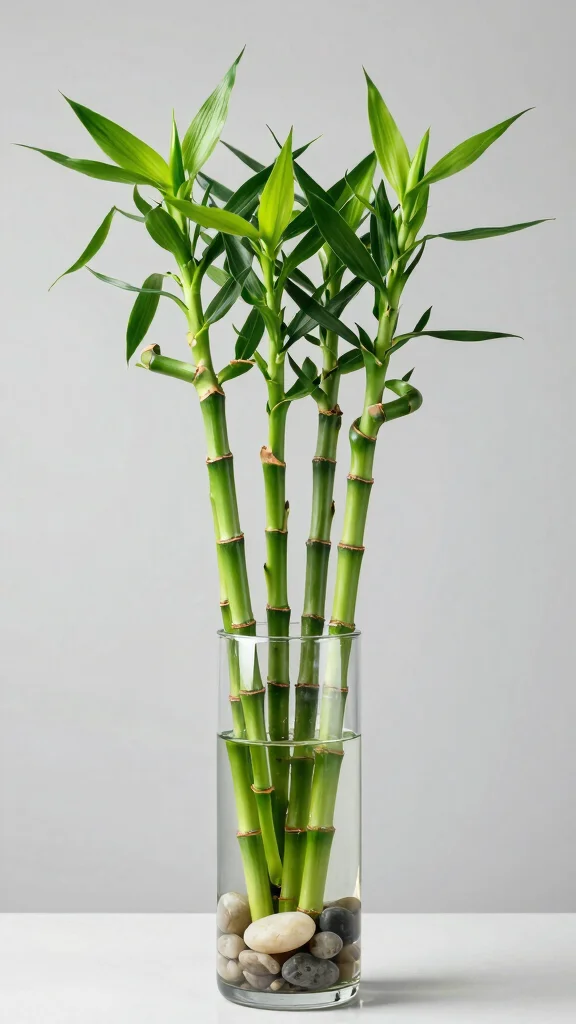
Lucky Bamboo is a striking plant that brings a touch of the tropics indoors. Although it’s not a true bamboo, it’s celebrated for its association with good fortune and prosperity. The best part? It thrives solely in water, making it a fantastic low-maintenance option.To propagate, cut a stalk above a node and place it in a jar of water. Change the water weekly to keep it fresh and prevent stagnation. Lucky Bamboo flourishes best in indirect sunlight, so be sure to avoid harsh light. Its elegant green stalks will enhance the zen-like atmosphere of your home.Indoor Gardening Tips:– Use distilled or filtered water for optimal growth.
– Ensure roots are submerged while keeping the stem dry.
– Add decorative stones for an appealing arrangement.
Recommended Products

HELP YOUR CUTTINGS ESTABLISH HEALTHY ROOTS — When propagating your favorite houseplants, each cutting is an opportunity to grow a new plant, but successful propagation depends on proper root development. RootVitalis Root Drops provides a liquid rooting aid designed to support the rooting process, helping cuttings develop healthy roots and grow into strong new plants.

Scientific Plant Vase:Unique test tube Plant display Stand design. Simple for rooting plant cuttings. Smooth surface, good permeability, beautiful shape, best wall decorative items.Perfect as plant gifts and elegant home decor gifts for any plant lover.

Plant Propagation Station: Grow and display your favorite plant cuttings with this tabletop hydroponic planter. Five large glass jars provide enough space for rooting plants while letting you observe root growth clearly and enjoy the propagation process
Bamboo
Editor’s Choice
NUPICK 3lb River Rocks for Plants Indoor, 3/8 Inch Mixed Pebbles for Vas…
Artistic Wood Glass Vase, 10″ H, Wooden Base Cylindrical Flower Vase, Cl…
4. Coleus
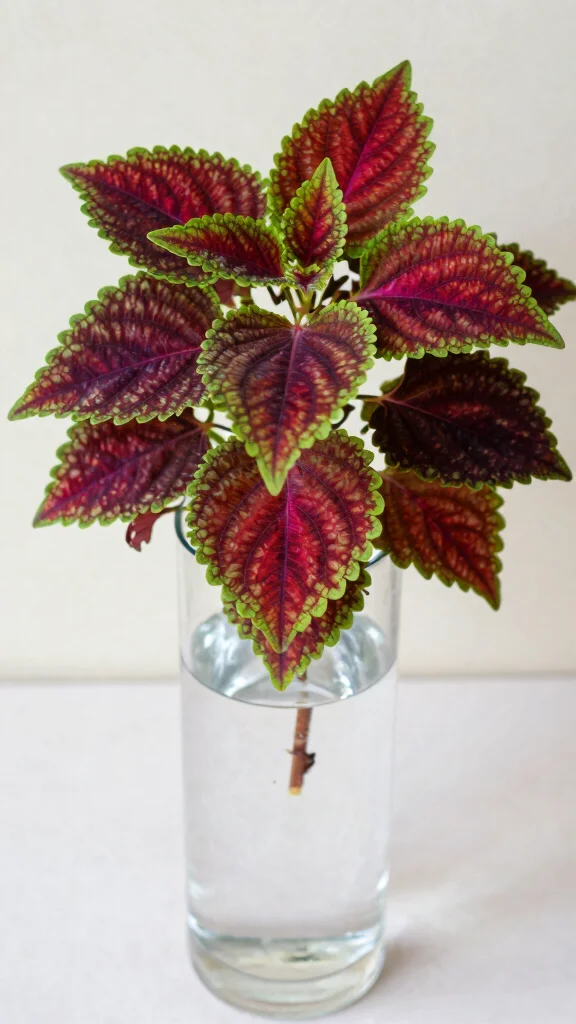
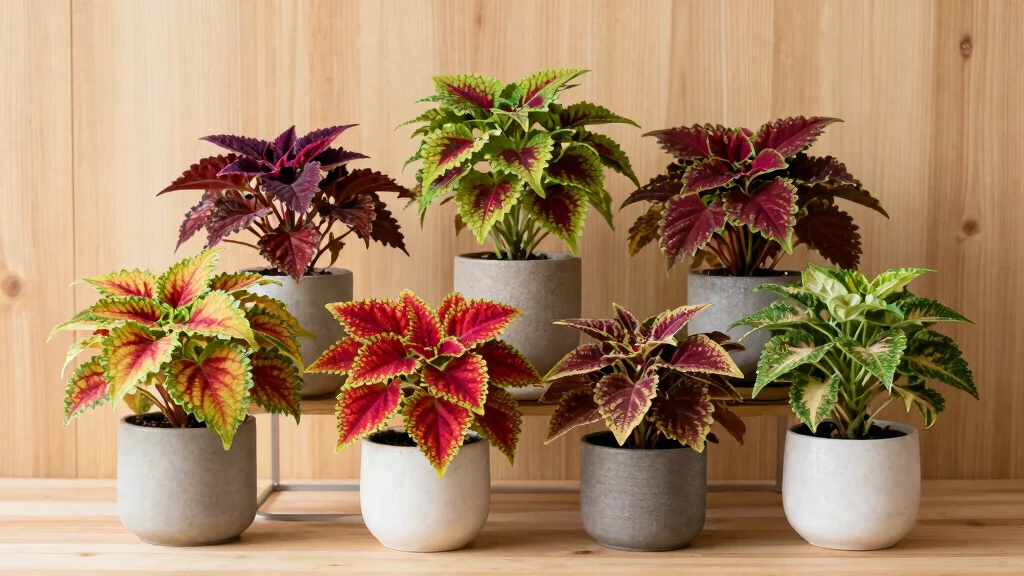
Coleus plants are a burst of color and vibrancy, perfect for adding flair to your indoor garden. Their stunning foliage comes in a variety of shades, making them a visually appealing choice. Propagating Coleus in water is straightforward and quick, allowing you to enjoy their beauty in no time.To start, take a cutting just below a node and place it in a jar of water. Change the water regularly to encourage fast root development. These colorful plants can thrive indoors and can even be moved outdoors during warmer months for added sunlight exposure.Indoor Gardening Tips:– Use a tall container to keep leaves above water.
– Position in bright, indirect light for vivid colors.
– Move outside when the weather is warm for extra sunshine.
Recommended Products

Various shapes: Each of the plant propagation station offered comes with different styles, shapes and sizes, which are perfect for hydroponic plants and flower arrangements. You can combine flowers and elegant vases according to the scene, style and mood. The vase will highlight the unique beauty of the plants when paired with them,so that you can feel the beauty of nature at home as well.

Premium Borosilicate Glass Plant Propagation Stations for Superior Durability & Clarity:Crafted from high-quality, heat-resistant borosilicate glass, these propagation vases ensure long-lasting use and crystal-clear visibility for healthy root growth.sizes: Large (3.34" x 3.9") or Small (2.55" x 3.9")—perfect for any plant type or space.

Contains: 1 piece of Slant Cut Bowl, Dimensions: Open: 7", Back Height: 6",Front Height: 2.7", Base 4"
You might also like
Coleus
Editor’s Choice
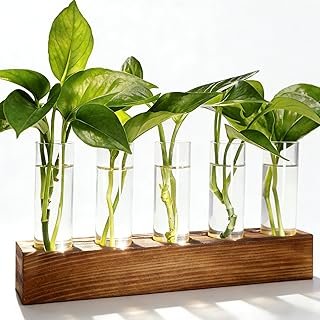
Renmxj Plant Propagation Station, Plant Terrarium with Wooden Stand, Pla…
Miracle-Gro Indoor Plant Food for All Plants, Liquid Plant Food for Hous…
5. Mint
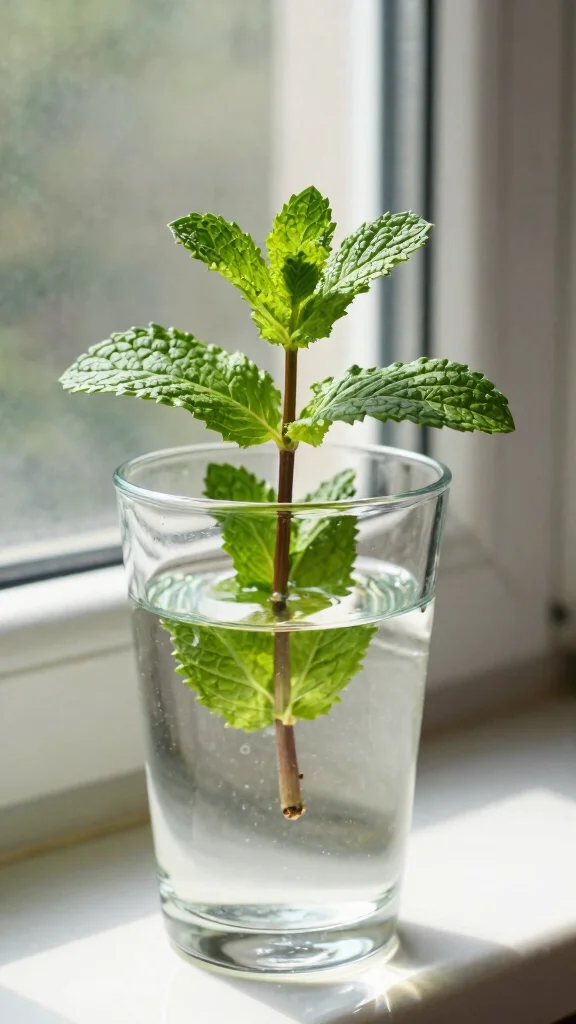
Imagine having fresh mint leaves ready for your dishes all year long! Mint is an aromatic herb that’s not only easy to grow in water but also adds a delightful flavor to your culinary creations. Its pleasant scent will fill your indoor space, creating a refreshing atmosphere.To propagate mint, cut a stem just below a leaf node and place it in a glass of water. It grows roots quickly, and once established, you can transfer it to soil or keep it in water. Ensure it receives plenty of sunlight to grow strong and flavorful leaves.Indoor Gardening Tips:– Change the water frequently to keep it fresh.
– Trim regularly to promote bushy growth and prevent flowering.
– Incorporate fresh mint into your recipes for a burst of flavor.
Fun fact: Mint cuttings root in as little as 7–14 days when kept in water; mint is one of the plants that grow in water indoors. With bright light, you’ll harvest fresh leaves year-round—no soil required.
Recommended Products

THE ULTIMATE ROOTING BOOSTER: Specially formulated with all-natural rooting hormone and vitamins, our propagation drops dramatically speed up root development and strengthen plants at every stage, from delicate cuttings to mature houseplants.

Plant Propagation Station: Combination of wooden plant stands and thickened glass bulb vases perfect for office home room decoration. Those Who like plants and enjoy life will love it at a glance

【Plant propagation station】 - Warm white LED strips with meticulously concealed wiring ensure durability without compromising aesthetics or plant care. Nine adjustable brightness levels cater to varying needs, enabling plant growth lamps to stimulate photosynthesis during insufficient natural light indoors. These lamps provide meticulous nurturing for plants while doubling as ambient lighting to enhance interior atmospheres. From dawn's gentle glow to cosy night lighting, they fulfil plants' full-cycle illumination requirements while catering to your mood-based lighting preferences.
Mint
Editor’s Choice
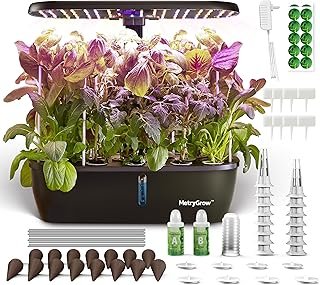
MG-15 Hydroponic Growing System Kits, Smart Indoor Garden with 24W Grow …
Glass Plant Propagation Stations for Plants – Set of 4(2 Large & 2 Sma…
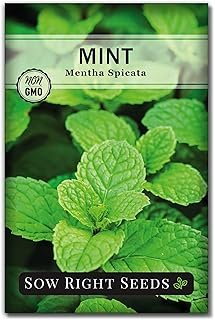
Sow Right Seeds – Mint Seeds for Planting – Non GMO Heirloom Perennial H…
6. Chinese Evergreen
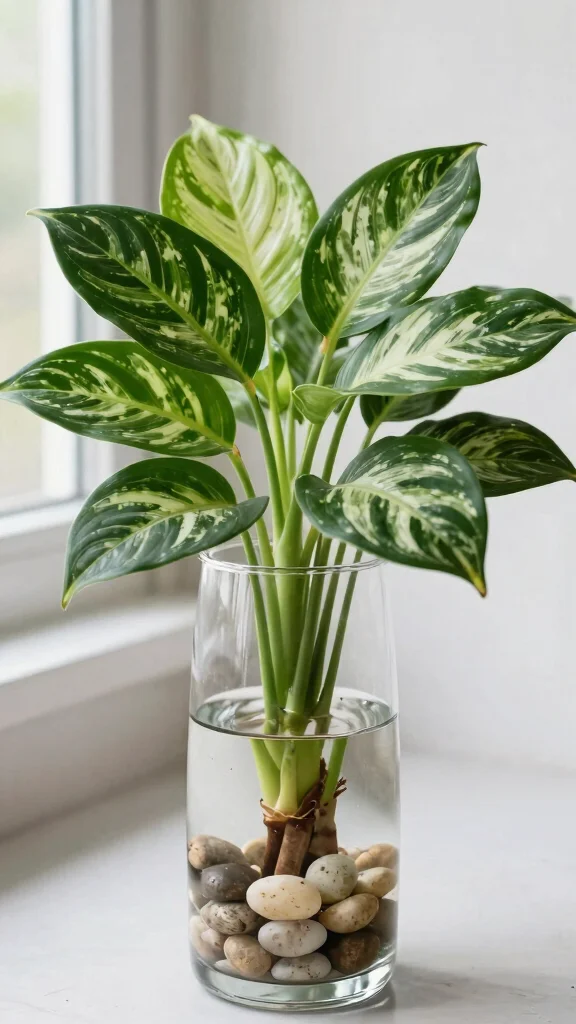
With its beautiful variegated leaves, the Chinese Evergreen is ideal for anyone looking to enhance their indoor space. This hardy plant thrives in low light and is quite drought-tolerant, making it perfect for those who might forget to water. Surprisingly, it can also flourish in water!To propagate, cut a stem with a node and place it in a clear vase of water, ensuring the node is submerged without covering the leaves. This encourages root growth while keeping the leaves healthy. Its striking look not only purifies the air but also adds an exotic touch to your home.Indoor Gardening Tips:– Ensure good drainage if transitioning to soil.
– Rotate the plant regularly for even growth.
– Wipe the leaves with a damp cloth to remove dust.
Recommended Products

Plant Propagation Station: Ideal for hydroponic plant propagation, allowing you to watch roots grow clearly through the transparent glass. Perfect for plants like pothos, philodendron, spider plants, and more.
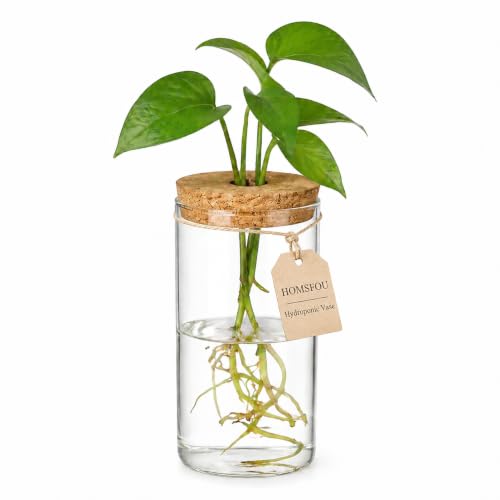
Easy to Use: This propagation vases bottle serves as a transparent glass plant bottle allowing clear visibility of your plants and water levels, making it an as a vase for hydroponic plants suitable for desktop display and micro landscape arrangements.

Include: 1 piece clear slant cut bowl glass vase, carefully packaged, vase filler not included
You Might Also Like
Chinese Evergreen
Editor’s Choice

8 inch Clear Glass Flower Vases for Centerpiece Table Home Indoor Desk D…
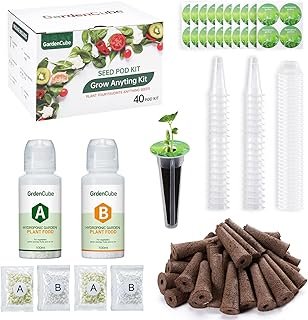
GARDENCUBE 166pcs Hydroponic Pods Kit: Compatible with Aerogarden Grow A…
7. Sweet Potato Vine
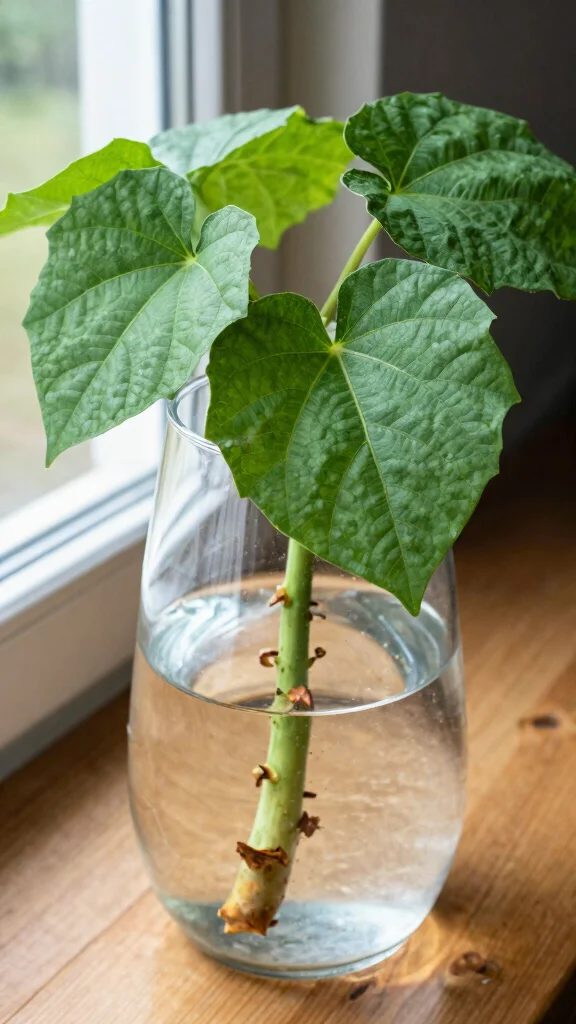
The Sweet Potato Vine is an intriguing and often overlooked plant that’s both decorative and edible. Its vibrant green, heart-shaped leaves can bring a playful touch to your indoor garden. Plus, it’s simple to propagate and care for!To propagate, cut a sweet potato in half and place it in water, cut side down. Within weeks, you’ll see lush greenery sprouting that can beautifully cascade from shelves or hanging planters. This unique plant not only enhances your decor but also offers delicious edible leaves.Indoor Gardening Tips:– Use a wide container to support leaf growth.
– Change the water regularly to prevent rot.
– Position it to allow the vines to cascade for a stunning visual effect.
Fun fact: Sweet Potato Vine can sprout vibrant greenery in as little as 2-3 weeks when a halved potato sits in water. It’s a classic example of plants that grow in water indoors, cascading beautifully from shelves with minimal care.
Sweet Potato Vine
Editor’s Choice
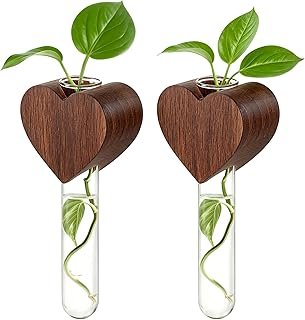
Heart-Shaped Magnetic Flower Vase Set of 2 for Refrigerator, Wooden Frid…
Set of 2-10 Inch Hanging Planters for Indoor Plants with Self-Watering I…
Conclusion
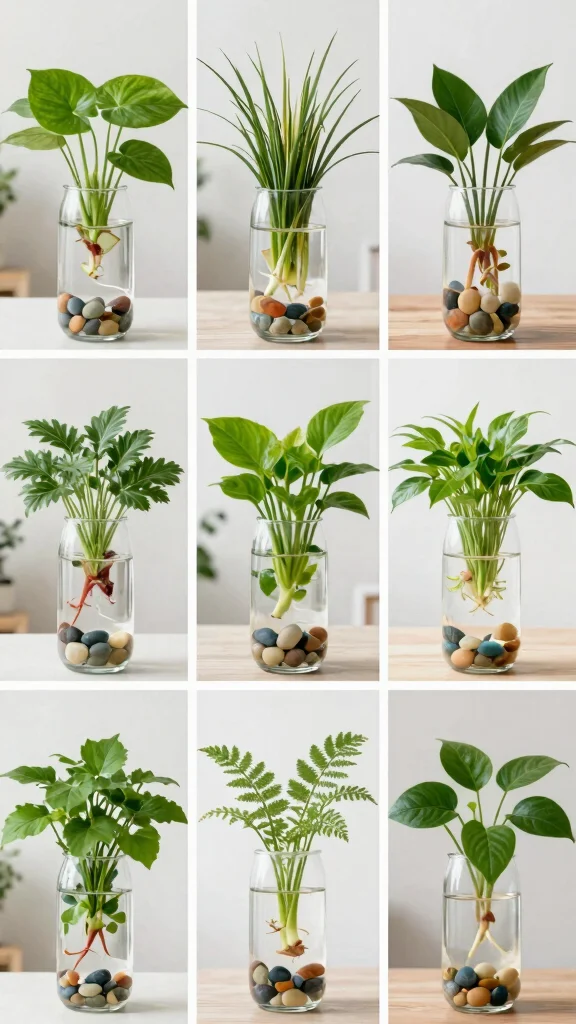
Bringing plants that grow in water indoors can truly transform your living space into a vibrant green sanctuary. Hydroponic gardening offers a fun, low-maintenance way to enjoy a variety of beautiful plants with minimal effort. Each of these easy indoor plants not only beautifies your home but also purifies the air, contributing to a healthier environment.
So go ahead, get started with your very own water garden, and enjoy the lush greenery that thrives effortlessly in your home!
Note: We aim to provide accurate product links, but some may occasionally expire or become unavailable. If this happens, please search directly on Amazon for the product or a suitable alternative.
This post contains Amazon affiliate links, meaning we may earn a small commission if you purchase through our links, at no extra cost to you.
Frequently Asked Questions
What are the easiest plants that grow in water indoors for beginners?
If you’re exploring plants that grow in water indoors, start with forgiving options like pothos, philodendron, spider plant, and lucky bamboo. They thrive in water culture and require minimal fuss.
Getting started is simple: pick a clean jar, snip a healthy cutting with at least one node, and submerge the node in fresh water. Place the container in bright, indirect light. Change the water every 5–7 days to stop stagnation. If you want to feed them, dilute a hydroponic nutrient solution at a very low rate. This approach fits easy indoor plants and low maintenance houseplants in indoor gardening tips.
How can I set up a simple hydroponic system for plants that grow in water indoors?
You don’t need fancy gear to start—just a clean, clear container and fresh water. For plants that grow in water indoors, here’s a simple setup:
1) Snip a node-containing cutting from a healthy plant and remove bottom leaves.
2) Submerge the node in water in a jar or vase.
3) Place in bright, indirect light and keep water topped up with a hydroponic nutrient solution at a diluted rate.
4) Change the water every 5–7 days and observe root growth as part of your indoor gardening tips.
What maintenance do these low maintenance houseplants require when grown in water?
Even though they’re low maintenance houseplants, a little routine helps: keep the container clean, refresh water regularly, and monitor roots for softness or dark spots.
Light matters too—bright indirect light is best to prevent leggy growth and algae. If you want a little boost, you can occasionally add a diluted hydroponic nutrient solution, but avoid overfeeding.
Can I propagate cuttings from my existing plants to grow in water indoors?
Absolutely. Water propagation is a great way to get started with plants that grow in water indoors. Take cuttings with at least one node, remove lower leaves, and place in a clean jar of water. Change the water every week, keep in bright, indirect light, and you’ll see roots form in a couple of weeks. Once roots are well-established, you can keep them in water or transfer to soil if you prefer.
What common mistakes should I avoid when growing plants in water indoors?
Common missteps include using dirty containers or tap water with too much chlorine, letting water stagnate, exposing the setup to harsh direct sun (which encourages algae), and overfeeding with nutrients. Also choose plants that root well in water—hydroponic plants that are truly suited for water propagation tend to be more forgiving. Finally, don’t ignore regular checks for root rot or slimy roots.
Recommended Products


Bring good harmony and great Feng Shui to home.

Related Topics
indoor gardening
water propagation
hydroponic plants
low maintenance houseplants
beginner friendly
easy indoor plants
home decor
plant care tips
DIY gardening
small space gardening
indoor plant trends
water garden